
Bladder Pain: Possible Causes and When to Seek Help
Pain associated with the bladder — felt as discomfort, pressure, aching, or sharp pain in the suprapubic region (the lower abdomen above the pubic bone), the pelvic floor, or the perineum — has a wide range of possible causes, from the most common and straightforward (a bacterial urinary tract infection) to more complex and chronic conditions (interstitial cystitis/bladder pain syndrome, bladder stones, bladder cancer) that require more sustained evaluation and management. The location and character of bladder pain, its relationship to bladder filling and voiding, the accompanying urinary symptoms, and the clinical context (sex, age, sexual history, prior urological history) all point toward the diagnosis and guide appropriate evaluation. Understanding the major causes of bladder pain — and the red flags that distinguish serious from benign causes — allows patients to seek the right level of evaluation rather than either dismissing persistent symptoms or feeling alarmed by transient ones.
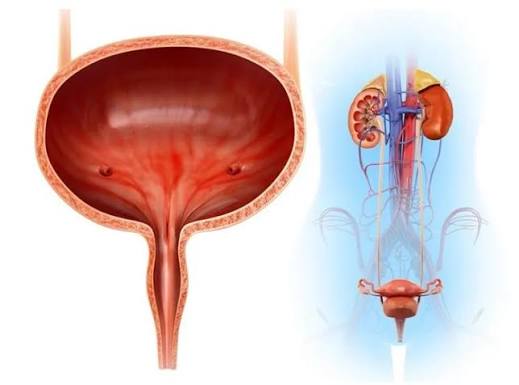
One important distinction to establish early is that “bladder pain” as described by patients may reflect pain originating from the bladder itself (intravesical or mural pathology), from the surrounding pelvic structures (the uterus, ovaries, prostate, rectum, or pelvic floor muscles), or referred pain from the kidneys or ureters above (the pain of renal colic is felt in the flank but can radiate to the lower abdomen and simulate bladder pain when a stone reaches the lower ureter). A careful history that characterizes the pain’s relationship to the micturition cycle — whether it worsens as the bladder fills and improves after voiding (the hallmark of bladder-origin pain, particularly in interstitial cystitis), or is constant and unrelated to bladder filling, or is associated with specific activities, sexual intercourse, or defecation — helps narrow the differential significantly before imaging or cystoscopy is performed.
Urinary Tract Infection: The Most Common Cause
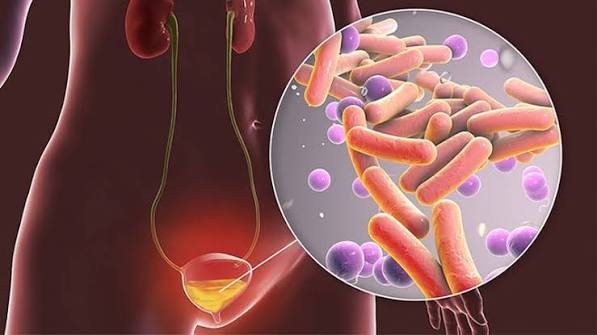
Bacterial urinary tract infection (UTI) — specifically cystitis, a bacterial infection of the bladder — is the most common cause of acute bladder pain and accounts for the vast majority of bladder pain episodes in otherwise healthy young and middle-aged women. The classic presentation includes suprapubic pain or pressure, dysuria (burning or stinging pain during urination), urinary urgency and frequency, and occasionally hematuria (blood in the urine, producing pink or reddish discoloration). Fever is not a feature of uncomplicated cystitis — its presence (particularly above 38°C or 100.4°F) suggests upper urinary tract involvement (pyelonephritis, or a kidney infection) that requires urgent evaluation and different treatment. The most common causative organism in uncomplicated UTI is Escherichia coli (accounting for 75 to 85% of cases), followed by Staphylococcus saprophyticus, Klebsiella pneumoniae, and Proteus mirabilis. Diagnosis in a healthy, premenopausal woman with typical symptoms is clinical — urinalysis confirming pyuria (white blood cells in the urine) supports the diagnosis — and a urine culture confirms the organism and antibiotic sensitivity, though it is not always performed for straightforward uncomplicated UTI in populations where E. coli resistance patterns are well characterized. Treatment with a course of appropriate antibiotics (nitrofurantoin, trimethoprim-sulfamethoxazole, or fosfomycin in uncomplicated UTI) resolves symptoms within 48 to 72 hours.
Recurrent UTI — defined as two or more infections in 6 months or three or more in 12 months — affects 20 to 30% of women who have one UTI and requires evaluation for predisposing factors (anatomical variants, incomplete bladder emptying, sexual activity patterns, estrogen deficiency in postmenopausal women, voiding habits) and consideration of preventive strategies. Recurrent UTIs sensitize the bladder urothelium over time, and some women develop chronic urgency, frequency, and suprapubic discomfort that persists beyond UTI episodes — the boundary between recurrent UTI and interstitial cystitis in these patients is not always sharp, and the evaluation should include bladder pain syndrome screening. Men with UTI — much less common than in women because of the longer male urethra — require evaluation for predisposing causes including BPH, urethral stricture, and structural anomalies, and UTI in a man of any age is considered a complicated UTI that warrants urological evaluation and urine culture.
Interstitial Cystitis / Bladder Pain Syndrome
Interstitial cystitis/bladder pain syndrome (IC/BPS) is a chronic condition of the bladder characterized by persistent pelvic pain, pressure, or discomfort perceived to be related to the bladder, accompanied by at least one urinary symptom (urgency or frequency), in the absence of demonstrable infection or another identifiable cause. It is a diagnosis of exclusion — made after infection, bladder cancer, bladder stones, and other explanations for bladder pain have been excluded. IC/BPS affects predominantly women (with a female-to-male ratio of approximately 5 to 1) and its prevalence is estimated at 2 to 6% in the general population, though significant underdiagnosis means the true prevalence may be higher. Many IC/BPS patients wait years from symptom onset to diagnosis because their symptoms are dismissed as recurrent UTIs, gynecological conditions, or functional pain — and multiple courses of antibiotics that fail to resolve symptoms are a near-universal feature of IC/BPS patients’ diagnostic journeys.
The hallmark clinical feature of IC/BPS that distinguishes it from OAB is the pain relationship with bladder filling: in IC/BPS, pain consistently worsens as the bladder fills and improves (though does not always completely resolve) after voiding. This fill-dependent pain pattern is not present in OAB, where urgency is the primary symptom without consistent pain relief with voiding. Patients with IC/BPS also frequently identify dietary triggers — acidic foods (tomatoes, citrus fruits, vinegar), caffeine, alcohol, carbonated beverages, artificial sweeteners, and spicy foods — that acutely worsen their bladder pain, believed to act through urothelial irritation. IC/BPS pain can involve the urethra, vagina, perineum, or rectum in addition to the bladder and lower abdomen, and many patients have concurrent pelvic floor myalgia (pelvic floor muscle tenderness on examination) that contributes to their pain burden.
The management of IC/BPS is multimodal and targets both the bladder urothelium and the pelvic floor/central sensitization components of the pain. First-line approaches include dietary modification to eliminate triggers, patient education about the chronic nature of the condition and the variability of symptoms, pelvic floor physical therapy (which is highly effective for the myofascial and pelvic floor muscle components of IC/BPS pain), and bladder training. Second-line pharmacological options include oral pentosan polysulfate sodium (Elmiron), amitriptyline, hydroxyzine, and cimetidine; intravesical instillations (DMSO, heparin, lidocaine, sodium bicarbonate) address the urothelial surface directly. Cystoscopy under anesthesia with hydrodistension — a diagnostic and potentially therapeutic procedure that distends the bladder under anesthesia and often produces temporary symptom improvement — is used to characterize the subtype of IC/BPS (Hunner lesions present vs. absent, which has treatment implications). For patients requiring more advanced intervention, sacral neuromodulation and intradetrusor botulinum toxin injection are used in refractory cases.
Bladder Stones and Bladder Cancer
Bladder stones — calculi that form within the bladder or migrate from the upper urinary tract and become lodged in the bladder — cause bladder pain, urinary frequency, urgency, terminal dysuria (pain specifically at the end of urination, as the stone moves onto the trigone), and hematuria. They are more common in men than women (reflecting the association with BPH and incomplete bladder emptying, which allows urine stasis and crystal precipitation) and are diagnosed by plain abdominal radiograph, ultrasound, or CT. Treatment is cystoscopic removal or fragmentation (cystolithotripsy) of the stone through an endoscope, followed by treatment of the underlying cause (incomplete emptying from BPH, foreign body acting as a nidus, or metabolic stone-forming tendency). A patient with lower urinary tract symptoms and hematuria should have bladder stone excluded early in the evaluation — it is a straightforward and easily treated diagnosis if identified promptly.
Bladder cancer produces irritative voiding symptoms — urgency, frequency, and dysuria — and hematuria, which may be painless (gross hematuria without associated pain is a classic presentation of bladder cancer that requires urgent evaluation regardless of age) or microscopic (detected on urinalysis). Most bladder cancer occurs in older adults, more commonly in men, with smoking as the most important risk factor; occupational exposure to aromatic amines (dye, rubber, and leather industry workers) is also a significant risk factor. Any adult with hematuria — particularly gross hematuria — and lower urinary tract symptoms including bladder pain requires cystoscopy and upper tract imaging to exclude bladder cancer and upper tract urothelial carcinoma. The overactive bladder guide on Horizon Health Guide covers the OAB symptoms that can mimic bladder cancer’s irritative symptoms, and the urological treatment guide provides context on when bladder symptoms require urgent specialist evaluation. The NIDDK interstitial cystitis resource and the AUA IC/BPS guidelines are the authoritative references for bladder pain syndrome, and the StatPearls review of interstitial cystitis provides a comprehensive evidence base for the diagnosis and management of this condition.
Sources: NIDDK — Interstitial Cystitis · AUA IC/BPS Guidelines · StatPearls — Interstitial Cystitis
Other Causes of Bladder Pain
Beyond UTI, IC/BPS, bladder stones, and bladder cancer, several other conditions can produce bladder pain or be confused with primary bladder pathology. Radiation cystitis — bladder inflammation and fibrosis caused by pelvic radiation (most commonly for prostate, cervical, endometrial, rectal, or bladder cancer) — can develop months to years after radiation treatment and produces urgency, frequency, hematuria, and bladder pain. The bladder wall becomes fibrotic (losing compliance and capacity), and the urothelium and submucosal vasculature become friable and prone to hemorrhage. Radiation cystitis ranges from mild irritative symptoms managed with hydration and bladder-protective medications to severe hemorrhagic cystitis requiring endoscopic cauterization, hyperbaric oxygen therapy, or in extreme cases cystectomy. Any patient with a history of pelvic radiation who develops new bladder symptoms should have cystoscopy to evaluate both for radiation cystitis and for recurrent or secondary malignancy.
Cyclophosphamide and ifosfamide cystitis — bladder toxicity from these alkylating chemotherapy agents (metabolized to acrolein, which is excreted in the urine and toxic to the urothelium) — produce severe hemorrhagic cystitis with hematuria, dysuria, and bladder pain. Prevention with mesna (a uroprotective agent that binds acrolein in the urine) and aggressive hydration during chemotherapy administration reduces the incidence, but established cyclophosphamide cystitis requires urgent urological evaluation. Pelvic floor dysfunction and myofascial pain — tension, tenderness, and trigger points in the pelvic floor musculature (particularly the levator ani, obturator internus, and piriformis muscles) — produce pelvic pain that is frequently perceived as arising from the bladder or urethra, and is often misdiagnosed as recurrent UTI or IC/BPS. Pelvic floor myofascial pain is the diagnosis that pelvic floor physiotherapy is specifically designed to address, and a trial of pelvic floor physical therapy is often both diagnostic and therapeutic in patients with chronic pelvic pain and a negative infectious and structural workup.
Endometriosis involving the bladder (bladder endometriosis) — implants of endometrial tissue on or within the bladder wall — produces cyclical bladder pain, urgency, frequency, and hematuria that characteristically worsen during menstruation. It is rare (occurring in 1 to 2% of women with endometriosis) but significantly underdiagnosed because the bladder involvement is not always suspected in women presenting with urinary symptoms. Cystoscopy during menstruation may reveal blue-black submucosal nodules representing endometrial implants, and MRI of the pelvis can demonstrate the extent of bladder wall involvement. Treatment is hormonal suppression or surgical excision, depending on the extent of involvement and the patient’s reproductive goals. Acute urinary retention — the sudden inability to void despite a full bladder — produces severe suprapubic pain and distension that can be confused with bladder pain from other causes; it is a urological emergency requiring urgent bladder drainage by catheterization.
Red Flags: When Bladder Pain Requires Urgent Evaluation
Most bladder pain is benign and resolves with appropriate treatment of its underlying cause — the great majority of cases are UTIs that respond promptly to antibiotics. But certain features of bladder pain or its clinical context should prompt timely or urgent evaluation rather than empirical treatment or watchful waiting. Gross hematuria (blood visible in the urine) accompanying bladder pain requires cystoscopic evaluation in all adults, particularly those above 40 and those with smoking history, to exclude bladder cancer — painless gross hematuria is the classic presenting symptom of bladder cancer and should never be attributed to another cause without cystoscopy. Bladder pain that does not resolve after appropriate antibiotic treatment of a UTI — or that recurs repeatedly despite negative cultures — should prompt evaluation for IC/BPS, bladder stones, bladder cancer, or other structural causes. Bladder pain with fever and flank pain suggests pyelonephritis (kidney infection) rather than cystitis and requires prompt medical evaluation; in the context of urinary tract obstruction from a stone or other cause, this constellation of symptoms can indicate urosepsis — a life-threatening emergency requiring urgent drainage and antibiotics. New bladder pain in a patient with known bladder or pelvic cancer history requires evaluation for recurrence or treatment-related cystitis. Bladder pain with inability to urinate is acute urinary retention requiring emergency catheterization. For comprehensive guidance on navigating urological symptoms and identifying when specialist evaluation is warranted, the urological evaluation guide on Horizon Health Guide and the urinary incontinence overview provide relevant context on the spectrum of conditions affecting the lower urinary tract.
Bladder Pain and Diet: What to Know
For patients with interstitial cystitis/bladder pain syndrome, dietary modification is one of the most consistently effective management tools and represents a category of intervention with no side effects and no cost — making it the first modification to try before any pharmacological treatment is added. The bladder pain syndrome diet — sometimes called the “IC diet” — is based on empirical patient and clinical observations about which foods consistently worsen bladder symptoms, and it has a strong practical evidence base from patient surveys even in the absence of large clinical trials. The most commonly reported dietary triggers in IC/BPS are: acidic foods and beverages (citrus fruits and juices, tomatoes and tomato-based products, vinegar and vinegar-containing condiments); caffeine in any form (coffee, tea, soft drinks, energy drinks, chocolate); alcohol; carbonated beverages (even non-caffeinated, the carbonation itself irritates the urothelium in IC/BPS); artificial sweeteners (aspartame and saccharin are the most commonly reported triggers); and spicy foods. The proposed mechanism is that these substances — or their urinary metabolites — directly irritate the diseased urothelium of the IC/BPS bladder, which has increased permeability to urinary solutes (the “leaky urothelium” hypothesis) and heightened sensory nerve sensitivity compared to a healthy bladder.
The IC diet is typically implemented through an elimination approach: the patient eliminates all known high-risk foods for 1 to 2 weeks, then systematically reintroduces food categories one at a time to identify individual triggers. IC/BPS dietary sensitivity is highly individual — some patients have broad sensitivity to most of the listed triggers, while others have only one or two specific triggers, and some patients find their symptoms relatively diet-insensitive. Keeping a food-and-symptom diary during the elimination and reintroduction process allows precise identification of personal triggers rather than permanent broad restriction of all listed foods, which would unnecessarily limit dietary variety and quality for patients who do not react to all triggers. The IC Network and the Interstitial Cystitis Association publish comprehensive IC diet resources and food lists that provide practical guidance on which foods are most commonly problematic and which are generally well-tolerated, and these resources are useful starting points for newly diagnosed IC/BPS patients beginning dietary modification. For patients with concurrent OAB symptoms on top of IC/BPS pain, bladder irritant reduction overlaps between the IC diet and standard OAB dietary counseling — caffeine and alcohol elimination is beneficial for both conditions and is the highest-priority dietary change for patients with both bladder pain and urgency symptoms. The overactive bladder guide on Horizon Health Guide covers dietary modification for urgency symptoms in additional detail.
Living With Chronic Bladder Pain: Psychological and Quality-of-Life Considerations
Chronic bladder pain — particularly from interstitial cystitis/bladder pain syndrome, which is by definition a persistent condition without a straightforward cure — carries a substantial psychological and quality-of-life burden that extends beyond the physical symptoms. IC/BPS patients have significantly elevated rates of depression, anxiety, and post-traumatic stress compared to the general population, reflecting both the direct impact of chronic pain on mood and the accumulated distress of a diagnostic journey that often spans years of dismissal, misdiagnosis, and failed treatments. Sexual dysfunction — including dyspareunia (pain during sexual intercourse), reduced libido, and avoidance of sexual activity — is common in women with IC/BPS because intercourse triggers bladder pain flares, and the anticipatory anxiety about pain further impairs sexual function and relationship quality. Pelvic floor physical therapy is particularly valuable for the sexual dysfunction component of IC/BPS because it addresses the pelvic floor hypertonicity and myofascial pain that contribute to dyspareunia, often producing improvements in sexual function alongside the bladder pain reductions.
Multidisciplinary management — combining urological care with pain psychology, pelvic floor physiotherapy, and where indicated psychiatry or psychotherapy for depression and anxiety — produces better outcomes for chronic IC/BPS than single-specialty management alone, reflecting the biopsychosocial complexity of a condition in which central sensitization (amplification of pain signals by the central nervous system) plays an increasing role as the condition becomes more chronic. Pain catastrophizing — a cognitive pattern in which patients interpret their pain as overwhelming and endless — is a particularly strong predictor of poor IC/BPS outcomes and a target of psychological intervention. Mindfulness-based stress reduction programs have been studied in IC/BPS and other chronic pelvic pain conditions and show modest but meaningful reductions in pain intensity and quality-of-life impairment. Patient support communities and the Interstitial Cystitis Association provide peer support resources that help patients navigate the diagnostic and treatment journey and reduce the social isolation that frequently accompanies this underrecognized condition.
Bladder Pain in Men vs. Women
The causes of bladder pain differ substantially between men and women, reflecting anatomical, hormonal, and epidemiological differences that shape the differential diagnosis and the evaluation approach. In women, UTI is the dominant cause of acute bladder pain (women have a lifetime UTI risk of 50 to 60%), followed by IC/BPS (which affects women at 5 to 10 times the rate of men) and gynecological conditions that produce bladder symptoms through proximity and shared innervation — endometriosis, ovarian cysts, pelvic inflammatory disease, and uterine fibroids can all produce bladder pain or pressure that is perceived as bladder-origin but is actually from adjacent pelvic pathology. Postmenopausal women have additional vulnerability to recurrent UTI (estrogen deficiency alters vaginal and urethral flora and reduces mucosal resistance to bacterial colonization) and to genitourinary syndrome of menopause, which produces vaginal dryness, dysuria, and urinary frequency that can be mistaken for recurrent UTI. Local vaginal estrogen therapy is highly effective for genitourinary syndrome of menopause and reduces both the UTI frequency and the urethral burning symptoms in postmenopausal women.
In men, UTI is less common but when it occurs is associated with prostate involvement (prostatitis) far more often than in women — acute bacterial prostatitis produces fever, perineal and suprapubic pain, dysuria, and urgency, and can be distinguished from cystitis by the accompanying systemic symptoms and prostate tenderness on examination. Chronic prostatitis/chronic pelvic pain syndrome (CP/CPPS) — characterized by persistent pelvic pain, perineal discomfort, and lower urinary tract symptoms without a demonstrable bacterial infection — affects 10 to 15% of men at some point in their lives and is one of the most common urological diagnoses in men under 50. CP/CPPS shares features with IC/BPS (chronic pelvic pain without demonstrable infection or structural cause, pelvic floor muscle dysfunction, dietary sensitivity) and is treated with a similar multimodal approach including pelvic floor physiotherapy, alpha-blockers, and pain management. For men above 50, BPH-related bladder remodeling produces suprapubic pressure and discomfort alongside the obstructive and storage LUTS of prostate disease, and bladder pain in this context should prompt evaluation of both the prostate and the bladder. A prostate-specific antigen (PSA) test and digital rectal examination are part of the standard evaluation of lower urinary tract symptoms including bladder pain in men above 50, both to assess prostate disease and to screen for prostate cancer that can involve the bladder base and cause bladder symptoms.
I’ve had interstitial cystitis for 11 years. The diagnostic journey described here is painfully accurate — I saw 8 different doctors over 4 years and received 23 courses of antibiotics for ‘UTIs’ that were all culture-negative, before a urogynecologist finally suggested IC/BPS and ordered cystoscopy under anesthesia. The dietary section is the most immediately actionable information I wish I had had earlier — eliminating caffeine and acidic foods reduced my flare frequency by about 60% within 6 weeks, and I found this out not from any doctor but from an IC patient forum. The acknowledgment that diagnosis takes years for most IC patients and that the condition is systematically missed is something patients need to hear — it helps us stop blaming ourselves for not getting better on antibiotics when that was never going to work.
A thorough and accurate overview of the bladder pain differential that appropriately emphasizes the importance of distinguishing IC/BPS from recurrent UTI early in the diagnostic process. The point about bladder cancer presenting with painless gross hematuria is critical and deserves emphasis: every adult with gross hematuria requires cystoscopy regardless of other symptoms, even if a UTI is simultaneously present (UTI explains irritative symptoms and pyuria, but does not explain gross hematuria and should not be used as the sole explanation without cystoscopy). The section on radiation cystitis is valuable — many post-radiation patients are not counseled adequately about the delayed-onset bladder toxicity from pelvic radiation, and new bladder symptoms months to years after radiation treatment are sometimes incorrectly attributed to UTI when cystoscopy would reveal obvious radiation changes.
Dr. Ellison, the hematuria-cystoscopy point cannot be overstated — the risk of missing bladder cancer because hematuria was attributed to a concurrent UTI or presumed benign cause is the most consequential diagnostic error in urology, and any unexplained hematuria warrants urological evaluation regardless of the presence of other explanatory symptoms. Claire, your experience — 23 antibiotic courses before an IC/BPS diagnosis — is a representative rather than exceptional trajectory for IC/BPS patients, and the frequency with which culture-negative ‘UTIs’ are treated with antibiotics in this population reflects both the diagnostic challenge and the inadequate awareness of IC/BPS even among clinicians who manage urinary symptoms regularly. The IC patient community has often been years ahead of clinical practice in identifying dietary triggers, and the empirical dietary knowledge accumulated through patient experience is now validated in clinical surveys and incorporated into formal IC/BPS management guidelines.