
Prostate Health and Urinary Symptoms: What Every Man Should Know
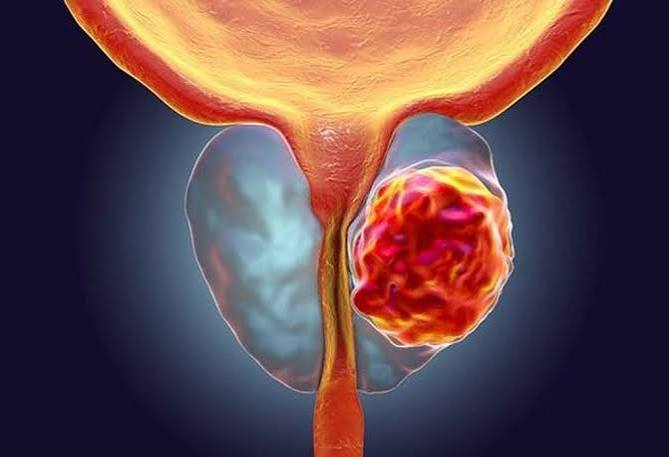
The prostate gland is a walnut-sized organ located directly below the bladder and surrounding the upper urethra in men, and its anatomical position means that almost any significant change in prostate size, shape, or function has direct consequences for urinary flow and bladder behavior. This intimate anatomical relationship between the prostate and the lower urinary tract makes the prostate the single most common source of urinary symptoms in men over the age of 40, responsible for the hesitancy, weak stream, frequency, urgency, nocturia, and incomplete emptying that collectively affect more than 50% of men by age 60 and more than 80% by age 80. Understanding what the prostate does, how it changes with age, what symptoms should prompt clinical evaluation, and what the current evidence shows about prostate health maintenance gives men the foundation to manage their urinary health proactively rather than reactively — seeking evaluation when symptoms are mild and treatment options are most effective, rather than waiting until bladder dysfunction has progressed to a stage that requires more invasive intervention.
The prostate serves three principal functions in male reproductive physiology: it produces the majority of the fluid component of semen (contributing approximately 25 to 30% of ejaculate volume), including prostate-specific antigen (PSA) — a serine protease that liquefies the seminal coagulum after ejaculation; it contains smooth muscle fibers whose contraction during ejaculation propels semen into the urethra; and during ejaculation, the bladder neck smooth muscle contracts to prevent retrograde ejaculation (semen entering the bladder). None of these reproductive functions directly affect urination under normal physiological conditions — but as the prostate enlarges with age (a near-universal process called benign prostatic hyperplasia, or BPH), the mechanical pressure it exerts on the surrounding urethral lumen progressively impairs urine flow in ways that range from barely noticeable to severely symptomatic. Understanding that prostate-related urinary symptoms are primarily a mechanical and functional consequence of prostate enlargement — rather than a sign of prostate cancer in most men — allows for appropriate clinical triage that neither dismisses symptoms nor unnecessarily panics about malignancy.
How the Prostate Changes With Age: BPH Explained
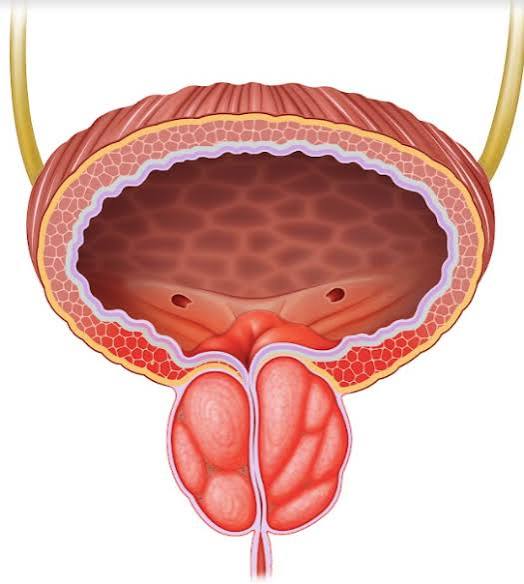
Benign prostatic hyperplasia (BPH) is not a disease in the traditional sense but a normal, age-related process of prostate tissue growth that begins in the periurethral transition zone of the prostate in virtually all men after age 40. The term “hyperplasia” describes cellular proliferation — an increase in the number of prostate cells — rather than hypertrophy (enlargement of individual cells), though common usage often treats the terms interchangeably. The normal prostate weighs approximately 20 grams in young adulthood; by age 60, the average prostate weighs 30 to 40 grams; by age 80, 50 to 80 grams or more. The rate of growth is highly variable between individuals — some men’s prostates remain relatively stable in size throughout life while others enlarge substantially — and prostate size does not correlate perfectly with symptom severity, because the anatomical distribution of growth within the prostate determines how much urethral compression occurs. A prostate that enlarges predominantly into the lateral lobes may compress the urethra significantly with relatively modest overall size increase, while one that enlarges predominantly into the posterior lobe may reach a large size without meaningful urethral compression.
BPH produces urinary symptoms through two mechanisms: static (mechanical) and dynamic. The static component arises from the physical compression of the urethra by enlarged prostate tissue surrounding it, raising outlet resistance and reducing urine flow rate. The dynamic component arises from increased smooth muscle tone in the prostate stroma and bladder neck — stimulated by adrenergic (sympathetic) innervation — which adds a functional, contractile obstruction on top of the mechanical one. This distinction between static and dynamic obstruction is clinically important because it explains why different drug classes work by different mechanisms: 5-alpha reductase inhibitors (finasteride, dutasteride) shrink the prostate by blocking dihydrotestosterone synthesis, addressing the static mechanical component; alpha-1 adrenergic receptor blockers (tamsulosin, alfuzosin, silodosin) relax prostatic and bladder neck smooth muscle, addressing the dynamic functional component; and combination therapy using both classes produces additive benefit in men with both significant prostate enlargement and dynamic obstruction. Understanding this dual mechanism also explains why symptoms sometimes appear out of proportion to measured prostate size — a prostate with high smooth muscle tone can produce significant functional obstruction without proportionate physical enlargement.
Urinary Symptoms of BPH: The LUTS Spectrum
The urinary symptoms produced by BPH — collectively termed lower urinary tract symptoms (LUTS) — are divided into voiding (obstructive) symptoms, which arise directly from outlet obstruction during urination, and storage symptoms, which arise from the secondary bladder changes that develop in response to chronic obstruction. Both categories are important components of the BPH symptom burden, and their relative contributions differ between individuals — some men with BPH have predominantly voiding symptoms while others have predominantly storage symptoms, a distinction that affects the most appropriate first-line treatment approach.
Voiding (obstructive) symptoms: Hesitancy (difficulty initiating urination — the delay between the decision to void and the onset of urine flow), weak urine stream (reduced flow rate from increased outlet resistance), straining (abdominal pushing required to maintain flow), intermittency (stopping and starting during voiding), prolonged voiding time, post-void dribbling, and a sensation of incomplete bladder emptying. These symptoms directly reflect the obstructed urethra — urine flow is impeded by the narrowed urethral lumen, requiring higher detrusor pressure to maintain adequate flow rate, producing the characteristic hesitancy and weak stream pattern. A detailed look at each voiding symptom individually is provided in the weak urine stream causes guide, the difficulty starting urination guide, and the incomplete bladder emptying guide on Horizon Health Guide.
Storage (irritative) symptoms: Urinary urgency, increased daytime frequency (more than 8 voids per day), nocturia (waking 2 or more times per night to void), and urgency incontinence. These symptoms arise from secondary detrusor overactivity (OAB) that develops in response to chronic outlet obstruction — the bladder muscle becomes hypertrophied and irritable from the increased filling pressures required to force urine through the obstructed urethra, eventually developing autonomous (uninhibited) contractions that produce urgency and frequency independent of bladder volume. Approximately 50 to 70% of men with BPH and LUTS have concurrent detrusor overactivity, which explains why alpha-blocker treatment alone — which addresses the outlet obstruction but not the detrusor hyperactivity — produces incomplete symptom relief in many men, and why combination therapy adding an antimuscarinic or beta-3 agonist to an alpha-blocker is often needed for men with dominant storage symptoms. For the broader management context of urgency and frequency symptoms in men with BPH, the overactive bladder symptoms guide on Horizon Health Guide covers the OAB component that frequently complicates BPH management. The nocturia guide addresses nighttime urinary frequency — one of the most impactful BPH-related symptoms for quality of life and fall risk in older men.
Prostate Cancer and PSA: Understanding the Screening Conversation
Prostate cancer is the most common non-skin cancer in men in the United States, with approximately 1 in 8 men diagnosed during their lifetime, and the second leading cause of cancer death in men after lung cancer. The relationship between prostate cancer and urinary symptoms is more variable than that of BPH — early-stage prostate cancer is typically asymptomatic (occurring in the peripheral zone of the prostate, away from the urethra), while advanced local disease or BPH coexisting with prostate cancer can produce LUTS. The critical point is that urinary symptoms are not a reliable marker of prostate cancer presence or absence: most men with prostate cancer do not have urinary symptoms from the cancer itself, and most men with urinary symptoms from the prostate have BPH rather than cancer. This means clinical evaluation of LUTS must systematically exclude prostate cancer regardless of symptom severity, rather than assuming symptoms are from BPH without investigation.
Prostate-specific antigen (PSA) testing is the primary screening tool for prostate cancer, though its use is nuanced and requires individualized discussion. PSA is produced by prostate epithelial cells — both normal and cancerous — and is elevated in BPH, prostatitis, and prostate cancer. A PSA level above the age-specific reference range, a rapidly rising PSA level (PSA velocity above 0.75 ng/mL per year), or a low free-to-total PSA ratio all increase the probability of prostate cancer and may trigger prostate biopsy recommendation. Current guidelines (AUA, USPSTF) recommend shared decision-making about PSA screening for men aged 55 to 69 — the age range with the greatest evidence for mortality benefit from early detection — with individual discussions about the benefits (early cancer detection when cure is most achievable) and harms (false positives leading to unnecessary biopsy, overdiagnosis of low-risk cancers requiring treatment with associated side effects) that inform a personalized screening decision. For evidence-based guidance on prostate health and urinary symptoms, the NIDDK prostate health resource and the AUA BPH clinical guidelines are the authoritative references. The StatPearls BPH review provides the clinical evidence base for BPH pathophysiology and management. For patients whose BPH-related symptoms include significant urgency and frequency alongside voiding symptoms, the when bladder symptoms need evaluation guide on Horizon Health Guide helps determine which symptoms warrant prompt clinical assessment.
Lifestyle Factors That Influence Prostate Health
While BPH is a near-universal aging process with a strong genetic component, several modifiable lifestyle factors influence both the rate of prostate growth and the severity of LUTS at a given prostate size. Physical activity is consistently associated with lower LUTS severity in epidemiological studies — men who exercise regularly have lower rates of BPH diagnosis and less severe LUTS than sedentary peers, likely through multiple mechanisms including improved metabolic health, reduced systemic inflammation, lower insulin levels (insulin promotes prostate cell growth through IGF-1 signaling), and reduced sympathetic nervous system tone (which reduces the dynamic component of BPH obstruction). The LUTS reduction from regular aerobic exercise in men with BPH is clinically meaningful — equivalent in magnitude to the effect of a single alpha-blocker medication in some trials — making physical activity a high-priority behavioral recommendation for any man with LUTS. Obesity is independently associated with larger prostate size, higher IPSS scores, and greater BPH progression risk; the mechanisms include higher circulating estrogen levels (adipose-derived aromatase converts testosterone to estradiol, which promotes prostatic stromal growth), higher insulin levels, and increased systemic inflammation. Weight loss in obese men with BPH is associated with clinically meaningful LUTS improvement. Diet — particularly a high-meat, high-fat Western dietary pattern — is associated with greater prostate cancer risk and BPH severity in epidemiological data, while Mediterranean dietary patterns rich in lycopene (tomatoes, especially cooked), cruciferous vegetables, omega-3 fatty acids, and green tea polyphenols are associated with lower prostate cancer risk and potentially lower BPH severity, though the evidence for the dietary BPH connection is less robust than for prostate cancer prevention. Alcohol and caffeine both worsen LUTS in men with BPH through diuretic and bladder-irritant mechanisms, and reducing both — especially in the evening — improves nocturia and urgency disproportionately to their effect on daytime symptoms.
Sources: NIDDK — Prostate Problems · AUA BPH Guidelines · StatPearls — BPH
BPH Medications: Alpha-Blockers and 5-Alpha Reductase Inhibitors
When lifestyle modification is insufficient to adequately control LUTS from BPH — typically defined as an International Prostate Symptom Score (IPSS) of 8 or higher, or when symptoms significantly impair quality of life — first-line pharmacological treatment is indicated. Two drug classes are established as the pharmacological mainstays of BPH management, with combination therapy available for men with moderate-to-severe symptoms and significant prostate enlargement.
Alpha-1 adrenergic receptor blockers (tamsulosin, alfuzosin, doxazosin, terazosin, silodosin) relax the smooth muscle of the prostatic stroma, prostatic capsule, and bladder neck by blocking adrenergic-mediated contraction, reducing the dynamic (functional) component of bladder outlet obstruction. The clinical effect of alpha-blockers is rapid — most men notice symptom improvement within 1 to 2 weeks of starting treatment — but the magnitude of improvement is modest in the context of the overall LUTS burden: alpha-blockers reduce the IPSS by approximately 4 to 6 points on average and improve maximum urine flow rate (Qmax) by approximately 2 to 3 mL/second. Alpha-blockers do not reduce prostate size and do not alter the natural history of BPH progression; they provide symptomatic relief during treatment but symptoms return to baseline when the medication is discontinued. Side effects include orthostatic hypotension (more pronounced with doxazosin and terazosin, which are non-selective alpha-1 blockers, than with tamsulosin and silodosin, which have selectivity for the alpha-1A subtype predominating in prostatic smooth muscle), retrograde ejaculation (particularly with silodosin, in 20 to 30% of users), and intraoperative floppy iris syndrome — an important consideration for men scheduled for cataract surgery, who should inform their ophthalmologist about alpha-blocker use before any eye procedure. 5-alpha reductase inhibitors (5-ARIs: finasteride, dutasteride) block the conversion of testosterone to dihydrotestosterone (DHT) — the primary androgen responsible for prostate cell growth and proliferation — producing a 20 to 30% reduction in prostate volume over 6 to 12 months of continuous treatment. Unlike alpha-blockers, 5-ARIs address the static mechanical component of BPH obstruction by physically shrinking the prostate; unlike alpha-blockers, their clinical effect is slow (maximum benefit requires 6 to 12 months), and they are most effective in men with prostates above 30 to 40 grams who are at risk for BPH progression (acute urinary retention, prostate surgery). Long-term 5-ARI treatment reduces the risk of acute urinary retention and BPH-related surgery by approximately 50% in appropriately selected patients — a clinically significant disease-modification effect not achieved by alpha-blockers alone. Side effects of 5-ARIs include decreased libido, erectile dysfunction, and ejaculatory dysfunction in a minority of men (approximately 5 to 8%), as well as a modest reduction in serum PSA (by approximately 50% after 6 to 12 months of treatment) that must be accounted for in PSA-based prostate cancer screening — a PSA result in a man on a 5-ARI should be doubled to approximate his equivalent untreated PSA level for cancer screening interpretation.
When Is BPH Surgery Considered?
Surgical intervention for BPH is recommended when medical therapy has failed to provide adequate symptom relief, when complications of outlet obstruction have developed, or as primary treatment for certain presentations where medical management is unlikely to be sufficient. The absolute indications for surgical intervention in BPH include: recurrent acute urinary retention (the sudden complete inability to void, requiring emergency catheterization); recurrent urinary tract infections caused by significant post-void residual; bladder stones forming secondary to urinary stasis from incomplete emptying; hydronephrosis (back-pressure kidney dilation) from chronic outlet obstruction; and renal insufficiency attributable to obstructive uropathy. The relative indications — situations where surgery is recommended because of insufficient response to medications or patient preference for definitive treatment over chronic medication use — include: bothersome LUTS with IPSS above 20 despite adequate trials of alpha-blocker and 5-ARI therapy; significantly elevated post-void residual above 200 to 300 mL; peak flow rate below 10 mL/second with bladder outlet obstruction confirmed on urodynamic testing; and patient preference for surgical resolution over ongoing medication management. Transurethral resection of the prostate (TURP) remains the reference-standard surgical procedure against which all other BPH interventions are compared, producing durable improvements in IPSS and urine flow rate in 90% of appropriately selected patients with low long-term retreatment rates. Minimally invasive alternatives — laser prostatectomy (GreenLight, Holmium), prostatic urethral lift (UroLift), water vapor thermal therapy (Rezum), aquablation, and prostate artery embolization — offer comparable efficacy with different side effect profiles (particularly regarding ejaculatory function preservation, which is better with UroLift and Rezum than with TURP or laser enucleation), and are appropriate for selected patients based on prostate size, anatomy, comorbidities, and patient priorities regarding ejaculatory function preservation. For men whose BPH-related incomplete bladder emptying is causing recurrent infections or significant quality-of-life impairment, the incomplete bladder emptying guide on Horizon Health Guide covers this symptom and its management in detail, and the enlarged prostate and urination problems guide provides a comprehensive overview of how BPH affects urinary function across all symptom dimensions.
Prostatitis: When Prostate Inflammation Causes Urinary Symptoms
Prostatitis — inflammation of the prostate gland — is a common but often misunderstood cause of urinary symptoms and pelvic pain in men across all age groups, not only older men with BPH. The National Institutes of Health classification system divides prostatitis into four categories: Category I (acute bacterial prostatitis), Category II (chronic bacterial prostatitis), Category III (chronic prostatitis/chronic pelvic pain syndrome, CP/CPPS — by far the most prevalent type), and Category IV (asymptomatic inflammatory prostatitis, discovered incidentally). The urinary symptoms of prostatitis are distinct from those of BPH in their onset pattern and associated features: prostatitis-related LUTS typically have a more acute onset (particularly in bacterial types), are often accompanied by perineal, suprapubic, or genital pain (which BPH does not cause), and can occur at any age, while BPH-related LUTS develop insidiously over years and predominantly in middle-aged and older men.
Acute bacterial prostatitis (Category I) — caused by uropathogenic bacteria (typically E. coli or other gram-negative rods ascending from the urethra or bladder) — presents acutely with fever, chills, perineal pain, dysuria, and obstructive LUTS. Rectal examination reveals a hot, tender, boggy prostate. Acute bacterial prostatitis is a medical emergency requiring prompt hospitalization, intravenous antibiotics (fluoroquinolone or third-generation cephalosporin), and urinary drainage — if significant urinary retention is present, suprapubic catheterization is preferred over urethral catheterization to avoid prostate manipulation and bacteremia risk. With appropriate treatment, acute bacterial prostatitis resolves completely in most patients; delayed or inadequate treatment risks prostate abscess formation, bacterial seeding, and progression to sepsis. Chronic bacterial prostatitis (Category II) causes recurrent lower urinary tract infections with the same organism, with intermittent perineal discomfort and mild LUTS between episodes; prolonged antibiotic courses (4 to 6 weeks of fluoroquinolone or trimethoprim-sulfamethoxazole) are required for adequate penetration into prostate tissue. Chronic prostatitis/chronic pelvic pain syndrome (CP/CPPS, Category III) is the most prevalent and least well-understood prostatitis category — accounting for over 90% of prostatitis diagnoses — characterized by pelvic pain and LUTS persisting for more than 3 months without demonstrable bacterial infection. Its management is multimodal and includes alpha-blockers (for the dynamic LUTS component), anti-inflammatory agents, pelvic floor physical therapy (for the musculoskeletal pelvic pain component, which is present in a large proportion of CP/CPPS patients), and psychological support for the significant mental health burden that accompanies chronic pelvic pain. For men whose BPH-related urinary hesitancy and weak stream are the most prominent symptoms, the difficulty starting urination guide on Horizon Health Guide covers hesitancy in detail across both BPH and prostatitis contexts, and the weak urine stream guide provides a comprehensive differential of reduced flow rate that includes both obstructive and non-obstructive causes.
I’m 67 and have been dealing with the weak stream, hesitancy, and multiple nighttime wakeups for about 5 years. My GP kept saying ‘it’s just BPH, very common’ and gave me tamsulosin, which helped a little but not as much as I expected. Reading this clarified why — the drug addresses only the smooth muscle tension part, not the physical size of the prostate. I subsequently got referred to a urologist who measured my prostate at 68 grams and added dutasteride to the tamsulosin, which the article explains is the correct combination approach for enlarged prostates. Two years on, my nighttime trips are down from 4 to 1, my stream is much improved, and my PSA has dropped from 4.8 to 2.1, which the article correctly notes should be doubled (so approximately 4.2 equivalent) for cancer screening purposes. This is very well-explained content.
Excellent overview of BPH pathophysiology that correctly distinguishes the static (mechanical) and dynamic (smooth muscle) obstruction components — a distinction that is often glossed over in patient education materials but is fundamental to understanding why different drug classes work by different mechanisms and why combination therapy is indicated for specific patient subgroups rather than all BPH patients. The PSA halving effect of 5-ARIs with the instruction to double the result for cancer screening interpretation is an important clinical point that is frequently missed in primary care settings where PSA results are acted on without knowledge that the patient is on finasteride or dutasteride. The prostatitis section correctly identifies CP/CPPS as accounting for over 90% of prostatitis diagnoses and appropriately notes the multimodal management approach that current evidence supports.
Dr. Marsh, the PSA halving effect of 5-ARIs is one of the most clinically consequential drug-test interactions in men’s health and one that is frequently not communicated at the time of prescription — a man whose PSA was 3.2 before starting finasteride who has a result of 1.8 two years later has not improved; his effective PSA is approximately 3.6, a slight rise that may warrant biopsy consideration. Ensuring this is documented in the patient record and communicated to any clinician interpreting future PSA results is essential. Gerald, the combination alpha-blocker plus 5-ARI approach (MTOPS and CombAT trial data) is specifically validated for men with prostates above 30 to 40 grams and higher baseline IPSS scores — exactly the patient profile you describe — and produces greater symptom reduction and significantly lower BPH progression risk than either drug alone over a 4-year treatment horizon.