
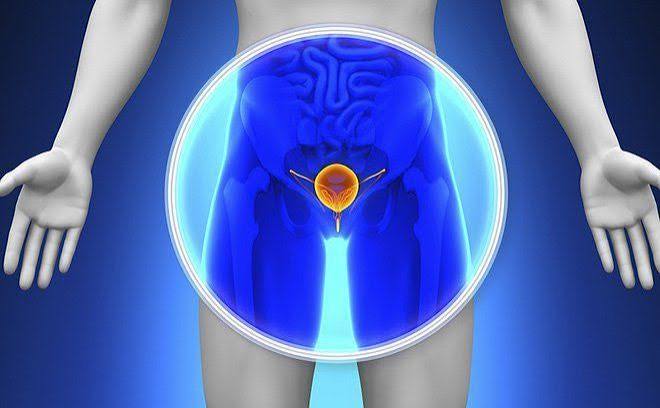
Enlarged Prostate and Urination Problems: Causes, Symptoms, and Treatments
An enlarged prostate — medically termed benign prostatic hyperplasia, or BPH — is one of the most prevalent conditions in aging men and the leading cause of lower urinary tract symptoms (LUTS) in men over 50. The word “benign” in the diagnosis is clinically important: BPH is a non-cancerous proliferation of prostate tissue that occurs as a natural consequence of aging hormonal changes, not a precursor to prostate cancer and not a sign of malignancy. Despite its benign nature, BPH produces a wide spectrum of urinary difficulties — from mildly inconvenient changes in voiding behavior to severely disabling urinary retention requiring emergency catheterization — that significantly affect quality of life, sleep, occupational function, and overall wellbeing in a large proportion of the men it affects. Understanding the full range of urination problems that an enlarged prostate can cause, why these problems develop, how they progress over time, and what the full spectrum of treatments can achieve helps men navigate BPH management with informed expectations and participate actively in shared treatment decisions with their clinicians.
The lifetime prevalence of BPH is essentially universal in men who live long enough: histological BPH (microscopic evidence of prostate tissue hyperplasia on biopsy or autopsy) is present in approximately 8% of men aged 31 to 40, 40 to 50% of men aged 51 to 60, and more than 80% of men aged 70 to 79. However, the presence of histological BPH does not automatically translate into symptomatic BPH (LUTS severe enough to require treatment): only approximately 50% of men with histological BPH develop moderate-to-severe LUTS over their lifetime, reflecting the highly variable relationship between prostate size, urethral compression anatomy, and bladder compensatory response. The International Prostate Symptom Score (IPSS), a validated 7-question self-administered questionnaire, is the standard tool for quantifying BPH-related LUTS severity: scores of 0 to 7 indicate mild symptoms, 8 to 19 indicate moderate symptoms, and 20 to 35 indicate severe symptoms. The IPSS is used both for initial evaluation and for tracking treatment response, providing an objective, patient-reported measure that allows clinicians to quantify treatment benefit rather than relying solely on subjective impression.
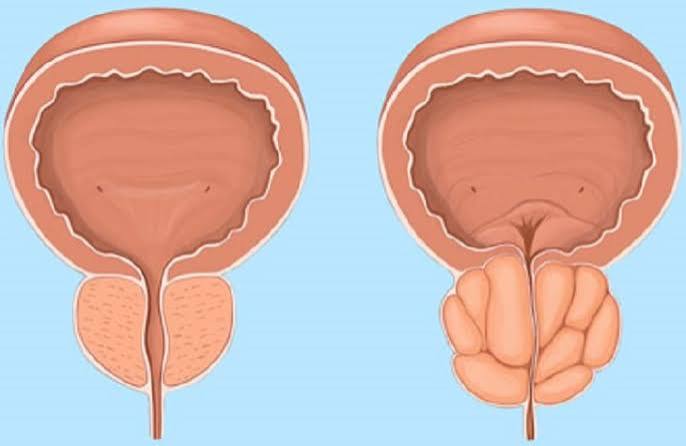
How an Enlarged Prostate Causes Urination Problems
The urination problems produced by an enlarged prostate arise from a combination of mechanical obstruction (the enlarged prostate tissue physically compresses the urethral lumen, reducing the space through which urine must flow) and secondary bladder changes that develop in response to chronic outlet resistance. Both mechanisms contribute to the LUTS burden and require different treatment approaches, which is why an accurate understanding of both the static (anatomical) and dynamic (functional) components of BPH obstruction matters for clinical management.
The primary mechanical effect of prostate enlargement is an increase in bladder outlet resistance — the resistance the detrusor muscle must overcome to expel urine through the obstructed urethra. In the normal male urethra, the prostatic portion (passing through the prostate) offers minimal resistance to flow; as BPH tissue grows inward from the transition zone surrounding this segment, the urethral lumen narrows and flow resistance rises. The detrusor compensates initially by generating higher voiding pressures through hypertrophy (muscle thickening) — this phase, called the compensated phase of bladder outlet obstruction (BOO), is associated with voiding symptoms (hesitancy, weak stream, straining) but relatively preserved bladder emptying. Over years of sustained elevated voiding pressure, the detrusor undergoes fibrotic changes that impair its contractility and reduce its ability to generate adequate voiding pressures; at this stage — the decompensated phase — the bladder cannot fully empty even with significant straining, producing elevated post-void residuals, overflow incontinence, and eventually urinary retention. Simultaneously, the chronically overstretched and hypertrophied detrusor develops autonomous (uninhibited) contractions that trigger urgency and frequency independent of normal voiding signals — the overactive bladder (OAB) component of BPH-related LUTS that persists even after surgical relief of the obstruction in some men. For patients with significant OAB symptoms alongside their voiding symptoms, the overactive bladder guide on Horizon Health Guide explains how OAB develops and is treated within the BPH context. For the specific problem of incomplete bladder emptying and elevated post-void residual, the incomplete bladder emptying guide provides a focused overview of this symptom, its assessment, and its management.
The BPH Urination Symptom Spectrum
BPH produces urination problems across both the voiding (obstructive) and storage (irritative) phases of the micturition cycle, and the individual pattern of symptom dominance — whether voiding or storage symptoms predominate — varies substantially between patients and influences treatment selection. Hesitancy — the prolonged delay between the decision to void and the onset of urine flow — occurs because the detrusor must build sufficient pressure to overcome the elevated outlet resistance before flow begins; in severe BPH, this delay may extend to 30 to 60 seconds or more, requiring sustained detrusor effort before flow commences. Weak stream — the reduced urine flow rate that is the most objectively measurable voiding symptom — reflects the direct hydraulic consequence of a narrowed urethral lumen; urologists measure peak flow rate (Qmax) with uroflowmetry, and a Qmax below 10 mL/second (normal above 20 mL/second) indicates significant outlet obstruction requiring evaluation. Straining — the use of abdominal Valsalva maneuver to augment detrusor voiding pressure — indicates that detrusor contractility alone is insufficient to maintain adequate flow rate through the obstruction; chronic straining increases intra-abdominal pressure and can worsen hemorrhoids and hernia. Intermittency — the stopping and starting of urine flow during a single void — occurs when the detrusor fatigues during the prolonged high-pressure effort required to maintain flow, allowing the stream to cut off before the bladder is fully empty, then resuming when the detrusor recovers. Post-void dribbling occurs when urine trapped in the bulbar urethra beyond the external sphincter leaks out after the voiding contraction ends. Incomplete emptying — the persistent sensation that the bladder has not fully emptied after voiding — reflects either an elevated post-void residual (detrusor too weak to fully overcome the obstruction) or detrusor overactivity persisting after voiding ends; both are present in many men with moderate-to-severe BPH. The detailed assessment and management of incomplete emptying is covered in the incomplete bladder emptying guide. The related voiding symptoms of weak stream and hesitancy are covered specifically in the weak urine stream guide and difficulty starting urination guide on Horizon Health Guide.
Evaluation: What to Expect at a BPH Assessment
The standard clinical evaluation for BPH and LUTS includes history (symptom characterization using the IPSS, medication review for drugs affecting bladder function, assessment of fluid intake and voiding habits), physical examination (digital rectal examination to assess prostate size, consistency, and presence of nodules suggesting prostate cancer), urinalysis (to exclude UTI, hematuria, and glucose), post-void residual measurement (bladder ultrasound immediately after voiding), and in selected patients, PSA testing (to assist prostate cancer risk stratification and guide 5-ARI treatment decisions). Uroflowmetry — measuring the urine flow rate during a spontaneous void into a flow rate meter — is a useful objective measure of voiding dysfunction and is routinely performed in urology offices; it requires a comfortably full bladder (minimum 150 mL voided volume for reliable measurement). More detailed urodynamic testing — measuring bladder filling pressures, detrusor activity, and urethral closure pressures — is reserved for cases where the diagnosis is uncertain (distinguishing detrusor underactivity from outlet obstruction when Qmax is low), before surgical intervention in complex cases, or in men with significant neurological comorbidities affecting bladder function. The AUA has established clinical guidelines for BPH that define when each investigation is indicated, what constitutes adequate treatment response, and when specialist referral or surgical evaluation is appropriate. For authoritative clinical information, the AUA BPH clinical guidelines are the primary evidence-based reference, and the NIDDK prostate problems resource provides patient-accessible information on evaluation and treatment options. The StatPearls BPH review provides the comprehensive clinical evidence base for BPH pathophysiology, diagnosis, and management across all treatment modalities. For patients considering whether their BPH symptoms warrant clinical evaluation, the when bladder symptoms need evaluation guide on Horizon Health Guide provides a practical triage framework for men with lower urinary tract symptoms. The comprehensive overview of prostate health and how BPH fits within the broader picture of male urological health is provided in the prostate health and urinary symptoms guide.
Sources: NIDDK — Prostate Problems · AUA BPH Guidelines · StatPearls — BPH
Treatment Options for BPH-Related Urination Problems
Treatment for enlarged prostate and urination problems is stratified by symptom severity, the presence of complications, patient preference, and comorbidities. The treatment ladder progresses from watchful waiting and behavioral modification for mild symptoms through pharmacological management for moderate symptoms to minimally invasive and surgical procedures for severe or refractory symptoms. No single treatment is optimal for all patients, and the current standard of care emphasizes shared decision-making in which the clinician presents the expected benefit and risk profile of each option while the patient communicates their priorities regarding symptom relief, side effect tolerance, and preferences around ejaculatory function, anesthesia risk, and long-term treatment burden.
Watchful waiting with behavioral modification is appropriate for men with mild LUTS (IPSS 0 to 7) and no complications. Behavioral modifications include: fluid management (adequate but not excessive hydration, reducing fluids 2 to 3 hours before bedtime, limiting caffeine and alcohol which worsen LUTS through diuretic and bladder-irritant effects); timed voiding (voiding on a schedule rather than waiting for maximal urgency); double voiding (a second void attempt 3 to 5 minutes after the first to reduce post-void residual); and urge suppression techniques for storage symptoms. Men on watchful waiting are monitored annually with repeat IPSS, post-void residual, and creatinine to detect progression. Approximately 30% of men with mild BPH experience spontaneous symptom improvement over 1 to 2 years without any intervention, reflecting the natural history variability of BPH. Alpha-1 adrenergic receptor blockers (tamsulosin 0.4 mg daily, alfuzosin 10 mg daily, silodosin 8 mg daily) are first-line pharmacological treatment for moderate LUTS from BPH. They work within days and produce meaningful IPSS improvement in most patients, though they do not reduce prostate size or alter BPH progression. 5-alpha reductase inhibitors (finasteride 5 mg daily, dutasteride 0.5 mg daily) reduce prostate volume by 20 to 30% over 6 to 12 months, improve IPSS, and significantly reduce the long-term risk of acute urinary retention and BPH surgery. They are most appropriate for men with larger prostates (above 30 to 40 grams) and are often combined with an alpha-blocker for maximum benefit in symptomatic moderate-to-severe BPH. Beta-3 agonists (mirabegron) and antimuscarinics (solifenacin, oxybutynin) address the OAB storage symptom component of BPH-related LUTS when storage symptoms are dominant; these must be used with caution in men with elevated post-void residual, as reducing detrusor contractility can worsen urinary retention. Phosphodiesterase-5 inhibitors (tadalafil 5 mg daily) improve both LUTS and erectile dysfunction in men with BPH and are a reasonable single-agent option for men with both conditions, avoiding the ejaculatory side effects of alpha-blockers.
Minimally Invasive and Surgical Procedures for BPH
For men with moderate-to-severe LUTS inadequately controlled by medication, or with BPH complications (recurrent retention, recurrent UTI, bladder stones, hydronephrosis, renal insufficiency), procedural intervention offers durable, definitive relief that medications cannot achieve. The procedural landscape for BPH has expanded considerably in the past decade, with multiple minimally invasive surgical therapies (MIST) offering shorter procedure times, outpatient delivery, faster recovery, and better ejaculatory function preservation than conventional surgery — at the cost of somewhat less complete or durable symptom improvement in some cases. Transurethral resection of the prostate (TURP) remains the reference standard against which all other procedures are compared: a resectoscope is passed transurethrally and the obstructing prostate tissue is resected with an electrosurgical loop, opening the prostatic urethra from within. TURP produces durable improvement in IPSS (average reduction of 15 points), significant Qmax improvement (average increase of 9 to 12 mL/second), and low retreatment rates at 5 years. Retrograde ejaculation occurs in approximately 65 to 90% of patients post-TURP, and erectile dysfunction occurs in a minority (5 to 10%); these are the primary quality-of-life trade-offs that lead many men to prefer MIST options. Laser prostatectomy — including Holmium laser enucleation of the prostate (HoLEP) and GreenLight laser photovaporization (PVP) — produces outcomes comparable to TURP with reduced bleeding, shorter catheterization, and faster hospital discharge, but similar retrograde ejaculation rates. HoLEP is size-independent (can treat prostates of any size) and is increasingly replacing open prostatectomy for very large glands. Prostatic urethral lift (UroLift) uses small permanent implants to hold the enlarged prostate lobes apart, widening the urethral lumen without heat or tissue removal. It improves IPSS and Qmax with preservation of ejaculatory function in the majority of patients — its primary advantage — but produces more modest and less durable symptom improvement than TURP, and is not suitable for the most severely enlarged prostates or for a median lobe configuration. Water vapor thermal therapy (Rezum) delivers steam via a transurethral needle to induce convective thermal energy necrosis of prostate tissue, which resorbs over 6 to 12 weeks, reducing prostate volume. Like UroLift, it preserves ejaculatory function in most patients and is performed in an outpatient setting without general anesthesia. Aquablation uses robotic-guided high-pressure waterjet tissue ablation under ultrasound visualization, preserving the ejaculatory ducts and neurovascular bundles by design; it provides TURP-comparable outcomes with significantly better ejaculatory function preservation. For men concerned about ejaculatory function and considering their procedural options, the detailed ejaculatory outcomes data for each procedure should be part of the pre-procedure counseling conversation.
Complications of Untreated BPH
While watchful waiting is appropriate for mild, stable BPH, untreated or undertreated BPH with significant outlet obstruction can progress to serious complications that require urgent intervention and may produce irreversible bladder or kidney damage. The most important complications are: Acute urinary retention (AUR) — the sudden complete inability to void despite a full bladder, typically presenting as severe lower abdominal pain and distension requiring emergency catheterization. AUR occurs in approximately 1 to 2% of men with BPH per year, with higher rates in men with larger prostates, higher IPSS, and lower Qmax. It can be precipitated by constipation, certain medications (anticholinergics, decongestants, antihistamines), alcohol, cold exposure, or prolonged voiding delay. After a first episode of AUR, the risk of recurrence without intervention is high (50 to 70% within one year), making surgical or procedural intervention strongly advisable after an AUR event. Chronic urinary retention (CUR) — progressive incomplete bladder emptying with rising post-void residual — is often asymptomatic until post-void residual exceeds 500 to 1000 mL, at which point overflow incontinence (continuous or positional leakage from a chronically overfilled bladder) and upper tract dilation (hydronephrosis from elevated back-pressure) develop. CUR with hydronephrosis can cause azotemia (elevated creatinine and BUN) and progression to chronic kidney disease if not relieved. Recurrent urinary tract infections arise from the bacteriostatic failure of incomplete bladder emptying — post-void residual provides a stagnant medium for bacterial growth, and chronic bladder wall ischemia from elevated voiding pressure impairs local immune defenses. Bladder diverticula and bladder stones develop from chronic high-pressure voiding — diverticula are herniations of bladder mucosa through weakened areas of the detrusor wall produced by sustained elevated intravesical pressure; stones form in the stagnant post-void residual pool in the bladder. Both require cystoscopic evaluation and often separate endoscopic treatment alongside BPH intervention. Understanding when BPH has progressed to a stage requiring urgent rather than elective evaluation is addressed in the when bladder symptoms need evaluation guide on Horizon Health Guide, and the nocturia component of advanced BPH — its impact on sleep quality and fall risk — is addressed in the frequent nighttime urination guide.
Living With BPH: Managing Daily Life Around Urinary Symptoms
Beyond pharmacological and procedural treatment, men living with BPH and LUTS can significantly improve their daily quality of life through practical management strategies that reduce the functional impact of urinary symptoms on work, social activity, sleep, travel, and relationships. These strategies do not replace treatment but complement it by reducing the burden of symptoms that persist even with adequate medical management.
Fluid management for LUTS: Distributing fluid intake evenly through the morning and afternoon while reducing intake in the 2 to 3 hours before bedtime reduces nocturnal urine production and the frequency and urgency of nighttime voiding. Limiting total daily fluid intake to a moderate, adequate level (approximately 1.5 to 2 liters for most sedentary adult men) reduces bladder fill rate and voiding frequency without causing dehydration. Eliminating or substantially reducing caffeine — through its combined diuretic and direct bladder irritant effects — often produces meaningful improvements in urgency and nocturia within 1 to 2 weeks; this is covered in detail in the caffeine and bladder symptoms guide on Horizon Health Guide. Alcohol exacerbates LUTS through its ADH-suppressing diuretic effect and bladder-irritant properties, and limiting alcohol particularly in the evening reduces nocturnal symptom burden. Travel and work adaptations: Men with significant LUTS benefit from identifying bathroom locations before extended meetings, long car journeys, or travel situations where restroom access may be limited, and from communicating with employers about access needs where relevant. Seat-aisle preferences on flights and familiarity with restroom locations in frequently visited public spaces reduce urgency-related anxiety. Traveling with a portable urinal or external catheter collection device provides a contingency for situations where bathroom access is uncertain — tools that many men find dramatically reduce the anxiety that accompanies OAB and BPH-related urgency. Pelvic floor training for BPH-related urgency: While pelvic floor exercises are most associated with female stress incontinence, pelvic floor contraction as a urge suppression technique — a quick contraction at the moment of urgency to reflexively inhibit detrusor activity — is equally applicable in men with BPH-related urgency and urgency incontinence. This technique, combined with bladder training (progressive extension of voiding intervals), can reduce urgency episode frequency without any medication change. The evidence base and technique for pelvic floor training and bladder training in men is covered in the pelvic floor exercises guide on Horizon Health Guide. Constipation management: The rectum shares anatomical proximity with the bladder and prostate, and rectal distension from constipation directly increases intravesical pressure, worsens urgency, and can precipitate urinary retention in men with significant BPH-related obstruction. Ensuring adequate dietary fiber, hydration, and regular bowel movements is an underappreciated component of BPH LUTS management, and treating constipation in a man with BPH who has worsening LUTS or an AUR episode should be a routine part of clinical management rather than an afterthought. For men whose BPH symptoms include significant urinary hesitancy and difficulty initiating voiding, the difficulty starting urination guide on Horizon Health Guide provides specific behavioral and positional strategies that can improve void initiation in the setting of outlet obstruction, complementing any ongoing medical or procedural treatment.
I had my UroLift procedure 8 months ago after 4 years on tamsulosin with only partial relief. The article correctly identifies ejaculatory function preservation as UroLift’s primary advantage over TURP — that was the deciding factor for me at 58. My post-procedure Qmax went from 7 to 14 mL/second, my IPSS dropped from 22 to 11, and I have no ejaculatory issues. The trade-off the article mentions — less complete improvement than TURP — is real; my urologist was upfront that TURP would likely produce better objective outcomes but at the cost of retrograde ejaculation in a high proportion of cases. For someone my age who still values that aspect of sexual function, UroLift was the right call. Reading this article I now understand why my bladder urgency improved only partially — the OAB component that developed secondary to years of obstruction may need separate treatment.
A thorough and clinically accurate overview of BPH pathophysiology, treatment options, and complications. The distinction between compensated and decompensated bladder outlet obstruction is conceptually important for understanding why symptom severity and treatment urgency differ between patients with similar prostate sizes — a man with a 50-gram prostate whose bladder has maintained adequate contractility is in a fundamentally different clinical situation from one whose detrusor has begun to decompensate with rising post-void residual and azotemia. The section on BPH complications rightly emphasizes that acute urinary retention after a first episode should be followed by definitive intervention rather than a return to watchful waiting — the recurrence rate without intervention makes repeat catheterization near-certain, and each episode carries risk of detrusor ischemic injury from acute overdistension.
Dr. Okafor, the post-AUR recurrence data is one of the most important clinical facts to communicate to patients who experience a first retention episode — the natural instinct after catheter removal and voiding trial success is to feel the crisis has passed, but the probability of a second retention event within one year without intervention approaches 50 to 70%, and with a larger prostate or higher IPSS baseline, even higher. The conversation about definitive intervention should happen at the post-AUR follow-up, not deferred until the second event. Ronald, the persistent OAB urgency component you describe after UroLift is common — detrusor overactivity that developed secondary to years of outlet obstruction does not necessarily resolve immediately after the obstruction is relieved and sometimes requires additional treatment with a beta-3 agonist (mirabegron) or bladder training with urge suppression technique to address the storage symptom component independently of the voiding improvement.