
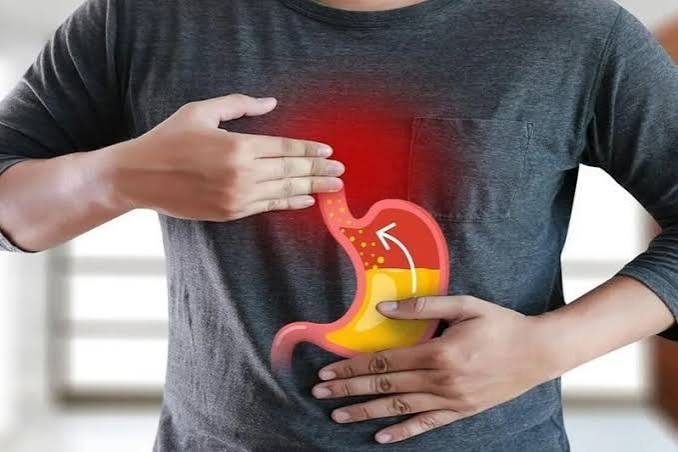
GERD — gastroesophageal reflux disease — is not simply frequent heartburn. It is a clinical diagnosis defined by the Montreal Consensus as reflux that causes either troublesome symptoms or esophageal and extra-esophageal complications, regardless of how often symptoms occur. This distinction matters because GERD can exist without heartburn (as in laryngopharyngeal reflux, which presents as hoarseness and chronic throat-clearing), and heartburn can occur without GERD (as in functional heartburn, where symptoms arise without abnormal acid exposure). GERD affects approximately 20 percent of US adults on a weekly basis and is the second most common reason for GI-related primary care visits. For adults who have been told they have acid reflux, understanding when it crosses into GERD — and what that means for management — is the central question this guide addresses. For background on the reflux mechanism itself, see acid reflux: symptoms, causes, and prevention.
Symptoms of GERD
GERD produces a range of symptoms, and not all patients experience the classic presentation. Recognizing both typical and atypical patterns is important because atypical GERD is commonly misattributed to other conditions — allergies, asthma, laryngeal dysfunction — for months or years before the reflux connection is established.
Typical symptoms include heartburn (burning discomfort in the chest or upper abdomen, usually after eating or when lying down), regurgitation (sour or bitter fluid rising into the throat or mouth without nausea), and occasional dysphagia (difficulty swallowing) related to mucosal inflammation or early stricture. Heartburn occurring more than twice per week, persisting despite antacids, or significantly impairing sleep or daily functioning is the most common clinical threshold for initiating evaluation and treatment. Atypical or extra-esophageal symptoms include chronic cough (particularly nocturnal cough or cough that worsens after meals), hoarseness (especially in the morning, from laryngeal acid exposure during sleep), frequent throat-clearing, globus sensation (feeling of a lump in the throat), posterior laryngeal inflammation on laryngoscopy, and dental erosion from chronic acid exposure to tooth enamel. Laryngopharyngeal reflux (LPR) — in which acid reaches the larynx and pharynx — frequently presents without any classic heartburn or regurgitation. Patients with LPR typically report throat and voice symptoms as the primary complaint. The absence of heartburn does not exclude GERD or LPR, and failure to consider reflux as a cause in patients with chronic laryngeal symptoms leads to prolonged unnecessary treatment for allergies or postnasal drip. Alarm features that warrant prompt endoscopic evaluation include progressive dysphagia (difficulty swallowing that worsens over weeks), odynophagia (painful swallowing), unintentional weight loss, GI bleeding (hematemesis or melena), iron deficiency anemia, or new onset of significant GERD symptoms in adults over age 55. These features raise concern for esophagitis, stricture, Barrett’s esophagus, or malignancy and should not be attributed to uncomplicated reflux without endoscopic assessment.
How GERD Is Diagnosed
GERD is diagnosed clinically in most adults. An empiric trial of a proton pump inhibitor for 4 to 8 weeks — in a patient with typical symptoms (heartburn and regurgitation) without alarm features and under age 55 — is a standard and guideline-supported initial approach. Symptom response to PPI confirms clinical GERD in this context. However, clinical diagnosis has limitations: PPIs reduce symptoms from several conditions (functional dyspepsia, eosinophilic esophagitis), so symptom response does not confirm pathological acid exposure, and absence of response does not exclude GERD. For patients in whom the diagnosis is uncertain, symptoms are atypical, or symptoms persist despite PPI therapy, objective testing is required.
Upper endoscopy (EGD) is indicated for: alarm features (as above); age 55 or over with new or significantly worsening GERD; inadequate response to PPI therapy after 8 weeks; suspected Barrett’s esophagus (male sex, age over 50, obesity, >5 years of symptoms, smoking, family history); and pre-operative evaluation before anti-reflux surgery. Endoscopy can identify esophagitis (graded by the Los Angeles Classification from A to D), Barrett’s esophagus, peptic stricture, eosinophilic esophagitis, and other mucosal pathology. However, endoscopy is normal in 50 to 70 percent of GERD patients — a normal endoscopy does not exclude GERD, it simply indicates that reflux has not caused visible mucosal damage. Ambulatory pH monitoring — 24-hour pH-impedance testing — is the gold standard for confirming abnormal esophageal acid exposure and correlating symptoms with reflux events. It is the definitive test when: clinical diagnosis is uncertain, symptoms persist despite optimal PPI therapy, atypical symptoms are present (chronic cough, LPR), or pre-surgical evaluation is needed. The test measures acid exposure time, DeMeester score, and symptom-reflux correlation index. Wireless pH capsules allow 48 to 96 hours of ambulatory monitoring without a nasal catheter, improving comfort and diagnostic yield. Esophageal manometry is performed before anti-reflux surgery to assess LES pressure, esophageal peristalsis amplitude and completeness, and to exclude achalasia or major motility disorders. Manometry does not diagnose GERD itself but is essential for surgical planning — a weak peristaltic esophagus changes the surgical approach to avoid post-operative dysphagia. For context on the full range of upper GI conditions in the differential, see indigestion: symptoms, causes, and relief options.
Lifestyle Changes That Reduce GERD Symptoms
Lifestyle modification is the foundation of GERD management and produces clinically meaningful symptom reduction in the majority of patients with mild to moderate disease. The most effective interventions target the root causes of LES dysfunction and increased gastric acid availability rather than simply suppressing symptoms.
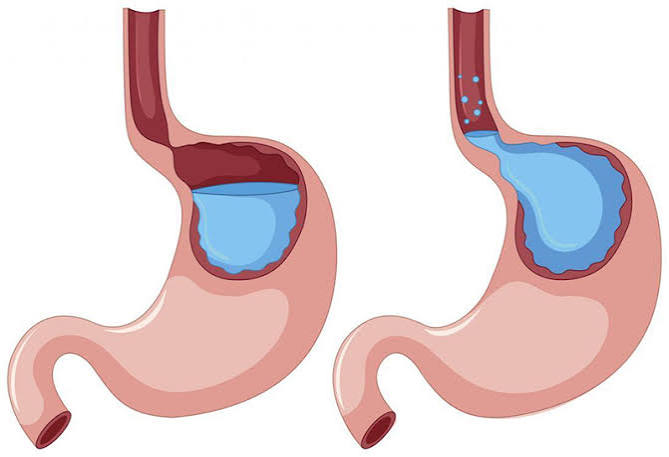
Weight loss is the most durable lifestyle intervention. A 10 percent reduction in body weight is associated with a 40 percent or greater reduction in GERD symptoms and measurable improvements on objective pH monitoring. The mechanism is dual: weight loss reduces intra-abdominal pressure (which promotes reflux) and reduces the frequency of transient LES relaxations. For adults with obesity-related GERD, weight loss should be prioritized alongside medication. Head-of-bed elevation — raising the head of the bed by 6 to 8 inches using wedge pillows or bed risers — reduces nocturnal acid exposure time by approximately 50 percent. Using extra head pillows does not achieve the same effect and may worsen abdominal pressure. Left lateral sleep positioning reduces nocturnal reflux episodes significantly compared with right-side or supine sleeping, as confirmed in pH monitoring studies. The gastroesophageal junction sits above the gastric acid pool in this position, making reflux mechanically less likely. Meal timing and portion size: avoiding food for at least 2 to 3 hours before lying down and eating smaller, more frequent meals both reduce TLESRs triggered by gastric distension. Smoking cessation reduces LES tone impairment, increases salivary bicarbonate production (which buffers and clears esophageal acid), and improves esophageal motility. Smoking cessation produces measurable GERD improvement within weeks. Alcohol reduction directly decreases TLESRs and improves LES resting pressure. The effect is dose-dependent — even modest alcohol reduction produces symptom improvement in many patients. Dietary trigger management through a food and symptom diary — rather than universal restriction — produces more sustainable improvement than blanket elimination of all commonly cited triggers. Individual trigger profiles vary substantially.
Medications for GERD Management
Several medication classes are available for GERD, with very different mechanisms, onset times, and appropriate use cases. Using medications correctly — particularly PPIs — is critical to getting their intended benefit.
Antacids (calcium carbonate, magnesium hydroxide, aluminum hydroxide) neutralize acid that is already in the esophagus and provide rapid but short-lived relief — typically 30 to 60 minutes. They are appropriate for on-demand use for mild or infrequent symptoms and do not treat GERD as a disease. Overuse of calcium carbonate antacids can cause constipation and, at very high doses, milk-alkali syndrome. Alginate-based antacids (Gaviscon) work differently: they form a floating raft on gastric contents that physically prevents reflux. The raft mechanism is particularly useful for post-meal symptoms and during pregnancy, and produces better symptom control than simple antacids in this context. H2 receptor blockers (famotidine) reduce acid production by blocking histamine H2 receptors on parietal cells — producing 8 to 12 hours of acid suppression. They are useful as pre-meal prevention (take 30 to 60 minutes before a meal expected to trigger symptoms) and are well tolerated for long-term use in patients with mild GERD. Tolerance to H2 blockers can develop with daily use. Proton pump inhibitors (PPIs) are the most effective acid-suppressing agents and the primary pharmacological treatment for GERD with esophagitis. PPIs must be taken 30 to 60 minutes before eating — ideally before breakfast — to be effective. Taking a PPI with or after food significantly reduces its bioavailability, which is the most common reason for inadequate symptom control on appropriate dosing. A 4 to 8 week course is standard for uncomplicated GERD; continuing beyond 8 weeks requires a documented indication. Long-term PPI use for confirmed Barrett’s esophagus, severe esophagitis (grade C or D), or patient-selected symptom management after risk-benefit discussion is guideline-supported. The NIDDK GERD patient guide provides an accessible summary of medication options and their appropriate use cases.
GERD Complications — What Untreated Reflux Can Cause
GERD complications are the clinical reason chronic reflux warrants active management rather than indefinite symptom tolerance. The severity ladder runs from mucosal inflammation through pre-malignant change to adenocarcinoma, and the prognosis at each stage differs dramatically.
Esophagitis is classified by the Los Angeles system from grade A (one or more mucosal breaks less than 5mm) to grade D (mucosal breaks involving more than 75 percent of the esophageal circumference, with potential ulceration and bleeding). Grades C and D significantly increase the risk of stricture and Barrett’s esophagus and typically require high-dose PPI therapy and endoscopic follow-up. Peptic esophageal stricture develops from chronic inflammation and scarring, producing progressive dysphagia. Treatment is endoscopic dilation — most strictures respond to one to three sessions, though some are refractory and require regular maintenance dilation. Adequate PPI therapy after dilation reduces recurrence significantly. Barrett’s esophagus — intestinal metaplasia of the distal esophagus replacing normal squamous epithelium — is present in approximately 10 to 15 percent of patients with chronic GERD symptoms. It is the precursor to esophageal adenocarcinoma. The American College of Gastroenterology recommends one-time screening endoscopy for GERD patients with multiple risk factors: male sex, age over 50, obesity (BMI over 30), symptom duration over 5 years, smoking, and family history of Barrett’s or esophageal adenocarcinoma. Esophageal adenocarcinoma has the fastest-rising incidence of any GI malignancy in Western countries, driven primarily by the increase in GERD and obesity. Barrett’s without dysplasia carries an annual cancer progression rate of approximately 0.2 to 0.5 percent; low-grade dysplasia approximately doubles that; high-grade dysplasia requires prompt endoscopic therapy. Endoscopic eradication of Barrett’s with high-grade dysplasia achieves complete remission rates above 90 percent in experienced centers. The ACG GERD resource covers the complications spectrum and surveillance recommendations. For more on upper GI warning signs, see common digestive problems in adults.
Living With GERD Long-Term
Most adults with GERD manage their condition successfully long-term with a combination of lifestyle modification and intermittent or continuous medication. The key questions in long-term management are: how long should PPI therapy continue, when does surgery become appropriate, and what monitoring does chronic GERD require?
PPI duration decisions: Current ACG guidelines recommend the lowest effective PPI dose for the shortest duration consistent with achieving the therapeutic goal. For patients who have completed a 4 to 8 week course and are symptom-free, a stepdown trial (reducing dose or switching to on-demand H2 blocker) is appropriate. For patients with grade C or D esophagitis, documented Barrett’s esophagus, or severe symptoms that recur immediately off therapy, ongoing PPI is guideline-supported. Abruptly stopping a PPI causes rebound acid hypersecretion — a temporary increase in acid production lasting 2 to 4 weeks — so tapering over 2 weeks before stopping is preferable to abrupt cessation. Monitoring requirements: adults with known Barrett’s esophagus require endoscopic surveillance at intervals determined by histologic grade — every 3 to 5 years for Barrett’s without dysplasia per ACG guidelines, more frequently with dysplasia. Adults with healed grade C or D esophagitis require a follow-up endoscopy to confirm healing and screen for Barrett’s. Adults without complications who respond well to treatment typically require no endoscopic monitoring. Surgical referral criteria: anti-reflux surgery is an option for patients who prefer not to take indefinite medication, who have objective evidence of GERD on pH monitoring, who have symptoms not adequately controlled by PPI, who have significant regurgitation not improved by acid suppression, or who have a large hiatal hernia contributing to symptoms. Surgery requires thorough pre-operative evaluation (manometry and pH testing) to confirm the diagnosis and exclude motility disorders. Results are excellent in appropriately selected patients. The Mayo Clinic’s GERD overview includes a comprehensive patient decision framework. For context on when digestive symptoms warrant prompt evaluation, see heartburn: what adults should know and the broader checklist at common digestive problems in adults.
Frequently Asked Questions
What is the difference between GERD and acid reflux?
Acid reflux is the physical event — stomach acid moving backward into the esophagus. GERD is the clinical diagnosis applied when acid reflux causes troublesome symptoms or tissue complications. Virtually all adults experience occasional acid reflux; GERD is diagnosed when it becomes a persistent problem that affects quality of life or causes esophageal injury. The Montreal Consensus definition emphasizes that GERD is defined by its impact, not by objective measures of acid exposure alone — patients with functional heartburn can have normal pH monitoring but still have troublesome symptoms.
How long does it take for GERD to cause Barrett’s esophagus?
Barrett’s esophagus typically develops over years of chronic reflux — usually 5 or more years of significant, frequent symptoms. Not all patients with GERD develop Barrett’s; the risk is concentrated in those with male sex, age over 50, obesity, long-duration symptoms, smoking, and family history. The development of Barrett’s does not cause additional symptoms in most cases, which is why endoscopic screening of high-risk patients matters — patients with Barrett’s often feel no different from GERD patients without it.
Can GERD go away on its own?
Mild, occasional GERD in young adults sometimes improves substantially with lifestyle changes — particularly weight loss, smoking cessation, and dietary modification. However, established GERD with documented esophagitis or Barrett’s esophagus does not resolve without treatment. For most adults, GERD is a chronic condition that requires ongoing management rather than cure. Many adults control their symptoms effectively with intermittent medication and lifestyle modifications rather than continuous daily therapy.
Is it safe to take a PPI every day for GERD?
For patients with a documented indication — confirmed GERD, Barrett’s esophagus, or grade C/D esophagitis — long-term PPI therapy is considered safe with monitoring. The concerns about long-term PPI use (modest associations with bone density, magnesium deficiency, B12, and infection risk) are real but small in magnitude. For patients without a clear documented indication, reassessing whether ongoing PPI is necessary at each visit is appropriate. Stopping PPIs abruptly causes rebound acid hypersecretion that typically lasts 2 to 4 weeks — tapering reduces this rebound effect.
When should someone with GERD see a gastroenterologist?
Primary care management is appropriate for most adults with typical GERD symptoms that respond to standard treatment. Gastroenterology referral is appropriate when: symptoms persist despite 8 weeks of optimal PPI therapy; alarm features are present; Barrett’s esophagus has been found on endoscopy; symptoms are predominantly atypical (cough, hoarseness, LPR) and not responding to empiric treatment; or surgery is being considered. Gastroenterologists perform and interpret endoscopy and pH monitoring, manage Barrett’s surveillance programs, and evaluate surgical candidacy.
Sources: National Institute of Diabetes and Digestive and Kidney Diseases (NIDDK); American College of Gastroenterology (ACG) GERD Guidelines; American Gastroenterological Association (AGA); Montreal Consensus on GERD Definition; Lyon Consensus (2018); Mayo Clinic.
GERD and Specific Populations — What Changes
GERD management follows broadly the same principles across adults, but several population groups require modified approaches because of how reflux presents or how treatments interact with their clinical context.
GERD in older adults (65+) presents with important differences in symptom pattern and complication risk. Older adults are more likely to present with atypical symptoms — dysphagia, unexplained weight loss, anemia, and vomiting — rather than classic heartburn, because esophageal sensitivity decreases with age. Endoscopy thresholds should be lower in this group. Older adults are also at significantly higher risk for complicated GERD (grade C/D esophagitis, stricture, Barrett’s) because symptoms may have been underreported or undertreated for years. PPI therapy is appropriate but should be balanced against the modest risks of long-term acid suppression in older adults — particularly magnesium monitoring in those taking diuretics, and awareness of enteric infection risk in those taking broad-spectrum antibiotics or with frailty.
GERD during pregnancy affects 30 to 50 percent of pregnant women and is driven by two concurrent mechanisms: progesterone-mediated LES relaxation throughout pregnancy, and progressive intra-abdominal pressure from the expanding uterus in the second and third trimesters. Management prioritizes safety for the fetus. Lifestyle measures — head-of-bed elevation, left lateral sleep position, small meals, avoiding late eating — are first line. Alginate-based antacids (Gaviscon) are safe and effective as first pharmacological intervention in pregnancy, forming a physical raft that prevents reflux without systemic absorption. Calcium carbonate antacids are acceptable but should not be used in very high doses. Famotidine (H2 blocker) is considered compatible with pregnancy when lifestyle and antacid measures are insufficient. PPIs carry a Category B classification in pregnancy; they are generally reserved for severe, refractory GERD that cannot be controlled by other means. GERD in pregnancy almost universally resolves after delivery.
GERD and asthma have a bidirectional relationship that is frequently underappreciated clinically. GERD is present in approximately 40 to 80 percent of adult asthma patients. Acid reflux can trigger bronchospasm directly through aspiration of minute amounts of acid, and indirectly through vagally-mediated airway hyperreactivity from esophageal acid exposure. Conversely, the bronchodilators used to treat asthma (theophylline, beta-2 agonists) reduce LES tone and worsen reflux. Adults with poorly controlled asthma — particularly nocturnal or meal-related asthma, or asthma unresponsive to standard therapy — should be evaluated for GERD as a contributing factor. A PPI trial is sometimes used diagnostically in this context. The relationship is not consistent enough to treat all asthma patients empirically with PPIs, but maintaining a low threshold for evaluation is appropriate.
GERD and eosinophilic esophagitis (EoE) can overlap and are sometimes clinically confused because both produce heartburn and dysphagia. EoE is an immune-mediated condition in which eosinophils infiltrate the esophageal mucosa — it is associated with food allergies and environmental allergens rather than acid exposure. Key distinguishing features include: dysphagia that is often more prominent than heartburn in EoE, food impaction history, a younger age of onset, and endoscopic findings of rings, furrows, and whitish exudates rather than the distal mucosal breaks of esophagitis. Biopsies are required for diagnosis. Failing to distinguish GERD from EoE leads to undertreatment — EoE requires dietary elimination therapy or topical corticosteroids, not merely acid suppression.
The explanation of how PPIs need to be taken before eating was genuinely news to me. I’ve been taking omeprazole with my breakfast for two years and getting only partial relief — my doctor never mentioned the timing issue. Switching to 30 minutes before breakfast made a noticeable difference within a week.
That timing issue with PPIs is one of the most common and correctable reasons for inadequate symptom control, Theresa — glad it helped. The 30-minute pre-breakfast window matters because PPIs only work on actively secreting proton pumps, and the pumps are maximally active when stimulated by food. Taking the pill with food means many pumps have already fired before the medication reaches its target. A quick mention of this at prescription time would prevent a lot of frustration.
Really helpful breakdown of when endoscopy is actually necessary vs. when an empiric PPI trial is appropriate. I’ve been wondering whether I needed a scope after 18 months of GERD symptoms. Based on this, I don’t have alarm features and I’m under 55, so the empiric approach makes sense for now. Good to have that framing.