
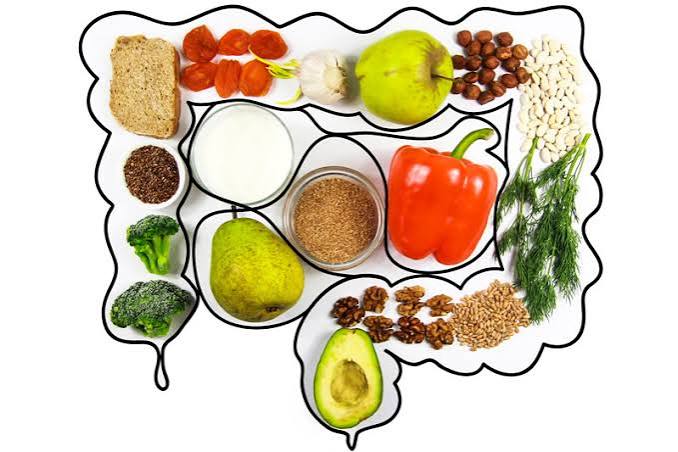
Prebiotics are the dietary substrates that feed the beneficial bacteria already living in your gut. While probiotics receive the bulk of consumer attention and supplement marketing, prebiotics for adults are arguably the more fundamental intervention — they are the fuel that sustains the microbial community your health depends on. Without adequate prebiotic intake, even an initially diverse microbiome will gradually shift toward less beneficial composition over time. Understanding what prebiotics are, where they come from, and what the evidence shows about their benefits is practical knowledge for any adult paying attention to gut health.
This guide covers the scientific definition of prebiotics, how they differ from dietary fibre and probiotics, which foods contain them in useful quantities, and what clinical evidence says about their health effects.
What Are Prebiotics? The Scientific Definition
The concept of prebiotics was first formally defined by Gibson and Roberfroid in 1995 as “non-digestible food ingredients that beneficially affect the host by selectively stimulating the growth and/or activity of one or a limited number of bacteria in the colon.” This definition established the foundational principle: prebiotics act not by introducing new bacteria, but by selectively nourishing specific beneficial species already present.
The definition was updated by the International Scientific Association for Probiotics and Prebiotics (ISAPP) in a 2017 consensus statement in Nature Reviews Gastroenterology to “a substrate that is selectively utilised by host microorganisms conferring a health benefit.” This update matters in practical terms: it broadened the category from purely non-digestible fibres to any substrate with selective microbiome-mediated benefit, and it shifted the requirement from stimulating bacterial growth specifically to stimulating either growth or activity.
Three criteria must be met for a substance to qualify as a prebiotic:
- Resistance to host digestion: the substrate reaches the colon largely intact, bypassing digestion and absorption in the small intestine
- Fermentation by gut microbiota: it is fermented by resident bacteria in the colon, generating metabolites
- Selective stimulation of beneficial organisms: it preferentially promotes the growth or activity of health-beneficial species rather than indiscriminately stimulating all bacteria
This third criterion is what distinguishes prebiotics from dietary fibre in general. All prebiotics are fermentable fibres, but not all fermentable fibres selectively stimulate beneficial species. Cellulose, for instance, adds transit-promoting bulk but is not substantially fermented. Inulin is both fermented and selectively bifidogenic — it is a prebiotic. For an overview of how the bacteria that prebiotics feed actually function in the gut, see our guide to good bacteria and digestive health.
Prebiotics vs. Dietary Fibre vs. Probiotics
Understanding the relationship between these three categories prevents the confusion that leads to uninformed supplement choices.
Dietary fibre is the broad category: all plant-based carbohydrates that resist digestion in the small intestine. This includes both soluble fibres (which dissolve in water and are largely fermented) and insoluble fibres (which add bulk and accelerate transit without substantial fermentation). The daily fibre recommendation for adults is 25–38g. Most adults in the UK and US consume 15–18g — significantly below recommendations.
Prebiotics are a specific subset of fermentable dietary fibre meeting the selectivity and health-benefit criteria described above. Inulin, fructooligosaccharides (FOS), galactooligosaccharides (GOS), and certain resistant starches are the best-established examples. Not every high-fibre food is meaningfully prebiotic.
Probiotics are characterised, strain-specific live bacteria that confer health benefits when consumed in adequate quantities. They introduce exogenous organisms that transiently interact with the gut environment. Probiotics are most useful for specific clinical conditions with established evidence — antibiotic-associated diarrhoea, IBS, infantile colic. For a complete guide to what probiotics can and cannot do, see our article on probiotics and gut health.
Synbiotics combine a probiotic organism with a prebiotic that preferentially supports that organism’s colonisation and activity — for example, pairing Bifidobacterium with GOS or inulin. Early trial evidence suggests synbiotics may offer enhanced benefit over either component alone for specific conditions, including IBS and post-antibiotic microbiome restoration.
The practical hierarchy: adequate dietary fibre supports general gut function and transit; prebiotic-rich foods specifically nourish the beneficial species that drive microbiome health; probiotics address specific clinical conditions. These are complementary, not interchangeable.
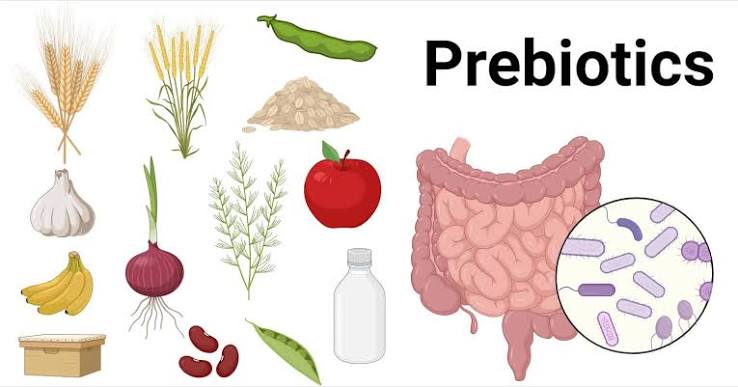
Types of Prebiotics and Their Food Sources
Inulin and Fructooligosaccharides (FOS)
Inulin and FOS are the most studied prebiotic fibre types. Both are chains of fructose molecules linked in ways that resist human digestive enzymes but are efficiently fermented by Bifidobacterium and Lactobacillus species in the colon, generating acetate and butyrate. Food sources include:
- Chicory root: 35–48g inulin per 100g — the most concentrated source and the primary commercial inulin extraction source for supplements
- Jerusalem artichoke: 16–20g per 100g
- Garlic: ~17g per 100g (raw; cooking partially degrades fructans but a significant proportion remains)
- Leeks: 3–10g fructans per 100g
- Onion: 2–6g FOS per 100g
- Asparagus: 2–3g inulin per 100g
Resistant Starch
Resistant starch (RS) is starch that escapes small intestinal digestion and reaches the colon intact. There are four types — physically inaccessible starch in whole grains (RS1), raw starch granules in green bananas and raw oats (RS2), retrograded starch formed when cooked starchy foods are cooled (RS3), and chemically modified starch in processed foods (RS4). RS3 — from cooled cooked potatoes, cooled rice, and cooled pasta — is the most practically accessible for adults. RS is efficiently fermented by butyrate-producing bacteria including Faecalibacterium prausnitzii and Roseburia, making it the most effective dietary approach for maximising colonic butyrate production.
Beta-Glucan
Beta-glucan is the fermentable soluble fibre in oats and barley. It holds an FDA qualified health claim for reducing LDL cholesterol at ≥3g per day and has consistent evidence for blunting post-prandial blood glucose rises through slowed gastric emptying. A 40g serving of porridge oats provides approximately 1.5–2g of beta-glucan. Beta-glucan also selectively stimulates Bifidobacterium and Lactobacillus, contributing prebiotic benefit alongside its metabolic effects.
Pectin
Pectin is a soluble fibre found in apples, citrus peel, and carrots. It is particularly effective at supporting Akkermansia muciniphila — the mucus-dwelling bacterium associated with gut barrier integrity and metabolic health. Pectin fermentation produces butyrate and propionate, and it has among the lowest FODMAP burden of the main prebiotic fibres, making it more suitable for IBS patients than inulin or FOS.
What Prebiotics Do in the Gut
The central mechanism of prebiotic action is colonic fermentation. When prebiotic substrates reach the colon, they are fermented by resident bacteria, generating short-chain fatty acids (SCFAs) as primary metabolites: butyrate, propionate, and acetate.
Butyrate is the most important SCFA for colonic health. It is the primary fuel source for colonocytes (the cells lining the colon), and without adequate butyrate supply, colonocytes are more susceptible to oxidative damage and malignant transformation. Butyrate also maintains the low-oxygen environment that supports the anaerobic bacteria essential to microbial diversity, and it is a histone deacetylase inhibitor — activating gene expression pathways that promote apoptosis in pre-cancerous cells while protecting healthy colonocytes. The inverse relationship between dietary fibre intake and colorectal cancer risk in large epidemiological studies operates substantially through this butyrate mechanism.
Propionate is transported to the liver, where it influences cholesterol synthesis and glucose regulation. It also stimulates the release of the gut hormones GLP-1 and PYY from enteroendocrine cells, reducing appetite and slowing gastric emptying. This is the mechanism by which fermentable fibre intake is consistently associated with improved satiety and glycaemic control in clinical trials.
Acetate is released into the bloodstream and used as an energy substrate for peripheral tissues. It also plays a role in immune regulation and in the cross-feeding relationships between different bacterial species in the colon.
Beyond SCFA production, prebiotics have direct effects on microbiome composition. Inulin and FOS consistently increase Bifidobacterium populations in healthy adults and in clinical populations including the elderly, where Bifidobacterium typically declines with age. Pectin and inulin both support Akkermansia muciniphila populations. For a full explanation of what these bacteria do and why their populations matter, see our guide to the gut microbiome explained.
Health Benefits Supported by Evidence
Bowel regularity: fermentable fibres increase stool bulk, soften consistency, and accelerate colonic transit time. Clinical trials of inulin and psyllium supplementation consistently demonstrate improved stool frequency in constipation-dominant populations. The effect appears within 1–2 weeks of consistent intake.
Mineral absorption: several well-conducted trials have demonstrated that inulin and FOS supplementation increases calcium bioavailability by 10–15% compared to control, attributed to colonic pH reduction and direct effects on calcium transport proteins. Magnesium absorption shows similar patterns. This benefit is particularly relevant for adults over 50, where calcium absorption efficiency naturally declines and dietary sources matter more than at younger ages.
Glycaemic control: beta-glucan has the strongest evidence base among prebiotics for glycaemic effects, with the FDA qualified health claim based on multiple controlled trials showing ≥3g/day from oats or barley reduces post-prandial glucose and LDL cholesterol. Inulin and FOS have also shown glycaemic benefit in trials of type 2 diabetes patients through propionate-mediated GLP-1 stimulation.
Satiety: fermentable fibres delay gastric emptying and stimulate GLP-1 and PYY release from enteroendocrine cells, reducing hunger and total caloric intake. Multiple intervention trials using inulin or beta-glucan supplements have demonstrated reduced hunger scores and spontaneous caloric intake compared to control groups.
Colorectal cancer risk reduction: a 10g increase in daily dietary fibre is associated with approximately 10% reduction in colorectal cancer risk in large prospective cohort studies. The mechanistic pathway runs primarily through butyrate — both its direct effects on colonocyte apoptosis and its role in maintaining the microbial environment that prevents chronic low-grade colonic inflammation. For context on how gut bacteria participate in this process, see our article on what gut health really means.
Prebiotics and IBS: a Nuanced Picture
The relationship between prebiotics and irritable bowel syndrome (IBS) is complicated by the FODMAP overlap. Inulin, FOS, and GOS are all FODMAPs — and the low-FODMAP diet, one of the most evidence-backed interventions for IBS symptom management, deliberately restricts many of the most potent prebiotic foods.
The mechanism is straightforward: rapid fermentation of FODMAPs in the proximal colon produces gas and osmotic fluid shifts that generate bloating, cramping, and altered bowel habits in people with visceral hypersensitivity — a core feature of IBS. The same fermentation that produces beneficial SCFAs also produces hydrogen and methane gas.
The pragmatic resolution for IBS patients:
- Lower-FODMAP prebiotic sources — psyllium husk, oats in moderate amounts (one portion), pectin from carrots, cooled rice or potato for resistant starch — may provide partial prebiotic benefit with less fermentation-driven symptom provocation
- Gradual introduction at small doses (1–2g/day) allows the microbiome to adapt without acute gas overproduction
- The low-FODMAP diet reduces microbiome diversity over time — long-term IBS management ideally involves identifying personal tolerance thresholds for specific FODMAPs rather than eliminating prebiotic foods indefinitely
How to Increase Prebiotics in Your Diet
The most important principle is gradual increase. Sudden large increases in fermentable fibre cause bloating, flatulence, and sometimes cramping as bacterial populations produce gas faster than it can be absorbed. Starting with an additional 3–5g per day and increasing over 2–4 weeks is the practical approach.
Practical food-first steps:
- Add half a garlic clove to daily cooking (even roasted, prebiotic fructan content is partially preserved)
- Include one serving of legumes per day — each serving provides 3–8g of fermentable fibre including GOS and resistant starch
- Eat porridge oats for breakfast — 40g provides 1.5–2g beta-glucan and 3–4g total fermentable fibre
- Include asparagus, leeks, or onion regularly across the week
- Allow cooked potatoes, rice, or pasta to cool before eating — cooling converts some cooked starch to RS3 resistant starch
Supplement options when dietary intake is insufficient:
- Inulin powder (from chicory root): 3–10g per day added to beverages or food; start at 3g to assess tolerance
- FOS capsules or powder: similar profile to inulin; bifidogenic effect at 4–8g/day
- Psyllium husk: 5–10g per day; predominantly soluble fibre with partial prebiotic activity; lowest gas/bloating risk of the main options
- Beta-glucan supplements: useful when targeting glycaemic and LDL cholesterol effects specifically
Prebiotics Across the Lifespan
Prebiotic needs and the microbiome’s response to them change across the human lifespan in ways that have practical implications for dietary choices at different life stages.
In infancy, human breast milk contains 5–10g per litre of human milk oligosaccharides (HMOs) — the most complex naturally occurring prebiotic known. HMOs selectively feed Bifidobacterium infantis and other beneficial infant gut bacteria, establishing the foundational microbiome that shapes immune development in the first years of life. This is why GOS and FOS are added to infant formula as HMO proxies, and why the early establishment of a Bifidobacterium-rich gut is associated with lower atopic disease and infection risk.
In adults, the research emphasis shifts to inulin, FOS, resistant starch, and beta-glucan for their effects on Bifidobacterium maintenance, butyrate production, glycaemic regulation, and mineral absorption. Most adults need to consume more fermentable fibre than current dietary patterns provide — the gap between the recommended 25–38g total fibre and the average 15–18g consumed represents a substantial prebiotic deficit for most microbiomes.
In older adults (over 65), Bifidobacterium populations decline as a normal feature of microbiome ageing, and gut transit time slows. Both changes make consistent prebiotic intake particularly important — maintaining Bifidobacterium with inulin or FOS and supporting motility with fermentable and insoluble fibre are practical targets. The calcium absorption benefit of inulin and FOS is also clinically relevant in older adults, where declining stomach acid production reduces calcium bioavailability from food sources.
During and after antibiotic use, dietary prebiotics play a complementary role to any probiotic supplementation. Providing adequate fermentable substrate supports the re-establishment of butyrate-producing and Bifidobacterium species as the microbiome recovers. This is one situation where prebiotic and probiotic interventions may work synergistically, with the dietary fibre providing the fuel the recovering microbial community needs to re-establish itself.
Frequently Asked Questions
What is the difference between prebiotics and probiotics?
Prebiotics are dietary substrates — primarily fermentable fibres — that selectively nourish beneficial bacteria already living in your gut. Probiotics are live bacteria taken as supplements or in fermented foods that temporarily add new organisms to the gut environment. Prebiotics sustain the existing microbial community; probiotics introduce exogenous strains. Prebiotic intake is the more fundamental, long-term intervention for microbiome health; probiotics are most valuable for specific clinical conditions with established evidence such as antibiotic-associated diarrhoea and IBS symptoms.
Which foods are highest in prebiotics?
Chicory root (35–48g inulin per 100g) is the most concentrated source, primarily encountered as an extract in supplements or fibre-enriched foods. For everyday eating: garlic (~17g inulin per 100g), Jerusalem artichoke (16–20g per 100g), leeks (3–10g fructans), onions (2–6g FOS), asparagus (2–3g inulin), and legumes (GOS and resistant starch). Oats provide 2–8g beta-glucan per 100g. For resistant starch, cooled cooked potatoes, rice, and green bananas are the most practical everyday sources.
Do prebiotics cause gas and bloating?
Yes, especially in the first 1–2 weeks of significant increases in intake. The gas is produced by colonic fermentation — the same process that generates beneficial SCFAs. The quantity depends on the starting state of the microbiome, the speed of introduction, and individual variation in gut motility. Starting with small additions (3–5g extra per day) and increasing gradually over two to four weeks allows the microbiome to adapt. For most people, gas and bloating settle significantly after this adaptation period as bacterial populations adjust to the increased fermentation substrate.
Are prebiotic supplements worth taking?
For most people, a food-first approach is preferable — whole foods provide prebiotics alongside vitamins, minerals, and other compounds in a matrix that supports broader health. However, supplements are useful when dietary intake is persistently low, when specific clinical effects are being targeted (beta-glucan at ≥3g/day for LDL and glycaemic control), or when dietary restrictions make food-based intake impractical. The most practically useful supplement forms are inulin or FOS powder for general bifidogenic effects, psyllium for bowel regularity with lower FODMAP burden, and beta-glucan for metabolic effects.
Can people with IBS take prebiotics?
With care. Many of the most potent prebiotic foods (garlic, onion, leeks, asparagus, legumes) are high-FODMAP and typically restricted in the low-FODMAP diet recommended for IBS management. Lower-FODMAP prebiotic sources — psyllium husk, oats in moderate amounts, pectin from carrots, and cooled potato or rice for resistant starch — may provide some prebiotic benefit with less symptom provocation. Working with a registered dietitian trained in the low-FODMAP approach is valuable for IBS patients who want to maximise prebiotic intake without exacerbating symptoms.
What are synbiotics and do they work better?
Synbiotics combine a probiotic organism with a prebiotic that specifically supports that organism’s colonisation and activity — for example, pairing Bifidobacterium with GOS, or Lactobacillus with inulin-type fructans. The rationale is that the prebiotic provides an immediate nutritional advantage for the probiotic strain, potentially improving its persistence and metabolic activity. Early trial evidence is promising for synbiotics in IBS and post-antibiotic microbiome restoration, but the evidence base is less established than for individual probiotics or prebiotics studied separately. They represent a rational approach worth considering for conditions where both probiotic and prebiotic evidence exists independently.
How long does it take for prebiotics to change the microbiome?
Measurable changes in microbiome composition begin within 1–2 weeks of consistent prebiotic intake at adequate doses (≥5g/day of inulin or FOS). Significant increases in Bifidobacterium and butyrate-producing bacteria are detectable at 3–4 weeks in most intervention studies. However, these changes are largely sustained only with continued intake — the microbiome reverts toward baseline within 2–4 weeks of stopping, reflecting the transient nature of diet-induced microbiome changes without permanent dietary pattern change. Long-term and meaningful microbiome change requires consistently high prebiotic intake as an ongoing dietary pattern, not a short-term supplementation course.
Disclaimer: This article is for educational purposes only and does not constitute medical advice. People with IBS, inflammatory bowel disease, or other gastrointestinal conditions should consult a clinician or registered dietitian before making significant changes to fibre intake.
References
- Gibson GR, Roberfroid MB. Dietary modulation of the human colonic microbiota. J Nutr. 1995;125(6):1401–12.
- Gibson GR et al. Expert consensus document: ISAPP consensus statement on the definition and scope of prebiotics. Nat Rev Gastroenterol Hepatol. 2017;14(8):491–502.
- Slavin J. Fiber and prebiotics: mechanisms and health benefits. Nutrients. 2013;5(4):1417–35.
- Deleu S et al. Short chain fatty acids and the gut-brain axis. Nutrients. 2021;13(5):1683.
- EFSA Panel on Dietetic Products. Scientific opinion on health claims related to beta-glucans. EFSA Journal. 2011.
- Dahl WJ, Stewart ML. Position of the Academy of Nutrition and Dietetics: Health Implications of Dietary Fiber. J Nutr. 2015;145(11):2636S–44S.
- Roberfroid M et al. Prebiotic effects: metabolic and health benefits. Br J Nutr. 2010;104 Suppl 2:S1–63.
- Baxter NT et al. Dynamics of human gut microbiota and short-chain fatty acids in response to dietary interventions. mSystems. 2019;4(4).
The resistant starch section was very useful. I had no idea that allowing cooked potatoes or rice to cool converts some of the starch to a form that reaches the colon and feeds beneficial bacteria. I have been reheating leftovers without realising that some of the prebiotic benefit of the cooled starch is lost when it is reheated. I will start eating some cold potato or rice salad regularly as a way to increase resistant starch intake without needing to buy supplements.
Thank you, Rachel. The retrograded resistant starch effect is one of the more practically actionable findings in gut health research. To add a nuance worth knowing: reheating does partially convert RS3 back to digestible starch, but not completely — so reheated cold potato retains more resistant starch than freshly cooked hot potato, though less than cold. The practical approach for maximising resistant starch is to cook in batches and eat some portions cold in salads or as cold sides. Regarding David’s point on IBS: the distinction between beneficial fermentation in healthy guts and symptom-triggering fermentation in IBS is one of the most important nuances in gut health advice, and it is rarely explained clearly. Psyllium husk is genuinely worth trying for IBS — it adds bulk and feeds some beneficial bacteria without the rapid high-gas fermentation of inulin or FOS. If you find even psyllium causes symptoms, starting at a very small dose (1–2g) and increasing over 3–4 weeks gives the gut time to adapt.
I found the IBS and FODMAP section really useful. I have IBS and have always been told to avoid garlic and onion but I did not understand that these foods are actually beneficial for gut bacteria in people without IBS. The explanation of why the same fermentation that produces beneficial SCFAs also produces gas that causes pain in people with visceral hypersensitivity makes it much clearer. The suggestion to try psyllium husk and pectin as lower-FODMAP prebiotic alternatives is something I had not seen in any other gut health article and I am going to try it.