
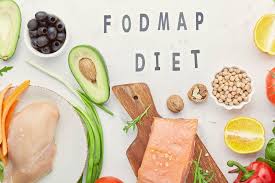
An evidence-based IBS diet is the most effective and personalised intervention for irritable bowel syndrome — a condition affecting 10–15% of the global population and characterised by abdominal pain, bloating, and altered bowel habit that significantly impairs quality of life. IBS is not a single condition but a spectrum of symptom patterns (IBS-C for constipation-predominant, IBS-D for diarrhoea-predominant, IBS-M for mixed, and IBS-U for unsubtyped) that each require somewhat different dietary approaches. The low-FODMAP diet — developed by researchers at Monash University — has the strongest evidence base of any dietary intervention for IBS, reducing symptoms in 70–75% of people who follow it correctly, yet it is complex and frequently misapplied without professional guidance. Understanding the evidence, the options, and the IBS-specific dietary considerations enables more effective and targeted symptom management.
- FODMAPs (fermentable oligosaccharides, disaccharides, monosaccharides, and polyols) are poorly absorbed carbohydrates that cause IBS symptoms by drawing water into the small intestine and being fermented by gut bacteria in the colon, producing gas and distension
- The low-FODMAP diet has three essential phases — elimination (strict, 6–8 weeks), reintroduction (systematic testing of individual FODMAP groups), and personalisation (long-term individualised diet based on reintroduction results)
- The elimination phase alone is not the goal — reintroduction is critical because blanket FODMAP avoidance long-term is nutritionally inadequate and unnecessary, as most people tolerate several FODMAP groups individually
- IBS-C and IBS-D require different dietary emphasis: IBS-C benefits from soluble fibre and increased fluids; IBS-D benefits more from strict FODMAP restriction and reducing insoluble fibre during flares
- The gut-brain axis is central to IBS — stress, sleep quality, and eating rate all affect symptom frequency independently of food triggers, and dietary management alone rarely achieves full symptom control without addressing these factors
What Are FODMAPs and Why Do They Cause IBS Symptoms?
FODMAP is an acronym for Fermentable Oligosaccharides, Disaccharides, Monosaccharides, And Polyols — a collection of short-chain carbohydrates and sugar alcohols that share two properties relevant to IBS: they are poorly absorbed in the small intestine, and they are rapidly fermented by colonic bacteria. These two properties drive IBS symptoms through two distinct mechanisms.
The osmotic mechanism: poorly absorbed FODMAPs remain in the intestinal lumen, where they exert osmotic pressure that draws water from the intestinal wall into the lumen. This increases intestinal water content and stool liquidity, accelerating transit time and causing the loose stools and urgency characteristic of IBS-D. The fermentation mechanism: FODMAPs that reach the colon are rapidly fermented by bacteria, producing short-chain fatty acids and intestinal gases (hydrogen, methane, carbon dioxide). In people with IBS, the visceral hypersensitivity of the intestinal wall means that normal gas volumes cause disproportionate pain, bloating, and distension — the gas production itself is similar to healthy individuals, but the pain response to distension is amplified. For the evidence on how ultra-processed foods and sugar affect the gut microbiome relevant to FODMAP fermentation, see our article on sugar and gut health.
The Five FODMAP Groups and High-FODMAP Foods
Understanding the five FODMAP groups and which foods belong to each enables systematic reintroduction and personalisation beyond the elimination phase.
Oligosaccharides — Fructans and GOS: Fructans (chains of fructose molecules) are found in wheat, rye, barley, onion, garlic, leek, artichoke, asparagus, and some nuts. GOS (galacto-oligosaccharides) are found in legumes (chickpeas, lentils, kidney beans, black beans), cashews, and pistachios. These are the most commonly problematic FODMAP group for IBS and include some of the most frequently consumed foods in Western diets (wheat products and onion/garlic in almost all savoury cooking). Fructan sensitivity is the most commonly identified individual FODMAP trigger in reintroduction studies.
Disaccharides — Lactose: Lactose (milk sugar) requires the lactase enzyme for absorption; people with insufficient lactase (lactose intolerance) experience osmotic diarrhea and fermentation symptoms from lactose. Cow’s milk, fresh cheeses (ricotta, cottage cheese), ice cream, and yoghurt are high-lactose. Hard aged cheeses (cheddar, parmesan, gouda) are low in lactose despite being dairy — the fermentation process breaks down most lactose. Many people with IBS have concurrent lactose intolerance; identifying this through the reintroduction phase allows selective dairy avoidance rather than blanket restriction. For the evidence on how eating slowly and thorough chewing affects FODMAP fermentation in IBS, see our article on eating slowly and digestive health.
Monosaccharides — Excess Fructose: Fructose is absorbed via a carrier-mediated process (GLUT5) that can be saturated at high concentrations, leaving excess fructose in the intestinal lumen. The relevant FODMAP concept is “excess fructose” — fructose in excess of glucose content. Foods with excess fructose include honey, apples, pears, mangoes, watermelon, asparagus, and high-fructose corn syrup. Foods with equal or less fructose than glucose (bananas, grapes, strawberries, citrus) are typically well-tolerated even in IBS. Apple and pear juice are particularly high in excess fructose and reliably trigger IBS symptoms.
Polyols — Sorbitol and Mannitol: Sugar alcohols (sorbitol in stone fruits — peaches, plums, cherries, nectarines — and in some apples and pears; mannitol in mushrooms, cauliflower, and some vegetables; and synthetic polyols in “sugar-free” products including gum, candies, and dietary products sweetened with xylitol, sorbitol, or maltitol) are poorly absorbed across the intestinal epithelium and act as osmotic agents in the intestinal lumen, similar to sorbitol’s mechanism as a laxative in prune-based constipation relief.
The Three Phases of the Low-FODMAP Diet
Phase 1: Elimination (6–8 Weeks)
The elimination phase involves strict avoidance of all high-FODMAP foods simultaneously for 6–8 weeks. This phase determines whether FODMAPs are contributing to symptoms — if symptoms do not improve substantially on elimination, FODMAPs are likely not the primary driver and alternative causes should be explored. The elimination phase should be approached as a diagnostic tool, not a permanent dietary pattern.
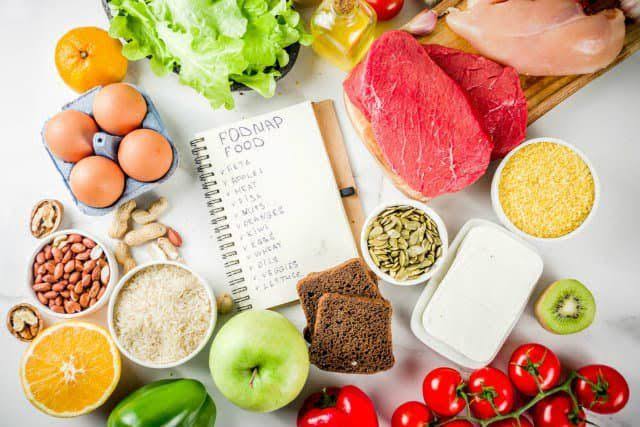
Key low-FODMAP safe foods during elimination: rice (all types), oats (moderate portions), quinoa, corn tortillas; lactose-free dairy or hard aged cheeses; eggs, lean meats (beef, chicken, turkey, fish, seafood); firm tofu (not silken); most vegetables except the high-FODMAP list (broccoli, spinach, carrots, courgette, cucumber, capsicum, tomatoes in moderate portions, sweet potato, potato); most fruits except high-FODMAP (strawberries, blueberries, grapes, kiwi, mandarin, orange, banana — moderate portions); canned lentils (rinsed — lower FODMAP than dried, as water-soluble GOS leaches into the canning liquid); and maple syrup, brown sugar as sweeteners. For the evidence on how meal timing affects IBS symptom frequency, see our article on meal timing and digestive comfort.
The Monash University FODMAP app is the most reliable and continuously updated source for FODMAP content information — serving sizes matter significantly, as many foods are low-FODMAP at small portions but high-FODMAP at larger amounts. Working with a registered dietitian trained in the low-FODMAP diet significantly improves outcomes compared to self-directed implementation.
Phase 2: Reintroduction (8–12 Weeks)
Reintroduction is the most critical and most frequently skipped phase of the low-FODMAP diet. The goal is to systematically test each FODMAP group individually by reintroducing one group at a time over 3-day intervals while maintaining the rest of the elimination diet, then monitoring symptom response. This identifies which specific FODMAP groups trigger symptoms for that individual — and crucially, which do not. Most people with IBS react to only 2–3 FODMAP groups, not all 5.
Reintroduction proceeds in a structured order — typically starting with the FODMAP groups least likely to cause severe reactions (lactose, excess fructose) and progressing to the groups most commonly problematic (fructans). Each test uses a standardised food that contains predominantly one FODMAP group: for example, testing fructans with wheat-only pasta, GOS with canned lentils, lactose with full-fat milk, polyols with sugar-free gum or blackberries. Three days of testing followed by three days of washback to full elimination before the next test prevents carry-over reactions from confounding results. For the evidence on how dietary fibre affects IBS microbiome and symptom patterns, see our article on constipation diet: what to eat and limit.
Phase 3: Personalisation (Long-Term)
The personalisation phase uses the reintroduction results to construct an individualised long-term diet that avoids only the specific FODMAP groups identified as triggers — reintroducing all well-tolerated FODMAP foods to maximise dietary variety, nutritional completeness, and gut microbiome diversity. This is the intended endpoint of the low-FODMAP diet: not permanent strict elimination, but a targeted diet that restricts only personally relevant triggers. Tolerance can change over time, and periodic re-testing of trigger groups (every 3–6 months) is recommended to identify whether threshold amounts have increased with gut microbiome changes or symptom management improvements.
IBS-Specific Dietary Considerations by Subtype
IBS-C (Constipation-Predominant)
IBS-C presents primarily with infrequent, hard stools and abdominal discomfort. The dietary emphasis differs from IBS-D: soluble fibre (oats, psyllium, flaxseed, kiwi) is beneficial and supports transit without the osmotic and fermentation effects of insoluble fibre; adequate hydration is essential; and FODMAP restriction, while still relevant, is less critical than in IBS-D because osmotic FODMAPs may actually help with transit in IBS-C. Prunes and kiwi — both with clinical evidence for constipation relief — are appropriate for IBS-C unless fructan or polyol sensitivity is identified in reintroduction. For the comprehensive evidence on dietary approaches to constipation that overlap with IBS-C management, see our article on constipation diet: what to eat and limit.
IBS-D (Diarrhoea-Predominant)
IBS-D involves frequent loose stools, urgency, and abdominal cramping. The low-FODMAP elimination phase is typically most impactful for IBS-D because osmotic FODMAPs directly worsen stool liquidity and transit speed. During flares, insoluble fibre should be reduced (avoiding raw vegetables, whole grain bran, high-fibre cereals), and easily-digestible low-FODMAP starches (white rice, plain oats, corn tortillas) should be emphasised. Peppermint oil capsules (enteric-coated formulations that release in the small intestine) have level 1 evidence for IBS-D symptom relief through smooth muscle antispasmodic effects — distinct from peppermint tea, which causes reflux symptoms and should be avoided. For the evidence on dietary management during acute diarrhoeal episodes relevant to IBS-D flares, see our article on diarrhea diet: what to eat during recovery.
Beyond FODMAPs: Other Dietary Factors in IBS
Gluten and Non-Coeliac Gluten Sensitivity
Many people with IBS report symptom improvement on a gluten-free diet. However, most of this effect in IBS (as opposed to coeliac disease) is attributable to the reduction in fructans rather than gluten itself — wheat, barley, and rye contain both gluten and fructans, and studies using pure gluten versus fructan challenges have found that fructans drive the symptoms in non-coeliac individuals. This means that in IBS, identifying fructan sensitivity during FODMAP reintroduction is more diagnostically informative than blanket gluten elimination. True non-coeliac gluten sensitivity (NCGS) exists as a distinct condition but is rarer than commonly believed.
Alcohol and IBS
Alcohol directly irritates the intestinal mucosa, increases intestinal permeability, alters gut microbiome composition unfavourably, and worsens both IBS-D and IBS-C symptoms. The osmotic effect of some alcoholic beverages (beer contains fermentable carbohydrates; wines contain polyols) adds to the direct mucosal irritation effects. Reducing alcohol intake is a recommended IBS management strategy across all subtypes. If alcohol is consumed, clear spirits (vodka, gin) with non-carbonated, low-FODMAP mixers are the lowest-risk options.
Caffeine, Coffee, and IBS
Caffeine stimulates colonic motility through adenosine receptor blockade and activates the gastrocolic reflex, directly worsening IBS-D symptoms by accelerating transit. For people with IBS-D, reducing or eliminating caffeine — particularly in the morning before eating — can meaningfully reduce the urgency and frequency of bowel movements. IBS-C patients may find that morning coffee provides a useful motility stimulus, though this should be balanced against any associated bloating or cramping. Tea contains less caffeine than coffee and is generally better tolerated across IBS subtypes. For the evidence on coffee’s effects on gut motility, see our article on coffee and digestion.
Meal Size and Eating Patterns in IBS
The gastrocolic reflex — the increase in colonic motility triggered by eating — is exaggerated in IBS. Large meals produce stronger colonic contractions and more symptom-triggering distension than equivalent smaller meals. Eating 4–5 smaller meals distributed throughout the day, rather than 3 large meals, reduces the amplitude of post-meal colonic responses and is consistently recommended in IBS dietary guidelines. Eating slowly and chewing food thoroughly reduces swallowed air (aerophagia), a contributing factor to IBS bloating that is mechanistically distinct from fermentation-generated gas. For the evidence on eating slowly and IBS symptom reduction, see our article on eating slowly and digestive health.
The Gut-Brain Axis and IBS
IBS is fundamentally a disorder of the gut-brain axis — the bidirectional communication network between the central nervous system and the enteric nervous system. Visceral hypersensitivity (an amplified pain response to normal intestinal distension) is the core pathophysiological mechanism in IBS, and it is modulated by psychological state, stress hormones, gut microbiome composition, and autonomic nervous system tone. This means that dietary management alone rarely achieves complete symptom control in IBS; effective management typically requires attention to sleep quality, stress management, eating environment (eating while distracted or stressed amplifies visceral hypersensitivity), and regular physical activity.
Cognitive behavioural therapy (CBT) for IBS has level 1 evidence for reducing symptom severity, with effect sizes comparable to pharmacological treatment. Gut-directed hypnotherapy has similarly strong evidence. These psychological interventions do not replace dietary management but act synergistically — addressing the visceral hypersensitivity that makes people more reactive to FODMAP and other dietary triggers. A comprehensive IBS management plan integrating dietary, psychological, and lifestyle interventions consistently outperforms dietary-only or medication-only approaches.
Probiotics and IBS
Multiple randomised trials have investigated probiotic supplementation for IBS, with mixed results that reflect the heterogeneity of IBS subtypes and probiotic strains. The current evidence summary suggests modest benefits: a 2018 systematic review in Alimentary Pharmacology and Therapeutics found that probiotics significantly reduced global IBS symptoms compared to placebo in the majority of trials, with the strongest effects seen for IBS-D and mixed IBS. The most evidence-supported specific strains include Lactobacillus plantarum 299v for abdominal pain and bloating, Bifidobacterium infantis 35624 for global IBS symptoms, and VSL#3 (a multi-strain preparation) for IBS-D bloating and stool consistency. Fermented foods — plain yoghurt, kefir, small amounts of kimchi or miso — provide both probiotics and prebiotics and are a practical dietary approach to microbiome support in IBS management.
Frequently Asked Questions
Q: How do I know if I have IBS or another condition causing my gut symptoms?
A: IBS is diagnosed clinically using the Rome IV criteria — recurrent abdominal pain at least once per week in the past 3 months, associated with 2 or more of: related to defecation, associated with a change in stool frequency, or associated with a change in stool form — with symptom onset at least 6 months before diagnosis. IBS is a diagnosis of exclusion, meaning conditions that produce similar symptoms must be ruled out before IBS is confirmed. Red flag symptoms that require investigation before assuming IBS include: rectal bleeding, unintended weight loss, nocturnal diarrhea that wakes from sleep, family history of colorectal cancer or IBD, anaemia, onset of symptoms after age 50, and fever. Coeliac disease should be tested for with IgA anti-tissue transglutaminase antibodies before starting a gluten-free diet, as testing requires gluten to be in the diet for accurate results.
Q: Should I do the low-FODMAP diet without seeing a dietitian?
A: Self-directed low-FODMAP is possible and many people achieve symptom improvement, but the evidence strongly supports dietitian involvement. A 2016 study found that people implementing low-FODMAP with dietitian support achieved significantly better symptom reduction and nutritional adequacy than those self-directing, and were more likely to complete the reintroduction phase (which is essential for long-term outcomes). The elimination phase is the easiest part to implement independently; the reintroduction phase — where most of the diagnostic and long-term value lies — is where systematic professional guidance provides the most benefit. If dietitian access is limited, the Monash University FODMAP app provides the best evidence-based self-guidance tool, with continuously updated FODMAP content for thousands of foods and serving sizes.
Q: Can I eat onion and garlic on a low-FODMAP diet?
A: Raw onion and garlic are the highest-fructan foods and are strictly avoided during the elimination phase. However, garlic-infused oil is low-FODMAP — fructans are not fat-soluble, so oil infused with garlic contains the garlic flavour compounds without significant fructan content. This allows garlic flavour in cooking without FODMAP load. Green parts of spring onions (scallions) are low-FODMAP while the white bulb part is high-FODMAP; using only the green tops in cooking allows onion flavour with lower FODMAP content. Asafoetida (hing) is a spice used in Indian cooking that provides onion/garlic flavour and is low-FODMAP in small amounts — a practical substitute during the elimination phase.
Q: Does stress make IBS worse? Can diet address this?
A: Yes — stress is one of the most potent modulators of IBS symptom severity, through multiple gut-brain axis pathways. Stress activates the hypothalamic-pituitary-adrenal (HPA) axis, increasing cortisol; directly activates the enteric nervous system through corticotrophin-releasing hormone (CRH) receptors in the intestinal wall; increases mast cell degranulation in the intestinal mucosa, releasing histamine and other mediators that increase visceral sensitivity; and alters gut motility through the autonomic nervous system. Diet addresses the FODMAP and dietary trigger components of IBS but cannot override the neurological pathways through which stress amplifies symptoms. A practical approach: on high-stress days, eat an even stricter low-FODMAP diet and eat smaller meals more slowly, recognising that the threshold for symptom triggering is lower when stress is elevated.
Q: Is fibre good or bad for IBS?
A: It depends on the type. Soluble fibre (oats, psyllium, flaxseed) is beneficial across all IBS subtypes — it softens stool in IBS-C, forms a gel that reduces stool liquidity in IBS-D, and does not significantly increase fermentation gas production. Insoluble fibre (wheat bran, raw vegetables, high-fibre cereals) accelerates transit and increases fermentation gas production — it benefits IBS-C patients with adequate hydration but worsens bloating and pain in IBS-D and should be reduced during flares. The evidence for psyllium (ispaghula husk) in IBS is particularly strong: multiple RCTs confirm it reduces global IBS symptoms across subtypes, and it is the only fibre supplement recommended across all IBS subtypes by NICE (the UK National Institute for Health and Care Excellence).
Q: Are there foods that can help reduce IBS bloating specifically?
A: Yes — beyond FODMAP restriction, several dietary strategies specifically target the bloating symptom. Eating slowly and chewing thoroughly reduces aerophagia (swallowed air) that contributes to abdominal gas independently of fermentation. Peppermint oil capsules (enteric-coated, 0.2–0.4ml, taken 30–60 minutes before meals) reduce intestinal smooth muscle spasm and have specific evidence for reducing bloating and abdominal distension in IBS. Simethicone (an anti-foaming agent available over the counter) reduces gas bubble size and is sometimes helpful for immediate bloating relief. Avoiding carbonated beverages, which directly add gas to the intestinal tract, reduces non-fermentation bloating. For the comprehensive evidence on eating slowly and IBS bloating reduction, see our article on eating slowly and digestive health.
Q: What is the longest I should stay on the low-FODMAP elimination diet?
A: The elimination phase should not exceed 8 weeks for several important reasons. First, the high-FODMAP foods that are eliminated include many of the most prebiotic-rich foods (legumes, onion, garlic, wheat, certain fruits) — their absence reduces the dietary diversity that supports a healthy gut microbiome, and studies have shown that 8 weeks of strict low-FODMAP elimination significantly reduces Bifidobacterium and Lactobacillus populations. Second, the nutritional completeness of a strict low-FODMAP diet is limited, particularly for calcium (from dairy restriction), fibre, and prebiotic substrates. Third, and practically: if symptoms have not improved substantially within 6 weeks, the diet is unlikely to be effective and continuation is not justified. If symptoms improve, reintroduction should begin promptly to restore dietary diversity while retaining the diagnostic information the elimination phase has provided.
IBS is a chronic condition but self-management has limits. Seek medical assessment when:
- Red flag symptoms emerge: rectal bleeding, unexplained weight loss, fever with GI symptoms, or nocturnal diarrhea waking from sleep — these are NOT consistent with IBS and require investigation
- Symptoms significantly worsen despite consistent dietary management and lifestyle changes
- Symptoms fail to respond to a full 8-week correctly-implemented low-FODMAP elimination — alternative diagnoses should be reconsidered
- New symptoms after age 50 in someone previously diagnosed with IBS at a younger age
- Nutritional deficiencies develop during dietary restriction (anaemia, calcium deficiency, vitamin B12 deficiency)
- Severe functional impairment — inability to attend work, school, or social activities — warrants multidisciplinary assessment including psychological support
This article is for educational purposes only and does not constitute medical advice. Always consult a qualified healthcare provider and ideally a specialist dietitian for IBS management guidance.
- Gibson PR, et al. “Evidence-based dietary management of functional gastrointestinal symptoms: the FODMAP approach.” Journal of Gastroenterology and Hepatology. 2010;25(2):252-258.
- Halmos EP, et al. “A diet low in FODMAPs reduces symptoms of irritable bowel syndrome.” Gastroenterology. 2014;146(1):67-75.
- Dionne J, et al. “A systematic review and meta-analysis evaluating the efficacy of a gluten-free diet and a low FODMAPs diet in treating symptoms of irritable bowel syndrome.” American Journal of Gastroenterology. 2018;113(9):1290-1300.
- Ford AC, et al. “Efficacy of prebiotics, probiotics, and synbiotics in irritable bowel syndrome and chronic idiopathic constipation: systematic review and meta-analysis.” American Journal of Gastroenterology. 2014;109(10):1547-1561.
- Lacy BE, et al. “ACG Clinical Guideline: Management of Irritable Bowel Syndrome.” American Journal of Gastroenterology. 2021;116(1):17-44.
- Staudacher HM, et al. “A diet low in FODMAPs reduces symptoms in patients with irritable bowel syndrome and a probiotic restores bifidobacterium species: a randomized controlled trial.” Gastroenterology. 2017;153(4):936-947.
- Moayyedi P, et al. “The efficacy of probiotics in the therapy of irritable bowel syndrome: a systematic review.” Gut. 2010;59(3):325-332.
- Mayer EA, et al. “Gut/brain axis and the microbiota.” Journal of Clinical Investigation. 2015;125(3):926-938.
- Mearin F, et al. “Bowel disorders.” Gastroenterology. 2016;150(6):1393-1407.
- Whorwell PJ, et al. “Efficacy of hypnotherapy in the treatment of irritable bowel syndrome.” Lancet. 1984;2(8414):1232-1234.
The explanation of why reintroduction is the most important phase — and why most people skip it — finally motivated me to complete it after two years of doing the elimination phase repeatedly and then abandoning it when symptoms returned. I’ve been treating the elimination phase as the permanent state rather than as a diagnostic tool and never understanding why I keep needing to restart from scratch. Reading that most people only react to 2-3 FODMAP groups, not all 5, and that blanket long-term elimination is nutritionally problematic and unnecessary — this completely reframes what the diet is actually for. Starting a proper reintroduction on Monday with the structured protocol described here.
You’ve identified the single most common and clinically frustrating pattern in low-FODMAP implementation — using the elimination phase as a long-term management strategy rather than as the diagnostic tool it’s designed to be. The elimination phase has a specific evidence-supported duration (6-8 weeks) for good reason: beyond that window, the gut microbiome depletion — particularly of Bifidobacterium species that are directly supported by the prebiotic FODMAPs being eliminated — begins to create secondary GI problems that are difficult to distinguish from the original IBS. The reintroduction phase is where the genuine individualisation happens, and it’s also where most people discover that their FODMAP tolerance is actually much broader than the elimination phase would suggest. A well-structured reintroduction with 3 days testing each FODMAP group followed by 3 days washback typically takes 8-12 weeks and produces a clear individual trigger map — at which point the long-term diet is far less restrictive and far more nutritionally complete than the elimination phase. The investment of those 8-12 weeks of systematic testing pays dividends for years of better-quality eating afterward.
The garlic-infused oil tip is something I’ve never encountered in any other IBS resource and it changes my relationship with cooking fundamentally. I’ve been avoiding all cooking with garlic for two years and eating very bland food as a result, which has made the whole experience miserable. Understanding the biochemistry — fructans are water-soluble but not fat-soluble, so oil infused with garlic has the flavour compounds without the FODMAP load — makes sense and I can verify it’s in the Monash app. Also the asafoetida suggestion for onion flavour. Two completely practical alternatives I can implement immediately. The difference between ‘avoid garlic forever’ and ‘use garlic-infused oil’ is enormous for quality of life.