
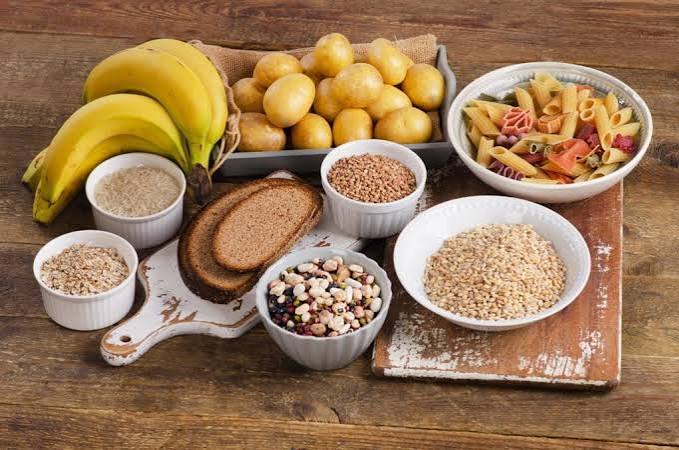
A carefully selected diarrhea diet is the most effective tool for managing acute diarrhea and supporting intestinal recovery — reducing symptom duration, replacing lost nutrients, and preventing the secondary complications of dehydration and electrolyte imbalance that make diarrhea dangerous. Diarrhea affects an estimated 1.7 billion people annually, making it the second leading infectious cause of death in children worldwide, yet the dietary decisions made during acute episodes profoundly influence recovery speed and complication risk. Understanding which foods calm intestinal inflammation, which absorb fluid and slow transit, and which should be strictly avoided prevents the prolonged episodes that result from uninformed dietary choices.
- Oral rehydration is the first priority — diarrhea depletes water and electrolytes (sodium, potassium, chloride) that must be actively replaced to prevent dehydration
- The BRAT diet (Bananas, Rice, Applesauce, Toast) has a scientific rationale — these foods are low in insoluble fibre, easy to digest, and include ingredients with specific stool-binding properties
- Soluble fibre (oats, psyllium, ripe banana) absorbs water and slows transit, reducing stool liquidity — it is beneficial during diarrhea, unlike insoluble fibre which accelerates transit
- Foods to strictly avoid: fatty foods, high-sugar foods and juices, dairy products (temporarily), raw vegetables, spicy foods, alcohol, and caffeine — all worsen diarrhea through distinct mechanisms
- Resuming normal diet as soon as symptoms allow (typically 24–48 hours) is evidence-supported and accelerates intestinal recovery — prolonged dietary restriction is counterproductive

Understanding Diarrhea: What Happens in the Intestine
Acute diarrhea — defined as three or more loose or watery stools per day for fewer than 14 days — results from disruptions to the normal absorptive function of the intestinal epithelium. Under normal conditions, the intestine absorbs approximately 9 litres of fluid daily (from food, drink, and digestive secretions), with only 100–200ml excreted in stool. In diarrhea, either fluid secretion into the intestinal lumen increases abnormally (secretory diarrhea, typical of bacterial toxins), absorption is impaired (malabsorptive diarrhea, typical of infections and inflammatory conditions), or both occur simultaneously.
The consequential fluid and electrolyte losses — particularly sodium, potassium, bicarbonate, and chloride — drive the dehydration, weakness, and cramping that characterise diarrhea. Dietary interventions during diarrhea serve three distinct physiological goals: replacing lost fluid and electrolytes (rehydration); reducing stool water content and slowing transit through food choices that favour absorption over secretion; and providing nutrition that supports intestinal epithelial repair without aggravating inflammation or osmotic load.
Chronic diarrhea (lasting more than 4 weeks) requires medical investigation to identify the underlying cause — which may include inflammatory bowel disease, microscopic colitis, bile acid malabsorption, coeliac disease, or other structural conditions — before dietary management can be optimally targeted. The guidance in this article is primarily directed at acute and subacute diarrhea (up to 4 weeks) where dietary intervention is most evidence-supported as a primary intervention. For IBS-related diarrhea, see our article on IBS diet: a practical guide.
Priority 1: Oral Rehydration — The Foundation of Diarrhea Management
Before any food choices are considered, oral rehydration is the clinical priority during acute diarrhea. The WHO and UNICEF recommend oral rehydration solution (ORS) as the first-line treatment for diarrhea-related dehydration, with evidence demonstrating that appropriate ORS use reduces diarrhea mortality by more than 90%. ORS works through the sodium-glucose cotransport (SGLT1) mechanism — when glucose and sodium are present together in specific ratios in the intestinal lumen, they are co-transported into the enterocyte, and water follows passively. This mechanism continues to function even in severely inflamed intestinal epithelium, making it effective even when standard food absorption is impaired.
Standard ORS contains: water (1 litre), sodium chloride (3.5g), sodium citrate or sodium bicarbonate (2.9g), potassium chloride (1.5g), and glucose (20g). Pre-mixed sachets (Dioralyte, Electrolade, Pedialyte) are readily available and provide the correct electrolyte ratios. Plain water is inadequate as the sole rehydration fluid during significant diarrhea — it lacks the sodium and glucose required to activate the cotransport mechanism, and excessive plain water intake in the context of sodium loss can cause dilutional hyponatremia, a dangerous condition.
Signs of clinically significant dehydration requiring medical attention include: sunken eyes, dry mouth, reduced skin elasticity, dark urine or no urination for 8+ hours, dizziness on standing, and in children, absence of tears when crying. Mild dehydration (feeling thirsty, slightly dry mouth, mild weakness) can be managed with ORS at home; moderate-to-severe dehydration requires medical evaluation for intravenous fluid replacement.
Best Foods to Eat During Diarrhea Recovery
The BRAT Diet — Evidence and Scientific Rationale
The BRAT diet — Bananas, Rice, Applesauce, Toast — has been used clinically for decades, and while it has been modified and supplemented by more recent evidence, its core components remain the most evidence-aligned foods for acute diarrhea management.
Bananas (ripe): Ripe bananas are uniquely well-suited for diarrhea recovery for several reasons. They contain pectin, a soluble fibre that absorbs water in the intestinal lumen and forms a gel that slows transit and reduces stool liquidity. They are rich in potassium (422mg per medium banana) — a critical electrolyte lost in large quantities during diarrhea. They are easily digested, low in osmotic load, and unlikely to aggravate intestinal inflammation. The natural sugars in ripe bananas (fructose, glucose, sucrose) are well-absorbed in the upper small intestine before reaching the inflamed colon. Note: unripe bananas contain high resistant starch and tannins; while also potentially beneficial for stool binding, ripe bananas are generally better tolerated by most people during acute illness.
White rice (plain, cooked): Plain boiled white rice is the most universally recommended food during acute diarrhea across clinical guidelines worldwide. White rice is almost entirely easily-digestible starch that is absorbed in the small intestine, with minimal residue reaching the inflamed colon. This reduces the osmotic load in the large intestine (where osmotically active unabsorbed carbohydrates draw water into the lumen and worsen diarrhea) and provides energy without aggravating inflammation. Rice water — the starchy water remaining after cooking rice — has additional clinical evidence supporting its use as a rehydration fluid, with one study finding it superior to standard ORS for reducing stool volume in cholera-induced diarrhea. For the comprehensive evidence on rice and digestive health, see our article on whole grains and digestion.
Applesauce (unsweetened): Unsweetened applesauce provides pectin soluble fibre in a cooked, pre-softened form that is easy to digest and unlikely to irritate the intestinal mucosa. The pectin in cooked apple is different from raw apple — cooking breaks down the cell walls and makes pectin bioavailable in a form that more effectively absorbs water in the intestinal lumen. Apple juice, by contrast, contains primarily fructose (a poorly-absorbed sugar at high concentrations) and has had its fibre removed; it worsens diarrhea in children and adults and should be avoided during acute episodes. For the evidence on fruit and digestive health, see our article on fruits that support digestion.
White toast (plain): Plain white toast made from refined white flour provides easily-digestible starch with minimal fibre, putting minimal absorptive demand on an inflamed intestinal epithelium. The Maillard reaction products formed during toasting create compounds with mild antimicrobial and astringent properties that may modestly benefit the intestinal environment during bacterial diarrhea. Avoid adding butter (fat slows gastric emptying and may worsen nausea) or jam (high sugar content increases osmotic load in the intestine).
Additional Safe and Supportive Foods
Beyond the core BRAT foods, several other foods are well-tolerated during diarrhea and support recovery:
Oats (plain cooked porridge): Oat porridge provides beta-glucan soluble fibre that absorbs water and thickens intestinal contents, reducing stool liquidity. Porridge is warm, easily digestible, and provides sodium and complex carbohydrates that support rehydration and energy replenishment. Avoid high-fibre bran cereals, which accelerate transit and worsen diarrhea. Plain oat porridge with water or diluted non-lactose milk alternative is ideal during the recovery phase.
Boiled or steamed potatoes (plain): Plain boiled potatoes provide easily digestible starch, significant potassium (535mg per medium potato), and are comforting and filling without placing undue digestive demand on the recovering intestine. Remove the skin (which contains insoluble fibre that may aggravate an inflamed intestine) and avoid adding butter, cream, or cheese during the acute recovery phase.
Cooked carrots: Cooked (not raw) carrots are among the few vegetables appropriate during acute diarrhea. Cooking breaks down cell walls and converts some of the insoluble fibre to a more soluble form; cooked carrots also contain pectin that absorbs water in the intestinal lumen. Their natural sweetness and softness make them well-tolerated during illness. Raw vegetables, including raw carrots, should be avoided until symptoms fully resolve.
Plain boiled chicken or fish: Lean protein from plain boiled or steamed chicken breast or white fish (cod, haddock, tilapia) supports intestinal epithelial repair without adding fat that could slow gastric emptying or irritate the intestinal wall. Protein deficiency impairs intestinal healing, and including easily-digestible lean protein from day 1–2 of acute diarrhea accelerates mucosal recovery compared to carbohydrate-only approaches.
Probiotics (yoghurt or supplements): Specific probiotic strains have level 1 evidence for reducing acute diarrhea duration. A 2010 Cochrane review found Lactobacillus rhamnosus GG reduced diarrhea duration by approximately 24 hours in children and adults. Saccharomyces boulardii has strong evidence for preventing antibiotic-associated diarrhea and reducing traveller’s diarrhea severity. Plain yoghurt with live cultures — if lactose is tolerated (some people develop temporary lactose intolerance during and after acute GI illness) — is a practical food source of probiotics; alternatively, probiotic supplements are appropriate during and for 2 weeks after antibiotic treatment.
Foods to Avoid During Diarrhea
High-Fat Foods
Fatty foods — fried foods, fatty meats, cream sauces, butter, full-fat cheese, and greasy fast food — worsen diarrhea through multiple mechanisms. Fat slows gastric emptying, which may increase nausea, but more significantly, unabsorbed fat reaching the intestine stimulates secretion of bile acids and colonic secretion, directly increasing stool volume. In the setting of inflamed intestinal epithelium, fat absorption is further impaired, amplifying this effect. Additionally, fatty foods stimulate the gastrocolic reflex — the colonic contraction triggered by eating — more strongly than low-fat foods, increasing the urgency of bowel movements. All high-fat foods should be avoided until symptoms fully resolve.
High-Sugar Foods and Fruit Juices
High sugar concentrations in the intestinal lumen create an osmotic gradient that draws water out of the intestinal wall and into the lumen — exactly the opposite of what is needed during diarrhea. Apple juice, orange juice, and other fruit juices are particularly problematic because they contain high concentrations of fructose; at concentrations above 25g per sitting, fructose absorption is incomplete in healthy adults (and more impaired still in people with inflamed intestinal epithelium), leading to osmotic diarrhea on top of the primary infectious or inflammatory cause. Soft drinks contain very high sugar concentrations and carbonation that may worsen cramping and bloating. These should be avoided completely during acute diarrhea.
Dairy Products
Temporary lactose intolerance is a common complication of acute infectious diarrhea — the lactase enzyme on the intestinal brush border is particularly sensitive to the rotavirus and enteroviruses that commonly cause diarrhea, and brush border damage during acute illness can impair lactase activity for 2–4 weeks. Consuming lactose-containing dairy (milk, fresh cheese, ice cream, cream) during this period causes additional osmotic diarrhea from unabsorbed lactose. Fermented dairy products — plain yoghurt and hard aged cheeses — contain little remaining lactose and are generally better tolerated; yoghurt with live cultures additionally provides probiotics that support mucosal recovery. A practical approach: avoid milk and fresh dairy for the first 24–48 hours of acute diarrhea and reintroduce starting with small amounts of yoghurt; resume full dairy only when formed stools have returned for 24+ hours.
Raw Vegetables and High-Fibre Foods
Raw vegetables and high-fibre foods (whole grains, legumes, bran, seeds) contain insoluble fibre that accelerates colonic transit — the mechanism that is already functioning too fast in diarrhea. Adding insoluble fibre during acute diarrhea increases stool frequency and reduces stool formation. Salads, raw broccoli, cabbage, raw onions, corn, and high-fibre cereals should all be avoided during symptomatic periods. Cooked vegetables (as described above) and low-fibre starches are the appropriate plant foods during acute recovery.
Spicy and Irritant Foods
Capsaicin (the active compound in chilli peppers), black pepper, and strong spices directly irritate the intestinal mucosa and accelerate intestinal transit through TRPV1 receptor activation on intestinal sensory neurons. In an already-inflamed intestine, these effects are amplified. Hot sauce, curries, chilli, and heavily spiced foods should be avoided until full recovery. Horseradish and wasabi (containing allyl isothiocyanate) have similar irritant effects and should likewise be avoided.
Alcohol and Caffeine
Alcohol directly damages the intestinal epithelium, impairs intestinal absorption, increases intestinal permeability, and has a well-documented negative effect on gut microbiome composition. Even moderate alcohol intake worsens the recovery of the intestinal mucosa after diarrheal illness. Caffeine (in coffee, tea, energy drinks) stimulates intestinal motility through adenosine receptor mechanisms and the gastrocolic reflex, accelerating transit and worsening diarrhea. The mild diuretic effect of caffeine also exacerbates the dehydration that diarrhea causes. Both alcohol and caffeinated beverages should be avoided for the duration of symptomatic illness and for at least 24–48 hours after stools normalise. For the evidence on caffeine, coffee and digestion, see our article on coffee and digestion.
Diarrhea Diet Stages: A Practical Recovery Timeline
Dietary management during diarrhea recovery should progress through distinct stages as symptoms improve, rather than maintaining restrictive eating for the full recovery period.
Phase 1 — Hours 0–24 (Acute phase): Prioritise oral rehydration above all else. Small, frequent sips of ORS throughout the day (200–400ml per loose stool) to replace ongoing losses. Plain water, clear broths (provide sodium), diluted herbal teas (chamomile, peppermint), and ice chips for nausea. If tolerating liquids, introduce small amounts of plain white rice or dry toast. Do not push food if nausea or vomiting is present — ORS remains the priority.
Phase 2 — Hours 24–48 (Early recovery): Introduce BRAT foods in small portions (quarter to half normal portions) every 3–4 hours rather than full meals. Plain rice, ripe banana, unsweetened applesauce, plain toast, plain oat porridge. Continue ORS if stools remain loose. Introduce plain boiled chicken or fish if appetite is present and liquids are well-tolerated.
Phase 3 — Days 2–5 (Active recovery): Expand food choices to include cooked vegetables (carrots, zucchini, well-cooked squash, sweet potato without skin), plain eggs (boiled or scrambled without oil), plain pasta or noodles, plain yoghurt with live cultures. Avoid all the foods in the “avoid” category above. Meals can return to normal size; continue to favour easily-digestible foods. For meal timing guidance during GI recovery, see our article on meal timing and digestive comfort.
Phase 4 — Day 5+ (Full recovery): When formed stools have returned for 24–48 hours, gradually reintroduce normal dietary variety. Reintroduce one new food group per day to identify any intolerances that may have developed during illness. Dairy can be reintroduced starting with small amounts of yoghurt, then fresh dairy. Raw vegetables and high-fibre foods can return as the intestine has recovered sufficient absorptive capacity. For evidence-based guidance on restoring gut microbiome health after illness or antibiotic treatment, see our article on sugar and gut health.
Antibiotic-Associated Diarrhea: Specific Dietary Considerations
Antibiotic-associated diarrhea (AAD) affects 5–35% of patients taking antibiotics, with the broad-spectrum antibiotics (clindamycin, amoxicillin-clavulanate, fluoroquinolones, cephalosporins) carrying the highest risk. AAD results from antibiotic-mediated disruption of the gut microbiome, reducing microbial diversity and the competitive exclusion that normally prevents pathogen overgrowth. Dietary management for AAD follows similar principles to acute infectious diarrhea but with specific emphasis on microbiome restoration.
During antibiotic treatment, taking the antibiotic with food reduces GI irritation and slows absorption, which can reduce direct intestinal effects. Probiotics — specifically Lactobacillus rhamnosus GG and Saccharomyces boulardii — have level 1 evidence for preventing AAD when started within 48 hours of antibiotic initiation and continued for 2 weeks after completion. Plain yoghurt with live cultures, kefir, and other fermented foods support microbiome restoration during and after treatment. For the full evidence on gut microbiome recovery after antibiotics, see our article on ultra-processed foods and digestion.
Traveller’s Diarrhea: Dietary Prevention and Management
Traveller’s diarrhea — defined as 3+ loose stools per 24 hours with at least one accompanying symptom (cramping, nausea, vomiting, fever, or blood in stool) within 10 days of arriving in a destination — affects 20–50% of international travellers to endemic areas and is primarily caused by enterotoxigenic Escherichia coli (ETEC). Dietary precautions during travel include drinking only bottled or purified water (including for brushing teeth), eating only fully cooked foods served hot, avoiding raw salads and unpeeled raw fruits at high-risk destinations, and avoiding ice. The dietary management of traveller’s diarrhea once it occurs follows the same phased approach described above; Saccharomyces boulardii (2 capsules twice daily during and 5 days after travel) has level 1 evidence for reducing traveller’s diarrhea incidence by approximately 25%.
Diarrhea in IBS and Inflammatory Bowel Disease
For people with irritable bowel syndrome (IBS-D, diarrhoea-predominant) or inflammatory bowel disease (IBD) including Crohn’s disease and ulcerative colitis, diarrhea management has disease-specific dietary components that go beyond the acute management guidance above. IBS-D responds to low-FODMAP dietary approaches, with multiple RCTs demonstrating symptom reduction. IBD requires coordination with a gastroenterologist and often dietitian-supervised dietary modification. The general principles of BRAT foods, ORS, and avoiding high-fat, high-sugar, and raw fibre foods remain applicable during acute flares of both conditions but should be considered as supplements to specific disease management plans, not replacements. For IBS-specific dietary guidance, see our article on IBS diet: a practical guide.
Frequently Asked Questions
Q: Should I stop eating entirely if I have diarrhea?
A: No — and the evidence against fasting during acute diarrhea is strong. Fasting does not reduce diarrhea duration and actively impairs intestinal recovery by removing the nutrients the intestinal epithelium needs for repair. Current WHO and ESPGHAN (European Society for Paediatric Gastroenterology) guidelines explicitly recommend continued feeding during diarrhea, with the caveat that food choices should be appropriately bland and low-fibre. Rehydration is always the priority, but withholding food for more than 24 hours is not recommended in the absence of vomiting that prevents food retention. The historical recommendation to “rest the gut” by fasting has been superseded by evidence that continued gentle feeding accelerates mucosal recovery.
Q: Is sports drink (Gatorade, Lucozade Sport) a good substitute for ORS?
A: Sports drinks are not equivalent to oral rehydration solutions and should not be used as a substitute for ORS during significant diarrhea. Sports drinks are formulated for rehydrating healthy athletes during exercise — they contain much lower sodium concentrations (approximately 10–18 mmol/L vs ORS’s 45–75 mmol/L) and much higher sugar concentrations. The high sugar concentration in sports drinks can worsen diarrhea through the osmotic mechanism described above. If ORS sachets are not available, the closest home approximation is: 1 litre of water, 6 teaspoons of sugar, and half a teaspoon of salt — which roughly replicates the ORS glucose-sodium ratio. Plain water should be used when ORS or homemade ORS is unavailable, accepting that it provides hydration without the optimal glucose-sodium cotransport mechanism.
Q: How long should I follow the bland diarrhea diet?
A: The acute phase diet (BRAT foods, plain starches, ORS) should be maintained for 24–48 hours after the diarrhea begins to resolve, and a gradual return to normal dietary variety can start once formed stools have returned for at least 24 hours. Most uncomplicated acute viral gastroenteritis resolves within 2–5 days with appropriate management. Prolonging dietary restriction beyond the resolution of symptoms is not evidence-supported and may impair gut microbiome restoration by limiting the dietary diversity that supports microbial recovery. A phased return to normal eating — introducing one new food group per day — allows identification of specific intolerances without unnecessarily extending restrictive eating.
Q: Can I eat eggs during diarrhea?
A: Plain boiled or scrambled eggs (without oil or butter) are generally well-tolerated during diarrhea recovery from day 2 onwards. Eggs provide high-quality protein for intestinal mucosal repair, are easy to digest, and contain no fibre. They are appropriate as part of the Phase 3 recovery diet. Fried eggs should be avoided — the fat worsens diarrhea — and adding butter, cream, or cheese should be deferred until full recovery. Scrambling eggs with a small amount of water and cooking without oil (in a non-stick pan) is the most appropriate preparation during recovery.
Q: Can I drink coffee when I have diarrhea?
A: Coffee should be avoided during acute diarrhea. Coffee stimulates colonic motility through multiple mechanisms (gastrocolic reflex, chlorogenic acids, CCK stimulation) and has a mild diuretic effect that worsens the dehydration diarrhea causes. Both caffeinated and decaffeinated coffee stimulate colonic motility, so decaf is not a safe alternative during acute illness. Herbal teas — particularly chamomile (anti-inflammatory, antispasmodic), peppermint (antispasmodic, reduces cramping), and ginger (anti-nausea, anti-inflammatory) — are appropriate alternatives that provide hydration without the motility-stimulating effects of coffee. Resume coffee when formed stools have returned for at least 24 hours, starting with a small amount to assess tolerance.
Q: Does the BRAT diet work for children?
A: The BRAT diet is appropriate for children over 12 months with acute diarrhea, but with important modifications from adult guidance. The American Academy of Pediatrics (AAP) specifically recommends that children return to age-appropriate diets as quickly as possible — within 24 hours of starting ORS rehydration — because early refeeding has been shown in paediatric studies to reduce diarrhea duration, improve stool consistency, and reduce risk of nutritional deficiency compared to prolonged dietary restriction. For infants under 12 months, breastfeeding should continue throughout illness; formula-fed infants should continue formula. The key principles of ORS for rehydration, avoiding high-sugar juices, and introducing bland easily-digestible foods apply in children as in adults.
Q: What are the signs I need to see a doctor for diarrhea?
A: While most acute diarrhea resolves without medical treatment, several features indicate a need for prompt medical evaluation. Seek medical attention for: bloody diarrhea (indicates intestinal bleeding or invasive bacterial infection requiring specific treatment); high fever (above 38.5°C/101.3°F) with diarrhea; signs of moderate-to-severe dehydration (inability to keep any fluid down, dark urine for 8+ hours, dizziness on standing, confusion); diarrhea persisting beyond 7 days in adults; recent use of antibiotics in the context of diarrhea (Clostridioides difficile infection risk); and diarrhea in pregnant women, elderly individuals, or people with compromised immune systems (all have higher complication risk). Diarrhea with no urination for more than 8–12 hours, particularly in children or elderly individuals, always warrants urgent medical evaluation.
Seek immediate medical attention for diarrhea accompanied by:
- Blood in stool (red or black tarry stools) — indicates intestinal bleeding requiring urgent investigation
- Inability to keep fluids down for more than 24 hours — intravenous rehydration is urgently needed
- No urination for 8+ hours in adults, or 6+ hours in children — indicates severe dehydration
- High fever above 39°C/102°F with diarrhea — indicates invasive bacterial infection needing antibiotic treatment
- Severe abdominal pain or cramping that is constant rather than colicky — may indicate perforation or obstruction
- Confusion, extreme weakness, or rapid heart rate — signs of systemic compromise from severe dehydration or sepsis
- Diarrhea in infants under 6 months — higher dehydration risk; always seek prompt medical assessment
This article is for educational purposes only and does not constitute medical advice. Always consult a qualified healthcare provider for persistent or severe diarrhea or for personalised dietary guidance.
- World Health Organization. “Diarrhoeal disease.” WHO Fact Sheet. 2017. Available at: who.int
- Hahn S, et al. “Oral rehydration therapy versus intravenous therapy for treating dehydration due to gastroenteritis in children.” Cochrane Database Systematic Reviews. 2002;(1):CD004390.
- Allen SJ, et al. “Probiotics for treating acute infectious diarrhoea.” Cochrane Database Systematic Reviews. 2010;(11):CD003048.
- Guarino A, et al. “European Society for Paediatric Gastroenterology, Hepatology, and Nutrition/European Society for Paediatric Infectious Diseases evidence-based guidelines for the management of acute gastroenteritis in children in Europe.” Journal of Pediatric Gastroenterology and Nutrition. 2014;59(1):132-152.
- Szajewska H, et al. “Saccharomyces boulardii for treating acute gastroenteritis in children: updated meta-analysis of randomized controlled trials.” Alimentary Pharmacology & Therapeutics. 2009;30(9):960-969.
- Bartholome R, et al. “Antibiotic-associated diarrhea: epidemiology, risk factors, and interventions.” Therapeutic Advances in Gastroenterology. 2020;13:1756284820931928.
- DuPont HL. “Travellers’ diarrhoea: contemporary approaches to therapy and prevention.” Drugs. 2006;66(3):303-314.
- Bhutta ZA, et al. “Therapeutic effects of oral ORS and zinc supplementation in acute childhood diarrhoea.” Bulletin of the World Health Organization. 2004;82(7):523-529.
- Valdes AM, et al. “Role of the gut microbiota in nutrition and health.” BMJ. 2018;361:k2179.
- Schiller LR, et al. “AGA technical review on the evaluation and management of chronic diarrhea.” Gastroenterology. 1999;116(6):1464-1486.
The explanation of why sports drinks are NOT equivalent to ORS was something I’ve needed to read for years. My whole family has been using Gatorade during stomach bugs thinking it was basically the same thing as the pharmacist’s rehydration sachets, and I had no idea that sports drinks have much lower sodium and much higher sugar than ORS — and that the high sugar actually makes diarrhea worse by drawing more water into the intestine. The home approximation recipe (6 teaspoons sugar, half teaspoon salt per litre of water) is genuinely useful for when it’s 2am and you don’t have sachets. Bookmarking this for the next time any of us gets a stomach virus.
The sports drink versus ORS distinction is one of the most practically important and most frequently misunderstood aspects of home diarrhea management. The SGLT1 cotransport mechanism — which is what makes ORS work — requires sodium and glucose to be present simultaneously at specific concentrations. A sodium concentration too low (as in sports drinks, which are formulated for sweat replacement rather than diarrhea-related electrolyte losses) fails to activate the cotransporter efficiently. And the high sugar concentration in sports drinks creates the osmotic problem you identified correctly: unabsorbed sugar in the intestinal lumen draws water out of the intestinal wall by osmosis, directly increasing stool volume. This is mechanistically the same problem that makes fruit juices worsen diarrhea. The home ORS approximation works because it roughly hits the critical sodium-glucose ratio — it won’t be as precisely calibrated as commercial sachets, but it activates the cotransport mechanism adequately and avoids the osmotic worsening. The 2am stomach virus situation is exactly when knowing this recipe matters.
The phased approach to recovery was exactly what I needed — I always either tried to eat normally too fast (and immediately felt terrible) or restricted to BRAT foods for far too long and felt weak and depleted. Having the actual timeline with specific foods for each phase, and knowing that the goal is to return to normal diet as quickly as possible rather than staying on restriction, changes how I’ll approach the next episode completely. Also, I had no idea that plain water was inadequate during significant diarrhea — I genuinely thought more water was always better. Understanding the sodium-glucose cotransport mechanism and why you need both together makes the ORS recommendation make biological sense rather than just being a medical instruction to follow.