
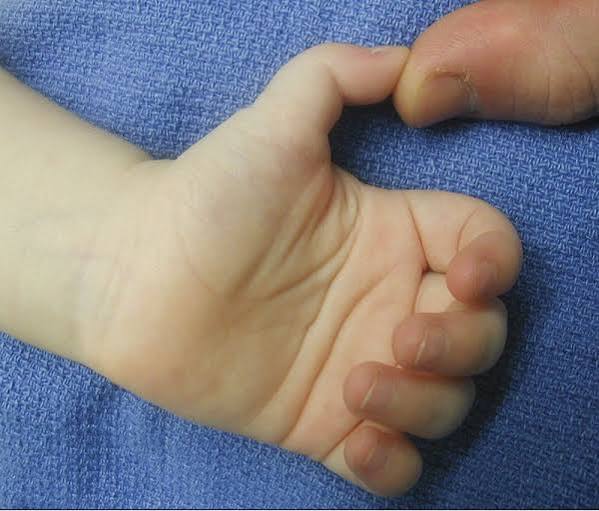
If your finger clicks, catches, or locks when you try to straighten it — particularly when you first wake up in the morning — you are likely experiencing trigger finger. Also known as stenosing tenosynovitis, trigger finger is a condition in which the flexor tendon of a digit catches or locks as it tries to pass through a narrowed section of its fibrous tendon sheath. It is more common than most people realise, affects 2% of the general population, and has a clear treatment pathway from conservative management through to straightforward surgery when needed. Understanding what trigger finger is, what causes it, and how it progresses helps patients and carers navigate that pathway effectively.
What Is Trigger Finger?
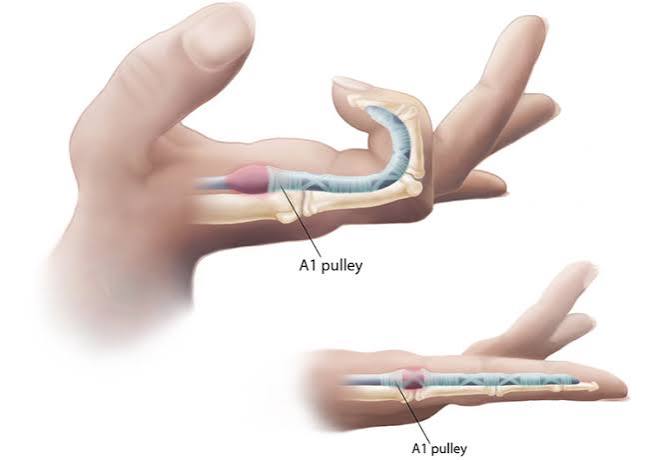
Each finger of the hand is moved by flexor tendons running along the palm surface of the digit, held against the bone by a series of fibrous pulleys. The most important of these for trigger finger is the A1 pulley, located at the base of each finger at the metacarpophalangeal (MCP) joint — the knuckle at the base of the finger where it meets the hand.
In trigger finger, the A1 pulley narrows due to inflammation and thickening of the tendon sheath around it — a process called stenosing tenosynovitis. Simultaneously, the tendon itself may develop a small nodule of thickened, disorganised collagen just proximal (behind) the narrowed pulley. As the tendon tries to glide through the pulley during finger flexion and extension, the nodule catches at the narrowing — producing the characteristic click, snap, or lock. In mild cases the tendon catches and then releases with a click (triggering). In more advanced cases the tendon can no longer pass through the narrowed pulley, and the finger locks in a flexed position — unable to be straightened without passively forcing it open with the other hand, or eventually unable to be straightened at all.
Symptoms: What Trigger Finger Feels Like
The symptoms of trigger finger follow a well-recognised progression, formally graded by hand surgeons using the Quinnell (or Green) classification:
- Grade 1: Pain and tenderness at the base of the finger over the A1 pulley, without actual catching. Often the earliest stage at which the diagnosis is made.
- Grade 2: The finger catches (clicks or snaps) on flexion and extension, but the patient can actively straighten it themselves.
- Grade 3A: The finger locks in flexion — the patient cannot actively straighten it, but can push it straight using the other hand with some effort.
- Grade 3B: Fixed flexion — the finger cannot be passively straightened at all; it is locked in a bent position.
- Grade 4: Permanent flexion contracture — irreversible structural joint changes have occurred from prolonged flexed posturing.
Symptoms are typically worse in the morning and after periods of rest — the reactive tenosynovitis that drives the condition worsens when the hand is still, and improves with warmth and gentle movement during the day. Many patients describe severe stiffness on first waking that gradually eases over the first hour of activity. The ring finger and thumb are the digits most commonly affected, though any finger can be involved. When multiple fingers are simultaneously affected, diabetes or rheumatoid arthritis should be actively considered as an underlying cause.
A tender nodule is usually palpable at the base of the affected finger — directly over the A1 pulley at the proximal palmar crease. This nodule often moves with the tendon when the finger is flexed and extended, a finding that helps confirm the diagnosis on examination.
What Causes Trigger Finger?
In most adults, trigger finger develops without a clear identifiable single cause — it is the result of gradual inflammatory thickening of the A1 pulley and surrounding tenosynovium, which may be accelerated by repetitive gripping activities. However, several systemic conditions substantially increase the risk:
People with diabetes are approximately ten times more likely to develop trigger finger than the general population. Multiple simultaneous trigger digits — involving two or more fingers at once — is strongly associated with diabetes. Corticosteroid injections in diabetics also carry a risk of significant blood glucose elevation and are less likely to produce lasting remission than in non-diabetics.
Active tenosynovitis in RA affects the flexor tendon sheaths throughout the hand, directly causing the tendon sheath thickening that narrows the pulley. Trigger finger in RA should prompt review of disease activity and systemic management rather than relying on local treatment alone.
Myxoedematous changes in tendon sheaths cause thickening by the same mechanism that produces carpal tunnel syndrome in hypothyroid patients. CTS and trigger finger can coexist in hypothyroidism — and correction of thyroid function may resolve trigger finger without local treatment in some cases.
Occupational and recreational activities requiring sustained or repetitive gripping — prolonged tool use, musical instrument playing, racquet sports — are associated with trigger finger in adults without systemic disease, particularly when the load involves sustained pressure at the A1 pulley.
Notably, approximately 50% of patients who present with trigger finger also have carpal tunnel syndrome — both conditions reflect flexor tendon sheath pathology at different points, and both share the same metabolic risk factors. If you have been diagnosed with trigger finger, a brief assessment for CTS symptoms is worthwhile. For more information on this overlap, see our guide on carpal tunnel syndrome symptoms and prevention.
How Is Trigger Finger Diagnosed?
Trigger finger is a clinical diagnosis — the history and examination are usually sufficient without imaging. The combination of morning stiffness and locking at the finger, a palpable tender nodule at the proximal palmar crease, and the characteristic click or lock on passive flexion and extension confirms the diagnosis in most cases.
Ultrasound is occasionally used when the diagnosis is uncertain — it can visualise the A1 pulley thickening, the tendon nodule, and any tenosynovial fluid around the sheath, and can guide injection when the anatomy is difficult clinically. X-ray and MRI are not routinely required for trigger finger unless an alternative diagnosis is suspected. Blood tests — fasting glucose/HbA1c, thyroid function, rheumatoid factor/anti-CCP — are appropriate when systemic disease is suspected or when multiple digits are simultaneously affected.
Treatment Options for Trigger Finger
Splinting and Activity Modification
For Grade 1–2 trigger finger (pain and triggering without locking), a night splint holding the MCP joint in extension prevents the tendon from catching in the narrowed pulley during the night — when sustained finger flexion worsens the tenosynovitis. Studies report 50–70% resolution rates with splinting alone in mild cases, particularly in patients with a relatively short duration of symptoms. Activity modification — reducing sustained gripping during the symptomatic period — reduces the daily mechanical load on the A1 pulley and may allow the reactive tenosynovitis to settle. Neither splinting nor activity modification reverses existing structural pulley thickening or tendon nodule formation, so they are most effective in early-grade disease.
Corticosteroid Injection
Injection of corticosteroid into or around the flexor tendon sheath at the A1 pulley is the most effective non-surgical treatment for trigger finger. Success rates of 50–90% at three to six months are reported in non-diabetic adults. The mechanism is suppression of the reactive tenosynovitis that is causing the sheath thickening — reducing the volume of the sheath contents and allowing the tendon to glide more freely. Injection is appropriate for Grades 2–3A and for Grade 1 patients who have not responded to splinting.
Important considerations for injection in trigger finger:
- Diabetic patients: Corticosteroid injection causes a transient but significant rise in blood glucose, typically lasting 24–72 hours. Diabetic patients should be warned and may need to monitor blood glucose more frequently in the days following injection. The success rate of injection in diabetics is significantly lower than in non-diabetics, with recurrence rates of 85–100% in some series. Surgery may be a more reliable first-line option in diabetics with Grade 2–3 trigger finger.
- Second injection: if the first injection produces complete resolution that then relapses, a second injection has approximately 70% success. Beyond two injections, diminishing returns and increased local tissue effects make surgery more appropriate.
- Image-guided injection: ultrasound guidance improves injection accuracy and is preferred when anatomy is uncertain or in difficult cases.
Percutaneous Trigger Finger Release
Percutaneous release — dividing the A1 pulley with a needle under local anaesthetic in an outpatient clinic — is a quick, low-cost procedure with approximately 85% success rates. It avoids the need for a surgical incision and allows immediate return to light activities. However, it carries a risk of injury to the digital nerves or flexor tendons if the anatomy is not precisely identified, and it is generally not recommended for the thumb because the digital nerves to the thumb lie very close to the A1 pulley and the risk of nerve injury is higher. Percutaneous release is best performed by a surgeon familiar with the technique under ultrasound guidance when available.
Open Trigger Finger Release
Open surgical release — division of the A1 pulley through a small incision in the palm under local anaesthetic — is the gold standard treatment for trigger finger and has the highest long-term success rates. It is a day-case procedure typically lasting 15–30 minutes, with the patient awake under local anaesthetic and able to move the finger on the table to confirm complete release before the skin is closed. Return to light activities is typically within one to two weeks; full grip strength returns by six to eight weeks for most patients.
Long-term success rates for open release exceed 95% in published series. The operation is indicated for Grade 3B or 4 disease (locked or contracted finger), failure of two corticosteroid injections, rapidly progressive disease, or patient preference for definitive treatment. In Grade 3B and 4, additional procedures — such as tenosynovectomy or gentle joint mobilisation — may be required alongside the pulley release to restore movement. Long-standing fixed flexion (Grade 4) may leave some permanent loss of full extension even with successful surgery. For guidance on monitoring finger and hand range of motion through rehabilitation, see our article on limited range of motion in adults.
Trigger Finger and Diabetes: Special Considerations
Diabetes deserves a separate section because its relationship with trigger finger is clinically important and frequently underappreciated. The risk of trigger finger in diabetics is approximately 10-fold higher than in the general population, and multiple simultaneous trigger fingers — affecting two or more digits at the same time — is a presentation that should trigger diabetes screening in any patient whose glucose has not been recently checked.
The mechanism involves advanced glycation end-products (AGEs) accumulating in the collagen of the A1 pulley and tendon sheath, making them stiffer and more prone to inflammatory thickening — the same mechanism responsible for the higher rates of frozen shoulder and carpal tunnel syndrome in diabetics. Improved glycaemic control reduces the rate at which AGEs accumulate but does not reverse existing structural changes.
For diabetics with trigger finger, the management algorithm shifts: injection is a less reliable primary treatment (due to lower remission rates and glucose-elevating side effects), and early surgical referral for percutaneous or open release should be considered in Grade 2 disease rather than waiting for multiple failed injections. Diabetic patients should be informed about the blood glucose effects of corticosteroid injection before it is administered and should have a plan in place for monitoring glucose over the 48–72 hours that follow.
Recovery After Trigger Finger Release Surgery
Open trigger finger release is one of the most reliably successful minor surgical procedures in hand surgery, and recovery is generally quicker than patients expect. Most patients leave the operating theatre with the finger already straightening freely — visible to them on the table when the surgeon asks them to flex and extend it after pulley release. The small palmar incision (typically 1.5–2 cm) is closed with absorbable sutures or a few skin sutures removed at 10–14 days.
Typical recovery milestones:
- Days 1–3: The hand is kept elevated and rested. Some aching at the incision site is normal; simple analgesia (paracetamol) is usually sufficient.
- Days 3–7: Light activities — including typing with care — are generally possible. The wound is kept clean and dry. Gentle active flexion and extension of the finger prevents the tendon from adhering to surrounding tissue during healing.
- Weeks 2–4: Most patients can return to desk work and light domestic activities. Sutures are removed if non-absorbable. Physiotherapy exercises to restore full range of motion are begun if not already started.
- Weeks 4–8: Return to manual work and sport. Grip strength returns progressively and is usually fully recovered by six to eight weeks for straightforward release.
Scar tenderness in the palm is common for several weeks and may be reduced by scar massage (once the wound is fully healed) and desensitisation exercises. Grade 3B and Grade 4 cases — where fixed flexion contracture was present before surgery — may require a formal hand physiotherapy programme to maximise the range of movement regained, since the joint capsule may have shortened from prolonged fixed posturing. Understanding how to monitor and track joint range of motion during recovery is covered in our guide to limited range of motion in adults.
Complications from open trigger finger release are uncommon. Infection occurs in approximately 1% of cases. Digital nerve injury is the most feared complication but is rare in experienced hands. Recurrence of triggering after open release is uncommon (less than 5%) compared with the higher recurrence rates seen after injection (particularly in diabetics). The overall patient satisfaction rate after open release exceeds 95% in large published series.
When to See a Doctor
Trigger finger is not a medical emergency, but it does warrant prompt assessment when:
- The finger locks in a bent position and you cannot straighten it passively — Grade 3B requires prompt specialist assessment to prevent progression to permanent deformity
- Multiple fingers are simultaneously affected — this pattern warrants metabolic screening (diabetes, hypothyroidism, RA)
- Symptoms are progressing rapidly over weeks rather than months
- You have diabetes and develop any finger locking — surgical assessment early produces better outcomes in this group
- You have tried one corticosteroid injection and had significant but short-lived relief — a second injection or surgical referral is appropriate
For a broader framework on when hand and finger problems warrant medical evaluation, see our guide on when joint pain needs medical evaluation.
Frequently Asked Questions
Can trigger finger go away on its own?
In mild early cases (Grade 1), spontaneous resolution is possible — particularly where a temporary precipitating activity (heavy gardening, a period of intensive gripping work) has caused an acute reactive tenosynovitis that settles when the provocative activity stops. For established trigger finger with clicking or locking (Grade 2 and above), spontaneous resolution without treatment is uncommon, and gradual progression is more typical. Splinting early in the course can resolve some Grade 1–2 presentations without injection or surgery.
Is trigger finger the same as arthritis?
No — trigger finger is a tendon sheath condition, not a joint condition. It involves the A1 pulley and flexor tendon, not the finger joint itself. Arthritis of the finger joints (osteoarthritis or inflammatory arthritis) produces joint pain, stiffness, swelling, and reduced joint movement — but the clicking, locking, and snapping of trigger finger arise from the tendon mechanism, not from the joint. Both can coexist — rheumatoid arthritis affects both joints and tendon sheaths — but trigger finger alone does not reflect joint damage. X-rays of a finger with trigger finger are typically normal.
Does a corticosteroid injection hurt?
The injection itself involves a brief sharp sensation as the needle enters the skin and pulley area, and a pressure sensation as the steroid is injected. Most patients find it tolerable, and some clinicians apply a small amount of local anaesthetic to the skin first. A post-injection flare — increased pain and swelling in the first 24–48 hours — occurs in approximately 5–10% of patients and resolves spontaneously. The majority of patients report minimal discomfort after the procedure. Diabetic patients should be aware that blood glucose may rise over the following 48–72 hours regardless of how the injection feels at the time.
What happens if trigger finger is left untreated?
If trigger finger progresses without treatment, it moves through the grade classification from occasional catching (Grade 2) to consistent locking in flexion (Grade 3) to fixed deformity (Grades 3B and 4). Grade 3B and 4 involve prolonged positional loading of the finger joint in flexion, which over months produces capsular contracture and structural joint changes that may not fully correct even with successful surgical pulley release. This is why earlier treatment — while the condition is still at Grade 1 or 2 — produces better structural outcomes. Leaving a locked trigger finger untreated for many months increases the risk that some permanent loss of extension will remain after surgery.
Why does trigger finger feel worse in the morning?
The reactive tenosynovitis of trigger finger worsens during periods of rest — fluid accumulates in the thickened sheath overnight when the hand is still and the vascular flow to the tenosynovium is at its lowest. This makes the tendon sheath at its tightest and most swollen when you wake up, producing the characteristic severe morning stiffness and locking. As you warm the hand and gently move the fingers, increased circulation clears the accumulated inflammatory mediators, the sheath relaxes slightly, and the tendon moves more freely — the same pattern seen in rheumatoid arthritis and other inflammatory joint and tendon conditions.
Is trigger finger surgery done under general anaesthetic?
No — in the vast majority of cases, open trigger finger release is performed under local anaesthetic as a day-case procedure. The palm and finger are numbed with a local anaesthetic injection, and the patient is awake throughout. This is actually an advantage: the surgeon asks the patient to flex and extend the finger on the table after the pulley has been released to confirm that the triggering has resolved before closing the skin. General anaesthetic adds risk and recovery time unnecessarily for what is a short, well-tolerated local anaesthetic procedure. Most patients return home within an hour of the procedure.
Can trigger finger affect more than one finger at the same time?
Yes — multiple simultaneous trigger fingers are well recognised, particularly in patients with diabetes, rheumatoid arthritis, or hypothyroidism. When two or more digits are affected simultaneously, a metabolic or systemic cause should be actively sought, including fasting blood glucose or HbA1c (for diabetes), thyroid function tests (for hypothyroidism), and rheumatoid factor (for RA). Each affected digit requires its own assessment and may need its own injection or surgical procedure — but addressing the systemic cause is a priority alongside local treatment, since failure to do so means the remaining digits and treated digits are at continued high risk of recurrence.
Summary
Trigger finger is a common, well-understood tendon sheath condition that follows a clear progression from clicking to locking to fixed deformity if left untreated. The A1 pulley narrows from reactive tenosynovitis — usually gradual in onset, worsened by metabolic conditions including diabetes and hypothyroidism, and associated with carpal tunnel syndrome in approximately half of cases. Treatment is matched to severity: splinting and activity modification for mild early disease; corticosteroid injection for Grade 2–3A; and surgical release for locked or fixed fingers and failed conservative management. Surgery produces excellent long-term outcomes with minimal recovery time. Diabetics deserve early surgical assessment rather than multiple injection attempts. For other conditions affecting the hand and wrist, including the often co-occurring tendinitis in adults, the principles of load-based management and appropriate use of systemic risk factor optimisation apply similarly.
Medical disclaimer: This article is for general educational purposes and does not constitute medical advice. Consult a qualified healthcare professional for personalised assessment and management of trigger finger or any musculoskeletal condition.
References:
NHS. Trigger finger. NHS. 2023.
NICE Clinical Knowledge Summary. Trigger finger. NICE CKS. 2022.
Makkouk AH, Oetgen ME, Swigart CR, Dodds SD. Trigger finger: etiology, evaluation, and treatment. Curr Rev Musculoskelet Med. 2008;1(2):92–96.
Versus Arthritis. Trigger finger. versusarthritis.org. 2023.
NICE. Musculoskeletal conditions guidance. nice.org.uk.
I have type 2 diabetes and developed trigger finger in both my ring fingers and my right thumb simultaneously — three digits at once. My GP referred me to a hand surgeon directly when I mentioned I had diabetes, rather than trying injections first, which I found the right approach given what the article says about injection success rates in diabetics. I had open release on all three under local anaesthetic in two sessions — both ring fingers first, then the thumb six weeks later. The recovery was much easier than I expected. Within two weeks I was back at my desk job and the clicking and morning locking were gone immediately. The only thing I’d add is that the hand surgeon did warn me that my blood glucose was likely to be elevated for 2–3 days after each surgery because of the surgical stress response, even without steroid injection — worth knowing for diabetic patients.
Anne, your GP’s decision to refer directly to a hand surgeon given your diabetes and multiple simultaneous trigger digits was clinically well-judged. The evidence on corticosteroid injection in diabetics with trigger finger consistently shows recurrence rates approaching 85–100% — several times higher than in non-diabetic adults — and the transient blood glucose elevation following injection adds a management complexity that is avoided by going straight to surgical release. Your experience also usefully adds the point about post-operative glucose elevation from surgical stress, which applies even without corticosteroid — diabetic patients having any procedure under local or general anaesthetic should discuss glucose monitoring plans with their surgical team in advance. Robert, the Grade 4 outcome you describe — full tendon movement restored but a small permanent limitation of joint hyperextension — accurately reflects what hand surgeons call a ‘checkrein’ effect from capsular contracture. The proximal interphalangeal joint capsule, held in flexion for an extended period, develops structural shortening of the volar plate (the capsular structure on the flexion side of the joint). Open pulley release resolves the tendon catching but does not directly address the capsular shortening, which requires intensive hand therapy post-operatively and in some cases a second procedure. This is precisely why early Grade 2 treatment, before any fixed flexion develops, produces the most complete functional recovery.
I put off seeing a doctor about my trigger finger for about 18 months because it seemed minor at first. By the time I finally went, my ring finger was in fixed flexion — Grade 4 as your article describes — and I couldn’t straighten it at all even with the other hand. Surgery fixed the tendon locking completely and I can extend the finger normally now, but my hand surgeon told me there’s a small but permanent limitation in how far the finger goes back (hyperextension) because of the joint capsule changes from being held in flexion for so long. The article’s point about earlier treatment preventing this kind of joint change is accurate — I wish I’d gone in at Grade 2.