
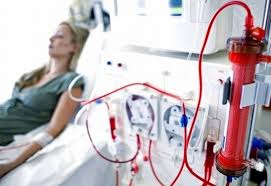
Hemodialysis Explained
Hemodialysis is the most widely used form of kidney replacement therapy for people with end-stage renal disease worldwide — removing waste products, excess fluid, and electrolytes from the blood by circulating it through an external filter (dialyzer) that mimics the filtration function of healthy kidneys. In the United States, approximately 500,000 people receive dialysis each year, and hemodialysis accounts for approximately 90% of all dialysis treatments. Understanding exactly how hemodialysis works — the mechanism of filtration, the session structure, the types of vascular access used to connect patients to the machine, what happens during a session, and what determines treatment adequacy — gives patients and families the knowledge to participate actively in their own dialysis care, recognize problems when they occur, and make informed choices about whether in-center or home hemodialysis is most suitable for their lifestyle. This guide covers hemodialysis from first principles — how it cleans the blood, what the access options are, what a typical session involves, how adequacy is measured, and what the most important complications to understand and watch for are.
Hemodialysis is one of two primary dialysis modalities — the other being peritoneal dialysis, which uses the patient’s own peritoneal membrane as the filtration surface rather than an external dialyzer. For the detailed comparison of hemodialysis versus peritoneal dialysis — including which patients are better suited to each modality, the relative quality of life impacts, and the residual kidney function considerations — the dialysis guide for patients covers the modality decision framework. For people who are newly approaching dialysis and want to understand the preparation steps — access surgery timing, the education process, and what to arrange before the first session — the preparing for dialysis guide provides the complete pre-dialysis roadmap.

How Hemodialysis Cleans the Blood: Diffusion and Ultrafiltration
The hemodialysis machine cleans the blood through two physical processes working simultaneously: diffusion and ultrafiltration. Understanding these mechanisms explains why hemodialysis effectively removes small molecules like urea and creatinine but is less efficient at removing larger molecules (middle molecules) — a limitation that influences dialysis prescription choices. Diffusion is the movement of dissolved substances across a semi-permeable membrane from areas of higher concentration to areas of lower concentration — the fundamental driving force for waste removal in hemodialysis. The dialyzer contains thousands of hollow fiber membranes — thin tubes (typically 200 micrometers in diameter) with semi-permeable walls through which small molecules can pass. Blood flows through the inside of these fibers in one direction, while dialysate solution (a carefully formulated electrolyte solution with zero urea, creatinine, potassium, and phosphorus) flows around the outside in the opposite direction (countercurrent flow, which maximizes the concentration gradient across the membrane). Because blood entering the dialyzer has high concentrations of urea, creatinine, potassium, and phosphorus, and the dialysate has zero concentration of these solutes, they diffuse rapidly across the membrane from blood into dialysate and are removed. Conversely, bicarbonate (which is low in the blood of uremic patients who are acidotic) diffuses from the dialysate into the blood, correcting acidosis. Calcium and magnesium in the dialysate are set at target concentrations that allow correction of blood levels depending on whether the patient tends toward low or high values. Ultrafiltration is the removal of fluid — the process that removes the excess water and sodium the patient has accumulated between sessions (the interdialytic weight gain, which is primarily water). The dialysis machine applies a negative pressure to the dialysate side of the membrane, drawing fluid from the blood side through the membrane into the dialysate — physically removing the excess water. The ultrafiltration rate is calculated based on the patient’s dry weight (target weight without excess fluid) and the actual weight at session start: the difference (interdialytic weight gain) must be removed during the session. Typical interdialytic weight gains of 1.5–3 kg are removed over a 3–4 hour session; gains above 4 kg are associated with higher rates of intradialytic hypotension (low blood pressure during the session) because the ultrafiltration rate exceeds the body’s capacity to refill the vascular space from tissues as fluid is removed. The NIDDK’s comprehensive hemodialysis patient resources are at the NIDDK hemodialysis page.
Vascular Access for Hemodialysis: Fistulas, Grafts, and Catheters
Vascular access is the lifeline of hemodialysis — the means by which large volumes of blood (typically 300–500 mL/min) are delivered to the dialyzer and returned to the body. Without adequate, functioning vascular access, hemodialysis cannot be performed. The three types of vascular access — arteriovenous fistula, arteriovenous graft, and central venous catheter — differ dramatically in durability, infection risk, blood flow adequacy, and time to usability, and the choice and management of vascular access is one of the most clinically consequential aspects of hemodialysis care. Arteriovenous fistula (AVF) is created by a vascular surgeon who connects an artery (usually the radial artery at the wrist, or the brachial artery at the elbow) directly to an adjacent vein. The high-pressure arterial blood flowing through the vein causes it to dilate and its walls to thicken over 3–6 months — a process called maturation — resulting in a vessel large enough to be cannulated with two large-bore (15–17 gauge) needles for each dialysis session. The AVF has the lowest infection rate of any access type (because it is entirely inside the patient’s body with no external components between sessions), the longest average patency, and the best association with improved survival and fewer hospitalizations. The “Fistula First Catheter Last” initiative has successfully increased AVF prevalence in dialysis patients in most countries. The key disadvantage is the 3–6 month maturation requirement, which mandates that AVF creation occur 4–6 months before anticipated dialysis start to avoid catheter-dependent initiation. Arteriovenous graft (AVG) uses a synthetic prosthetic tube (typically polytetrafluoroethylene, PTFE) to bridge an artery to a vein when the patient’s own veins are too small, damaged, or previously used. Grafts can be cannulated within 2–4 weeks of creation (or as early as 24–72 hours for “early cannulation” grafts), and provide reliable blood flow. The main disadvantages compared to AVF are a higher infection rate, a tendency to develop stenosis at the venous anastomosis requiring repeated angioplasty, and shorter overall patency. Central venous catheter (CVC) — a dual-lumen tunneled catheter placed in the internal jugular vein — can be used immediately upon insertion, making it the only access option for patients who need urgent dialysis without a mature AVF or AVG. However, CVC use is associated with the highest infection rate (catheter-related bloodstream infections, a leading cause of dialysis mortality), inadequate blood flow rates (limiting dialysis adequacy), and central vein stenosis from repeated instrumentation. CVCs should be regarded as temporary access to be replaced by AVF or AVG as quickly as possible. The StatPearls hemodialysis review covering access management is at the StatPearls hemodialysis clinical review.
What Happens During a Hemodialysis Session
A standard in-center hemodialysis session follows a consistent structure that most patients learn to navigate within the first few weeks of treatment. Understanding what happens during each step reduces anxiety for new patients and helps experienced patients recognize when something is not proceeding as expected. Pre-session assessment: before each session, the patient is weighed on a calibrated scale — the weight is compared to the target dry weight to determine the ultrafiltration goal for the session. Blood pressure and pulse are measured; significantly elevated pre-dialysis blood pressure may prompt adjustment of ultrafiltration or antihypertensive medication timing. Patients are asked about symptoms since the last session (breathing difficulty, ankle swelling, missed medications, changes in urine output) that may affect the session prescription. Access cannulation or catheter connection: for AVF or AVG patients, two needles are placed — one (arterial needle) to withdraw blood to the dialyzer, one (venous needle) to return cleaned blood. Access sites are cleaned with antiseptic solution and may be numbed with lidocaine cream or ice. Catheter patients have their CVC caps removed and the lines connected to the dialysis tubing after disinfection. The dialysis session: the pump circulates blood through the dialyzer at the prescribed blood flow rate (typically 300–400 mL/min) while the dialysate flows in the opposite direction at 500–800 mL/min. The session lasts 3–4 hours for standard three-weekly schedules, during which patients typically read, watch television, sleep, use mobile devices, or receive medications by IV or during the session (iron sucrose, erythropoiesis-stimulating agents). Nurses monitor blood pressure, heart rate, and access function regularly throughout the session, typically every 30 minutes. Post-session: needles are removed and pressure is held until bleeding stops (typically 10–20 minutes for mature AVFs). Weight is measured again to confirm adequate fluid removal. Post-session blood pressure is checked. Patients often report fatigue in the first 1–3 hours after sessions — from the hemodynamic stress of fluid removal and the physiological adjustment — that typically resolves by the following morning. The NKF’s hemodialysis patient resources including session guides are at the NKF hemodialysis page. The practical guide to life on dialysis — covering sessions, schedule management, employment, and emotional wellbeing — is the life on dialysis guide.
Measuring Hemodialysis Adequacy: Kt/V and What It Means
Dialysis adequacy — the measure of how effectively each session removes waste products — is quantified by a formula called Kt/V (pronounced “kay-tee over vee”), which represents the ratio of urea clearance (K × t) to the body’s water volume (V). In this formula, K is the urea clearance rate of the dialyzer (in mL/min), t is the dialysis session duration (in minutes), and V is the total body water (in liters — proportional to body weight). A Kt/V of 1.2 per session (for three-weekly hemodialysis) is the minimum target recommended by KDIGO and other guidelines; most centers target Kt/V of 1.3–1.4 to provide a safety margin. Kt/V below 1.2 is associated with increased mortality, hospitalizations, and malnutrition — the consequences of inadequate waste clearance. Kt/V is measured monthly by collecting pre- and post-dialysis blood samples for urea (BUN) and using the Daugirdas formula or an online clearance monitor built into the dialysis machine. When Kt/V falls below target, the response is to increase dialysis dose — by extending session duration, increasing blood flow rate, increasing dialysate flow rate, or switching to a higher-flux dialyzer. Patient non-compliance with prescribed session duration (leaving early) is one of the most common reasons for inadequate Kt/V. Every hemodialysis patient should know their current Kt/V value from their monthly labs and ask their dialysis team if it meets target. Home hemodialysis — performed either daily (short daily home HD, typically 2–2.5 hours per day, 5–6 days per week) or nocturnal (slow nocturnal HD, typically 6–8 hours per night, 3–6 nights per week) — achieves dramatically higher dialysis adequacy and removes middle molecules more effectively than conventional three-weekly in-center HD. Home HD patients have lower blood pressure, fewer dietary restrictions (less fluid and phosphorus accumulation due to more frequent sessions), better quality of life scores, and potentially better survival outcomes than in-center HD patients in observational studies. The KDIGO CKD guidelines covering dialysis adequacy targets are available at the KDIGO CKD guidelines page. For people considering whether home hemodialysis might offer a better quality of life and more flexibility than in-center HD, the dialysis overview guide covers the comparative advantages of home versus center-based HD.
Sources: NIDDK — Hemodialysis · NKF — Hemodialysis · KDIGO CKD Guidelines · StatPearls — Hemodialysis
Hemodialysis Complications: What to Know and Watch For
Hemodialysis is an effective but intensive treatment that is associated with a range of acute and chronic complications — most of which are manageable when recognized early and when patients understand what symptoms to report and what the clinical team does in response. Intradialytic hypotension (IDH) — low blood pressure during the hemodialysis session — is the most common acute complication, occurring in 20–30% of treatments in some populations. It is caused by the fluid removal rate exceeding the vascular refilling rate from tissues, often exacerbated by antihypertensive medications taken before the session, eating a meal just before dialysis (splanchnic vasodilation from digestive blood flow), and elevated pre-dialysis fluid gains that require more fluid removal per session than the cardiovascular system can tolerate. Symptoms include dizziness, nausea, sweating, cramping, and loss of consciousness. Management includes slowing or stopping ultrafiltration, administering saline, and placing the patient in Trendelenburg position. Patients with recurrent IDH benefit from longer or more frequent dialysis sessions (reducing the ultrafiltration rate per session), sodium profiling (using higher sodium dialysate at session start to improve osmotic fluid retention in the vascular space), and dietary sodium and fluid restriction to reduce interdialytic weight gains. Muscle cramps — painful involuntary muscle contractions, most commonly in the calves or feet — occur in 20–33% of hemodialysis sessions, typically in the last hour when aggressive fluid removal causes cellular dehydration. Management includes slowing ultrafiltration, hypertonic saline, or glucose administration; prevention involves quinine sulfate (in some countries) and vitamin E supplementation. Access complications — stenosis, thrombosis, infection, and steal syndrome (ischemia of the hand from arteriovenous access stealing blood from the distal arterial circulation) — are the most common reason for dialysis hospitalization and access-related surgical intervention. Access stenosis typically presents as inadequate blood flow during dialysis, increased venous pressure, or difficulty with cannulation, and is diagnosed by Doppler ultrasound or fistulography; treatment is percutaneous balloon angioplasty or surgical revision. AVF or AVG thrombosis presents as loss of the bruit (the characteristic swooshing sound and thrill vibration felt over a functioning fistula); urgent declotting — mechanical thrombectomy or thrombolysis — should be performed within 24–48 hours to preserve the access. Dialysis disequilibrium syndrome (DDS) — a rare but serious acute neurological complication of rapid urea removal in patients with very high pre-dialysis BUN (common in people starting dialysis for the first time or returning after a missed session) — is caused by osmotic shifts creating cerebral edema; it presents with nausea, headache, confusion, and seizures. DDS is prevented by using slower blood flow rates and shorter first dialysis sessions for newly initiating patients and those with very high BUN. Anemia management on hemodialysis typically requires erythropoiesis-stimulating agents (darbepoetin alfa or epoetin alfa, administered IV during sessions), IV iron supplementation (iron sucrose or ferric gluconate during dialysis), and monitoring of hemoglobin, ferritin, and transferrin saturation monthly to guide dose adjustments. Target hemoglobin is 10–11.5 g/dL per KDIGO guidelines — high enough to reduce symptoms and transfusion requirements but not so high as to increase cardiovascular event risk. The comprehensive KDIGO hemodialysis adequacy and complication management guidelines are at the KDIGO CKD guidelines page.
Home Hemodialysis: A More Flexible Alternative to In-Center Treatment
Home hemodialysis (HHD) — performing hemodialysis at home rather than at a dialysis center — is available in most countries and offers significant advantages over conventional in-center three-weekly hemodialysis for patients who are willing and able to learn the process. HHD is performed by the patient (and a care partner in some programs) using a home-compatible dialysis machine — either a conventional hemodialysis machine adapted for home use, or purpose-built portable home machines (such as the NxStage System One). Home HD is typically performed more frequently than in-center HD: short daily home HD (5–6 sessions per week, 2–2.5 hours each) or nocturnal home HD (3–6 nights per week, 6–8 hours per session while sleeping). The more frequent or longer sessions of home HD provide several clinical advantages: higher dialysis dose (higher Kt/V), better removal of middle molecules (uremic toxins not well cleared by three-weekly conventional HD), lower interdialytic fluid gains per session (reducing cardiovascular stress), better blood pressure control (to the point where many home HD patients can reduce or eliminate antihypertensive medications), less dietary restriction (particularly for potassium and phosphorus), and better preservation of residual kidney function compared to in-center HD. Observational studies consistently show better survival and quality of life outcomes for home HD patients compared to in-center HD, though selection bias (healthier, younger, more motivated patients selected for home HD) makes causal interpretation difficult. The major barriers to HHD are the training investment (typically 3–6 weeks of in-center training), the need for a care partner in some programs, home modifications (water supply, electrical requirements), and the psychological burden of performing a medical procedure independently at home. Most dialysis centers offer HHD programs and would consider any motivated patient without significant cognitive impairment or physical limitations as a home HD candidate. People interested in home HD should discuss this option with their nephrologist and the home training coordinator at their dialysis center. The NKF’s resources on home dialysis options are at the NKF hemodialysis page. For people comparing home HD with peritoneal dialysis — the other home therapy option — the peritoneal dialysis guide covers the PD alternative in detail.
Hemodialysis Diet: The Key Restrictions and Why They Matter
The hemodialysis diet is more restrictive than pre-dialysis CKD dietary guidance because the intermittent nature of treatment — three sessions per week — means waste products and fluid accumulate between sessions with no kidney clearance, placing the burden of limiting accumulation entirely on dietary restriction. The four main hemodialysis dietary restrictions — potassium, phosphorus, fluid, and sodium — each protect against a specific life-threatening accumulation risk. Potassium restriction to approximately 2,000 mg/day prevents hyperkalemia (elevated blood potassium causing cardiac arrhythmias that are a significant cause of sudden death in HD patients); high-potassium foods including bananas, oranges, potatoes, tomatoes, nuts, seeds, and dairy must be limited or eliminated depending on the patient’s pre-dialysis potassium levels. Phosphorus restriction to approximately 800–1,000 mg/day alongside phosphate binder medications (taken with every meal to bind phosphorus in the gut before absorption) prevents hyperphosphatemia that drives vascular calcification and secondary hyperparathyroidism. Fluid restriction — typically 1,000–1,500 mL/day total (including fluid from foods) — limits interdialytic weight gain to 1–2 kg between sessions; larger fluid gains require faster ultrafiltration that causes intradialytic hypotension and cardiovascular stress. Sodium restriction to under 2,000 mg/day reduces thirst (the primary driver of excess fluid intake) and directly reduces interdialytic fluid gain. People newly starting hemodialysis should work closely with a renal dietitian to learn which foods require restriction, how to read labels for hidden potassium, phosphorus, and sodium content, and how to modify favorite foods to meet dialysis dietary requirements. The practical day-to-day experience of managing dialysis dietary restrictions alongside the rest of dialysis life is covered in the life on dialysis guide. The NIDDK provides detailed hemodialysis dietary guidance at the NIDDK hemodialysis page.
My father was just told he needs hemodialysis and this article answered so many questions we had — especially about the difference between fistulas, grafts, and catheters and why fistulas take months to mature. His surgeon recommended an AVF but we didn’t understand why they couldn’t just use it right away. Now it makes complete sense that the vessel needs time to enlarge and develop adequate blood flow.
The section on Kt/V and dialysis adequacy is something I wish I had read years ago. I’ve been on dialysis for three years and my nephrologist always mentions my Kt/V at appointments but I never really understood what the number meant or why 1.4 is the target. The explanation about urea kinetics and why the standard is spKt/V ≥1.4 (rather than 1.2 or 1.6) was very clear. Also appreciated the section on home hemodialysis options — I’m going to ask my team about HHD at my next clinic visit.
Thank you both for sharing — these are exactly the kinds of questions that matter most when starting or living on dialysis. Marcus, the AVF maturation timeline is one of the most common sources of confusion for families: the 6–12 week wait feels frustrating when someone needs dialysis urgently, but a well-matured fistula makes every session safer and easier for the long term, which is why surgeons push for early creation if at all possible. Dana, we’re glad the Kt/V explanation helped connect the clinic number to what it actually measures. Asking your nephrologist about home HD is a great step — many patients find it gives them significantly more flexibility and better quality of life. We hope your next appointment goes well.