
Liver cancer symptoms are among the most clinically deceptive of any major cancer — not because they are difficult to interpret when they appear, but because they often do not appear until the disease is advanced. The liver has no pain receptors within its tissue; discomfort arises only when a growing tumor stretches the fibrous capsule surrounding the organ, compresses adjacent structures, or begins to impair the liver’s ability to function. For most patients who are ultimately diagnosed with hepatocellular carcinoma (HCC), the discovery comes not from a symptom but from a surveillance scan — an ultrasound performed because the patient already has cirrhosis or chronic hepatitis B and is being monitored.
Understanding liver cancer symptoms matters for two groups of people: those already in high-risk categories who need to know what changes to watch for beyond their routine surveillance, and those without known liver disease who may experience unexplained symptoms that warrant evaluation. In both cases, knowing what liver cancer feels like — and what it does not feel like in early stages — shapes how quickly the diagnosis gets made.
Why Liver Cancer Symptoms Appear Late
The liver is a structurally unique organ with respect to pain. The hepatic parenchyma — the liver cells themselves — contains no pain nerve fibers. Pain arises only from Glisson’s capsule, the tough fibrous sheath encasing the liver, when it is stretched or inflamed. A tumor growing within the liver substance can reach several centimeters before it causes any capsular tension, and at that size it may already represent intermediate or advanced disease.
Compounding this, the majority of HCC in the United States and Europe develops in livers already damaged by cirrhosis. Patients with cirrhosis typically have baseline symptoms — fatigue, mild abdominal discomfort, occasional ankle swelling — that are attributable to their underlying liver disease. When early liver cancer symptoms begin to develop, they blend into this background, making it nearly impossible to identify the change without imaging.
This is why surveillance is not optional for high-risk patients. In the United States, approximately 40 to 50 percent of HCC diagnoses are now made asymptomatically through surveillance programs that perform abdominal ultrasound every 6 months in cirrhotic patients and high-risk hepatitis B carriers. The contrast is stark in settings without surveillance infrastructure, where HCC most often presents with symptoms — which nearly always means it has reached a stage where curative treatment is no longer possible.
If you have cirrhosis, chronic hepatitis B, or another condition associated with high liver cancer risk, your 6-month surveillance ultrasound is the most important safeguard you have. Do not wait for symptoms to seek evaluation.
Pain in the Right Side of the Abdomen
Right upper quadrant pain is the most common symptom reported by patients with symptomatic liver cancer, occurring in 50 to 70 percent of patients who present with symptoms rather than being detected through surveillance.
As the tumor grows within the liver, it eventually stretches Glisson’s capsule, the fibrous sheath encasing the organ. This capsular tension produces a dull, aching, constant pressure in the right upper abdomen — the area beneath the right rib cage. The pain tends to be persistent rather than colicky (unlike biliary colic from gallstones, which comes and goes in waves). Patients often describe it as a “heaviness” or “fullness” rather than sharp pain, though rapid tumor expansion can produce sharper discomfort.
The pain can radiate to the right shoulder or right shoulder blade. This referred pain occurs because large liver tumors can push upward against the underside of the right hemidiaphragm, irritating it. The phrenic nerve, which supplies the diaphragm, originates from the same cervical nerve roots (C3–C5) that supply the shoulder, so diaphragmatic irritation is felt as shoulder discomfort — sometimes confusing patients who might attribute it to musculoskeletal causes.
A palpable mass in the right upper abdomen is another finding associated with large liver tumors. The liver itself may feel enlarged and nodular on examination. In some cases, auscultation over the liver may reveal a hepatic bruit — an arterial whooshing sound caused by the hypervascular blood supply feeding the HCC. This bruit, when present, is a relatively specific finding for hypervascular liver tumors.
Unexplained Weight Loss and Loss of Appetite
Weight loss is a nonspecific but clinically significant symptom of liver cancer. The combination of tumor metabolic demands, impaired hepatic function, and often nausea or early satiety can produce rapid, substantial weight loss that many patients do not initially attribute to anything serious.
Unexplained weight loss of greater than 10 percent of body weight over 6 months or less is a concerning sign regardless of whether liver disease is already known. In patients with cirrhosis, a meaningful distinction must be made: weight loss from fluid management (reducing ascites or edema) differs from lean mass loss. True muscle wasting — sarcopenia and cachexia — is a marker of advancing liver failure and possible underlying malignancy.
Loss of appetite (anorexia) frequently accompanies weight loss. The impaired liver produces less of the proteins and metabolic substrates that normally regulate hunger. Some patients describe losing interest in food entirely, or finding that previously enjoyed smells or textures have become aversive. Early satiety — feeling full after only a few bites — can develop when a large liver or tumor compresses the stomach from above, physically limiting the volume it can accommodate.
New or accelerating weight loss in a patient with known cirrhosis warrants reassessment even if the most recent surveillance scan was negative. The interval between surveillance ultrasounds can be enough time for a rapidly growing tumor to emerge.
Fatigue That Worsens Over Time
Fatigue is the most ubiquitous symptom in liver cancer, and also the most difficult to interpret because it is so common in patients with underlying chronic liver disease. The fatigue of HCC is multifactorial: the cancer itself drives metabolic changes that consume energy, the liver’s declining functional capacity affects every metabolic process in the body, and accompanying malnutrition and anemia compound the exhaustion.
Many patients with cirrhosis live with a degree of chronic fatigue they have adapted to over years. What distinguishes cancer-related fatigue in this setting is its progression — a change from stable, manageable tiredness to new or substantially worse exhaustion that does not improve with rest. This shift in baseline energy is one of the most reliable patient-reported signals that something has changed in an already ill liver.
Fatigue in liver cancer often co-exists with weakness (reduced muscle strength), difficulty concentrating, and sleep disturbance. When these symptoms cluster and worsen together in someone with known liver disease, they warrant an expedited evaluation rather than simple reassurance.
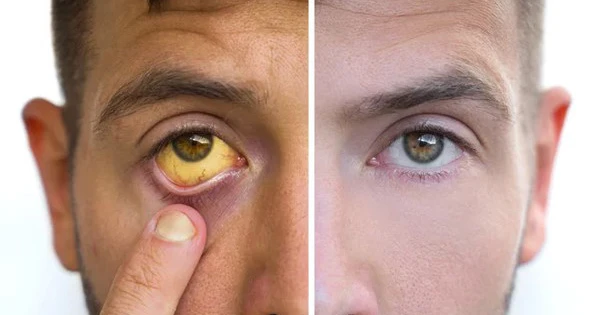
Jaundice — Yellow Skin and Eyes
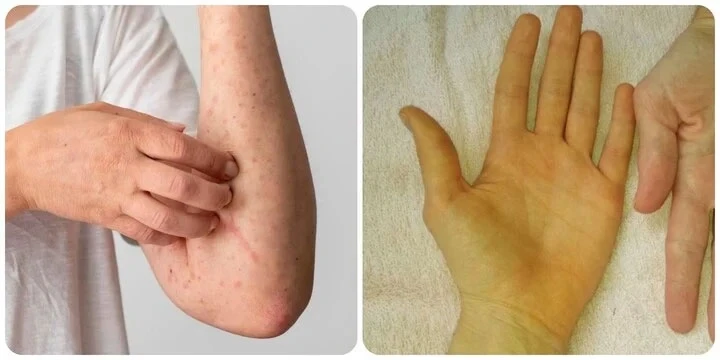
Jaundice — yellow discoloration of the skin, the whites of the eyes, and mucous membranes — is a visible marker of bilirubin accumulation in the body. In liver cancer, jaundice develops through several distinct mechanisms, each with different clinical implications.
Bile duct obstruction: A tumor located in the central portion of the liver or involving the bile ducts can compress or invade the common bile duct, preventing bile from flowing normally from the liver into the intestine. This obstructive pattern produces predominantly elevated direct (conjugated) bilirubin, elevated alkaline phosphatase (ALP), and elevated GGT. The mechanism is similar to the obstructive jaundice caused by pancreatic head tumors, described in our article on jaundice and pancreatic cancer.
Hepatocellular failure: When HCC replaces a large volume of functional liver parenchyma, the remaining liver cells cannot process bilirubin adequately. This produces a mixed hyperbilirubinemia with elevated transaminases (AST, ALT) rather than primarily elevated ALP.
Cirrhosis decompensation: HCC can trigger decompensation of already-fragile cirrhotic liver function, resulting in jaundice from the combined effect of the tumor and the precipitating hepatic injury.
All three mechanisms share the same associated cluster: dark urine (bilirubin excreted through kidneys, turning urine tea-colored or brown), pale or clay-colored stools (bile pigments absent from GI tract), and pruritus (intense skin itching from bile salt accumulation). Jaundice in a patient with liver cancer is generally a sign of either advanced disease or hepatic decompensation, and it warrants urgent evaluation.
Abdominal Swelling and Ascites
Ascites — accumulation of fluid in the peritoneal cavity — causes progressive abdominal swelling that patients often notice first as increasing waist size or difficulty fitting into clothing. As fluid accumulates further, it can compress the lungs from below, causing shortness of breath and difficulty lying flat. Ankle and leg swelling (edema) often accompanies ascites.
In liver cancer, ascites develops through multiple mechanisms:
- Worsening portal hypertension: HCC growing in a cirrhotic liver further impairs hepatic blood flow, increasing portal pressure and driving fluid into the peritoneal cavity.
- Portal vein tumor thrombus (PVTT): HCC has a unique propensity to invade the portal vein directly, dramatically increasing portal pressure and causing rapid-onset, severe ascites. PVTT defines advanced-stage HCC (BCLC C) and significantly worsens prognosis.
- Malignant ascites: When HCC spreads to the peritoneal surface, the implants weep protein-rich fluid directly into the abdominal cavity. Malignant ascites is exudative and may contain malignant cells detectable on cytologic examination.
In a patient with known cirrhosis, new onset ascites or a sudden worsening of previously controlled ascites is a red flag for HCC and requires prompt imaging. The assumption that ascites is “just the cirrhosis” can delay a liver cancer diagnosis by months.
Decompensation of Underlying Liver Disease
One of the most clinically important presentations of liver cancer is not a new, specific symptom, but rather the sudden deterioration of a patient who had previously been stable with cirrhosis. HCC is a common trigger for decompensation — the transition from compensated cirrhosis (manageable, with preserved quality of life) to decompensated cirrhosis (active complications requiring hospitalization).
Hepatic encephalopathy occurs when the liver can no longer clear ammonia and other nitrogenous waste products from the portal circulation. Ammonia accumulates in the brain, causing a spectrum of symptoms: early encephalopathy produces subtle personality changes, forgetfulness, and sleep disturbance; moderate encephalopathy causes confusion and a characteristic flapping hand tremor called asterixis; severe encephalopathy progresses to stupor and coma. When a patient with previously stable cirrhosis develops encephalopathy without an obvious cause (infection, GI bleeding, medications), HCC must be actively excluded.
Variceal bleeding: Portal hypertension in cirrhosis causes dilated, fragile veins (varices) in the esophagus and stomach. HCC with portal vein invasion dramatically increases variceal pressure, greatly raising the risk of rupture and life-threatening upper GI bleeding. New variceal bleeding in a known cirrhotic patient should prompt evaluation for PVTT and HCC.
Understanding that liver cancer can manifest as a worsening of already-present liver disease — rather than as a clearly new symptom — is essential for both patients and caregivers of those with cirrhosis. A significant change in the pattern of liver disease should always prompt discussion with a hepatologist and reimaging of the liver. For a complete overview of what liver cancer is and how it progresses through stages, see our guide to liver cancer.
Rare Symptoms — Paraneoplastic Syndromes
Paraneoplastic syndromes are symptoms caused not by the tumor directly but by substances it secretes — hormones, cytokines, or proteins that have systemic effects distant from the liver. They are uncommon but diagnostically important because they can precede a liver cancer diagnosis or appear in patients not yet known to have HCC.
Hypoglycemia is the most clinically significant paraneoplastic syndrome in HCC. The tumor produces insulin-like growth factor II (IGF-II), which has insulin-mimicking effects on glucose metabolism. Severe, refractory low blood sugar — hypoglycemia that does not fully correct with eating — may develop. Patients experience sweating, trembling, confusion, and in severe cases loss of consciousness. Unexplained or atypical hypoglycemia in an adult with known liver disease should raise suspicion for HCC.
Polycythemia (elevated red blood cell count) occurs when the tumor produces erythropoietin, the hormone that stimulates red blood cell production. Patients may notice headache, facial flushing, and elevated blood pressure from blood that has become too thick to flow efficiently.
Hypercalcemia results from tumor production of parathyroid hormone-related protein (PTHrP), signaling the bones to release calcium. Elevated calcium causes the classic cluster sometimes remembered as “bones, groans, moans, and stones”: bone aches, nausea and constipation, confusion and fatigue, and kidney stones. Hypercalcemia in a patient with known liver disease and no bone metastases warrants evaluation for HCC.
Tumor fever occurs in approximately 10 to 15 percent of HCC patients. Tumor necrosis releases inflammatory cytokines (interleukin-1, TNF-alpha) that act as pyrogens. The fever is typically low-grade and intermittent, occurring in late afternoon or evening. In a cirrhotic patient, fever always requires exclusion of infection (spontaneous bacterial peritonitis, pneumonia) before being attributed to tumor.
Tumor Rupture — A Rare Emergency
Spontaneous rupture of a hepatocellular carcinoma into the peritoneal cavity accounts for approximately 3 to 15 percent of HCC presentations, more commonly in Asia. It tends to occur with large, superficial, or exophytic tumors.
The presentation is dramatic: sudden, severe abdominal pain that quickly becomes generalized as blood and tumor fluid spread throughout the peritoneal cavity. Signs of hemodynamic instability follow — falling blood pressure, rapid heart rate, and pallor from hemorrhagic shock. Treatment involves emergency transarterial embolization to stop the bleeding hepatic artery, followed by definitive HCC treatment once the patient is stabilized. Mortality is high, particularly in patients with underlying cirrhosis.
If you or someone nearby experiences sudden, severe abdominal pain — especially in the context of known liver disease — call emergency services immediately.
Symptoms by Risk Level — Who Should Seek Evaluation
For patients with known cirrhosis or chronic hepatitis B: These patients should be in formal surveillance programs (ultrasound every 6 months) regardless of symptoms. Any new or worsening symptom — particularly new right upper quadrant pain, new ascites, new jaundice, significant weight loss, or unexplained worsening fatigue — warrants expedited contact with a hepatologist and consideration of reimaging before the next scheduled surveillance visit.
Red flag symptoms warranting same-week evaluation:
- New right upper quadrant pain not explainable by known biliary disease
- New onset jaundice (yellow skin or eyes)
- New or rapidly worsening ascites
- Unexplained severe or recurrent hypoglycemia
- Sudden severe abdominal pain — call emergency services immediately (possible tumor rupture)
For patients without known liver disease: persistent right upper quadrant pain lasting more than 2 to 3 weeks without explanation, unexplained weight loss greater than 5 percent over 2 to 3 months, new jaundice, or the combination of fatigue, weight loss, and abdominal discomfort all warrant evaluation. The National Cancer Institute’s liver cancer resources and the American Liver Foundation offer guidance for patients navigating liver disease and cancer risk.
The Role of Surveillance Over Symptom-Monitoring
The most important message about liver cancer symptoms is that waiting for them is the wrong strategy for anyone at high risk. The distinction between liver cancer detected by surveillance and liver cancer detected by symptoms is, in most cases, the distinction between potentially curable and usually not curable.
Patients with cirrhosis, chronic hepatitis B with viral replication, or chronic hepatitis C with advanced fibrosis should maintain their twice-yearly ultrasounds even when they feel well — especially when they feel well. For high-risk individuals not yet in a surveillance program, enrollment is a conversation to have with a hepatologist or gastroenterologist without delay.
For those already experiencing symptoms — pain, weight loss, fatigue, jaundice, or abdominal swelling — the appropriate response is prompt medical attention. An abdominal ultrasound or CT scan can identify liver masses quickly, and early detection even in symptomatic patients can still reveal tumors amenable to curative treatment. Understanding who should be screened, how surveillance is performed, and what happens when a lesion is found is the natural next step — covered in our complete guide to liver cancer screening.
Sources: National Cancer Institute — Liver Cancer | American Liver Foundation — Liver Cancer | American Association for the Study of Liver Diseases (AASLD)
How Liver Cancer Symptoms Differ From Other Liver Conditions
Because most liver cancer develops in patients who already have chronic liver disease, one of the practical challenges is distinguishing new cancer-related symptoms from the ongoing symptoms of the underlying disease. This distinction matters because it determines how urgently a patient needs to be reimaged and re-evaluated by their hepatologist.
Cirrhosis vs. HCC symptoms: Stable, compensated cirrhosis typically produces a predictable symptom profile — mild fatigue, occasional abdominal bloating, and a known baseline of liver function test results. The hallmark of HCC superimposed on cirrhosis is a change from that baseline: weight loss that is new or accelerating, fatigue that worsens despite no change in cirrhosis management, RUQ pain where there was none, or new ascites in a patient who had been well-controlled. Steady-state symptoms that have not changed in months to years are far less concerning than symptoms that are new, worsening, or changing in character.
Liver metastases vs. HCC: Metastatic liver cancer — cancer that has spread to the liver from a primary tumor elsewhere (colon, breast, lung, pancreas) — can cause many of the same symptoms as HCC: hepatomegaly, RUQ pain, weight loss, and jaundice. The clinical distinction requires imaging and, often, biopsy. Metastatic liver disease tends to present as multiple hepatic lesions rather than a dominant single mass, and the liver is not typically cirrhotic. If you have a history of another cancer and develop right-sided abdominal pain or unexplained weight loss, inform your oncologist promptly so that liver imaging can be performed to evaluate for metastatic spread.
Gallbladder and biliary disease: Right upper quadrant pain from gallstones, cholecystitis (gallbladder inflammation), or bile duct stones is extremely common. Biliary colic — the pain from a gallstone temporarily blocking the cystic duct — is typically episodic, comes in waves lasting 30 minutes to several hours, and is triggered by fatty meals. This colicky, episodic quality contrasts with the persistent, dull aching pain of liver cancer from capsular distension. Fever and RUQ pain together suggest cholecystitis or cholangitis rather than liver cancer, though any time RUQ pain leads to abdominal imaging, an unexpected liver lesion may be identified that then requires further evaluation.
Alcoholic hepatitis: An acute flare of alcoholic liver disease produces jaundice, RUQ tenderness, fever, and elevated liver enzymes. It is clinically distinct from HCC — typically occurring in the context of recent heavy alcohol use and producing a tender, inflamed liver rather than a discrete mass. However, alcoholic hepatitis and HCC can co-exist, and patients with alcohol-related cirrhosis who develop acute decompensation should always be evaluated for an underlying HCC trigger.
Preparing for a Medical Evaluation
If you are going to see a doctor because of symptoms that may suggest liver cancer — particularly right upper quadrant pain, jaundice, unexplained weight loss, or worsening abdominal swelling — it helps to arrive prepared. Note when the symptoms started, whether they are getting worse, what makes them better or worse, and any associated symptoms (dark urine, pale stools, fever, night sweats). Bring a list of all medications and supplements, since many affect the liver. If you have a history of hepatitis B or C, alcohol use, fatty liver disease, or any prior liver-related diagnosis, bring documentation of your most recent bloodwork and imaging if available.
Your doctor will likely order blood tests (complete blood count, comprehensive metabolic panel, liver function tests, AFP tumor marker, and possibly hepatitis B and C serologies if not previously tested) and abdominal imaging — usually an ultrasound as the first step, followed by CT or MRI if a lesion is found or suspected. Getting these baseline tests done quickly can significantly shorten the time between symptom onset and diagnosis.
I shared this article on liver cancer symptoms: early signs and with my doctor and they appreciated the level of detail. The practical tips at the end made this immediately actionable, not just theoretical. This is going into my health binder that I bring to every doctor’s visit.
Really well-written article on liver cancer symptoms: early signs and. The practical tips at the end made this immediately actionable, not just theoretical. I wish I had found this article when I was first diagnosed — would have saved a lot of confusion.
I have been reading about liver cancer symptoms: early signs and for weeks and this is the most thorough guide I have found. What I liked most was that the article didn’t just say what to avoid — it also gave alternatives. Thank you for making complex medical information accessible without dumbing it down.
I have been reading about liver cancer symptoms: early signs and for weeks and this is the most thorough guide I found. The practical tips made this immediately actionable, not just theoretical. Looking forward to reading more articles from this website.
Finally a resource that explains liver cancer symptoms: early signs and in plain language. The practical tips made this immediately actionable, not just theoretical. Exactly the kind of evidence-based information that is hard to find in one place.
Thank you for covering liver cancer symptoms: early signs and so thoroughly without being overly technical. The section on managing this condition day-to-day was especially useful for planning. This is exactly why I prefer this website over generic health platforms.