
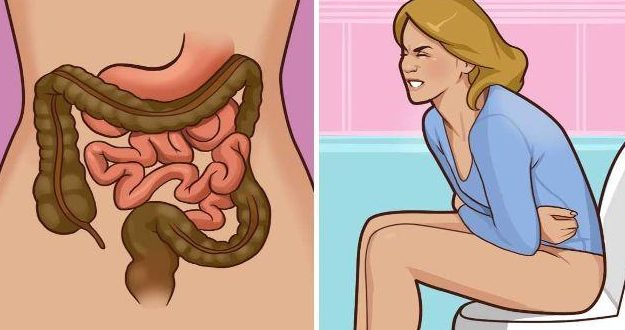
Bowel habits are deeply personal — so personal that most people would rather not discuss them at all, including with their doctors. Yet the pattern of your bowel movements is a sensitive indicator of what is happening inside your colon. When that pattern changes persistently and without an obvious explanation, it can be one of the earliest signs that something serious is developing.
Changes in bowel habits are one of the classic presenting symptoms of colorectal cancer — and among the most commonly delayed warning signs, because patients attribute them to diet, stress, or irritable bowel syndrome without seeking investigation. Recognizing what constitutes a concerning change, why it happens in cancer, and when investigation is mandatory could be among the most important health knowledge a person over 45 can have.
What “Change in Bowel Habits” Actually Means
“Change in bowel habits” is defined not by an absolute standard but by departure from an individual’s personal baseline — what is new, persistent, and unexplained for that particular person. The changes that are medically significant include:
| Change | What It May Signal | Additional Red Flags |
|---|---|---|
| New constipation | Left-sided colon tumor narrowing lumen | Progressive worsening toward obstruction |
| New diarrhea | Secretory tumor; overflow around obstruction | Weight loss; nocturnal diarrhea |
| Alternating constipation and diarrhea | Partial bowel obstruction from tumor | Bloating, gas, cramp-like pain |
| Pencil-thin / ribbon stools | Rectal or sigmoid cancer narrowing lumen | Highly specific — colonoscopy mandatory |
| Tenesmus | Low rectal tumor creating constant mass sensation | Urgent rectal evaluation needed |
| Fatty/pale/malodorous stools | Pancreatic cancer blocking pancreatic duct | Weight loss; new diabetes; back pain |

Left-Sided vs. Right-Sided Colorectal Cancer: Different Symptoms
The behavior of colorectal cancer varies dramatically depending on its location within the colon.
Left-sided cancer (sigmoid colon, descending colon, rectum) causes visible bleeding and bowel habit changes early because the stool is formed in this region, making luminal changes mechanically significant. Narrowed stools from a sigmoid cancer. Tenesmus and urgency from a rectal tumor. Blood mixed with formed stool from an ulcerated tumor surface.
Right-sided cancer (cecum, ascending colon) exists in an environment of liquid stool in a wider lumen. Tumors can grow large before causing mechanical symptoms. The predominant presentation is often iron deficiency anemia from slow, invisible blood loss — producing fatigue, pallor, and breathlessness that patients don’t immediately connect to bowel pathology. This is why right-sided colorectal cancer is diagnosed at more advanced stages on average.
- New persistent change in bowel habits lasting more than 4 weeks in adult ≥45
- New tenesmus in adult without prior IBD diagnosis
- New pencil-thin / ribbon stools in adult ≥45
- Bowel change + rectal bleeding + weight loss (the CRC classic triad)
- Progressive constipation evolving toward inability to pass gas or stool
- New “IBS-like” symptoms in adult ≥45 (IBS is a diagnosis of exclusion; colonoscopy first)
- Any bowel change in person with family history of CRC, especially first-degree relative <60
Pencil-Thin Stools: The Most Specific Anatomical Sign
Consistently narrow, ribbon-like stools in an adult who previously had normal caliber stools is one of the most anatomically specific symptoms in gastroenterology. It is caused by a physical obstruction — most commonly a circumferential or near-circumferential tumor — narrowing the colon lumen.
In the sigmoid colon and rectum, this narrowing is characteristic of a tumor growing concentrically around the bowel wall. As the tumor grows, it progressively reduces the diameter of the channel, and stool is forced to conform. New persistent pencil-thin stools in an adult over 45 require colonoscopy — not dietary modification, not fiber supplementation.
Tenesmus: The Symptom Most Easily Dismissed
Tenesmus is the persistent, nagging feeling that you need to have a bowel movement — even immediately after you just had one — that produces little or nothing when you try. It is uncomfortable, sometimes distressing, and regularly attributed to constipation, anxiety, or IBS.
In adults without a prior diagnosis of inflammatory bowel disease, new tenesmus requires prompt rectal evaluation. The physical cause — a low rectal tumor creating a constant mechanical sensation of fullness — is identifiable on digital rectal examination and confirmed on colonoscopy. This symptom should not wait for a scheduled routine colonoscopy in three months.
Ovarian Cancer and Bowel Changes
Ovarian cancer presents a particular diagnostic challenge. It is frequently attributed to IBS because the symptom profiles overlap significantly. The four key early symptoms of ovarian cancer include: bloating, pelvic or abdominal pain, difficulty eating / early satiety, and urinary urgency/frequency — but also constipation and reduced bowel frequency as the pelvic mass grows and peritoneal carcinomatosis develops.
The Ovarian Cancer Symptom Index identifies these symptoms occurring more than 12 days per month for less than one year as high-risk. Any new persistent bloating with bowel change in a woman over 40 should prompt pelvic examination, transvaginal ultrasound, and CA-125 — not a presumptive IBS diagnosis.
Pancreatic cancer obstructs the pancreatic duct, preventing digestive enzymes from reaching the small bowel. The result is steatorrhea — pale, fatty, malodorous stools that are difficult to flush and float on the surface of water. New pale/greasy stools in an older adult, combined with weight loss, back pain, or new-onset diabetes, is a presentation suspicious for pancreatic cancer requiring CT abdomen with contrast.
Colorectal Cancer Screening: Prevention Is the Best Protection
Colorectal cancer is among the most preventable cancers. Adenomatous polyps take 10 to 15 years to develop into invasive cancer. Colonoscopy both detects and removes these precursors in the same procedure — breaking the natural history of the disease.
Current guidelines call for beginning colorectal cancer screening at age 45 for average-risk individuals:
- Colonoscopy: every 10 years (average risk) — gold standard
- FIT (fecal immunochemical test): annually; positive result requires colonoscopy within 1–3 months
- Cologuard (stool DNA): every 3 years; positive result requires colonoscopy
- High-risk groups: first-degree relative with CRC before 60; prior adenomatous polyps; Lynch syndrome; IBD — start at 40 or 10 years before youngest affected relative, whichever is earlier
Frequently Asked Questions
References
- Siegel RL, et al. Colorectal Cancer Statistics, 2023. CA Cancer J Clin. 2023.
- NCCN Clinical Practice Guidelines: Colon Cancer; Rectal Cancer. 2024.
- Rex DK, et al. Colorectal cancer screening recommendations. Am J Gastroenterol. 2017.
- American Cancer Society. Colorectal Cancer Screening Guidelines. 2018.
- Goff BA, et al. Ovarian carcinoma diagnosis. Cancer. 2000.
- Morikawa T, et al. Clinical features of right-sided and left-sided colorectal cancer. Dis Colon Rectum. 2011.
My cardiologist recommended I look into changes in bowel habits and cancer: and this article covered it perfectly. I especially valued the explanation of why these recommendations exist, not just what they are. Thank you for making complex medical information accessible without dumbing it down.
As someone dealing with this personally, the changes in bowel habits and cancer: section was very helpful. I appreciated how the article addressed both the clinical side and the practical lifestyle adjustments. Keep up this kind of thorough health journalism — it genuinely helps patients like me.
I have been reading about changes in bowel habits and cancer: for weeks and this is the most thorough guide I have found. I especially valued the explanation of why these recommendations exist, not just what they are. I wish I had found this article when I was first diagnosed — would have saved a lot of confusion.
Came across this while researching changes in bowel habits and cancer: for a family member. This is the kind of evidence-based writing that actually changes how people approach their health. Thank you for making complex medical information accessible without dumbing it down.
I shared this article on changes in bowel habits and cancer: with my doctor and they appreciated the level of detail. The article answered questions I didn’t even know I had until I started reading. Thank you for making complex medical information accessible without dumbing it down.
Finally a resource that explains changes in bowel habits and cancer: in plain language. I appreciate that the article is careful about distinguishing between what is known and what is still being researched. This is going into my health folder that I bring to every doctor’s visit.