
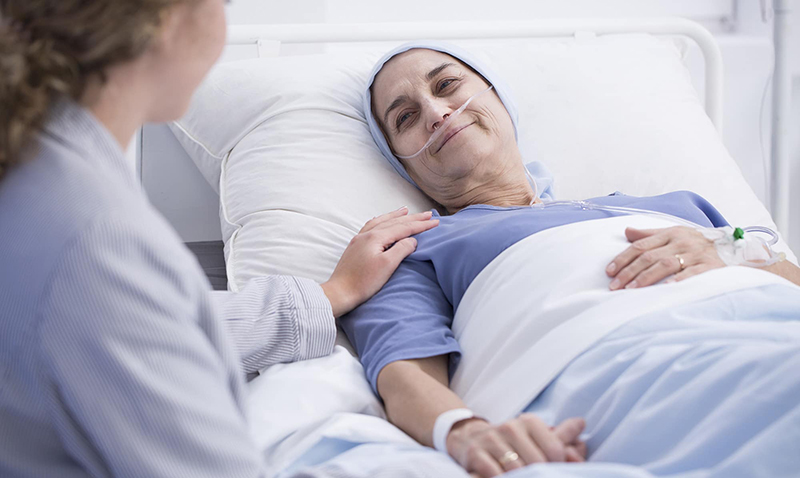
Cancer is not a single disease. It is more than 200 distinct diseases, each arising from the transformation of normal cells into malignant ones through the accumulation of genetic mutations. Breast cancer, lung cancer, leukemia, and melanoma are as biologically different from each other as pneumonia is from heart failure — they share the label “cancer” because of a common feature: uncontrolled cell division that invades and destroys surrounding tissue.
But they share something else: most cancers can be partially explained by identifiable causes. Approximately 40–50% of all cancer cases and up to half of cancer deaths are attributable to modifiable risk factors — behaviors and exposures that can, in principle, be changed or avoided. Tobacco alone accounts for roughly 30% of cancer deaths in high-income countries.
Understanding the major causes of cancer informs individual prevention decisions, guides screening priorities, and replaces fear-based thinking with evidence-based awareness. The goal is not to make people afraid of everything, but to focus attention on the exposures where evidence is strongest and preventive potential is real.

How Cancer Develops: The Biology of Mutations
Every cancer begins with a mutation — an error or change in the DNA of a cell. But one mutation is almost never sufficient. Research has established that cancer requires the accumulation of 4–6 or more driver mutations in genes that control cell behavior. Three classes of genes are involved:
- Proto-oncogenes normally act as accelerators for cell growth. When mutated into oncogenes, they are stuck “on,” driving uncontrolled proliferation. The RAS gene family — mutated in ~30% of all human cancers — is the most prominent example.
- Tumor suppressor genes act as brakes on cell division. When both copies are inactivated, the braking mechanism fails. TP53 — mutated in over 50% of human cancers — is the classic example.
- DNA repair genes proofread and correct errors after DNA replication. When these fail, mutation rates across the genome accelerate — a condition called mutator phenotype that dramatically speeds cancer evolution. The mismatch repair genes in Lynch syndrome are clinical examples.
Cancer latency explains why cancer predominantly affects older adults. Accumulating 4–6 driver mutations in the same cell lineage takes 20–40 years from initial carcinogen exposure. This latency window is exactly where prevention has its greatest impact — the accumulation can be interrupted at any point.
Tobacco: The Single Largest Preventable Cause
Tobacco is responsible for approximately 30% of all cancer deaths in high-income countries. Tobacco smoke contains more than 70 proven carcinogens — PAHs, nitrosamines, benzene, formaldehyde, arsenic — attacking DNA in every tissue they reach. At least 15 distinct malignancies are causally linked to tobacco: lung, larynx, pharynx, oral cavity, esophagus, stomach, pancreas, kidney, bladder, cervix, acute myeloid leukemia, and others.
The lung cancer association is stark: 80–85% of all lung cancer cases are attributable to tobacco. The relative risk for a heavy smoker vs. a lifetime non-smoker is 15–30 times. Lung cancer kills more people than colorectal, breast, and prostate cancer combined.
Secondhand smoke is an IARC Group A human carcinogen responsible for approximately 7,000 US lung cancer deaths per year in non-smokers. The tobacco-alcohol interaction for head and neck cancers is multiplicative — a heavy smoker who also drinks heavily carries 20–100 times the cancer risk of someone who does neither.
Cessation benefit: After 10–15 years of cessation, lung cancer risk falls ~50% compared to continuing smokers. The accumulation of new DNA damage stops — and that matters enormously over a lifetime.
Alcohol: A Carcinogen at Any Dose
Alcohol (ethanol) is an IARC Group 1 carcinogen — definitively causally linked to cancer in humans. There is no established safe threshold with respect to cancer risk. The primary mechanism involves acetaldehyde, the first metabolite of ethanol. Acetaldehyde forms covalent adducts with DNA bases, interfering with replication and repair. Secondary mechanisms include reactive oxygen species, estrogen elevation (relevant to breast cancer), and folate depletion (relevant to colorectal cancer).
Seven cancer types are causally linked: oral cavity, pharynx, larynx, esophagus (squamous cell), colorectal, liver, and breast. For breast cancer, each additional 10 grams per day (roughly one standard drink) increases relative risk by 7–10% — a dose-response replicated across dozens of prospective studies. For liver cancer, chronic heavy drinking causes cirrhosis, and cirrhotic patients develop hepatocellular carcinoma at 3–5% per year.
Obesity and Physical Inactivity
The CDC and IARC identified 13 cancer types associated with overweight and obesity. The mechanisms are biological, not simply behavioral:
- Estrogen excess: Adipose tissue converts androgens to estrogens via aromatase. In postmenopausal women, this drives endometrial and breast cancer. Endometrial cancer risk rises to 6 times that of normal-weight women at BMI above 40.
- Insulin resistance and IGF-1: Obesity elevates insulin-like growth factor 1, which activates the PI3K/AKT/mTOR proliferative pathway — the same pathway hijacked by many cancers.
- Chronic inflammation: Visceral adipose tissue secretes IL-6, TNF-α, and leptin, creating a tumor-promoting microenvironment and suppressing immune surveillance.
Physical activity independently reduces colorectal cancer risk by 20–30% and breast cancer risk by 20–25%. Obesity is projected to overtake tobacco as the leading modifiable cancer risk factor within this decade in high-income countries.
Infectious Agents: 15–20% of Global Cancer
An estimated 15–20% of global cancer burden is attributable to infectious organisms — and many of these cancers are now preventable through vaccination or treatment of the underlying infection.
- Helicobacter pylori: Primary cause of gastric adenocarcinoma. Approximately 89% of non-cardia gastric cancers are attributable to H. pylori. Also causes gastric MALT lymphoma — eradication therapy can induce remission in early-stage MALT lymphoma without chemotherapy.
- HPV (types 16 and 18): Responsible for virtually all cervical cancers and a growing proportion of anal, oropharyngeal, and other anogenital cancers. The HPV vaccine reduces infection with the highest-risk genotypes by over 90%.
- Hepatitis B and C (HBV, HCV): Primary causes of hepatocellular carcinoma globally. HBV vaccination programs have produced measurable HCC reductions in vaccinated populations.
- EBV: Causally linked to Burkitt lymphoma, Hodgkin lymphoma, and nasopharyngeal carcinoma.
- HIV: Promotes cancer through immune suppression — Kaposi sarcoma, non-Hodgkin lymphoma, and HPV-related cancers occur at higher rates in immunocompromised individuals.
Radiation: Sun and Ionizing
UV radiation drives the most commonly diagnosed cancer globally — skin cancer. UVB causes direct DNA damage through thymine dimer formation. Blistering sunburns in childhood double the lifetime melanoma risk. Indoor tanning before age 35 increases melanoma risk by 59–75% (IARC, 2007).
Ionizing radiation contributes through several sources:
- Radon gas — the second leading cause of lung cancer after tobacco; responsible for ~21,000 US lung cancer deaths/year (EPA). It is invisible and odorless. Home radon testing is the most actionable radiation-prevention measure for non-smokers.
- Medical CT scans — estimated to account for ~1.5–2% of all US cancers annually (Brenner and Hall, NEJM 2007). Individual risk from a single scan is very small, but cumulative exposure at population scale is measurable.
- Prior therapeutic radiation — can cause secondary malignancies (leukemia, sarcoma, thyroid cancer) years to decades later.
Hereditary Causes: Only 5–10%
Only approximately 5–10% of cancers are primarily driven by inherited high-risk gene variants. The vast majority arise from acquired mutations accumulated during a lifetime. Genetics is not destiny — even for those with high-risk inherited mutations, preventive options exist.
- BRCA1/BRCA2: Lifetime breast cancer risk 50–85% (vs. ~12% population); lifetime ovarian cancer risk 10–44% (vs. ~1.3%).
- Lynch syndrome (MLH1, MSH2, MSH6, PMS2): Colorectal cancer lifetime risk 25–75%; substantially elevated endometrial, ovarian, and urinary tract cancer risk.
- FAP (APC gene): Hundreds of colorectal polyps beginning in the second decade; near-certain CRC without prophylactic colectomy.
- Li-Fraumeni syndrome (TP53 germline): Multiple early-onset cancers including breast, sarcoma, brain, and adrenocortical carcinoma.
Genetic counseling and germline testing are warranted for: cancer at unusually young age, multiple primary cancers, tumor features suggesting a hereditary syndrome, or multiple affected first-degree relatives.
Diet, Occupational Carcinogens, and Chronic Inflammation
Diet: Processed meats (bacon, ham, hot dogs) are IARC Group 1 carcinogens for colorectal cancer. Each 50g/day of processed meat increases colorectal cancer risk by ~17–18%. Red meat is Group 2A. Aflatoxins from mold-contaminated grains and peanuts are among the most potent liver carcinogens known.
Occupational carcinogens: Asbestos causes mesothelioma and lung cancer with a latency of 20–50 years. Benzene causes acute myeloid leukemia. Diesel exhaust is IARC Group 1 (reclassified 2012). Chromium VI, nickel, and arsenic cause lung cancer.
Chronic inflammation: Inflammatory bowel disease raises colorectal cancer risk proportional to extent and duration of colitis. Chronic GERD → Barrett’s esophagus → esophageal adenocarcinoma. Chronic hepatitis B/C with progressive fibrosis and cirrhosis predisposes to hepatocellular carcinoma. The mechanism: reactive oxygen species from inflammation damage DNA; NF-κB promotes survival and proliferation; VEGF drives tumor angiogenesis.
- Sugar does not “feed” cancer differently from normal cells. The body maintains blood glucose within a tight range regardless of diet. High-sugar diets contribute to obesity, which does raise cancer risk — but through hormonal and inflammatory mechanisms, not direct glucose delivery to tumors.
- Cell phones and WiFi have no established cancer causation. Radiofrequency electromagnetic fields are non-ionizing — they cannot break chemical bonds or damage DNA. IARC Group 2B classification from 2011 was based on limited data; large subsequent studies have not supported a causal link.
- Antiperspirants do not cause breast cancer. Multiple large epidemiological studies have found no association. These claims are widely circulated but have no credible scientific basis.
The Strength of Evidence: IARC Classification
| IARC Group | Meaning | Examples |
|---|---|---|
| Group 1 | Definitely carcinogenic to humans | Tobacco, alcohol, asbestos, HPV, UV radiation, benzene, processed meat |
| Group 2A | Probably carcinogenic | Red meat, shift work (circadian disruption), high-temp cooking emissions |
| Group 2B | Possibly carcinogenic | Aloe vera extract, talc body powder, cell phone radiofrequency |
| Group 3 | Not classifiable as carcinogenic | Coffee (formerly 2B; reclassified after evidence showed no link) |
Frequently Asked Questions
Can you get cancer without any known risk factor?
Yes. Even people who have never smoked, rarely drink, maintain healthy weight, and have no family history develop cancer — because some driver mutations arise from spontaneous DNA replication errors, not external carcinogens. A 2017 analysis (Tomasetti C, Science) estimated that approximately two-thirds of cancer driver mutations arise from random replication errors. This is why screening remains important even for people with low modifiable-risk profiles.
Is cancer hereditary?
Only 5–10% of cancers are primarily driven by inherited gene mutations. The vast majority arise from acquired mutations accumulated during a lifetime. Having a family history raises risk but does not determine outcome — even people with BRCA mutations have access to preventive interventions that substantially reduce cancer probability.
Does stress cause cancer?
No direct evidence supports a causal role for psychological stress in cancer development. Stress does not cause DNA mutations. However, chronic stress may promote health-damaging behaviors (smoking, alcohol, poor sleep) and may suppress immune function — indirect effects that could modestly affect cancer risk. Stress itself is not an established carcinogen.
Can diet prevent cancer?
No single dietary choice prevents cancer, but dietary patterns meaningfully affect risk for specific malignancies. High-fiber, plant-rich diets reduce colorectal cancer risk. Limiting processed and red meat reduces colorectal cancer risk. Limiting alcohol reduces risk across seven cancer types. Avoiding aflatoxin-contaminated grains reduces liver cancer risk. Diet is one component of a multi-factor prevention strategy.
What single lifestyle change most reduces cancer risk?
For current smokers, cessation is by far the highest-impact single change — reducing risk for at least 15 cancer types. For non-smokers, the combination of maintaining a healthy body weight, limiting alcohol, protecting skin from UV, completing recommended cancer vaccinations (HPV, hepatitis B), and participating in age-appropriate screening collectively addresses the major modifiable contributors.
Is cancer more common now than in the past?
Overall cancer incidence has risen, but much of this reflects population aging (cancer is predominantly a disease of older age), improved detection (screening finds cancers that previously went unnoticed), and rising specific risk factors like obesity. Some cancers — particularly lung cancer in men — have declined dramatically as smoking rates have fallen, demonstrating that modifiable risk reduction works at population scale.
Are all chemical exposures cancer risks?
No. IARC has evaluated over 1,000 agents and substances; only around 120 are classified as Group 1 (definite) carcinogens. Even among confirmed carcinogens, risk depends on dose, duration, and route of exposure. The principle that “the dose makes the poison” remains central to cancer epidemiology — low-dose, brief exposures to many listed agents carry no meaningful individual risk.
The Bottom Line
Cancer causation is complex, but the major causes are well established. Tobacco accounts for 30% of cancer deaths. Obesity is becoming the fastest-growing modifiable risk factor. Vaccines now prevent cancers caused by HPV and hepatitis B. Specific occupational exposures, dietary patterns, infectious agents, and radiation each contribute a defined and evidence-supported proportion of global cancer burden.
The transition from carcinogen exposure to clinical cancer takes decades. That latency is not only a hazard — it is a window of opportunity. Every year of smoking cessation, every year of healthier body weight, every vaccination and screening test shifts the cumulative trajectory of cancer risk.
Cancer is not entirely preventable, and it is not entirely unpredictable. Understanding its causes is the first step toward both.
This article is for educational purposes only and does not constitute medical advice. Individuals with concerns about cancer risk should consult a physician or genetic counselor. Do not modify health behaviors based solely on information in this article without medical guidance.
- Hanahan D, Weinberg RA. Hallmarks of Cancer: The Next Generation. Cell. 2011;144(5):646–674.
- IARC Monographs Programme. List of Group 1 Carcinogens. 2024.
- Lauby-Secretan B, et al. Body fatness and cancer — viewpoint of the IARC Working Group. N Engl J Med. 2016;375(8):794–798.
- Hamajima N, et al. Alcohol, tobacco and breast cancer. Br J Cancer. 2002;87(11):1234–1245.
- Brenner DJ, Hall EJ. Computed tomography — an increasing source of radiation exposure. N Engl J Med. 2007;357:2277–2284.
- Tomasetti C, Li L, Vogelstein B. Stem cell divisions, somatic mutations, cancer etiology and cancer prevention. Science. 2017;355(6331):1330–1334.
- Bouvard V, et al. Carcinogenicity of consumption of red and processed meat. Lancet Oncol. 2015;16(16):1599–1600.
- ACS Cancer Facts & Figures 2024. American Cancer Society.
- EPA. Radon and Cancer Risk. 2024.
Bookmarked this article on what causes cancer? the major risk immediately — going to reference it regularly. The section on managing this condition day-to-day was especially useful for meal planning. Forwarding this to others in my support group who are dealing with similar issues.
This is one of the clearest explanations of what causes cancer? the major risk I have found. It is refreshing to see an article that acknowledges individual variation rather than giving one-size-fits-all advice. Thank you for making complex medical information accessible without dumbing it down.
Bookmarked this article on what causes cancer? the major risk immediately — going to reference it regularly. The specific numbers and thresholds mentioned are exactly what I needed to understand my lab results. Exactly the kind of evidence-based information that is hard to find in one place.
Bookmarked this article on what causes cancer? the major risk immediately — going to reference it regularly. I especially valued the explanation of why these recommendations exist, not just what they are. Exactly the kind of evidence-based information that is hard to find in one place.
As someone dealing with this personally, the what causes cancer? the major risk section was very helpful. I appreciated how the article addressed both the clinical side and the practical adjustments. Forwarding this to others in my support group who are dealing with similar issues.
I never fully understood what causes cancer? the major risk until I read this. The practical tips made this immediately actionable, not just theoretical. Keep up this kind of thorough health journalism — it genuinely helps patients like me.