
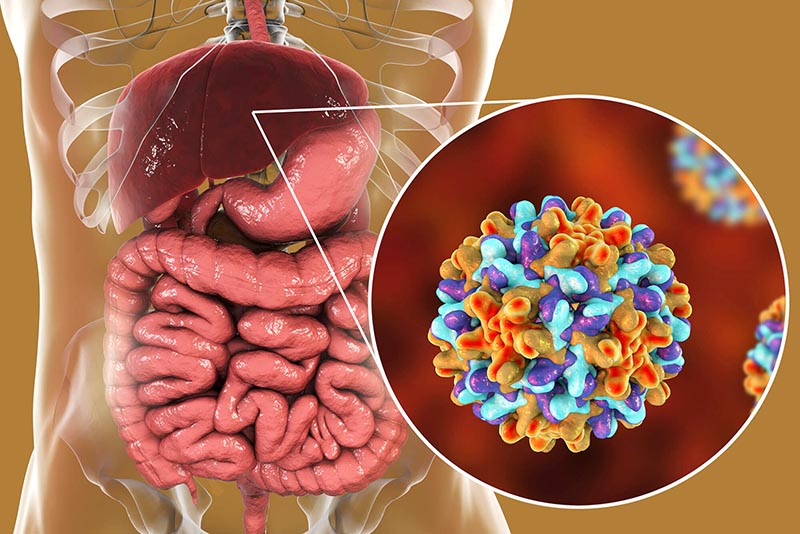
Liver cancer and hepatitis are linked in one of the most consequential cause-and-effect relationships in oncology. More than 75 percent of hepatocellular carcinoma (HCC) worldwide — the most common form of liver cancer — is attributable to chronic infection with either hepatitis B virus (HBV) or hepatitis C virus (HCV). This is extraordinary both for what it reveals about liver cancer’s origins and for what it implies about prevention: unlike most major cancers where the causes are complex and largely non-modifiable, the dominant cause of liver cancer is a preventable and treatable infection.
A safe and highly effective vaccine prevents hepatitis B. Direct-acting antiviral drugs cure hepatitis C in greater than 95 percent of patients after 8 to 12 weeks of oral treatment. The path from chronic viral hepatitis to hepatocellular carcinoma takes years to decades — providing multiple opportunities to interrupt it. Understanding how hepatitis B and C cause liver cancer, who is at highest risk, and what treatment and surveillance are needed is essential for anyone living with chronic viral hepatitis.
How Hepatitis Causes Liver Cancer — the Two Pathways
Hepatitis B and hepatitis C cause liver cancer through related but mechanistically different pathways. Understanding the distinction matters clinically because it affects who is at risk even without cirrhosis.
The hepatitis B pathway involves both direct viral oncogenesis and cirrhosis-driven cancer. HBV is a DNA virus that integrates its genetic material into the DNA of infected hepatocytes. This integration can disrupt cancer-related genes, trigger chromosomal instability, and produce viral proteins — particularly the HBx protein — that directly promote hepatocyte proliferation while suppressing apoptosis and tumor suppressor genes including p53. This direct oncogenic effect means HBV can cause liver cancer even in patients who have not yet developed cirrhosis — a clinically critical point that makes hepatitis B unique among the major causes of HCC.
The hepatitis C pathway operates almost exclusively through cirrhosis. HCV is an RNA virus that does not integrate into the host genome and has no direct DNA oncogenic mechanism. Instead, HCV causes chronic hepatic inflammation that, over decades, progressively destroys hepatocytes, triggers repeated cycles of cell death and regenerative proliferation, and gradually converts normal liver architecture into the fibrotic, nodular structure of cirrhosis. Within the cirrhotic liver, the constant proliferative pressure on hepatocytes creates the genomic instability that ultimately leads to malignant transformation. HCC in non-cirrhotic HCV is rare.
HBV accounts for ~50–55% of HCC globally; HCV accounts for ~25–30%. Together they cause over 75% of all primary liver cancer. HBV can cause HCC even without cirrhosis (direct DNA integration). HCV almost always causes HCC through cirrhosis.
Hepatitis B and Liver Cancer — Direct DNA Integration
Chronic hepatitis B is the world’s leading cause of HCC, responsible for approximately 50 to 55 percent of all cases globally. The burden is highest in sub-Saharan Africa and East Asia, where perinatal and early childhood HBV transmission seeded extraordinarily high rates of chronic infection before vaccination programs were established.
The risk of developing liver cancer from chronic HBV infection depends on a combination of viral and host factors. HBV DNA (viral load) is one of the strongest predictors of HCC risk. The landmark REVEAL-HBV cohort study in Taiwan demonstrated a clear dose-response relationship: the higher the HBV DNA level, the higher the HCC incidence, independent of cirrhosis and other risk factors. This finding established viral suppression as the primary therapeutic target in chronic HBV management.
HBeAg positivity (hepatitis B e antigen) marks active viral replication. HBeAg-positive patients generally have higher viral loads and higher HCC risk. HBV genotype also influences risk: genotype C is associated with higher HCC rates than genotype B in Asian populations. Age and sex are important modifiers — HCC risk from HBV increases substantially with age, particularly in men.
Co-factors that amplify HBV-related HCC risk include coinfection with HCV, aflatoxin B1 exposure (which acts synergistically with HBV to dramatically increase HCC risk), alcohol consumption, and coinfection with hepatitis D virus.
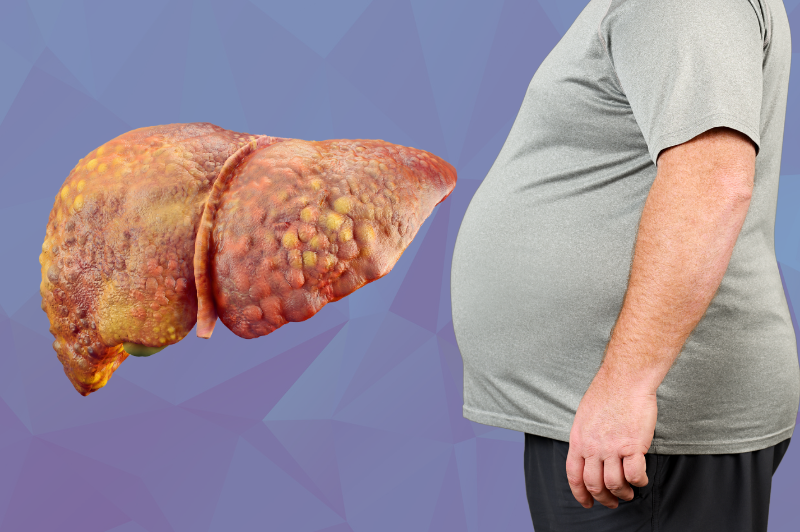
Who With Hepatitis B Is at Highest Risk for HCC
Among the estimated 296 million people worldwide with chronic HBV infection, HCC risk is not uniform. Several validated risk score tools help identify which HBV-infected patients are at highest absolute risk:
- REACH-B score: uses gender, age, ALT level, HBeAg status, and HBV DNA to predict 10-year HCC risk in non-cirrhotic, treatment-naive HBV patients; validated in Asian populations
- PAGE-B score: uses age, gender, and platelet count after initiation of antiviral therapy; predicts HCC risk in treated HBV patients
- CU-HCC and GAG-HCC scores: additional validated tools using similar parameters
These scores help clinicians identify which non-cirrhotic HBV patients have HCC risk high enough to justify surveillance even without established cirrhosis. All patients with HBV-related cirrhosis should be under active HCC surveillance with 6-monthly ultrasound ± AFP, regardless of antiviral treatment status. High-risk non-cirrhotic HBV patients who qualify based on age, sex, family history, or validated risk scores should also be enrolled in surveillance programs.
Antiviral Treatment for Hepatitis B — Reducing HCC Risk
Treatment of chronic hepatitis B with nucleos(t)ide analogs (NAs) suppresses HBV viral replication, reduces ongoing hepatic inflammation, slows progression of fibrosis, and substantially lowers HCC risk. The currently preferred first-line NA agents are entecavir, tenofovir disoproxil fumarate (TDF), and tenofovir alafenamide (TAF) — all highly potent, with very low rates of antiviral resistance.
Multiple large studies and meta-analyses have demonstrated that antiviral therapy reduces HCC risk in treated patients by approximately 50 to 70 percent compared to untreated controls. However, antiviral treatment does not eliminate HCC risk entirely. For patients who already have established cirrhosis from HBV, HCC surveillance must continue indefinitely even after achieving viral suppression. The accumulated genetic damage in cirrhotic hepatocytes and the structural abnormality of the cirrhotic liver persist despite viral suppression; the risk of HCC in treated HBV cirrhosis patients remains approximately 1 to 2 percent per year — above the threshold for surveillance.
The single most powerful preventive measure for HBV-related HCC is the hepatitis B vaccine. The HBV vaccine is safe, effective (greater than 95 percent seroconversion with the standard 3-dose series), and has been incorporated into universal childhood immunization schedules in most countries. Taiwan’s universal infant HBV vaccination program, implemented in 1984, produced a dramatic decline in HBV prevalence and, subsequently, in HCC incidence in children and young adults — one of the most compelling demonstrations in public health that a vaccine can prevent a major cancer.
Hepatitis C and Liver Cancer — Cancer Through Cirrhosis
Hepatitis C is the leading cause of HCC in the United States and Western Europe. Unlike hepatitis B, HCV causes liver cancer almost exclusively through the intermediate step of cirrhosis. This has important clinical implications: the HCC risk in a patient with HCV is much more tightly coupled to the severity of liver disease than HBV, making fibrosis assessment a central tool in HCV-related HCC risk stratification.
The annual incidence of HCC in patients with HCV-related cirrhosis ranges from approximately 1 to 5 percent per year. The mechanisms by which HCV promotes cirrhosis and ultimately HCC include: chronic immune-mediated hepatocyte killing (producing ongoing inflammation and hepatocyte death); sustained activation of hepatic stellate cells that deposit collagen and produce fibrosis; oxidative stress from viral replication and immune activation; and the proliferative pressure on hepatocytes driven by repeated cycles of cell death and regeneration in the inflamed, fibrotic liver.
Curing Hepatitis C With Direct-Acting Antivirals
The development of direct-acting antivirals (DAAs) represents one of the most transformative advances in modern infectious disease and oncology simultaneously. DAAs target specific HCV proteins — NS3/4A protease, NS5A phosphoprotein, and NS5B polymerase — with high specificity, producing rapid viral clearance with minimal side effects.
Current pan-genotypic DAA regimens include glecaprevir/pibrentasvir (Mavyret) and sofosbuvir/velpatasvir (Epclusa), both active against all 6 major HCV genotypes and achieving cure rates — defined as sustained virologic response (SVR) at 12 weeks after treatment completion — of greater than 95 percent. Treatment is typically 8 to 12 weeks of once-daily oral therapy with well-tolerated side effects.
Curing HCV with DAA therapy substantially reduces HCC risk. Multiple large studies have demonstrated 70 to 80 percent reductions in HCC incidence among SVR-achieving patients compared to untreated patients. This represents one of the most powerful cancer prevention interventions in medicine today — treating a chronic infection to prevent the cancer it would otherwise cause decades later. All patients with chronic HCV infection, regardless of fibrosis stage, should be offered and encouraged to receive DAA therapy.
Does Hepatitis C Surveillance Continue After the Cure?
One of the most common questions among patients cured of HCV is whether they still need liver cancer surveillance. The answer depends critically on whether cirrhosis was established at the time of treatment.
For patients who had cirrhosis at time of HCV cure: HCC surveillance should continue indefinitely. Although viral replication has stopped and hepatic inflammation will gradually improve, the structural changes of cirrhosis — established fibrosis, portal hypertension, distorted liver architecture — persist for years to decades after SVR. The accumulated genomic instability in cirrhotic hepatocytes does not disappear when the virus is cleared. Annual HCC incidence in post-SVR cirrhotic patients is approximately 1 to 2 percent per year — reduced substantially from 3 to 5 percent in untreated cirrhosis, but still above the surveillance threshold.
For patients without cirrhosis at time of HCV cure: HCC risk after SVR in non-cirrhotic patients drops to very low levels, approaching the population baseline. Current guidelines generally do not recommend continued HCC surveillance in non-cirrhotic HCV patients who achieve SVR, though a follow-up fibrosis assessment at 1 to 2 years is advisable to confirm absence of unrecognized cirrhosis. If there is any uncertainty about fibrosis stage at time of HCV cure, a FibroScan or FIB-4 score should be performed to determine whether ongoing surveillance is indicated.
Hepatitis D and the Added HCC Risk
Hepatitis delta virus (HDV) is a defective RNA virus that requires hepatitis B surface antigen (HBsAg) for its own assembly and transmission — meaning HDV infection only occurs in the presence of HBV. HBV-HDV superinfection (HDV acquired by a person already chronically infected with HBV) results in approximately 90 percent developing chronic HDV, with accelerated progression to cirrhosis compared to HBV alone. Studies have shown that HBV-HDV coinfection increases HCC risk by two to three times compared to HBV monoinfection.
Bulevirtide, the first specifically approved treatment for chronic hepatitis delta, was approved in the European Union in 2020 and is in advanced development elsewhere. Effective treatment of the underlying HBV with NAs suppresses HBV replication (reducing HDV activity indirectly) but does not fully suppress HDV replication on its own.
What to Do If You Have Chronic Hepatitis B or C
If you have chronic hepatitis B:
- See a hepatologist or gastroenterologist for regular monitoring of HBV DNA, HBeAg status, liver function tests, and fibrosis assessment
- Discuss antiviral therapy (entecavir, TDF, or TAF): treatment is indicated for most patients with high viral loads or significant disease
- Enroll in HCC surveillance (6-monthly ultrasound ± AFP) if you have cirrhosis or qualify based on age, sex, and family history
- Avoid alcohol; ensure family members and close contacts are tested and vaccinated if non-immune
If you have chronic hepatitis C:
- Get treated with DAAs as soon as possible — the drugs are safe, oral, and highly effective
- After achieving SVR, continue HCC surveillance indefinitely if you had cirrhosis; confirm your fibrosis stage if it was never evaluated
- Get tested for hepatitis B — HBV can flare after HCV treatment, so pre-treatment HBV screening is now standard
- Avoid alcohol to protect remaining liver function
For help finding specialists, the CDC hepatitis resources provide referral information, and the Hepatitis B Foundation offers patient education on diagnosis, treatment, and monitoring.
The Broader Picture: Cirrhosis as the Common Final Pathway
Whether caused by hepatitis B, hepatitis C, or any other etiology, cirrhosis is the common final pathway through which most liver cancer develops. For a full exploration of how cirrhosis transforms liver architecture and why cirrhotic livers develop cancer, see our article on cirrhosis and liver cancer. Patients who want to understand how their disease developed and the full range of treatment and staging options can find a comprehensive overview in our guide to liver cancer. Those concerned about surveillance can find a complete explanation of the ultrasound and AFP protocol in our guide to liver cancer screening.
The most important thing to understand about the hepatitis-HCC connection is this: the chain of events leading from viral hepatitis to liver cancer takes decades, and can be interrupted at multiple points. HBV vaccination stops the first step. HCV treatment with DAAs eliminates the driving infection. HBV antiviral therapy suppresses ongoing liver injury. Surveillance detects cancer when it is still small and curable. At every stage, action taken today reduces risk tomorrow — making hepatitis-related liver cancer one of the most preventable cancer tragedies in modern medicine, if the tools are deployed.
Sources: National Cancer Institute — Liver Cancer | CDC Viral Hepatitis | AASLD Hepatitis B and C Practice Guidelines
The Role of Vaccination and Prevention
Hepatitis B vaccination is one of the most powerful tools available for cancer prevention worldwide. The standard 3-dose HBV vaccine series, first given in infancy and also available to unvaccinated adults, is safe, highly effective (greater than 95 percent seroconversion), and provides durable long-term immunity. For people who completed the vaccine series in childhood, immunity is expected to persist for decades — potentially lifelong in most cases. Adults who were not vaccinated as children, particularly those in high-risk groups (healthcare workers, injection drug users, people with multiple sexual partners, household contacts of HBV-infected individuals), should receive vaccination if they are not immune.
The public health impact of widespread HBV vaccination is well documented. Taiwan implemented universal infant HBV vaccination in 1984, the first country to do so. In the decades that followed, HBV prevalence among children and young adults dropped dramatically, and HCC incidence in this age group — which had been among the highest in the world — fell sharply. This represents one of the most compelling demonstrations in modern medicine that a vaccine can prevent a major solid tumor cancer. Similar patterns have been observed in other countries with high HBV vaccination coverage.
For hepatitis C, prevention is more complex because there is no vaccine for HCV. Prevention efforts focus on harm reduction (safe injection practices, needle exchange programs, safe healthcare procedures) and case finding followed by treatment. The identification and treatment of chronic HCV infection — before cirrhosis develops — is itself a powerful form of cancer prevention. Many countries have implemented targeted HCV testing programs, and in the United States the US Preventive Services Task Force (USPSTF) recommends one-time HCV antibody testing for all adults aged 18 to 79 years.
Monitoring and Long-Term Follow-Up
For patients with chronic hepatitis B or C, long-term medical follow-up is essential — not just for managing the hepatitis itself but for the cancer risk it creates. Regular monitoring serves several purposes: tracking viral load and disease activity (for HBV), confirming virologic cure (for HCV), assessing fibrosis progression or regression, detecting and managing cirrhosis complications, and conducting HCC surveillance.
In chronic HBV, key monitoring parameters include HBV DNA (viral load), HBeAg/anti-HBe status (tracking the transition from active replication to immune control), liver function tests (AST, ALT, albumin, bilirubin, prothrombin time), and periodic fibrosis assessment. AFP and liver ultrasound every 6 months for those meeting surveillance criteria are part of the monitoring framework. Patients on antiviral therapy (entecavir, TDF, TAF) are also monitored for renal function (particularly relevant for TDF) and bone density over time.
In chronic HCV post-SVR (cure), patients who had cirrhosis require: continued 6-monthly HCC surveillance; periodic assessment of the complications of portal hypertension (esophageal varices surveillance by endoscopy); liver function monitoring; and periodic reassessment of MELD score and transplant candidacy if decompensation develops. Patients who achieved SVR without cirrhosis can transition to less intensive follow-up, though a fibrosis assessment at 1 to 2 years post-SVR is advisable to confirm the absence of unrecognized cirrhosis.
For patients who are unsure whether they have ever been tested for hepatitis B or C, testing is widely available, often free through public health programs, and takes just a blood draw. The CDC hepatitis testing locator can help patients find testing sites. For patients in communities with high HBV prevalence — including many Asian American, African, and Pacific Islander communities — community health organizations often run culturally tailored HBV education and testing programs.
Patients with liver cancer related to hepatitis can access comprehensive information about their diagnosis, treatment options, and surveillance through our dedicated articles on liver cancer screening and liver cancer symptoms, as well as the complete overview of liver cancer covering stages, treatments, and prognosis.
Coexisting Liver Conditions and Synergistic Risk
One underappreciated aspect of hepatitis-related liver cancer risk is that multiple risk factors often coexist in the same patient, and they do not simply add together — they multiply. A patient with chronic HBV infection who also consumes alcohol heavily has a liver cancer risk that is many times higher than either risk factor alone. A patient with HCV cirrhosis who also has metabolic syndrome and type 2 diabetes carries substantially higher HCC risk than a patient with HCV cirrhosis and no metabolic comorbidities.
This synergy means that addressing modifiable co-factors is an important part of reducing HCC risk in patients with viral hepatitis. Alcohol cessation is a critical recommendation for any patient with chronic HBV or HCV: alcohol accelerates progression of liver fibrosis and adds its own independent contribution to HCC risk. Weight management and blood sugar control in patients with NAFLD co-existing with viral hepatitis can meaningfully reduce the inflammatory burden on an already damaged liver.
Aflatoxin B1 exposure — from improperly stored grains, corn, and peanuts in warm, humid climates — is a particularly powerful co-carcinogen with HBV. In regions of sub-Saharan Africa and Southeast Asia where both HBV infection and aflatoxin exposure are common, the combined effect produces some of the highest HCC incidence rates in the world. Minimizing aflatoxin exposure through proper grain storage practices and food safety measures is a public health priority in these regions alongside HBV vaccination efforts.
Patients with chronic viral hepatitis also benefit from understanding how their condition fits within the broader landscape of liver cancer risk. Our article on cirrhosis and liver cancer provides a detailed exploration of how cirrhosis from any cause — including viral hepatitis — transforms the liver into a cancer-prone environment, and what the staging and management implications are once cirrhosis is established.
Really well-written article on liver cancer and hepatitis: how hbv. What I liked most was that the article didn’t just say what to avoid — it also gave alternatives. Thank you for making complex medical information accessible without dumbing it down.
Thank you for covering liver cancer and hepatitis: how hbv so thoroughly without being overly technical. I have tried following advice from several sources but this is the most consistent with what my specialist told me. Appreciate the effort that went into researching and writing this — it shows.
Really well-written article on liver cancer and hepatitis: how hbv. The specific numbers and thresholds mentioned are exactly what I needed to understand my lab results. This is going into my health binder that I bring to every doctor’s visit.
As someone dealing with this personally, the liver cancer and hepatitis: how hbv section was very helpful. What I liked most was that the article didn’t just say what to avoid — it also gave alternatives. This gave me real confidence going into my next specialist appointment.
I shared this article on liver cancer and hepatitis: how hbv with my doctor and they appreciated the level of detail. The connection between lifestyle choices and long-term outcomes is explained clearly here. I wish I had found this article earlier — would have saved a lot of confusion.
Finally a resource that explains liver cancer and hepatitis: how hbv in plain language. The connection between lifestyle choices and long-term outcomes is explained clearly here. Exactly the kind of evidence-based information that is hard to find in one place.