
Fiber-Rich Foods for Heart and Cholesterol Support
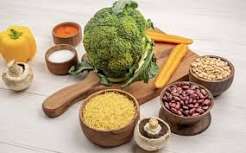
Dietary fiber is one of the most underutilized tools in cardiovascular risk management — not because the evidence is weak, but because most people dramatically underestimate how far below recommended intake they fall. The average American consumes approximately 17 grams of fiber per day. The recommended adequate intake is 25 grams for women and 38 grams for men. Fewer than 5% of Americans consistently meet this target. This gap matters enormously for heart disease: the 2019 Lancet meta-analysis of 185 prospective studies found that each 8-gram-per-day increase in total dietary fiber intake reduced coronary heart disease risk by 19%, cardiovascular mortality by 23%, and stroke risk by 15% — with the greatest benefits seen at intakes above 25 to 29 grams per day.
Understanding which foods provide the most cardiovascular benefit — and why fiber works differently depending on its type — is essential for translating this evidence into practical dietary change. Soluble fiber and insoluble fiber are both beneficial, but they operate through distinct mechanisms and have different implications for cholesterol management specifically.
How Fiber Protects the Heart
Dietary fiber protects the cardiovascular system through four interconnected mechanisms, each relevant to a different aspect of cardiovascular risk:
Bile acid binding and LDL reduction: Soluble fiber — the type found in oats, beans, apples, and psyllium — dissolves in water and forms a viscous gel in the small intestine. This gel physically binds bile acids (cholesterol-derived digestive compounds secreted by the liver to emulsify dietary fats) and carries them out of the body in stool, preventing their normal reabsorption in the terminal ileum. The liver must then synthesize new bile acids from circulating cholesterol — primarily LDL — to replace the lost supply. This is the same mechanism exploited by bile acid sequestrant medications (cholestyramine, colestipol, colesevelam). Each gram of soluble fiber per day reduces LDL cholesterol by approximately 1 to 2 mg/dL in clinical studies; the specific cholesterol-lowering potency varies by fiber type, with beta-glucan from oats and barley showing the most consistent dose-response relationship.
Short-chain fatty acid production: When gut bacteria ferment soluble fiber, they produce short-chain fatty acids — primarily butyrate, propionate, and acetate. Propionate is transported to the liver, where it suppresses hepatic cholesterol synthesis by inhibiting HMG-CoA reductase (the same enzyme targeted by statin medications) — providing an indirect cholesterol-lowering effect that complements the bile acid binding mechanism. Butyrate is the primary fuel for colonocytes, but it also has systemic effects: at adequate concentrations it reduces NF-κB activation in vascular endothelial cells, decreasing inflammatory cytokine production and reducing vascular inflammation — a key driver of atherosclerosis progression.
Blood pressure reduction: SCFAs — particularly propionate and acetate — activate olfactory receptor Olfr78 in renal juxtaglomerular cells, reducing renin secretion and promoting sodium excretion, directly lowering blood pressure. A meta-analysis of 25 randomized controlled trials (Whelton et al., Archives of Internal Medicine 2005) found that dietary fiber supplementation reduced systolic blood pressure by 1.65 mmHg and diastolic blood pressure by 2.03 mmHg on average across the trials — a modest but consistent effect that compounds with other cardiovascular benefits of high-fiber diets.
Glycemic attenuation and insulin sensitivity: Viscous soluble fiber slows the rate of glucose absorption from the small intestine, flattening postprandial glucose and insulin excursions. Reduced insulin spikes lower hepatic triglyceride synthesis (via reduced insulin-stimulated lipogenesis), contributing to lower fasting triglycerides over time. High-fiber diets are associated with improved insulin sensitivity — reducing the compensatory hyperinsulinemia that drives hypertension, elevated triglycerides, and low HDL in metabolic syndrome.
Oats and Barley — Beta-Glucan
Oats and barley are the most evidence-supported fiber foods for LDL cholesterol reduction because they contain beta-glucan — a viscous soluble fiber with the strongest dose-response relationship of any dietary component studied for LDL lowering. The FDA granted oat beta-glucan one of its only food-specific health claims for cardiovascular disease in 1997: oat products containing at least 3 grams of beta-glucan per day may reduce the risk of coronary heart disease. This claim was reviewed and confirmed in 2015. The European Food Safety Authority has approved a similar claim.
The mechanistic and clinical evidence for oat beta-glucan is robust: a meta-analysis by Whitehead et al. (American Journal of Clinical Nutrition 2014) confirmed that each gram of oat beta-glucan reduces LDL cholesterol by 0.11 mmol/L (approximately 4.2 mg/dL). Three grams per day — the FDA claim threshold — reduces LDL by approximately 5 to 10% depending on baseline LDL level, with greater responses in people with higher starting LDL. The effect is lost when the beta-glucan is processed into non-viscous forms (instant oats with less molecular weight), so minimally processed oats (steel-cut or rolled/old-fashioned) retain higher cholesterol-lowering potency than instant oat packets.
To reach 3 grams of beta-glucan daily: approximately 2/3 cup of dry old-fashioned oats (which yields about 1.5 cups cooked) provides 3 grams of beta-glucan. Barley provides a similar content of beta-glucan — approximately 2.5 to 6 grams per half-cup cooked — and has been less studied than oats but with consistent positive results in the available clinical trials. Barley also has a lower glycemic index than most whole grains, adding a secondary benefit for glycemic control.
Legumes — The Highest-Fiber Staple
Legumes — beans, lentils, chickpeas, peas, and soybeans — are the single highest-fiber food category available, with additional cardiovascular benefits that extend beyond fiber content. A meta-analysis of 26 randomized controlled trials (Ha et al., Circulation 2014) found that dietary pulse intake (legumes excluding soybeans) reduced LDL cholesterol by an average of 5 mg/dL across the studies — a clinically meaningful reduction that combined the effects of soluble fiber, plant sterols, and the substitution of animal protein (which carries saturated fat) with plant protein (which does not).
Legumes provide cardiovascular benefit through three simultaneous mechanisms: the bile acid binding effect of their soluble fiber (pectin, gum, and some beta-glucan); their phytosterol content (plant sterols that competitively inhibit cholesterol absorption in the intestine, reducing LDL through a separate pathway from fiber); and the protein displacement effect — when legumes replace meat at a meal, the meal’s total saturated fat content falls substantially, with downstream LDL-lowering effects. The combination of these three mechanisms makes legumes unusually effective at LDL reduction relative to their caloric and economic cost.
Fiber content of key legumes (per half-cup cooked): navy beans 10 grams; split peas 8 grams; lentils 7.8 grams; black beans 7.5 grams; kidney beans 7 grams; chickpeas 6 grams. Lentils also cook faster than most beans (20 to 30 minutes without soaking) and are among the most accessible legumes for daily incorporation — lentil soup, lentil salads, lentil-based pasta sauces, and red lentil dal are practical high-fiber, high-protein meals achievable across cuisines and budgets.
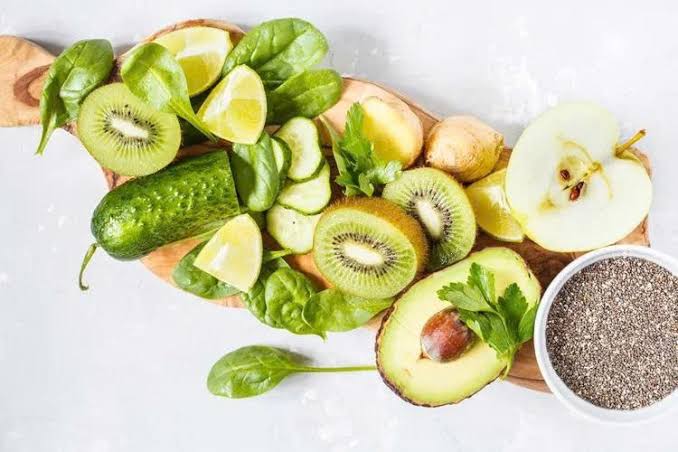
Fruits Rich in Soluble Fiber
Fruits contribute cardiovascular benefit through soluble fiber (primarily pectin) combined with polyphenols — flavonoids and anthocyanins that have anti-inflammatory and antioxidant effects independently of fiber content. The most cardioprotective fruits for cholesterol management are those highest in pectin — apples, pears, citrus fruits — plus avocado, which is exceptional for a different reason.
Apples and pears: A medium apple with skin provides 4.4 grams of total fiber and 1.2 grams of soluble pectin. Pectin is among the most effective bile acid binders in the intestine — molecular weight and viscosity are high, maximizing LDL-lowering efficacy per gram. Clinical studies specifically examining apple consumption show LDL reductions of 3 to 5% with one to two apples per day. Pears are similar — 5.5 grams total fiber, 1.5 grams soluble — and slightly higher in fiber than apples.
Avocado: Avocado is exceptional among fruits for cardiovascular support because it provides both soluble fiber (approximately 2.1 grams per half avocado) and beta-sitosterol — the most abundant plant sterol, which competitively inhibits cholesterol absorption from the intestine. An RCT published in the Journal of the American Heart Association (Wang et al. 2022) found that one avocado per day reduced LDL cholesterol by 8 to 13% compared to control — a larger effect than would be predicted from fiber content alone, confirming that the combination of monounsaturated fat, fiber, and phytosterols produces a synergistic LDL-lowering effect. Avocado’s monounsaturated fat content also replaces saturated fat at meals that include it — an additional mechanism for LDL reduction.
Berries: Blueberries, strawberries, raspberries, and blackberries are moderate in total fiber (3 to 8 grams per cup) but are particularly rich in anthocyanins — polyphenols with documented anti-inflammatory effects on vascular endothelium and modest LDL-reducing effects in controlled studies. Raspberries are the highest-fiber berry (8 grams per cup), with a soluble fiber content of approximately 3 grams.
Citrus: Oranges, grapefruits, and tangerines provide pectin (1 to 1.5 grams per medium fruit) plus vitamin C and flavonoids (hesperidin, naringenin) that have independent endothelial protective effects. Eating whole citrus — not just juice — is essential for the fiber benefit.
Vegetables, Nuts, and Seeds
Vegetables vary considerably in fiber content and type, but several stand out for cardiovascular relevance:
Artichokes are the highest-fiber vegetable — a medium artichoke provides 10 grams of total fiber, including 4.7 grams of soluble fiber (primarily inulin and pectin). Inulin is a prebiotic that specifically feeds Bifidobacterium and Lactobacillus — cardioprotective gut bacteria that produce SCFAs and reduce inflammation. Brussels sprouts, broccoli, and sweet potatoes also provide meaningful soluble fiber (1.5 to 2 grams per cooked cup serving). Carrots provide 1 gram of soluble fiber per cup raw, from pectin concentrated in the cell walls.
Nuts reduce LDL through multiple mechanisms: unsaturated fatty acids, fiber, phytosterols, and arginine (a nitric oxide precursor that supports vasodilation). Almonds in particular have strong clinical evidence — Jenkins et al. (JAMA 2003) showed that incorporating almonds into the diet reduced LDL by 9.4% as part of a broader portfolio diet. Walnuts (1 oz per day) reduce LDL by approximately 5.5% in meta-analyses, with additional cardiovascular benefit from their high alpha-linolenic acid (plant omega-3) content.
Seeds: Psyllium husk is the most concentrated source of soluble fiber available from any food — one tablespoon provides approximately 5 grams of soluble fiber with minimal caloric contribution and no detectable flavor when mixed into oatmeal, yogurt, or smoothies. Psyllium is used both as a food ingredient and as a supplement (Metamucil), with strong evidence for LDL reduction: Anderson et al. (American Journal of Clinical Nutrition 2000) meta-analysis of 12 RCTs found that 10.2 grams of psyllium per day reduced LDL by 7% on average. Ground flaxseed provides 1.1 grams of soluble fiber per tablespoon plus alpha-linolenic acid and lignans (phytoestrogens with modest LDL-lowering properties). Chia seeds provide 1.8 grams of soluble fiber per tablespoon plus ALA and calcium.
Whole Grains Beyond Oats
Whole grains as a food category — not just oats — show consistent cardiovascular benefit in population data. A meta-analysis by Aune et al. (BMJ 2016) pooled data from 45 prospective cohort studies and found that each additional 28-gram serving of whole grains per day was associated with a 9% lower coronary heart disease risk and 12% lower risk of total cardiovascular disease. The cardiovascular benefit of whole grains comes from their fiber content, phytochemicals (polyphenols, phytosterols), B vitamins (B6 and folate for homocysteine metabolism), and lower glycemic index compared to refined grain equivalents.
Whole grain options beyond oats, ranked by fiber content per serving: barley (½ cup cooked = 3 grams fiber, 1.5 to 3 grams beta-glucan — the most fiber-rich grain besides oats for cholesterol lowering); bulgur wheat (½ cup cooked = 4 grams fiber); whole wheat pasta (1 cup cooked = 6 grams); brown rice (1 cup cooked = 3.5 grams); quinoa (1 cup cooked = 5 grams); whole rye bread (1 slice = 2 grams). Barley is particularly worth highlighting: its beta-glucan content is comparable to oats and it qualifies for the same FDA cholesterol health claim — yet it is far less commonly used in Western diets despite being versatile (it can replace rice in soups, stews, and grain salads).
Daily Targets and How to Reach Them
The gap between the typical American fiber intake (17 grams per day) and the recommended target (25 to 38 grams per day) sounds large, but it is achievable through five or six food swaps rather than a complete dietary overhaul. The key is prioritizing high-density fiber sources — foods that provide 5 or more grams per serving — rather than trying to accumulate fiber through many small sources.
A practical day that reaches 30 grams of total fiber with 10+ grams of soluble fiber:
- Breakfast: ½ cup dry old-fashioned oats cooked with 1 tablespoon psyllium husk and topped with ½ cup blueberries = approximately 10 grams total fiber, 7 grams soluble
- Lunch: lentil soup (1 cup cooked lentils) with a medium apple = approximately 12 grams total fiber, 3 grams soluble
- Snack: 1 oz almonds + 1 medium pear = approximately 6 grams total fiber, 1.5 grams soluble
- Dinner: ½ cup chickpeas added to a vegetable stir-fry with brown rice = approximately 5 grams total fiber, 1.5 grams soluble
Total: approximately 33 grams fiber, 13 grams soluble — above both targets. This menu uses oatmeal, lentils, apple, almonds, pear, chickpeas, and brown rice — all accessible, affordable foods available year-round.
For patients on statins: fiber does not interact with statins and is additive in LDL lowering — statin therapy reduces LDL by 30 to 55% depending on dose, while dietary fiber adds approximately 5 to 10% on top of that, moving patients closer to target LDL without additional medication. For patients not yet on statins with mildly elevated LDL (130 to 159 mg/dL), the combination of high-fiber diet, reduced saturated fat, and plant sterols can achieve the 10 to 15% LDL reduction that may be sufficient to defer or avoid pharmacological intervention.
Related reading: heart-healthy diet: a practical guide, best foods for heart health, foods to limit for heart health, Mediterranean diet and heart health, and cholesterol numbers explained. External references: AHA fiber and heart health, FDA oat beta-glucan health claim, and Reynolds et al. Lancet 2019 — fiber and cardiovascular mortality.
- Reynolds A, et al. Carbohydrate quality and human health: a series of systematic reviews and meta-analyses. Lancet. 2019;393(10170):434-445.
- Whitehead A, et al. Cholesterol-lowering effects of oat beta-glucan. Am J Clin Nutr. 2014;100(6):1413-1421.
- Ha V, et al. Effect of dietary pulse intake on established therapeutic lipid targets for cardiovascular risk reduction. Circulation. 2014;129(18):1829-1839.
- Anderson JW, et al. Long-term cholesterol-lowering effects of psyllium as an adjunct to diet therapy. Am J Clin Nutr. 2000;71(2):472-479.
- Aune D, et al. Whole grain consumption and risk of cardiovascular disease, cancer, and all cause and cause specific mortality. BMJ. 2016;353:i2716.
- Wang L, et al. Effect of avocado intake on major dietary quality indices in US adults. JAHA. 2022;11(7):e024014.
Fiber and Gut Microbiome — The Cardiovascular Connection
The cardiovascular benefits of dietary fiber extend well beyond direct cholesterol and blood pressure effects — a growing body of research shows that fiber’s ability to support a diverse, cardioprotective gut microbiome may be one of its most important long-term cardiovascular contributions. The human gut microbiome contains approximately 38 trillion bacteria, and the composition of this microbial community is substantially shaped by dietary fiber intake — specifically the types of fiber that reach the colon undigested and serve as substrates for bacterial fermentation.
Cardioprotective gut bacteria — particularly Faecalibacterium prausnitzii, Bifidobacterium, and Lactobacillus species — are significantly lower in patients with cardiovascular disease compared to healthy controls in multiple large microbiome studies. F. prausnitzii is one of the most abundant bacteria in healthy human guts and is also one of the most potent producers of butyrate — the anti-inflammatory SCFA that reduces vascular endothelial inflammation and NF-κB activation. Its depletion in CVD patients is thought to contribute to the chronic low-grade vascular inflammation that drives atherosclerotic progression. Dietary fiber — particularly prebiotic fiber types that specifically feed these bacteria — is the primary nutritional tool for restoring and maintaining these cardioprotective populations.
Prebiotic fiber types and their preferred bacterial substrates: inulin and fructooligosaccharides (FOS) — found in onions, garlic, leeks, asparagus, artichokes, and bananas — preferentially feed Bifidobacterium and promote overall microbiome diversity. Pectin from apples, citrus, and berries feeds Lactobacillus and Bifidobacterium. Beta-glucan from oats and barley feeds a broader range of fermentative bacteria. Resistant starch (from cooked-and-cooled potatoes, green bananas, cooked-and-cooled rice) feeds Ruminococcus bromii and other butyrate-producing bacteria. The key insight from microbiome research is that fiber diversity — consuming multiple types of fiber from multiple food sources — supports greater bacterial diversity, which is consistently associated with lower cardiovascular risk than any single fiber type consumed in isolation.
The TRIMETHYLAMINE N-OXIDE (TMAO) connection: gut bacteria metabolize choline and carnitine (found primarily in animal foods — red meat, eggs, full-fat dairy) into trimethylamine, which is converted in the liver to TMAO — a compound that directly promotes atherosclerosis by increasing cholesterol deposition in arterial walls and platelet aggregation. High-fiber diets reduce TMAO levels by: shifting the gut microbiome away from TMAO-producing bacteria (Prevotella, some Firmicutes) toward fiber-fermenting bacteria; reducing intestinal permeability (high-fiber diets strengthen the mucosal barrier, reducing bacterial translocation that drives systemic inflammation); and competing with TMAO-producing pathways by supporting alternative fermentation pathways. This TMAO-lowering effect of fiber may partially explain why high-fiber dietary patterns consistently reduce cardiovascular risk even in analyses adjusted for traditional lipid risk factors.
Plant Sterols and Fiber — A Synergistic Combination
Many of the highest-fiber foods are also rich in plant sterols (phytosterols) — cholesterol-like compounds found in plant cell membranes that competitively inhibit cholesterol absorption in the small intestine by displacing dietary cholesterol from mixed micelles. Phytosterols and fiber work through separate mechanisms — phytosterols block cholesterol absorption at the intestinal brush border, while soluble fiber binds bile acids further down — meaning they provide additive LDL-lowering effects when consumed together in whole plant foods.
Phytosterol content of high-fiber foods: legumes contain 50 to 400 mg phytosterols per 100 grams dry weight (soybeans and lentils are highest); nuts contain 100 to 200 mg per 100 grams (sesame seeds and pistachios are highest); whole grains contain 50 to 200 mg per 100 grams (wheat germ is highest at 400 mg). Avocado contains approximately 76 mg of beta-sitosterol per half-fruit — contributing meaningfully to its 8 to 13% LDL reduction that exceeds what fiber alone would predict. The synergistic effect of fiber plus phytosterols in whole plant foods produces LDL reductions in clinical studies that are larger than would be predicted from either component alone — a compelling argument for obtaining cholesterol-lowering benefits from whole foods rather than isolated fiber supplements.
The “Portfolio Diet” developed by Dr. David Jenkins at the University of Toronto directly operationalizes this synergism: it combines soluble fiber (oats, barley, psyllium, beans), plant sterols (from plant sterol-enriched margarine or naturally from nuts and legumes), almonds, and soy protein — and has shown LDL reductions of 20 to 30% in clinical trials, approaching the effect of a low-dose statin. The Jenkins JAMA 2003 trial found that the portfolio diet reduced LDL by 29% over 4 weeks — comparable to a starting dose of lovastatin — entirely through food-based interventions that included the fiber-rich foods discussed in this article.
Fiber Supplements vs. Whole Food Sources
Fiber supplements — psyllium (Metamucil), methylcellulose (Citrucel), inulin powder, and isolated beta-glucan — can contribute to daily fiber targets and provide measurable LDL-lowering effects. However, whole food sources of fiber are substantially superior for cardiovascular health for several reasons that go beyond fiber content alone:
Whole foods deliver fiber alongside phytosterols, polyphenols, vitamins, minerals, and antioxidants that have independent cardiovascular benefits and that interact synergistically with fiber to produce effects greater than isolated fiber achieves. Legumes provide plant protein that replaces animal protein, reducing saturated fat exposure. Nuts provide unsaturated fats that improve the LDL/HDL ratio. Oats and barley provide B vitamins and magnesium that support blood pressure regulation. Fruits provide polyphenols (flavonoids, anthocyanins) that have anti-inflammatory effects on vascular endothelium beyond fiber’s contribution. None of these co-benefits are present in isolated fiber supplements.
Additionally, whole food fiber sources feed the gut microbiome with the diversity of fiber types needed to support diverse microbial populations — a single fiber type in a supplement selectively feeds only a subset of bacteria, which may not produce optimal microbiome outcomes. The fiber diversity of a diet rich in legumes, oats, fruits, vegetables, and whole grains simultaneously feeds multiple bacterial populations across the colon, supporting the full spectrum of SCFA production and anti-inflammatory microbiome function.
Practical guidance: use fiber supplements (particularly psyllium) to close the gap when dietary fiber from whole foods is insufficient — but not as a substitute for building a whole-food diet that naturally provides the fiber target. A practical approach: start by identifying the current dietary fiber sources and quantifying the daily total, then identify two or three high-fiber food substitutions that close most of the gap (replacing white rice with brown rice + legumes at dinner, starting the day with oatmeal instead of eggs-only, adding a tablespoon of psyllium or flaxseed to morning oatmeal). These individual changes stack: each adds 3 to 7 grams to the daily total, and two or three together can move a 17-gram-per-day intake to 25 to 30 grams without requiring a complete dietary reconstruction.
Special Considerations — Fiber and Medications
Dietary fiber interacts with several cardiovascular medications in ways that patients on these medications should understand:
Statins: No direct interaction. Dietary fiber and statins work through complementary mechanisms (bile acid binding + SCFA-mediated HMG-CoA reductase inhibition vs. direct HMG-CoA reductase inhibition) and produce additive LDL reduction. Patients already on statins can achieve additional LDL lowering of 5 to 10% by increasing dietary fiber to 25 to 30 grams per day — helping patients reach LDL targets without requiring dose escalation.
Warfarin (and other vitamin K-dependent anticoagulants): Very high vegetable intake (particularly leafy greens high in vitamin K) can affect INR stability — but this is a vitamin K interaction, not a fiber interaction. Patients on warfarin should maintain consistent (not necessarily low) vegetable intake and report major dietary changes to their prescribing provider for INR monitoring.
Metformin and diabetes medications: High-fiber diets improve insulin sensitivity and reduce postprandial glucose — which can amplify the blood glucose-lowering effects of metformin and sulfonylureas, potentially requiring dose adjustment in patients who significantly increase fiber intake while on these medications. This is a beneficial interaction but one that should be monitored.
Bile acid sequestrants (cholestyramine, colesevelam): These medications work through the same mechanism as soluble fiber — bile acid binding. Dietary soluble fiber is additive with bile acid sequestrants and enhances their LDL-lowering effect. Psyllium supplementation alongside colesevelam has been studied and shown additive LDL reduction. Timing matters: bile acid sequestrants should be taken with or before meals; fiber-rich foods consumed at those meals enhance the overall bile acid binding and clearance from the intestine.
Came across this while researching fiber-rich foods for heart and cholesterol for a family member. The practical tips at the end made this immediately actionable, not just theoretical. Will definitely be coming back to this site for more health information.
Finally a resource that explains fiber-rich foods for heart and cholesterol in plain language. The article answered questions I didn’t even know I had until I started reading. Exactly the kind of evidence-based information that is hard to find in one place.
My cardiologist recommended I look into fiber-rich foods for heart and cholesterol and this article covered it perfectly. It is refreshing to see an article that acknowledges individual variation rather than giving one-size-fits-all advice. Appreciate the effort that went into researching and writing this — it shows.
I shared this article on fiber-rich foods for heart and cholesterol with my doctor and they appreciated the level of detail. I especially valued the explanation of why these recommendations exist, not just what they are. This gave me real confidence going into my next specialist appointment.
My doctor recommended I look into fiber-rich foods for heart and cholesterol and this article covered it perfectly. The practical tips made this immediately actionable, not just theoretical. Exactly the kind of evidence-based information that is hard to find in one place.
Finally a resource that explains fiber-rich foods for heart and cholesterol in plain language. What I liked most was that the article didn’t just say what to avoid — it also gave alternatives. Shared this with three friends who are dealing with related issues. Very useful resource.