
The relationship between diabetes and infections is one of the oldest recognized clinical associations in medicine — ancient physicians noted that urine containing sugar attracted insects and that wounds in people with sweet urine healed poorly and became infected easily. Modern immunology has confirmed and expanded these observations: diabetes and infections interact through multiple simultaneous mechanisms that impair the body’s ability to detect, respond to, and clear microbial invaders. Adults with poorly controlled diabetes face significantly higher rates of bacterial, fungal, and viral infections across virtually every organ system, higher rates of complications from those infections (sepsis, tissue destruction, organ failure), longer hospital stays, higher treatment costs, and higher mortality from infectious causes than adults without diabetes. Understanding how hyperglycemia impairs immunity, which infections are most common in adults with diabetes, and how to reduce infection risk is practical, actionable knowledge that directly affects health outcomes in this population.
Adults with diabetes are hospitalized for infections at rates two to three times higher than adults without diabetes. The risk of bacteremia (bacteria in the bloodstream, which can cause sepsis) is significantly higher in adults with poorly controlled diabetes. Several serious infections are virtually exclusive to adults with diabetes: rhinocerebral mucormycosis (a fulminant fungal infection that can destroy the face and brain within days), malignant otitis externa (invasive ear canal infection that spreads to bone), and emphysematous pyelonephritis (gas-forming kidney infection) each occur predominantly in adults with uncontrolled diabetes and carry mortality rates of 30–80% without aggressive treatment. Even common infections — urinary tract infections, pneumonia, skin infections — behave more aggressively and produce more serious complications in adults with diabetes.
Why Diabetes Impairs Immunity: The Mechanisms
The immune dysfunction in diabetes and infections is multi-layered — hyperglycemia simultaneously impairs multiple components of both innate and adaptive immunity, creating an immunocompromised state that affects the body’s ability to respond to infections at every level:
- Neutrophil dysfunction — the first line of defense is compromised: Neutrophils are the most abundant white blood cells and the primary cellular defenders against bacterial infections. They are recruited to infection sites (chemotaxis), engulf bacteria (phagocytosis), and kill them with reactive oxygen species and proteolytic enzymes (oxidative burst and degranulation). All three of these critical functions are impaired by hyperglycemia. Chemotaxis is reduced because elevated glucose impairs the deformability of neutrophils (making them less able to squeeze through vessel walls and migrate to infection sites), reduces the expression of adhesion molecules needed for neutrophil-endothelial rolling and adhesion, and impairs the signaling cascades driven by chemoattractants like IL-8 and C5a. Phagocytosis is reduced because hyperglycemia reduces the surface expression of complement receptors and Fc receptors needed for recognizing opsonized bacteria. Oxidative burst is impaired because the NADPH oxidase enzyme system responsible for generating the superoxide radical used to kill bacteria is inhibited by the altered intracellular redox state in hyperglycemia. The practical consequence is that bacteria that a healthy neutrophil would kill within minutes can survive for hours in the hyperglycemic environment — multiplying unchecked while the immune response remains inadequate. Our A1C testing schedule guide covers the glucose monitoring that directly impacts immune function.
- Impaired complement function — the molecular defense system is weakened: The complement system — a cascade of plasma proteins that opsonize bacteria (coat them for phagocytosis), directly lyse bacterial membranes (membrane attack complex), and attract additional immune cells to infection sites — is significantly impaired in adults with poorly controlled diabetes. Hyperglycemia reduces the production of several complement proteins (particularly C4 and properdin), impairs complement activation through the alternative pathway, and reduces complement receptor expression on phagocytic cells. The glycation of complement proteins by the same AGE-forming reactions that damage structural proteins throughout the body further reduces their functional activity. As a result, adults with poorly controlled diabetes have reduced opsonization of capsulated bacteria (Streptococcus pneumoniae, Klebsiella pneumoniae, Staphylococcus aureus) — organisms whose polysaccharide capsules protect them from phagocytosis unless opsonized — making these adults more vulnerable to pneumonia, meningitis, and bacteremia from these organisms and making pneumococcal and influenza vaccines particularly important preventive measures.
- Vascular disease — reducing perfusion to infected tissues: Peripheral arterial disease and microvascular disease reduce blood flow to the skin, subcutaneous tissue, and extremities — impairing the delivery of both immune cells and antibiotics to infected areas. An infection in an ischemic foot in an adult with diabetes may have antibiotic concentrations in the infected tissue that are 30–50% lower than in normally perfused tissue receiving the same systemic antibiotic dose — making wound infections in ischemic diabetic feet notoriously difficult to cure without vascular intervention. Similarly, the glucose-rich urine of adults with poorly controlled diabetes provides an ideal growth medium for bacteria and fungi, while reduced bladder wall perfusion impairs the local immune response to urinary tract infection. The comprehensive monitoring that includes peripheral vascular assessment is in our annual diabetes care checklist.
- Altered mucosal immunity and skin barrier dysfunction: The skin and mucous membranes of adults with diabetes are altered in ways that increase susceptibility to infection. Dry, cracked skin from autonomic neuropathy-related anhidrosis creates portals for bacterial and fungal entry. Elevated skin surface glucose concentrations (from transepidermal glucose diffusion) provide a nutrient source for pathogens. Reduced secretory IgA in mucosal secretions (a consequence of hyperglycemia-related immune impairment) reduces the first-line mucosal defense against respiratory, gastrointestinal, and urogenital pathogens. The reduced ciliary motility of respiratory epithelium in adults with diabetes impairs the mucociliary clearance that normally removes inhaled bacteria from the airways, increasing the risk of pneumonia from aspiration. These structural and functional mucosal defects compound the cellular immune dysfunction to create a broadly impaired defense against infection across multiple body compartments. The CDC’s diabetes and infection information and the NIDDK’s infections in diabetes guide provide authoritative clinical information on infection risk and prevention in adults with diabetes.
Common Infections in Adults With Diabetes: What to Know
While adults with diabetes are susceptible to all infections to a greater degree than adults without diabetes, certain infections are particularly common or particularly dangerous in the setting of hyperglycemia and deserve specific awareness:
- Urinary tract infections — higher incidence, higher complication rate: Urinary tract infections (UTIs) are two to three times more common in adults with diabetes than in age-matched adults without diabetes — driven by the glucose-rich urine that supports bacterial growth, reduced bladder wall immune response from vascular disease, incomplete bladder emptying from autonomic neuropathy (diabetic cystopathy), and the impaired neutrophil function that fails to clear bacteria from the bladder early in infection. Escherichia coli is the most common causative organism (60–70% of diabetic UTIs), followed by Klebsiella pneumoniae and Enterococcus species. Adults with diabetes who develop UTIs are significantly more likely to develop upper urinary tract involvement (pyelonephritis — kidney infection), bacteremia (bacteria entering the bloodstream), and rare but life-threatening complications: emphysematous cystitis (gas-forming bladder infection causing gas in the bladder wall, visible on plain X-ray) and emphysematous pyelonephritis (gas-forming kidney infection with mortality rates of 30–80% without emergency nephrectomy). Any UTI in an adult with diabetes that does not respond rapidly to standard antibiotic therapy, or that is accompanied by flank pain, fever, or rigors, warrants prompt urine culture, renal imaging, and consideration of IV antibiotics.
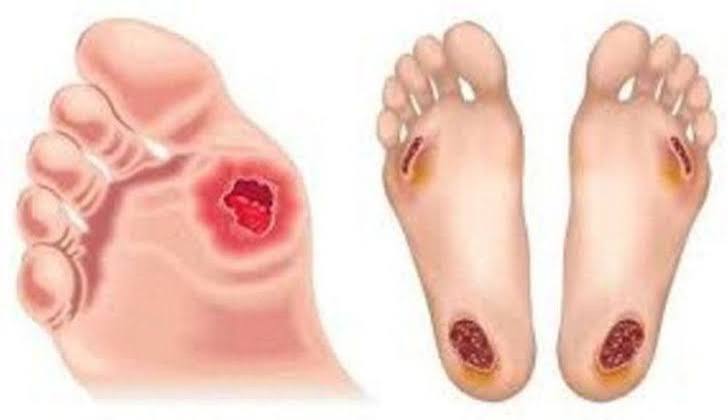
- Skin and soft tissue infections — from cellulitis to necrotizing fasciitis: Skin infections — cellulitis, erysipelas, furunculosis, and abscesses — are significantly more common in adults with diabetes because of the combination of skin barrier dysfunction, impaired neutrophil killing, and glucose-rich interstitial fluid that supports bacterial growth. Staphylococcus aureus (including methicillin-resistant MRSA) and Streptococcus pyogenes are the most common causative organisms. Adults with diabetes are at significantly elevated risk for invasive skin and soft tissue infections — particularly necrotizing fasciitis (a rapidly spreading infection that destroys the subcutaneous fascia and subcutaneous tissue, progressing centimeters per hour) and myositis (muscle infection). Both necrotizing fasciitis and myositis present with disproportionate pain (severe pain beyond what the visible skin changes would suggest — a key clinical sign), fever, and rapidly spreading erythema, and require emergency surgical debridement for survival. “Pain out of proportion to findings” is the most important clinical warning sign for necrotizing fasciitis in an adult with diabetes, and any clinician uncertainty should prompt emergency surgical consultation and immediate CT scanning. Adults with diabetes and foot wounds who develop spreading cellulitis, new fever, or worsening systemic symptoms require immediate evaluation — our diabetic foot problems guide covers wound infection assessment and management.
- Respiratory infections — pneumonia and influenza with higher mortality: Adults with diabetes are two to three times more likely to require hospitalization for community-acquired pneumonia and have significantly higher mortality from pneumonia than adults without diabetes. The elevated risk reflects impaired mucociliary clearance, reduced secretory IgA, neutrophil dysfunction that allows initial bacterial colonization to escalate to invasive pneumonia, and the diminished respiratory reserve from diabetic cardiomyopathy and autonomic neuropathy that makes respiratory failure more likely once pneumonia is established. Streptococcus pneumoniae (the classic “pneumococcal” pneumonia) and influenza (which causes bacterial superinfection via Staphylococcus aureus and Streptococcus pneumoniae) are particularly dangerous in adults with diabetes. The CDC strongly recommends annual influenza vaccination and pneumococcal vaccination (both PCV13/PCV15/PCV20 and PPSV23 in a sequence based on age and prior vaccination history) for all adults with diabetes — both vaccines are covered by Medicare Part B without cost-sharing. Adults with diabetes who develop influenza are significantly more likely to have blood glucose destabilization (the illness-induced stress response dramatically elevates blood glucose and can precipitate DKA in Type 1 or severely insulin-deficient Type 2 diabetes), requiring more frequent blood glucose monitoring during any respiratory illness.

Serious Infections That Occur Almost Exclusively in Adults With Diabetes
Several severe infections occur predominantly or almost exclusively in adults with uncontrolled diabetes — representing the extreme end of the infection spectrum where hyperglycemia creates conditions so favorable for certain pathogens that infections otherwise rare in the general population become real risks:
- Rhinocerebral mucormycosis — a devastating fungal emergency: Mucormycosis (caused by molds of the Mucorales order — Rhizopus, Mucor, Cunninghamella) is a devastating angioinvasive fungal infection that most commonly presents as rhinocerebral mucormycosis in adults with uncontrolled diabetes — beginning in the nasal sinuses and spreading rapidly to the orbit, the skull base, and the brain through direct tissue invasion. The Mucorales molds thrive in conditions of high glucose, acidic pH (characteristic of DKA), and high iron availability — all of which characterize the uncontrolled diabetic state. The infection begins with nasal discharge (often blood-tinged), facial pain, and headache, and can progress to orbital cellulitis (proptosis, orbital apex syndrome), cavernous sinus thrombosis, and invasive brain infection within days. Black necrotic tissue in the palate, nasal mucosa, or periorbital region is the pathognomonic finding. Treatment requires aggressive surgical debridement (which may require orbital exenteration — removal of the entire eye contents — or maxillectomy to achieve clearance), systemic antifungal therapy with liposomal amphotericin B, and emergency correction of the diabetic ketoacidosis or severe hyperglycemia that facilitated the infection. Mortality rates range from 25–80% depending on the extent of CNS involvement.
- Malignant otitis externa — invasive ear infection with bone destruction: Malignant (or necrotizing) otitis externa is an invasive infection of the external ear canal that spreads through the cartilage of the ear canal floor into the temporal bone and adjacent skull base. It occurs almost exclusively in older adults with diabetes or severely immunocompromised patients, and is caused by Pseudomonas aeruginosa in approximately 95% of cases. The presenting complaint is severe, persistent otalgia (ear pain) that is disproportionate to the ear canal findings on otoscopy, often with granulation tissue at the bony-cartilaginous junction of the ear canal floor. Without treatment, the infection spreads to involve the facial nerve (causing facial palsy), the jugular foramen (causing multiple cranial nerve palsies), the temporomandibular joint, and the meninges. Treatment requires prolonged antipseudomonal antibiotic therapy (typically 6–8 weeks of IV or oral ciprofloxacin) and surgical debridement of devitalized bone. The key to prevention is aggressive treatment of any external ear canal infection in an adult with diabetes that does not respond rapidly to standard topical therapy.
- Fungal infections of skin and mucous membranes — oral and genital candidiasis: Candida albicans — the most common fungal pathogen affecting humans — causes oral candidiasis (thrush), esophageal candidiasis, vaginal candidiasis, and balanitis (penile infection) with dramatically higher frequency in adults with poorly controlled diabetes. Elevated glucose concentrations in saliva, vaginal secretions, and on skin surfaces provide ideal growth conditions for Candida, which proliferates under conditions of high glucose and impaired neutrophil killing. Adults with diabetes taking SGLT2 inhibitors (which increase urinary glucose) have a significantly elevated risk of genital mycotic infections — a specific adverse effect of this medication class that must be disclosed when prescribing. Recurrent oral or genital candidiasis in an adult should prompt blood glucose evaluation if diabetes has not been previously diagnosed. Treatment with topical or systemic azole antifungals is effective, but recurrence is common until underlying glucose control improves — demonstrating the importance of glycemic management as the foundational infection prevention strategy. The ADA’s infections and diabetes resources provide additional clinical guidance on infection management in adults with diabetes.
Preventing Infections in Adults With Diabetes
The most evidence-based strategies for reducing infection risk in adults with diabetes address both the underlying immune dysfunction (through glucose control) and the specific infection exposures (through vaccination and hygiene practices):
- Glycemic control — the root cause of immune dysfunction: The relationship between blood glucose control and infection risk is directly dose-dependent: adults with A1C above 9% have dramatically higher infection rates, hospitalization rates, and infection-related mortality than adults with A1C below 7–8%. Even short-term glucose normalization (during hospitalization for another reason) improves neutrophil function, reduces bacterial growth in wounds, and accelerates infection resolution. For adults managing diabetes at home, every percentage point of A1C reduction translates into meaningful reduction in susceptibility to infections, particularly UTIs, skin infections, and respiratory infections. The A1C monitoring schedule that tracks the glucose control central to infection prevention is in our A1C testing schedule guide. During any active infection, blood glucose typically rises significantly from the stress response — requiring more frequent monitoring and often temporary medication adjustments to prevent DKA or severe hyperglycemia from further impairing immune function.
- Vaccination — particularly important in adults with diabetes: The CDC recommends several vaccines specifically for adults with diabetes that are strongly supported by evidence of benefit: annual influenza vaccine (adults with diabetes are at high risk for influenza complications — pneumonia, hospitalization, and death); pneumococcal vaccines (both conjugate PCV15 or PCV20 and the polysaccharide PPSV23 in a specific sequence based on age and prior vaccination); hepatitis B vaccine series (adults with diabetes who share blood glucose monitoring equipment, or who receive dialysis, are at elevated hepatitis B transmission risk — all adults with diabetes under 60 should complete the series, and those 60 or older should be individually assessed); COVID-19 vaccine and boosters; and Tdap (tetanus-diphtheria-pertussis) booster every 10 years. Vaccine efficacy in adults with poorly controlled diabetes is modestly reduced compared with adults without diabetes — because the antibody response is dependent on intact B-cell and T-helper cell function, which is impaired by hyperglycemia — making optimal glucose control important for maximizing vaccination benefit.
- Wound care, oral hygiene, and skin care — reducing infection portals: Preventing skin breaks and treating minor wounds immediately reduces the portal of entry for bacterial and fungal infections. Daily foot inspection and immediate treatment of any skin break with antiseptic and appropriate wound dressing (followed by professional evaluation if the wound does not begin healing within 24–48 hours) is the standard of care for adults with diabetic peripheral neuropathy. Oral hygiene — brushing twice daily, flossing, and regular dental visits — reduces periodontal disease (which is two to three times more prevalent in adults with diabetes and which also worsens glucose control through the inflammatory burden of chronic periodontal infection). Avoiding SGLT2 inhibitor-associated genital mycotic infections requires careful hygiene of the genital area, prompt treatment of any genital symptoms, and close communication with the prescribing clinician about any recurrent episodes. Our diabetes complications overview covers the comprehensive prevention framework for all diabetes-related health risks including infection.
How Infections Affect Blood Sugar — And What to Do During Illness
Any infection — even a minor upper respiratory infection — dramatically disrupts blood glucose management in adults with diabetes, because the physiological stress response to infection triggers the release of cortisol, glucagon, epinephrine, and growth hormone — all of which raise blood glucose by increasing hepatic glucose production and promoting insulin resistance. This stress hyperglycemia can be extreme: adults with Type 2 diabetes who normally maintain A1C below 7% on oral medications alone may require temporary insulin therapy during serious infections. Adults with Type 1 diabetes or insulin-deficient Type 2 diabetes are at significant risk of diabetic ketoacidosis (DKA) during infections — even when they reduce or skip meals — because the counter-regulatory hormone surge continues to drive glucose and ketone production regardless of food intake:
- Sick-day management — the essential rules: The ADA recommends the following sick-day rules for all adults with diabetes: continue all diabetes medications unless specifically instructed otherwise by a clinician (stopping insulin during illness is one of the most common and dangerous mistakes in diabetes sick-day management); monitor blood glucose every 2–4 hours (more frequently than usual, because glucose can rise rapidly during infection); check urine or blood ketones if blood glucose exceeds 240 mg/dL (to detect early DKA before it becomes severe); stay well hydrated with sugar-free fluids (to prevent dehydration, which concentrates blood glucose and exacerbates ketoacidosis); and contact a healthcare provider if blood glucose exceeds 300 mg/dL, ketones are positive, vomiting prevents oral fluid intake, or the person is becoming confused or lethargic — all of which may indicate an infection-triggered diabetes emergency requiring hospital evaluation. Insulin users should generally increase basal insulin doses by 10–20% during illness and add correction insulin for each blood glucose check above target.
- When to go to the emergency room during an infection: Adults with diabetes experiencing an infection should seek emergency evaluation immediately for: any blood glucose above 350 mg/dL that does not respond to correction insulin within 2 hours; positive urine ketones with nausea, vomiting, abdominal pain, or rapid breathing (signs of DKA); inability to keep any liquids down for more than 4–6 hours; confusion, excessive sleepiness, or difficulty thinking clearly; spreading redness, warmth, or swelling beyond a localized wound site (signs of cellulitis or necrotizing infection); fever above 104°F (40°C) despite antipyretics; and any infection in the foot that is not clearly improving within 24–48 hours of starting antibiotics. The complete diabetes complications context — including how infections interact with other complications — is in our diabetes complications overview. The blood pressure monitoring relevant to infection-triggered cardiovascular stress is in our blood pressure monitoring guide.
Sources: American Diabetes Association — Standards of Medical Care in Diabetes, infection prevention and management; CDC — diabetes and infection risk, vaccination recommendations for adults with diabetes; NIDDK — infections in adults with diabetes; ADA — infections as diabetes complications; neutrophil dysfunction in hyperglycemia — chemotaxis, phagocytosis, oxidative burst impairment; complement dysfunction in diabetes — C4, properdin, and opsonization impairment; urinary tract infections in diabetes — two to three times higher incidence, emphysematous pyelonephritis; necrotizing fasciitis — “pain out of proportion” clinical sign and surgical emergency; rhinocerebral mucormycosis in uncontrolled diabetes and DKA — pathophysiology and mortality; malignant otitis externa — Pseudomonas aeruginosa, temporal bone invasion; Candida infection rates in poorly controlled diabetes; SGLT2 inhibitor genital mycotic infection — mechanism and prevention; pneumococcal vaccine and influenza vaccine indications in adults with diabetes; hepatitis B vaccine series for adults with diabetes under 60; A1C and infection risk dose-response relationship; periodontal disease in diabetes — bidirectional relationship; COVID-19 outcomes in adults with diabetes; community-acquired pneumonia — two to three times higher hospitalization risk in diabetes; mucociliary clearance impairment in diabetes and pneumonia risk.
Finally a resource that explains diabetes and infections in plain language. I appreciated how the article addressed both the clinical side and the practical adjustments. This gave me real confidence going into my next specialist appointment.
This is one of the clearest explanations of diabetes and infections I have found. The specific numbers and thresholds mentioned are exactly what I needed to understand my results. Thank you for making complex medical information accessible without dumbing it down.
I never fully understood diabetes and infections until I read this. The specific numbers and thresholds mentioned are exactly what I needed to understand my results. Exactly the kind of evidence-based information that is hard to find in one place.