
A kidney transplant is the preferred treatment for most people with kidney failure — offering better survival, better quality of life, and greater freedom than any form of dialysis. Yet many people diagnosed with kidney failure do not know enough about transplantation to ask for a referral, understand whether they qualify, or advocate for being placed on a waiting list. This guide explains kidney transplant simply and completely: what it is, how it works, who can receive one, the difference between living and deceased donor transplants, what the surgery and recovery involve, what the long-term commitment looks like, and how transplant compares to dialysis as a long-term treatment strategy. For people who are approaching kidney failure and weighing all options, see also the dialysis overview guide and the kidney failure treatment options guide.
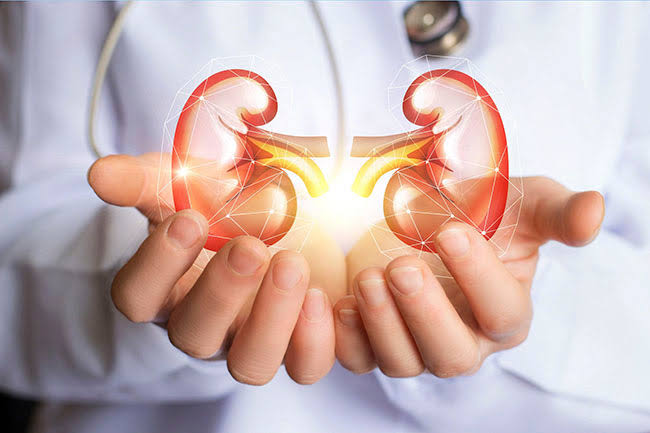
What Is a Kidney Transplant and How Does It Work?
A kidney transplant is a surgical procedure in which a healthy kidney from a donor — either a living person or someone who has recently died — is placed into the body of a person whose own kidneys have failed or are no longer able to adequately filter blood. The transplanted kidney is placed in the lower abdomen (pelvis) rather than where the native kidneys sit in the back: this location is chosen because the major blood vessels (the iliac artery and vein) and the bladder are close and easily accessible, allowing the surgical connections to be made efficiently. The donor kidney’s artery and vein are sewn to the recipient’s iliac vessels, and the ureter (the tube that carries urine from the kidney to the bladder) is attached to the recipient’s bladder. Once these connections are made and blood flow is restored, the transplanted kidney typically begins producing urine within minutes (for kidneys from living donors) to hours (for deceased donor kidneys). The recipient’s own failed kidneys are usually left in place — they are no longer filtering blood but they are not removed unless they are causing specific problems such as recurrent infections, uncontrollable high blood pressure, or are too large (as in polycystic kidney disease). The transplant surgery itself takes approximately 2–4 hours, and most patients spend 3–7 days in the hospital afterward. The fundamental reason a kidney transplant works better than dialysis is that a functioning kidney is far superior to any artificial dialysis process: dialysis can remove approximately 10–15% of the waste clearance provided by two healthy kidneys over a week, while a functioning transplanted kidney — running 24 hours a day, 7 days a week — provides much closer to normal clearance, while also managing fluid balance, producing hormones (erythropoietin for red blood cell production, activated vitamin D for bone health, and renin for blood pressure regulation) that dialysis cannot replace. The NIDDK provides a comprehensive overview of kidney transplantation at the NIDDK kidney transplant page.
Living Donor vs Deceased Donor Transplant: Key Differences
Kidney transplants come from two sources — living donors and deceased (cadaveric) donors — and understanding the difference between them is important for anyone pursuing transplant, because the two types have meaningfully different outcomes, waiting times, and processes. Deceased donor transplants use kidneys from people who have died — most commonly following brain death (a neurologically declared death in which the heart continues beating), or increasingly from donors after cardiac death (DCD donors). Deceased donor organs are allocated through a national organ allocation system (UNOS/OPTN in the United States) based on a complex scoring system that considers waiting time, blood type compatibility, tissue type (HLA) matching, geographic proximity (kidneys can only be preserved for 12–36 hours outside the body), and medical urgency. Patients who qualify for transplant are listed on the national waiting list and may wait months to many years for a suitable organ, depending on their blood type, tissue type, and geographic location; the national median waiting time for a first kidney transplant in the US is approximately 3–5 years, though this varies enormously by region and patient factors. Living donor transplants use a kidney from a person who is alive and willing to donate — either a blood relative (parents, siblings, children, or other relatives), a spouse or partner, a friend, or even an altruistic stranger (non-directed living donation). Because humans are born with two kidneys and can live a full, healthy life with one, living donation is safe for the donor (with careful evaluation and lifelong annual monitoring) and provides major advantages for the recipient. The most important advantage is timing: a living donor transplant can be scheduled electively — ideally before dialysis is ever needed (called a preemptive transplant), which is the best possible transplant outcome — rather than waiting years for a deceased donor organ. Living donor kidneys also function immediately (immediate graft function vs delayed graft function that affects 20–30% of deceased donor transplants), have longer survival (median graft survival approximately 15–20+ years vs 10–15 years for deceased donor kidneys), and are not subject to the preservation injury and unpredictable availability of deceased donor organs. The transplant evaluation process, which assesses both recipient eligibility and (if pursuing living donation) potential donor compatibility, is the essential first step; this is described in detail in the transplant evaluation guide. The NKF’s resources on living kidney donation are at the NKF living donation page.
Who Can Receive a Kidney Transplant: Eligibility and Contraindications
Most people with kidney failure are potential transplant candidates, but transplant is not suitable for everyone — and understanding the eligibility criteria helps patients know whether to pursue evaluation and what might need to be addressed to become eligible. General eligibility: to be listed for transplant, patients must have kidney failure (eGFR typically below 20 mL/min, though listing can begin at 20 mL/min or lower when the patient is on dialysis or rapidly progressing) and must be healthy enough to undergo general anesthesia and major surgery, and to tolerate the lifelong immunosuppression required to prevent rejection. There is no strict upper age limit for transplant — the oldest patients at many programs are in their 70s or even 80s — but older patients are evaluated more carefully for cardiovascular disease, frailty, and life expectancy, since a successful transplant must function long enough to justify the surgical risk and immunosuppression burden. Absolute contraindications — conditions that preclude transplant — include: active cancer (or recently treated cancer with insufficient disease-free survival to predict remission will persist post-transplant; most programs require 2–5 years cancer-free depending on the cancer type); active serious infection (including untreated HIV, though well-controlled HIV on antiretroviral therapy is no longer a contraindication at most US centers); active substance use disorder (active, untreated alcoholism or drug addiction that would prevent medication adherence); severe, irreversible cardiovascular disease (recent MI, severe ischemic cardiomyopathy with very low ejection fraction, or severe peripheral vascular disease) that substantially increases operative mortality; severe, irreversible lung disease; and severe, non-correctable coagulopathy or other conditions that make surgery unsafe. Relative contraindications — conditions that may require treatment before transplant or that increase risk but do not necessarily preclude it — include: obesity (BMI >35 or >40 depending on the program, which increases surgical and immune suppression complications; weight loss may be required before listing); poorly controlled diabetes; significant cardiovascular disease that can be treated (coronary artery disease that can be revascularized, valve disease that can be repaired); active hepatitis B or C (hepatitis C is now highly treatable with direct-acting antivirals, and successful treatment opens transplant candidacy); and psychosocial factors (inability to understand the medication regimen, no social support for recovery). Most contraindications are assessable during the transplant evaluation; addressing them before or during evaluation is how many initially ineligible patients ultimately reach the transplant list. Preemptive transplant — transplanting before dialysis starts — is the best outcome for patients who have a living donor: avoiding the period on dialysis entirely is associated with better transplant outcomes, better graft survival, and better patient survival. For this reason, transplant evaluation should begin at eGFR 20 mL/min or even earlier if a living donor is available, since the evaluation can take months and early listing builds time on the national deceased donor waitlist.
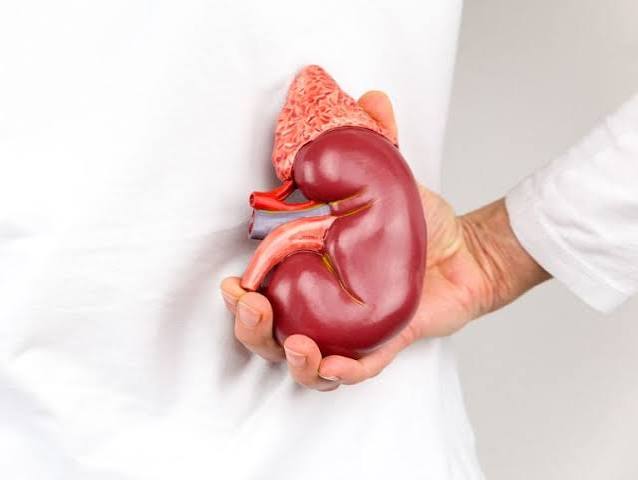
Immunosuppression After Transplant: The Lifelong Medication Commitment
After a kidney transplant, the recipient must take immunosuppressive medications for life — this is the non-negotiable condition of having a functioning transplant, because without these medications the immune system will recognize the donor kidney as foreign tissue and mount a rejection response that destroys it. Understanding immunosuppression — what the medications do, their side effects, and why adherence is so critical — is one of the most important aspects of the transplant commitment. Standard immunosuppression regimen: most recipients take a combination of three medications — a calcineurin inhibitor (tacrolimus or cyclosporine, which block T-cell activation), an antiproliferative agent (mycophenolate mofetil or azathioprine, which reduce immune cell proliferation), and a low-dose corticosteroid (prednisone, which has broad anti-inflammatory and immune suppression effects). In the early post-transplant period (first 3–6 months), doses are highest because the risk of rejection is greatest; doses are progressively reduced over time as the kidney is accepted, and many patients are successfully withdrawn from corticosteroids after the first 3–12 months. Tacrolimus levels in the blood are monitored closely — the therapeutic window is narrow (too low leads to rejection, too high leads to toxicity including nephrotoxicity, tremor, and new-onset diabetes) — and doses are adjusted frequently, particularly in the first year. Side effects of immunosuppression are real and affect quality of life: the most significant are increased susceptibility to infections (particularly opportunistic infections such as CMV, BK virus nephropathy, and Pneumocystis pneumonia, which are prevented with prophylactic antimicrobials in the first year); increased risk of certain cancers (particularly non-melanoma skin cancers, which can be aggressive in immunosuppressed patients, and lymphoma); metabolic effects (new-onset diabetes from tacrolimus and corticosteroids, hypertension, hyperlipidemia, weight gain); and kidney toxicity from calcineurin inhibitors over decades. Non-adherence to immunosuppression is the most preventable cause of late kidney transplant failure: missing doses, stopping medications without medical guidance, or not refilling prescriptions on time allows the immune system to mount chronic rejection responses that silently damage the kidney over months to years. All transplant recipients must understand that immunosuppression adherence is as important as any other aspect of transplant management. Social support, medication reminder systems, consistent pharmacy relationships, and open communication with the transplant team about side effects (rather than stopping medications unilaterally) are all critical to long-term adherence. The KDIGO transplant guidelines provide clinical guidance at the KDIGO CKD and transplant guidelines page.
Transplant Outcomes: Graft Survival, Patient Survival, and Quality of Life
The outcomes of kidney transplantation — both for the transplanted kidney (graft survival) and for the patient — are substantially better than long-term dialysis for most recipient populations, which is why transplant is the recommended treatment for kidney failure in eligible patients. Graft survival rates have improved substantially over decades: with current immunosuppression, one-year graft survival is approximately 95% for living donor transplants and 90% for deceased donor transplants; five-year graft survival is approximately 85% for living donor and 75–80% for deceased donor; ten-year survival approximately 70% for living donor and 55–65% for deceased donor. The major causes of late graft failure are chronic allograft nephropathy (immune-mediated chronic injury to the transplanted kidney over years to decades), patient death with a functioning graft (particularly from cardiovascular disease and cancer), chronic rejection, and calcineurin inhibitor toxicity. Patient survival after transplant is substantially better than on dialysis for most age groups: in most comparative studies, transplanted patients have roughly 40–60% lower mortality risk than waitlisted dialysis patients of similar health status. The difference is greatest for younger patients (who gain the most life-years from a long-functioning transplant) and for those transplanted preemptively (before dialysis). The survival benefit of transplant over dialysis is well-established across most major organ systems — transplant is superior not only for patients with CKD but also for those with diabetic nephropathy, polycystic kidney disease, glomerulonephritis, and most other causes of kidney failure. Quality of life after transplant is substantially better than on dialysis across virtually every measured dimension: energy levels, physical function, psychological wellbeing, sexual function, ability to work and travel, dietary freedom, and overall life satisfaction. Unlike dialysis patients, transplant recipients do not need to structure their week around treatment sessions; there are no dialysis dietary restrictions (though healthy eating and fluid management remain important); and most patients report feeling more like themselves again in ways that dialysis never achieves. For patients who want to understand all treatment options together, the kidney failure treatment options guide provides the comprehensive comparison, and the questions to ask guide helps patients prepare for conversations with their nephrologist and transplant team. The StatPearls kidney transplant chapter is at the StatPearls nephrology resource.
Sources: NIDDK Kidney Transplant · KDIGO Guidelines · National Kidney Foundation · StatPearls: Nephrology
The Kidney Transplant Surgery: What to Expect Before, During, and After
For patients proceeding to a kidney transplant, understanding the surgery itself — the preparation, what happens in the operating room, the immediate recovery period, and what the first weeks at home look like — helps reduce anxiety and ensures patients and families are prepared for each stage. Before surgery: once a compatible donor kidney is available (for a deceased donor transplant) or a date is scheduled (for a living donor transplant), the recipient undergoes final pre-operative assessments: updated blood type crossmatch (to confirm no new antibodies have developed that would increase rejection risk), blood tests, electrocardiogram, and chest X-ray. Patients are kept nil-by-mouth (no food or drink) for 6–8 hours before surgery and given immunosuppression medication (often a high-dose of methylprednisolone and the first doses of mycophenolate and tacrolimus) before or in the operating room. For deceased donor transplants, patients may be called in at any hour of the day or night when a suitable organ becomes available, and the transplant must occur within the organ’s viability window (typically 12–36 hours from procurement); patients should keep a packed bag and their transplant center’s contact number readily accessible at all times once they are listed. During surgery: under general anesthesia, the transplant surgeon makes an incision in the lower abdomen (typically right side), creates a pocket next to the bladder, and performs the three surgical connections: artery to artery (typically the donor renal artery to the recipient’s external iliac artery), vein to vein (donor renal vein to the recipient’s external iliac vein), and ureter to bladder (ureteroneocystostomy, with a temporary ureteral stent placed to ensure the connection heals properly). The new kidney is then placed in this pocket and blood flow restored. A functioning kidney will begin producing urine almost immediately; the surgeon and anesthesiologist monitor blood pressure, urine output, and the appearance of the kidney closely. Surgery typically takes 2–4 hours. Immediate recovery (hospital stay): most kidney transplant patients spend 3–7 days in the hospital post-operatively. During this time, immunosuppression is begun or continued (tacrolimus dosing is adjusted frequently based on blood levels), blood tests are drawn daily or twice daily to monitor kidney function (creatinine, potassium, sodium) and tacrolimus levels, and fluid intake and output are carefully tracked. Pain is managed with IV and oral analgesics; the incision discomfort is typically moderate and improves rapidly. The ureteral stent (placed during surgery to protect the ureter-bladder connection) is typically removed cystoscopically at 4–6 weeks after surgery as an outpatient procedure. At home in the first months: patients are discharged with a detailed medication schedule, specific instructions on signs and symptoms requiring immediate contact with the transplant team (fever, pain over the transplant, decreased urine output, blood in urine, signs of infection), and a close follow-up schedule — typically clinic visits and blood tests multiple times per week in the first month, gradually spacing to weekly, then biweekly, then monthly as the kidney function stabilizes. The first 3–6 months post-transplant are the period of highest vigilance: rejection episodes, infections (including CMV disease, BK nephropathy, urinary infections, and respiratory infections from immunosuppression), and medication adjustments are most common in this window. Most patients are significantly restricted in activity for the first 4–6 weeks (no heavy lifting, no driving while on narcotic pain medications, no large gatherings to avoid infection exposure), with gradual return to normal activities over 6–12 weeks.
Rejection After Kidney Transplant: Types, Symptoms, and Management
Rejection — the immune system attacking and damaging the transplanted kidney — is the most feared complication of kidney transplantation, but it is important to understand that not all rejection episodes are the same, that many are successfully treated, and that modern immunosuppression has dramatically reduced the frequency and severity of rejection compared to earlier decades. Acute rejection occurs most commonly in the first three to six months post-transplant, presenting as a rise in creatinine (the earliest and most reliable marker), often accompanied by tenderness over the transplant site, decreased urine output, and elevated blood pressure. Most acute rejection episodes are diagnosed by kidney biopsy (a percutaneous needle biopsy through the skin into the transplanted kidney, which shows the pattern and severity of immune attack) and treated with high-dose intravenous corticosteroids (methylprednisolone pulses for 3 days) for T-cell-mediated rejection; antibody-mediated rejection (caused by donor-specific antibodies attacking the kidney vasculature) is more difficult to treat and may require plasmapheresis, intravenous immunoglobulin, and anti-CD20 therapy (rituximab). With prompt treatment, most acute rejection episodes can be reversed with return to baseline kidney function, though each episode increases the long-term risk of chronic allograft nephropathy. Chronic allograft nephropathy (CAN) — also called chronic rejection — is a slowly progressive injury to the transplanted kidney that typically develops over years, caused by a combination of immune factors (low-grade chronic rejection, donor-specific antibodies), non-immune factors (calcineurin inhibitor toxicity, recurrence of original kidney disease, hypertension, hyperlipidemia), and ischemic injury. CAN is the most common cause of late kidney transplant failure, presenting as a slow, progressive decline in function (rising creatinine over months to years) rather than a sudden rejection episode. It is not reversible but its progression can be slowed with optimization of immunosuppression, blood pressure control, lipid control, and treatment of any identified immune component. Prevention of rejection depends primarily on adherence to the immunosuppression regimen, as outlined above; but also on monitoring for donor-specific antibody development (through periodic panel reactive antibody testing), avoiding nephrotoxic medications, and maintaining excellent blood pressure control, since hypertension accelerates chronic allograft injury. The transplant team monitors for rejection at every visit through serum creatinine, urine protein, and periodic biopsy in some high-risk patients. For patients preparing to speak with their transplant team about these risks, the transplant questions guide provides a structured framework for those conversations.
I’ve been on hemodialysis for two years and never really understood why my nephrologist keeps saying transplant is the better option. This article explained it in a way that finally made sense to me — especially the point about a functioning kidney providing 24/7 clearance versus what dialysis can achieve in three sessions a week. I didn’t know that transplant recipients can eat a more normal diet and don’t need the same potassium and phosphorus restrictions. I’m going to ask at my next appointment about starting the evaluation process.
The section on preemptive transplant was something I had not heard before — the idea that you can get a kidney transplant before ever needing dialysis if you have a living donor. My sister has offered to be tested as a potential donor and my eGFR is at 18. I wasn’t aware that getting evaluated now (rather than waiting until I actually need dialysis) could make a significant difference in outcomes. The detail about listing beginning at eGFR 20 and the evaluation taking several months made the urgency of starting the process now much clearer.
Patricia, starting the transplant evaluation while you’re already on dialysis is absolutely worthwhile — it’s never too late to be listed, and each day on the waitlist counts toward your waiting time for a deceased donor organ. A living donor, if one comes forward, bypasses the waitlist entirely. David, your instinct to start now is exactly right. With your eGFR at 18 and a willing potential donor, you have a real window for a preemptive transplant — the best possible transplant scenario. The evaluation for both you and your sister will take several months; starting today means you could potentially have a functioning transplant without ever needing dialysis at all. Talk to your nephrologist about a transplant center referral as soon as possible.