
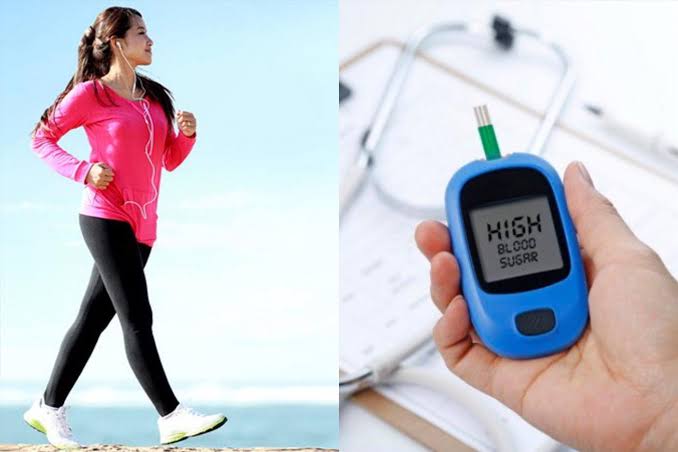
Understanding the relationship between blood sugar and exercise is essential for anyone managing diabetes, prediabetes, or metabolic health. Exercise lowers blood sugar — but not always immediately, not always predictably, and not always through the same mechanism. The type of exercise, its timing, its intensity, and the medications involved all shape how blood sugar responds. This guide explains every key aspect of the exercise-glucose relationship.

How Exercise Lowers Blood Sugar
Exercise lowers blood sugar through two distinct pathways. One activates immediately during movement. The other develops over weeks and months of consistent training.
The Immediate Pathway — GLUT4 Activation
During any physical activity, contracting muscles activate GLUT4 transporters on their surface. These transporters move glucose from the bloodstream into muscle cells — fueling the muscle activity. This process does not require insulin. It occurs through a separate cellular mechanism triggered purely by muscle contraction.
The non-insulin glucose uptake continues during exercise and for up to 2 hours after the session ends. Blood glucose falls during and after aerobic exercise for this reason. The effect is proportional to the amount of muscle mass engaged — large leg muscles (quadriceps, hamstrings, glutes) absorb more glucose than small muscles (biceps, forearms). Activities that engage large leg muscles produce greater immediate glucose lowering per minute of effort. Our walking after meals for blood sugar guide covers how to use this immediate glucose-lowering mechanism to intercept post-meal spikes.
The Long-Term Pathway — Insulin Sensitivity
Consistent aerobic exercise improves insulin sensitivity. The muscles, liver, and fat tissue respond more efficiently to insulin’s glucose-clearing signal — requiring less insulin to achieve the same blood glucose reduction. This improvement builds over 6–12 weeks of regular activity and persists for 24–48 hours after each individual session.
Resistance training adds a second long-term pathway: muscle mass expansion. More muscle tissue means more glucose storage capacity — permanently increasing the body’s baseline glucose disposal ability. Muscle mass gained from resistance training persists during brief exercise gaps of 1–2 weeks. This durability gives resistance training a sustained blood sugar benefit that aerobic exercise alone does not provide. Our strength training for Type 2 diabetes guide covers the muscle mass mechanism and the resistance training program that maximizes it.
How Different Exercise Types Affect Blood Sugar
Aerobic exercise, resistance training, and high-intensity interval training each produce different glucose patterns during and after the session. Understanding these differences prevents unexpected glucose swings.
Aerobic Exercise — Consistent Glucose Lowering
Moderate-intensity aerobic exercise (walking, cycling, swimming) reliably lowers blood glucose during and after the session. Glucose typically falls 20–40 mg/dL over a 30-minute moderate walk. The drop is relatively predictable and proportional to exercise duration and intensity. The main glucose risk from aerobic exercise is hypoglycemia — especially in adults using insulin or sulfonylurea medications. Adults should check glucose before and after aerobic sessions and carry fast-acting carbohydrates during exercise. Our exercise and hypoglycemia prevention guide covers the hypoglycemia prevention protocol for aerobic exercise.
Resistance Training — Possible Temporary Rise, Then Fall
Heavy resistance training (above 75% of maximum effort) triggers adrenaline release. Adrenaline stimulates liver glucose production. Blood glucose may rise 10–20 mg/dL during intense lifting — then fall 1–3 hours after the session ends as muscle glycogen resynthesis draws glucose from the bloodstream. Adults using rapid-acting insulin should be aware of this temporary mid-session rise and avoid over-correcting it with additional insulin. The post-session fall occurs reliably — a premature insulin correction can compound it into hypoglycemia.
Light to moderate resistance training (below 70% of maximum effort, 15+ repetitions per set) follows a glucose pattern closer to aerobic exercise — a more immediate, modest fall during and after the session. The heavy-lifting glucose spike is specific to high-intensity resistance training. Our safe exercise with diabetes guide covers the pre- and post-exercise monitoring approach for both aerobic and resistance exercise.
High-Intensity Interval Training — Large Spike, Then Extended Fall
High-intensity interval training (HIIT) involves alternating brief bursts of maximum-effort activity with rest periods. HIIT produces the largest immediate adrenaline response of any exercise type. Blood glucose can spike 30–50 mg/dL during a HIIT session in adults who use insulin. The post-HIIT glucose fall is also the most prolonged — lasting 6–12 hours in some adults. HIIT is highly effective for A1C reduction in studies. But its unpredictable glucose swings make it the highest-risk exercise type for adults with Type 1 diabetes or those using multiple daily insulin injections. It is best introduced after mastering glucose response patterns from moderate aerobic exercise. Our how much exercise helps blood sugar guide covers the evidence for different exercise types, intensities, and their comparative A1C effects.
The Role of Timing — When You Exercise Matters
The timing of exercise relative to meals and insulin doses significantly affects the glucose response — and the hypoglycemia risk.
Post-Meal Exercise — Best for Intercepting Glucose Spikes
Exercising within 30 minutes of a meal — during the period when post-meal glucose is rising — produces the largest glucose-lowering effect per minute of exercise. Muscle contraction intercepts the glucose spike at its peak rather than clearing glucose from an already-stabilized baseline. A 15-minute brisk walk within 30 minutes of a meal reduces post-meal blood glucose by 22–30 mg/dL more than an identical walk taken 90 minutes after eating. Post-meal exercise timing is the single most impactful timing adjustment most adults with diabetes can make. Our walking after meals for blood sugar guide covers the timing, duration, and pace that maximize post-meal glucose interception.
Fasting Exercise — Effective for Some, Risky for Insulin Users
Morning exercise before eating (fasting exercise) produces glucose lowering but from a lower starting point. Fasting exercise is safe for adults who manage diabetes with diet and lifestyle alone, or who use only metformin. Adults using insulin who exercise before breakfast face higher hypoglycemia risk — basal insulin is active, food has not raised glucose yet, and exercise will lower it further. Fasting exercise for insulin users requires careful glucose monitoring and often a 10–15g carbohydrate snack before starting.
Exercise Volume — How Much Improves Blood Sugar?
The blood sugar benefit from exercise follows a dose-response relationship. More weekly exercise volume produces greater A1C reduction — up to a plateau around 300–360 minutes per week.
The Minimum Effective Dose
Even 75 minutes of moderate-intensity exercise per week produces measurable A1C reduction — approximately 0.3–0.4% in adults with Type 2 diabetes. This is the minimum threshold at which consistent blood sugar benefit occurs. Below 75 minutes per week, blood sugar improvement is minimal and inconsistent. The ADA-recommended 150 minutes per week produces A1C reduction of approximately 0.5–0.7%. Combined aerobic plus resistance training at 150+ minutes per week produces A1C reduction of 0.7–1.0% — comparable to adding a second oral diabetes medication.
Distributing Exercise Across the Week
Exercise frequency matters as much as total weekly volume. The post-exercise insulin sensitization effect lasts 24–48 hours. Exercising every other day maintains this benefit continuously throughout the week. Three non-consecutive exercise days per week produce more consistent blood sugar improvement than one long session per week — even at equal total minutes. The ADA recommends no more than 2 consecutive days without aerobic activity to maintain the continuous insulin sensitization benefit. Our beginner exercise plan for blood sugar guide covers the weekly schedule that distributes exercise optimally across the week for consistent blood sugar improvement. The sedentary break strategy that adds glucose-lowering movement on all 7 days — including rest days — is in our sedentary breaks and blood sugar control guide. The heart-healthy exercise framework that integrates aerobic and resistance training for maximum cardiovascular and metabolic benefit is in our heart-healthy exercise for people with diabetes guide. The stretching and mobility component that completes a well-rounded exercise program for adults with diabetes is in our stretching and mobility for diabetes guide. The ADA’s physical activity resources for diabetes cover the exercise type, intensity, timing, and volume evidence base across Type 1 and Type 2 diabetes. The NIDDK’s diabetes management overview integrates exercise within the complete diabetes management approach including medication, diet, and monitoring. The CDC’s physical activity and diabetes guidance covers exercise recommendations and their evidence base for adults with Type 2 diabetes. The A1C testing schedule that tracks the cumulative blood sugar benefit of consistent exercise is in our A1C testing schedule guide. The blood sugar log that supports systematic tracking of glucose response to different exercises and timing is in our blood sugar log and tracking guide.
Exercise and Blood Sugar in Type 1 Diabetes
Blood sugar response to exercise in Type 1 diabetes is more unpredictable than in Type 2 diabetes. The complete absence of endogenous insulin production removes the body’s primary glucose regulatory buffer — making exercise timing, type, and intensity choice more critical.
Why Type 1 Glucose Response Is More Variable
In Type 2 diabetes, the pancreas still produces some insulin — providing a partial buffer against exercise-driven glucose swings. In Type 1 diabetes, no such buffer exists. External insulin doses determine all glucose regulation. Too much insulin before exercise causes hypoglycemia. Too little causes hyperglycemia. Exercise intensity further complicates this: aerobic exercise lowers glucose rapidly, while high-intensity anaerobic exercise raises it through adrenaline-driven liver glucose release. Mixed sessions — a warmup followed by intervals — can produce both effects within a single workout.
The 20-Rule for Insulin Adjustment Before Aerobic Exercise
A common starting guideline for adults with Type 1 diabetes who use rapid-acting insulin with meals: reduce the meal insulin dose by 20% for a meal taken 1–2 hours before planned aerobic exercise of moderate intensity. This reduction partly counteracts the glucose-lowering effect of the upcoming exercise. The 20% reduction is a starting point — individual calibration over weeks of glucose monitoring refines the appropriate percentage for each person’s combination of insulin sensitivity, exercise intensity, and meal composition. Discuss insulin adjustment strategies for exercise with a diabetes care team before implementing changes.
Continuous Glucose Monitoring Is Standard for Type 1 and Exercise
CGM technology is particularly valuable for adults with Type 1 diabetes who exercise. Real-time glucose trends — rising, stable, or falling arrows — provide earlier warning of exercise-induced glucose changes than point-in-time glucometer checks. Adults with Type 1 who use CGM during exercise can respond to a falling trend before glucose reaches a hypoglycemic level — consuming carbohydrates preemptively rather than reactively. CGM also captures the nocturnal glucose fall that can occur 6–12 hours after afternoon or evening exercise in adults with Type 1. The late post-exercise hypoglycemia risk in Type 1 diabetes is substantially higher than in Type 2 — CGM alarms set at 80 mg/dL overnight provide important safety protection after intense exercise days. Our exercise and hypoglycemia prevention guide covers the complete Type 1-specific hypoglycemia prevention approach for all exercise types.
Exercise and Blood Sugar in Prediabetes
Prediabetes is defined by blood glucose above normal but below the diabetes threshold. It is a reversible condition — exercise is one of the most powerful tools for reversing it.
How Exercise Reverses Prediabetes
Prediabetes develops through progressive insulin resistance. The pancreas compensates by producing more insulin — but eventually cannot keep pace with rising insulin demand. Blood sugar rises into the prediabetes range. Exercise reverses this progression by increasing insulin sensitivity — reducing the insulin demand for glucose clearance. The Diabetes Prevention Program trial showed that 150 minutes per week of moderate physical activity reduced diabetes progression from prediabetes by 58% over 3 years. This was a larger effect than metformin (31% reduction). Exercise is the most effective single intervention for prediabetes reversal — when sustained at the recommended level.
Which Exercise Type Is Best for Prediabetes?
Both aerobic exercise and resistance training independently improve insulin sensitivity in adults with prediabetes. Combined programs (both aerobic and resistance training) produce greater improvement than either alone. Adults with prediabetes who are starting from a sedentary baseline should prioritize consistency over type. Begin with the form of exercise that is most sustainable — typically walking, which requires no special equipment or learning curve. Add resistance training after 6–8 weeks of consistent aerobic exercise. Three 15-minute post-meal walks per day reaches the DPP physical activity target using only meal-time walking — a starting strategy accessible to nearly every adult regardless of fitness level. Our walking after meals for blood sugar guide covers the post-meal strategy specifically for prediabetes prevention and reversal.
Tracking Blood Sugar Changes From Exercise Over Time
The blood sugar benefit of exercise accumulates over weeks and months. Tracking glucose data over this timeline reveals the cumulative effect and motivates continued effort when individual session results vary.
What to Track and How Often
For adults using a glucometer: track pre-exercise glucose, immediate post-exercise glucose, and 2-hour post-exercise glucose for each session. After 4 weeks of consistent exercise, compare the same-time readings from week 1 and week 4. Most adults with Type 2 diabetes see 10–25 mg/dL lower average post-exercise readings after 4 weeks. After 12 weeks, A1C testing provides a reliable measure of cumulative glucose improvement — the standard benchmark for exercise effectiveness in diabetes management.
For adults using CGM: daily time-in-range (TIR) data shows exercise benefit faster than A1C. TIR is the percentage of time glucose stays between 70 and 180 mg/dL. Regular exercise typically improves TIR by 5–15 percentage points over 6–8 weeks — visible in CGM summary reports before A1C would meaningfully change. The A1C testing schedule that contextualizes exercise-driven improvements alongside lab results is in our A1C testing schedule guide. The blood sugar log that supports systematic session-by-session tracking of exercise-driven glucose improvement is in our blood sugar log and tracking guide.
When Exercise Raises Blood Sugar — Understanding the Exceptions
Most discussions of exercise and blood sugar focus on lowering. But there are specific situations where exercise temporarily raises blood sugar. Understanding these exceptions prevents confusion and inappropriate responses.
High-Intensity Exercise — The Adrenaline Effect
Very high-intensity exercise — sprinting, heavy lifting, maximum-effort intervals — triggers significant adrenaline release. Adrenaline stimulates the liver to release stored glucose into the bloodstream. Blood sugar can rise 30–70 mg/dL during or immediately after a very high-intensity session. This is a normal physiological response — not a sign of diabetes worsening. The glucose rise resolves over 1–3 hours as the adrenaline effect clears and muscle glucose uptake resumes. Adults who see a large post-exercise glucose spike after intense activity should wait for natural resolution rather than injecting extra insulin. The spike typically falls to below the pre-exercise level within 2–3 hours as glycogen resynthesis draws glucose from the blood.
Illness and Exercise — Combined Stress Glucose Rise
Exercise while ill produces compounding glucose effects. Physical illness raises stress hormones — including cortisol and adrenaline — that increase liver glucose output. Exercise also stimulates adrenaline. Combined, these two sources of stress hormones can push blood glucose to unexpectedly high levels even during moderate exercise. Adults with diabetes should avoid vigorous exercise when sick — particularly if glucose is above 200 mg/dL or ketones are present. Light walking during mild illness is generally safe and may help bring mildly elevated glucose down. But intense or prolonged exercise during active illness is inadvisable until recovery is complete. Our safe exercise with diabetes guide covers when to postpone or modify exercise based on illness, glucose level, and medication status. The doctor visit checklist that helps adults discuss illness day glucose management and exercise protocols with their care team is in our doctor visit checklist for diabetes guide. The annual diabetes care checklist that includes exercise safety review alongside A1C, medications, and complication screening is in our annual diabetes care checklist. The heart-healthy exercise framework that applies blood sugar and exercise knowledge to a complete cardiovascular and metabolic benefit program is in our heart-healthy exercise for people with diabetes guide.
Building Your Exercise and Blood Sugar Knowledge Over Time
Understanding how your blood sugar responds to exercise is a personal process. Population-level studies define averages and starting guidelines. Your individual response — shaped by your medications, meal timing, stress levels, sleep quality, and fitness level — is unique. Building that personal knowledge requires systematic observation over weeks and months.
The 4-Week Learning Protocol
Adults starting to exercise with diabetes benefit from a structured 4-week observation period. During this period, maintain a consistent exercise type, timing, and duration — varying only one factor per week. Week 1: walk 15 minutes after dinner every day, check glucose before and 1 hour after. Week 2: walk 15 minutes after lunch, same protocol. Week 3: add a 15-minute morning walk before breakfast on alternate days, compare fasting-state versus post-meal-state glucose response. Week 4: try adding one resistance training session and observe the different glucose pattern. After 4 weeks, you have a personal dataset showing which exercise type, time of day, and duration produces the most consistent glucose benefit for your specific situation.
Consulting Your Care Team With Exercise Data
The glucose data collected during exercise sessions is valuable clinical information — not just personal tracking. Share it at every diabetes appointment. Patterns in exercise glucose response guide medication dose adjustments, insulin timing changes, and dietary recommendations far more precisely than fasting glucose alone. A care team that sees consistent post-exercise glucose falls to 65 mg/dL can recommend a proactive medication dose reduction rather than reactive hypoglycemia treatment. A care team that sees glucose remaining above 200 mg/dL even after moderate exercise can identify medication or dietary adjustments that support the exercise benefit. Bring 2–4 weeks of exercise glucose log data to every appointment. Our doctor visit checklist for diabetes guide covers how to organize and present exercise glucose data effectively at physician appointments. The comprehensive annual care review that integrates exercise data with A1C, medications, and complication screening is in our annual diabetes care checklist. The ADA’s complete physical activity and diabetes resources cover the evidence base for exercise type, timing, intensity, and their blood sugar effects across Type 1 and Type 2 diabetes. The CDC’s physical activity and diabetes guidance provides accessible summaries of exercise recommendations for adults with diabetes at all activity levels. The NIDDK’s diabetes management overview integrates exercise with diet, medication, and monitoring in the complete diabetes care framework.
Exercise Consistency Is More Important Than Perfection
A missed exercise session does not erase the insulin sensitivity gains from previous weeks. Two days without exercise does not restart the benefit from zero. Consistency over months and years — not perfection on any given week — determines the long-term blood sugar benefit of exercise. Adults who exercise imperfectly but consistently for a year achieve far greater A1C improvement than adults who pursue intense short bursts of exercise separated by long inactivity gaps. The beginner exercise progression that builds sustainable long-term consistency is in our beginner exercise plan for blood sugar guide.
Sources: American Diabetes Association Standards of Care in Diabetes 2024; Colberg SR et al. Physical Activity/Exercise and Diabetes: A Position Statement of the American Diabetes Association. Diabetes Care 2016; HART-D Trial: Church TS et al. Effects of Aerobic and Resistance Training on Hemoglobin A1c. JAMA 2010; CDC Physical Activity and Diabetes Guidance 2024.
I have been reading about blood sugar and exercise for weeks and this is the most thorough guide I found. It is refreshing to see an article that acknowledges individual variation rather than one-size-fits-all advice. I wish I had found this article earlier — would have saved a lot of confusion.
This breakdown of blood sugar and exercise is exactly what patients need before a specialist appointment. The section on managing this condition day-to-day was especially useful for planning. This is going into my health folder that I bring to every doctor’s visit.
This is one of the clearest explanations of blood sugar and exercise I have found. I appreciated how the article addressed both the clinical side and the practical adjustments. This gave me real confidence going into my next specialist appointment.