
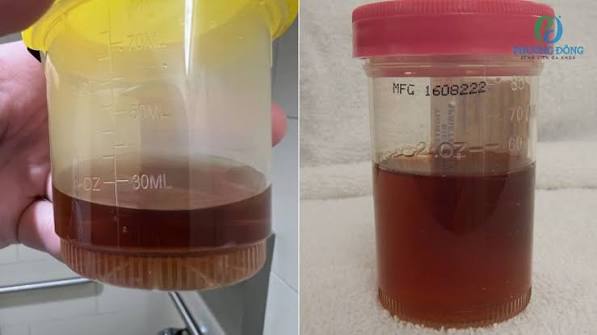
Dark urine — deeper amber, brown, cola-colored, or tea-colored — is one of those symptoms that can mean nothing (dehydration, fix it with water) or something serious (liver disease, muscle breakdown, internal bleeding). The challenge is knowing which is which. The color alone cannot tell you. This article covers the main causes from benign to urgent, the warning signs that require immediate attention, and how the condition is assessed.
What Gives Urine Its Color?
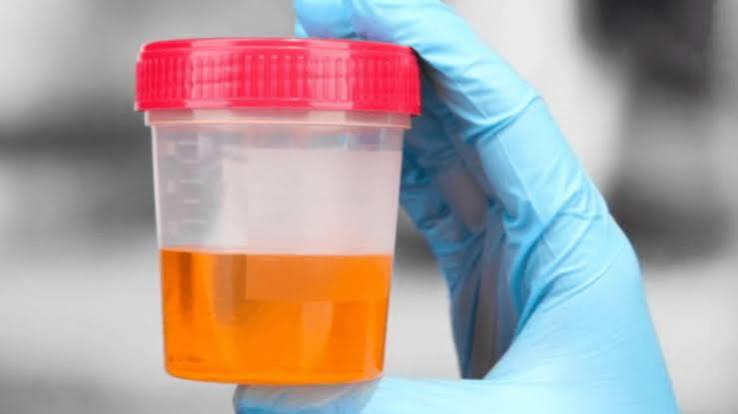
Normal urine gets its yellow color from urochrome — also called urobilin — a pigment produced when the body breaks down hemoglobin from aging red blood cells. The more concentrated the urine, the more urochrome per unit volume, and the darker it appears. Pale yellow indicates good hydration; dark amber is concentrated but still within the normal range.
When urine goes beyond amber — turning brown, tea-colored, cola-colored, or darker — additional substances are present that do not belong there:
- Bilirubin: a bile pigment appearing in urine when the liver is diseased or bile ducts are blocked
- Myoglobin: a muscle protein released during severe muscle breakdown (rhabdomyolysis)
- Hemoglobin: filtered by the kidneys during intravascular red blood cell destruction (hemolysis)
- Blood (red blood cells): old or heavy hematuria produces dark red-brown discoloration
- Medications: several drugs produce dark-colored metabolites excreted in the urine
A dipstick urinalysis and microscopic examination are required to identify the cause. Urine color alone cannot make the diagnosis.
Common Causes of Dark Urine
Dehydration — The Most Common Cause
Dehydration is by far the most common cause of dark urine. When fluid intake is insufficient or losses are high — through sweating, fever, vomiting, or diarrhea — the kidneys produce smaller volumes of more concentrated urine. The high concentration of urochrome makes urine appear dark amber to brown.
Dehydration-related dark urine is benign and resolves within hours of adequate fluid intake. The practical test: drink 500 to 750 milliliters of water and recheck urine color in 2 to 4 hours. If it lightens to pale yellow, dehydration was the cause.
However, dehydration should not be assumed if the dark color persists after drinking adequate water, jaundice is present, or muscle pain accompanies the dark urine. Each of these points toward a more serious cause.
Liver Disease and Bilirubinuria
Liver disease is one of the most clinically important causes of dark urine. When the liver is damaged or the bile ducts are obstructed, conjugated bilirubin accumulates in the bloodstream and spills into the urine. Bilirubinuria produces a characteristic tea-colored or cola-colored urine with a distinctive yellow foam when shaken — a simple bedside observation that strongly suggests liver or biliary disease.
The dark urine of liver disease appears alongside or before jaundice, and is almost always accompanied by pale or clay-colored stools — because the same obstruction that pushes bilirubin into the urine prevents it from reaching the intestine. Common causes include acute viral hepatitis (A, B, C), alcoholic hepatitis, autoimmune hepatitis, gallstones obstructing the common bile duct, pancreatic head cancer, and drug-induced liver injury from acetaminophen, NSAIDs, antibiotics, or statins. (AASLD, 2024)
A critically important point: bilirubin is not normally present in urine. A positive dipstick for urinary bilirubin is always pathological. Any patient with a positive urine bilirubin requires liver function tests, bilirubin levels, and liver imaging.
Rhabdomyolysis — Muscle Breakdown
Rhabdomyolysis occurs when skeletal muscle is severely damaged and releases myoglobin into the bloodstream. Myoglobin is filtered by the kidneys and produces the characteristic “Coca-Cola urine” — a dark brown, cola-colored appearance. The classic triad: muscle pain, muscle weakness, and dark urine.
Causes include crush injury or trauma, extreme physical exertion, statin-induced myopathy, severe infections (influenza, COVID-19), heat stroke, prolonged seizures, and alcohol or drug intoxication.
The clinical urgency: myoglobin is directly nephrotoxic and causes acute kidney injury (AKI) in 10 to 40 percent of significant rhabdomyolysis cases. CK above 5,000 U/L indicates significant muscle damage with meaningful AKI risk. Treatment is aggressive IV hydration targeting urine output of 200 to 300 milliliters per hour. (NIDDK, 2024) Dark urine after intense exercise, crush injury, or heat exposure requires emergency evaluation — not home observation.
Hemolytic Anemia and Hemoglobinuria
When red blood cells are destroyed within the bloodstream — intravascular hemolysis — hemoglobin is released into the blood, filtered by the kidneys, and excreted as hemoglobinuria, producing dark red-brown to cola-colored urine.
Paroxysmal nocturnal hemoglobinuria (PNH) is the classic cause — dark cola-colored urine appearing predominantly in the first morning void, reflecting overnight hemolysis. PNH carries a high thrombosis risk, making early diagnosis important. (ASH, 2023)
G6PD deficiency — the most common enzyme deficiency worldwide, affecting approximately 400 million people — causes hemolytic episodes triggered by oxidative stress: certain medications (dapsone, primaquine, nitrofurantoin), fava beans, or infection. Sickle cell disease, autoimmune hemolytic anemia, and transfusion reactions are additional causes.
The key laboratory distinction: dipstick positive for blood, but microscopy shows no red blood cells — because it is hemoglobin in solution, not intact RBCs, causing the positive dipstick. The article on blood in urine covers hematuria evaluation in detail.
Medications
Several medications produce dark-colored urine through harmless metabolites — not a sign of disease: metronidazole (Flagyl) causes dark brown or reddish-brown urine; nitrofurantoin causes dark yellow to brown; rifampin produces orange-red urine (alarming but harmless); levodopa produces brown to black urine after standing; senna and cascara laxatives cause brown urine from anthraquinone metabolites.
Other Causes
Alkaptonuria is a rare inherited metabolic disorder; urine appears normal when fresh but turns strikingly dark brown or black on standing — a pathognomonic finding from homogentisic acid oxidizing in air.
Blackwater fever — a severe complication of Plasmodium falciparum malaria — produces massive hemolysis and hemoglobinuria, causing very dark or black urine. This is a medical emergency in the context of travel to malaria-endemic regions with high fever and rigors.
Acute kidney injury impairs the kidney’s ability to dilute urine, producing dark concentrated output alongside reduced urine volume. Monitoring kidney health numbers — eGFR and creatinine — is essential when AKI is suspected.
Warning Signs — When Dark Urine Is a Medical Emergency
Go to the emergency department immediately:
- Dark urine + muscle pain or weakness after exertion, crush injury, or seizure — rhabdomyolysis until proven otherwise
- Dark urine + jaundice + fever + right upper quadrant pain — cholangitis or acute liver failure
- Dark urine + high fever after travel to malaria-endemic region — blackwater fever
- Dark urine + markedly decreased or absent urine output — acute kidney injury
See a doctor the same day or next day:
- Dark urine + any jaundice — liver or biliary disease requiring LFTs and imaging
- Dark urine that does not lighten after drinking adequate water
- Dark urine + pale or clay-colored stools — biliary obstruction until proven otherwise
- Dark urine + new fatigue, nausea, or loss of appetite — possible hepatitis
Schedule within 1–2 weeks: Intermittent dark urine without accompanying symptoms, not clearly medication-related.
How Dark Urine Is Evaluated
Dipstick urinalysis: bilirubin positive = always pathological (liver/biliary); blood/hemoglobin positive triggers further workup; urobilinogen elevated suggests hemolysis or liver disease.
Microscopy: RBCs present — hematuria; no RBCs — hemoglobinuria (hemolysis) or myoglobinuria (rhabdomyolysis).
Blood tests: LFTs + bilirubin for liver disease; CK + creatinine + potassium for rhabdomyolysis; CBC + LDH + haptoglobin for hemolysis. (Mayo Clinic, 2024)
Imaging: liver and bile duct ultrasound for biliary causes; CT abdomen if a mass is suspected.
Specific tests: G6PD enzyme assay; flow cytometry (CD55/CD59) for PNH; malaria blood smear and rapid antigen test if travel history is present.
The Dehydration Test — A Practical First Step
When dark urine appears without any accompanying symptoms in someone who has been active or not drinking enough:
- Drink 500 to 750 milliliters of water (2–3 glasses)
- Wait 2 to 4 hours
- Recheck urine color
If the color returns to pale yellow — dehydration was the cause. Maintain consistent fluid intake going forward. If the color does not improve, or if any warning sign is present — jaundice, muscle pain, fever — seek medical evaluation. The article on cloudy urine covers the broader approach to evaluating urine appearance changes.
Frequently Asked Questions
What does it mean when urine is dark brown?
Dark brown urine most commonly indicates severe dehydration (concentrated urochrome), liver disease with bilirubinuria (tea/cola colored with yellow foam), or myoglobinuria from muscle breakdown (Coca-Cola colored after exertion or injury). Clinical context and a dipstick urinalysis quickly distinguish these causes.
Can dark urine go away on its own?
Dehydration-related dark urine resolves with fluid intake. Medication-related dark urine resolves when the medication is completed. Dark urine from liver disease, rhabdomyolysis, or hemolysis does not resolve on its own — the underlying cause requires treatment. Never assume dark urine will clear without investigating if it persists after hydration.
Is dark urine always serious?
No. Dehydration — the most common cause — is benign and easily corrected. But the serious causes (liver disease, rhabdomyolysis, hemolytic crisis) progress rapidly and cause permanent organ damage without treatment. The key is accompanying symptoms: jaundice, muscle pain, fever after travel, and decreased urine output each signal an urgent cause.
What medications cause dark urine?
The most common: metronidazole (Flagyl), nitrofurantoin, rifampin, levodopa, and senna/cascara laxatives. These cause dark urine through harmless metabolites and do not indicate organ damage. Confirm with your prescribing physician if uncertain.
How quickly should I see a doctor for dark urine?
Immediately (ER) if accompanied by muscle pain after exertion, jaundice with fever, or significantly reduced urine output. The same day if jaundice is present or dark urine persists after adequate hydration. Within 1 to 2 weeks if intermittent and without symptoms. Tracking urine appearance changes alongside kidney health indicators is the best long-term approach.
Dark urine ranges from the completely routine (drink a glass of water) to the genuinely urgent (muscle breakdown, liver failure, malaria). The dividing line is almost always the accompanying symptoms — jaundice, muscle pain, fever, or decreased urine output each point toward causes that need immediate attention. When dark urine persists after hydration or appears with any of these warning signs, the response should be a medical evaluation, not continued observation at home.
Dark Urine in Special Populations
Women
Women face several situations where dark urine has distinct implications. During pregnancy, the increased metabolic demand and expanded blood volume make relative dehydration common even when fluid intake feels adequate. Pregnant women should target pale yellow urine throughout the day — darker urine warrants immediate attention given its overlap with urinary tract infections, which are more frequent and more likely to ascend to the kidneys during pregnancy.
Urinary tract infections are substantially more common in women than in men due to anatomical differences. A UTI can contribute to dark, concentrated, malodorous urine; when accompanied by pelvic pain, frequency, or burning, a urinalysis is the correct first step rather than hydration alone.
Women with a history of kidney stones should recognize that recurrent dark urine episodes — especially with flank pain — may signal stone activity. The combination of dark urine and lateral flank pain should prompt evaluation rather than home hydration, particularly if the episode resembles prior stone presentations.
Postmenopausal women taking hormone replacement therapy have an elevated risk of drug-induced liver injury from some formulations. New-onset dark urine in this context — especially if accompanied by right upper quadrant discomfort or jaundice — warrants liver function testing.
Men
Men face specific scenarios where dark urine takes on added clinical significance. Rhabdomyolysis from intense exercise — a cause almost stereotypically associated with young men beginning high-intensity training programs — is a preventable emergency. The dark urine that follows a first intense session of weightlifting or competitive exercise in someone unconditioned for that activity requires immediate medical evaluation, not rest and hydration at home. Creatine kinase levels must be checked within hours.
Alcohol use disorder is more prevalent in men and directly relevant to dark urine: alcohol causes hepatocellular damage (alcoholic hepatitis), dehydration, and can precipitate G6PD hemolytic episodes when combined with certain medications. Men with heavy alcohol use who notice dark urine alongside any abdominal discomfort or jaundice need urgent liver assessment.
Older men with benign prostatic hyperplasia (BPH) may have incomplete bladder emptying and chronic urinary stasis, creating an environment where concentrated, dark, malodorous urine is common and can mask early infection. Routine urinalysis monitoring is appropriate in this group.
Older Adults
Older adults are particularly vulnerable to dehydration-related dark urine because the thirst mechanism becomes less reliable with age. Many older adults are genuinely dehydrated without feeling thirsty. In nursing home residents or individuals with cognitive impairment, dark urine is often the first observable sign of dehydration that caregivers can detect.
However, dark urine in older adults should not be reflexively attributed to dehydration. The differential for dark urine in this population is broader: polypharmacy increases the likelihood of medication-related dark urine (metronidazole, nitrofurantoin, and rifampin are common in older adults), and the risk of undetected liver disease, biliary obstruction from gallstones, or pancreatic pathology is higher with age.
The standard advice — hydrate and observe — applies to older adults, but the threshold for evaluation should be lower. Dark urine that persists despite adequate fluid intake in an older adult should prompt urinalysis within 24 to 48 hours. Frailty, polypharmacy, and age-related changes in liver and kidney function all reduce the margin for delayed recognition of serious causes.
What to Expect From a Dark Urine Workup
When you present to a clinic or emergency department with dark urine, the evaluation follows a logical sequence based on clinical presentation. Understanding what to expect helps you prepare and communicate effectively.
History and physical examination: The clinician will ask about the duration, timing (morning versus throughout the day), any accompanying symptoms (jaundice, muscle pain, fever, flank pain), recent medications or supplements, alcohol use, recent travel, and exercise history. Physical examination focuses on jaundice (sclera, skin), right upper quadrant tenderness, and flank tenderness. This history guides which laboratory tests are ordered.
Urinalysis with microscopy: This is the first and most essential test. The dipstick identifies bilirubin, blood, hemoglobin, urobilinogen, and protein. Microscopy distinguishes hematuria (RBCs present) from hemoglobinuria or myoglobinuria (positive dipstick, no RBCs). Casts on microscopy suggest kidney parenchymal disease.
Basic metabolic panel and liver function tests: In most presentations without an obvious benign cause, blood tests include creatinine and BUN (kidney function), and liver function tests — ALT, AST, ALP, GGT, and bilirubin. These results narrow the cause substantially and determine the urgency of further workup.
Creatine kinase (CK): Ordered whenever rhabdomyolysis is a possibility — recent intense exercise, muscle pain, crush injury, seizure, or heat exposure. A CK above 1,000 U/L is elevated; above 5,000 U/L signals meaningful AKI risk and requires IV fluid management. Results come back within a few hours of a blood draw.
Imaging: Liver and biliary ultrasound is ordered when liver disease or biliary obstruction is suspected — particularly when LFTs are elevated or jaundice is present. Ultrasound identifies gallstones, bile duct dilation, liver texture changes, and mass lesions. CT of the abdomen is reserved for cases where ultrasound is inconclusive or a mass is suspected.
Specialist referral: Confirmed liver disease typically prompts referral to gastroenterology or hepatology. Confirmed hemolytic anemia requires hematology involvement. Kidney injury from rhabdomyolysis is managed by nephrology in severe cases. The primary care provider coordinates these referrals based on the initial laboratory results.
The timeline varies by urgency. An emergency presentation for rhabdomyolysis or acute liver failure proceeds within hours. A non-urgent outpatient workup for dark urine without accompanying symptoms typically unfolds over one to two clinic visits within one to two weeks.
Monitoring After a Dark Urine Episode
What happens after the initial evaluation depends on what was found — and just as importantly, what steps to take if dark urine recurs. Several practical principles apply across causes.
After a dehydration episode: No formal follow-up is required unless dark urine recurs frequently despite adequate fluid intake. Practical targets: pale yellow urine throughout the day; approximately 2 liters of water per day as a baseline, with more during heat, exercise, or illness. Individuals with a history of kidney stones should maintain higher hydration targets — the kidney health numbers article covers the specific urine output targets that reduce stone recurrence risk.
After rhabdomyolysis: CK and creatinine are rechecked until they trend back to normal — CK typically peaks 24 to 72 hours after muscle injury and falls by 50 percent per day with adequate hydration. Kidney function monitoring continues until creatinine is confirmed normal. The precipitating cause — a statin, an exercise program, heat exposure — requires addressing. A single rhabdomyolysis episode from avoidable exertion does not require long-term monitoring, but repeat episodes trigger evaluation for underlying myopathy or G6PD deficiency.
After a hemolytic episode (G6PD, PNH, autoimmune): G6PD-confirmed patients receive education on triggers — medications, foods, infections — and a list of drugs to avoid. PNH requires ongoing hematology management including consideration of complement inhibitors (eculizumab, ravulizumab) to prevent hemolysis and thrombosis. Autoimmune hemolytic anemia requires immunosuppressive treatment and monitoring for relapse.
After liver disease: Follow-up depends on the specific diagnosis. Acute viral hepatitis A resolves without long-term treatment but requires repeat LFTs until normalization. Hepatitis B and C require specialist management and antiviral therapy. Alcoholic hepatitis requires abstinence and repeat liver assessment. Drug-induced liver injury requires discontinuation of the offending drug and repeat LFTs until normalization, which may take weeks to months.
Recurrent unexplained dark urine: Episodes that recur without a clear cause — not dehydration, not a medication — warrant systematic evaluation including urinalysis, LFTs, CK, CBC, LDH, and haptoglobin to screen for intermittent hemolysis or early liver disease. Patterns that recur in the morning or in the context of illness or fasting suggest PNH or G6PD deficiency and warrant hematology referral. Monitoring broader kidney health indicators alongside urine color provides the most complete picture of urinary tract and systemic health over time.
Dark Urine vs. Other Urine Color Changes
Dark urine — amber, brown, cola, or tea-colored — is one category of urine color change. Understanding where it fits in the broader spectrum helps avoid misclassification and missed diagnoses.
Red or pink urine most often indicates fresh blood (hematuria) from the bladder, urethra, or lower urinary tract. It is distinct from the brown-cola color of old blood or upper tract bleeding, though overlap exists. Fresh hematuria from any site requires evaluation. See the full discussion in blood in urine: possible causes.
Cloudy or milky urine suggests infection (pyuria — white blood cells), phosphaturia (harmless mineral precipitation in alkaline urine), or chyluria (lymphatic drainage into the urinary tract). Dark color is absent unless a concurrent infection causes both cloudiness and concentration. The article on cloudy urine covers this presentation in detail.
Foamy urine that is also dark suggests significant proteinuria alongside concentration — a pattern that warrants kidney function testing. Foaminess alone from surface tension in concentrated urine is common and benign; persistent foam in dark urine is a different finding. The foamy urine article distinguishes these presentations. Understanding urine color changes in context — alongside a broader picture of kidney and liver health — is the foundation of the practical approach to urinary symptom evaluation.
Sources: NIDDK (niddk.nih.gov), AASLD Liver Guidelines (aasld.org), American Society of Hematology (hematology.org), Mayo Clinic (mayoclinic.org)
This breakdown of dark urine: causes and warning signs is exactly what patients need before a specialist appointment. I appreciated how the article addressed both the clinical side and the practical adjustments. Exactly the kind of evidence-based information that is hard to find in one place.
I never fully understood dark urine: causes and warning signs until I read this. The practical tips made this immediately actionable, not just theoretical. Will definitely be coming back to this site for more health information.
Came across this while researching dark urine: causes and warning signs for a family member. The connection between lifestyle choices and long-term outcomes is explained clearly here. This is going into my health folder that I bring to every doctor’s visit.