

Painful urination — medically called dysuria — is a symptom most adults will experience at least once. The burning or stinging that accompanies urination is rarely something to dismiss: it almost always reflects a condition that has a specific diagnosis and, in most cases, a straightforward treatment. This article covers the most common causes, the key distinctions that help narrow the likely culprit, and when urgent evaluation is genuinely needed.
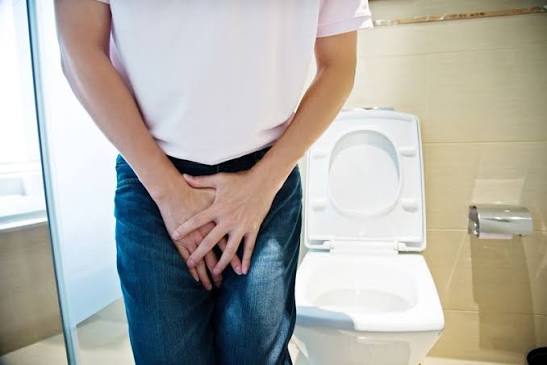
What Is Painful Urination (Dysuria)?
Dysuria refers to any burning, stinging, pressure, or discomfort during urination or immediately afterward. The sensation can range from mild irritation to severe burning that makes every trip to the bathroom dreaded. It may occur at the start of urination, throughout the entire void, or only in the final moments — and that timing sometimes points toward a specific cause.
The most clinically useful first distinction is whether the pain is internal or external. Internal dysuria is felt inside the urethra or bladder — the burning is deep and present throughout the voiding stream. This pattern most commonly reflects a UTI, urethritis, or kidney stone. External dysuria is felt at the urethral opening or on surrounding skin when urine makes contact — superficial and stinging. This pattern is more typical of vaginitis, genital herpes, or contact irritation. Knowing which type you have helps narrow the cause before any test is ordered.
Most Common Causes of Painful Urination
Urinary Tract Infection (UTI)
A urinary tract infection is the most common cause of painful urination in adults — particularly in women. Bacteria (most commonly Escherichia coli, responsible for approximately 85 percent of uncomplicated UTIs) colonize the bladder lining and trigger inflammation. (NIDDK, 2023)
The classic UTI triad is dysuria (burning), urgency (sudden compelling need to void), and frequency (more trips than normal, in small amounts). Blood in the urine is sometimes present. UTIs are far more common in women — approximately one in two women will have at least one in their lifetime, and 20 to 30 percent experience recurrence within 6 months. Men develop UTIs at much lower rates; when they do, an underlying structural cause should be investigated. (NIDDK, 2023)
Kidney Infection (Pyelonephritis)
When bacteria ascend from the bladder to the kidneys — because a bladder infection went untreated or bacteria migrated directly — the result is pyelonephritis, a kidney infection. It is significantly more serious than cystitis. Painful urination is present alongside fever (often high), chills, nausea, and flank pain (the side of the back, below the ribcage). This combination should prompt same-day evaluation. Treatment requires 7 to 14 days of antibiotics; severe cases require hospitalization and intravenous treatment.
Kidney Stones
Kidney stones produce sudden, severe, colicky pain radiating from the flank to the groin as the stone moves through the ureter. When the stone reaches the lower ureter or passes into the bladder, it can cause painful urination, urgency, and blood in the urine. Kidney stones affect approximately 1 in 11 Americans — about 9 percent of the population — and prevalence is rising. (NIDDK, 2023) Most stones smaller than 5 mm pass spontaneously with adequate hydration and pain management. Tamsulosin (an alpha-blocker) helps relax the ureter to facilitate passage. Larger stones typically require urologic intervention. (Urology Care Foundation, 2024)
Sexually Transmitted Infections (STIs)
Chlamydia is the most commonly reported bacterial STI in the United States — approximately 2.5 million cases annually. It is often asymptomatic, particularly in women, which is why it spreads so readily. When symptoms occur, they include dysuria and discharge. Untreated chlamydia can cause pelvic inflammatory disease and infertility. (CDC, 2022)
Gonorrhea typically causes more obvious symptoms: purulent discharge and burning urination in men; women are more often mildly symptomatic or asymptomatic. The current CDC recommendation is ceftriaxone 500 mg intramuscular, single dose — an increase from the previous dose due to rising resistance. (CDC STI Guidelines, 2021)
Genital herpes (HSV-2, and increasingly HSV-1 in genital locations) causes painful ulcers near the urethral opening — when urine contacts these sores, the result is severe external dysuria. HSV-2 affects approximately 11.9 percent of US adults aged 14 to 49. Daily antiviral therapy reduces recurrence frequency by 70 to 80 percent.
Trichomoniasis — the most common curable non-viral STI worldwide — produces dysuria, urethral irritation, and a frothy yellow-green vaginal discharge. Metronidazole cures it effectively. Mycoplasma genitalium is an emerging pathogen causing urethritis in STI-negative cases; NAAT testing and specialist treatment are required.
Other Causes Worth Knowing
Interstitial Cystitis
Interstitial cystitis (IC) — bladder pain syndrome — produces persistent bladder pressure, pain, and dysuria without detectable infection. Pain worsens as the bladder fills and improves transiently after urination. IC predominantly affects women and is frequently misdiagnosed as recurrent UTIs before the true diagnosis is recognized.
Vaginitis (Women)
Bacterial vaginosis, yeast infection, or atrophic vaginitis (common in postmenopausal women) produce external dysuria — the burning occurs when urine contacts inflamed external tissue, not inside the urethra. BV produces a thin gray-white discharge with a “fishy” odor; yeast infection causes thick white discharge with itching; atrophic vaginitis produces burning and dryness worsened by urination. Each has a specific and effective treatment.
Prostatitis and Urethritis (Men)
In men, painful urination always warrants investigation. Spontaneous bacterial cystitis is rare in healthy men under 50 — the male urethra’s length is protective. When dysuria occurs in a man, the likely causes include urethritis (often STI-related in sexually active men), prostatitis, or — in older men — BPH complicated by infection. Urethral discharge alongside dysuria strongly suggests an STI requiring NAAT testing.
Contact Dermatitis and Bladder Cancer
Soaps, spermicides, and certain hygiene products can cause contact dermatitis around the urethral opening — external dysuria that begins with a new product and resolves when it is stopped. Bladder cancer typically presents with painless blood in the urine, but dysuria can accompany it, particularly in more advanced cases. Adults over 50 with a smoking history who develop unexplained dysuria and blood in the urine should have urologic evaluation.
Internal vs. External Dysuria — Why the Distinction Matters
| Feature | Internal Dysuria | External Dysuria |
|---|---|---|
| Pain location | Deep inside urethra or bladder | At urethral opening or surrounding skin |
| Pain timing | During the entire voiding stream | When urine first contacts external tissue |
| Most common causes | UTI, urethritis, kidney stone | Vaginitis, herpes, contact dermatitis |
| Key diagnostic test | Urinalysis + urine culture | Pelvic exam, NAAT STI testing |
How Painful Urination Is Diagnosed
Urinalysis examines urine for white blood cells (infection/inflammation), red blood cells (infection, stones, cancer), nitrites (bacterial metabolism), and pH. A dipstick can be done in minutes; microscopic urinalysis provides more detail.
Urine culture identifies the specific pathogen and antibiotic sensitivities — essential for recurrent UTIs, pyelonephritis, and cases where antibiotic resistance is suspected.
STI testing via NAAT is the gold standard for chlamydia, gonorrhea, and mycoplasma. First-catch urine (the first 10 to 20 mL) is the preferred sample for detecting urethral STIs. NAAT is far more sensitive than culture for chlamydia.
Pelvic examination (women) allows direct assessment of vaginal discharge, cervical appearance, and vulvar lesions — distinguishing BV, yeast, and STIs by their characteristic findings.
Imaging — CT scan without contrast (gold standard for kidney stones) or ultrasound — is ordered when severe flank pain and blood in the urine suggest a stone. Cystoscopy is reserved for suspected bladder cancer, interstitial cystitis, or unexplained persistent blood in the urine.
Treatment Options by Cause
Uncomplicated UTI (women): Nitrofurantoin macrocrystals 100 mg twice daily for 5 days (first-line); alternatively TMP-SMX 3 days (if local resistance is below 20%), or fosfomycin 3g as a single dose. Fluoroquinolones are reserved for cases where other agents are unsuitable.
Pyelonephritis: Ciprofloxacin or levofloxacin for 7 days outpatient; 14 days if an alternative antibiotic is needed based on culture results. Hospitalization for severe cases with intravenous antibiotics.
Chlamydia: Doxycycline 100 mg twice daily for 7 days — preferred per 2021 CDC guidelines over azithromycin single dose due to higher efficacy.
Gonorrhea: Ceftriaxone 500 mg IM single dose per CDC 2021 updated recommendations.
Genital herpes: Valacyclovir or acyclovir for acute outbreaks; daily suppressive therapy reduces recurrence by 70 to 80 percent.
Kidney stones: Hydration (2-3 liters/day) + pain management (NSAIDs first-line) + tamsulosin 0.4 mg daily to facilitate passage. Stones above 10 mm typically require ureteroscopy with laser lithotripsy.
Phenazopyridine (Pyridium, AZO): This over-the-counter urinary analgesic relieves the burning sensation by coating the bladder lining. It does not treat infection. It turns urine a vivid orange color — use alongside antibiotics for 1 to 2 days only, not as a substitute for treatment.
When to Seek Urgent or Emergency Care
Same day: Painful urination with fever, chills, or flank pain (possible pyelonephritis); any painful urination during pregnancy (evaluate promptly); painful urination in a man under 50 (always investigate).
Emergency department: Severe, excruciating flank or groin pain with blood in the urine (possible kidney stone); fever with painful urination and signs of systemic illness (possible urosepsis).
Within 1-2 days: Painful urination with discharge from urethra or vagina (STI testing needed); painful urination with visible genital sores (herpes evaluation); dysuria recurring within 6 weeks of completing antibiotics for a UTI (recurrent UTI workup).
For people with known chronic kidney disease: painful urination always warrants prompt evaluation — infections can accelerate kidney damage and may present atypically. The articles on foamy urine and frequent urination describe other urinary symptoms that frequently accompany kidney involvement. (Mayo Clinic, 2024)
Frequently Asked Questions
What does it mean if urination burns but tests show no UTI?
A negative urine culture does not rule out all causes of burning. Chlamydia and gonorrhea require specific NAAT testing — they are invisible to standard urinalysis. Herpes produces external burning from urethral or vulvar sores. Interstitial cystitis causes chronic burning without infection. Vaginitis in women creates external dysuria that mimics UTI symptoms. If a UTI culture is negative and symptoms persist, the right next steps are STI testing and, for women, pelvic examination.
Can dehydration cause painful urination?
Concentrated, dehydrated urine can cause mild irritation — particularly in people who are chronically under-hydrated. But this should produce only mild, brief discomfort that resolves after drinking more fluids. If burning is significant, persistent, or accompanied by any other symptoms, it is not dehydration alone and warrants evaluation for infection or another cause.
Is painful urination ever a sign of cancer?
Rarely, but yes. Bladder cancer classically presents with painless blood in the urine, but dysuria can accompany it — particularly with tumors near the bladder neck or urethra. Adults over 50 with a smoking history who develop unexplained dysuria with any blood in the urine should have urologic evaluation including cystoscopy to exclude cancer.
How long does dysuria from a UTI last?
With appropriate antibiotics, most people notice improvement within 24 to 48 hours. Complete resolution typically occurs within 3 to 7 days. If burning persists beyond 3 days of treatment, the infecting organism may be resistant to the chosen antibiotic, or a different underlying cause is present. A follow-up visit to review the culture result is warranted if symptoms are not clearly improving.
Can men get UTIs?
Yes, though much less commonly than women. When men develop UTIs, it is important to investigate for an underlying cause: BPH causing urinary retention, urethral stricture, or (in sexually active men under 50) an STI. UTIs in men are treated with a longer antibiotic course than uncomplicated cystitis in women — typically 7 to 14 days — and follow-up is recommended to confirm resolution and identify the underlying cause.
Most cases of painful urination have a clear cause and a treatment that works quickly. The key is not to dismiss the symptom or wait it out beyond a day or two. The conditions behind dysuria range from easily cured (a UTI resolving within days of antibiotics) to ones that worsen without timely attention (pyelonephritis, kidney stones, STIs causing silent damage). Understanding whether the pain is internal or external, whether it comes with fever or discharge, and whether it recurs despite treatment narrows the cause efficiently — and gets effective treatment started sooner.
Recurrent UTIs: When Infections Keep Coming Back
For many adults — particularly women — painful urination is not a one-time event. Recurrent urinary tract infections, defined as three or more documented UTIs within a 12-month period or two within 6 months, affect approximately 20 to 30 percent of women who have had at least one UTI. Understanding why recurrence happens — and what can be done to reduce it — is one of the most important practical aspects of managing dysuria from UTIs.
The most common explanation for recurrence in women is reinfection: new bacteria entering the bladder rather than a previous infection that was not fully cleared. Escherichia coli strains that cause UTIs have evolved mechanisms to adhere to bladder epithelial cells and form biofilm-like communities that resist antibiotic penetration. After an infection appears to resolve clinically — symptoms gone, urine clear — a residual bacterial population may persist within uroepithelial cells, capable of re-emerging weeks later. This intracellular reservoir phenomenon explains why some women experience recurrent infections that are not due to new exposure.
Risk factors for recurrent UTIs in women include: frequent sexual intercourse (bacteria can be mechanically introduced into the urethra), use of spermicide-containing contraceptives (which disrupt the vaginal flora protective against E. coli colonization), postmenopausal status (reduced estrogen levels cause atrophy of the urogenital epithelium and loss of protective Lactobacillus species in the vaginal flora), and family history of UTIs (suggesting genetic factors in epithelial susceptibility). Anatomical factors — bladder prolapse, incomplete bladder emptying — contribute in some women.
Strategies with the best evidence for reducing recurrence include: post-coital single-dose antibiotic prophylaxis (taken within 2 hours of intercourse) for sexually active women with intercourse-related recurrences; daily low-dose continuous antibiotic prophylaxis (nitrofurantoin 50 mg or TMP-SMX half-tablet) for non-intercourse-related recurrences; vaginal estrogen (cream, ring, or suppository) for postmenopausal women — which restores the protective vaginal flora without the systemic cardiovascular risks of oral hormone therapy; and patient-initiated self-treatment (a prescription for a 3-day antibiotic course provided in advance, to start at the first sign of symptoms without waiting for a clinic visit). Cranberry products reduce recurrence in some studies but the evidence is modest and inconsistent.
Painful Urination in Special Populations
Certain groups experience dysuria differently, present with atypical symptoms, or face higher risks from delayed treatment — and deserve specific attention.
Pregnant Women
UTIs during pregnancy carry risks that extend beyond the mother: untreated bacteriuria (even asymptomatic) in pregnancy is associated with preterm labor, low birth weight, and a substantially elevated risk of pyelonephritis (which develops in approximately 30 percent of pregnant women with untreated bacteriuria compared to 2 percent in non-pregnant adults). For these reasons, screening for asymptomatic bacteriuria via urine culture is recommended at 12 to 16 weeks of gestation for all pregnant women, regardless of symptoms. Any dysuria in pregnancy should prompt evaluation and, if a UTI is confirmed, treatment with a pregnancy-safe antibiotic (typically nitrofurantoin in the second trimester; amoxicillin-clavulanate if nitrofurantoin is contraindicated) without delay.
Older Adults
UTIs in adults over 65 frequently present atypically — without dysuria as the dominant complaint. Instead, older adults may present with sudden confusion (delirium), increased fall risk, functional decline, or behavioral change without localizing urinary symptoms. This makes UTI diagnosis in the elderly challenging and leads to both under-treatment (when UTI is not considered) and over-treatment (when incidental bacteriuria in a non-symptomatic older adult is treated unnecessarily). Asymptomatic bacteriuria — bacteria present in urine without symptoms — is common in older adults (prevalence up to 50 percent in institutionalized women) and does not require treatment; treatment increases antibiotic resistance risk without clinical benefit. Only symptomatic UTI in older adults should be treated, and the diagnosis should be confirmed with culture before selecting an antibiotic, given the higher prevalence of multidrug-resistant organisms in this age group.
Immunocompromised Patients
People who are immunocompromised — from HIV, organ transplant, chemotherapy, or high-dose corticosteroids — are at risk for UTIs from unusual organisms (Candida, Pseudomonas, Enterococcus) that do not cause infection in immunocompetent hosts, and for more rapid progression to upper tract infection and sepsis. The threshold for evaluation and empirical treatment should be lower, and antifungal coverage (fluconazole) may be needed in Candida UTI — a condition rare in immunocompetent adults but relatively common in immunosuppressed patients with urinary catheters.
Antibiotic Resistance and Painful Urination: What Patients Should Know
Antibiotic resistance has significantly complicated the treatment of urinary tract infections — the most common cause of dysuria — over the past two decades. Strains of E. coli and other uropathogens with resistance to trimethoprim-sulfamethoxazole (TMP-SMX), fluoroquinolones, and even some beta-lactam antibiotics are now prevalent in many regions, meaning the traditional first-line choices no longer work reliably for a growing proportion of community-acquired UTIs.
The practical consequence for patients is that antibiotic selection for a UTI should ideally be based on a urine culture and sensitivity result — not just a dipstick test. When symptoms are severe and antibiotics must be started before culture results return (which typically takes 48 to 72 hours), the clinician chooses an empirical antibiotic based on local resistance data. After the culture result is available, if the chosen antibiotic matches the pathogen’s susceptibility, treatment continues unchanged. If not — if the pathogen is resistant — the antibiotic is switched to an effective alternative, even if symptoms have improved (because a clinically “responding” patient may still have active infection that can recrudesce).
Several behaviors increase the risk of developing an antibiotic-resistant UTI: prior antibiotic use in the past 3 months (which selects for resistant organisms in the gut and urogenital flora), history of an antibiotic-resistant infection, travel to regions with high rates of resistant organisms (South and Southeast Asia, Southern Europe), and residence in or frequent contact with a healthcare facility. Patients in these categories should have a urine culture obtained at the time of diagnosis — not empirically treated and then cultured only if they fail to respond.
The IDSA guidelines specifically caution against fluoroquinolones (ciprofloxacin, levofloxacin) for uncomplicated cystitis in women, despite their effectiveness, because their broad-spectrum coverage selects for multidrug-resistant organisms when used for a self-limiting condition that can be treated with narrower-spectrum agents. Nitrofurantoin and fosfomycin have maintained much better susceptibility profiles for E. coli urinary isolates than the fluoroquinolones because their mechanisms of action are distinct and resistance is harder to develop. For community-acquired uncomplicated cystitis, these remain the preferred empirical choices precisely because they are more targeted and less likely to drive systemic resistance patterns.
For patients who experience a UTI that does not respond to the first antibiotic prescribed — symptoms persist beyond 48 to 72 hours of treatment — the most important step is contacting the prescribing clinician rather than extending the course or switching to an over-the-counter analgesic. A culture review will determine whether the pathogen is resistant, and the antibiotic can be changed to an effective agent. Continuing an ineffective antibiotic does not treat the infection and increases resistance risk.
Sources: NIDDK (niddk.nih.gov), CDC STI Treatment Guidelines (cdc.gov), Mayo Clinic (mayoclinic.org), Urology Care Foundation (urologyhealth.org)
This breakdown of painful urination: what adults should know is exactly what patients need before a specialist appointment. I especially valued the explanation of why these recommendations exist, not just what they are. Thank you for making complex medical information accessible without dumbing it down.
Thank you for covering painful urination: what adults should know so thoroughly without being overly technical. This is the kind of evidence-based writing that actually changes how people approach their health. Appreciate the effort that went into researching and writing this — it shows.
I never fully understood painful urination: what adults should know until I read this. The practical tips made this immediately actionable, not just theoretical. I wish I had found this article earlier — would have saved a lot of confusion.