
A urinary tract infection (UTI) is one of the most common bacterial infections in adults, affecting an estimated 150 million people worldwide each year. In the United States alone, UTIs account for roughly 8 million doctor visits annually, making them second only to respiratory tract infections in frequency. Despite being very common, UTIs cause significant discomfort, can lead to serious complications if left untreated, and recur in a substantial proportion of people who experience them — particularly women, who are eight times more likely to develop a UTI than men.
This guide explains what a urinary tract infection is, which parts of the urinary system it can affect, what symptoms it produces at each location, and what causes it — including the biological and behavioral factors that make certain people more susceptible. Understanding these fundamentals helps you recognize a UTI quickly and take the right action before the infection progresses.
What Is a Urinary Tract Infection?
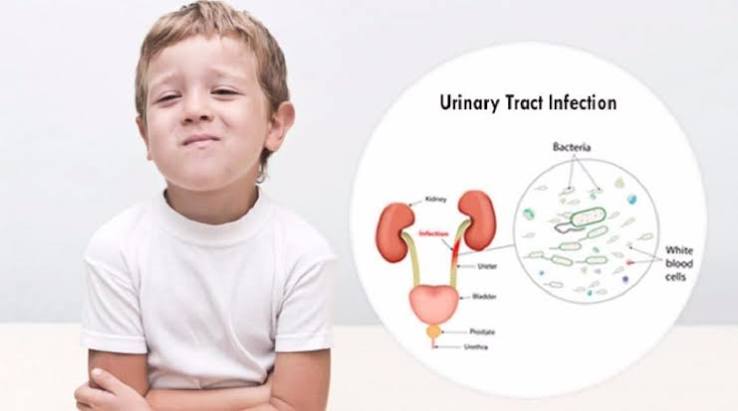
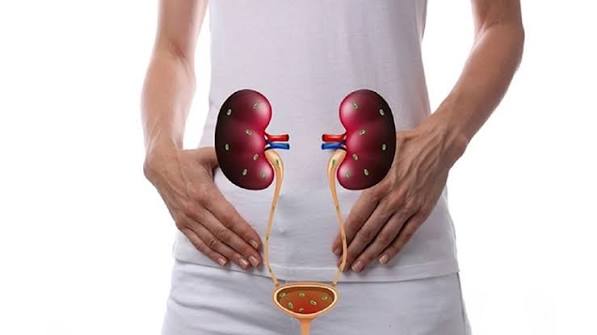
A urinary tract infection is an infection caused by microorganisms — most commonly bacteria — that invade and multiply in any part of the urinary tract. The urinary tract includes the kidneys, ureters, bladder, and urethra. UTIs can occur in the lower urinary tract (bladder and urethra) or in the upper urinary tract (ureters and kidneys). Lower urinary tract infections are far more common and generally less serious; upper urinary tract infections, particularly kidney infections, are more severe and require prompt medical treatment.
Doctors classify UTIs by location:
Cystitis refers to an infection of the bladder — the most common type of UTI. The bladder becomes inflamed when bacteria colonize its lining, causing the characteristic symptoms of burning urination, frequency, and urgency. Cystitis is the infection most people mean when they say they have a UTI.
Urethritis is an infection of the urethra — the tube that carries urine from the bladder to the outside of the body. Urethritis causes burning during urination and sometimes discharge. It is sometimes caused by sexually transmitted organisms including gonorrhea and chlamydia, rather than the gut bacteria that cause most cystitis.
Pyelonephritis is a kidney infection — a serious upper urinary tract infection in which bacteria reach one or both kidneys. Pyelonephritis causes the symptoms of a lower UTI but adds fever, chills, back or flank pain, nausea, and vomiting. It requires antibiotic treatment and can cause permanent kidney damage if not treated promptly.
Symptoms of a Urinary Tract Infection
UTI symptoms depend on which part of the urinary tract is infected. Most people with a lower UTI (cystitis or urethritis) experience a recognizable cluster of symptoms, while upper UTI (pyelonephritis) adds systemic symptoms that signal the infection has reached the kidneys.
Lower UTI Symptoms (Bladder and Urethra)
Burning or pain during urination (dysuria): This is the hallmark symptom of a UTI — a burning, stinging, or painful sensation during urination. Dysuria occurs because the inflamed urethral and bladder lining is irritated by the passage of acidic urine over infected tissue. This symptom is present in the large majority of cystitis cases and is typically the first and most prominent complaint.
Frequent urination (urinary frequency): The need to urinate much more often than usual, often every 20–30 minutes. Bladder inflammation reduces the functional capacity of the bladder — infected bladder tissue becomes irritable and sends premature signals to urinate even when the bladder contains only a small amount of urine. Frequency can be disruptive to daily activity and sleep.
Urinary urgency: A sudden, strong urge to urinate that is difficult to postpone. Urgency is often described as feeling like you cannot wait — the bladder signal to urinate is immediate and pressing. Urgency may be accompanied by urge incontinence (leaking urine before reaching the toilet) in some patients, particularly older adults.
Incomplete emptying: A persistent feeling that the bladder has not fully emptied after urination. This sensation persists even when urination produces little additional urine and is caused by the ongoing irritation of the bladder lining.
Cloudy or discolored urine: UTI urine is often cloudy, milky, or dark rather than clear and pale yellow. The cloudiness is caused by the presence of white blood cells (pus) and bacteria in the urine. Some patients notice urine that appears reddish or pinkish due to blood from the inflamed urinary lining (hematuria), though visible blood is more common in certain types of UTI and warrants evaluation.
Strong or foul-smelling urine: UTI urine often has an unusual, unpleasant odor — stronger or more offensive than normal. The odor is caused by bacterial metabolic byproducts and the proteins released from the inflamed tissue into the urine.
Pelvic pain or pressure: Women with cystitis commonly experience discomfort, pressure, or cramping in the lower abdomen or pelvic area — the region directly above the pubic bone where the bladder sits. Men with cystitis may experience rectal discomfort.
Upper UTI Symptoms (Kidney Infection — Pyelonephritis)
Kidney infections (pyelonephritis) cause all of the lower UTI symptoms listed above, plus additional systemic symptoms that reflect the more serious nature of the infection:
Fever and chills: A temperature above 38°C (100.4°F), often accompanied by shaking chills. Fever signals that the infection has triggered a systemic immune response — bacteria or bacterial toxins are affecting the body beyond the urinary tract. Fever is one of the most important signs that distinguishes pyelonephritis from simple cystitis.
Flank pain or back pain: Pain in the side of the back, typically on one side, between the lower ribs and the hip — the flank region where the kidneys are located. The pain may range from dull and aching to sharp, and may radiate to the lower abdomen. Flank pain or costovertebral angle (CVA) tenderness — tenderness when the doctor taps gently on the back at the kidney location — is a key clinical sign of pyelonephritis.
Nausea and vomiting: Systemic infection of the kidneys often causes nausea and sometimes vomiting. These symptoms may make oral antibiotic treatment temporarily difficult, and some patients with pyelonephritis require intravenous antibiotics in a hospital or emergency setting.
General malaise and fatigue: A feeling of being generally unwell — more pronounced than the localized discomfort of a bladder infection. Patients with kidney infections typically feel significantly ill rather than just uncomfortable.
If you develop fever, chills, or flank pain along with UTI symptoms, seek medical attention promptly. Pyelonephritis is a serious infection that can cause permanent kidney damage and, in severe cases, sepsis (a life-threatening whole-body response to infection) if not treated adequately.
What Causes a Urinary Tract Infection?
The vast majority of UTIs — approximately 80–85% — are caused by Escherichia coli (E. coli), a bacterium that normally lives in the colon and rectum without causing harm. The problem occurs when E. coli migrates from the anal or perineal region to the urethra and then ascends into the bladder. This upward migration (ascending infection) is the most common pathway for UTI in both women and men.
Other bacteria responsible for a smaller proportion of UTIs include:
Staphylococcus saprophyticus: The second most common cause of UTI in young sexually active women, accounting for approximately 5–15% of cases in this group. Unlike E. coli, S. saprophyticus does not originate in the gut — it colonizes the skin and mucous membranes.
Klebsiella pneumoniae: A gram-negative bacterium responsible for about 5% of UTIs. More common in patients with underlying health conditions, diabetes, or in healthcare settings.
Proteus mirabilis: Associated with urinary catheter use and structural urinary tract abnormalities. Proteus infections tend to produce alkaline urine and can contribute to struvite kidney stone formation.
Enterococcus faecalis: More common in healthcare-associated UTIs and in older adults. Often found in patients with catheter-associated UTIs or recent urinary tract instrumentation.
Sexually transmitted organisms: In urethritis specifically, gonorrhea (Neisseria gonorrhoeae) and chlamydia (Chlamydia trachomatis) are important causes. These require different testing and different antibiotics from typical UTI-causing bacteria.
Fungal UTIs, most often caused by Candida species, occur but are uncommon in otherwise healthy people. They are seen primarily in patients on prolonged antibiotic courses, patients with catheters, patients with diabetes, or patients who are immunocompromised.
Why UTIs Are More Common in Women
The anatomy of the female urinary tract is the primary reason women develop UTIs far more often than men. The female urethra is approximately 4 cm (1.5 inches) long — compared to approximately 20 cm (8 inches) in men. This shorter distance means bacteria from the anal and perineal region have far less distance to travel to reach the bladder. Additionally, the female urethral opening is located close to both the vagina and the anus, creating a proximity that makes bacterial contamination easier. For a more detailed discussion of UTI in women including risk factors and prevention, see the UTI in women guide.
In men, the longer urethra, the antibacterial properties of prostatic secretions, and the physical distance between the urethra and the rectum provide substantially more protection against ascending infection. UTIs in men are less common and, when they do occur, may suggest an underlying structural or functional problem. For a detailed discussion of UTI in men, see the UTI in men guide.
Risk Factors for Urinary Tract Infections
Certain biological and behavioral factors significantly increase the risk of developing a UTI. Understanding these risk factors helps identify who is most vulnerable and which preventive measures are most relevant.
Female sex: As discussed above, the short female urethra is the dominant anatomical risk factor. Approximately 50–60% of women will develop at least one UTI during their lifetime. One in four women who has a UTI will have a recurrent UTI within six months.
Sexual activity: Sexual intercourse introduces bacteria into the urethra and increases UTI risk in women. The term “honeymoon cystitis” describes UTI that develops shortly after initiating sexual activity. Urinating within 30 minutes of intercourse helps flush bacteria from the urethra before they can reach the bladder.
Certain contraceptive methods: Diaphragms alter the vaginal pH and apply pressure to the bladder neck, and they are associated with increased UTI risk. Spermicides disrupt the vaginal lactobacillus flora that normally helps resist uropathogen colonization, increasing susceptibility. Hormonal contraception does not significantly affect UTI risk.
Menopause: Declining estrogen levels after menopause cause changes in vaginal and urethral tissue — thinning, reduced lubrication, and altered pH — that reduce the normal protective flora and increase susceptibility to uropathogen colonization. Postmenopausal women have significantly higher UTI rates than premenopausal women of the same age. For more information specific to this group, see the UTI in older adults guide.
Urinary catheterization: A urinary catheter — a tube inserted into the bladder to drain urine — provides a direct pathway for bacteria to enter the bladder from outside the body. Catheter-associated UTIs (CAUTIs) are among the most common healthcare-associated infections. The risk of infection increases significantly with catheter duration.
Urinary tract abnormalities: Structural or functional problems that impair complete bladder emptying — kidney stones, benign prostatic hyperplasia (BPH) in men, bladder prolapse, and neurogenic bladder — create conditions where retained urine allows bacteria to multiply. Men with BPH are at substantially higher UTI risk than those with normal prostate size.
Diabetes: High blood glucose impairs immune function and provides a nutrient-rich environment for bacterial growth in the urine. Women with diabetes have two to three times higher UTI risk than women without diabetes. People with diabetes also have higher rates of complicated UTI (involving upper tract or difficult-to-treat bacteria).
Immune suppression: Patients taking immunosuppressive medications (organ transplant recipients, patients on long-term corticosteroids, patients on chemotherapy) and patients with HIV/AIDS have impaired ability to fight bacterial invasion and are at significantly higher risk of UTI and complicated UTI.
Previous UTI: A history of UTI is one of the strongest risk factors for a future UTI. Women with one prior UTI have approximately a 25% chance of recurrence within six months. Women with recurrent UTIs (three or more per year) represent a distinct clinical group who may benefit from prophylactic strategies. For details on the causes and prevention of recurrent UTIs, see the guide to recurrent UTIs.
How UTI Is Diagnosed
Diagnosis of a UTI begins with the clinical presentation — a doctor or clinician assessing the symptoms, their duration, and their severity. The initial diagnostic tool is urinalysis — laboratory analysis of a urine sample — which can detect the presence of white blood cells (pyuria), bacteria (bacteriuria), and blood (hematuria) in the urine. A positive dipstick test for nitrites (indicating bacterial reduction of urinary nitrates) and leukocyte esterase (indicating white blood cell activity) provides rapid evidence of UTI.
For symptomatic women with classic UTI symptoms and a positive dipstick, antibiotic treatment is often started without waiting for culture results. Urine culture — growing the bacteria in the urine on a laboratory plate and identifying the species — is the definitive diagnostic test. Culture results (available in 24–48 hours) also provide antibiotic sensitivity information, which guides treatment selection when the initial empiric antibiotic choice is not effective or when the organism is resistant. The NIDDK’s guide to UTI diagnosis and treatment provides additional clinical context on when culture is required.
Imaging studies (ultrasound, CT scan) are not routinely required for uncomplicated lower UTI. They are used when pyelonephritis does not respond to antibiotic treatment, when a structural abnormality is suspected, or when kidney stones (which can harbor bacteria and cause recurrent UTIs) are a concern.
When to Seek Medical Attention
Seek medical care promptly if you develop:
Fever (temperature above 38°C / 100.4°F) accompanied by urinary symptoms — this combination suggests the infection may have reached the kidneys.
Flank or back pain — pain in the side or back at kidney level, particularly with urinary symptoms, indicates possible pyelonephritis.
Nausea and vomiting with urinary symptoms — these systemic symptoms suggest a more serious infection.
Symptoms that worsen or do not improve within 48 hours of starting antibiotic treatment — this may indicate antibiotic resistance or a complication requiring reassessment.
Blood in the urine (pink, red, or cola-colored urine) — visible hematuria warrants evaluation, as it can be caused by UTI but also by other conditions including kidney stones, bladder problems, or kidney disease.
Urinary symptoms in a man — UTI is uncommon in men and typically requires further evaluation to identify an underlying cause such as prostate enlargement or a structural abnormality. See the UTI in men guide for details on assessment and treatment in male patients.
Urinary symptoms in a pregnant woman — UTI during pregnancy requires prompt treatment because pregnancy UTI has higher risk of progressing to pyelonephritis and is associated with adverse pregnancy outcomes including preterm birth. All pregnant women with UTI symptoms should be evaluated and treated without delay.
Preventing Urinary Tract Infections
Several evidence-based strategies reduce UTI risk, particularly for people with recurrent infections:
Hydration: Adequate fluid intake supports frequent urination, which mechanically flushes bacteria from the bladder before they can colonize. The Mayo Clinic recommends drinking enough fluid to produce pale yellow, plentiful urine as a component of UTI prevention.
Post-intercourse urination: Urinating promptly after sexual intercourse helps flush bacteria introduced during intercourse from the urethra. This strategy has consistent evidence for reducing UTI risk in sexually active women.
Wiping direction: Wiping front to back after using the toilet avoids transferring bacteria from the anal region toward the urethra. This basic hygiene practice is recommended by the CDC as a UTI prevention measure.
Avoiding irritants: Feminine hygiene sprays, scented soaps, and douches can alter the normal vaginal flora and irritate the urethra, potentially increasing UTI susceptibility. Unscented, gentle cleansing is preferable.
Cranberry products: Cranberry juice and cranberry extract supplements have been studied for UTI prevention. The evidence suggests a modest benefit in some populations (particularly women with recurrent UTIs), thought to be mediated by proanthocyanidins that reduce E. coli adherence to bladder epithelium. Cranberry is not a treatment for established UTI — it does not clear a bacterial infection — but may reduce recurrence risk in susceptible individuals.
For people with frequent recurrent UTIs — particularly women with three or more UTIs per year — antibiotic prophylaxis or post-coital prophylaxis (a single antibiotic dose after intercourse) may be prescribed by their doctor. These strategies are discussed in detail in the guide to recurrent UTIs and prevention.
Conclusion
A urinary tract infection is a bacterial infection — most commonly caused by E. coli — that can affect any part of the urinary system from the urethra to the kidneys. Its core symptoms (burning urination, frequency, urgency, cloudy or odorous urine, pelvic pressure) are recognizable and prompt medical attention leads to rapid, effective treatment in the majority of cases. Fever, flank pain, and nausea signal kidney involvement and require immediate care. Understanding who is at risk, how to recognize symptoms across different types of UTI, and when to seek care are the three most important things you can know about urinary tract infections. For a deeper look at how UTI symptoms present in specific populations, see the guides for UTI symptoms in adults, UTI in women, and UTI in older adults.
Sources: NIDDK — Urinary Tract Infections in Adults · Mayo Clinic — UTI Symptoms and Causes · CDC — UTI Information
The Difference Between a UTI and Other Causes of Urinary Symptoms
Not every case of urinary symptoms is a UTI. Several other conditions can produce similar symptoms and are worth knowing about because they affect how the condition is diagnosed and treated.
Overactive bladder (OAB): Overactive bladder causes urinary urgency and frequency without infection. Unlike a UTI, OAB does not cause burning during urination (dysuria), does not produce cloudy or foul-smelling urine, and does not respond to antibiotic treatment. OAB is a chronic functional condition involving abnormal bladder muscle contractions and is treated with bladder training, lifestyle modifications, and medications that calm the bladder muscle.
Interstitial cystitis (IC): Also called bladder pain syndrome, interstitial cystitis is a chronic condition causing bladder pain, pressure, urgency, and frequency that mimics UTI. Patients with IC frequently undergo repeated rounds of antibiotics because their symptoms resemble a UTI, but urine cultures repeatedly come back negative — there is no bacterial infection. IC is caused by a poorly understood problem with the bladder lining rather than infection and requires specialist evaluation. The NIDDK’s interstitial cystitis resource describes how this condition differs from bacterial UTI and how it is diagnosed.
Sexually transmitted infections (STIs): Gonorrhea, chlamydia, and trichomoniasis can all cause urethritis with burning and discharge that may be confused with a UTI. STI testing differs from standard UTI dipstick testing — a standard urinalysis may not detect STI pathogens. A patient with urethral symptoms and a negative urine culture, or with risk factors for STI exposure, should be evaluated specifically for sexually transmitted infections.
Vaginitis: Vaginal infections (bacterial vaginosis, yeast infection) can cause vulvovaginal irritation and external burning that occurs during urination as urine contacts inflamed tissue. This external burning differs from the internal burning of true UTI — a simple test is to separate the labia during urination, which reduces external contact and typically eliminates the burning sensation if the source is vaginal rather than urethral.
Kidney stones: Kidney stones passing through the urinary tract can cause sudden severe flank pain, blood in the urine, and urinary urgency. If a stone becomes infected, it combines the symptoms of UTI with the intense pain of stone passage. A CT scan or ultrasound can distinguish between a stone, a kidney infection, or another cause of flank pain. For patients with both UTI and kidney stones, the stone may require treatment in addition to antibiotics to clear the infection.
Antibiotic Treatment and Why Completing the Course Matters
Once a UTI is confirmed — by symptoms, dipstick findings, or culture — the standard treatment is a course of antibiotics. The most commonly prescribed antibiotics for uncomplicated lower UTI include nitrofurantoin, trimethoprim-sulfamethoxazole (TMP-SMX), and fosfomycin. The choice depends on local resistance patterns, allergy history, and kidney function (nitrofurantoin, for example, is less effective in patients with reduced kidney function and requires dose adjustment or avoidance in CKD). For a detailed overview of UTI antibiotic options, see the guide to antibiotics for UTI.
A critical point about antibiotic treatment: symptoms typically begin to improve within 24–48 hours of starting antibiotics, but this does not mean the infection is fully eradicated. Stopping antibiotics early when symptoms improve is a common mistake that allows surviving bacteria to continue multiplying and may select for antibiotic-resistant strains. Completing the full prescribed course — even if you feel better before it is finished — is essential to ensure the infection is completely cleared. If symptoms do not improve within 48 hours of starting antibiotics, contact your doctor — the antibiotic may not be effective against your specific bacteria, and a culture result can guide switching to a more appropriate agent.
Pingback: UTI Symptoms in Adults - Horizon Health Guide
Pingback: UTI in Women: What to Know - Horizon Health Guide
Pingback: UTI in Men: What to Know - Horizon Health Guide
Pingback: UTI in Older Adults: Symptoms May Be Different - Horizon Health Guide
This was really helpful. I always thought the burning was just from drinking too little water — I had no idea it was the bacteria irritating the bladder lining. Now I understand why my doctor keeps asking about my hydration AND whether I’m getting a culture done. Thank you for explaining the difference between cystitis and pyelonephritis so clearly.
I was surprised to learn that E. coli from the gut is responsible for most UTIs. Is it safe to say that gut health plays a role in UTI risk too? I’ve been reading a lot about the gut microbiome lately and wondering if there’s a connection to urinary health.
Great question, James! There is indeed a connection — the gut microbiome influences the types of bacteria that colonize the perineal and periurethral region, which in turn affects UTI susceptibility. Research on the gut-bladder axis is ongoing, but maintaining a diverse gut microbiome through a balanced diet and avoiding unnecessary antibiotics is considered beneficial for overall urinary health. Thank you for reading, and feel free to ask if you have more questions!