
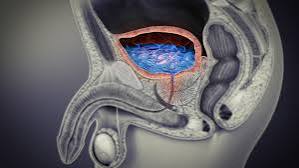

Urinary tract infections (UTIs) are predominantly a condition of women — approximately 50–60% of women develop at least one UTI in their lifetime, compared to only about 12% of men. This large disparity is driven primarily by anatomy: the female urethra is roughly 4 centimeters long compared to 20 centimeters in men, giving bacteria in women a far shorter path to reach the bladder. Men also benefit from the antibacterial properties of prostatic secretions and greater physical separation between the urethral opening and the anus.
Despite being uncommon, UTI in men is clinically significant — more so than in women in several respects. A UTI in a man is rarely “simple” or “uncomplicated” in the medical sense. It more frequently indicates an underlying condition that compromises the normal protection against ascending bacterial infection. Recognizing UTI symptoms in men, understanding what conditions commonly underlie male UTI, and knowing how male UTI is evaluated and treated are the focus of this guide.
Why Men Get UTIs Less Often — and What Changes With Age
The long male urethra is the primary anatomical reason for the lower UTI rate in men. The 20-centimeter pathway from the bladder to the urethral opening provides a physical barrier that requires bacteria to travel a much greater distance to reach the bladder. Additionally, prostatic secretions contain zinc and other compounds with antimicrobial activity that further reduce the bacterial colonization risk in the periurethral region. The drier, external environment of the male urethral opening — far from the moisture and bacterial density of the vaginal and perianal environment in women — also reduces exposure to uropathogens.
However, UTI risk in men increases substantially with age. After age 60, the rate of UTI in men rises significantly — primarily because the prostate gland enlarges with age (benign prostatic hyperplasia, or BPH), causing partial bladder outlet obstruction that leads to incomplete bladder emptying. Residual urine in the bladder after voiding provides a static environment where bacteria can multiply without being flushed out during urination. Men over 60 have UTI rates much closer to those of postmenopausal women than to younger men, and BPH is the most common underlying factor. For context on how age affects UTI risk across both sexes, see the UTI in older adults guide.
Symptoms of UTI in Men
The core symptoms of UTI in men are similar to those in women: dysuria (burning or pain during urination), urinary frequency, urgency, and cloudy or foul-smelling urine. However, men with UTI may also have additional symptoms that reflect common underlying conditions or the location of infection:
Dysuria (burning during urination): As in women, burning during urination is the hallmark symptom. In men, it is important to distinguish whether the burning occurs primarily at the start of urination (more typical of urethritis) or throughout urination (more typical of cystitis).
Difficulty initiating urination or reduced urinary flow: In men with underlying BPH, the prostate obstruction may cause a slow stream, hesitancy (difficulty starting urination), or straining. These obstructive symptoms combined with burning and frequency suggest both a UTI and an underlying prostate problem that requires assessment beyond antibiotic treatment alone.
Perineal discomfort or rectal pressure: The prostate sits just below the bladder and surrounds the urethra. When the prostate itself is infected (prostatitis), men experience deep perineal discomfort, rectal fullness or pressure, and sometimes pain radiating to the lower back, inner thighs, or tip of the penis. These symptoms suggest prostatitis rather than simple cystitis and require longer antibiotic courses (antibiotics must penetrate the prostate gland, which most short UTI courses do not achieve adequately).
Urethral discharge: Discharge from the urethra — particularly when it occurs with burning but in the absence of systemic illness — raises the possibility of urethritis caused by sexually transmitted organisms (gonorrhea, chlamydia) rather than typical uropathogens. Men with urethral discharge require STI testing in addition to or instead of standard UTI cultures.
Fever and systemic illness: Fever, chills, and general malaise in a man with urinary symptoms suggest either pyelonephritis (kidney infection) or acute bacterial prostatitis — both of which are more serious than simple cystitis and may require hospitalization in severe cases. Acute bacterial prostatitis with high fever and rigors is a urologic emergency. For more on kidney infection symptoms, see the kidney infection symptoms guide.
Underlying Causes of UTI in Men
Because UTI is uncommon in young, healthy men, its occurrence almost always prompts evaluation for an underlying predisposing condition. The most common underlying causes include:
Benign prostatic hyperplasia (BPH): The most common cause of UTI in older men. As the prostate enlarges, it obstructs the bladder outlet — men with significant BPH cannot completely empty the bladder during urination, leaving a pool of retained urine that bacteria can colonize. BPH-related UTI typically requires treatment of both the infection (antibiotics) and the underlying obstruction (medications to shrink or relax the prostate, or in some cases surgery).
Prostatitis: Bacterial prostatitis (inflammation and infection of the prostate gland) accounts for a significant proportion of UTI diagnoses in men and requires different management from simple cystitis. Acute bacterial prostatitis presents dramatically — high fever, rigors, severe perineal pain, and systemic illness. Chronic bacterial prostatitis presents more subtly — recurrent UTI-like symptoms, perineal discomfort, and variable urinary symptoms. Chronic prostatitis may harbor bacteria in prostatic fluid that repeatedly re-infect the bladder despite adequate antibiotic courses, causing UTI recurrence that appears treatment-resistant.
Kidney or bladder stones: Stones provide a nidus — a surface — for bacteria to colonize and shelter from antibiotics. A stone-associated UTI may not clear with antibiotics alone if the stone is not removed or passed. Persistent or recurrent UTI in a man, especially with hematuria, warrants imaging to assess for urinary tract stones.
Urinary catheterization: Men who have undergone urinary catheterization — whether for a procedure, surgery, or urinary retention management — are at significantly increased UTI risk. The catheter provides a direct pathway for bacteria to enter the bladder from outside the sterile urinary tract.
Anatomical abnormalities: Urethral strictures (narrowing of the urethra caused by prior infection, trauma, or instrumentation), bladder diverticula (pouches in the bladder wall where urine stagnates), and vesicoureteral reflux (urine flowing backward from the bladder toward the kidneys during urination) all create conditions that predispose to UTI in men.
Diabetes: As in women, diabetes significantly increases UTI risk in men through glucosuria, impaired immune neutrophil function, and bladder dysfunction from diabetic autonomic neuropathy.
Immunosuppression: HIV/AIDS, organ transplantation with immunosuppressive therapy, and malignancy treatment increase susceptibility to UTI and complicated UTI in men.
How UTI in Men Is Diagnosed
Urine culture is strongly recommended for all men with suspected UTI — unlike women with classic uncomplicated cystitis where empiric treatment without culture is often appropriate, male UTI warrants culture in nearly all cases. This is because: (1) UTI in men is frequently caused by organisms other than E. coli and may involve resistant bacteria; (2) the underlying cause (prostatitis, BPH, stone) may affect antibiotic choice and duration; and (3) treatment failure without culture leaves the clinician with no culture data to guide second-line antibiotic selection.
In addition to urine culture, a clinician evaluating a man with UTI will typically also assess:
Prostate examination: A digital rectal exam (DRE) assesses prostate size, symmetry, and tenderness. A tender, warm, “boggy” prostate on examination is the classic sign of acute bacterial prostatitis. A uniformly enlarged, non-tender prostate suggests BPH. Asymmetric nodularity may prompt further evaluation. Note: DRE should be performed cautiously in suspected acute bacterial prostatitis because vigorous palpation may release bacteria into the bloodstream.
Imaging: Renal and bladder ultrasound can assess for hydronephrosis (urine backup into the kidneys from obstruction), bladder wall thickening, significant post-void residual urine volume, and kidney or bladder stones. CT scan may be used in more complex presentations. The NIDDK notes that imaging is more routinely indicated for male UTI than for female UTI precisely because an underlying structural cause is more likely.
STI testing: In men with urethral symptoms and discharge, or in men with STI risk factors, gonorrhea and chlamydia testing should be performed concurrently with UTI evaluation.
Treating UTI in Men
UTI treatment in men differs from the short 3–5 day courses used in women with uncomplicated cystitis. Male UTI is considered complicated by default in most clinical guidelines, and antibiotic courses are typically longer:
Simple cystitis in men (no systemic symptoms, no prostate involvement): A 7-day course of an appropriate antibiotic is recommended rather than the 3-day course used in women. The extended duration accounts for the possibility of subclinical prostate involvement.
Acute bacterial prostatitis: Requires a 2–4 week course of an antibiotic that penetrates prostatic tissue well — typically a fluoroquinolone (ciprofloxacin or levofloxacin) or trimethoprim-sulfamethoxazole. Fluoroquinolones achieve much higher prostatic tissue concentrations than many other antibiotics, which is why they remain the preferred agent for prostatitis despite not being first-line for simple cystitis. The Mayo Clinic and urologic guidelines consistently recommend extended fluoroquinolone courses for prostatitis. Severe acute prostatitis with fever and rigors may require initial intravenous antibiotics before transitioning to oral therapy.
Chronic bacterial prostatitis: Requires 4–6 weeks of prostatic-penetrating antibiotics. Chronic prostatitis is difficult to eradicate because bacteria can shelter within prostatic calculi (calcium deposits in the prostate) that are impermeable to antibiotics. Recurrent episodes may require specialist urology evaluation and potentially surgical or procedural intervention. For an overview of antibiotic options in the UTI context, see the antibiotics for UTI guide.
Men who experience any new urinary symptoms — burning, frequency, urgency, reduced flow, perineal discomfort, or blood in the urine — should contact their doctor promptly rather than waiting to see if symptoms resolve. Unlike women with recurrent cystitis who have well-established self-management protocols, men with urinary symptoms benefit from clinical evaluation at each new episode to ensure the underlying cause is appropriately identified and managed. Early evaluation leads to faster resolution, fewer complications, and a clearer understanding of what is driving the infection.
Conclusion
UTI in men is uncommon but clinically important. Its relative rarity means that when a man develops UTI, evaluation for an underlying cause is a standard part of the clinical workup rather than an exception. BPH, prostatitis, kidney stones, and structural abnormalities all require management in addition to antibiotics, and recognizing the signs that distinguish simple cystitis from prostatitis or kidney infection guides appropriate treatment selection. Men who experience urinary symptoms should not dismiss them as minor — UTI in men warrants prompt evaluation, culture, and often additional investigation. For a broader view of UTI symptoms across populations, see the UTI symptoms and causes overview and the UTI symptoms in adults guide.
Sources: NIDDK — UTI in Adults · Mayo Clinic — UTI · CDC — UTI
Understanding Prostatitis: Types and Their Relationship to Male UTI
Prostatitis — inflammation of the prostate gland — is one of the most important conditions to understand in the context of UTI in men because it is both frequently confused with cystitis and frequently the underlying driver of apparent UTI. Prostatitis has four distinct categories with very different presentations, causes, and treatments:
Category I: Acute bacterial prostatitis. This is the most dramatic and serious form — sudden onset of high fever (often above 39°C / 102°F), rigors, severe perineal pain, and significant urinary symptoms including dysuria, frequency, and sometimes urinary retention. The prostate is exquisitely tender on digital rectal examination. Acute bacterial prostatitis is a urologic emergency that typically requires hospitalization, intravenous antibiotics, and careful management to prevent sepsis. It is caused by the same bacteria responsible for UTI — most commonly E. coli — and often occurs after urinary catheterization, urologic procedures, or bladder infection that has ascended to the prostate. Bacteremia (bacteria in the bloodstream) is a risk, and vigorous prostate massage during DRE is contraindicated in the acute setting for this reason. Treatment is typically 2–4 weeks of intravenous followed by oral fluoroquinolone.
Category II: Chronic bacterial prostatitis. The chronic form presents far more subtly — intermittent or chronic urinary symptoms (dysuria, frequency, urgency, perineal discomfort), recurrent UTI episodes caused by the same organism being repeatedly shed from the prostate into the bladder, and sometimes sexual dysfunction or ejaculatory pain. The prostate harbors bacteria in a biofilm or in prostatic calculi (small calcium deposits within the gland) that continuously seed the urine, making it appear that UTI is recurring rather than resolving. This is why a man who repeatedly grows the same bacteria on urine culture despite completing antibiotic courses likely has chronic bacterial prostatitis. Treatment requires 4–6 weeks of a prostate-penetrating antibiotic. Culture of expressed prostatic secretions (obtained after prostate massage) can confirm the diagnosis by identifying bacteria in the prostate itself rather than just the voided urine.
Category III: Chronic prostatitis / chronic pelvic pain syndrome (CP/CPPS). This is the most common form of prostatitis — it accounts for approximately 90% of prostatitis diagnoses — but it is not bacterial and is not caused by UTI. CP/CPPS causes chronic pelvic pain, urinary symptoms, and sometimes sexual dysfunction without evidence of bacterial infection on urine culture or prostatic secretion culture. The mechanism is poorly understood and may involve inflammation, pelvic floor dysfunction, neurological sensitization, or autoimmune factors. It does not respond to antibiotics (which are often tried anyway before the correct diagnosis is made) and requires specialist management with pelvic floor physical therapy, alpha-blockers, and other approaches. Men who have been treated repeatedly for “UTI” but whose cultures are consistently negative may have CP/CPPS.
Category IV: Asymptomatic inflammatory prostatitis. Discovered incidentally when biopsy or expressed prostatic secretions show inflammation without symptoms. Not clinically relevant to UTI management.
UTI Prevention in Men
Prevention of UTI in men is largely about managing the underlying conditions that predispose to infection, rather than the behavioral strategies relevant for women (whose UTI risk is primarily anatomical and behavioral):
Managing BPH: Men with BPH who experience recurrent UTI benefit from treatment of the underlying prostate obstruction. Alpha-blockers (tamsulosin, alfuzosin) relax the prostate smooth muscle and improve urinary flow, reducing post-void residual urine. 5-alpha reductase inhibitors (finasteride, dutasteride) shrink the prostate over several months. In men with significant obstruction, surgical options (TURP and minimally invasive alternatives) can permanently improve bladder emptying and dramatically reduce UTI recurrence risk. A urologist can assess the degree of obstruction and recommend appropriate management.
Adequate hydration: As for women, adequate fluid intake and regular urination help flush bacteria from the bladder before colonization can establish. Men who habitually drink little fluid or defer urination for extended periods increase their UTI risk, particularly when BPH-related incomplete emptying is already present.
Good hygiene practices: Men who are uncircumcised have moderately higher UTI risk than circumcised men — the warm, moist environment under the foreskin provides a hospitable environment for bacterial colonization. Regular cleaning under the foreskin reduces this risk. Men who use urinary catheters — whether intermittent self-catheterization or indwelling catheters — should follow strict catheter hygiene protocols and change equipment on schedule.
STI prevention: Men with UTI caused by sexually transmitted organisms (urethritis from gonorrhea or chlamydia) benefit from consistent condom use and regular STI screening if at risk. Treating STI-related urethritis requires STI-specific antibiotics rather than standard UTI antibiotics, and partner notification and treatment is an essential component of management.
Blood glucose control in diabetic men: Men with diabetes who optimize glycemic control reduce glucosuria and restore some degree of immune function, reducing UTI risk and the risk of complicated UTI. Regular urine culture monitoring may be appropriate for diabetic men who have had prior UTI. The relationship between diabetes and kidney health — including UTI risk — is covered in the diabetes and kidney health guide.
Recurrent UTI in Men: When to Seek Specialist Evaluation
Recurrent UTI in men — defined as two or more documented UTIs within six months, or three within twelve months — is a signal that warrants urology referral in virtually all cases. Unlike women, where recurrent UTI can sometimes be managed in primary care with behavioral interventions and prophylactic antibiotics, recurrent UTI in men almost always indicates an underlying condition that requires specialist evaluation and targeted treatment. Urologic evaluation for recurrent male UTI typically includes:
Urinary flow rate and post-void residual measurement: A non-invasive uroflowmetry test measures the speed of urine flow, and ultrasound or bladder scan after urination measures the volume of urine remaining in the bladder. These tests quantify the degree of bladder outlet obstruction and incomplete emptying — the most common drivers of recurrent UTI in men.
PSA measurement: Prostate-specific antigen (PSA) blood test can be elevated in BPH, prostate cancer, and prostatitis. While not a UTI test, PSA in the context of recurrent UTI helps the urologist assess the overall prostate situation and decide whether further evaluation is needed.
Cystoscopy: Direct visual inspection of the urethra, bladder neck, and bladder interior can identify urethral strictures, bladder tumors, bladder stones, and other structural problems that predispose to recurrent UTI. Cystoscopy is performed under local anesthesia as an outpatient procedure. The NIDDK notes that investigation of the underlying cause is a clinical priority for recurrent UTI in men, in contrast to the more behavioral focus in recurrent female UTI. For a detailed guide to recurrent UTI prevention strategies applicable to both sexes, see the recurrent UTI guide.
What Men Should Know About Urinary Catheter-Associated UTI
Men who use urinary catheters — whether temporarily after surgery, as part of intermittent self-catheterization for bladder dysfunction, or as long-term indwelling catheters — face a substantially elevated UTI risk that requires specific management strategies.
The catheter surface provides a scaffold for bacteria to form a biofilm — a structured community of bacteria embedded in a protective matrix that is significantly more resistant to antibiotics than the same bacteria in a planktonic (free-floating) state. Biofilm-associated bacteria on catheter surfaces can continuously shed bacteria into the bladder, causing persistent bacteriuria and recurrent infections. This is why catheter-associated UTIs are difficult to treat without addressing the catheter itself — replacing or removing the catheter is often a necessary component of effective treatment.
For men who self-catheterize (a common management strategy for neurogenic bladder or urinary retention), several practices reduce CAUTI risk: strict hand washing and catheter-surface cleaning before insertion, using lubricated catheters to minimize urethral trauma during insertion (trauma creates entry points for bacteria), catheterizing at regular intervals rather than waiting for urgency (regular emptying prevents stasis and overfilling), and using single-use catheters rather than cleaning and reusing catheters when clinically and financially feasible. Long-term catheter users should have their urine monitored regularly and should not be treated with antibiotics for asymptomatic bacteriuria — treating asymptomatic bacteria in catheterized patients drives resistance without reducing complications, and antibiotics should be reserved for symptomatic infection. The CDC’s guidelines on catheter-associated UTI prevention provide detailed recommendations for healthcare settings that are also applicable principles for home catheter users. The Mayo Clinic echoes these recommendations for patients managing catheters at home.
My doctor told me I have chronic bacterial prostatitis after my third UTI in eight months, all caused by the same E. coli strain. This article explains exactly why that keeps happening — the bacteria hide in the prostate and reinfect the bladder. I’m on a six-week course of ciprofloxacin now. Fingers crossed.
I’m 68 and was recently diagnosed with BPH and had my first UTI. I didn’t realize these two things were connected — I thought UTI was mostly a women’s problem. The explanation of how incomplete emptying lets bacteria multiply was eye-opening. Going to talk to my urologist about whether medication for the BPH might help reduce future UTI risk.
That’s exactly the right conversation to have with your urologist, Michael. Treating BPH — whether with alpha-blockers, 5-alpha reductase inhibitors, or in some cases a procedure — can significantly reduce post-void residual urine and lower UTI recurrence risk. Many men in your situation see a meaningful reduction in UTI frequency once the underlying obstruction is properly managed. Best of luck with your appointment, and don’t hesitate to ask your urologist specifically about the link between your UTI and BPH!