
Urine Culture and UTI Diagnosis: What Patients Should Know
A urinary tract infection (UTI) is one of the most common bacterial infections in humans, affecting approximately 150 million people worldwide each year. Despite this prevalence, the diagnosis of UTI is more nuanced than it might appear — and understanding how urine culture works, when it is needed, and what the results mean is valuable information for anyone dealing with a current, recurrent, or complicated urinary infection. A urine culture is the definitive test for confirming a UTI and identifying the responsible pathogen, but it is not always required — and knowing when it is and when it is not can help patients navigate their care more effectively.
The cornerstone of UTI diagnosis is microbiological confirmation: identifying the specific bacteria causing the infection and determining which antibiotics can effectively kill it. This information is captured by the urine culture — a laboratory test in which a urine sample is placed onto growth media and incubated for 24 to 48 hours to allow any bacteria present to multiply to detectable levels. The resulting culture identifies the organism (or organisms) present and pairs it with a sensitivity panel showing which antibiotics are effective (sensitive), which are moderately effective (intermediate), and which will not work (resistant). This culture-and-sensitivity data is the clinical foundation for evidence-based antibiotic prescribing.

How a Urine Culture Is Performed
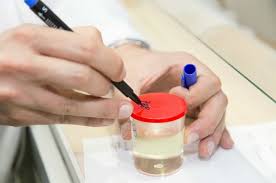
Collecting a urine sample for culture requires care to avoid contamination with bacteria that normally live on the skin and in the genital area. The standard collection method is the midstream clean-catch technique: the patient cleans the genital area with a sterile wipe or soap and water, begins urinating into the toilet, and collects the middle portion of the urine stream into a sterile container. The initial flow of urine flushes bacteria from the urethra, and the midstream sample reflects the bladder’s contents more accurately. Patients who cannot provide a clean-catch sample — including young children, individuals with mobility limitations, and hospitalized patients — may have urine collected via catheter (a thin tube passed into the bladder through the urethra) or, in rare circumstances, via suprapubic aspiration (a needle inserted directly into the bladder through the abdominal wall, used mainly in research or when other methods are not feasible).
Once collected, the urine sample must be processed promptly. Bacteria multiply rapidly at room temperature, and a sample left sitting for more than two hours can produce falsely elevated bacterial counts that mimic infection. If immediate processing is not possible, the sample should be refrigerated (4°C) and processed within 24 hours. Samples that arrive at the laboratory warm, delayed, or in non-sterile containers may yield unreliable results. This is a practically important point: patients who collect a sample at home and drive to the clinic should keep it cool and get it there quickly.
In the laboratory, a calibrated loop is used to transfer a standard volume of urine onto one or more culture plates containing different types of growth media (typically blood agar and MacConkey agar, which support the growth of gram-positive and gram-negative bacteria respectively). The plates are incubated at 37°C (body temperature) for 24 to 48 hours. Colonies of bacteria that grow are identified by morphology, biochemical testing, and increasingly by MALDI-TOF mass spectrometry — a rapid technique that identifies organisms by their protein fingerprint in minutes. Once the organism is identified, sensitivity testing (using disk diffusion or broth microdilution methods) determines the minimum inhibitory concentration (MIC) of various antibiotics — the lowest concentration that prevents visible growth — and the result is interpreted as Sensitive, Intermediate, or Resistant for each antibiotic tested.
Reading the Results: What Colony Counts and Sensitivity Reports Mean
The traditional threshold for a positive urine culture — indicating true infection rather than contamination — is growth of ≥100,000 (105) colony-forming units per milliliter (CFU/mL) of a single organism. This threshold was established in the 1950s based on studies of women with symptomatic UTIs, and it remains the standard for interpreting cultures from asymptomatic patients or those with nonspecific symptoms. However, it is important to understand that this threshold is not absolute, and lower colony counts can be clinically significant in the right context.
In symptomatic women with classic UTI symptoms, counts as low as 102 to 103 CFU/mL of a recognized uropathogen may represent true infection. Fastidious organisms (those that grow slowly or poorly on standard media) — such as Staphylococcus saprophyticus, a common cause of UTI in young sexually active women, or Haemophilus influenzae — may be present at lower concentrations. Urine collected via catheter has a lower contamination threshold than clean-catch specimens, so lower colony counts from catheter samples (≥103 CFU/mL) are clinically significant. Always interpreting culture results in the context of the patient’s symptoms is essential — a result that would be considered colonization in an asymptomatic patient may represent genuine infection in someone with burning, frequency, and urgency.
The sensitivity report lists each antibiotic tested and its result — Sensitive (S), Intermediate (I), or Resistant (R). Sensitive means the antibiotic will likely work at standard doses used to treat UTI. Resistant means the antibiotic will not effectively treat the infection and should not be used. Intermediate results indicate that the antibiotic may work if used at higher doses or in the urinary tract specifically (where many antibiotics concentrate to levels higher than in serum), and clinical judgment is required. A crucial practical point: the sensitivity report guides antibiotic selection, and using a resistant antibiotic — even if it is inexpensive and convenient — is equivalent to not treating the infection at all.
When Is a Urine Culture Actually Necessary?
Not every UTI requires a urine culture, and understanding when culture is indicated — and when it is not — helps patients understand why their doctor may or may not order one, and helps avoid over-testing.
Culture is generally NOT required for uncomplicated lower UTIs in otherwise healthy, non-pregnant, premenopausal women with classic symptoms (dysuria, frequency, urgency). In this well-defined clinical context, the responsible organism is highly predictable (E. coli in 70 to 85% of cases), local resistance patterns are usually known, and empiric treatment with nitrofurantoin, trimethoprim-sulfamethoxazole, or fosfomycin is appropriate and effective. Clinical guidelines from major infectious disease and urology organizations — including the Infectious Diseases Society of America (IDSA) — support this empiric approach for uncomplicated cystitis. Adding a culture in this context increases cost and delays treatment without meaningfully improving outcomes for most patients.
Culture IS required for kidney infections (pyelonephritis), where inadequate antibiotic coverage carries the risk of bacteremia and sepsis. Culture is also essential for: complicated UTIs in men, pregnant women, immunocompromised patients, or those with structural urinary tract abnormalities; UTIs in patients with recent antibiotic exposure (which increases the risk of resistant organisms); UTIs that fail to respond to the first antibiotic course; recurrent UTIs (to identify whether recurrences are caused by the same organism — suggesting treatment failure or bacterial persistence — or different organisms — suggesting new infections); and asymptomatic bacteriuria in pregnancy (where treatment is indicated because of the high risk of progression to pyelonephritis). For any patient who has been hospitalized or had a urological procedure in the past 90 days, culture is strongly recommended before initiating antibiotic treatment.
The Urinalysis: A First-Line Screening Tool
Before culture results are available (which takes 24 to 48 hours), the urinalysis provides rapid information that supports or argues against a UTI diagnosis. A urine dipstick test takes minutes and detects several parameters relevant to UTI: nitrites (produced by gram-negative bacteria that convert urinary nitrates to nitrites — a positive nitrite test is highly specific for bacterial infection, though it is negative in infections caused by gram-positive organisms and some gram-negatives that lack the relevant enzyme), leukocyte esterase (an enzyme released by white blood cells, indicating pyuria — the presence of WBCs in the urine), and blood (hematuria, which is common in UTI due to bladder inflammation).
A microscopic urinalysis examines a centrifuged urine specimen under the microscope and provides more detailed information: white blood cell count (≥5 WBC per high-power field is the conventional threshold for pyuria), red blood cell count, presence of bacteria (bacteriuria), and cellular casts (cylindrical structures formed in the kidney tubules that, when present, indicate upper tract involvement). Pyuria without bacteriuria — white cells in the urine without identifiable bacteria — can occur in urethritis (from sexually transmitted pathogens such as Chlamydia or gonorrhea), kidney stone passage, interstitial nephritis, and tuberculosis of the urinary tract. This pattern, sometimes called “sterile pyuria,” should prompt additional workup beyond a standard urine culture.
A positive nitrite test combined with positive leukocyte esterase on dipstick provides a high degree of certainty that a UTI is present — sensitivity and specificity together approach 90% in the right clinical context. A negative dipstick in a woman with classic UTI symptoms does not rule out infection, however — some organisms do not produce nitrites, and pyuria may be absent early in the course of infection. Clinical judgment, not the dipstick alone, guides management.
Antibiotic Resistance and the Growing Importance of Culture
One of the strongest arguments for routine urine culture — particularly for recurrent UTIs — is the global rise in antibiotic resistance among uropathogens. Trimethoprim-sulfamethoxazole (TMP-SMX), once the first-line antibiotic for uncomplicated UTI, now faces resistance rates exceeding 20% in E. coli isolates in many US communities — the threshold above which major guidelines recommend against using it empirically without culture guidance. Fluoroquinolone resistance in E. coli, once rare, has risen substantially and now exceeds 15 to 20% in some geographic areas. Extended-spectrum beta-lactamase (ESBL)-producing E. coli and Klebsiella — resistant to most penicillins, cephalosporins, and often to fluoroquinolones — are increasingly encountered even in community-acquired infections, particularly in patients with recent antibiotic exposure.
For patients with recurrent UTIs, maintaining a culture record of the organisms and their sensitivities over time allows clinicians to identify resistance patterns specific to that individual patient. Some patients have a history of infections consistently caused by sensitive organisms, while others repeatedly culture ESBL producers or fluoroquinolone-resistant strains — information that directly shapes antibiotic choice at the time of the next infection, before culture results are available. This personalized culture history is one of the most practically valuable pieces of information a patient with recurrent UTIs can bring to a clinical encounter, and it reinforces the value of getting a culture with each recurrence rather than always treating empirically.
For additional context on how diagnosis connects to treatment decisions, the antibiotics for UTI guide on Horizon Health Guide covers antibiotic selection in detail. The recurrent UTIs article on this site addresses the role of culture in managing repeated infections. The IDSA clinical guidelines for UTI management provide the current evidence-based framework, and the StatPearls review on UTI diagnosis offers a comprehensive clinical reference.
Asymptomatic Bacteriuria: When a Positive Culture Does Not Mean Treatment
One of the most important — and most frequently misunderstood — concepts in UTI management is asymptomatic bacteriuria (ASB): the presence of significant bacterial counts in the urine of a patient who has no symptoms of a UTI. ASB is extraordinarily common, particularly in elderly women (where prevalence may reach 20 to 40%), patients with urinary catheters (where bacterial colonization is nearly universal within 30 days of catheterization), and patients with structural urinary tract abnormalities. The critical point is that ASB generally does not require treatment — because antibiotic treatment of ASB does not prevent symptomatic UTI, does not protect against future infections, and does cause adverse effects including antibiotic side effects, disruption of normal protective flora, and promotion of resistant organisms.
The two major exceptions to this no-treatment rule are pregnancy and patients undergoing urological procedures that will traumatize the urinary tract (such as transurethral resection of the prostate or cystoscopy with biopsy). In these specific contexts, treatment of ASB reduces the risk of serious complications — progression to pyelonephritis in pregnancy, and post-procedure bacteremia in urological surgery. In all other situations, including elderly nursing home residents, diabetic patients, and patients with indwelling catheters, the evidence consistently shows that treating ASB causes more harm than benefit. Over-treatment of ASB is one of the most significant drivers of antibiotic resistance in the urinary tract, and clinicians who receive a positive urine culture from an asymptomatic patient should, in most cases, communicate that the finding does not represent an infection requiring treatment.
What to Do if Your Urine Culture Result Is Unexpected
Patients sometimes receive culture results that are confusing or unexpected — a negative culture despite classic symptoms, a result showing multiple different organisms, or a very low colony count. Each of these situations has a clinical explanation worth understanding.
A negative culture with classic UTI symptoms may reflect: antibiotic treatment started before the sample was collected (antibiotics suppress bacterial growth even at low doses within hours of the first dose); a fastidious organism that does not grow on standard culture media; urethritis caused by sexually transmitted pathogens such as Chlamydia trachomatis or Neisseria gonorrhoeae (which require specific testing, not standard urine culture); or a condition that mimics UTI but is not bacterial in origin, such as interstitial cystitis or overactive bladder. A negative culture in a symptomatic patient should prompt these differential diagnoses rather than immediate re-treatment with a different antibiotic.
A result showing multiple organisms (polymicrobial growth) usually indicates specimen contamination during collection, particularly when the organisms are skin commensals (such as lactobacilli, diphtheroids, or coagulase-negative staphylococci). A genuinely polymicrobial UTI is uncommon except in patients with urological anomalies such as fistulae (abnormal connections between the urinary tract and the bowel or vagina). When a contaminated specimen is suspected, a repeat culture with more careful collection technique is appropriate. A very low colony count (below the traditional 105 CFU/mL threshold) in a symptomatic patient may still be clinically significant — particularly in men (where any growth of a recognized uropathogen is significant), in patients who have recently taken antibiotics, and in women with classic symptoms but frequent voiding that dilutes the urine.
Sources: IDSA UTI Guidelines · StatPearls — UTI Diagnosis · CDC — Urinary Tract Infections
Special Populations: Different Diagnostic Approaches for Different Patients
UTI diagnosis is not one-size-fits-all, and the clinical approach — including the role of urine culture — differs meaningfully across patient populations. Understanding these differences helps explain why management recommendations vary by patient type.
In men, any culture-confirmed UTI is considered complicated and warrants a urine culture. Men have a much longer urethra than women, and the prostate provides an additional antimicrobial defense — making UTI in men uncommon enough that any episode should be taken seriously and evaluated more thoroughly than in women. A urine culture is essential to guide antibiotic selection, because the organism and its sensitivity pattern directly determine whether oral or IV antibiotics are needed and for how long. Men with a first UTI should also be evaluated for structural or functional abnormalities such as benign prostatic hyperplasia, bladder dysfunction, or structural urinary tract abnormalities that increase risk. Any UTI in a man that is accompanied by fever, perineal pain, or difficulty urinating should raise concern for prostatitis, which requires longer antibiotic courses with good prostate tissue penetration (typically 4 to 6 weeks of fluoroquinolone or trimethoprim-sulfamethoxazole).
In children, UTI diagnosis is particularly challenging because young children cannot verbalize urinary symptoms — fever, irritability, poor feeding, and vomiting may be the only signs. Urine collection in non-toilet-trained children requires catheter or suprapubic aspiration specimens for culture, since perineal bag specimens have unacceptably high contamination rates and are not reliable for culture. Any febrile UTI in a child — particularly under age 2 — is treated as potential pyelonephritis and investigated with imaging after treatment to look for vesicoureteral reflux or other structural abnormalities, because of the risk of renal scarring from recurrent infections in early childhood. The NICE guidelines and American Academy of Pediatrics both provide specific diagnostic and management frameworks for UTI in children.
In immunocompromised patients — including those on chemotherapy, with HIV, receiving long-term corticosteroids, or post-organ transplant — the threshold for urine culture is lower, because these patients may have attenuated symptoms despite significant infection, and the risk of rapid progression to sepsis is higher. The spectrum of causative organisms is also broader in immunocompromised hosts, with fungal UTIs (particularly Candida species) becoming a consideration in patients with prolonged antibiotic exposure, diabetes, or urinary catheters. Candida in the urine is often a marker of colonization rather than true infection, and distinguishing colonization from genuine candiduria requiring antifungal treatment requires careful clinical judgment and, in most cases, urology consultation.
How to Prepare for a Urine Culture Appointment and What to Expect
Patients who have been asked to provide a urine sample for culture should know a few practical points that improve sample quality and result accuracy. First, try to collect the sample when your urine has been in the bladder for at least two hours — a very dilute first-morning void immediately after rising may give a more reliable colony count, but any adequately concentrated sample is acceptable. If you are already taking antibiotics for the suspected UTI, tell your provider — even a single dose can suppress bacterial growth in the culture and produce a false-negative result. Ideally, the sample should be collected before the first antibiotic dose is taken.
Follow the clean-catch instructions carefully: for women, separate the labia with one hand and clean front to back with the sterile wipe provided, then begin urinating into the toilet and redirect the midstream flow into the sterile cup; for men, retract the foreskin (if uncircumcised) and clean the urethral meatus with the wipe before collecting the midstream sample. Do not touch the inside of the collection cup or cap. Seal the cup promptly and deliver it to the lab within 30 minutes, or refrigerate it if there will be a delay. A contaminated or poorly collected sample leads to unreliable results — either a falsely positive culture (multiple organisms suggesting contamination) or a falsely negative one — and may require a repeat collection, delaying treatment.
Culture results typically take 24 to 48 hours from the time the sample arrives in the laboratory. Many healthcare systems now provide results through patient portals, allowing patients to view their culture results online. If you receive results and are unsure how to interpret them — particularly what the sensitivity panel means for your current antibiotic — contact your provider for guidance. If the culture shows that the antibiotic you are currently taking is listed as “Resistant,” contact your provider immediately, as this means the antibiotic will not effectively treat your infection and a change is needed regardless of whether your symptoms have partially improved.
A final note on overdiagnosis: just as under-diagnosing UTI delays necessary treatment, over-diagnosing it drives unnecessary antibiotic use — one of the most significant contributors to antibiotic resistance at the population level. Treating positive urine cultures in asymptomatic patients, reflexively prescribing antibiotics for vaginal symptoms or non-specific pelvic discomfort that are more likely caused by vaginitis or pelvic floor dysfunction, or renewing antibiotic prescriptions without new cultures in patients with chronic urinary symptoms all constitute over-treatment that harms individual patients and community antibiotic stewardship. Informed patients who understand what a positive culture means — and what it does not mean — are better equipped to participate in shared decision-making about whether treatment is actually indicated, and to advocate for the kind of targeted, evidence-based care that leads to better long-term outcomes.
I had no idea that I was supposed to keep the sample cold if I couldn’t get to the lab right away. My last urine culture came back showing ‘mixed flora — contaminated specimen’ and my doctor asked me to repeat it, but no one explained what went wrong. After reading this I realize I had left the sample in my car for about two hours in warm weather before driving to the clinic. That probably caused all the bacteria to multiply and made it look contaminated. Next time I’ll refrigerate it immediately.
The section on asymptomatic bacteriuria is so important and so commonly mishandled. I’ve seen countless nursing home patients put on antibiotics for positive dipsticks or cultures when they have absolutely no UTI symptoms — and every course of unnecessary antibiotics increases their risk of C. diff, resistant organisms, and drug side effects. The evidence against treating ASB outside of pregnancy and pre-urological procedures has been consistent for decades. This article explains it in terms that patients and families can actually understand and act on.
Thank you for raising this, Dr. Mitchell — antibiotic stewardship in long-term care settings is one of the most critical and underaddressed issues in infectious disease management. The ASB over-treatment problem is driven partly by the understandable discomfort of ‘doing nothing’ when a lab value looks abnormal, and partly by institutional pressures and family expectations. We hope that patient-facing resources like this one help shift those expectations — when patients and families understand why treating a positive culture in an asymptomatic person causes net harm, they become allies in stewardship rather than drivers of over-treatment. We appreciate your perspective and your work on this.