The two most widely used pangenotypic (effective for all HCV genotypes) regimens currently are:
Sofosbuvir/velpatasvir (Epclusa): 12 weeks for most patients without cirrhosis; 12 weeks with ribavirin or 24 weeks without ribavirin for genotype 3 with cirrhosis. One tablet once daily.
Glecaprevir/pibrentasvir (Mavyret/Maviret): 8 weeks for most treatment-naive patients without cirrhosis (including all genotypes); 12 weeks for patients with compensated cirrhosis; 16 weeks for prior treatment failures with certain regimens. Three tablets once daily.
Both regimens are highly effective in treatment-naive patients. Choice between regimens considers factors such as renal function (sofosbuvir requires dose caution in severe renal impairment; glecaprevir/pibrentasvir has no renal dose adjustment), drug interactions (protease inhibitor-containing regimens like glecaprevir have more interactions), and local drug availability and cost.
Treatment eligibility has expanded dramatically in recent years. Current guidelines from AASLD and the European Association for the Study of the Liver (EASL) recommend HCV treatment for all patients with chronic HCV infection who do not have a contraindication, regardless of fibrosis stage — including patients with mild fibrosis (F0–F1) who were historically not prioritised for treatment under resource-constrained programmes. The rationale is that cure prevents long-term progression, eliminates transmission risk, resolves extrahepatic manifestations, and improves quality of life.
Treatment Is a Cure — Do Not Delay
Modern DAA therapy cures hepatitis C in over 95% of patients. If you have been diagnosed with HCV infection and have not been treated, speak to your GP or hepatologist about starting treatment. There is no clinical benefit to delaying treatment while waiting for fibrosis to progress — earlier treatment prevents liver damage and eliminates transmission risk.
Monitoring During and After Treatment
During DAA treatment, clinical monitoring is relatively minimal compared to the intensive monitoring required for interferon-based regimens. Most patients require baseline blood tests, a mid-treatment assessment in selected high-risk patients, and an end-of-treatment viral load check. HCV RNA testing at twelve weeks post-treatment (SVR12) is the primary endpoint that confirms cure.
After confirmed SVR12, the monitoring requirements depend on the fibrosis stage at treatment:
Patients with F0–F2 fibrosis: Following SVR12, most patients can be discharged from specialist hepatology follow-up. Ongoing monitoring by their GP includes annual liver function tests if any risk factors for recurrence remain, and testing for reinfection in patients who continue to have ongoing HCV exposure risk.
Patients with F3–F4 fibrosis (advanced fibrosis or cirrhosis): Ongoing surveillance is required even after SVR because the risk of HCC does not return to zero once cirrhosis has developed. Six-monthly ultrasound surveillance for HCC is recommended for all patients with cirrhosis, with or without AFP measurement. Portal hypertension surveillance (including variceal screening endoscopy) is also continued in patients with established cirrhosis.
It is important to understand that reinfection is possible after SVR — HCV does not produce lasting immunity, unlike hepatitis A or B. Patients who achieve SVR but continue to have HCV exposure risk (e.g., people who inject drugs) should be retested for HCV RNA periodically and offered harm reduction support. Reinfection is treatable with a further DAA course.
Special Populations and Considerations
HIV co-infection: Approximately 2.3 million people globally have HIV-HCV co-infection. HIV accelerates HCV fibrosis progression, increasing HCC risk and the severity of liver-related complications. DAA therapy is equally effective in HIV co-infected patients, but drug interactions with antiretroviral therapy require careful consideration — particularly for regimens containing protease inhibitors (glecaprevir in Mavyret interacts with some antiretrovirals) and the efavirenz-based regimens that reduce sofosbuvir/velpatasvir levels. An HIV specialist or hepatologist with HCV experience should review antiretroviral regimens before DAA initiation.
Renal impairment: Sofosbuvir-based regimens require caution in patients with an estimated glomerular filtration rate (eGFR) below 30 mL/min/1.73m², including those on haemodialysis. Glecaprevir/pibrentasvir (Mavyret) is safe in all stages of renal impairment, including dialysis patients, and is generally the preferred regimen in this population.
Decompensated cirrhosis: Patients with decompensated cirrhosis (Child-Pugh B or C, with ascites, variceal bleeding, hepatic encephalopathy, or jaundice) represent a special management challenge. Protease inhibitor-containing regimens (including glecaprevir-based regimens) are contraindicated in decompensated cirrhosis because hepatic metabolism is required and drug accumulation occurs. Sofosbuvir/velpatasvir is the preferred regimen in this population. Patients with decompensated cirrhosis who achieve SVR may experience significant hepatic improvement — in some cases sufficient to be removed from liver transplant waitlists — though a proportion will have irreversible cirrhotic damage and continue to require transplantation.
People who inject drugs: HCV treatment is safe and effective in people who inject drugs (PWID), even in those who are currently using. The concern that PWID will not adhere to treatment or will reinfect immediately has not been borne out by evidence — multiple studies have shown cure rates comparable to the general population in PWID who receive treatment with appropriate support. Integrating HCV treatment with harm reduction programmes (needle and syringe programmes, opioid agonist therapy) improves outcomes and reduces reinfection rates. The WHO and most international guidelines specifically recommend offering treatment to all PWID, not restricting it based on current drug use status.
Frequently Asked Questions
Is hepatitis C really curable?
Yes. Direct-acting antiviral therapy achieves sustained virological response (SVR12) — absence of detectable HCV RNA twelve weeks after treatment ends — in over 95% of patients. SVR is considered equivalent to cure: relapse after SVR12 is extremely rare, and long-term follow-up studies show the virus does not return after SVR in the vast majority of patients. HCV cure, unlike HBV, is achievable because HCV does not establish a persistent intracellular reservoir analogous to HBV’s cccDNA.
Can I get hepatitis C from a toilet seat, sharing food, or kissing?
No. HCV requires direct blood-to-blood contact for transmission. It is not transmitted through saliva, tears, urine, faeces, or casual contact. The virus cannot survive in the digestive tract and is not spread through food, water, or air. Hugging, kissing, sharing dishes, or living in the same household as someone with HCV poses no transmission risk, provided there is no blood-to-blood contact.
How long does hepatitis C treatment take?
Most patients are treated for 8 to 12 weeks with a once-daily oral tablet. Treatment-naive patients without cirrhosis using glecaprevir/pibrentasvir (Mavyret) can complete treatment in 8 weeks. Patients with compensated cirrhosis typically require 12 weeks. Patients with decompensated cirrhosis may require 12–24 weeks. The side effects of modern DAA regimens are mild — most patients report no significant symptoms during treatment, unlike the severe side effects of the older interferon-based regimens.
If I’ve had hepatitis C and been treated, can I get it again?
Yes. SVR means the virus has been eliminated from the body, but HCV does not produce lasting protective immunity. You can be reinfected with HCV after successful treatment if you have ongoing exposure risk. The anti-HCV antibody in your blood after SVR is not protective. Reinfection can be detected with an HCV RNA test and is fully treatable with another course of DAA therapy. If you continue to have HCV exposure risk, periodic retesting for HCV RNA is recommended.
Does hepatitis C affect organs other than the liver?
Yes. HCV can cause significant extrahepatic disease through its tropism for B lymphocytes and its role in triggering immune complex deposition. Recognised extrahepatic manifestations include mixed cryoglobulinemia (which can cause vasculitis, purpura, joint pain, and kidney disease), B-cell non-Hodgkin lymphoma, lichen planus, porphyria cutanea tarda, thyroid disease, type 2 diabetes, and sicca syndrome. Many of these extrahepatic conditions improve or resolve after HCV is cured with DAA therapy.
Is there a vaccine for hepatitis C?
No. Unlike hepatitis A and hepatitis B, there is currently no approved vaccine for hepatitis C. HCV’s high genetic diversity and rapid mutation rate have made vaccine development challenging. The most effective prevention strategies for HCV remain harm reduction (for injection drug use), infection control in healthcare settings, and expanded testing and treatment to reduce the pool of infectious individuals. Antiviral treatment itself functions as prevention — curing HCV eliminates a person’s capacity to transmit the virus.
What happens to the liver after hepatitis C is cured?
After achieving SVR, liver inflammation (measured by ALT and AST) typically normalises within weeks to months. Fibrosis can regress — studies show significant fibrosis regression in patients with F2–F3 fibrosis after SVR, and even patients with established cirrhosis can experience meaningful hepatic improvement over years. However, patients with established cirrhosis retain ongoing risk of hepatocellular carcinoma and liver decompensation even after cure, because structural and molecular changes associated with cirrhosis persist. Ongoing HCC surveillance is therefore required for patients with cirrhosis, even after SVR.
Hepatitis C and the Global Elimination Goal
The WHO has set a target to eliminate HCV as a public health threat by 2030, defined as an 80% reduction in new HCV infections and a 65% reduction in HCV mortality compared to 2015 levels. The DAA cure rate makes this goal biologically achievable in a way that was impossible in the interferon era. The challenge is not therapeutic efficacy — it is diagnosis, linkage to care, and treatment access.
Globally, only around 21% of people with chronic HCV infection had been diagnosed as of the most recent WHO estimates. Even among those diagnosed, a significant proportion do not access treatment due to cost, stigma, healthcare system barriers, or lack of awareness. Elimination will require massive expansion of testing (including point-of-care testing in primary care, pharmacies, and community settings), integration of HCV services with harm reduction and primary care, continued price reductions in DAA medications, and sustained public health awareness efforts.
For individuals, the message is simpler: hepatitis C is tested for with a blood test, treated with an 8–12 week course of tablets, and cured in over 95% of people. If you have any risk factors for HCV or have simply never been tested, a conversation with your GP about HCV screening is one of the most impactful liver health steps available. The comparison with other hepatitis infections makes the opportunity especially clear — HCV is the one for which cure is already here, waiting to be used.
Medical Disclaimer: This article is for educational purposes only and does not constitute medical advice. HCV testing, treatment choice, and monitoring should be directed by a qualified clinician — your GP, gastroenterologist, or hepatologist — who can assess your individual situation, review your full medical history and current medications, and recommend the most appropriate management plan.
Groups for whom HCV testing is specifically recommended include:
People who have ever injected drugs, even once
Anyone who received a blood transfusion or blood products before 1992 (when systematic screening began in most high-income countries)
Organ transplant recipients before 1992
People born to HCV-positive mothers
People living with HIV
Men who have sex with men, particularly those living with HIV
People who have received haemodialysis
Healthcare workers who have had needlestick injuries involving HCV-positive blood
People born in countries with HCV prevalence above 2% (including Egypt, Pakistan, China, and many countries in sub-Saharan Africa, Central Asia, and Eastern Europe)
People who have used intranasal cocaine or other drugs via shared equipment
People with unexplained chronic liver disease, abnormal liver function tests, or cirrhosis
The HCV Testing Pathway
HCV diagnosis follows a two-step pathway that is important to understand, because a single positive test result does not automatically mean active infection:
Step 1 — Anti-HCV antibody test: The initial screening test detects antibodies that the immune system has produced against HCV. A positive anti-HCV test means the person has been exposed to HCV at some point — but it does not distinguish between active current infection and past infection that has been cleared (either spontaneously or after treatment). Anti-HCV antibodies persist for life even after successful treatment. A negative anti-HCV test in someone with recent potential exposure (within the past three to six months) should be repeated, as antibody seroconversion may not yet have occurred — this is called the window period.
Step 2 — HCV RNA test (nucleic acid amplification test, NAAT): If the anti-HCV antibody test is positive, an HCV RNA test is performed to determine whether the virus is actively present in the blood. A positive HCV RNA test confirms active infection. A negative HCV RNA test in someone with a positive anti-HCV antibody means the infection has been cleared — either spontaneously or following treatment. This distinction matters enormously: a person who has been treated, achieved SVR (cure), and then retested will have a positive anti-HCV antibody for life but a negative HCV RNA — they do not need re-treatment.
Additional testing after confirmed active HCV infection: Genotype testing (to guide treatment selection in non-pangenotypic contexts); baseline liver function tests (ALT, AST, bilirubin, albumin, INR) to assess hepatic inflammation and synthetic function; HCV RNA quantification (viral load); fibrosis assessment — either non-invasive (FibroScan or serum fibrosis markers like FIB-4 score) or liver biopsy in selected cases — to stage liver disease and assess urgency of treatment; HAV and HBV serology (to vaccinate if not immune); and HIV testing.
Anti-HCV positive + HCV RNA negative = past infection, cleared (or very recent infection in window period)
Anti-HCV negative = no evidence of past or current HCV infection (retest if recent exposure)
Staging Liver Disease in HCV: Why It Matters
The degree of liver fibrosis at the time of HCV diagnosis has important implications for treatment urgency, choice of regimen, post-treatment surveillance, and the risk of liver complications even after successful cure. Fibrosis is typically staged on the METAVIR scale: F0 (no fibrosis), F1 (portal fibrosis without septa), F2 (portal fibrosis with few septa), F3 (numerous septa without cirrhosis), F4 (cirrhosis).
Liver biopsy was historically the gold standard for fibrosis staging but is now largely replaced by non-invasive methods in clinical practice. FibroScan (transient elastography) measures liver stiffness in kilopascals (kPa) as a surrogate for fibrosis, with validated cut-offs for each METAVIR stage. Serum fibrosis panels — FIB-4 score (calculated from age, AST, ALT, and platelet count) and APRI (AST-to-platelet ratio index) — are validated non-invasive alternatives that can be calculated from routine blood tests without specialist equipment. These tools allow fibrosis staging without the risks and cost of liver biopsy in most patients.
Patients with F3–F4 fibrosis (advanced fibrosis or cirrhosis) at treatment have specific requirements: longer treatment duration in some regimens (12–16 weeks versus 8 weeks), more intensive monitoring during and after treatment, and ongoing HCC surveillance after SVR because cirrhotic and advanced fibrotic livers retain HCC risk even after viral cure.
Treatment: Direct-Acting Antivirals and the Cure
The introduction of direct-acting antivirals (DAAs) since 2014 represents one of the most dramatic therapeutic advances in the history of hepatology. Where interferon-based regimens once required forty-eight weeks of injections, caused severe side effects (depression, flu-like symptoms, anaemia, neutropenia), and achieved SVR in only 40–80% of patients depending on genotype, modern DAA regimens are oral, taken for 8–12 weeks, cause minimal side effects, and achieve SVR in over 95% of patients across all genotypes. SVR — sustained virological response — is defined as undetectable HCV RNA twelve weeks after completion of treatment, and is widely considered equivalent to cure: relapse after SVR12 is extremely rare.
DAAs target specific steps in the HCV replication cycle. The three main classes are: NS5B polymerase inhibitors (e.g., sofosbuvir — the backbone of most modern regimens); NS5A inhibitors (e.g., velpatasvir, pibrentasvir, ledipasvir — interfere with viral assembly and replication); and NS3/4A protease inhibitors (e.g., glecaprevir, grazoprevir — block HCV polyprotein processing). Modern regimens combine DAAs from two or three classes to prevent resistance.
The two most widely used pangenotypic (effective for all HCV genotypes) regimens currently are:
Sofosbuvir/velpatasvir (Epclusa): 12 weeks for most patients without cirrhosis; 12 weeks with ribavirin or 24 weeks without ribavirin for genotype 3 with cirrhosis. One tablet once daily.
Glecaprevir/pibrentasvir (Mavyret/Maviret): 8 weeks for most treatment-naive patients without cirrhosis (including all genotypes); 12 weeks for patients with compensated cirrhosis; 16 weeks for prior treatment failures with certain regimens. Three tablets once daily.
Both regimens are highly effective in treatment-naive patients. Choice between regimens considers factors such as renal function (sofosbuvir requires dose caution in severe renal impairment; glecaprevir/pibrentasvir has no renal dose adjustment), drug interactions (protease inhibitor-containing regimens like glecaprevir have more interactions), and local drug availability and cost.
Treatment eligibility has expanded dramatically in recent years. Current guidelines from AASLD and the European Association for the Study of the Liver (EASL) recommend HCV treatment for all patients with chronic HCV infection who do not have a contraindication, regardless of fibrosis stage — including patients with mild fibrosis (F0–F1) who were historically not prioritised for treatment under resource-constrained programmes. The rationale is that cure prevents long-term progression, eliminates transmission risk, resolves extrahepatic manifestations, and improves quality of life.
Treatment Is a Cure — Do Not Delay
Modern DAA therapy cures hepatitis C in over 95% of patients. If you have been diagnosed with HCV infection and have not been treated, speak to your GP or hepatologist about starting treatment. There is no clinical benefit to delaying treatment while waiting for fibrosis to progress — earlier treatment prevents liver damage and eliminates transmission risk.
Monitoring During and After Treatment
During DAA treatment, clinical monitoring is relatively minimal compared to the intensive monitoring required for interferon-based regimens. Most patients require baseline blood tests, a mid-treatment assessment in selected high-risk patients, and an end-of-treatment viral load check. HCV RNA testing at twelve weeks post-treatment (SVR12) is the primary endpoint that confirms cure.
After confirmed SVR12, the monitoring requirements depend on the fibrosis stage at treatment:
Patients with F0–F2 fibrosis: Following SVR12, most patients can be discharged from specialist hepatology follow-up. Ongoing monitoring by their GP includes annual liver function tests if any risk factors for recurrence remain, and testing for reinfection in patients who continue to have ongoing HCV exposure risk.
Patients with F3–F4 fibrosis (advanced fibrosis or cirrhosis): Ongoing surveillance is required even after SVR because the risk of HCC does not return to zero once cirrhosis has developed. Six-monthly ultrasound surveillance for HCC is recommended for all patients with cirrhosis, with or without AFP measurement. Portal hypertension surveillance (including variceal screening endoscopy) is also continued in patients with established cirrhosis.
It is important to understand that reinfection is possible after SVR — HCV does not produce lasting immunity, unlike hepatitis A or B. Patients who achieve SVR but continue to have HCV exposure risk (e.g., people who inject drugs) should be retested for HCV RNA periodically and offered harm reduction support. Reinfection is treatable with a further DAA course.
Special Populations and Considerations
HIV co-infection: Approximately 2.3 million people globally have HIV-HCV co-infection. HIV accelerates HCV fibrosis progression, increasing HCC risk and the severity of liver-related complications. DAA therapy is equally effective in HIV co-infected patients, but drug interactions with antiretroviral therapy require careful consideration — particularly for regimens containing protease inhibitors (glecaprevir in Mavyret interacts with some antiretrovirals) and the efavirenz-based regimens that reduce sofosbuvir/velpatasvir levels. An HIV specialist or hepatologist with HCV experience should review antiretroviral regimens before DAA initiation.
Renal impairment: Sofosbuvir-based regimens require caution in patients with an estimated glomerular filtration rate (eGFR) below 30 mL/min/1.73m², including those on haemodialysis. Glecaprevir/pibrentasvir (Mavyret) is safe in all stages of renal impairment, including dialysis patients, and is generally the preferred regimen in this population.
Decompensated cirrhosis: Patients with decompensated cirrhosis (Child-Pugh B or C, with ascites, variceal bleeding, hepatic encephalopathy, or jaundice) represent a special management challenge. Protease inhibitor-containing regimens (including glecaprevir-based regimens) are contraindicated in decompensated cirrhosis because hepatic metabolism is required and drug accumulation occurs. Sofosbuvir/velpatasvir is the preferred regimen in this population. Patients with decompensated cirrhosis who achieve SVR may experience significant hepatic improvement — in some cases sufficient to be removed from liver transplant waitlists — though a proportion will have irreversible cirrhotic damage and continue to require transplantation.
People who inject drugs: HCV treatment is safe and effective in people who inject drugs (PWID), even in those who are currently using. The concern that PWID will not adhere to treatment or will reinfect immediately has not been borne out by evidence — multiple studies have shown cure rates comparable to the general population in PWID who receive treatment with appropriate support. Integrating HCV treatment with harm reduction programmes (needle and syringe programmes, opioid agonist therapy) improves outcomes and reduces reinfection rates. The WHO and most international guidelines specifically recommend offering treatment to all PWID, not restricting it based on current drug use status.
Frequently Asked Questions
Is hepatitis C really curable?
Yes. Direct-acting antiviral therapy achieves sustained virological response (SVR12) — absence of detectable HCV RNA twelve weeks after treatment ends — in over 95% of patients. SVR is considered equivalent to cure: relapse after SVR12 is extremely rare, and long-term follow-up studies show the virus does not return after SVR in the vast majority of patients. HCV cure, unlike HBV, is achievable because HCV does not establish a persistent intracellular reservoir analogous to HBV’s cccDNA.
Can I get hepatitis C from a toilet seat, sharing food, or kissing?
No. HCV requires direct blood-to-blood contact for transmission. It is not transmitted through saliva, tears, urine, faeces, or casual contact. The virus cannot survive in the digestive tract and is not spread through food, water, or air. Hugging, kissing, sharing dishes, or living in the same household as someone with HCV poses no transmission risk, provided there is no blood-to-blood contact.
How long does hepatitis C treatment take?
Most patients are treated for 8 to 12 weeks with a once-daily oral tablet. Treatment-naive patients without cirrhosis using glecaprevir/pibrentasvir (Mavyret) can complete treatment in 8 weeks. Patients with compensated cirrhosis typically require 12 weeks. Patients with decompensated cirrhosis may require 12–24 weeks. The side effects of modern DAA regimens are mild — most patients report no significant symptoms during treatment, unlike the severe side effects of the older interferon-based regimens.
If I’ve had hepatitis C and been treated, can I get it again?
Yes. SVR means the virus has been eliminated from the body, but HCV does not produce lasting protective immunity. You can be reinfected with HCV after successful treatment if you have ongoing exposure risk. The anti-HCV antibody in your blood after SVR is not protective. Reinfection can be detected with an HCV RNA test and is fully treatable with another course of DAA therapy. If you continue to have HCV exposure risk, periodic retesting for HCV RNA is recommended.
Does hepatitis C affect organs other than the liver?
Yes. HCV can cause significant extrahepatic disease through its tropism for B lymphocytes and its role in triggering immune complex deposition. Recognised extrahepatic manifestations include mixed cryoglobulinemia (which can cause vasculitis, purpura, joint pain, and kidney disease), B-cell non-Hodgkin lymphoma, lichen planus, porphyria cutanea tarda, thyroid disease, type 2 diabetes, and sicca syndrome. Many of these extrahepatic conditions improve or resolve after HCV is cured with DAA therapy.
Is there a vaccine for hepatitis C?
No. Unlike hepatitis A and hepatitis B, there is currently no approved vaccine for hepatitis C. HCV’s high genetic diversity and rapid mutation rate have made vaccine development challenging. The most effective prevention strategies for HCV remain harm reduction (for injection drug use), infection control in healthcare settings, and expanded testing and treatment to reduce the pool of infectious individuals. Antiviral treatment itself functions as prevention — curing HCV eliminates a person’s capacity to transmit the virus.
What happens to the liver after hepatitis C is cured?
After achieving SVR, liver inflammation (measured by ALT and AST) typically normalises within weeks to months. Fibrosis can regress — studies show significant fibrosis regression in patients with F2–F3 fibrosis after SVR, and even patients with established cirrhosis can experience meaningful hepatic improvement over years. However, patients with established cirrhosis retain ongoing risk of hepatocellular carcinoma and liver decompensation even after cure, because structural and molecular changes associated with cirrhosis persist. Ongoing HCC surveillance is therefore required for patients with cirrhosis, even after SVR.
Hepatitis C and the Global Elimination Goal
The WHO has set a target to eliminate HCV as a public health threat by 2030, defined as an 80% reduction in new HCV infections and a 65% reduction in HCV mortality compared to 2015 levels. The DAA cure rate makes this goal biologically achievable in a way that was impossible in the interferon era. The challenge is not therapeutic efficacy — it is diagnosis, linkage to care, and treatment access.
Globally, only around 21% of people with chronic HCV infection had been diagnosed as of the most recent WHO estimates. Even among those diagnosed, a significant proportion do not access treatment due to cost, stigma, healthcare system barriers, or lack of awareness. Elimination will require massive expansion of testing (including point-of-care testing in primary care, pharmacies, and community settings), integration of HCV services with harm reduction and primary care, continued price reductions in DAA medications, and sustained public health awareness efforts.
For individuals, the message is simpler: hepatitis C is tested for with a blood test, treated with an 8–12 week course of tablets, and cured in over 95% of people. If you have any risk factors for HCV or have simply never been tested, a conversation with your GP about HCV screening is one of the most impactful liver health steps available. The comparison with other hepatitis infections makes the opportunity especially clear — HCV is the one for which cure is already here, waiting to be used.
Medical Disclaimer: This article is for educational purposes only and does not constitute medical advice. HCV testing, treatment choice, and monitoring should be directed by a qualified clinician — your GP, gastroenterologist, or hepatologist — who can assess your individual situation, review your full medical history and current medications, and recommend the most appropriate management plan.
Hepatitis C is the only major chronic liver infection for which a curative treatment now exists — direct-acting antivirals achieve SVR (functional cure) in over 95% of patients within 8–12 weeks, yet millions remain undiagnosed and untreated.
Hepatitis C: Symptoms, Testing, and Treatment
Hepatitis C is a viral liver infection caused by the hepatitis C virus (HCV) — and unlike most chronic diseases, it now has a cure. Direct-acting antiviral (DAA) therapies introduced since 2014 have transformed HCV from a condition that once required years of difficult interferon-based treatment into one that resolves in most patients after 8 to 12 weeks of tablets. Yet despite this therapeutic revolution, an estimated 58 million people worldwide are living with chronic HCV infection, and the majority remain undiagnosed. The challenge with hepatitis C has never been the treatment — it is the silence of the infection itself, which causes no symptoms in most people for decades while slowly damaging the liver.
Understanding hepatitis C — how it is transmitted, who should be tested, and what treatment involves — is essential not just for people with known risk factors, but for anyone who has not been screened. This article explains the biology, natural history, symptoms, diagnosis, and curative treatment of HCV infection in plain language, drawing on current guidelines from the WHO, the American Association for the Study of Liver Diseases (AASLD), and the British Association for the Study of the Liver (BASL).
58Mpeople living with chronic HCV globally
>95%cure rate with modern DAA therapy
8–12 wkstypical treatment duration
75–85%of acute HCV infections become chronic
What Is the Hepatitis C Virus?
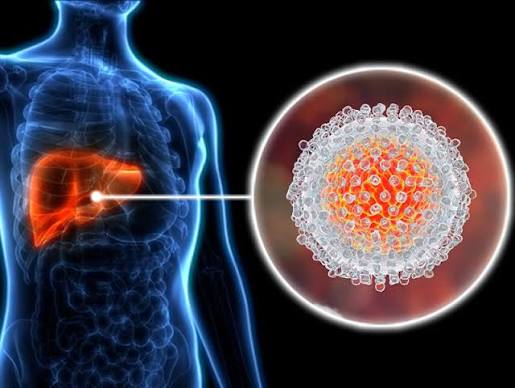
HCV is a single-stranded RNA virus belonging to the Flaviviridae family. Unlike hepatitis B, which is a DNA virus that integrates into the host genome, HCV replicates as an RNA virus and does not integrate — meaning it does not create a persistent nuclear reservoir like HBV’s covalently closed circular DNA (cccDNA). This biological difference is central to why HCV is curable with antivirals while HBV functional cure remains elusive: once HCV RNA is eliminated from the body, there is no intrahepatic viral reservoir to drive relapse.
HCV exists in at least six major genotypes (gt1 through gt6) and numerous subtypes, with significant geographic variation in their distribution. Genotype 1 is the most prevalent globally and in North America and Europe, accounting for approximately 46% of infections worldwide. Genotype 3 is common in South and Southeast Asia. Genotype 4 predominates in sub-Saharan Africa and the Middle East. Historically, genotype determined treatment choice because interferon-based regimens had markedly different response rates across genotypes. The development of pangenotypic DAA regimens — treatments effective across all genotypes — has made genotype testing less critical for treatment selection, though it remains useful in certain clinical contexts.
How Hepatitis C Is Transmitted
HCV is a bloodborne virus — it requires direct blood-to-blood contact for transmission. Unlike hepatitis A, it is not transmitted through food or water. Unlike hepatitis B, sexual and perinatal transmission are possible but substantially less efficient. Understanding the actual transmission routes is important because misinformation about HCV transmission contributes significantly to the stigma that deters many people from testing.
Injection drug use accounts for the majority of new HCV infections in high-income countries. Sharing needles, syringes, or other equipment (spoons, filters, water) used to prepare or inject drugs is the most efficient route of transmission. HCV is highly infectious via this route — the virus survives outside the body at room temperature for at least sixteen hours and potentially much longer on contaminated surfaces, making even indirect sharing of equipment a significant risk.
Healthcare-associated transmission was historically a major route and remains important in low and middle-income countries with limited infection control capacity. Blood transfusions and blood products before systematic HCV screening (introduced in the early 1990s in most high-income countries) infected millions globally. Healthcare workers can be exposed through needlestick injuries. Reuse of syringes in some healthcare settings, particularly for injections of medications drawn from multi-dose vials, has caused documented outbreaks. Tattoos and body piercing with non-sterile equipment carry transmission risk.
Sexual transmission of HCV does occur but is substantially less efficient than for HIV or HBV. The risk is low in stable monogamous heterosexual relationships — estimated at less than 1% per year of unprotected sex with an HCV-positive partner. Risk is significantly higher in contexts involving mucosal trauma, co-infection with HIV (which appears to facilitate HCV transmission), or practices involving blood exposure. Men who have sex with men (MSM) — particularly those living with HIV — have experienced epidemic rises in sexually transmitted HCV in many high-income countries.
Perinatal transmission from mother to infant occurs in approximately 5% of pregnancies in HCV-RNA-positive women (rising to around 10% in women co-infected with HIV). There is currently no approved prophylaxis to prevent perinatal HCV transmission, unlike for HBV. DAA treatment during pregnancy is under investigation but not yet approved; the current approach is to treat women before pregnancy when possible, and to test and treat children born to HCV-positive mothers after they are at least eighteen months old (anti-HCV antibody testing is unreliable in children under eighteen months due to maternal antibody transfer).
What Does NOT Transmit Hepatitis C
HCV is not transmitted through: hugging, kissing, coughing, sneezing, sharing food or drinks, breastfeeding (unless nipples are cracked or bleeding), or casual contact. The persistent fear among many families that routine household contact poses a transmission risk is not supported by evidence.
The Natural History of HCV Infection
After exposure to HCV, there is an incubation period of two to twelve weeks before viremia (detectable HCV RNA in the blood) develops. Most acute HCV infections — around 75 to 85% — progress to chronic infection, defined as HCV RNA detectable for more than six months. The remaining 15 to 25% spontaneously clear the virus, a process mediated by the host immune response; genetic factors, particularly HLA type and variants in the IL28B gene (now known as IFNL3), significantly influence the likelihood of spontaneous clearance.
Chronic HCV infection progresses slowly and silently in the majority of patients. The liver accumulates fibrosis over decades, and the rate of progression varies considerably between individuals depending on age at infection, sex (men progress faster), alcohol use, obesity and metabolic factors, HIV co-infection, and other liver diseases. Population-level studies suggest that after twenty years of chronic HCV infection: approximately 20–30% of patients will have progressed to cirrhosis; 1–4% per year of patients with cirrhosis will develop hepatocellular carcinoma (HCC); and 3–6% per year of cirrhotic patients will experience hepatic decompensation.
Symptoms: Why Most People Don’t Know They Have It
Acute hepatitis C infection is symptomatic in only about 15–20% of cases. When symptoms do occur, they are non-specific: fatigue, nausea, right upper quadrant discomfort, loss of appetite, and occasionally jaundice. The acute infection is rarely identified clinically, and most people who develop chronic HCV do so without any recognised acute illness.
Chronic hepatitis C infection is even more likely to be asymptomatic in its early and middle stages. The liver has substantial reserve capacity, and significant fibrosis — up to and including compensated cirrhosis — can exist without any symptoms that would prompt medical attention. When symptoms do occur in chronic HCV, the most commonly reported are: persistent fatigue (the most common and often the most disabling symptom); cognitive difficulties (“brain fog,” difficulty concentrating); right upper quadrant discomfort; joint and muscle aches; and, in more advanced disease, symptoms of portal hypertension (ascites, ankle swelling, variceal bleeding) or hepatic encephalopathy.
Extrahepatic manifestations of chronic HCV are an underappreciated feature of the disease and can be the first clinical presentation in some patients. HCV has a particular tropism for B lymphocytes and can cause a range of extrahepatic conditions including: mixed cryoglobulinemia (immune complex deposition causing vasculitis, purpura, arthralgia, and glomerulonephritis); B-cell non-Hodgkin lymphoma; lichen planus; porphyria cutanea tarda; thyroid disease (both thyroiditis and hypothyroidism); sicca syndrome; and diabetes mellitus (HCV appears to independently increase insulin resistance and type 2 diabetes risk). Recognition of these extrahepatic conditions is important because they may present to specialists in rheumatology, dermatology, nephrology, or haematology before the underlying HCV is identified.
HCV diagnosis follows a two-step pathway: anti-HCV antibody screening, then HCV RNA testing to confirm active infection. Treatment with direct-acting antivirals achieves SVR12 — functional cure — in over 95% of patients, typically within 8 to 12 weeks.
Who Should Be Tested for Hepatitis C?
Because most HCV infections are asymptomatic, targeted screening based on risk factors alone misses many cases. Current guidelines in several countries, including the US (USPSTF recommendation), recommend one-time HCV testing for all adults aged 18 to 79, regardless of risk factors. The UK’s NHS offers HCV testing through GP practices and sexual health clinics, with targeted programmes for high-risk groups. The WHO recommends HCV testing for all adults in high-prevalence settings.
Groups for whom HCV testing is specifically recommended include:
People who have ever injected drugs, even once
Anyone who received a blood transfusion or blood products before 1992 (when systematic screening began in most high-income countries)
Organ transplant recipients before 1992
People born to HCV-positive mothers
People living with HIV
Men who have sex with men, particularly those living with HIV
People who have received haemodialysis
Healthcare workers who have had needlestick injuries involving HCV-positive blood
People born in countries with HCV prevalence above 2% (including Egypt, Pakistan, China, and many countries in sub-Saharan Africa, Central Asia, and Eastern Europe)
People who have used intranasal cocaine or other drugs via shared equipment
People with unexplained chronic liver disease, abnormal liver function tests, or cirrhosis
The HCV Testing Pathway
HCV diagnosis follows a two-step pathway that is important to understand, because a single positive test result does not automatically mean active infection:
Step 1 — Anti-HCV antibody test: The initial screening test detects antibodies that the immune system has produced against HCV. A positive anti-HCV test means the person has been exposed to HCV at some point — but it does not distinguish between active current infection and past infection that has been cleared (either spontaneously or after treatment). Anti-HCV antibodies persist for life even after successful treatment. A negative anti-HCV test in someone with recent potential exposure (within the past three to six months) should be repeated, as antibody seroconversion may not yet have occurred — this is called the window period.
Step 2 — HCV RNA test (nucleic acid amplification test, NAAT): If the anti-HCV antibody test is positive, an HCV RNA test is performed to determine whether the virus is actively present in the blood. A positive HCV RNA test confirms active infection. A negative HCV RNA test in someone with a positive anti-HCV antibody means the infection has been cleared — either spontaneously or following treatment. This distinction matters enormously: a person who has been treated, achieved SVR (cure), and then retested will have a positive anti-HCV antibody for life but a negative HCV RNA — they do not need re-treatment.
Additional testing after confirmed active HCV infection: Genotype testing (to guide treatment selection in non-pangenotypic contexts); baseline liver function tests (ALT, AST, bilirubin, albumin, INR) to assess hepatic inflammation and synthetic function; HCV RNA quantification (viral load); fibrosis assessment — either non-invasive (FibroScan or serum fibrosis markers like FIB-4 score) or liver biopsy in selected cases — to stage liver disease and assess urgency of treatment; HAV and HBV serology (to vaccinate if not immune); and HIV testing.
Anti-HCV positive + HCV RNA negative = past infection, cleared (or very recent infection in window period)
Anti-HCV negative = no evidence of past or current HCV infection (retest if recent exposure)
Staging Liver Disease in HCV: Why It Matters
The degree of liver fibrosis at the time of HCV diagnosis has important implications for treatment urgency, choice of regimen, post-treatment surveillance, and the risk of liver complications even after successful cure. Fibrosis is typically staged on the METAVIR scale: F0 (no fibrosis), F1 (portal fibrosis without septa), F2 (portal fibrosis with few septa), F3 (numerous septa without cirrhosis), F4 (cirrhosis).
Liver biopsy was historically the gold standard for fibrosis staging but is now largely replaced by non-invasive methods in clinical practice. FibroScan (transient elastography) measures liver stiffness in kilopascals (kPa) as a surrogate for fibrosis, with validated cut-offs for each METAVIR stage. Serum fibrosis panels — FIB-4 score (calculated from age, AST, ALT, and platelet count) and APRI (AST-to-platelet ratio index) — are validated non-invasive alternatives that can be calculated from routine blood tests without specialist equipment. These tools allow fibrosis staging without the risks and cost of liver biopsy in most patients.
Patients with F3–F4 fibrosis (advanced fibrosis or cirrhosis) at treatment have specific requirements: longer treatment duration in some regimens (12–16 weeks versus 8 weeks), more intensive monitoring during and after treatment, and ongoing HCC surveillance after SVR because cirrhotic and advanced fibrotic livers retain HCC risk even after viral cure.
Treatment: Direct-Acting Antivirals and the Cure
The introduction of direct-acting antivirals (DAAs) since 2014 represents one of the most dramatic therapeutic advances in the history of hepatology. Where interferon-based regimens once required forty-eight weeks of injections, caused severe side effects (depression, flu-like symptoms, anaemia, neutropenia), and achieved SVR in only 40–80% of patients depending on genotype, modern DAA regimens are oral, taken for 8–12 weeks, cause minimal side effects, and achieve SVR in over 95% of patients across all genotypes. SVR — sustained virological response — is defined as undetectable HCV RNA twelve weeks after completion of treatment, and is widely considered equivalent to cure: relapse after SVR12 is extremely rare.
DAAs target specific steps in the HCV replication cycle. The three main classes are: NS5B polymerase inhibitors (e.g., sofosbuvir — the backbone of most modern regimens); NS5A inhibitors (e.g., velpatasvir, pibrentasvir, ledipasvir — interfere with viral assembly and replication); and NS3/4A protease inhibitors (e.g., glecaprevir, grazoprevir — block HCV polyprotein processing). Modern regimens combine DAAs from two or three classes to prevent resistance.
The two most widely used pangenotypic (effective for all HCV genotypes) regimens currently are:
Sofosbuvir/velpatasvir (Epclusa): 12 weeks for most patients without cirrhosis; 12 weeks with ribavirin or 24 weeks without ribavirin for genotype 3 with cirrhosis. One tablet once daily.
Glecaprevir/pibrentasvir (Mavyret/Maviret): 8 weeks for most treatment-naive patients without cirrhosis (including all genotypes); 12 weeks for patients with compensated cirrhosis; 16 weeks for prior treatment failures with certain regimens. Three tablets once daily.
Both regimens are highly effective in treatment-naive patients. Choice between regimens considers factors such as renal function (sofosbuvir requires dose caution in severe renal impairment; glecaprevir/pibrentasvir has no renal dose adjustment), drug interactions (protease inhibitor-containing regimens like glecaprevir have more interactions), and local drug availability and cost.
Treatment eligibility has expanded dramatically in recent years. Current guidelines from AASLD and the European Association for the Study of the Liver (EASL) recommend HCV treatment for all patients with chronic HCV infection who do not have a contraindication, regardless of fibrosis stage — including patients with mild fibrosis (F0–F1) who were historically not prioritised for treatment under resource-constrained programmes. The rationale is that cure prevents long-term progression, eliminates transmission risk, resolves extrahepatic manifestations, and improves quality of life.
Treatment Is a Cure — Do Not Delay
Modern DAA therapy cures hepatitis C in over 95% of patients. If you have been diagnosed with HCV infection and have not been treated, speak to your GP or hepatologist about starting treatment. There is no clinical benefit to delaying treatment while waiting for fibrosis to progress — earlier treatment prevents liver damage and eliminates transmission risk.
Monitoring During and After Treatment
During DAA treatment, clinical monitoring is relatively minimal compared to the intensive monitoring required for interferon-based regimens. Most patients require baseline blood tests, a mid-treatment assessment in selected high-risk patients, and an end-of-treatment viral load check. HCV RNA testing at twelve weeks post-treatment (SVR12) is the primary endpoint that confirms cure.
After confirmed SVR12, the monitoring requirements depend on the fibrosis stage at treatment:
Patients with F0–F2 fibrosis: Following SVR12, most patients can be discharged from specialist hepatology follow-up. Ongoing monitoring by their GP includes annual liver function tests if any risk factors for recurrence remain, and testing for reinfection in patients who continue to have ongoing HCV exposure risk.
Patients with F3–F4 fibrosis (advanced fibrosis or cirrhosis): Ongoing surveillance is required even after SVR because the risk of HCC does not return to zero once cirrhosis has developed. Six-monthly ultrasound surveillance for HCC is recommended for all patients with cirrhosis, with or without AFP measurement. Portal hypertension surveillance (including variceal screening endoscopy) is also continued in patients with established cirrhosis.
It is important to understand that reinfection is possible after SVR — HCV does not produce lasting immunity, unlike hepatitis A or B. Patients who achieve SVR but continue to have HCV exposure risk (e.g., people who inject drugs) should be retested for HCV RNA periodically and offered harm reduction support. Reinfection is treatable with a further DAA course.
Special Populations and Considerations
HIV co-infection: Approximately 2.3 million people globally have HIV-HCV co-infection. HIV accelerates HCV fibrosis progression, increasing HCC risk and the severity of liver-related complications. DAA therapy is equally effective in HIV co-infected patients, but drug interactions with antiretroviral therapy require careful consideration — particularly for regimens containing protease inhibitors (glecaprevir in Mavyret interacts with some antiretrovirals) and the efavirenz-based regimens that reduce sofosbuvir/velpatasvir levels. An HIV specialist or hepatologist with HCV experience should review antiretroviral regimens before DAA initiation.
Renal impairment: Sofosbuvir-based regimens require caution in patients with an estimated glomerular filtration rate (eGFR) below 30 mL/min/1.73m², including those on haemodialysis. Glecaprevir/pibrentasvir (Mavyret) is safe in all stages of renal impairment, including dialysis patients, and is generally the preferred regimen in this population.
Decompensated cirrhosis: Patients with decompensated cirrhosis (Child-Pugh B or C, with ascites, variceal bleeding, hepatic encephalopathy, or jaundice) represent a special management challenge. Protease inhibitor-containing regimens (including glecaprevir-based regimens) are contraindicated in decompensated cirrhosis because hepatic metabolism is required and drug accumulation occurs. Sofosbuvir/velpatasvir is the preferred regimen in this population. Patients with decompensated cirrhosis who achieve SVR may experience significant hepatic improvement — in some cases sufficient to be removed from liver transplant waitlists — though a proportion will have irreversible cirrhotic damage and continue to require transplantation.
People who inject drugs: HCV treatment is safe and effective in people who inject drugs (PWID), even in those who are currently using. The concern that PWID will not adhere to treatment or will reinfect immediately has not been borne out by evidence — multiple studies have shown cure rates comparable to the general population in PWID who receive treatment with appropriate support. Integrating HCV treatment with harm reduction programmes (needle and syringe programmes, opioid agonist therapy) improves outcomes and reduces reinfection rates. The WHO and most international guidelines specifically recommend offering treatment to all PWID, not restricting it based on current drug use status.
Frequently Asked Questions
Is hepatitis C really curable?
Yes. Direct-acting antiviral therapy achieves sustained virological response (SVR12) — absence of detectable HCV RNA twelve weeks after treatment ends — in over 95% of patients. SVR is considered equivalent to cure: relapse after SVR12 is extremely rare, and long-term follow-up studies show the virus does not return after SVR in the vast majority of patients. HCV cure, unlike HBV, is achievable because HCV does not establish a persistent intracellular reservoir analogous to HBV’s cccDNA.
Can I get hepatitis C from a toilet seat, sharing food, or kissing?
No. HCV requires direct blood-to-blood contact for transmission. It is not transmitted through saliva, tears, urine, faeces, or casual contact. The virus cannot survive in the digestive tract and is not spread through food, water, or air. Hugging, kissing, sharing dishes, or living in the same household as someone with HCV poses no transmission risk, provided there is no blood-to-blood contact.
How long does hepatitis C treatment take?
Most patients are treated for 8 to 12 weeks with a once-daily oral tablet. Treatment-naive patients without cirrhosis using glecaprevir/pibrentasvir (Mavyret) can complete treatment in 8 weeks. Patients with compensated cirrhosis typically require 12 weeks. Patients with decompensated cirrhosis may require 12–24 weeks. The side effects of modern DAA regimens are mild — most patients report no significant symptoms during treatment, unlike the severe side effects of the older interferon-based regimens.
If I’ve had hepatitis C and been treated, can I get it again?
Yes. SVR means the virus has been eliminated from the body, but HCV does not produce lasting protective immunity. You can be reinfected with HCV after successful treatment if you have ongoing exposure risk. The anti-HCV antibody in your blood after SVR is not protective. Reinfection can be detected with an HCV RNA test and is fully treatable with another course of DAA therapy. If you continue to have HCV exposure risk, periodic retesting for HCV RNA is recommended.
Does hepatitis C affect organs other than the liver?
Yes. HCV can cause significant extrahepatic disease through its tropism for B lymphocytes and its role in triggering immune complex deposition. Recognised extrahepatic manifestations include mixed cryoglobulinemia (which can cause vasculitis, purpura, joint pain, and kidney disease), B-cell non-Hodgkin lymphoma, lichen planus, porphyria cutanea tarda, thyroid disease, type 2 diabetes, and sicca syndrome. Many of these extrahepatic conditions improve or resolve after HCV is cured with DAA therapy.
Is there a vaccine for hepatitis C?
No. Unlike hepatitis A and hepatitis B, there is currently no approved vaccine for hepatitis C. HCV’s high genetic diversity and rapid mutation rate have made vaccine development challenging. The most effective prevention strategies for HCV remain harm reduction (for injection drug use), infection control in healthcare settings, and expanded testing and treatment to reduce the pool of infectious individuals. Antiviral treatment itself functions as prevention — curing HCV eliminates a person’s capacity to transmit the virus.
What happens to the liver after hepatitis C is cured?
After achieving SVR, liver inflammation (measured by ALT and AST) typically normalises within weeks to months. Fibrosis can regress — studies show significant fibrosis regression in patients with F2–F3 fibrosis after SVR, and even patients with established cirrhosis can experience meaningful hepatic improvement over years. However, patients with established cirrhosis retain ongoing risk of hepatocellular carcinoma and liver decompensation even after cure, because structural and molecular changes associated with cirrhosis persist. Ongoing HCC surveillance is therefore required for patients with cirrhosis, even after SVR.
Hepatitis C and the Global Elimination Goal
The WHO has set a target to eliminate HCV as a public health threat by 2030, defined as an 80% reduction in new HCV infections and a 65% reduction in HCV mortality compared to 2015 levels. The DAA cure rate makes this goal biologically achievable in a way that was impossible in the interferon era. The challenge is not therapeutic efficacy — it is diagnosis, linkage to care, and treatment access.
Globally, only around 21% of people with chronic HCV infection had been diagnosed as of the most recent WHO estimates. Even among those diagnosed, a significant proportion do not access treatment due to cost, stigma, healthcare system barriers, or lack of awareness. Elimination will require massive expansion of testing (including point-of-care testing in primary care, pharmacies, and community settings), integration of HCV services with harm reduction and primary care, continued price reductions in DAA medications, and sustained public health awareness efforts.
For individuals, the message is simpler: hepatitis C is tested for with a blood test, treated with an 8–12 week course of tablets, and cured in over 95% of people. If you have any risk factors for HCV or have simply never been tested, a conversation with your GP about HCV screening is one of the most impactful liver health steps available. The comparison with other hepatitis infections makes the opportunity especially clear — HCV is the one for which cure is already here, waiting to be used.
Medical Disclaimer: This article is for educational purposes only and does not constitute medical advice. HCV testing, treatment choice, and monitoring should be directed by a qualified clinician — your GP, gastroenterologist, or hepatologist — who can assess your individual situation, review your full medical history and current medications, and recommend the most appropriate management plan.
3 thoughts on “Hepatitis C: Symptoms, Testing, and Treatment”
Patricia M. says:
This is exactly the information I needed. I tested positive for anti-HCV antibodies last month and my GP said to wait for the RNA test before panicking — this article explains why that two-step process works the way it does. Really clearly written, especially the part about what it means if the antibody is positive but RNA is negative. Thank you.
Your GP gave you exactly the right advice, Patricia. The anti-HCV antibody test is a screening tool — it tells you that your immune system has encountered HCV at some point, but it cannot distinguish between an active ongoing infection and one that was cleared years ago (either on its own or after treatment). The RNA test is the one that answers the current-state question. Once you have your RNA result, you’ll have a definitive picture — and if it is positive, the good news is that treatment is straightforward and curative. Wishing you a clear result.
The section on people who inject drugs and treatment access is something I appreciate seeing addressed directly. There’s so much stigma around HCV that people avoid testing and miss out on what is now a very straightforward cure. More articles like this that speak plainly are needed.

This is exactly the information I needed. I tested positive for anti-HCV antibodies last month and my GP said to wait for the RNA test before panicking — this article explains why that two-step process works the way it does. Really clearly written, especially the part about what it means if the antibody is positive but RNA is negative. Thank you.
Your GP gave you exactly the right advice, Patricia. The anti-HCV antibody test is a screening tool — it tells you that your immune system has encountered HCV at some point, but it cannot distinguish between an active ongoing infection and one that was cleared years ago (either on its own or after treatment). The RNA test is the one that answers the current-state question. Once you have your RNA result, you’ll have a definitive picture — and if it is positive, the good news is that treatment is straightforward and curative. Wishing you a clear result.
The section on people who inject drugs and treatment access is something I appreciate seeing addressed directly. There’s so much stigma around HCV that people avoid testing and miss out on what is now a very straightforward cure. More articles like this that speak plainly are needed.