
Hepatitis means inflammation of the liver — a broad term that describes a condition rather than a single disease. The liver can become inflamed for many different reasons: viral infection, excess alcohol consumption, autoimmune activity, toxic drug reactions, or metabolic disorders. What makes hepatitis clinically important is that the liver is responsible for over five hundred essential functions in the body — from filtering toxins from the blood and producing clotting factors, to metabolising drugs and synthesising proteins necessary for immune function. When the liver becomes inflamed and its function is impaired, the consequences extend well beyond the liver itself, affecting blood composition, immune response, digestion, and drug metabolism throughout the body. Understanding what hepatitis is, what causes it, and how its different forms are distinguished from one another is the foundation for anyone managing liver health or interpreting their liver-related test results.
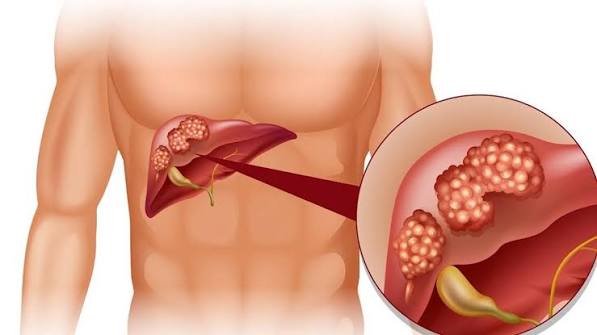
What the Liver Does and Why Inflammation Matters
The liver is the largest internal organ in the body, weighing approximately 1.5 kilograms in adults, and performs a range of metabolic, synthetic, and detoxification functions that no other organ can fully substitute. Its core functions include: Detoxification: The liver filters the blood arriving from the digestive system before it circulates to the rest of the body, neutralising toxins, drugs, alcohol, and metabolic waste products including ammonia. Protein synthesis: The liver produces albumin (the main protein in blood plasma), clotting factors (essential for wound healing), and acute phase proteins (key components of the immune response). Bile production: The liver produces bile, which is stored in the gallbladder and released into the small intestine to facilitate the digestion and absorption of dietary fats and fat-soluble vitamins (A, D, E, K). Glycogen storage: The liver stores glucose as glycogen and releases it between meals to maintain stable blood sugar levels. Lipid metabolism: The liver synthesises cholesterol, triglycerides, and lipoproteins (including LDL and HDL) and regulates the balance of fats in the circulation. Drug metabolism: The majority of orally consumed medications are metabolised by hepatic enzymes (particularly the cytochrome P450 system) — altered liver function changes drug efficacy and toxicity for many medications. When the liver becomes inflamed — regardless of cause — these functions are progressively impaired. In mild hepatitis, liver function may be only minimally affected; in severe acute hepatitis or advanced chronic hepatitis, liver failure, coagulopathy, jaundice, and systemic toxicity can develop. The severity of hepatitis is most directly assessed through liver function tests, which measure markers of both hepatic cell damage and hepatic synthetic function.
The Main Causes of Hepatitis
Hepatitis is categorised primarily by its cause, because different causes have very different clinical courses, treatments, and public health implications: Viral hepatitis is caused by a family of hepatotropic viruses — viruses with specific affinity for liver cells — that are the most common cause of hepatitis globally. The five main hepatitis viruses are designated A, B, C, D, and E, each with distinct transmission routes, incubation periods, chronicity risk, and vaccine availability. Globally, viral hepatitis causes more deaths than HIV, malaria, or tuberculosis — the majority attributable to chronic hepatitis B and C leading to cirrhosis and hepatocellular carcinoma. Alcoholic hepatitis is caused by sustained heavy alcohol consumption that overwhelms the liver’s capacity to metabolise ethanol, leading to accumulation of acetaldehyde and reactive oxygen species that directly damage hepatocytes. Alcoholic hepatitis exists on a spectrum from mild steatohepatitis to severe acute alcoholic hepatitis, which carries a thirty-day mortality of up to thirty-five percent in its severe form. Non-alcoholic steatohepatitis (MASH) — the inflammatory form of metabolic dysfunction-associated steatotic liver disease (MASLD) — represents hepatitis driven by metabolic factors including insulin resistance, visceral adiposity, and dyslipidaemia rather than viral infection or alcohol. Autoimmune hepatitis (AIH) is a chronic inflammatory condition in which the immune system incorrectly identifies hepatocytes as foreign targets and mounts an inflammatory attack against liver tissue. AIH affects women predominantly and requires immunosuppressive therapy to prevent progressive fibrosis. Drug-induced liver injury (DILI) encompasses hepatitis caused by prescription medications, over-the-counter drugs, herbal supplements, and recreational substances that are hepatotoxic either at therapeutic or excessive doses. Paracetamol (acetaminophen) overdose is the leading cause of acute liver failure in the UK and US. Toxic hepatitis refers to liver inflammation caused by chemical toxins including industrial solvents, heavy metals, and some plant alkaloids.

Viral Hepatitis: Types A Through E
The five hepatitis viruses are distinguished by their molecular biology, transmission routes, and clinical behaviour: Hepatitis A virus (HAV) is an RNA virus transmitted via the faecal-oral route — contaminated food, water, and close contact with an infected person. HAV causes acute hepatitis only (it does not cause chronic infection), and the vast majority of cases resolve fully within two to three months. A safe and highly effective vaccine is available, and HAV infection itself confers lifelong immunity. Hepatitis B virus (HBV) is a DNA virus transmitted through blood, sexual contact, and mother-to-child transmission during birth. HBV causes acute hepatitis in adults (most of whom clear the infection within six months) but chronic hepatitis B in five to ten percent of adult-acquired cases and up to ninety percent of cases acquired perinatally. Chronic HBV is a major cause of cirrhosis and hepatocellular carcinoma globally — there are approximately 296 million people living with chronic HBV infection. An effective vaccine is available and provides long-term protection. Hepatitis C virus (HCV) is an RNA virus transmitted primarily through blood-to-blood contact — most commonly through sharing injecting drug equipment, though also through healthcare-related exposure and (less commonly) sexual transmission. HCV causes chronic infection in approximately seventy-five percent of cases, and chronic HCV is a leading indication for liver transplantation. Direct-acting antiviral (DAA) treatment now achieves sustained virological response (cure) in over ninety-five percent of patients. Hepatitis D virus (HDV) is a satellite virus that can only infect individuals who are already infected with HBV, as it requires the HBV surface antigen (HBsAg) to form its outer envelope. HBV vaccination prevents both HBV and HDV. Hepatitis E virus (HEV) is transmitted faecal-orally and is the most common cause of acute viral hepatitis worldwide — most cases are self-limiting, but HEV can cause severe acute liver failure in pregnant women and chronic hepatitis in immunocompromised patients.
Symptoms of Hepatitis: What to Expect
Hepatitis symptoms vary widely depending on the cause, the acuity of the infection or inflammation, and the degree of liver function impairment. Many cases of chronic hepatitis — particularly chronic HBV and HCV infection — are entirely asymptomatic for years or decades while liver damage silently progresses, making screening in at-risk populations critically important. When symptoms do occur, they fall into two broad categories: Non-specific systemic symptoms that can accompany any hepatitis: fatigue (often the most prominent and persistent symptom); nausea and vomiting; loss of appetite; right upper quadrant discomfort or pain (reflecting liver capsule distension); low-grade fever; muscle aches and joint pain (particularly in acute viral hepatitis, reflecting immune complex deposition). Jaundice and related symptoms indicating significant hepatic dysfunction: jaundice — yellowing of the skin, sclera (whites of the eyes), and mucous membranes — caused by accumulation of bilirubin when the liver cannot clear it effectively; dark urine (concentrated bilirubin excretion by the kidneys); pale or clay-coloured stools (reduced bile excretion into the intestine); pruritus — generalised itching caused by bile salt deposition in the skin. In severe acute hepatitis, coagulopathy (easy bruising, prolonged bleeding), ascites (fluid accumulation in the abdomen), and encephalopathy (confusion, altered consciousness caused by ammonia accumulation) indicate acute liver failure requiring urgent assessment. Any combination of fatigue, nausea, and jaundice — particularly in a person with risk factors for viral hepatitis (travel, substance use, unvaccinated status) — warrants blood tests including ALT and AST, bilirubin, and hepatitis serology.
How Hepatitis Is Diagnosed
Hepatitis is diagnosed through a combination of blood tests, imaging, and in selected cases liver biopsy. The diagnostic pathway depends on clinical presentation — acute versus chronic, symptomatic versus incidental finding on routine blood tests: Liver function tests (LFTs): The initial blood test panel that detects liver inflammation. ALT (alanine aminotransferase) is the most sensitive marker of hepatocyte damage — elevated ALT is the hallmark finding in hepatitis. AST (aspartate aminotransferase) is also elevated, and the AST:ALT ratio can help distinguish cause (ratio above two in alcoholic hepatitis). Bilirubin elevation indicates impaired bile processing. GGT is elevated in alcoholic and drug-induced hepatitis. Albumin and prothrombin time (PT/INR) reflect synthetic function — reductions indicate severe hepatitis. Viral serology and molecular tests: Specific blood tests are required to identify the causative virus — hepatitis B surface antigen (HBsAg) for HBV; anti-HCV antibody followed by HCV RNA PCR for HCV; anti-HAV IgM for acute HAV. These tests distinguish between active infection, past infection with resolved immunity, and vaccination immunity. Imaging: Abdominal ultrasound is the first-line imaging investigation — it assesses liver size, echogenicity, and surface, detects ascites, and excludes biliary obstruction. FibroScan measures liver stiffness non-invasively and is used to stage fibrosis in chronic hepatitis. Liver biopsy: In selected cases — particularly where the cause of hepatitis is uncertain or where fibrosis staging is critical for treatment decisions — liver biopsy provides histological confirmation of diagnosis and staging.
Acute vs Chronic Hepatitis: Why the Distinction Matters
The clinical and prognostic significance of hepatitis depends critically on whether it is acute or chronic: Acute hepatitis refers to liver inflammation lasting less than six months. Most acute hepatitis resolves fully — acute HAV almost always resolves, and most adult-acquired HBV resolves within six months. Acute hepatitis that does not resolve becomes chronic. Severe acute hepatitis can cause acute liver failure, which requires intensive care management and potentially emergency liver transplantation. Chronic hepatitis refers to liver inflammation persisting beyond six months. Chronic hepatitis is defined by its cause (chronic HBV, chronic HCV, autoimmune hepatitis, alcoholic liver disease, MASLD) and staged by the degree of fibrosis — the scarring that accumulates as a consequence of ongoing inflammation and hepatocyte death. The fibrosis staging system ranges from F0 (no fibrosis) through F4 (cirrhosis). Without treatment, chronic hepatitis produces progressive fibrosis over years to decades: chronic HCV takes approximately twenty years to reach cirrhosis in most patients; chronic HBV timelines vary with viral load and immune activity. Cirrhosis — the endpoint of advanced fibrosis — represents irreversible architectural distortion of the liver with formation of regenerative nodules surrounded by fibrous scar tissue. Cirrhosis impairs all hepatic functions and carries substantial risks of hepatic decompensation (ascites, variceal haemorrhage, hepatic encephalopathy) and hepatocellular carcinoma. Preventing progression from chronic hepatitis to cirrhosis is the primary goal of treatment for all forms of chronic hepatitis — achievable through antiviral therapy (HBV, HCV), immunosuppression (AIH), alcohol cessation (alcoholic hepatitis), and lifestyle modification (MASLD).
Frequently Asked Questions
What is the difference between hepatitis A, B, and C?
Hepatitis A is a short-term, self-resolving infection spread through contaminated food and water — it never causes chronic liver disease and is prevented by vaccination. Hepatitis B is spread through blood and sexual contact, can become chronic in a minority of adults (and the majority of infected newborns), and is preventable by vaccination. Hepatitis C is spread primarily through blood-to-blood contact, becomes chronic in approximately three quarters of cases, but is now curable in over ninety-five percent of patients with a short course of direct-acting antivirals. All three can cause liver inflammation and jaundice during acute infection, but their long-term consequences, treatments, and prevention strategies are entirely different. Knowing which type a person has — which requires specific blood serology tests, not just ALT measurement — is essential for appropriate management.
Can hepatitis be cured?
It depends entirely on the type. Hepatitis A resolves on its own without treatment in almost all cases, leaving lifelong immunity. Hepatitis C is now curable — direct-acting antivirals achieve sustained virological response (effective cure) in over ninety-five percent of patients across all genotypes in eight to twelve weeks of treatment. Hepatitis B cannot currently be fully eradicated from the body (because of covalently closed circular DNA that persists in infected hepatocytes), but suppressive antiviral therapy with tenofovir or entecavir can maintain viral suppression indefinitely, preventing disease progression. Autoimmune hepatitis is controlled but not cured by immunosuppression. Alcoholic hepatitis can reverse significantly with sustained alcohol abstinence, particularly in early stages. Regular monitoring with liver function tests and FibroScan tracks disease response to treatment over time.
Sources: WHO — Hepatitis Fact Sheet · NIDDK — Liver Disease Information · CDC — Viral Hepatitis
The Global Burden of Viral Hepatitis
Viral hepatitis represents one of the most significant and underappreciated global health challenges of the twenty-first century. According to the World Health Organization, approximately 354 million people are living with chronic hepatitis B or C globally — more than the combined number living with HIV and malaria. Yet hepatitis receives a fraction of the global health funding and public attention directed at those conditions, despite causing an estimated 1.1 million deaths annually from cirrhosis and hepatocellular carcinoma. The disparity between disease burden and public awareness is particularly striking for hepatitis C, which can now be cured in the large majority of patients with an eight-to-twelve week course of direct-acting antiviral medication — yet the majority of the estimated 58 million people living with chronic HCV globally remain undiagnosed and untreated. Hepatitis B vaccination has dramatically reduced new HBV infections in countries with universal infant vaccination programmes — hepatocellular carcinoma rates are falling in birth cohorts vaccinated against HBV in childhood. However, the approximately 296 million people already living with chronic HBV are largely undiagnosed and untreated, particularly in sub-Saharan Africa and the Western Pacific, where HBV burden is highest. For patients in higher-income countries, the practical implication of this global context is that anyone born in a high-prevalence region (Southeast Asia, sub-Saharan Africa, the Pacific Islands, Eastern Europe), or born to a mother with unknown hepatitis B status, should discuss hepatitis B and C screening with their GP regardless of whether they have ever had symptoms — because the absence of symptoms is not evidence of the absence of infection.
Prevention: Vaccination and Risk Reduction
Prevention strategies for hepatitis differ by type and transmission route. Vaccination is the most effective preventive intervention for hepatitis A and B — both are vaccine-preventable diseases with safe, highly immunogenic vaccines available worldwide. The hepatitis B vaccine is included in the routine childhood immunisation schedule in most countries, and provides protection against both HBV and HDV. Catch-up vaccination is recommended for unvaccinated adults at risk, including healthcare workers, people who inject drugs, sexual partners of HBV-positive individuals, and travellers to high-prevalence regions. There is currently no licensed vaccine for hepatitis C, though several candidates are in clinical development. Blood safety measures — universal screening of blood donations for HBV, HCV, and other bloodborne pathogens — have virtually eliminated transfusion-related hepatitis in countries with established blood banking systems. Harm reduction for people who inject drugs — including needle and syringe exchange programmes, opioid substitution therapy, and peer education — is the most effective intervention for preventing HCV transmission in this population. Universal precautions in healthcare settings — single-use needles, appropriate sterilisation of medical equipment, and occupational exposure protocols — protect healthcare workers and patients from nosocomial HBV and HCV transmission. Antenatal screening and neonatal prophylaxis for HBV — identifying HBsAg-positive mothers during pregnancy and providing their newborns with hepatitis B immune globulin and the first vaccine dose within twenty-four hours of birth — prevents perinatal HBV transmission in over ninety percent of cases. For hepatitis A and E, food safety (hand hygiene, safe water, properly cooked shellfish) is the primary prevention measure in high-prevalence settings. The intersection of hepatitis prevention with broader public health goals — vaccination programmes, harm reduction, blood safety, and food safety — makes hepatitis prevention inseparable from general infectious disease and public health practice.
Living With Hepatitis: Monitoring and Long-Term Management
For patients with chronic hepatitis — whether viral, autoimmune, or metabolic — long-term monitoring is essential to detect fibrosis progression, guide treatment decisions, and identify complications before they become clinically apparent. The monitoring framework for chronic hepatitis typically includes: Regular liver function tests: ALT and AST every three to six months provide ongoing assessment of hepatic inflammatory activity. Persistently elevated ALT indicates active ongoing liver cell damage; normalisation indicates disease control. Fibrosis assessment: FibroScan or FIB-4 scoring every one to two years tracks fibrosis progression or regression in response to treatment. This is particularly important in chronic HBV patients on antiviral therapy and in patients with chronic HCV post-treatment, where fibrosis can regress with sustained virological response. Viral load monitoring: In chronic HBV, HBV DNA quantification determines whether antiviral treatment is indicated and monitors treatment efficacy. In chronic HCV, HCV RNA PCR confirms active infection and monitors treatment response. Hepatocellular carcinoma surveillance: Patients with cirrhosis from any cause — and HBV patients with cirrhosis or a family history of liver cancer — require six-monthly liver ultrasound and AFP (alpha-fetoprotein) measurement for early detection of hepatocellular carcinoma, which is most treatable at early stage. Lifestyle optimisation: Regardless of the cause of chronic hepatitis, alcohol abstinence, maintenance of healthy body weight, physical activity, and avoidance of hepatotoxic medications and supplements reduce the inflammatory and metabolic burden on an already-compromised liver. Coffee consumption (two to four cups per day) has independent hepatoprotective evidence and is a safe and easily adopted adjunct. The management of chronic hepatitis is a long-term collaborative relationship between patient and clinician — responsive to changes in disease activity, viral load, fibrosis stage, and comorbidities over time. Patients who understand the purpose of their monitoring tests and what the results mean are better equipped to participate meaningfully in these decisions and more likely to remain engaged in care over the years-long timeframes that chronic hepatitis management requires.
Hepatitis — in all its forms — is ultimately a condition that rewards informed, proactive engagement. Whether the diagnosis is acute hepatitis A that will resolve completely within weeks, chronic hepatitis B that requires indefinite antiviral suppression, or curable hepatitis C that can be eliminated with an eight-week treatment course, the outcome is substantially better for patients who understand their diagnosis, engage with monitoring, and access appropriate treatment than for those who remain undiagnosed or disengaged from care. The growing availability of point-of-care hepatitis B and C testing, the dramatic simplification of HCV treatment, and the expansion of hepatitis B vaccination programmes mean that the tools to dramatically reduce the global hepatitis burden exist — the challenge is connecting patients with those tools. For anyone reading this guide who has not been tested for hepatitis B and C and has any of the risk factors described above — or who was born before universal vaccination programmes began — a conversation with their GP about hepatitis screening is the single most important first step in liver health management. The liver function tests guide and the ALT and AST guide in this series explain what to expect from those blood tests and how to interpret the results in the context of a potential hepatitis diagnosis.
I was born in Nigeria and immigrated to the UK twenty years ago. I’ve never been tested for hepatitis B despite knowing it’s common in West Africa. This article made me realise that I should have been screened years ago. I’m booking a GP appointment this week to ask for the blood test. The section explaining that chronic hepatitis B is often asymptomatic was particularly important — I had no idea you could have it for years without feeling unwell.
Thank you Miriam — you are absolutely right to book that appointment. NHS England recommends hepatitis B screening for all individuals born in countries with HBsAg prevalence above two percent, which includes Nigeria (prevalence approximately eight to twelve percent). The test involves a single blood draw checking for hepatitis B surface antigen (HBsAg) and, if negative, confirming whether you have immunity from prior vaccination or natural exposure. If the test shows active chronic HBV infection, effective treatment with tenofovir or entecavir can suppress the virus indefinitely and prevent progression to cirrhosis. If the test is negative and you have no immunity, vaccination is recommended. Either way, knowing your status is the critical first step — and the fact that you’re taking it now is exactly right.
The explanation of the difference between acute and chronic hepatitis finally clarified something I’ve been confused about for years. I had acute hepatitis C in the nineties from a blood transfusion before screening was routine, and I assumed I’d cleared it. Reading this I realise I may have developed chronic infection without knowing. I’ve asked my GP to test for it and she confirmed I should have been screened years ago. Starting treatment next month.