
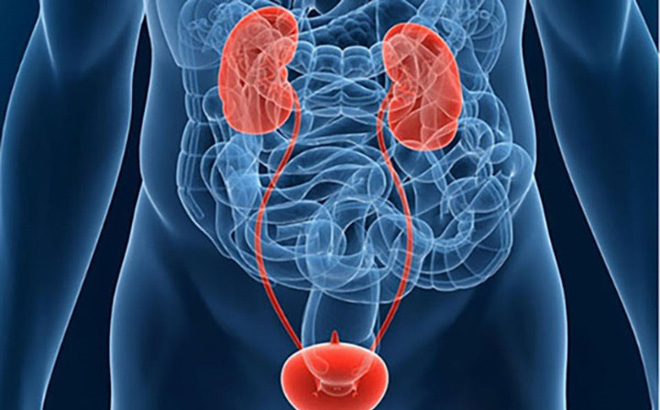
Smoking and bladder cancer have one of the most well-established causal relationships in oncology. Cigarette smoking is responsible for approximately half of all bladder cancers in men and a third in women — more than any other single risk factor. It is also the most preventable one. Understanding exactly how tobacco causes bladder cancer, how much risk changes after quitting, and what blood in the urine means for any smoker or former smoker is essential for anyone with a smoking history.
How Smoking Causes Bladder Cancer
When tobacco is burned, it releases hundreds of carcinogenic compounds, most importantly aromatic amines — including 4-aminobiphenyl, 2-naphthylamine, and benzidine — and polycyclic aromatic hydrocarbons (PAHs). These compounds are absorbed through the lungs, enter the bloodstream, and are metabolized in the liver. In the liver, they are rendered temporarily inactive by conjugation with glucuronic acid and excreted into the urine as glucuronide compounds.
Here is where the bladder becomes involved. Urine is acidic, and when the glucuronide-conjugated carcinogens enter the bladder, the acidic environment slowly hydrolyzes them back into their active, reactive intermediates. These electrophilic compounds then bind to the DNA of urothelial cells lining the bladder wall, forming DNA adducts — chemical lesions that disrupt normal replication. Over decades of repeated exposure, these adducts drive mutations in key tumor suppressor genes (TP53, RB1) and oncogenes (FGFR3), accumulating until a cell escapes normal growth control and initiates a tumor.
The bladder is uniquely vulnerable for a structural reason: it stores urine for hours before voiding, holding concentrated carcinogens in prolonged contact with its urothelium. The kidneys, ureters, and urethra are exposed to carcinogens only briefly. The bladder holds them — which explains why the bladder bears a disproportionate share of tobacco-related urinary tract cancer.
Current smokers have approximately 4 times the bladder cancer risk of never-smokers. Smoking accounts for an estimated 50% of bladder cancers in men and 30% in women — making it the single largest preventable cause of the disease.
How Much Does Smoking Increase Bladder Cancer Risk
Current cigarette smokers have approximately 4 times the bladder cancer risk of lifelong never-smokers. This relative risk is broadly consistent across multiple large cohort studies and represents one of the higher relative risks attributable to smoking for any cancer type. Both duration and intensity of smoking contribute to risk, but duration is the more important driver — someone who smoked one pack per day for 30 years carries greater risk than someone who smoked three packs per day for 10 years, even with similar pack-year totals.
Tobacco Type and Risk
Black tobacco (unblended, historically common in Spain and France) carries higher bladder cancer risk than blond (flue-cured) tobacco due to higher aromatic amine content. Filtered cigarettes have lower but still substantial risk. Low-tar or light cigarettes do not reduce bladder cancer risk — smokers compensate with deeper inhalation and higher frequency, maintaining similar carcinogen exposure. Secondhand smoke exposure is associated with an estimated 22% increase in bladder cancer risk in non-smokers, a finding from multiple meta-analyses.
Does Quitting Smoking Reduce Bladder Cancer Risk
Yes — and the reduction begins soon after quitting, though the trajectory is slower than for some other tobacco-related cancers. Key milestones:
- 5 years after cessation: Risk is measurably lower than in current smokers
- 10 years after cessation: Bladder cancer risk is approximately 30–50% lower than in current smokers
- 20+ years after cessation: Risk approaches never-smoker levels in some studies, though most show persistently slightly elevated risk
The reason risk never fully normalizes is biological: decades of carcinogen exposure leave permanent DNA adducts in urothelial cells that cannot be fully repaired. This is not a reason to continue smoking — it is a reason to quit as early as possible, before further damage accumulates.
Critical implication for former smokers: The elevated bladder cancer risk persists for 20 years after quitting. A person who smoked for 30 years and quit 15 years ago has substantially higher lifetime risk than a never-smoker. Any blood in their urine demands CT urogram and cystoscopy — the same evaluation as for a current smoker.
Smoking After Bladder Cancer Diagnosis
For patients diagnosed with bladder cancer who are still smoking, the relationship between tobacco and cancer is not over at diagnosis — it continues to affect disease course. Current smokers at diagnosis have higher rates of tumor recurrence after TURBT and are more likely to progress from non-muscle-invasive to muscle-invasive disease. Tobacco also impairs intravesical BCG therapy: smoking suppresses the local immune microenvironment within the bladder, potentially reducing BCG response rates.
Bladder cancer diagnosis is a “teachable moment” — the point at which patients are most motivated to consider quitting. Urologists who actively counsel patients and connect them with cessation resources at the time of diagnosis improve both oncological outcomes and overall health.
Hematuria in Smokers — What to Do
Blood in the urine — whether gross (visible) or microscopic (found on urinalysis) — is the most important bladder cancer warning sign. In any person with a smoking history, it demands immediate evaluation. There is no safe way to attribute hematuria to a benign cause in a smoker without first excluding bladder cancer via CT urogram and cystoscopy. It should not be attributed to UTI without a positive culture. It should not be watched and re-evaluated only if it recurs. A single episode requires the full AUA hematuria evaluation pathway.
Other Tobacco Products and Bladder Cancer Risk
Cigars and pipes: Elevated risk vs. never-smokers; less data than for cigarettes but same classes of aromatic amine carcinogens. Smokeless tobacco: Some elevated risk data; different carcinogen profile (nitrosamines rather than aromatic amines). E-cigarettes: Insufficient long-term data; contain lower concentrations of carcinogens than combustible tobacco; cessation of combustible tobacco remains the clinical priority. Low-tar/filtered cigarettes: Do not substantially reduce bladder cancer risk due to behavioral compensation.
Smoking Combined With Other Bladder Cancer Risk Factors
Occupational aromatic amine exposure (rubber, dye, paint, textile industries) combined with smoking appears to produce multiplicative rather than additive risk. Workers in these industries who smoke carry far higher bladder cancer risk than either exposure alone would suggest. Cyclophosphamide therapy: Both smoking and cyclophosphamide independently cause bladder cancer; combined exposure adds both mechanisms. Chronic catheterization: Chronic inflammation plus carcinogen exposure creates a compounded pro-carcinogenic environment.
Quitting Smoking — Options That Work
- Nicotine Replacement Therapy (NRT): Patch, gum, lozenge, inhaler, nasal spray — approximately doubles cessation rates vs. placebo; combination NRT (patch + short-acting) more effective than single form
- Varenicline (Chantix): Most effective pharmacotherapy; doubles cessation vs. placebo; more effective than bupropion in head-to-head trials
- Bupropion: Effective second-line agent
- Behavioral counseling: Significantly enhances pharmacotherapy effectiveness; even brief counseling at clinical encounters improves cessation rates
- Quitlines: 1-800-QUIT-NOW (US) — free telephone counseling and NRT in many states
For current smokers who have noticed blood in their urine, the immediate priority is evaluation — not waiting to see if it resolves. For the complete evaluation and what to expect, see our article on cystoscopy. For the full picture of bladder cancer warning signs, see our guide to bladder cancer symptoms. For treatment options after diagnosis, see our comprehensive bladder cancer guide.
Sources: American Cancer Society — Bladder Cancer Risk Factors | National Cancer Institute — Bladder Cancer | CDC — Smoking and Cancer
The Dose-Response Relationship: Pack-Years and Bladder Cancer
The concept of “pack-years” — the number of packs smoked per day multiplied by the number of years smoked — is the standard epidemiological metric for quantifying cumulative tobacco exposure. For bladder cancer, the relationship between pack-years and risk follows a dose-response pattern: higher pack-year burden confers higher risk. However, this linear framing conceals an important nuance.
Among the two components of pack-years, duration carries more weight than daily intensity in determining bladder cancer risk. A person who smoked half a pack per day for 40 years (20 pack-years) has a bladder cancer risk profile more similar to a heavy smoker (2 packs per day for 10 years, also 20 pack-years) or even exceeding it — because the longer exposure period means more cumulative cycles of carcinogen exposure, urothelial damage, incomplete DNA repair, and clonal selection of increasingly mutant cells. This is why lifetime smoking duration is such a powerful predictor of bladder cancer risk, and why people who started smoking in adolescence carry particularly high lifetime risk even if their daily consumption was moderate.
There is no safe level of smoking for bladder cancer prevention. Every cigarette exposes the bladder urothelium to carcinogens via the urinary route. The dose-response relationship means there is no threshold below which risk does not exist — risk is elevated even at low pack-year exposures, though it is substantially lower than at high exposures.
Why Bladder Cancer Symptoms in Smokers Must Never Wait
The symptom profile of bladder cancer is the same in smokers and non-smokers: gross hematuria (visible blood in the urine) is the presenting sign in approximately 85 percent of cases, with irritative voiding symptoms (urgency, frequency, dysuria) making up much of the remainder. What differs for smokers and former smokers is the clinical interpretation of these symptoms.
In a person without significant bladder cancer risk factors, a single episode of gross hematuria might represent a kidney stone, a urinary tract infection, or vigorous exercise. While these benign explanations still require proper investigation, the pre-test probability of bladder cancer is lower in a never-smoker than in a current or former smoker of the same age. In a person with a significant smoking history, the pre-test probability of bladder cancer in the setting of gross hematuria is substantially higher, and this higher probability should accelerate — not delay — the evaluation.
There are several patterns of hematuria particularly associated with bladder cancer in smokers:
- Painless gross hematuria: Classic presentation; no burning, frequency, or urgency accompanying the blood
- Intermittent hematuria: Blood appears for 1–2 days, then clears, then recurs weeks or months later; each recurrence is dismissed as a temporary blip; diagnosis is delayed by months or years
- Hematuria attributed to UTI and treated with antibiotics without culture confirmation: Especially common in women; represents one of the most consistent patterns of diagnostic delay in bladder cancer
- Microscopic hematuria discovered incidentally on pre-operative urinalysis or routine checkup: Commonly dismissed as insignificant; should trigger the same evaluation as gross hematuria in any smoker over 45
The AUA guideline is unambiguous: any smoker or former smoker who presents with gross hematuria, or who has microscopic hematuria (≥3 RBCs/HPF) without confirmed infection, requires CT urogram and cystoscopy. The presence of a smoking history is among the specific risk factors that raise the urgency of the evaluation.
Smoking and Specific Bladder Cancer Subtypes
The vast majority of bladder cancers — approximately 90 percent — are urothelial carcinomas (transitional cell carcinomas) arising from the urothelium. This is the predominant histology associated with tobacco smoking, and both the low-grade papillary tumors that tend to recur without progressing and the high-grade tumors that frequently invade the muscle are associated with tobacco exposure.
Smokers with bladder cancer are more likely to present with high-grade urothelial carcinoma compared to non-smokers, and are more likely to present with muscle-invasive disease at diagnosis. This may reflect a combination of factors: higher total carcinogen dose driving more aggressive mutations; longer diagnostic delays in patients who attribute symptoms to smoking-related causes; and possibly a direct effect of tobacco immunosuppression on tumor immune surveillance.
Non-urothelial bladder cancers — squamous cell carcinoma and adenocarcinoma — are less strongly associated with tobacco than urothelial carcinoma. Squamous cell carcinoma of the bladder is more commonly associated with chronic schistosomiasis (endemic in parts of Africa and the Middle East) and chronic catheterization. Adenocarcinoma of the bladder is rare and associated with persistent urachal remnants or metaplastic changes. For smokers, the primary concern remains urothelial carcinoma.
Smoking Cessation and Bladder Cancer Recurrence Prevention
For patients already diagnosed with and treated for bladder cancer, smoking cessation becomes a cancer management decision as much as a lifestyle decision. Multiple studies have documented that continued smoking after bladder cancer diagnosis is associated with higher rates of recurrence after TURBT, higher rates of progression to muscle-invasive disease, and reduced effectiveness of intravesical BCG immunotherapy.
The mechanisms are biologically plausible. Continued carcinogen exposure from tobacco keeps the damaged urothelium under chronic mutational pressure — cells that already have some mutations from prior carcinogen exposure are more likely to accumulate additional mutations that drive progression. Smoking also chronically impairs multiple arms of the immune system: natural killer cell activity is reduced, inflammatory cytokine profiles are altered, and the mucosal immune environment of the bladder is disrupted. BCG works by triggering a robust local immune reaction within the bladder against residual cancer cells — a mechanism that requires a functioning mucosal immune system to be fully effective.
For newly diagnosed bladder cancer patients, the urologist visit that confirms the diagnosis and explains the treatment plan is also the optimal moment for smoking cessation intervention. Several studies have shown that “teachable moment” cessation counseling at the time of a cancer diagnosis produces higher long-term cessation rates than cessation counseling in the absence of a motivating health event. Patients who receive a specific and personal explanation of how continued smoking worsens their cancer outcomes — not just a general health message — are more likely to attempt cessation and maintain abstinence.
Population-Level Impact of Smoking on Bladder Cancer Incidence
The causal fraction of bladder cancer attributable to smoking — the population attributable risk (PAR) — is substantial. In the United States and most developed countries, smoking accounts for approximately 50 percent of all bladder cancers in men and 30 percent in women. In countries where smoking prevalence has declined significantly over recent decades, the expected reduction in bladder cancer incidence from reduced tobacco exposure has been partially observed, with a lag period of 20–30 years reflecting the long latency between carcinogen exposure and cancer diagnosis.
This means that public health investments in tobacco cessation made today will translate into measurable reductions in bladder cancer incidence in the 2040s and 2050s. The inverse is also true: in populations where smoking prevalence is increasing — including some low- and middle-income countries — bladder cancer incidence is expected to rise in the coming decades. Tobacco control is the single most powerful bladder cancer prevention strategy available at the population level.
For the complete evaluation of blood in urine — including what cystoscopy involves and what the procedure finds — see our guide to cystoscopy. For the full symptom picture of bladder cancer, see our bladder cancer symptoms guide. And for treatment options from TURBT to radical cystectomy to immunotherapy, see our comprehensive bladder cancer guide.
How Long After Quitting Does Bladder Cancer Risk Become Clinically Meaningful
One of the most common questions from patients with a smoking history is whether their risk is still elevated if they quit many years ago. The answer requires nuance. The risk trajectory after cessation is well described in epidemiological literature, but the key insight is that even 20 years after quitting, most former heavy smokers retain some elevation in bladder cancer risk compared to lifelong never-smokers. The magnitude of this residual risk depends primarily on total pack-year burden — someone who smoked heavily for 40 years and then quit will retain more residual risk at 15 years post-cessation than someone who smoked lightly for 5 years and quit.
For clinical decision-making, urologists and primary care providers typically consider a person with a significant smoking history (even if remote) to remain at elevated risk for bladder cancer throughout their life. AUA hematuria guidelines do not specify a duration of former smoking below which the evaluation can be abbreviated. Any former smoker with gross hematuria or unexplained microscopic hematuria should receive the complete evaluation regardless of how many years ago they quit.
This long-tail risk has a practical implication: former smokers should be aware that their elevated risk does not end at a clean cut-off date. The experience of quitting and thinking of cancer risk as “gone” can create false reassurance. Annual health checkups that include urinalysis — and prompt medical evaluation of any urinary symptom — are appropriate for former heavy smokers for the rest of their lives.
Talking to Your Doctor About Smoking History and Bladder Cancer Risk
Many patients do not proactively disclose their smoking history at medical appointments, particularly if they quit years ago. But for bladder cancer risk assessment and hematuria evaluation, smoking history — including total years smoked, average daily consumption, and current status — is one of the most important pieces of information a urologist needs. Patients should routinely provide this information and, if not asked, should offer it when being evaluated for any urinary symptom.
Current smokers who are considering cessation should know that every clinical encounter is an opportunity to start the conversation with their primary care provider or urologist. Many providers now have structured cessation support integrated into their practice, including prescribing rights for varenicline and bupropion and referral pathways to behavioral counseling programs. For patients who have been diagnosed with bladder cancer, asking specifically about smoking cessation support at the treatment planning visit is entirely appropriate and can be framed directly: “I know I need to quit to help my treatment work better — what resources does your practice offer?”
Bladder cancer, unlike some cancers, offers a particularly clear and understandable connection between the modifiable risk factor (smoking) and the disease — a connection that can be explained to patients in terms of the specific chemical pathway from tobacco combustion to bladder wall DNA damage. This clarity makes smoking cessation counseling in urology and oncology settings particularly actionable: patients who understand the mechanism tend to be more motivated than those who receive only a general “smoking is bad for you” message.
The Bottom Line on Smoking and Bladder Cancer
Smoking is the cause of approximately half of all bladder cancers — more than any other single factor — and it remains the most preventable one. Every year of continued smoking adds to the cumulative DNA burden in the bladder urothelium. Every year after quitting begins the slow process of risk reduction. For current smokers, the most impactful decision for bladder cancer prevention is cessation — not a change in smoking brand, not a switch to filtered cigarettes, not vaping as a permanent substitute. For former smokers, the relevant action is vigilance: report any blood in the urine, however brief, to a physician immediately, and ensure it is evaluated with the full hematuria workup rather than a brief antibiotic course. Bladder cancer found early through prompt symptom evaluation is highly treatable. Bladder cancer found late because symptoms were dismissed is not.
Thank you for covering smoking and bladder cancer: risk, mechanism, so thoroughly without being overly technical. It is refreshing to see an article that acknowledges individual variation rather than giving one-size-fits-all advice. Thank you for making complex medical information accessible without dumbing it down.
Came across this while researching smoking and bladder cancer: risk, mechanism, for a family member. The practical tips at the end made this immediately actionable, not just theoretical. Forwarding this to others in my support group who are dealing with similar issues.
As someone dealing with this personally, the smoking and bladder cancer: risk, mechanism, section was very helpful. The practical tips at the end made this immediately actionable, not just theoretical. Appreciate the effort that went into researching and writing this — it shows.
Bookmarked this article on smoking and bladder cancer: risk, mechanism, immediately — going to reference it regularly. What I liked most was that the article didn’t just say what to avoid — it also gave alternatives. Shared this with three friends who are dealing with related issues. Very useful resource.
Finally a resource that explains smoking and bladder cancer: risk, mechanism, in plain language. What I liked most was that the article didn’t just say what to avoid — it also gave alternatives. This is going into my health folder that I bring to every doctor’s visit.
As someone dealing with this personally, the smoking and bladder cancer: risk, mechanism, section was very helpful. This is the kind of evidence-based writing that actually changes how people approach their health. Looking forward to reading more articles from this website.