

Chest tightness is one of the symptoms that patients and physicians take most seriously — and rightly so, because among its many possible causes are some of the most time-sensitive and life-threatening conditions in medicine. At the same time, chest tightness is extremely common, and the majority of episodes in any general population are not caused by heart disease. The challenge is distinguishing the cardiac from the non-cardiac: identifying the features that point to heart disease with enough reliability to guide appropriate urgency of evaluation, while not subjecting every patient with a tight chest to unnecessary emergency workups. The quality of the tightness, its triggers, its duration, its radiation, its response to specific maneuvers, and the accompanying symptoms provide the clinical clues that make this distinction possible.
Cardiac Causes of Chest Tightness
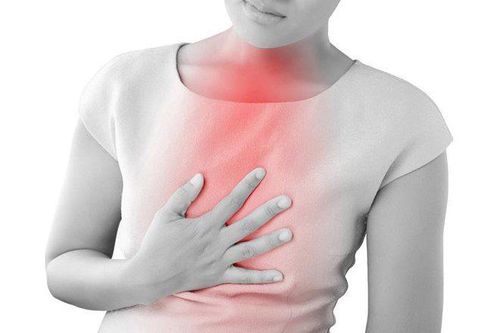
Angina pectoris — chest discomfort from myocardial ischemia — is the most important cardiac cause of chest tightness. Patients with coronary artery disease develop angina when physical exertion or emotional stress increases myocardial oxygen demand beyond what narrowed coronary arteries can supply. The quality of anginal chest tightness is characteristic: patients typically describe a pressure, squeezing, heaviness, or band-like tightness — often illustrated by a clenched fist held against the chest — rather than a sharp or stabbing sensation. It is located in the center or left of the chest, and characteristically radiates to the left arm, jaw, neck, or back. Angina is triggered by predictable activities and subsides within two to five minutes of rest; sublingual nitroglycerin typically provides rapid relief within a few minutes.
Several features reliably suggest that chest tightness is NOT anginal: tightness that is sharp or stabbing rather than pressure-like, reproduced by pressing on the chest wall, varies with body position or breathing, or is present only momentarily. The exertional pattern is a critical positive predictor: tightness that consistently appears during a specific level of exertion and consistently resolves with rest is characteristic of stable angina until proven otherwise.
Unstable angina and acute coronary syndrome (ACS) represent a more dangerous spectrum in which a plaque ruptures, initiating partial or complete thrombosis of the coronary artery. Chest tightness that occurs at rest, appears for the first time, is increasing in frequency or severity, or occurs with less exertion than previously — any of these changes — constitutes unstable angina and requires emergency evaluation. Acute myocardial infarction produces more prolonged chest tightness, usually lasting more than 20 minutes, often accompanied by diaphoresis (cold sweating), nausea, vomiting, and dyspnea. Women with MI are more likely to present with atypical features — unusual fatigue, jaw pain, back pain, or nausea — without prominent chest tightness, making a high index of suspicion essential in women with cardiac risk factors.
Pericarditis — inflammation of the pericardial sac — causes chest pain that is characteristically sharp, worsened by lying flat, and improved by sitting up and leaning forward. The positional nature of pericarditic chest pain is one of the most clinically useful distinguishing features from angina. A pericardial friction rub — a scratchy, to-and-fro sound heard when the patient leans forward — is pathognomonic of pericarditis when present. The ECG shows a distinctive pattern of diffuse, concave (saddle-shaped) ST elevation and PR segment depression in multiple leads, distinguishing it from the focal ST elevation of myocardial infarction. Hypertrophic cardiomyopathy (HCM) produces exertional chest tightness in young patients and is the most common cause of sudden cardiac death in athletes under 35. Aortic stenosis causes exertional chest tightness through reduced forward cardiac output and subendocardial ischemia from elevated left ventricular pressures.
Pulmonary Causes of Chest Tightness
Pulmonary embolism (PE) is one of the most dangerous pulmonary causes of chest tightness and must be considered in any patient with new chest discomfort and unexplained dyspnea, particularly in the presence of risk factors (recent surgery, immobility, malignancy, prior DVT). The chest pain of PE is typically pleuritic — sharp, worsened by breathing — but can range from dull tightness to severe pressure. Tachycardia is almost universally present; hypotension or syncope indicates massive PE with hemodynamic compromise. The clinical presentation frequently overlaps with ACS, and distinguishing them requires D-dimer testing and CT pulmonary angiography (CTPA).
Asthma produces chest tightness as a direct consequence of bronchospasm — smooth muscle contraction that narrows the airways — accompanied by wheezing and shortness of breath. It is triggered by allergens, cold air, exercise, or viral respiratory infections. Exercise-induced asthma can initially suggest angina but is distinguished by wheezing, younger age, absence of cardiac risk factors, and response to bronchodilators. Spontaneous pneumothorax — collapse of a lung from air entering the pleural space — causes sudden unilateral chest pain with acute dyspnea and absent breath sounds on the affected side. Tension pneumothorax is a medical emergency. Pleuritis from infection, pulmonary embolism, or autoimmune disease produces sharp, pleuritic chest pain that worsens with deep breathing and coughing.
Gastrointestinal Causes of Chest Tightness
Gastroesophageal reflux disease (GERD) is one of the most common causes of non-cardiac chest tightness, responsible for a significant proportion of patients presenting to emergency departments with chest symptoms ultimately attributed to gastrointestinal causes. The chest discomfort of GERD is typically burning in quality, though it can be described as pressure or tightness when acid reflux triggers esophageal spasm. It is characteristically worse after large meals, fatty foods, alcohol, or caffeine; worse when lying down; and partially or completely relieved by antacids. The postprandial and positional pattern is an important clinical clue to a GI rather than cardiac cause.
Esophageal spasm is a particularly challenging mimicker of angina. Diffuse esophageal spasm can produce intense, squeezing substernal chest tightness radiating to the jaw and arm — indistinguishable on history from angina — and may even be partially relieved by sublingual nitroglycerin, which relaxes smooth muscle in both the coronary arteries and the esophagus. Distinguishing esophageal spasm from angina typically requires cardiac evaluation first, followed by esophageal manometry and provocative testing.
Musculoskeletal Causes
Costochondritis — inflammation of the cartilage connecting the ribs to the sternum — is one of the most common and reliably distinguishable causes of chest tightness. The defining feature is reproduction of chest pain by palpation of the costochondral junctions, typically along the second to fifth ribs. When pressing on the chest wall with a fingertip reproduces the exact chest discomfort that brought the patient to medical attention, a musculoskeletal cause is essentially confirmed. Cardiac chest tightness is virtually never reproduced by chest wall palpation. Tietze syndrome involves localized swelling and tenderness at the costochondral junction, most commonly at the second or third rib. Muscle strains and rib fractures produce positional chest tightness linked to a history of exertion, coughing, or trauma.
Psychological Causes
Panic disorder produces episodes of intense chest tightness accompanied by palpitations, dyspnea, sweating, trembling, and feelings of impending doom that frequently prompt patients and their initial medical contacts to suspect cardiac disease. Panic attacks are self-limited, typically peaking within 10 minutes and resolving within 20 to 30 minutes, but can cause significant functional limitation when recurrent. Hyperventilation during anxiety attacks produces respiratory alkalosis, which decreases ionized calcium and produces peripheral tingling and perioral numbness alongside the chest tightness.
Features That Distinguish Cardiac From Non-Cardiac Tightness
Cardiac tightness has a pressure, squeezing, or band-like quality; is triggered by exertion or emotional stress; lasts two to ten minutes with stable angina; radiates to the arm, jaw, or neck; is not reproduced by chest wall palpation; and is not positional or pleuritic. Non-cardiac features include: a sharp or stabbing quality (pleuritic or musculoskeletal); reproduction by chest wall palpation (costochondritis); variation with body position (pericarditis if worse lying flat; GERD if worse after meals); worsening with deep breathing (PE, pleuritis); a trigger of anxiety or hyperventilation (panic disorder); relief with antacids (GERD); and association with wheeze and cough (asthma). No single feature is 100 percent reliable; the clinical picture must be interpreted in the context of the patient’s age, risk factors, and overall presentation.
When to Call 911
Several presentations of chest tightness require immediate emergency evaluation. Chest tightness at rest — particularly when accompanied by diaphoresis, nausea, or radiation to the arm or jaw — must be treated as possible MI or ACS. Sudden onset chest tightness with severe dyspnea and tachycardia raises concern for pulmonary embolism. New chest tightness in a patient with known coronary artery disease, prior MI, or stent represents a change in status requiring urgent evaluation. Chest tightness accompanied by syncope or hemodynamic instability represents a cardiovascular emergency. When there is uncertainty about whether chest tightness is cardiac, erring on the side of evaluation rather than watchful waiting is the safer course.
Frequently Asked Questions
Can anxiety cause chest tightness that feels exactly like a heart attack?
Yes. Panic disorder can produce chest tightness, palpitations, dyspnea, and diaphoresis that are subjectively indistinguishable from an acute coronary event, and it is one of the most common presentations to emergency departments in which a cardiac cause is ultimately excluded. The clinical differentiation relies on identifying the full context: younger age, absence of cardiac risk factors, accompanying sense of impending doom or unreality, rapid resolution without cardiac treatment, and normal ECG and troponin. Because the symptoms overlap so extensively, a definitive diagnosis of panic-related chest tightness should only be made after cardiac causes have been excluded, not assumed.
Is chest tightness from GERD dangerous?
GERD-related chest tightness is not dangerous from a cardiac perspective, but it should not be dismissed if it has not been properly evaluated. Once cardiac disease has been excluded, GERD can be managed effectively with lifestyle modifications (avoiding trigger foods, not lying down after meals, elevating the head of the bed) and acid-suppressing medications (proton pump inhibitors or H2 blockers). Chronic, untreated severe GERD can lead to esophageal complications (Barrett’s esophagus, esophageal stricture) that warrant their own evaluation, but chest tightness from GERD itself does not indicate heart disease.
Does chest tightness that goes away on its own mean it was not cardiac?
Not necessarily. Stable angina characteristically resolves with rest within minutes, and this resolution is one of its defining features. The fact that chest tightness resolved does not mean it was non-cardiac — it may mean that the ischemia was transient and resolved as the oxygen supply-demand imbalance corrected with reduced activity. Similarly, unstable angina episodes can resolve spontaneously but indicate an unstable coronary plaque that places the patient at high risk for MI. Chest tightness that resolves but fits the cardiac pattern — pressure quality, exertional trigger, radiation to the arm — still warrants urgent medical evaluation.
What tests are done to evaluate chest tightness?
The initial evaluation typically includes a 12-lead ECG (the most important and fastest first test, identifying STEMI, ischemia, arrhythmia, and pericarditis), troponin blood tests (elevated in MI and myocarditis), and a chest X-ray (evaluating for pneumothorax, pneumonia, cardiomegaly, and pulmonary congestion). If pulmonary embolism is suspected, D-dimer testing and CT pulmonary angiography are ordered. An echocardiogram evaluates wall motion, valve function, and pericardial effusion. For stable symptoms without acute features, exercise stress testing or stress imaging evaluates for inducible ischemia. If cardiac causes are excluded, upper endoscopy or pH monitoring evaluates GI causes.
For information on the palpitations that often accompany chest tightness, see our article on heart palpitations and their causes. For the breathing symptoms that frequently coexist with chest tightness, see shortness of breath and heart health. For cardiovascular reference values relevant to monitoring heart health, see our article on heart health numbers every adult should know.
The American Heart Association provides information on angina and how to distinguish cardiac from non-cardiac chest discomfort. The National Heart, Lung, and Blood Institute explains angina symptoms, types, and evaluation. The CDC provides information on angina as a manifestation of coronary heart disease.
Chest tightness is a symptom that demands systematic evaluation because the range of causes includes both the benign — a tight chest from anxiety or costochondritis — and the immediately life-threatening, including MI, massive pulmonary embolism, and tension pneumothorax. The most important clinical skill is characterizing the tightness carefully: its quality, its timing, its triggers, what makes it better or worse, and what accompanies it. These features, interpreted alongside the patient’s age and risk factors, guide both the urgency and the direction of the evaluation that follows.
Chest Tightness in Special Populations
The evaluation of chest tightness requires calibration based on the patient’s age, sex, and risk factor profile. In young adults under 35 without cardiac risk factors, cardiac causes are rare and non-cardiac causes — anxiety, asthma, costochondritis, esophageal spasm, and myocarditis — are far more common. However, hypertrophic cardiomyopathy, myocarditis, and congenital coronary anomalies can cause chest tightness and life-threatening arrhythmias in young people without established risk factors. Any young person with exertional chest tightness that is pressure-like or accompanied by syncope or presyncope warrants cardiac evaluation.
In middle-aged and older adults with multiple cardiovascular risk factors — particularly smokers, diabetics, hypertensive patients, and those with a family history of premature coronary disease — the pre-test probability of a cardiac cause rises substantially with any exertional chest tightness. For these patients, a lower threshold for stress testing, coronary CT angiography, or invasive coronary evaluation is appropriate. Diabetes deserves particular mention: diabetic neuropathy can blunt the sensation of anginal chest tightness, causing silent myocardial ischemia that produces only dyspnea, fatigue, or vague chest discomfort rather than classic angina. Diabetic patients with cardiac risk factors and atypical chest symptoms warrant the same cardiac evaluation as patients with typical angina.
In women, the presentation of chest tightness from coronary disease more frequently deviates from the classic pressure-squeezing pattern that is described in medical textbooks based predominantly on male cohorts. Women with significant coronary disease may describe their chest symptoms as aching, pressure, or simply tightness without prominent radiation, or may focus on accompanying symptoms of fatigue, jaw discomfort, or upper back pain rather than the chest tightness itself. The WISE (Women’s Ischemia Syndrome Evaluation) study demonstrated that women with coronary ischemia and microvascular coronary disease frequently have chest pain that does not follow the classic stable angina pattern, contributing to underdiagnosis and delayed treatment.
The Role of Microvascular Angina
Not all cardiac chest tightness arises from obstructive coronary artery disease. Microvascular angina — also called cardiac syndrome X or ischemia with non-obstructive coronary arteries (INOCA) — produces exertional chest tightness with ECG changes or positive stress imaging in patients whose coronary angiography shows no significant obstructive lesions. The mechanism involves impaired function of the small coronary microvessels, which fail to dilate appropriately in response to increased myocardial oxygen demand, producing functional ischemia despite patent large arteries.
Microvascular angina is more common in women than men and is frequently missed because the coronary catheterization — the gold standard for diagnosing obstructive CAD — appears normal. Specialized testing with intracoronary acetylcholine or adenosine can reveal microvascular dysfunction and coronary vasospasm not visible on conventional angiography. The condition carries a lower risk of MI than obstructive CAD but produces significant and persistent chest tightness that can severely limit quality of life. Treatment includes calcium channel blockers, ranolazine (a metabolic anti-ischemic agent), and ACE inhibitors, as well as aggressive management of microvascular risk factors including hypertension, diabetes, and smoking.
Chest Tightness as a Post-COVID Symptom
The post-acute sequelae of SARS-CoV-2 infection (Long COVID) include persistent chest tightness in a significant proportion of patients, even those who had mild acute infection. The mechanisms of post-COVID chest tightness are multiple and incompletely understood: myocarditis and pericarditis from acute COVID infection can produce ongoing chest symptoms during recovery; microthrombi and endothelial dysfunction from COVID-associated coagulopathy may contribute to microvascular ischemia; and autonomic nervous system dysfunction — producing postural orthostatic tachycardia syndrome (POTS) — causes chest tightness, palpitations, and dyspnea with position changes that can persist for months after the acute infection resolves.
Evaluating post-COVID chest tightness requires a systematic approach that considers cardiac, pulmonary, and autonomic causes. Cardiac MRI can detect myocardial inflammation and fibrosis from COVID-related myocarditis not apparent on ECG or echocardiogram. Troponin testing identifies ongoing myocardial injury. Pulmonary function testing and CTPA assess for interstitial lung disease and pulmonary hypertension as pulmonary sequelae of COVID. Tilt-table testing or simplified orthostatic vital signs can identify POTS as a cause of symptoms. The multiplicity of potential mechanisms means that post-COVID chest tightness often requires multidisciplinary evaluation by cardiology, pulmonology, and autonomic medicine specialists for optimal characterization and management.
Diagnosing Chest Tightness: The Evaluation Pathway
The initial evaluation of chest tightness centers on quickly stratifying whether the patient has a life-threatening condition requiring immediate intervention. A 12-lead ECG should be obtained within 10 minutes of presentation in any patient with chest tightness potentially cardiac in origin — it identifies ST-elevation MI (STEMI), which requires immediate percutaneous coronary intervention; dangerous arrhythmias; right heart strain from PE; and the distinctive pattern of pericarditis. Serial high-sensitivity troponin measurements — at presentation and again at one to three hours — detect the myocardial injury pattern of acute MI with high accuracy; a normal troponin at both time points effectively excludes MI in most patients.
For patients with acute chest tightness who are hemodynamically stable and have a non-diagnostic ECG, a chest X-ray evaluates for pneumothorax, pneumonia, cardiomegaly, and pulmonary vascular congestion. If pulmonary embolism is a significant concern based on clinical probability scores (Wells criteria, PERC rule), D-dimer testing is performed first; a negative D-dimer effectively excludes PE in low-to-moderate probability patients. A positive D-dimer or high clinical probability requires CT pulmonary angiography for definitive diagnosis. Point-of-care echocardiography, increasingly available in emergency departments, can rapidly identify wall motion abnormalities (MI), right heart strain (PE), pericardial effusion, and valvular disease — all causes of acute chest tightness that require different interventions.
For patients with non-acute chest tightness of possible cardiac origin who are not in an emergency presentation, outpatient evaluation with exercise stress testing remains the traditional standard for identifying inducible ischemia from significant coronary stenosis. In patients who cannot exercise or have baseline ECG abnormalities (LBBB, LVH) that limit ECG interpretation during exercise, pharmacological stress testing with imaging (nuclear perfusion or stress echocardiography) provides equivalent diagnostic information. Coronary CT angiography (CCTA) has emerged as a powerful outpatient tool for excluding significant coronary artery disease in low-to-intermediate probability patients: a normal CCTA effectively rules out obstructive CAD as a cause of chest tightness, and its high negative predictive value makes it an efficient first-line test in appropriate patients.
When cardiac evaluation is negative but chest tightness persists, systematic evaluation of non-cardiac causes proceeds in the direction suggested by the clinical features. Upper endoscopy evaluates for esophageal pathology including reflux esophagitis, esophageal spasm, and hiatal hernia. Ambulatory pH-impedance monitoring identifies pathological acid exposure in patients with suspected GERD. Pulmonary function testing identifies asthma and other obstructive lung disease. A psychiatric evaluation for panic disorder is appropriate when the clinical features consistently suggest an anxiety-driven cause and cardiac and pulmonary causes have been excluded. Physical therapy and anti-inflammatory treatment for costochondritis resolve musculoskeletal chest tightness in most cases within weeks.
Monitoring and Long-Term Management
Patients with confirmed stable angina require long-term management focused on reducing both symptoms and cardiovascular risk. Anti-anginal medications — beta-blockers (first-line for exertional angina), long-acting nitrates, and calcium channel blockers — reduce the frequency and severity of anginal chest tightness by reducing myocardial oxygen demand and improving coronary blood flow. Ranolazine, a sodium channel blocker that reduces myocardial ischemia by a metabolic mechanism independent of heart rate reduction, is used as an add-on therapy for persistent angina despite conventional treatment. Sublingual nitroglycerin, taken at the onset of an anginal episode or before an activity known to provoke angina, provides rapid symptomatic relief and remains a cornerstone of angina management for more than a century.
Beyond medications, aggressive cardiovascular risk factor modification — statin therapy to reduce atherosclerotic progression, blood pressure control, glycemic management in diabetics, smoking cessation, and regular physical activity — reduces both the frequency of anginal episodes and the risk of MI and death. Patients with stable angina despite optimal medical therapy, or with high-risk anatomical findings on stress imaging (large areas of ischemia, left main or proximal LAD involvement), are considered for coronary revascularization through percutaneous coronary intervention (PCI) with drug-eluting stents or coronary artery bypass grafting (CABG). Revascularization provides more complete relief of anginal symptoms than medical therapy alone but does not reduce MI risk or mortality in most stable angina patients compared to optimal medical therapy — a finding established by the COURAGE and ISCHEMIA trials.
As someone dealing with this personally, the chest tightness: heart and non-heart causes section was very helpful. The practical tips at the end made this immediately actionable, not just theoretical. Appreciate the effort that went into researching and writing this — it shows.
I shared this article on chest tightness: heart and non-heart causes with my doctor and they appreciated the level of detail. The connection between diet, lifestyle, and long-term outcomes is explained clearly here. I wish I had found this article when I was first diagnosed — would have saved a lot of confusion.
Bookmarked this article on chest tightness: heart and non-heart causes immediately — going to reference it regularly. I especially valued the explanation of why these recommendations exist, not just what they are. Looking forward to reading more articles from this website.
Really well-written article on chest tightness: heart and non-heart causes. I appreciated how the article addressed both the clinical side and the practical adjustments. This is going into my health folder that I bring to every doctor’s visit.
Thank you for covering chest tightness: heart and non-heart causes so thoroughly without being overly technical. The practical tips made this immediately actionable, not just theoretical. This gave me real confidence going into my next specialist appointment.
As someone dealing with this personally, the chest tightness: heart and non-heart causes section was very helpful. The practical tips made this immediately actionable, not just theoretical. Looking forward to reading more articles from this website.