
Event Monitor for Irregular Heartbeats: How It Works
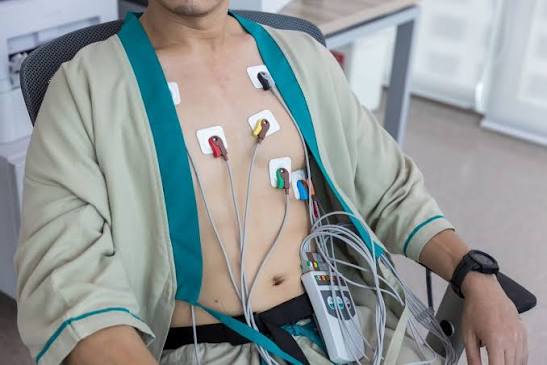
An event monitor is a portable cardiac monitoring device worn for up to 30 days to record the heart’s electrical rhythm when an irregular heartbeat ??? arrhythmia ??? occurs. Unlike the Holter monitor (which records continuously for 24 to 48 hours), the event monitor is designed specifically for patients whose irregular heartbeat symptoms occur infrequently ??? once a week, once a month, or even less often ??? where the short Holter recording window is unlikely to capture the causative rhythm during a symptom episode.
The core insight behind the event monitor: cardiac arrhythmia diagnosis requires capturing the heart’s electrical activity during the precise moment when symptoms occur. For patients with daily palpitations, a 24-hour Holter monitor achieves this readily. For patients whose palpitations or lightheadedness occur unpredictably once or twice a month, the probability of symptoms occurring during a 24-hour window is only 3 to 6 percent ??? making the Holter monitor the wrong tool for that clinical situation. The 30-day event monitor extends the diagnostic window to a period long enough to capture even infrequent events, dramatically increasing the likelihood of achieving symptom-rhythm correlation.
Types of Cardiac Event Monitors ??? Patient-Activated vs. Auto-Detection
Several distinct types of event monitors exist, differing in how they detect and record arrhythmias, who initiates the recording, and how the data is transmitted for analysis:
Patient-activated event recorder: The most straightforward type ??? the patient wears a small device and presses a button when they experience symptoms. The device records the ECG rhythm for a period before and after the button press (typically 60 seconds pre-symptom and 90 seconds post-symptom, stored in a continuous rolling buffer). The stored recording is then transmitted over a cellular or phone connection to a remote cardiac monitoring center. The critical limitation: the patient must be conscious and able to activate the device when symptoms occur ??? this type is not useful for syncope (where the patient loses consciousness before they can press the button) or for asymptomatic arrhythmias (where the dangerous rhythm produces no felt symptoms).
Auto-trigger event monitor: Continuously monitors the ECG rhythm using built-in algorithms that detect pre-programmed arrhythmia patterns ??? atrial fibrillation (irregular RR interval pattern), bradycardia (heart rate below a programmed threshold), tachycardia (rate above threshold), and prolonged pauses. When an arrhythmia meeting detection criteria occurs, the device automatically records and transmits the strip without patient action. This capability captures arrhythmias the patient does not feel ??? including asymptomatic AF (which carries the same stroke risk as symptomatic AF), dangerous ventricular arrhythmias, and severe bradycardia that causes syncope before any action can be taken.
Mobile Cardiac Outpatient Telemetry (MCOT): The most comprehensive external monitoring technology ??? a combined auto-trigger plus patient-activation system that transmits to a 24-hour remote monitoring center staffed by trained cardiac monitoring technicians. Unlike event monitors that store strips for batch analysis at the end of the 30-day period, MCOT provides real-time arrhythmia surveillance with immediate clinical response capability. When the MCOT device detects a dangerous arrhythmia (sustained ventricular tachycardia, complete heart block, symptomatic AF with rapid ventricular response), the monitoring technician reviews the strip, contacts the ordering physician directly, and can facilitate emergency evaluation. MCOT is appropriate for patients at high risk of life-threatening arrhythmias who need real-time monitoring rather than retrospective analysis.

Wearing the Event Monitor ??? Practical Guidance for 30 Days
The event monitor’s 30-day recording window is only useful if the device is worn consistently throughout the monitoring period and used correctly when symptoms occur. Many patients report that the most challenging aspect of event monitoring is remembering to have the device accessible when symptoms strike ??? since palpitations and arrhythmias occur unpredictably, the monitor must be worn or carried continuously:
Most modern external event monitors are adhesive patch devices (similar to a large bandage) or small clip-on devices that attach to chest electrodes. Adhesive patch monitors (Zio AT, CardioNet MCOT patch) are the most convenient for continuous wear ??? they adhere directly to the chest without external wires and are worn continuously for the full monitoring period (electrode patches replaced every 24 to 48 hours as directed, with rotation of adhesion sites to prevent skin irritation). Non-adhesive monitors are typically kept in a pocket or pouch and attached to chest electrodes when symptoms occur ??? less burden between episodes, but requiring quick electrode placement during a palpitation episode that may last only seconds.
During the 30-day monitoring period, maintain the symptom diary meticulously ??? recording every symptom with exact time, duration, associated activities, and any accompanying symptoms (chest pain, shortness of breath, near-fainting). Even if you activate the monitor during an episode, the diary entry provides the clinical context that transforms the raw ECG strip into a meaningful diagnosis. If symptoms occur at night (nocturnal palpitations or awakening from sleep with racing heart), keep the device and diary within arm’s reach of your bed.
What the Event Monitor Report Shows ??? Interpreting Results
At the end of the 30-day monitoring period, or in real time for MCOT, the cardiac monitoring center compiles a comprehensive report that your cardiologist reviews:
Arrhythmia detection summary: A list of all automatically detected arrhythmia events, including the timestamp, duration, heart rate, and rhythm classification (AF, SVT, VT, bradycardia, pause). For MCOT, each detected event includes a technician review note and urgency classification (routine, urgent, emergent). For auto-trigger devices, events are sorted by clinical priority ??? sustained episodes of faster or longer-duration arrhythmias highlighted for cardiologist attention.
Symptom-triggered recordings: All patient-activated recordings, each time-stamped and annotated with the rhythm at that moment. The most diagnostically valuable recordings are those where the patient activated the device at the onset of symptoms ??? capturing the rhythm transition from normal sinus to arrhythmia (or confirming normal sinus rhythm during felt palpitations, which redirects the evaluation). “No arrhythmia during activation” is a positive finding ??? it means the patient’s typical symptoms are not caused by a detectable cardiac arrhythmia.
Total monitoring time and compliance: The report indicates how many hours of valid ECG data were recorded during the 30-day monitoring period ??? continuous wear produces more total monitoring time and higher diagnostic yield. Patients who wear the device less than 50 percent of the time reduce the diagnostic value proportionally. Modern MCOT systems include compliance feedback (the monitoring center can contact the patient if the signal is lost for extended periods, prompting electrode replacement or device reconnection).
The Event Monitor After Cryptogenic Stroke ??? The Highest-Stakes Application
The event monitor’s most clinically consequential application is surveillance for paroxysmal atrial fibrillation following cryptogenic stroke ??? a diagnosis that profoundly changes treatment and dramatically reduces the risk of stroke recurrence. This application deserves particular attention because the stakes of both detecting and missing AF in this setting are extremely high:
When AF is detected after cryptogenic stroke ??? even brief episodes of minutes to hours that the patient may not have felt ??? the treatment changes immediately from antiplatelet therapy (aspirin or aspirin plus clopidogrel ??? which provides no protection against AF-related stroke) to direct oral anticoagulation (apixaban, rivaroxaban, dabigatran, or edoxaban ??? which reduce AF-related stroke risk by 65 to 70 percent compared to aspirin, and by 20 to 25 percent compared to warfarin). Missing this diagnosis ??? discharging a post-cryptogenic stroke patient on antiplatelet therapy when they actually have paroxysmal AF ??? leaves them with substantially inadequate stroke prevention.
The diagnostic strategy for cryptogenic stroke requires extended monitoring beyond the initial hospitalization: in-hospital continuous monitoring for 72 hours, followed by 30-day external cardiac event monitoring if no AF is detected. For patients who complete 30 days of external monitoring without AF detection and in whom clinical suspicion of cardioembolic stroke remains high ??? based on imaging pattern, embolic features, or elevated CHA???DS???-VASc score ??? ESC guidelines recommend implantation of an implantable loop recorder for continued surveillance, given the ILR’s ability to detect AF in up to 35 percent of post-cryptogenic stroke patients at 3 years of follow-up (compared to 12.4 percent at 6 months for external monitoring ??? the CRYSTAL AF trial data). The duration of monitoring matters: AF can appear as late as 2 to 3 years after a cryptogenic stroke event, making extended monitoring a long-term rather than acute-phase commitment.
See our related articles on Holter monitor tracking heart rhythm, common heart tests explained, what is an electrocardiogram, atrial fibrillation symptoms and risks, and stress test for heart health. The American Heart Association arrhythmia monitoring guide, NHLBI arrhythmia diagnosis overview, and Heart Rhythm Society monitoring guidelines provide authoritative clinical standards for cardiac event monitoring.
- Sanna T, et al. Cryptogenic Stroke and Underlying Atrial Fibrillation (CRYSTAL AF). N Engl J Med. 2014;370(26):2478-2486.
- Hindricks G, et al. 2020 ESC Guidelines for the diagnosis and management of atrial fibrillation. Eur Heart J. 2021;42(5):373-498.
- Zimetbaum PJ, Josephson ME. The Evolving Role of Ambulatory Arrhythmia Monitoring in General Clinical Practice. Ann Intern Med. 1999;130(10):848-856.
- Mittal S, et al. Long-Term Continuous Ambulatory Electrocardiographic Recording: Experience with Remote Cardiac Monitoring. J Cardiovasc Electrophysiol. 2011;22(12):1339-1343.
- Brignole M, et al. 2018 ESC Guidelines for the diagnosis and management of syncope. Eur Heart J. 2018;39(21):1883-1948.
Common Reasons Patients Are Referred for Event Monitoring
Understanding the specific clinical scenarios that prompt a physician to prescribe a 30-day event monitor helps patients appreciate why this test was selected for their situation and what the monitoring period is expected to accomplish:
Palpitations with a negative Holter monitor: The most common indication. A patient reports episodic palpitations ??? perhaps once or twice per week, lasting 2 to 10 minutes ??? that were not captured during a 24-hour Holter monitor recording. The event monitor provides a 30-fold increase in the monitoring window, dramatically increasing the probability that the next symptomatic episode will be captured. The clinical question: are these palpitations caused by paroxysmal supraventricular tachycardia (SVT), paroxysmal atrial fibrillation, or frequent premature ventricular contractions ??? or are they non-cardiac (anxiety, GERD, orthostatic changes) with a normal ECG during symptoms? The event monitor answers this definitively.
Presyncope or near-fainting episodes without a clear cause: Presyncope ??? the sensation of imminent fainting without complete loss of consciousness ??? can result from cardiac arrhythmia (bradycardia, tachycardia), orthostatic hypotension (blood pressure drop on standing), vasovagal syncope (reflex-mediated), or non-cardiac causes. Identifying or excluding cardiac arrhythmia as the cause of presyncope is a diagnostic priority because arrhythmic presyncope (especially from VT or complete heart block) indicates a patient at risk for actual syncope and sudden cardiac death. The event monitor is appropriate when presyncope occurs frequently enough (weekly or biweekly) to be captured within 30 days; for less frequent presyncope with suspected cardiac cause, the implantable loop recorder is the preferred monitoring strategy.
Atrial fibrillation burden assessment during treatment: Patients with known paroxysmal AF who have undergone catheter ablation or are on antiarrhythmic drug therapy may receive a follow-up event monitor to quantify their AF burden after treatment ??? confirming ablation success (no AF episodes on 30-day monitoring) or treatment failure (persistent AF despite therapy, requiring medication adjustment or repeat ablation procedure).
Rate or rhythm monitoring on new medications: Patients started on QT-prolonging antiarrhythmic medications (sotalol, dofetilide, amiodarone ??? particularly during initiation) may require extended rhythm monitoring for safety surveillance. MCOT devices with real-time transmission are particularly valuable here, as dangerous QT prolongation or torsades de pointes onset can be detected and responded to immediately rather than discovered retrospectively on a stored recording reviewed days later.
What Happens If the Event Monitor Captures a Dangerous Arrhythmia
For patients wearing MCOT devices with real-time transmission and 24/7 monitoring center surveillance, the detection of a dangerous arrhythmia triggers an immediate clinical response chain that can potentially be life-saving:
When the MCOT monitoring technician detects a significant arrhythmia ??? sustained ventricular tachycardia, complete heart block producing severe bradycardia, or prolonged sinus arrest ??? they attempt to contact the patient directly (via phone) to assess symptoms and safety. Simultaneously, they notify the ordering physician or on-call cardiologist with the ECG strip and clinical information. If the patient cannot be reached, is unresponsive, or reports alarming symptoms, the monitoring center may contact emergency services directly for immediate patient location and evaluation. This real-time surveillance capability is the primary advantage of MCOT over standard event monitors and Holter monitors ??? it converts ambulatory monitoring from a retrospective diagnostic tool into a real-time safety net.
For non-MCOT event monitors with batch data transmission (where strips are reviewed periodically rather than in real time), the response to a detected dangerous arrhythmia is necessarily delayed ??? the recorded strip may not be reviewed until the following business day. Patients at high risk for immediate life-threatening arrhythmias (those with prior sustained VT, prior cardiac arrest, severe LV dysfunction with LVEF below 35%) should generally use MCOT rather than standard patient-activated or batch auto-trigger event monitors.
The Implantable Loop Recorder ??? When 30 Days Is Not Enough
For patients with very infrequent symptoms (syncope once every 3 to 6 months, suspected paroxysmal AF in high-risk post-stroke patients) where 30-day external monitoring has been negative, the implantable loop recorder (ILR) extends continuous cardiac monitoring to up to 3 years in a subcutaneous device the size of a USB drive:
The procedure: under local anesthesia, the ILR (Medtronic Reveal LINQ ??? approximately 1 cubic centimeter, the smallest cardiac implant in clinical use) is inserted through a small skin incision over the left chest using a specialized injector ??? similar to a thick needle injection. The procedure takes approximately 5 to 10 minutes, requires no sutures (the incision self-closes), and the patient returns home the same day. The device continuously records the subcutaneous ECG (a single vector rather than a multi-lead ECG), detecting and storing arrhythmia episodes based on programmable detection criteria. Data is transmitted wirelessly to a home bedside communicator nightly, which forwards strips to the cardiologist’s remote monitoring system ??? typically reviewed within 24 hours of detection.
The ILR’s clinical impact for unexplained syncope is substantial: the ISSUE-3 trial demonstrated that ILR-detected asystole (cardiac standstill during syncope episodes) prompted pacemaker implantation in 43 percent of patients, with subsequent dramatic reduction in syncope recurrence. The EaSyRAS trial showed that ILR detected arrhythmia in 47 percent of patients with unexplained syncope at 12 months, compared to 20 percent with conventional non-invasive workup. For cryptogenic stroke patients, the CRYSTAL AF trial demonstrated AF detection in 12.4 percent by 6 months (versus 2 percent for standard monitoring) and 30 percent by 3 years ??? affirming the ILR’s superior long-term AF surveillance capability over any external monitoring strategy.
Comparing Event Monitoring Technologies ??? A Summary for Patients
To summarize the landscape of ambulatory cardiac monitoring options that extend beyond the standard clinic ECG:
- 24???48 hour Holter: Continuous multi-lead ECG; best for daily symptoms, arrhythmia characterization, HRV analysis; limited yield for infrequent symptoms.
- 14-day adhesive patch (Zio Patch): Single-lead continuous ECG; waterproof; no wires; best for weekly symptoms or post-stroke AF screening; 3???5?? higher AF detection than 24-hour Holter.
- 30-day patient-activated event monitor: Single-lead ECG recorded when patient presses button; best for monthly palpitations; patient must be conscious to activate; no real-time surveillance.
- 30-day MCOT: Combined auto-trigger plus patient activation; real-time 24/7 monitoring center surveillance; immediate clinical response to dangerous arrhythmias; highest external monitoring yield; most appropriate for high-risk patients.
- Implantable loop recorder (ILR): Subcutaneous device; 3-year continuous monitoring; highest diagnostic yield for infrequent syncope and long-term post-stroke AF surveillance; minor outpatient implant procedure; gold standard for unexplained syncope evaluation when external monitoring is negative.
The progression from external to implantable monitoring follows a stepwise diagnostic algorithm: standard Holter ??? extended patch or event monitor ??? ILR, with each step triggered by a negative prior result and persistent clinical suspicion. Understanding where each test fits in this sequence helps patients have informed conversations with their cardiologist about why a particular monitoring approach was recommended ??? and what the next step would be if the current monitor returns negative while symptoms continue.
What to Do When Symptoms Occur During Event Monitoring
One of the most common sources of suboptimal event monitor results is patient hesitation at the moment symptoms occur ??? patients report feeling unsure whether their symptoms are “bad enough” to trigger the monitor, waiting to see if symptoms resolve before pressing the button, or not having the device immediately accessible when symptoms strike unexpectedly. Here is what to do every time you experience any symptom during the monitoring period:
At the very first moment you notice palpitations, chest fluttering, rapid heartbeat, dizziness, or any sensation you consider a “heart symptom” ??? immediately press the event monitor button (for patient-activated devices). Do not wait to see if the sensation gets worse. Do not wait until you feel “certain” it is significant. The device records a window both before and after you press the button ??? the pre-trigger buffer means that even if you press it 15 seconds into an episode, the device captures 60 seconds of rhythm before your button press, including the onset of the arrhythmia. Brief episodes that resolve within 30 seconds can still be captured by the pre-trigger buffer if you press the button promptly. After triggering the recording, write the time and symptom description in your diary immediately while details are fresh ??? including exactly what you were doing (sitting, walking, sleeping, after coffee, after emotional stress) and any associated sensations (shortness of breath, chest pressure, near-fainting). This pairing of device activation and diary entry is the complete diagnostic act that converts a felt symptom into a confirmed or excluded cardiac arrhythmia.