
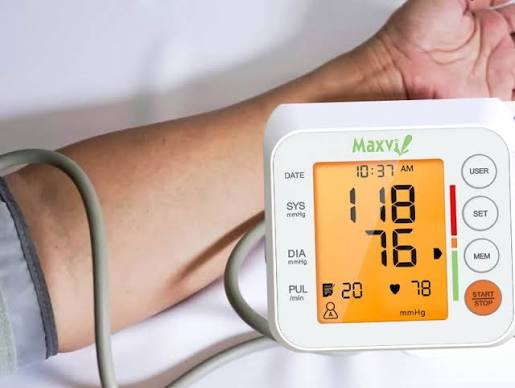
Home blood pressure monitoring is one of the most valuable tools available to seniors managing hypertension, heart failure, or cardiovascular disease — yet it is frequently done incorrectly, with the wrong device, at the wrong time, or without sharing results with a prescriber. A single clinic blood pressure measurement taken during a brief appointment captures a snapshot of one moment under potentially stressful conditions; a systematic home blood pressure log captures patterns across days and weeks under the conditions that actually define daily life. For seniors on blood pressure medications, home monitoring is not optional extra effort — it is the most effective way to ensure medications are working, detect when doses need adjustment, and avoid both the dangers of undertreated hypertension and the risks of overtreatment in a population where low blood pressure on standing increases fall risk.
Why Home Monitoring Is More Informative Than Clinic Readings
Clinic blood pressure readings are subject to several phenomena that systematically distort their accuracy as a guide to treatment. White coat hypertension — elevated blood pressure readings in the clinic driven by anxiety or the stress of the medical encounter — is estimated to affect 15 to 30% of patients diagnosed with hypertension, and is more common in older adults. Patients with white coat hypertension have clinic readings that are 10 to 20 mmHg higher than their true home readings and may be over-treated — taking more blood pressure medications than their actual blood pressure warrants, resulting in low blood pressure, dizziness, and falls when readings are taken under real-life conditions. Identifying white coat hypertension through systematic home monitoring allows appropriate de-escalation of medication.
Masked hypertension — the opposite phenomenon, where clinic readings are normal but home readings are elevated — is equally or more clinically significant. Masked hypertension is estimated to affect 10 to 17% of adults and is associated with a higher rate of cardiovascular events than sustained hypertension (elevated in both clinic and home settings), likely because it represents a more chronic, pervasive exposure to elevated blood pressure that is invisible to clinic-based treatment decisions. Masked hypertension can only be reliably detected through systematic home monitoring or 24-hour ambulatory blood pressure monitoring.
Additionally, blood pressure variability — the degree to which blood pressure fluctuates from reading to reading and time to time — is itself a cardiovascular risk factor in older adults. High blood pressure variability (large swings between high and low readings) is associated with increased stroke risk and cognitive decline, independent of the average blood pressure level. Systematic home monitoring captures this variability pattern; a single clinic reading does not. For seniors with multiple blood pressure readings over days and weeks, a simple home log transforms episodic data into a longitudinal picture that guides clinical decisions far more effectively than any single measurement.
Choosing the Right Blood Pressure Device
Not all home blood pressure monitors are equal in accuracy — and for seniors, device selection requires specific attention. Upper-arm automatic cuff monitors (not wrist or finger monitors) are strongly preferred for older adults. Wrist monitors are particularly inaccurate in older adults because wrist arteries develop more stiffness and calcification with age, creating greater discrepancy between wrist and brachial artery (upper arm) pressures. Wrist positioning errors — if the wrist is not at heart level during measurement — also introduce systematic error. Upper-arm cuffs are more robust to positioning variation and validated against standard mercury sphygmomanometers in large populations including older adults.
The cuff size must match the arm circumference. Standard cuffs fit arms of 22 to 32 cm; larger or smaller arms require a correspondingly sized cuff — using the wrong size introduces systematic error of up to 10 to 15 mmHg. Before purchasing, measure the upper arm circumference; most devices note the appropriate arm size range on the product label. Validated devices (independently tested against standard reference equipment) are listed by the US Hypertension Validated Device Listing (BIHS/HVL), Stride BP, or similar validation databases — checking these lists before purchase ensures accuracy. Devices with Bluetooth connectivity and companion smartphone apps simplify logging and can share data directly with healthcare providers, which improves the clinical utility of home monitoring.
The Correct Measurement Technique
Measurement technique is as important as device choice. Follow these steps consistently for reliable readings:
- Sit quietly for 5 minutes before measuring. Do not drink coffee or tea, exercise, or smoke within 30 minutes before the reading. Caffeine raises blood pressure for 1 to 2 hours; exercise raises it for several hours.
- Sit correctly: back supported, feet flat on the floor (not crossed), arm supported at heart level on a table or armrest. Do not hold the device up yourself — arm fatigue from holding creates measurement error.
- Do not talk during the measurement. Even brief speech raises systolic blood pressure by 6 to 7 mmHg.
- Take two readings, 1 to 2 minutes apart. Record the average of the two readings (most modern devices do this automatically).
- Empty your bladder first. A full bladder raises blood pressure by 10 to 15 mmHg.
- Measure at consistent times: morning within one hour of waking and before taking any blood pressure medications; and evening before bed. These two readings across multiple days give the most representative picture of blood pressure control.

When to Contact Your Doctor Based on Home Readings
Home blood pressure monitoring provides actionable data — but seniors need to know which readings warrant prompt contact with their healthcare provider and which are normal variation:
- Contact your prescriber promptly if: readings are consistently above 160/100 mmHg for 3 or more days; a single reading is above 180/110 mmHg (hypertensive urgency threshold); any reading is accompanied by severe headache, visual changes, chest pain, or breathlessness; readings consistently below 100/60 mmHg; or if you develop dizziness or near-fainting when standing that you believe may be related to your medications.
- Call emergency services (911) if: blood pressure above 180/120 with symptoms of stroke (facial drooping, arm weakness, speech difficulty) or signs of hypertensive emergency (severe chest pain, sudden severe headache, vision loss, confusion, inability to speak).
- Normal variation that does not require urgent action: single readings 10 to 20 mmHg above target without symptoms; readings higher in the morning than evening (common); readings slightly higher after exertion or emotional stress.
Orthostatic Blood Pressure Check: A Critical Measurement for Seniors
Beyond standard seated readings, seniors on blood pressure medications should periodically check orthostatic blood pressure — their blood pressure after standing from a seated position. This can be done at home with a standard upper-arm monitor: take a seated reading, stand up, and after standing for 1 to 2 minutes, take a second reading. A drop of 20 mmHg or more in systolic blood pressure, or 10 mmHg or more in diastolic, accompanied by dizziness, lightheadedness, or near-fainting, constitutes orthostatic hypotension. This is particularly common in the morning (when blood pressure is physiologically lower after lying flat all night), after meals, and after diuretic doses.
Orthostatic hypotension in seniors on blood pressure medications is a modifiable fall risk factor — one of the most actionable opportunities in geriatric cardiovascular care. When detected, the first step is to review which medications might be contributing (antihypertensives, diuretics, alpha-blockers, and some prostate medications are common culprits) and whether a dose reduction or timing change can reduce the postural drop without sacrificing blood pressure control at other times of day. Practical strategies for patients include rising slowly from lying to sitting and from sitting to standing (waiting 30 seconds at each transition), holding a fixed surface when first standing, and avoiding prolonged standing after diuretic doses.
Sources: ACC/AHA 2017 Hypertension Guidelines; American Heart Association Home Blood Pressure Monitoring Scientific Statement; Stride BP Validated Device Database; USPSTF Hypertension Screening Recommendation; ESC Hypertension Guidelines 2018.
Understanding Your Blood Pressure Numbers
A blood pressure reading consists of two numbers. Systolic pressure — the upper number — is the pressure in the arteries when the heart contracts and pumps blood. Diastolic pressure — the lower number — is the pressure when the heart relaxes between beats. Both numbers matter, but in older adults, systolic blood pressure is a stronger predictor of cardiovascular events than diastolic pressure, because it primarily reflects arterial stiffness — the progressive loss of elastic recoil in aging arteries — which itself is the dominant cardiovascular risk driver in this population.
The current ACC/AHA classification for blood pressure in adults:
- Normal: systolic below 120 mmHg and diastolic below 80 mmHg
- Elevated: systolic 120-129 mmHg and diastolic below 80 mmHg
- Stage 1 hypertension: systolic 130-139 mmHg or diastolic 80-89 mmHg
- Stage 2 hypertension: systolic 140 mmHg or above or diastolic 90 mmHg or above
- Hypertensive crisis: systolic above 180 mmHg and/or diastolic above 120 mmHg — requires immediate evaluation
For home readings, targets are approximately 5 mmHg lower than clinic targets because home readings are systematically lower than clinic readings in the same patient (the absence of white coat effect). So the home equivalent of a clinic target of below 130/80 mmHg is below 125 to 130/80 mmHg at home. A home reading of 128/78 is equivalent to a clinic reading of approximately 133/83 — acceptable within the treatment target range for most adults on antihypertensive therapy.
Heart rate (pulse) is also displayed by most home blood pressure monitors. A resting heart rate above 100 beats per minute (tachycardia) or below 50 beats per minute (bradycardia) is worth noting in the log and discussing with your prescriber, particularly if accompanied by palpitations, dizziness, or fatigue. An irregular pulse detected by some monitors may prompt further investigation for atrial fibrillation.
Blood Pressure Patterns That Require Attention
Beyond individual readings, certain patterns in a blood pressure log carry clinical significance:
Morning blood pressure surge: blood pressure is physiologically lowest in the early hours of sleep and rises sharply in the hour before and after waking (the morning surge). In some patients, this morning surge — driven by the sympathetic nervous system activation that accompanies awakening — is exaggerated and reaches very high levels (systolic above 160 or 170 mmHg in the first hour after waking). The morning surge is associated with increased risk of morning-peak cardiovascular events, including heart attack and stroke, which are well-documented to occur more frequently in the early morning hours. Long-acting blood pressure medications taken at bedtime or medications with extended duration of action (amlodipine, telmisartan) may attenuate the morning surge more effectively than medications taken in the morning.
Nocturnal hypertension: blood pressure normally dips 10 to 20% during sleep (the “dipping” pattern). Patients who do not show this nocturnal dip (“non-dippers”) or who have higher blood pressure at night than during the day (“reverse dippers”) have substantially elevated cardiovascular and renal risk, independent of daytime readings. Nocturnal hypertension can only be detected with 24-hour ambulatory blood pressure monitoring (a wearable device that measures blood pressure every 20 to 30 minutes throughout the day and night) — home monitoring with a standard cuff does not capture nighttime readings unless the patient deliberately wakes to measure. If your prescriber suspects non-dipping or nocturnal hypertension based on your cardiovascular risk profile, they may order ambulatory monitoring.
Blood pressure variability: consistently wide swings between high and low readings (for example, readings ranging from 110/70 to 160/95 within the same week) reflect blood pressure variability, which is itself a risk factor for stroke and cognitive decline in older adults. High variability may indicate medication timing issues (readings low near the time of medication and high when the medication is wearing off), missed doses, or high dietary sodium on some days but not others. A consistent daily schedule for medication taking and sodium intake reduces variability.
How to Share Monitoring Data Effectively With Your Doctor
The value of home blood pressure monitoring is realized only when the data reaches your care team. Best practices for sharing monitoring data:
- Bring the paper log or printout to every appointment. Most monitors have memory and can print or display a list of saved readings; if your device connects to a smartphone app, screenshots or app exports can be shared via the patient portal or shown to your prescriber during the visit.
- Summarize the trend, not just the extreme. Rather than reporting “I had a reading of 175/95 last Thursday,” tell your prescriber: “My average morning reading over the past two weeks was 138/84, but I had three readings above 155 on days when I ate at a restaurant.” This context allows more informed medication decisions.
- Share at least two weeks of readings before any medication adjustment. A single week may be influenced by unusually stressful events or illness; two to four weeks of readings provide a more representative baseline for treatment decisions.
- Note medication adherence in the log. If you missed two doses this week, that context explains readings that would otherwise prompt unnecessary medication intensification.
- Remote patient monitoring: many healthcare systems now offer structured programs where blood pressure readings are automatically transmitted from a connected monitor to the clinical team, triggering nursing or pharmacy review and timely medication adjustments. Ask your primary care physician or cardiologist if such a program is available through your health system — it is particularly beneficial for seniors with poorly controlled hypertension or recent medication changes.
Special Monitoring Considerations for Seniors With Heart Failure
Seniors with heart failure — in addition to hypertension — should monitor daily weight as part of their home management routine. The most sensitive and earliest warning sign of worsening heart failure is fluid accumulation, which appears as weight gain before it causes breathlessness or ankle swelling. A weight gain of 2 to 3 pounds in 24 hours or 5 pounds in a week should prompt contact with the heart failure care team. This daily weight check should be performed each morning after urinating and before eating, in the same clothing and on the same scale — consistency eliminates variables that obscure the weight trend. Many heart failure programs provide patients with a written action plan that specifies when to call the nurse line (2-pound overnight gain), when to increase diuretic dose (if a flexible dosing protocol is in place), and when to go to the emergency department (severe breathlessness, sitting upright all night, inability to lie flat).
Related Topics on Horizon Health Guide
- Blood Pressure Medications: Types and Purpose — the antihypertensive drug classes most commonly prescribed for seniors, their mechanisms, and the evidence for blood pressure targets from SPRINT and ALLHAT
- Heart Health After Age 60 — the major cardiovascular changes after 60 including isolated systolic hypertension, arterial stiffness, and atrial fibrillation risk that make blood pressure monitoring especially important
- Diuretics for Blood Pressure and Heart Failure — the diuretics that lower blood pressure but also carry orthostatic hypotension risk that home monitoring can help detect
- Medication Safety for Heart Patients — how medication adherence gaps and drug interactions affect blood pressure readings and what to log when you miss doses
- Why You Should Not Stop Heart Medication Suddenly — what happens to blood pressure when antihypertensive medications are stopped abruptly and the safe way to discontinue them
Clinical References and Further Reading
- AHA Home Blood Pressure Monitoring Statement — Hypertension 2019: evidence-based guidance on home blood pressure monitoring including validated device selection, measurement technique, and target values for home readings
- SPRINT Trial — NEJM 2015: blood pressure targets in adults over 50 — 25% lower cardiovascular events with intensive control; used standardized home-equivalent measurement protocol
- Remote Patient Monitoring for Hypertension — JAMA 2018: pharmacist-led remote blood pressure monitoring program reduced BP significantly more than usual care in 450 high-risk hypertensive patients
Making Home Monitoring a Sustainable Habit
Home blood pressure monitoring only provides clinical value when done consistently over time — a week of readings before an appointment is far less useful than a month of readings kept systematically throughout the year. Building monitoring into a consistent daily routine removes the need for willpower or memory: keep the blood pressure monitor next to the items you already use every morning (medication organizer, glasses, coffee maker) as a visual reminder. Many seniors find that a brief two-reading routine immediately after taking morning medications — while sitting quietly at the kitchen table — integrates naturally into an established daily schedule without feeling like an additional task.
Record every reading immediately — do not try to remember them later. Dedicated blood pressure log books are available at most pharmacies; alternatively, a simple notebook with columns for date, time, systolic, diastolic, heart rate, and notes works equally well. The notes column is particularly valuable for capturing potentially relevant context: “higher than usual — ate restaurant lunch yesterday” or “both readings low — felt dizzy this morning” or “missed last night’s amlodipine.” These notes transform raw numbers into clinically interpretable data and save time during appointments by answering the prescriber’s first question: “Was anything different on the days the readings were higher?”
For seniors who prefer digital solutions, most modern blood pressure monitors sync automatically with iOS or Android apps (Withings, Omron Connect, iHealth) that store readings with timestamps, calculate averages, display trend graphs, and can generate PDF reports for sharing with healthcare providers. Some apps also allow entries for weight and physical activity, creating an integrated home health monitoring log that is particularly useful for seniors managing multiple cardiovascular conditions simultaneously. The best system is the one the individual senior will actually use consistently — whether paper or digital — because consistent incomplete data is more valuable than perfect data that is only collected sporadically.
Pingback: Fall Risk, Dizziness, and Heart Medications
Pingback: Heart Failure Monitoring at Home
Pingback: Annual Heart and Circulation Checklist
This breakdown of monitoring blood pressure at home for is exactly what patients need before a specialist appointment. This is the kind of evidence-based writing that actually changes how people approach their health. Shared this with three friends who are dealing with related issues. Very useful resource.
I shared this article on monitoring blood pressure at home for with my doctor and they appreciated the level of detail. The connection between lifestyle choices and long-term outcomes is explained clearly here. This is going into my health folder that I bring to every doctor’s visit.
Really well-written article on monitoring blood pressure at home for. I appreciated how the article addressed both the clinical side and the practical adjustments. Thank you for making complex medical information accessible without dumbing it down.