

Post-Meal Blood Sugar Explained: What’s Normal?
Every meal triggers a predictable cascade in blood glucose — a rise as food is digested and glucose enters the bloodstream, a peak as the glucose load reaches its maximum, and a return to baseline as insulin moves glucose into cells. Understanding post-meal blood sugar — when it peaks, how high it should go, what slows its return to normal, and why it matters — is essential both for people managing diabetes and for anyone wanting a complete picture of their metabolic health. Post-meal glucose measurement is the most sensitive way to detect early insulin resistance, because the impairment of post-meal glucose clearance typically develops years before fasting glucose becomes abnormal. A person can have a perfectly normal fasting glucose while having post-meal spikes that signal significant underlying metabolic dysfunction. This guide explains the complete picture of postprandial glucose — its physiology, reference ranges, what drives individual variation, and how to measure and manage it. For context on how blood glucose is controlled between meals as well as after them, see our guide on how the body controls blood sugar. For the full comparison of all glucose ranges, see our guide on what is normal blood sugar.
The Post-Meal Glucose Curve: What Happens After You Eat
When food is eaten, digestion begins immediately. Carbohydrates in the meal are broken down into simple sugars (primarily glucose) by salivary and pancreatic enzymes, and this glucose begins entering the bloodstream through the intestinal wall within fifteen to twenty minutes of eating. Blood glucose starts to rise within about fifteen to thirty minutes of meal ingestion, reaches its peak typically between forty-five and ninety minutes after the start of eating (depending on meal composition and individual digestion speed), and then returns toward the pre-meal level over the following one to three hours as insulin moves the absorbed glucose into cells.
The insulin response is triggered by the rise in blood glucose and by gut hormones (particularly GIP and GLP-1) that are released from the intestinal wall as nutrients are absorbed. This “first-phase” insulin response — a rapid initial burst of insulin released from pre-formed insulin granules in beta cells — begins within minutes of glucose rising and is the critical mechanism that prevents post-meal glucose from spiking excessively. A delayed or blunted first-phase insulin response is often the earliest detectable defect in pre-diabetes and Type 2 diabetes, explaining why post-meal glucose becomes abnormal before fasting glucose does. When the first-phase insulin response is impaired, glucose rises higher and faster than the delayed second-phase insulin response can match, producing the exaggerated post-meal peaks characteristic of early insulin resistance. Understanding insulin resistance at a physiological level clarifies why this post-meal impairment develops before fasting glucose becomes abnormal — it is a fundamentally different metabolic problem affecting different mechanisms.
The liver also plays an important role during the post-meal period. Normally, insulin rising after a meal suppresses hepatic glucose production almost completely — the liver switches from producing glucose to taking it up and storing it as glycogen. In insulin resistance, this hepatic insulin response is blunted, and the liver continues producing some glucose even during the post-meal period when it should be suppressed, adding to the glucose load that the peripheral tissues must clear and contributing to higher post-meal peaks.
Normal Post-Meal Blood Sugar Ranges
The standard reference timepoint for post-meal glucose measurement in clinical testing is two hours after the start of a meal (or two hours after consuming a standardized 75-gram glucose load during an oral glucose tolerance test). At this timepoint, the initial glucose rise should have peaked and begun to return toward baseline.
- Normal two-hour post-meal glucose: Below 140 mg/dL (7.8 mmol/L). In people with healthy insulin function and sensitivity, blood glucose has returned well toward the fasting range by the two-hour mark. The peak during the first hour may briefly reach 120–150 mg/dL before coming back down — brief transient peaks are normal and do not represent sustained high glucose exposure.
- Prediabetes (Impaired Glucose Tolerance): 140–199 mg/dL (7.8–11.0 mmol/L) at two hours. Glucose in this range at the two-hour mark indicates that post-meal glucose clearance is meaningfully impaired. The insulin response is insufficient or too slow to bring glucose back below 140 mg/dL within two hours. This is often the first measurable sign of insulin resistance and represents the prediabetes range when confirmed on repeat testing. See our guide on what prediabetes is for full context on what this finding means and what to do about it.
- Diabetes: 200 mg/dL (11.1 mmol/L) or above at two hours. A two-hour post-glucose-load value at or above 200 mg/dL meets the diagnostic criterion for diabetes mellitus. This level of post-meal glucose elevation indicates severe impairment of glucose clearance — the insulin response is substantially insufficient for the glucose load presented.
For people already managing diabetes, the American Diabetes Association recommends a post-meal glucose target of below 180 mg/dL at one to two hours after the start of a meal — a target that is higher than the “normal” diagnostic threshold because achievability must be balanced against hypoglycemia risk in medicated patients.
- Normal 2-hour post-meal: Below 140 mg/dL — efficient insulin-mediated glucose clearance
- Prediabetes range: 140–199 mg/dL — impaired glucose tolerance; often the earliest insulin resistance sign
- Diabetes threshold: 200 mg/dL or above at 2 hours
- Diabetes management target: Below 180 mg/dL at 1–2 hours post-meal (ADA)
- Peak timing: 45–90 minutes after meal start in most people
- Time to baseline: 2–3 hours in healthy metabolism; longer in insulin resistance
What Makes Post-Meal Glucose Higher or Lower
Post-meal glucose is not determined solely by underlying insulin function — a wide range of meal and lifestyle factors meaningfully affect how high glucose rises and how quickly it returns to baseline. Understanding these factors provides the foundation for practical dietary and lifestyle strategies that reduce post-meal glucose peaks.
Carbohydrate amount: The total carbohydrate content of a meal is the primary determinant of post-meal glucose magnitude. More carbohydrates produce more glucose from digestion, which requires more insulin to clear. Reducing total carbohydrate intake — particularly refined carbohydrates that digest rapidly — is the most direct dietary lever for reducing post-meal glucose peaks. The effect is roughly proportional: cutting carbohydrates in half approximately halves the post-meal glucose rise attributable to those carbohydrates, though individual variation is substantial.
Glycemic index and glycemic load: Foods with high glycemic index (white bread, white rice, refined cereals, sugary drinks) are digested rapidly, producing a fast and high glucose spike. Foods with low glycemic index (legumes, vegetables, whole grains, most proteins and fats) produce slower, more modest glucose rises. The glycemic load combines carbohydrate quantity and glycemic index into a single measure — a food with moderate glycemic index but large portion size can have a high glycemic load and produce significant glucose elevation. For people managing post-meal glucose, focusing on low-glycemic-load eating patterns rather than simply reducing calories or fat provides more direct glucose benefit.
Protein and fat content: Protein and fat in the same meal as carbohydrates slow gastric emptying and reduce the speed at which carbohydrates are digested and glucose enters the bloodstream — smoothing the glucose curve and reducing peak height. Adding protein (eggs, chicken, fish, legumes) and healthy fat (olive oil, avocado, nuts) to carbohydrate-containing meals is a practical way to reduce post-meal glucose peaks without necessarily reducing total carbohydrate intake. This macronutrient combination effect explains why a meal of refined pasta produces a higher and faster glucose spike than the same pasta eaten with olive oil, protein, and vegetables — the same carbohydrates are digested more slowly when accompanied by fat and protein.
Fiber: Soluble fiber (found in oats, legumes, apples, and psyllium) forms a gel in the intestinal tract that slows carbohydrate digestion and glucose absorption, significantly flattening the post-meal glucose curve. Insoluble fiber (found in vegetable skins, whole grains) reduces gastric emptying rate through a different mechanism but also contributes to glucose flattening. High-fiber meals consistently produce lower, more delayed glucose peaks than low-fiber meals of equivalent carbohydrate content.
Meal order: Emerging evidence suggests that eating vegetables and protein before carbohydrates — rather than eating carbohydrates first — significantly reduces post-meal glucose peaks. In one study, eating vegetables and protein before rice and bread reduced peak glucose by approximately 30% compared to eating carbohydrates first, even though the total meal content was identical. The mechanism is thought to involve both slowed gastric emptying from pre-meal fat and protein, and enhanced GLP-1 secretion from the prior vegetable and protein exposure. This meal-order strategy requires no change in total food intake and no elimination of carbohydrates — just a change in the order of eating.
Exercise timing: Physical activity after a meal accelerates glucose uptake into muscle cells independent of insulin, significantly reducing post-meal glucose peaks. Even a short walk (10–15 minutes) within an hour of finishing a meal produces measurable glucose-lowering effects. Regular post-meal walking is one of the most consistently effective and accessible interventions for reducing post-meal glucose in people with insulin resistance or prediabetes, and is a recommended component of lifestyle management for people at risk for diabetes.
Measuring Post-Meal Blood Sugar at Home
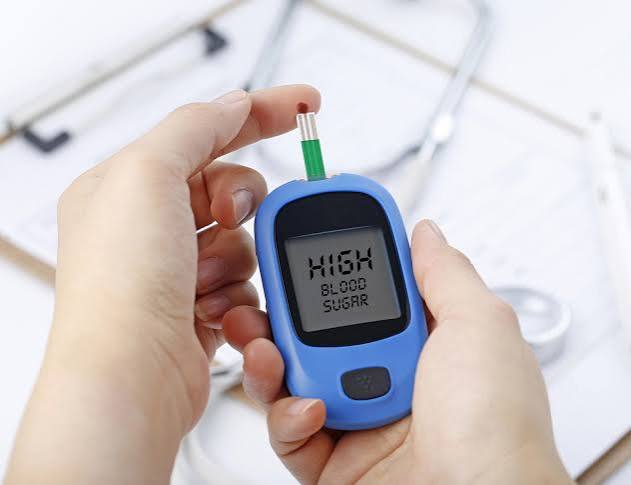
Home glucose meter testing provides the most accessible way to observe post-meal glucose patterns and understand how specific meals affect individual blood sugar. The practical protocol for post-meal testing at home is straightforward: test before eating (pre-meal baseline), then test again one to two hours after the start of the meal (post-meal peak). The difference between the two readings represents the glucose rise attributable to the meal.
The optimal testing timepoint for identifying the peak is approximately one hour after the meal starts for most people, though those with slower gastric emptying (including some people with diabetes and autonomic neuropathy) may peak later, at ninety minutes to two hours. The two-hour timepoint is the standard clinical diagnostic reference point and is most useful for comparing to the established ranges above. Using a consistent testing protocol — same timing relative to meals, same finger sites, same meter — produces the most meaningful comparisons across days. Our comprehensive guide on home blood sugar monitoring covers all aspects of accurate and consistent home glucose testing. For people who want to see their post-meal glucose patterns continuously — rather than from single-point snapshots — continuous glucose monitoring (CGM) systems provide a full real-time picture of the glucose curve after every meal, revealing individual responses to specific foods that a few daily glucose meter readings cannot capture. The full reference for all blood sugar ranges across testing types is available in our blood sugar chart for adults, and context on the longer-term picture of glucose control across days and weeks is provided by our guide on the A1C test.
Why Post-Meal Glucose Matters More Than Fasting Glucose for Many People
For decades, fasting glucose was the primary — and often the only — measure used to screen for diabetes and prediabetes. Research over the past twenty years has substantially revised that picture, demonstrating that post-meal glucose elevation is a stronger and earlier predictor of cardiovascular complications than fasting glucose elevation, and that a significant proportion of people with cardiovascular disease or metabolic dysfunction have abnormal post-meal glucose while their fasting glucose remains normal.
The DECODE study — a large European analysis of diabetes and cardiovascular risk — demonstrated that two-hour post-meal glucose was a stronger predictor of cardiovascular mortality than fasting glucose, even after adjusting for traditional risk factors. Subsequent studies have supported the finding that postprandial hyperglycemia is independently associated with atherosclerosis, endothelial dysfunction, and oxidative stress at glucose levels (140–200 mg/dL) that may not yet produce symptoms or abnormal fasting readings. The proposed mechanism involves the oxidative stress generated by rapid glucose rises — each spike in glucose above approximately 140 mg/dL triggers reactive oxygen species production in blood vessel endothelial cells, promoting inflammation and arterial damage that accumulates over years of repeated post-meal spikes even when fasting glucose is well controlled. This finding has led to greater clinical focus on post-meal glucose as a therapeutic target in diabetes management, and is reflected in the ADA’s inclusion of a post-meal glucose target (below 180 mg/dL) in the Standards of Care alongside the fasting and A1C targets. For context on the long-term consequences of chronically elevated blood glucose — both fasting and post-meal — our guide on why blood sugar matters for long-term health covers the full spectrum of complications that glucose elevation drives over time.
Post-Meal Glucose Patterns in Type 1 vs. Type 2 Diabetes
The post-meal glucose pattern differs substantially between Type 1 and Type 2 diabetes, reflecting the different mechanisms of insulin deficiency and resistance in each condition.
In Type 1 diabetes, the pancreas produces no insulin (or negligible amounts), so there is no first-phase or second-phase insulin response to a meal. Without any endogenous insulin response, post-meal glucose rises as high and as fast as the carbohydrate content of the meal allows — typically reaching 200–400 mg/dL or more after a standard meal without insulin treatment. Management of post-meal glucose in Type 1 diabetes depends entirely on rapid-acting insulin (either injected immediately before or during a meal, or delivered by insulin pump) timed and dosed to match the expected glucose rise from the meal’s carbohydrate content. The carbohydrate-counting skills used in Type 1 diabetes management — estimating carbohydrates in each meal to calculate the appropriate insulin dose — represent the primary tool for keeping post-meal glucose in the target range. Detailed guidance on insulin dosing and meal management in Type 1 diabetes is beyond the scope of this guide, but the Type 1 diabetes symptom guide and diabetes care team resources provide the framework for this management. For those managing Type 2 diabetes, the guide on symptoms of Type 2 diabetes provides context on how post-meal glucose patterns differ in the insulin-resistant Type 2 setting.
In Type 2 diabetes and insulin resistance, the post-meal pattern involves an impaired but not absent insulin response. The first-phase insulin response is blunted and delayed, allowing glucose to rise higher initially. The second-phase response may be adequate or also impaired, depending on the degree of beta cell dysfunction. The result is a higher peak glucose and a slower return to baseline compared to normal — but not the complete absence of insulin response seen in Type 1. Managing post-meal glucose in Type 2 diabetes typically involves a combination of dietary modification (lower glycemic index foods, reduced carbohydrate portions, increased fiber and protein), physical activity (particularly post-meal walking), and when needed, medications that specifically target post-meal glucose — including GLP-1 receptor agonists (which enhance the first-phase insulin response and slow gastric emptying), short-acting insulin secretagogues, and alpha-glucosidase inhibitors (which slow carbohydrate digestion in the gut). Understanding how post-meal glucose fits into the broader picture of diabetes monitoring — alongside fasting glucose, A1C, and the ranges in our blood sugar chart for adults — provides the complete framework needed for effective glucose management in diabetes. And for those who have not yet been evaluated for diabetes but notice consistent post-meal fatigue, brain fog, or hunger returning unusually quickly after eating, checking post-meal glucose with a home meter and comparing to the ranges in this guide is a straightforward first step in understanding whether these symptoms reflect a blood glucose pattern worth bringing to a healthcare provider. The full context of early signs of high blood sugar provides the broader symptom picture that accompanies post-meal glucose elevation when it reflects developing metabolic dysfunction.
Post-Meal Glucose and Weight Management
The relationship between post-meal glucose patterns and body weight is more complex than the simple “calories in, calories out” framework suggests. Post-meal glucose spikes followed by rapid drops (the spike-and-crash pattern described above) reliably trigger hunger and drive eating behavior — not because a person lacks willpower, but because the hypothalamus responds to falling glucose as a starvation signal, activating eating behavior to restore glucose. People with significant post-meal glucose variability — high spikes followed by crashes — tend to eat more frequently and in larger amounts than those with stable, modest post-meal glucose curves, even when total caloric intake appears similar. This glucose-driven appetite dysregulation is one pathway through which insulin resistance and poor post-meal glucose control contribute to weight gain and obesity — the overconsumption driven by glucose instability adds calories that would not occur with stable post-meal glucose patterns.
Conversely, dietary strategies that flatten post-meal glucose — higher fiber, more protein, lower glycemic index, post-meal physical activity — tend to improve satiety and reduce overall caloric intake without requiring conscious portion restriction. People who shift to lower-glycemic eating patterns often report feeling satisfied for longer after meals and experiencing less frequent hunger, which is the glucose-stabilizing effect of their dietary change expressed as appetite. This mechanism explains why low-carbohydrate and Mediterranean dietary patterns — both of which produce lower post-meal glucose peaks — show weight management benefits in studies of people with insulin resistance and Type 2 diabetes, in addition to their direct glucose-lowering effects. The combination of lower post-meal glucose spikes, improved satiety signaling, reduced hunger-driven overeating, and in many people meaningful weight loss makes dietary patterns that target post-meal glucose one of the most practical and multidimensional interventions available for people with metabolic syndrome, prediabetes, or Type 2 diabetes who want to address both glucose and weight together. The practical monitoring tools that make this approach concrete — tracking post-meal readings to see which specific foods drive the largest spikes for you personally — are covered in our guide on home blood sugar monitoring, and the broader context of how post-meal glucose fits into overall glucose risk assessment is provided by our comprehensive blood sugar chart for adults.
Individual Variation in Post-Meal Glucose Response
One of the most important findings from continuous glucose monitoring research is that different people have dramatically different blood glucose responses to the same foods — a finding that challenges the assumption that a single glycemic index value for a food predicts how it will affect any individual’s glucose. In the landmark Weizmann Institute study (Zeevi et al., 2015), CGM data collected from hundreds of participants showed that two people eating identical meals could have glucose responses differing by more than 200 mg/dL. The factors driving individual variation include gut microbiome composition, body mass index, insulin sensitivity, sleep quality, physical activity habits, meal timing relative to prior exercise, and individual differences in gastric emptying speed. This means that personalized post-meal glucose testing — rather than reliance on population-average glycemic index tables — provides the most accurate information about how specific foods affect your individual blood sugar. Checking glucose before and after specific meals across several days builds a personal database of which foods drive the largest post-meal spikes for you, allowing targeted dietary adjustments that are calibrated to your own metabolic response rather than a generic recommendation. The practical tools to implement this personal testing approach are covered in our guide on home blood sugar monitoring, and the ranges to compare your personal results against are summarized comprehensively in the blood sugar chart for adults.
Sources: American Diabetes Association. Standards of Medical Care in Diabetes — 2024. Diabetes Care. 2024;47(Suppl 1):S20–S42. • Ceriello A, et al. Postprandial Hyperglycemia and Cardiovascular Risk. Diabetes Care. 2010;33(10):2119–2124. • National Institute of Diabetes and Digestive and Kidney Diseases. Diabetes Tests and Diagnosis. NIDDK; 2023.
This breakdown of post-meal blood sugar explained: what’s normal? is exactly what patients need before a specialist appointment. The practical tips made this immediately actionable, not just theoretical. This is exactly why I prefer this website over generic health platforms.
Really well-written article on post-meal blood sugar explained: what’s normal?. The connection between lifestyle choices and long-term outcomes is explained clearly here. Looking forward to reading more articles from this website.
This breakdown of post-meal blood sugar explained: what’s normal? is exactly what patients need before a specialist appointment. This is the kind of evidence-based writing that actually changes how people approach their health. This is exactly why I prefer this website over generic health platforms.