
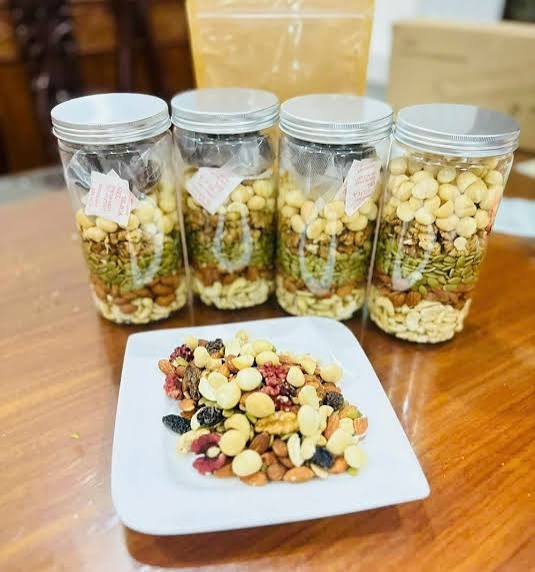
The evidence for nuts and blood sugar support is among the strongest and most consistent in nutrition research for any single food category — multiple randomized controlled trials, large prospective cohort studies, and mechanistic investigations have confirmed that regular nut consumption improves postprandial glucose responses, reduces HbA1c, lowers cardiovascular risk markers, and is associated with significantly lower Type 2 diabetes risk and lower all-cause mortality in adults with existing Type 2 diabetes. The mechanisms are well-characterized: nuts provide the combination of healthy fats (primarily monounsaturated and polyunsaturated), protein, fiber, and magnesium that collectively slow gastric emptying, reduce postprandial glucose from co-ingested carbohydrates, improve insulin receptor signaling, and reduce the chronic inflammation that drives insulin resistance progression. Understanding nuts and blood sugar support at this mechanistic level allows adults to make optimal nut selection and consumption decisions — choosing the highest-evidence nut varieties, consuming them in portions and contexts that maximize their blood sugar benefit, and avoiding the processing and preparation additions that undermine nuts’ metabolic advantages. The unique feature of nuts in the blood sugar management landscape is their caloric density: a 1-ounce serving (approximately a small handful) provides 160–200 calories, making portion awareness important — not because nuts raise blood sugar (they have a glycemic index of approximately 0–15 across all types), but because their high caloric density means unrestricted consumption can contribute to caloric excess that impairs weight management and insulin sensitivity. Consuming nuts as a strategic replacement for higher-glycemic, lower-nutrient snack foods — rather than adding them on top of the existing diet — captures their blood sugar benefit while maintaining appropriate caloric balance.
A meta-analysis of 12 randomized controlled trials found that nut consumption (median dose: 56g per day for 8 weeks) significantly reduced HbA1c by 0.07 percentage points, fasting blood glucose by 1.6 mg/dL, and triglycerides by 10 mg/dL in adults with Type 2 diabetes. A prospective study found that adults with Type 2 diabetes who consumed nuts 5 or more times per week had 17% lower cardiovascular disease risk and 34% lower cardiovascular mortality compared to those who rarely ate nuts.
Best Nuts for Blood Sugar Support: Evidence-Based Ranking
All tree nuts provide meaningful nuts and blood sugar support, but several varieties have particularly strong clinical evidence for blood sugar benefit through specific mechanisms:
- Almonds (strongest evidence for postprandial glucose reduction): Almonds have more randomized controlled trial evidence for blood sugar benefit than any other tree nut. A landmark study by Jenkins et al. found that adding almonds to high-carbohydrate meals (white bread, mashed potatoes) reduced postprandial glucose responses by 30–40% compared to the same meals eaten without almonds — an effect attributed to almonds’ viscous fiber, healthy fat, and protein combination that collectively slow gastric emptying and starch digestion rate. A second mechanism specific to almonds is their exceptionally high magnesium content (76mg per ounce — 19% of the daily value) which supports the magnesium-dependent insulin receptor kinase phosphorylation cascade; almonds provide more magnesium per calorie than almost any other tree nut. Clinical trials have found that eating 1.5 ounces of almonds daily for 12 weeks significantly reduced HbA1c, fasting glucose, and LDL cholesterol in adults with prediabetes — with the blood glucose effects attributed to both the direct magnesium-insulin sensitivity pathway and the meal modulation effects of almond fat and fiber on co-ingested carbohydrates.
- Walnuts (ALA omega-3s and anti-inflammatory benefit): Walnuts are uniquely high in alpha-linolenic acid (ALA) — the plant-based omega-3 fatty acid — providing 2.5g per ounce compared to less than 0.1g in other common nuts. ALA is converted in the body to longer-chain omega-3s (EPA and DHA) at low efficiency, but the large absolute quantity of ALA in walnuts means that walnut consumption provides meaningful anti-inflammatory omega-3 activity. A meta-analysis of walnut intervention trials found that walnut consumption significantly reduced inflammatory markers (CRP, IL-6) and improved endothelial function — reducing the chronic inflammation that drives insulin resistance and the cardiovascular disease risk that is 2–4 times elevated in adults with Type 2 diabetes. Walnuts also provide ellagitannin polyphenols that are metabolized by gut bacteria to urolithins with independent anti-inflammatory and insulin-sensitizing effects. A Harvard prospective study found that adults who consumed walnuts twice or more per week had 47% lower Type 2 diabetes risk than those who never consumed walnuts — the strongest diabetes risk reduction association of any nut variety in that cohort.
- Pistachios (lowest calorie density, highest satiety per calorie): Pistachios provide the lowest calorie count of common tree nuts (159 calories per ounce) due to their higher water and fiber content relative to other nuts, and their in-shell consumption (which slows eating pace and creates visual cues of quantity consumed) is associated with 41% lower caloric intake compared to consuming shelled pistachios. A randomized trial found that substituting 2 ounces of pistachios for an equal calorie portion of refined carbohydrates significantly reduced postprandial glucose, fasting glucose, and HbA1c in adults with prediabetes over 12 weeks. Pistachios’ particular combination of lutein, gamma-tocopherol, and plant sterols provides additional cardiovascular risk reduction relevant for adults with diabetes.
- Cashews (moderate GI, highest in zinc): Cashews have a slightly higher carbohydrate content (9g per ounce) than most tree nuts and a correspondingly slightly higher glycemic index (GI approximately 22–27) — still very low, but meaningfully higher than almonds (GI ~0–10) and walnuts (GI ~0–15). Cashews provide the highest zinc content of tree nuts (1.6mg per ounce), and zinc is a cofactor required for insulin synthesis, storage, and secretion in pancreatic beta cells — maintaining adequate zinc status supports optimal insulin production capacity. A clinical trial found that cashew consumption reduced systolic blood pressure and increased HDL cholesterol in adults with Type 2 diabetes, providing cardiovascular risk reduction alongside their modest direct blood sugar benefit.
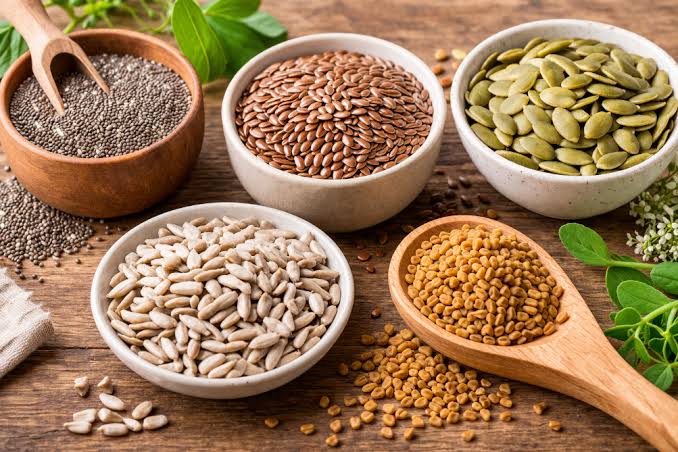
How Nuts Lower Postprandial Blood Sugar When Eaten With Carbohydrates
One of the most clinically useful aspects of nuts and blood sugar support is that nuts reduce blood glucose responses to carbohydrates eaten at the same meal — meaning they benefit blood sugar not only as standalone snacks but as meal accompaniments that improve the glycemic profile of the entire meal. The mechanisms behind this meal-modulation effect are well-characterized:
- Fat-mediated gastric emptying delay: The healthy fats in nuts (primarily monounsaturated fat from almonds, cashews, and macadamias; polyunsaturated from walnuts and pecans) trigger the release of cholecystokinin (CCK) from the duodenum when they enter the small intestine. CCK signals the stomach to slow its emptying rate — slowing the delivery of carbohydrates from the stomach to the small intestine where glucose absorption occurs. By slowing the rate at which carbohydrates arrive at the glucose absorption surface, nuts effectively spread glucose absorption from co-ingested carbohydrates over a longer time period, reducing the peak postprandial glucose concentration without reducing total glucose absorption.
- Protein-mediated insulin stimulation: Nuts’ protein content (6g per ounce for most tree nuts) stimulates insulin secretion through amino acid-triggered GLP-1 release and direct beta-cell stimulation. This insulin presecretion primes the glucose disposal machinery before the carbohydrate load arrives — improving insulin response timing relative to glucose delivery and reducing postprandial glucose peaks even at equivalent total glucose absorption rates.
- Fiber-mediated viscosity and starch blocking: The insoluble and soluble fiber in nuts (3g per ounce) contributes to the viscous mass in the stomach that slows gastric emptying and reduces amylase access to starch in co-ingested foods. Nuts also contain tannins and phytates that partially inhibit amylase enzyme activity — slowing the digestion of any starch consumed in the same meal and reducing the rate of glucose delivery from those starches. The practical implication: eating nuts before or alongside a carbohydrate-heavy meal — a small handful of almonds before pasta, walnuts in a grain salad, almond butter on whole grain toast — provides meaningful blood glucose reduction for the entire meal beyond what eating nuts alone or separately would suggest. Our guide on best foods for blood sugar control covers nuts within the complete ranking of blood-sugar-beneficial foods, and our low-glycemic foods guide explains how nuts fit within the broader low-GI eating framework.
Peanuts: A Special Case in Nuts and Blood Sugar Support
Peanuts deserve special attention in the nuts and blood sugar support discussion because they are technically legumes (not tree nuts), are the most commonly consumed “nut” in the United States, and have distinct nutritional characteristics alongside strong clinical evidence for blood sugar benefit. Peanuts provide 7g of protein per ounce — more than any tree nut — alongside 14g of predominantly monounsaturated fat and 2g of fiber. A landmark study found that eating peanut butter (2 tablespoons) at breakfast reduced postprandial glucose at breakfast, at mid-morning snack time, and at lunch compared to a carbohydrate-equivalent breakfast without peanut butter — demonstrating a multi-meal blood sugar benefit from a single morning peanut butter serving. A 30-year prospective study of women found that consuming peanuts or peanut butter 5 or more times per week was associated with 21% lower Type 2 diabetes risk compared to rarely consuming them. Peanuts’ limitation compared to tree nuts is their higher susceptibility to aflatoxin contamination if stored improperly — buying fresh peanuts and natural peanut butter from reputable sources and consuming within the recommended shelf life minimizes this risk. Natural peanut butter (ingredients: peanuts and salt only) provides blood sugar benefit equivalent to whole peanuts; commercial peanut butters with added hydrogenated vegetable oils, sugar, or high-fructose corn syrup partially undermine the metabolic benefit of the peanuts themselves through their added ingredients. The complete dietary context for nuts within a comprehensive blood sugar management approach — alongside vegetables, whole grains, legumes, fruits, lean proteins, and fermented dairy — is covered in our diabetes diet beginner’s guide. The ADA’s nutrition guidance, the NIDDK’s diabetes eating overview, and the CDC’s healthy eating guidance all support regular nut consumption as a favorable dietary choice for adults managing blood sugar — consistent with the substantial epidemiological and clinical evidence for nuts’ blood glucose and cardiovascular risk benefits in adults with diabetes and metabolic syndrome. For the complete analysis of how healthy fat sources like nuts interact with carbohydrates, vegetables, and whole grains in a blood-sugar-optimized meal pattern, see also our guides on beans and blood sugar control and vegetables and blood sugar control.
Nut Butters and Blood Sugar: How Almond Butter, Peanut Butter, and Others Compare
Nut butters provide the same fundamental nuts and blood sugar support as whole nuts, with several practical advantages and a few important distinctions for blood sugar management. Nut butters are more convenient to add to meals (stirred into oatmeal, spread on whole grain toast, added to smoothies, used as a dip for apple slices), provide equivalent healthy fat and protein in a more easily measured serving (two tablespoons = approximately one ounce of whole nuts in caloric and macronutrient terms), and are particularly effective when paired with carbohydrate-containing foods because the fat and protein can be more evenly distributed across the carbohydrate surface than would be possible with whole nuts eaten alongside carbohydrates. The key distinctions for blood sugar management when selecting nut butters:
- Natural vs commercial nut butters: Natural nut butters (ingredients: nuts, and optionally salt) provide the blood sugar benefit of the nuts themselves without additions that undermine metabolic function. Commercial peanut butters and almond butters often contain partially hydrogenated vegetable oils (trans fats that worsen insulin resistance), added sugar or honey (raising glycemic content), and additional emulsifiers that improve shelf stability but add no nutritional value. The natural oil separation visible in natural nut butters (requiring stirring before use) confirms that no hydrogenated oils have been added to artificially stabilize the product — the presence of this separation is a quality indicator, not a flaw. Refrigerating natural nut butter after opening prevents oil separation on the surface and extends shelf life without the need for stabilizers.
- Almond butter vs peanut butter: Almond butter provides 76mg of magnesium per two-tablespoon serving compared to approximately 52mg in peanut butter — a meaningful nutritional advantage for blood sugar management given magnesium’s role in insulin receptor signaling. Almond butter also provides slightly more vitamin E (an antioxidant associated with reduced cardiovascular risk in diabetes) and calcium. Peanut butter provides slightly more protein (8g per two tablespoons versus 7g for almond butter) and is typically significantly less expensive, making it more accessible for regular daily consumption. Both provide essentially equivalent blood sugar management benefits in typical serving sizes, and choosing between them based on taste preference is reasonable from a metabolic standpoint — either natural nut butter chosen for daily use provides substantial blood sugar benefit compared to refined carbohydrate alternatives.
- Cashew butter (higher carbohydrates — moderate blood sugar impact): Cashew butter contains 9g of carbohydrates per two tablespoons — significantly higher than almond butter (6g) or peanut butter (6g) — reflecting cashews’ naturally higher carbohydrate content. While cashew butter’s glycemic index is still relatively low (the fat and protein moderate its carbohydrate’s absorption), adults following very low-carbohydrate approaches should account for cashew butter’s higher carbohydrate content more carefully than they would for almond or peanut butter.
How Much Nuts Per Day Optimizes Blood Sugar Benefit?
The clinical evidence on optimal nut quantity for nuts and blood sugar support converges around 1–1.5 ounces per day (approximately 28–42g, equivalent to a small handful of whole nuts or two tablespoons of nut butter) as the dose associated with the most meaningful improvements in blood glucose, lipid, and cardiovascular outcomes in randomized controlled trials. This quantity provides approximately 160–300 calories (depending on nut type), 14–21g of fat, 6–10g of protein, and 2–3g of fiber — a nutritional package that delivers meaningful metabolic benefit without the caloric excess that would undermine weight management in adults targeting modest weight loss for insulin sensitivity improvement. Consuming nuts above 1.5 ounces daily provides diminishing additional blood sugar benefit while substantially increasing caloric intake — the higher quantity may be appropriate for adults who are not overweight and who are using nuts to displace other higher-calorie foods, but requires careful monitoring of overall caloric intake for adults managing weight. The most effective implementation of the 1-ounce daily nut serving for blood sugar management is as a strategic replacement for existing higher-glycemic snack foods — replacing a mid-morning cookie, afternoon crackers, or pre-dinner chips with an ounce of almonds or walnuts captures the blood sugar benefit while simultaneously removing the blood sugar harm of the displaced snack. This displacement strategy rather than simple addition maintains caloric balance while improving the overall nutritional quality of the diet’s between-meal component. Adults implementing nuts as a blood-sugar-support strategy should begin by identifying one existing daily snack habit that consists primarily of refined carbohydrates and consciously replacing it with a measured ounce of their chosen nut variety for 8–12 weeks — this duration matches the intervention periods used in most clinical trials showing HbA1c improvement and provides enough time for the cumulative effect of daily nut consumption on insulin sensitivity and gut microbiome composition to manifest in measurable blood glucose improvements. The role of nuts alongside other anti-inflammatory, insulin-sensitizing foods in a comprehensive blood sugar management dietary pattern is covered in our guides on best foods for blood sugar control and our yogurt and blood sugar guide, which covers the complementary blood-sugar-supportive food that pairs most effectively with nuts in meal and snack contexts. The evidence on how anti-inflammatory foods collectively improve metabolic health in adults with diabetes is further explored in our diabetes diet beginner’s guide, which integrates nuts within the complete dietary framework for sustained blood glucose control and cardiovascular risk reduction in adults managing metabolic disorders.
Nuts and Cardiovascular Risk in Diabetes: The Dual Benefit
Adults with Type 2 diabetes face cardiovascular disease risk 2–4 times higher than the general population — making the cardiovascular benefits of nuts and blood sugar support particularly clinically relevant beyond their direct blood glucose effects. The same nutritional properties that support blood sugar management in nuts also reduce the cardiovascular risk factors that are disproportionately elevated in adults with diabetes:
- LDL cholesterol reduction: The monounsaturated fats in almonds, cashews, and macadamia nuts replace saturated fats in the diet when nuts are consumed as substitutes for animal-fat-containing foods — reducing LDL cholesterol through the well-established saturated-fat-to-MUFA dietary shift mechanism. Multiple meta-analyses have confirmed that replacing saturated fat with the monounsaturated fat predominant in most tree nuts reduces LDL cholesterol by 5–10% at one-ounce daily serving sizes, with effects additive to other lipid-lowering dietary strategies.
- Triglyceride reduction: The randomized trial meta-analysis confirming nut consumption’s HbA1c benefit also found significant triglyceride reduction (approximately 10 mg/dL) in adults with Type 2 diabetes — important given that hypertriglyceridemia is extremely common in adults with insulin resistance and metabolic syndrome, representing both a cardiovascular risk factor and a marker of hepatic insulin resistance. The omega-3 fatty acids in walnuts (ALA) and the healthy fat substitution effect of other nuts collectively contribute to this triglyceride reduction through reduced hepatic VLDL synthesis and improved triglyceride clearance.
- Blood pressure reduction: The magnesium and potassium in tree nuts support vascular smooth muscle relaxation and blood pressure reduction — magnesium directly relaxes vascular smooth muscle through calcium channel antagonism, while potassium promotes sodium excretion and reduces peripheral vascular resistance. Multiple randomized trials have found that nut consumption produces modest but significant reductions in systolic blood pressure (approximately 2–3 mmHg) in adults with elevated cardiovascular risk, contributing to the comprehensive cardiovascular risk reduction that makes nuts one of the most evidence-supported foods for adults managing Type 2 diabetes who are simultaneously targeting blood glucose and cardiovascular risk reduction goals. The full evidence base for using dietary choices to simultaneously manage blood sugar and reduce cardiovascular risk in adults with diabetes is integrated in our comprehensive best foods for blood sugar control guide, which positions nuts within the complete hierarchy of foods with the strongest evidence for metabolic and cardiovascular benefit in adults with diabetes.
The convergence of blood glucose benefit, cardiovascular risk reduction, satiety support, and gut microbiome benefit makes regular nut consumption one of the highest-value single dietary habits available to adults managing Type 2 diabetes or prediabetes — with the evidence particularly strong for replacing refined carbohydrate snacks with a measured daily serving of almonds, walnuts, or other tree nuts as a practical strategy for improving multiple metabolic outcomes simultaneously through a single sustainable dietary change. Sources: American Diabetes Association — nut consumption and diabetes management; NIDDK — healthy eating for diabetes; Jenkins et al. research on almonds and postprandial glucose reduction; meta-analysis of nut consumption and HbA1c in Type 2 diabetes; Harvard prospective study on walnut consumption and Type 2 diabetes risk; clinical trial of pistachio substitution for refined carbohydrates in prediabetes; prospective study on peanut butter consumption and diabetes risk.
Bookmarked this article on nuts and blood sugar support immediately — going to reference it regularly. I appreciated how the article addressed both the clinical side and the practical adjustments. Appreciate the effort that went into researching and writing this — it shows.
Came across this while researching nuts and blood sugar support for a family member. The section on managing this condition day-to-day was especially useful for planning. Keep up this kind of thorough health journalism — it genuinely helps patients like me.
Really well-written article on nuts and blood sugar support. The connection between lifestyle choices and long-term outcomes is explained clearly here. This gave me real confidence going into my next specialist appointment.