
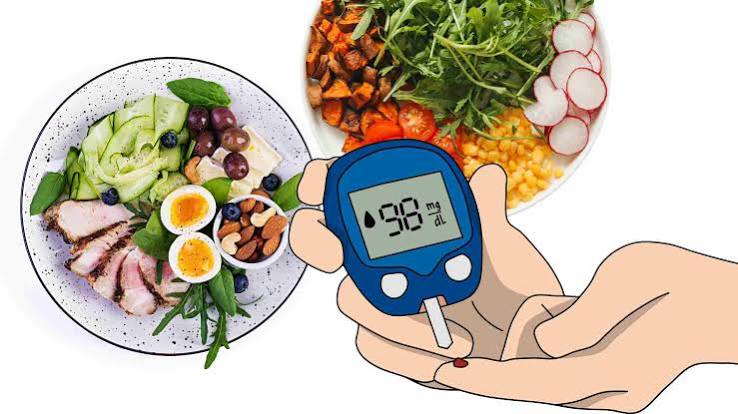
Effective meal prep for blood sugar control is the behavioral bridge between knowing what to eat for diabetes management and actually eating it consistently across real weekday conditions of time pressure, fatigue, and competing priorities. The research on dietary adherence in adults with chronic conditions consistently shows that knowledge of optimal food choices is not the limiting factor — it is implementation under realistic daily conditions. Adults who prepare their food in advance make dramatically better blood glucose-supporting dietary choices than those who decide what to eat reactively throughout the day, because advance preparation removes the decision moment from the context of hunger, time pressure, and available options that systematically produces worse dietary choices. A structured meal prep for blood sugar control session of 1–2 hours on Sunday creates a week of ready-to-eat and quick-to-assemble breakfast, lunch, dinner, and snack components that require only minutes to compile into complete meals — transforming the daily challenge of eating well with diabetes from an effortful decision-by-decision struggle into an effortless assembly of pre-prepared ingredients whose quality was determined in advance when time and decision quality were both optimal.
A single 90-minute weekly meal prep session produces 5 days of breakfast, lunch, and snack components that each assemble in under 5 minutes. Adults who meal prep weekly report spending an average of 15 minutes less per day on food preparation than those who cook from scratch daily, while achieving significantly better dietary adherence and blood glucose outcomes — the time investment is recovered within the same week through eliminated daily cooking time.
The Core Sunday Meal Prep Session for Blood Sugar Control
A systematic meal prep for blood sugar control session works through six categories of preparation in sequence, with items that have longest cooking times starting first so everything finishes around the same time:
- Step 1 — Start the proteins (20–30 minutes active, 30–45 minutes oven time): Season and begin cooking the week’s protein batch immediately, as these require the most time. A full tray of chicken thighs or breasts at 400°F takes 25–35 minutes; a sheet of salmon fillets takes 12–15 minutes; a pot of hard-boiled eggs (covered with cold water, brought to boil, simmered 10 minutes, then ice bath) takes 15 minutes active time. While proteins are cooking or cooling, begin the remaining steps. A protein variety for the week might include: 6 hard-boiled eggs (snacks and quick lunches), one whole roasted chicken or 6 chicken thighs (dinner and lunch proteins), and 4–6 salmon fillets (dinner one night, lunch the next). Having 3 protein varieties prevents repetitive meals while keeping prep manageable.
- Step 2 — Roast vegetables (15 minutes active, 25–30 minutes oven time): While the protein is in the oven or cooling, prepare a large sheet pan of mixed non-starchy vegetables: broccoli florets, cauliflower, bell peppers, zucchini, asparagus, onion, and mushrooms cut into similar sizes, tossed with olive oil, salt, pepper, and garlic powder, roasted at 400°F for 25–30 minutes. This vegetable batch provides sides for 4–5 dinners and lunch additions for the week. A second option: roast a separate batch of root vegetables (sweet potatoes, beets, or butternut squash) in smaller quantities for the carbohydrate component of dinners — pre-portioned (1/3 cup per serving) and stored separately.
- Step 3 — Cook a grain or legume batch (5 minutes active, 20–45 minutes simmer time): While proteins and vegetables are in the oven, start a pot of steel-cut oats (for breakfast), lentils (20–25 minute simmer), or quinoa (15-minute simmer). Oats batch-cooked in a large pot provide 5–6 breakfast portions that reheat in 2 minutes with a splash of almond milk; lentils provide 6–8 servings as a salad base, soup addition, or dinner side; quinoa provides a grain base for lunch bowls. Alternatively, soak and cook dried beans (requires 6–8 hours soaking plus 1 hour cooking) or simply drain and rinse canned beans — the canned option requires zero prep time and is equally nutritious.
- Step 4 — Prepare salad components (10 minutes): Wash and spin-dry a full bag or head of mixed greens; store in a sealed container with a folded paper towel to absorb moisture and extend freshness to 5–6 days. Slice or dice additional salad vegetables (cucumbers, bell peppers, cherry tomatoes, radishes) and store in separate containers. Prepare salad dressings (mix olive oil, red wine vinegar, Dijon mustard, garlic, and herbs in a jar) so the full salad assembly time is under 3 minutes each day.
- Step 5 — Portion snacks (10 minutes): Divide a bulk bag of almonds or walnuts into 1-ounce portions in small zip-lock bags or snack containers. Prepare vegetable snack packs (celery sticks, cucumber slices, carrot sticks) in individual containers alongside small hummus portions. Hard-boil a dozen eggs if not already done. These portioned snacks eliminate the impulse-eating-from-the-bag problem that leads to overconsumption of even blood-glucose-favorable foods like nuts.
- Step 6 — Prepare overnight oats or chia pudding for the week’s breakfasts (10 minutes): Set up 3–5 mason jars of overnight oats (rolled oats, unsweetened almond milk, chia seeds, a handful of frozen berries — refrigerate overnight) or chia pudding (chia seeds, almond milk, cinnamon — refrigerate 4 hours minimum). These no-cook breakfasts require zero morning effort and provide highly palatable, blood-glucose-stable morning meals for 3–5 days of the week. Alternate with the hard-boiled eggs and a Greek yogurt parfait for variety across the week.
Meal Assembly: Turning Prepped Components Into Complete Meals
The value of meal prep for blood sugar control is not in preparing complete dishes but in preparing flexible components that assemble into different complete meals across the week — preventing the repetition fatigue that leads to abandoning the meal prep system:
- Monday lunch (3 minutes): Roasted chicken over prepared salad greens with roasted vegetables, chickpeas, and vinaigrette. Protein: pre-roasted chicken. Vegetables: pre-roasted sheet pan vegetables + fresh greens. Legumes: canned chickpeas (drained from can, no prep needed). Dressing: pre-made jar dressing. Complete meal assembled in under 3 minutes from components prepared Sunday.
- Tuesday dinner (10 minutes): Salmon fillet (reheated in oven or pan, 5 minutes) over cauliflower rice (sautéed from frozen, 5 minutes) with roasted asparagus from Sunday prep. A full dinner assembled in 10 minutes from pre-prepped and frozen components.
- Wednesday lunch (3 minutes): Lentil bowl with pre-roasted vegetables, a handful of fresh greens, lemon-tahini dressing (premade Sunday: tahini, lemon, garlic, water, salt). Different meal, same time investment, using the same prepped components in a new configuration.
- Thursday dinner (15 minutes): New meal requiring minimal cooking: turkey stir-fry (ground turkey from freezer, thawed in refrigerator overnight, cooked 10 minutes) with frozen edamame and bok choy over pre-made cauliflower rice. The Sunday prep doesn’t need to cover every meal — it covers the highest-frequency meals and provides components that reduce the cooking required even for new meals made mid-week.
- Friday evening (no cook): Large salad using the last of the prepared greens and vegetables, plus canned tuna (zero cooking required), the remaining hard-boiled eggs sliced on top, with olive oil and lemon. A complete, nutritionally excellent, blood-sugar-stable dinner requiring zero cooking from a week’s worth of maintained prepared components. The meal-planning framework that connects this meal prep system to planned daily eating decisions — including how to structure breakfast, lunch, dinner, and snacks across the week using prepped components — is covered in our diabetes meal planning guide. The grocery shopping strategy that ensures the right ingredients are available for each Sunday prep session is covered in our grocery shopping guide for diabetes. The American Diabetes Association’s meal planning resources, the NIDDK’s diabetes dietary guidance, and the CDC’s diabetes prevention eating guidance all support structured meal planning and advance preparation as key behavioral strategies for sustained dietary adherence in adults managing blood sugar and diabetes risk. Related meal occasion guides — for putting prepped components to use — include our breakfast ideas for blood sugar control, lunch ideas for diabetes-friendly eating, dinner ideas for blood sugar balance, and healthy snacks for blood sugar support guides.
Storage, Food Safety, and Shelf Life for Blood Sugar Meal Prep
Effective meal prep for blood sugar control depends on understanding how long each prepped food remains safe and high-quality — poor storage leads to premature spoilage that undermines the week’s prep investment and may result in food-borne illness:
- Cooked proteins (chicken, fish, turkey, beef): 3–4 days refrigerated in airtight containers. Store in a single layer where possible to allow even cooling. Remove bones from chicken before storing to extend shelf life and simplify serving. Cooked salmon is best consumed within 3 days — it deteriorates in texture and flavor faster than chicken or turkey. For proteins intended for use beyond 3–4 days, freeze immediately after cooling rather than refrigerating — frozen cooked chicken thighs retain quality for 2–3 months and thaw in the refrigerator overnight for use any day of the following week, enabling two-week batch cooking cycles that reduce total prep frequency.
- Cooked grains and legumes: 5–7 days refrigerated in airtight containers. Cooked lentils, quinoa, steel-cut oats, and barley all store well for a full week, making them ideal candidates for Sunday batch cooking. They also freeze well (2–3 months) — portioning cooked lentils or quinoa into individual serving containers and freezing provides a near-instant side or salad base available any night without any prep. Frozen oats reheat in 2 minutes from frozen with a splash of liquid, making frozen portions of batch-cooked steel-cut oats a viable strategy for those who want variety day-to-day without cooking every morning.
- Roasted vegetables: 4–5 days refrigerated in an airtight container. Roasted vegetables continue to release moisture during refrigeration, which can make them softer than when freshly roasted — this is normal and does not indicate spoilage. Reheat in a 375°F oven for 5–8 minutes to restore some crispness, or simply eat cold in salads (cold roasted vegetables make excellent salad components). For best texture, slightly undercook roasted vegetables on Sunday — al dente vegetables that firm up during refrigeration will be perfectly textured when reheated, while fully cooked vegetables may become mushy after 4–5 days.
- Raw salad greens: 5–6 days if properly stored — airtight container with a folded paper towel, well dried before storage. Moisture is the primary enemy of stored salad greens; a salad spinner is the single most useful kitchen tool for extending the shelf life of stored leafy greens. Do not dress greens before storage — always dress immediately before serving. Pre-sliced salad vegetables (cucumber, bell pepper, radish) store 4–5 days in separate containers, allowing assembly of fresh-appearing salads throughout the week.
- Overnight oats and chia pudding: 4–5 days refrigerated, with quality best in days 1–3. Prepare in individual mason jars with lids for grab-and-go convenience; toppings (fresh berries, nuts, seeds) add best immediately before eating to preserve texture. For variety across the week, prepare 2 jars each of two different flavor combinations on Sunday — for example, cinnamon-vanilla oats and chocolate-almond chia pudding — to provide 4 breakfast options that feel different despite identical prep time investment.
- Portioned nuts and snacks: 1–2 weeks at room temperature in sealed bags or small containers. Pre-portioned nut snack bags are shelf-stable and do not require refrigeration, making them the most convenient portable snack for busy weekdays — simply grab a bag with morning meal prep components without any additional thought or decision required at the time of the snack. Pre-portioned vegetable snack packs with hummus: 4–5 days refrigerated — the hummus is the limiting factor, so check the container’s use-by date and plan to use within that window.
- Hard-boiled eggs: 7 days refrigerated unpeeled; 5 days refrigerated peeled and stored in water in a covered container. Keep a separate container of hard-boiled eggs at room temperature for maximum 2 hours only — refrigerate all boiled eggs that won’t be eaten immediately. The nutrition and versatility of hard-boiled eggs — quick protein for breakfast, salad topping, stand-alone snack, deviled egg preparation — make them one of the highest-return single prep items in any blood-glucose-management meal prep session.
Blood Sugar Stability Principles Behind Effective Meal Prep
Understanding why a specific meal prep for blood sugar control approach works — not just what to prepare, but what physiological mechanisms drive blood glucose stability — allows adapting the system intelligently when life disrupts the ideal plan:
- Why component prep beats complete meal prep for blood glucose: Complete meal prepping (pre-assembled dishes stored and reheated) produces inevitable repetition that reduces dietary adherence over time. Component prep (proteins, vegetables, grains, and sauces stored separately and assembled at each meal) provides apparent variety across the week using the same ingredients in different configurations — maximizing both adherence and efficiency. From a blood glucose perspective, the advantage of component prep is that it enables easy portion adjustment of each macronutrient at the time of assembly: adding more or fewer carbohydrate-containing components (grains, legumes, root vegetables) based on the day’s activity level, prior meals, or current glucose readings — a flexibility impossible with pre-assembled dishes.
- Why batch proteins support better blood sugar than reactive protein choices: Protein consumed at a meal significantly blunts the glycemic response to carbohydrates eaten at the same meal — it slows gastric emptying and stimulates satiety hormones that reduce carbohydrate intake throughout the rest of the meal. Adults who have pre-prepared protein available eat significantly more protein at meals than those who need to cook protein reactively, because the friction of cooking protein from scratch when hungry produces a strong incentive to choose faster, lower-protein alternatives. Pre-prepared proteins remove this friction entirely, making protein inclusion at every meal the path of least resistance.
- Why advance fiber preparation reduces postprandial glucose spikes: Pre-cooked legumes and grains contain higher levels of resistant starch than freshly cooked equivalents — cooking and then cooling grains and legumes (the exact process that occurs in refrigerated meal prep) converts a portion of digestible starch into resistant starch that bypasses small intestine digestion, is fermented by colonic bacteria instead, and produces no direct glucose elevation. A serving of pre-cooked and refrigerated lentils eaten cold in a salad produces a meaningfully lower glycemic response than freshly cooked hot lentils eaten immediately — a rarely discussed benefit of refrigerated meal prep that applies to all cooked and cooled starches including potatoes, rice, pasta, and beans. This is an additional blood glucose benefit of meal prep beyond the behavioral adherence benefits: the food itself becomes less glycemic through the advance preparation process.
- Why pre-portioned snacks prevent glucose excursions between meals: Unplanned snacking from large containers (a bag of nuts, a large tub of hummus, a block of cheese) consistently produces larger portions than intended because hunger at the time of eating overrides intention to eat moderately. Pre-portioned snack containers with defined portion sizes (1 oz nuts = 170 calories, 2 tablespoons hummus with 1 cup vegetables = 80 calories) transform snacking from a blood-glucose-risk behavior into a structured inter-meal glucose stabilizer that prevents the deep glucose nadirs between meals that drive high-carbohydrate reactive eating choices at the next meal. The glucose stabilization benefit of timed, portioned snacks between meals is covered in our healthy snacks for blood sugar support guide. The full eating pattern that connects these meal prep strategies across all three meals and snacks is described in our diabetes meal planning guide. The American Diabetes Association’s nutritional guidelines provide the authoritative dietary framework within which these specific meal prep strategies are most effective. The NIDDK’s comprehensive diabetes eating guidance supports advance food preparation as one of the key behavioral pillars of diabetes dietary management, and the CDC’s diabetes prevention dietary guidance similarly identifies structured meal planning and advance preparation as core evidence-based strategies for sustained blood glucose management in prevention and management contexts.
Scaling the Meal Prep System: From Solo Cooking to Family Feeding
The core meal prep for blood sugar control system scales effectively from individual meal planning to feeding a family with mixed dietary needs — requiring adjustments in quantity and some separation of components rather than a fundamental change in the approach:
- Doubling protein quantities for family-scale prep: For a family of four, double the protein batch cooked on Sunday — two trays of chicken thighs, two sheets of salmon, or two pounds of ground turkey instead of one. The oven time remains the same; only the sheet pan count changes. Cooking proteins in bulk for the week ahead is equally efficient whether the quantity serves one or four, making family-scale prep essentially the same time investment as solo prep with double the output. Store family-scale protein batches in large containers with individual portions separated by parchment paper for easy serving at mealtime without disrupting the entire batch.
- Accommodating non-diabetic family members: The component prep system is inherently adaptable to different carbohydrate needs at the same table — the person managing blood sugar takes a smaller portion of the grain component and a larger portion of the non-starchy vegetables and protein, while other family members can serve themselves larger grain or starch portions from the same prepared components. Serving meal components separately (protein on one platter, vegetables in a bowl, grains on a separate serving dish) makes this accommodation completely natural and non-stigmatizing — everyone builds their own plate from the same prepared components according to their individual needs.
- Weekend batch cooking efficiency tips at scale: Use the largest sheet pans available (commercial half-sheet pans fit more than consumer sheet pans and can be found at restaurant supply stores for under fifteen dollars); use all oven racks simultaneously with two or three sheet pans in the oven at once; use the stovetop simultaneously with the oven (lentils or oats on the stovetop while vegetables and proteins roast); set timers for each component independently rather than trying to monitor multiple items simultaneously. A family-scale Sunday prep session producing components for five to six days of meals for four people can be completed in ninety to one hundred twenty minutes using this parallel cooking approach — a substantially smaller per-person time investment than daily cooking for the same number of people throughout the week.
- Budget optimization within the meal prep framework: A well-executed weekly meal prep session for blood sugar control is consistently less expensive than the equivalent number of individually prepared or restaurant meals. The highest-value budget strategies: buy proteins in family-size or bulk packaging and portion before freezing (cost savings of thirty to fifty percent over individual packaging); prioritize dried legumes over canned (one dollar of dried lentils provides ten to twelve servings versus one dollar of canned providing two to three servings); buy whole vegetables rather than pre-cut (whole broccoli, whole cauliflower, whole peppers cost significantly less per serving than pre-cut equivalents and require only minutes to prep); use the freezer to capture sales on proteins and vegetables and build a rotating inventory. A week of blood-glucose-supportive meals prepared from whole-food ingredients using the Sunday prep system consistently costs less per serving than the equivalent nutrition from restaurant or takeout sources — making the system simultaneously the best dietary choice and the most economical choice when comparing the true cost per nutrient-quality meal.
Sources: American Diabetes Association — meal planning and advance preparation guidance; NIDDK — diabetes dietary management resources; research on meal preparation frequency and dietary adherence in adults with chronic conditions; behavioral science of food decision-making under time pressure; blood glucose outcomes associated with pre-planned versus reactive eating in Type 2 diabetes; meal prep efficiency and dietary quality research; CDC diabetes prevention nutrition guidance.
I shared this article on meal prep for blood sugar control with my doctor and they appreciated the level of detail. I have tried following advice from several sources but this is most consistent with what my specialist told me. Exactly the kind of evidence-based information that is hard to find in one place.
Thank you for covering meal prep for blood sugar control so thoroughly without being overly technical. The connection between lifestyle choices and long-term outcomes is explained clearly here. I wish I had found this article earlier — would have saved a lot of confusion.
Really well-written article on meal prep for blood sugar control. I appreciated how the article addressed both the clinical side and the practical adjustments. Appreciate the effort that went into researching and writing this — it shows.