
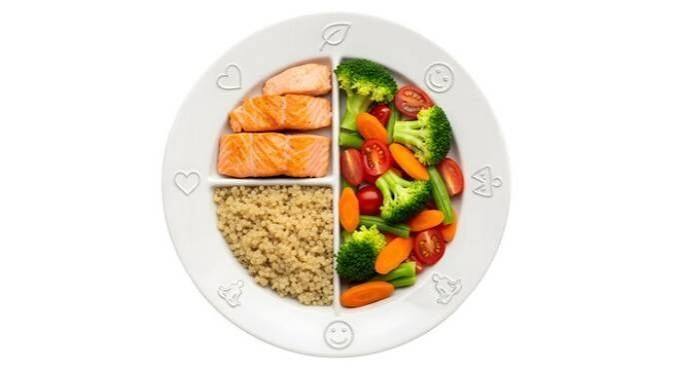
Finding dinner ideas for blood sugar balance requires understanding a key metabolic reality that makes dinner the most glycemically vulnerable meal of the day: insulin sensitivity follows a circadian rhythm that reaches its lowest point in the evening, meaning that the same carbohydrate portion that is manageable at breakfast produces a significantly higher and longer blood glucose peak at dinner. This evening insulin resistance is not a dysfunction but a normal physiological phenomenon related to circadian clock-gene expression in insulin-signaling pathways — but it has profound practical implications for adults with Type 2 diabetes or prediabetes who need to structure their evening meal to prevent glucose spikes that remain elevated through the night, disrupt sleep, and produce elevated fasting glucose the following morning. The best dinner ideas for blood sugar balance leverage this understanding by minimizing refined starch and sugar at dinner while maximizing lean protein (which produces minimal glucose elevation), non-starchy vegetables (near-zero glycemic impact), and healthy fats (slow gastric emptying and reduce glucose absorption rate from accompanying carbohydrates) — creating an evening meal that satisfies hunger, provides complete nutrition, and produces the minimal overnight glucose challenge possible. The dinner meal is also uniquely impactful on the following morning’s fasting glucose — a high-glycemic dinner that elevates blood sugar through the evening contributes to higher fasting glucose the next morning, reinforcing the importance of dinner composition for overall daily glucose control.
Research on circadian insulin sensitivity finds that glucose disposal rates (how efficiently the body clears glucose from the blood) are 20–40% lower in the evening compared to the morning, with the same 50g oral glucose load producing blood glucose peaks that are 15–30 mg/dL higher at dinner time than at breakfast. This circadian effect is independent of activity level, meal composition, or diabetes status — it applies to all adults but is most clinically significant in those with already-reduced insulin secretion capacity.
Best Protein-Focused Dinner Ideas for Blood Sugar Balance
Lean protein is the most important component of blood-sugar-balanced dinners — providing the satiety and muscle-maintenance nutrition of a complete meal while contributing essentially no glucose elevation. The following protein-centered dinner ideas for blood sugar balance represent the most versatile, evidence-supported options:
- Baked or grilled salmon: Salmon provides 25–30g of protein per 4oz serving alongside omega-3 fatty acids (EPA and DHA) that reduce the chronic inflammation driving insulin resistance. Multiple studies have found that regular fatty fish consumption is associated with improved insulin sensitivity and lower HbA1c in adults with Type 2 diabetes over 8–12 weeks — suggesting that the omega-3s in salmon provide metabolic benefit beyond their effect as a carbohydrate-free protein source. Baked salmon with roasted asparagus, broccoli, or Brussels sprouts and a small portion (1/4 cup) of quinoa or lentils provides a complete, satisfying dinner with under 30g of net carbohydrate and a glycemic load that produces minimal blood glucose elevation even with evening insulin resistance. The preparation is simple (season with olive oil, lemon, garlic, herbs; bake at 400°F for 12–15 minutes) and requires minimal active cooking time alongside roasting the vegetables simultaneously in the same oven.
- Stir-fried chicken or shrimp with vegetables: A wok-based stir-fry of 4–5oz lean protein (chicken breast, shrimp, or tofu) with abundant non-starchy vegetables (bok choy, snap peas, broccoli, bell peppers, mushrooms, bean sprouts, scallions) in a low-sugar sauce (coconut aminos or low-sodium soy sauce with garlic and ginger — avoiding commercial stir-fry sauces that often contain 8–15g of added sugar per tablespoon) provides a high-volume, high-protein, low-glycemic dinner that can be assembled in 15 minutes. Serving over a small portion of cauliflower rice instead of white rice eliminates 35–40g of rapidly absorbed starch while maintaining the grain-bowl presentation. The key modification for commercial stir-fry: make the sauce from scratch using soy sauce, rice wine vinegar, garlic, ginger, and a very small amount of sesame oil — avoiding the pre-made sauces that are the primary source of added sugar in restaurant and commercial stir-fry preparations.
- Sheet pan dinners with roasted protein and vegetables: Sheet pan cooking — combining a protein and non-starchy vegetables on a single baking sheet with olive oil, herbs, and seasoning, roasted at 400–425°F for 20–30 minutes — produces minimal-prep, minimal-cleanup dinners that are easily configurable for blood glucose management. A standard blood-sugar-friendly sheet pan dinner: 4–5oz chicken thighs or salmon, 3 cups of mixed non-starchy vegetables (broccoli, cauliflower, zucchini, asparagus, cherry tomatoes), 2 tablespoons olive oil, garlic, rosemary, salt, pepper. The combination provides approximately 30g of protein, 12g of carbohydrate, 8g of fiber, and 18g of healthy fat — a dinner that produces flat postprandial glucose for most adults with Type 2 diabetes even in the evening insulin-resistant period.
Vegetable-Forward Dinner Ideas for Blood Sugar Balance
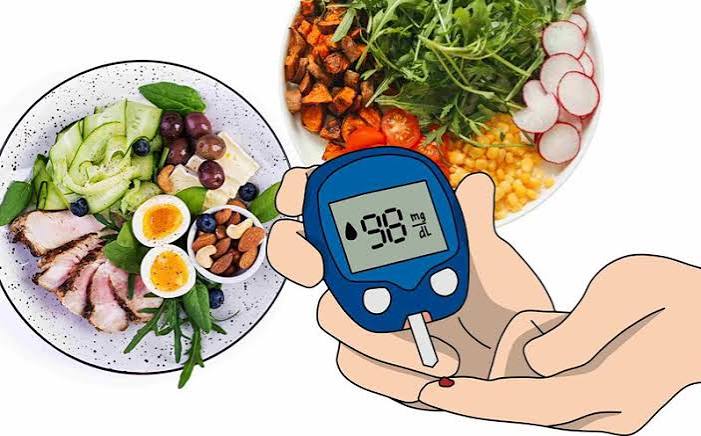
Non-starchy vegetables are the foundation of all effective dinner ideas for blood sugar balance — they provide the volume and fiber that produces satiety, the micronutrients that support metabolic health, and a near-zero glycemic contribution that allows dinner plates to be large and satisfying without blood glucose cost:
- Zucchini noodles (zoodles) as pasta substitute: Spiralized zucchini provides the visual and textural experience of pasta with approximately 4g of carbohydrate per cup (versus 43g for white pasta) — a 90% reduction in starch at the same serving volume. Topped with a tomato meat sauce (ground turkey or beef with tomatoes, garlic, olive oil, basil — avoiding commercial jarred sauces that often contain 8–12g of added sugar per 1/2 cup serving), zucchini noodles provide a dinner that satisfies the pasta craving while maintaining excellent blood glucose control. Sautéing the zucchini briefly (2–3 minutes) rather than boiling prevents the waterlogging that makes zoodles less appealing than al dente pasta; serving the sauce immediately preserves texture. A 2-cup portion of zoodles with 1/2 cup meat sauce and 4oz of ground turkey provides approximately 30g protein, 12g carbohydrate, and 4g fiber — a complete dinner with minimal glycemic impact.
- Cauliflower rice as a grain substitute: Riced cauliflower (either homemade by pulsing in a food processor, or purchased pre-riced frozen) provides the visual base of a rice bowl with 5g of carbohydrate per cup (versus 45g for white rice) — the most effective and versatile single vegetable substitution available for blood glucose management at dinner. Cauliflower rice sautéed in olive oil with garlic, turmeric, and cumin takes on a rich flavor that pairs with curries, stir-fries, grain bowls, or protein and vegetable combinations. A dinner of 2 cups cauliflower rice, 4oz protein, and 2 cups roasted non-starchy vegetables provides under 25g of total carbohydrate with 10–12g of fiber — one of the most consistently blood-glucose-stable dinner compositions available.
- Large vegetable-focused soups and stews: Soups and stews built primarily on non-starchy vegetables and lean protein — broth-based chicken and vegetable soup, fish stew, turkey and vegetable chili — provide large volumes of satisfying, warming dinner food with controlled carbohydrate impact. The key specifications for blood-glucose-friendly dinner soups: broth base (not cream or flour-thickened); primary vegetables are non-starchy (leafy greens, tomatoes, celery, onions, zucchini, mushrooms); protein present (chicken, turkey, fish, or legumes if the legume carbohydrate is accounted for); starchy additions (potatoes, rice, pasta, corn) limited to 1/4–1/3 cup per serving. A turkey and vegetable chili with tomatoes, peppers, onions, cumin, and only a small quantity of beans (to limit carbohydrate while maintaining legume fiber benefit) is among the most complete blood-sugar-friendly dinner options available. The complete dinner-planning framework within the full daily meal structure for diabetes management — integrating dinner choices with breakfast, lunch, and snack decisions for comprehensive blood glucose control — is covered in our diabetes meal planning guide. The American Diabetes Association’s nutrition guidance, the NIDDK’s diabetes dietary guidance, and the CDC’s diabetes prevention nutrition resources all support protein and non-starchy-vegetable-centered dinners with controlled carbohydrate portions as the foundation of evening blood glucose management in diabetes. Related guides covering other meal occasions include our breakfast ideas for blood sugar control, lunch ideas for diabetes-friendly eating, and healthy snacks for blood sugar support guides.
Dinner Carbohydrate Strategy: How Much Is Too Much in the Evening?
The most clinically impactful single variable in dinner ideas for blood sugar balance is how much carbohydrate is consumed at the evening meal. Given the evening decline in insulin sensitivity, dinner is where carbohydrate portion management yields the greatest blood glucose benefit relative to the same reduction at other meals:
- Target carbohydrate range for dinner: For most adults with Type 2 diabetes on oral medications (metformin, SGLT2 inhibitors, or DPP-4 inhibitors), a dinner carbohydrate target of 30–45g of net carbohydrate (total carbohydrate minus fiber) provides adequate satiety while limiting the glucose peak during the period of lowest insulin sensitivity. This is typically lower than the 45–60g recommended for breakfast (when insulin sensitivity is highest) and comparable to or slightly lower than the lunch target. Adults on insulin therapy have individualized carbohydrate targets set by their diabetes care team in conjunction with insulin dosing ratios — general population guidelines are a starting point, not a replacement for individualized insulin management.
- High-starch dinner foods and their carbohydrate impact: Understanding the actual carbohydrate content of common dinner starch portions clarifies why portion control is the most important single action for evening blood glucose management. One cup of cooked white rice: 45g carbohydrate. One cup of pasta: 43g carbohydrate. One large baked potato: 57g carbohydrate. One cup of couscous: 36g carbohydrate. One cup of sweet potato: 27g carbohydrate (with 4g fiber, making it lower glycemic than potato or rice at the same serving). Adults who serve themselves full-cup portions of rice or pasta at dinner — the typical restaurant serving — are consuming their entire dinner carbohydrate budget from a single side dish, leaving no room for vegetables, legumes, or other carbohydrates without exceeding the target. Reducing the grain portion to 1/3–1/4 cup at dinner while filling the remaining plate with non-starchy vegetables and protein achieves the target range while maintaining a complete, satisfying dinner plate.
- Legumes as the preferred dinner carbohydrate source: When dinner includes a carbohydrate component, legumes represent the most blood-sugar-favorable option — they provide fiber and plant protein alongside their starch, producing a significantly lower and more gradual glucose rise than equivalent carbohydrate from grains or potatoes. A 1/2 cup serving of lentils provides 20g of carbohydrate with 8g of fiber (12g net carbohydrate) and 9g of protein — roughly equivalent glycemic load to a 1/4 cup of white rice while providing 4x the fiber and a substantial protein contribution. Including 1/2 cup of legumes (lentils, chickpeas, black beans) as the primary carbohydrate component at dinner instead of a grain is one of the highest-leverage single food substitutions for evening blood glucose management.
- Dinner timing: eating earlier improves overnight glucose: Time-restricted eating research consistently shows that consuming dinner earlier in the evening — 5:00–7:00 PM rather than 8:00–10:00 PM — produces better overnight glucose profiles for adults with Type 2 diabetes. Earlier dinner allows more time for glucose clearance before the overnight fasting period begins, reduces the overlap between elevated postprandial glucose and sleep onset (when glucose clearance through physical activity is zero), and improves morning fasting glucose by allowing the post-dinner glucose peak to fully resolve before waking. The practical implementation varies by individual schedule and family dynamics — but for adults who currently eat late dinners (8 PM or later) and notice elevated fasting glucose the following morning, shifting dinner earlier by 1–2 hours may improve morning glucose without any change in what is eaten. This is addressed in our late-night eating and blood sugar guide.
Five Complete Dinner Meal Ideas for Blood Sugar Balance
The following five complete dinner examples illustrate how the principles of dinner ideas for blood sugar balance produce practical, satisfying evening meals:
- Meal 1 — Herb-roasted salmon with asparagus and lentils: 5oz salmon fillet (seasoned with olive oil, lemon, dill, garlic), 2 cups roasted asparagus, 1/3 cup cooked green lentils dressed with red wine vinegar and parsley. Nutrition: approximately 480 calories, 42g protein, 22g net carbohydrate, 10g fiber, 20g fat. Expected 2-hour postprandial glucose: flat, 110–140 mg/dL for most Type 2 adults.
- Meal 2 — Ground turkey and vegetable stir-fry over cauliflower rice: 5oz lean ground turkey cooked with garlic, ginger, bok choy, snap peas, bell peppers, and coconut aminos; served over 2 cups cauliflower rice sautéed in sesame oil with scallions. Nutrition: approximately 420 calories, 38g protein, 18g net carbohydrate, 8g fiber, 16g fat. Very low glycemic impact at dinner.
- Meal 3 — Sheet pan chicken thighs with roasted broccoli and sweet potato (small portion): 2 bone-in chicken thighs (skin removed), 2 cups broccoli florets, 1/3 cup cubed sweet potato, roasted together with olive oil, paprika, cumin, garlic. Nutrition: approximately 500 calories, 40g protein, 22g net carbohydrate, 7g fiber, 22g fat. The small sweet potato portion (1/3 cup) keeps the carbohydrate below 25g net while providing the satisfaction of a starchy component.
- Meal 4 — Baked cod with ratatouille: 5oz cod fillet baked with cherry tomatoes and olive oil alongside ratatouille (zucchini, eggplant, bell peppers, tomatoes, onion, garlic, herbs de Provence — all non-starchy vegetables). Nutrition: approximately 350 calories, 32g protein, 18g net carbohydrate, 9g fiber, 14g fat. One of the most vegetable-rich complete dinner options, with exceptional blood glucose profile.
- Meal 5 — Black bean and turkey chili: Ground turkey with black beans, diced tomatoes, onion, garlic, bell pepper, cumin, chili powder, oregano — a legume-protein dinner that provides a complete, warming meal. 1.5-cup serving: approximately 380 calories, 30g protein, 28g net carbohydrate (from beans), 10g fiber, 10g fat. The legume carbohydrate in this meal produces a blunted, sustained glucose rise rather than a sharp spike — the fiber and protein in black beans moderates their own glucose absorption. Topped with plain Greek yogurt (instead of sour cream) for additional protein. The complete integration of these dinner ideas within a daily blood sugar management eating plan — covering breakfast, lunch, dinner, and snacks — is covered in our diabetes meal planning guide. The specific foods with the strongest evidence for blood glucose benefit — including the proteins, vegetables, and legumes featured in these dinner ideas — are covered in our best foods for blood sugar control guide. The ADA’s nutrition resources and NIDDK’s diabetes dietary guidance both identify protein-centered, vegetable-rich, low-glycemic-carbohydrate dinners as essential components of the diabetes dietary pattern that produces sustained HbA1c improvement. Related meal occasion guides include our breakfast ideas, lunch ideas, and healthy snacks guides. The CDC’s diabetes prevention nutrition resources provide additional population-level context for the dietary patterns that support long-term blood glucose management and diabetes complication prevention.
Dinner Sauces and Condiments: Avoiding Hidden Sugar in the Evening Meal
One of the most overlooked sources of blood glucose disruption at dinner is sauces and condiments — many common dinner sauces contain substantial added sugar that can significantly increase the glycemic impact of an otherwise blood-sugar-friendly meal. Understanding which condiments are safe and which are problematic completes the practical toolkit of dinner ideas for blood sugar balance:
- High-sugar dinner sauces to limit or avoid: Teriyaki sauce contains approximately 8–15g of sugar per tablespoon — coating a protein in teriyaki sauce before grilling adds 24–45g of sugar to a dinner that was otherwise carbohydrate-free. Barbecue sauce typically contains 10–16g of sugar per 2-tablespoon serving; sweet chili sauce 12–18g per tablespoon; honey mustard 5–8g per tablespoon; hoisin sauce 7g per tablespoon; oyster sauce 4–6g per tablespoon; and most commercial pasta sauces 8–12g of added sugar per 1/2 cup serving (check labels carefully — the same sauce from different brands can range from 4g to 20g of sugar per serving). These sauces are the hidden glycemic wildcard in otherwise healthy dinners — adults who carefully select their protein and vegetables but then apply a generous coating of high-sugar sauce may experience significantly higher postprandial glucose than the meal composition would otherwise suggest.
- Blood-sugar-safe dinner seasoning options: A wide range of flavorful dinner preparations require no added sugar. Olive oil and fresh herbs (rosemary, thyme, basil, oregano, dill) provide Mediterranean flavor with zero carbohydrate. Garlic, ginger, and spices (cumin, turmeric, paprika, coriander, chili flakes, cinnamon) build complex flavor without sugar. Lemon and lime juice add brightness and provide the mild acid that independently reduces postprandial glucose through effects on gastric emptying and starch digestion. Soy sauce or coconut aminos provide umami without significant sugar (check for added-sugar versions of coconut aminos, which exist). Plain tomato purée or crushed tomatoes contain only naturally occurring tomato sugars (3–4g per 1/2 cup) without the large added-sugar content of pasta sauces. Vinegar-based dressings (red wine vinegar, balsamic, apple cider vinegar) provide acidity that reduces glycemic response from accompanying foods. Building dinner flavor from these zero-or-minimal-sugar seasonings rather than high-sugar commercial sauces allows adults to achieve restaurant-quality dinner flavor at home with negligible impact on evening blood glucose — completing the dietary framework that makes dinner ideas for blood sugar balance both effective and sustainably enjoyable over the months and years of consistent implementation that produce the cumulative HbA1c improvement associated with long-term diabetes dietary management. The meal prep strategy for preparing these flavoring combinations in advance and having them ready to use on weeknight dinners is covered in our meal prep for blood sugar control guide.
Dessert After Dinner: Managing Sweet Cravings Without Blood Sugar Spikes
A complete guide to dinner ideas for blood sugar balance would be incomplete without addressing the post-dinner dessert challenge — one of the most common sources of evening blood glucose disruption for adults managing diabetes. The evening sweet craving is physiologically real for many adults with insulin resistance, driven partly by the post-dinner glucose dip that signals the brain to seek more carbohydrates. Addressing it with blood-glucose-friendly alternatives prevents the evening snacking cycle from undermining an otherwise well-managed dinner:
- Fresh berries with full-fat yogurt or cream: A small portion of fresh or frozen berries (1/2 cup blueberries, strawberries, or raspberries — all low-GI fruits) with 2 tablespoons of full-fat Greek yogurt or a tablespoon of full-fat cream provides a genuinely satisfying dessert-style finish to dinner with only 8–10g of net carbohydrate. The fat from cream or yogurt slows absorption of the fruit sugar, producing a very gradual glucose rise that is unlikely to push evening glucose above target range in most adults on diabetes management. Adding a sprinkle of cinnamon provides additional cinnamaldehyde-mediated blood sugar benefit alongside the flavor enhancement.
- 85–90% dark chocolate (small portion): One or two squares (15–20g) of very dark chocolate (85% cocoa or higher) provides approximately 5–8g of net carbohydrate alongside flavanols that have modest blood-pressure and insulin-sensitivity benefits in randomized trials. The high fat content of dark chocolate (from cocoa butter) slows digestion and produces a very gradual, modest glucose effect at this portion size. The intense flavor of very dark chocolate produces satiety from a small quantity that most adults find sufficient to satisfy the dessert craving — making it one of the most practical blood-glucose-friendly dessert options for consistent dinner-time use.
Sources: American Diabetes Association — dinner meal composition and blood glucose management guidance; NIDDK — diabetes dietary guidance; research on circadian insulin sensitivity and evening glucose metabolism; omega-3 fatty acids from fatty fish and insulin sensitivity improvement; glycemic comparison of cauliflower rice versus white rice; zucchini noodle glycemic impact research; legume-based dinner stews and postprandial glucose response; CDC diabetes prevention nutrition guidance.
Finally a resource that explains dinner ideas for blood sugar balance in plain language. What I liked most was that the article didn’t just say what to avoid — it also gave alternatives. This is exactly why I prefer this website over generic health platforms.
Thank you for covering dinner ideas for blood sugar balance so thoroughly without being overly technical. I appreciate that the article is careful about distinguishing between what is known and what is still being researched. This gave me real confidence going into my next specialist appointment.
I have been reading about dinner ideas for blood sugar balance for weeks and this is the most thorough guide I found. The specific numbers and thresholds mentioned are exactly what I needed to understand my results. Appreciate the effort that went into researching and writing this — it shows.