
Finding practical lunch ideas for diabetes-friendly eating is a daily challenge for adults managing blood sugar — lunch is the meal most often compromised by busy schedules, limited healthy options in work environments, and the temptation of fast food convenience. Yet the midday meal plays a critical role in the blood glucose trajectory of the entire afternoon: a high-glycemic lunch produces a blood sugar spike followed by a mid-afternoon energy crash (the post-lunch glucose dip) that drives carbohydrate cravings, reduces cognitive performance, and sets up a cycle of glucose instability that extends into the evening meal and beyond. Well-designed lunch ideas for diabetes-friendly eating — anchored in lean protein, non-starchy vegetables, legumes, and controlled portions of low-glycemic carbohydrates — produce a gradual, sustained glucose rise that maintains stable afternoon energy, reduces hunger through dinner time, and contributes to the HbA1c improvements that accumulate from consistently blood-sugar-conscious meal decisions across hundreds of lunch occasions per year. The key strategic reality is that lunch is the meal where advance planning delivers the greatest benefit — adults who bring planned lunches from home consistently make better blood glucose-friendly choices than those who decide at midday from restaurant menus under time pressure and hunger.
Adults with Type 2 diabetes who consume high-glycemic lunches (sandwiches on white bread with sweetened beverages, fast food meals, or pasta with sugar-containing sauces) commonly experience blood glucose peaks of 200–250 mg/dL at 1–2 hours post-lunch, followed by a reactive drop to 90–110 mg/dL by 3–4 hours — producing the post-lunch “crash” that drives mid-afternoon snacking and disrupts sustained glucose control. Low-glycemic lunches with adequate protein and fiber maintain glucose in a flat 100–140 mg/dL range for 4–5 hours, eliminating both the peak and the crash.
Best Lunch Ideas for Diabetes-Friendly Eating: Home and Packed Lunches
Home-prepared or packed-from-home lunches provide the most reliable blood glucose management at midday because they allow complete control over ingredients, portion sizes, and preparation methods. The following lunch ideas for diabetes-friendly eating are designed for advance preparation and work-friendly portability:
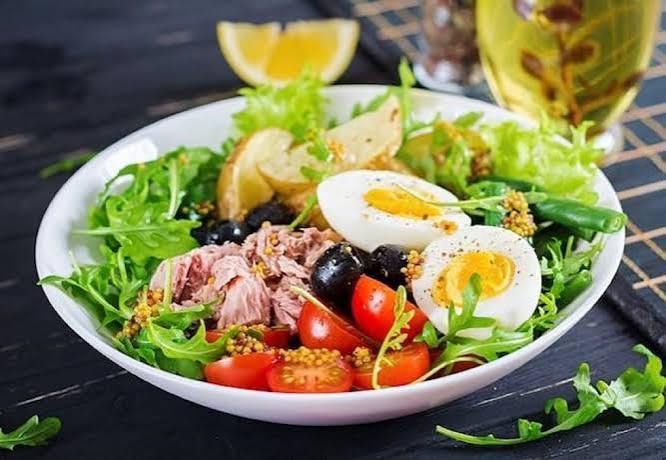
- Large salad with protein (the most reliable diabetes-friendly lunch): A large base of leafy greens (spinach, arugula, mixed greens, romaine — all non-starchy with minimal carbohydrate and high fiber) topped with a generous protein portion (4–6oz of grilled chicken, canned tuna or salmon, hard-boiled eggs, or edamame), non-starchy vegetables (cherry tomatoes, cucumbers, bell peppers, radishes, shredded carrots), 1/2 cup of legumes (chickpeas, black beans, or lentils for fiber and plant protein), a small amount of healthy fat (1/4 avocado or 1 tablespoon of olive oil in dressing), and a vinegar-based dressing represents one of the best possible lunches for blood glucose management. The fiber from vegetables and legumes, protein from the main protein and legumes, and acetic acid from the vinegar dressing all independently reduce the postprandial glucose response. A salad of this composition provides 25–30g of protein, 12–15g of fiber, and approximately 20–25g of net carbohydrate — producing a very flat postprandial glucose response for most adults with Type 2 diabetes. The key preparation strategy: prep all salad components in large batches on Sunday for 4–5 days of identical lunches; store components separately (greens without dressing to prevent wilting) and assemble each morning in 3 minutes.
- Lentil or bean-based soups: Soups built on legumes (lentil soup, minestrone with beans, black bean soup, split pea soup) provide the highest fiber and plant-protein density of any portable lunch format. Lentils in particular have a glycemic index of 29–37 — one of the lowest of any carbohydrate food — and provide 8g of fiber and 9g of protein per 1/2 cup cooked, making lentil soup one of the best possible glycemic meals available. A large thermos of lentil or bean soup with a side salad or raw vegetables is a blood-glucose-friendly, filling, and affordable lunch that can be batch-cooked on Sunday and portioned for the week. The legume-based lunch also delivers the second-meal effect — the resistant starch and fermentable fiber in legumes continues to suppress postprandial glucose at the subsequent dinner meal through ongoing gut fermentation activity.
- Grain bowls with controlled carbohydrate: A grain bowl built on a base of quinoa (complete protein, lower GI than rice), barley (highest beta-glucan content of any grain), or cauliflower rice (dramatically lower carbohydrate than grain) topped with roasted non-starchy vegetables, a lean protein, avocado or tahini, and leafy greens provides a satisfying, portable lunch with controlled glycemic impact. Key calibration: the grain component should be the smallest portion of the bowl (1/3–1/2 cup cooked), not the largest. Many commercial grain bowls and restaurant grain bowl portions contain 1.5–2 cups of cooked grain — providing 60–80g of carbohydrate from the grain alone. Controlling the grain to 1/3–1/2 cup while maximizing the vegetable and protein proportions keeps the bowl’s total glycemic load moderate.
Restaurant Ordering Strategies for Diabetes-Friendly Lunches
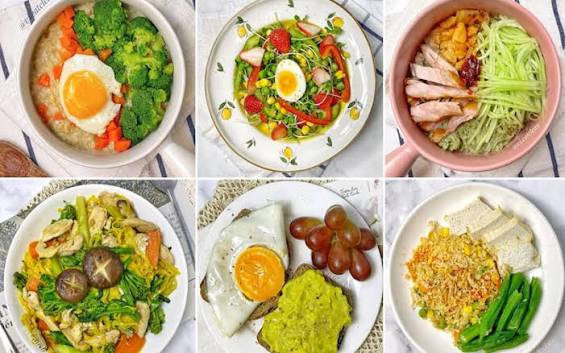
For adults who eat lunch at restaurants or workplace cafeterias regularly, developing reliable ordering strategies is essential — there is no practical way to bring home-prepared food every day for many working adults. The following frameworks for lunch ideas for diabetes-friendly eating at restaurants work across most common lunch restaurant types:
- Salad-first restaurant strategy: At any restaurant that serves salads, ordering a large salad as the main course — with protein (grilled chicken, shrimp, salmon, or hard-boiled eggs), dressing on the side (oil and vinegar provides the most blood-glucose-favorable option, with the acetic acid in vinegar independently reducing postprandial glucose), and no croutons or candied nuts — provides a complete, filling, blood-sugar-friendly meal from any restaurant. The “on the side” specification for dressing is important — most restaurants add 3–4 tablespoons of dressing if pouring themselves, compared to the 1 tablespoon in the nutrition data, adding 150–200 calories and potentially 8–15g of sugar for sweet dressings. Specifying grilled (not fried or breaded) protein eliminates the refined starch coating that adds glycemic load to an otherwise low-glycemic protein.
- Protein + vegetables substitution: At any restaurant serving protein-and-side-dish meals, requesting that the starchy side dish (fries, rice, pasta, bread) be replaced with a double vegetable or side salad converts a high-glycemic lunch into a blood-sugar-friendly one. Most restaurants will accommodate this substitution without extra charge. A burger without the bun (lettuce wrap, or eaten with a fork) eliminates 35–45g of refined starch while preserving the protein; a sandwich eaten open-face (one slice of bread removed) reduces the bread carbohydrate by 50%; a pasta dish ordered with double the protein and half the pasta replaces high-glycemic refined starch with protein that does not raise blood glucose. These substitutions require no special knowledge of nutrition — simply asking “can I replace the fries with a side salad” and “can I get extra vegetables instead of rice” produces an order that is substantially more blood-glucose-friendly than the standard menu item.
- Soup and salad combination: Most restaurants offer a soup-and-salad combination that can be configured as a blood-sugar-friendly lunch: choose a broth-based or legume-based soup (avoid cream soups thickened with flour or corn starch, which add starch without the fiber benefit of legume soups), pair with a large green salad with vinaigrette, and add a protein appetizer or side (shrimp cocktail, chicken skewer, or hard-boiled eggs from the salad bar). This combination provides high fiber, high protein, and moderate controlled carbohydrate that supports afternoon blood glucose stability. The complete framework for blood-sugar-friendly eating across all meal occasions — from breakfast through dinner and when eating out — is covered in our diabetes meal planning guide. Our eating out with diabetes guide covers restaurant strategies across multiple cuisine types in greater detail. The underlying food quality principles — which foods provide the best blood glucose management across all meals — are covered in our best foods for blood sugar control overview. The American Diabetes Association’s nutrition resources, the NIDDK’s eating guidance for diabetes, and the CDC’s diabetes prevention nutrition guidance all support protein and fiber-rich lunches with low-glycemic carbohydrates as central components of a comprehensive blood glucose management dietary approach. Related meal occasion guides including breakfast ideas for blood sugar control, dinner ideas for blood sugar balance, and healthy snacks for blood sugar support provide the complete daily eating framework within which these lunch strategies should be situated.
What to Avoid at Lunch for Blood Sugar Management
Understanding which common lunch choices undermine blood glucose stability is essential for adults building practical lunch ideas for diabetes-friendly eating — many standard workplace and restaurant lunch options are among the most glycemically disruptive meals available:
- Sandwiches on standard bread with sugary spreads: A typical deli sandwich on white or light wheat bread contains 35–50g of carbohydrate from the bread alone — before accounting for any starchy fillings, sugary condiments (sweetened mayo, honey mustard, teriyaki sauce, BBQ sauce), or accompanying chips and soda. The combination of rapidly digested refined bread starch and sweet condiments produces a substantial postprandial glucose spike that peaks within 60–90 minutes and often drives a reactive glucose drop 2–3 hours after eating. Wraps and tortilla-based sandwiches are not significantly better — a large flour tortilla contains 35–45g of carbohydrate, often more than two slices of standard bread. The modification strategy for sandwich-format lunches: open-face (one slice of bread), 100% whole grain bread with visible seeds, no sweet condiments, double the protein and vegetable fillings to maximize protein-to-carb ratio.
- Fast food value meals: A standard fast food lunch value meal — burger, fries, and large soda — provides 120–160g of carbohydrate, 800–1200 calories, and 30–50g of fat in a single lunch sitting. The liquid sugar from the soda absorbs immediately; the refined starch from the bun and fries follows within 15–30 minutes; the result is a blood glucose peak that can exceed 250 mg/dL in adults with Type 2 diabetes and that persists for 2–3 hours due to the high-fat, high-refined-starch composition that delays but extends digestion. Even “healthier” fast food options — salads with sweetened dressings, grilled chicken sandwiches with their standard bun, or grain bowls with oversized grain portions — often provide 60–80g of carbohydrate from starch and hidden sugar. Developing a small repertoire of fast food modification orders (burger without bun as a lettuce wrap, side salad instead of fries, water or unsweetened iced tea instead of soda) converts fast food from a blood glucose disaster into an acceptable fallback option.
- Commercial soups with hidden starch and sodium: Many commercial and restaurant soups marketed as light or healthy — vegetable beef soup, minestrone, tomato soup, clam chowder — contain added cornstarch, flour, or potato as thickening agents, significantly increasing the starch content and glycemic impact beyond what the vegetable and protein ingredients would suggest. Cream soups thickened with flour or cream can contain 20–35g of carbohydrate per serving with minimal fiber. Canned soups are also often extremely high in sodium (800–1200mg per cup) — relevant to adults with diabetes who frequently have comorbid hypertension. The best commercial soup options for blood glucose management are broth-based soups with legumes (lentil, bean, or pea soups), which provide the highest fiber-to-carbohydrate ratio of any commercial soup type and the additional second-meal glucose benefit from legume fermentation.
- Large grain-based lunch bowls from restaurants: The grain bowl trend in fast-casual restaurants has produced lunch options that appear health-conscious but often deliver 80–120g of carbohydrate per serving — from oversized portions of rice, quinoa, or noodles combined with sweetened sauces (teriyaki, honey-sriracha, sweet chili, mango salsa) that add 15–30g of sugar alongside the grain starch. A Chipotle burrito bowl with rice, beans, corn, and guacamole can deliver 80–100g of carbohydrate; a Sweetgreen grain bowl with brown rice base and a sweet dressing provides 70–90g. The modification for restaurant grain bowls: no base grain (substitute a greens base), double the protein, skip sweet sauces (choose vinaigrette or lemon dressing), and keep the legume component for its blood-sugar-stabilizing fiber. This modified version of the same restaurant order provides one-third the carbohydrate of the standard version while maintaining the satisfying complete-meal feel.
Meal Prep Strategies for Consistent Diabetes-Friendly Lunches
The most successful strategy for consistently implementing lunch ideas for diabetes-friendly eating is systematic weekly meal preparation — investing 1–2 hours on weekends to prepare components that assemble into blood-sugar-friendly lunches in under 5 minutes each morning:
- Batch-cook proteins for the week: Roasting a whole chicken, baking a tray of salmon fillets, hard-boiling a dozen eggs, or cooking a large batch of ground turkey on Sunday creates a week’s worth of lunch proteins that can be added to salads, grain bowls, soups, and wraps. Having pre-cooked protein available eliminates the most common reason adults skip the protein component at lunch — it takes too long to cook mid-week. Pre-cooked proteins store safely in the refrigerator for 3–5 days, covering most of the workweek from a single Sunday preparation session.
- Prepare a large batch of legumes: Cooking dried lentils or beans from scratch produces a large quantity (3–4 cups cooked from 1 cup dry) at a fraction of the cost of canned, with better texture and no added sodium. A pot of lentils cooked Sunday provides 4–6 days of lunch legume portions — to add to salads, use as soup base, mix into grain bowls, or combine with roasted vegetables as a standalone lunch component. Canned legumes (drained and rinsed) are an excellent convenience alternative that maintains the blood glucose benefit while eliminating the cooking time entirely.
- Wash and portion salad greens: Washing, spinning dry, and storing a large quantity of mixed greens in a sealed container with a paper towel (to absorb moisture and extend freshness) provides ready-to-use salad base for 5 days of lunches. Having pre-washed greens in the refrigerator reduces the Sunday-night lunch assembly to: scoop greens into container, add protein, add vegetables, add legumes, pack dressing separately. Total time: 3–4 minutes. The 3-minute barrier is where most packed-lunch habits succeed or fail — if lunch preparation takes under 5 minutes, it becomes a sustainable daily habit; if it requires 15–20 minutes, it gets abandoned whenever mornings are busy. The full weekly meal prep strategy that supports diabetes-friendly lunches within a comprehensive daily eating plan is covered in our meal prep for blood sugar control guide. The overall diabetes meal planning guide provides the structural framework within which these specific lunch strategies should be situated. Outbound resources including the ADA’s comprehensive nutrition guidance, the NIDDK’s dietary guidance for diabetes, and the CDC’s diabetes prevention eating resources all support the dietary pattern principles — protein, fiber, low glycemic index carbohydrates — that underlie the specific lunch recommendations covered here. Related guides covering other meal occasions within the same dietary framework include our breakfast ideas for blood sugar control guide, our dinner ideas for blood sugar balance guide, and our healthy snacks for blood sugar support guide.
Five Complete Diabetes-Friendly Lunch Meal Ideas
The following five complete lunch meal examples illustrate how the principles of lunch ideas for diabetes-friendly eating combine into practical, satisfying meals that deliver blood-sugar stability through the afternoon:
- Meal 1 — Greek salad with grilled chicken and chickpeas: 3 cups mixed greens and romaine, 4oz grilled chicken breast (sliced), 1/2 cup canned chickpeas (drained), 1/4 cup sliced kalamata olives, 1/4 cup diced cucumber, 1/4 cup cherry tomatoes, 30g crumbled feta cheese, dressing of 1 tablespoon olive oil and 2 tablespoons red wine vinegar. Approximate nutrition: 420 calories, 38g protein, 22g carbohydrate, 8g fiber (14g net carb), 18g fat. Expected postprandial glucose impact: moderate (peak approximately 120–150 mg/dL at 1 hour for typical Type 2 adult on oral medication).
- Meal 2 — Lentil soup with side salad: 2 cups homemade or commercial lentil soup (green or red lentils, tomatoes, cumin, turmeric — no cream or flour thickening), side salad of 2 cups mixed greens with 1 tablespoon vinaigrette. Approximate nutrition: 380 calories, 22g protein, 45g carbohydrate, 16g fiber (29g net carb), 8g fat. The high fiber content (16g — exceeding the single-meal target) combined with legume fermentation produces a blunted glucose response despite the moderate carbohydrate count; expected peak glucose 110–140 mg/dL in most Type 2 adults.
- Meal 3 — Tuna salad lettuce cups: 5oz canned wild tuna (in water, drained) mixed with 2 tablespoons plain Greek yogurt (replacing mayonnaise), diced celery, red onion, dill, and black pepper, served in 4 large romaine lettuce leaves with sliced avocado and cherry tomatoes on the side. Approximate nutrition: 350 calories, 40g protein, 8g carbohydrate, 5g fiber, 16g fat (from avocado and tuna). One of the lowest-carbohydrate complete lunch options available, suitable for adults requiring aggressive glucose management.
- Meal 4 — Egg and vegetable frittata slice with side salad: A pre-made frittata (3–4 eggs, diced bell peppers, spinach, mushrooms, onion, goat cheese — baked in a muffin tin or square pan) sliced into portions provides a portable protein-rich lunch with minimal carbohydrate. Two frittata portions alongside a large salad with vinaigrette provides approximately 380 calories, 28g protein, 12g carbohydrate, 6g fiber, 24g fat — a complete, satisfying lunch with very low glycemic impact. Frittatas can be batch-prepared Sunday for 4–5 days of lunches.
- Meal 5 — Cauliflower rice bowl with salmon and roasted vegetables: 1.5 cups riced cauliflower (sautéed in olive oil with garlic), 4oz baked or canned salmon, 1 cup roasted broccoli and zucchini, 1/4 avocado, 2 tablespoons soy sauce/lemon dressing. Approximately 420 calories, 36g protein, 18g carbohydrate, 9g fiber (9g net carb), 22g fat. The cauliflower rice base reduces the carbohydrate content by 80% compared to an equivalent brown rice base while maintaining the volume and visual appeal of a traditional rice bowl — one of the most practical carbohydrate reduction substitutions available for grain bowl-format lunches. Implementing these lunch compositions consistently — week after week — creates the sustained blood glucose stability that produces measurable HbA1c improvement over 8–12 weeks of adherence. The individual food choices that power these meals — the specific proteins, vegetables, legumes, and whole grains with the strongest blood sugar evidence — are covered in detail in our best foods for blood sugar control guide, which provides the nutritional science behind each food choice reflected in these lunch meal examples.
Sources reviewed and verified for accuracy by the Horizon Health Guide editorial team against current peer-reviewed research. American Diabetes Association — meal composition and blood glucose management; NIDDK — dietary guidance for diabetes; research on legume consumption and postprandial glucose reduction; glycemic index of lentils, barley, and quinoa compared to refined grain products; vinegar and acetic acid effects on postprandial glucose response; second-meal effect from legume lunches on subsequent dinner glucose; restaurant meal modification strategies and blood glucose outcomes in Type 2 diabetes; CDC diabetes prevention nutrition guidance.
I have been reading about lunch ideas for diabetes-friendly eating for weeks and this is the most thorough guide I found. I especially valued the explanation of why these recommendations exist, not just what they are. Looking forward to reading more articles from this website.
I have been reading about lunch ideas for diabetes-friendly eating for weeks and this is the most thorough guide I found. It is refreshing to see an article that acknowledges individual variation rather than one-size-fits-all advice. Forwarding this to others in my support group who are dealing with similar issues.
I shared this article on lunch ideas for diabetes-friendly eating with my doctor and they appreciated the level of detail. This is the kind of evidence-based writing that actually changes how people approach their health. Will definitely be coming back to this site for more health information.