
Effective diabetes meal planning is one of the most powerful tools available to adults managing Type 2 diabetes or prediabetes — more influential on daily blood glucose than most oral medications for many patients, and uniquely within the individual’s control at every meal. The core principle of diabetes meal planning is not about eliminating foods or following a rigid, joyless eating regime, but about structuring meals to minimize blood glucose spikes, maintain stable energy throughout the day, support insulin sensitivity, and achieve the gradual, sustainable improvements in HbA1c that reduce long-term diabetes complications. The evidence base for structured meal planning in diabetes management is extensive: a systematic review of dietary interventions in Type 2 diabetes found that structured meal planning approaches reduce HbA1c by 0.5–2.0 percentage points compared to unstructured eating, with the magnitude of benefit increasing with how closely the plan is followed and how significantly the baseline diet is improved. Understanding the foundational tools of diabetes meal planning — the plate method, carbohydrate awareness, meal timing, and food quality principles — allows adults to build a sustainable eating framework that fits their actual food preferences, cultural background, and lifestyle rather than a rigid prescription that is abandoned within weeks of attempting it.
A meta-analysis of structured dietary interventions in Type 2 diabetes found that consistent meal planning and dietary structure reduced HbA1c by an average of 0.8 percentage points compared to usual care — an effect size comparable to adding a second oral diabetes medication, achieved through meal structure alone. Adults who planned their meals in advance showed significantly better glycemic control than those who made food choices reactively, regardless of the specific dietary pattern followed.
The Plate Method: The Simplest Framework for Diabetes Meal Planning
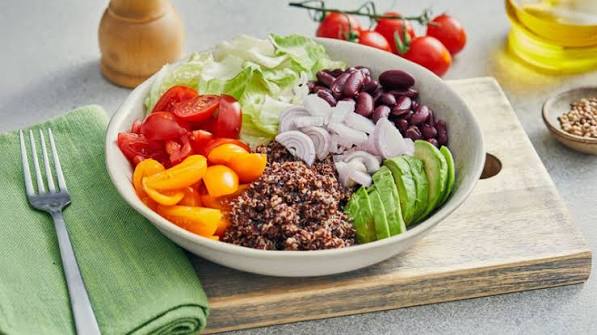
The diabetes plate method — endorsed by the American Diabetes Association as the simplest entry point for diabetes meal planning — provides a visual framework that requires no carbohydrate counting, no food weighing, and no calorie tracking. Using a standard 9-inch dinner plate (not a large restaurant plate, which can be 12–13 inches and hold 50–70% more food than intended):
- Half the plate: non-starchy vegetables. Non-starchy vegetables — leafy greens, broccoli, cauliflower, asparagus, green beans, peppers, tomatoes, cucumbers, zucchini, mushrooms, onions — provide fiber, vitamins, minerals, and volume with minimal carbohydrate impact. A half-plate of non-starchy vegetables provides only 5–10g of digestible carbohydrate (after fiber subtraction), a volume of food that signals satiety through gastric stretch receptors, and significant fiber that slows glucose absorption from other foods on the plate. The high fiber content of non-starchy vegetables produces a second-meal effect — consuming fiber-rich vegetables at one meal measurably reduces blood glucose response at the next meal by modifying gut microbiome activity and gastric emptying rate. Prioritizing non-starchy vegetables as the largest portion of every meal is the single dietary change with the best ratio of blood sugar benefit to calorie and carbohydrate cost.
- One quarter of the plate: lean protein. Protein at every meal — from eggs, chicken, fish, turkey, lean beef, tofu, tempeh, Greek yogurt, cottage cheese, or legumes — serves multiple blood sugar functions simultaneously. Protein stimulates glucagon-like peptide-1 (GLP-1) secretion, the same hormone targeted by GLP-1 agonist medications like semaglutide, which slows gastric emptying and reduces postprandial glucose peaks. Protein also provides satiety that reduces overeating at subsequent meals, and the thermic effect of protein (20–30% of protein calories are used in digestion) provides a modest metabolic advantage over fat and carbohydrates. Including protein at breakfast is particularly important — the morning insulin resistance that affects most adults with Type 2 diabetes makes the breakfast protein-to-carbohydrate ratio the most impactful single-meal variable for the entire day’s blood sugar trajectory.
- One quarter of the plate: quality carbohydrates. The carbohydrate quarter of the plate is where the most nuanced choices occur in diabetes meal planning. Not all carbohydrates are equivalent — the glycemic index, fiber content, protein content, and fat content of carbohydrate foods produce enormously different blood glucose responses at the same serving size. Optimal carbohydrate choices for the plate-method quarter include: legumes (lentils, chickpeas, black beans — high fiber, high protein, low glycemic index); whole grains (oats, quinoa, barley, brown rice — intact grain structure slows starch digestion); root vegetables in moderate quantities (sweet potatoes — preferred over white potatoes for their fiber and lower glycemic index); and fruit (whole fruit, not juice — fiber and plant matrix moderate glucose absorption). White rice, white bread, white pasta, and refined grain products digest rapidly and should be consumed in smaller portions with more non-starchy vegetables to moderate the glycemic impact of the overall meal.

Carbohydrate Awareness: Not Elimination but Management
A persistent misconception about diabetes meal planning is that it requires carbohydrate elimination — a very low-carbohydrate diet that excludes bread, rice, potatoes, and fruit entirely. The evidence does not support carbohydrate elimination as the optimal approach for most adults with Type 2 diabetes; it supports carbohydrate management — eating the right amounts of the right carbohydrates at the right times:
- Total daily carbohydrate targets: The American Diabetes Association no longer specifies a universal carbohydrate gram target because individual requirements vary based on body weight, activity level, medication regimen, and personal glycemic response. A commonly used starting framework is 45–60g of carbohydrates per main meal (breakfast, lunch, dinner) and 15–30g per snack for moderately active adults — but this should be adjusted based on postprandial blood glucose monitoring. Adults who find that 45–60g per meal still produces excessive glucose spikes may benefit from reducing to 30–45g per meal; very active adults may tolerate higher amounts. The monitoring-guided individualization of carbohydrate targets — using blood glucose readings at 1–2 hours after meals to assess actual response to actual portion sizes — provides far more actionable guidance than any universal gram target.
- Glycemic index and glycemic load as practical tools: The glycemic index (GI) ranks carbohydrate foods by how quickly they raise blood glucose relative to pure glucose. Low-GI foods (GI below 55) — legumes, most fruits, oats, barley, pasta al dente — produce slower, more gradual glucose rises than high-GI foods (GI above 70) — white bread, white rice, cornflakes, instant potatoes. The glycemic load (GL) adjusts for the typical portion size of each food, making it a more practical meal-planning tool: a food can have a high GI but low GL if it is only eaten in small quantities. For practical diabetes meal planning, the key insight is that food combinations reduce effective glycemic load — adding protein, fat, fiber, and vinegar/acidic foods to a high-GI carbohydrate reduces the meal’s actual postprandial glucose impact significantly. Eating white rice with grilled salmon and salad (vinegar dressing) produces a much lower glucose response than eating white rice alone, because protein, omega-3 fats, and acetic acid all independently slow gastric emptying and glucose absorption.
- Carbohydrate quality markers to prioritize: In practical terms, the carbohydrate quality hierarchy for diabetes meal planning from best to least favorable: (1) non-starchy vegetables — unlimited; (2) legumes — 1/2 cup servings; (3) whole intact grains (oats, barley, quinoa) — 1/3–1/2 cup cooked; (4) whole fruit — 1 small piece or 3/4 cup; (5) starchy vegetables (sweet potato, winter squash) — 1/2 cup; (6) refined grains and starchy foods — smallest portion with maximum vegetable and protein accompaniment. The detailed food-specific evidence for which foods best support blood glucose management — covering vegetables, fruits, proteins, grains, and fats — is covered in our comprehensive best foods for blood sugar control guide.
Meal Timing and Frequency in Diabetes Meal Planning
When meals are eaten is almost as important as what is eaten in effective diabetes meal planning — meal timing interacts with circadian rhythms in insulin sensitivity, the dawn phenomenon of morning glucose elevation, and the cumulative glucose load across the day:
- Eating breakfast consistently: Skipping breakfast worsens blood glucose control throughout the day for most adults with Type 2 diabetes — the morning insulin resistance that produces the dawn phenomenon means that glucose rises without food, and the compensatory hunger that develops by late morning leads to larger, more glycemically disruptive meals later. A structured breakfast with protein and fiber consumed within 1–2 hours of waking establishes a stable glucose foundation for the rest of the day. The evidence on breakfast and blood sugar in diabetes consistently shows that adults who eat a protein-rich breakfast have lower postprandial glucose responses at lunch than those who skip breakfast — a carry-forward effect of morning protein on satiety hormones and gastric emptying rate.
- Meal spacing: 4–5 hours between meals. Allowing 4–5 hours between meals gives blood glucose time to return toward fasting levels between postprandial peaks, preventing the glucose stacking that occurs when meals are eaten too close together (where the postprandial peak from one meal overlaps with the rising glucose from the next). Adults with Type 2 diabetes who eat every 2–3 hours maintain chronically elevated glucose throughout the day due to the constant carbohydrate input from frequent small meals — the opposite of stable blood glucose. Three structured meals with 4–5-hour gaps, rather than six small meals throughout the day, is the pattern most consistently associated with improved HbA1c in adults with Type 2 diabetes in clinical research.
- Evening carbohydrate moderation: Insulin sensitivity follows a circadian pattern — it is highest in the morning and progressively decreases through the day, reaching its lowest point in the evening. The same carbohydrate meal eaten at dinner produces a higher and longer blood glucose peak than the identical meal eaten at breakfast. Practical implication: making dinner the lowest-carbohydrate meal of the day (emphasizing protein and non-starchy vegetables with smaller carbohydrate portions than at breakfast or lunch) leverages the circadian insulin sensitivity pattern to reduce the most problematic postprandial glucose spike of the day. The American Diabetes Association’s meal timing guidance and the NIDDK’s eating guidance for diabetes both support structured meal timing as an important component of diabetes management alongside food quality choices. The practical implementation of these meal planning principles across specific meal occasions — breakfast options, lunch ideas, dinner planning, and healthy snacking — is covered in our companion guides on breakfast ideas for blood sugar control, lunch ideas for diabetes-friendly eating, dinner ideas for blood sugar balance, and healthy snacks for blood sugar support. The CDC’s diabetes prevention eating guidance provides additional population-level context for dietary patterns that support long-term blood sugar management and diabetes risk reduction. The foundational overview of which dietary approaches have the strongest evidence for blood glucose management is covered in our diabetes diet beginner’s guide, which complements this meal planning guide by addressing the overall dietary pattern within which individual meal decisions should be situated.
Building a Weekly Diabetes Meal Plan: Practical Structure
The most effective approach to diabetes meal planning for most adults is a weekly planning cycle — identifying meals for the coming week, shopping for the required ingredients in one organized trip, and preparing key components (batch-cooked grains, roasted vegetables, portioned proteins) in advance to reduce the daily decision burden that leads to reactive, unplanned eating. A practical weekly meal planning structure for blood sugar management:
- Sunday planning session (20–30 minutes): Identify 5–7 dinner options for the coming week, using the plate method as the structural template for each. Write a shopping list organized by store section (produce, proteins, grains, dairy, pantry staples) to minimize shopping time and impulse purchases. Check the pantry for staples that need restocking — cooking oils, vinegars, canned legumes, spices — so that healthy meals can be assembled without special trips mid-week. The planning session is the highest-leverage 20 minutes in diabetes meal management: adults who plan meals weekly consistently show better dietary adherence, lower grocery spending, and significantly better HbA1c than those who decide what to eat reactively each day.
- Sunday prep session (1–2 hours): After shopping, invest 1–2 hours in batch preparation that makes weekday healthy eating effortless. Key prep activities: cook a large batch of whole grains (oats for breakfast, quinoa or brown rice for lunch and dinner bases); roast a sheet pan of mixed non-starchy vegetables (broccoli, cauliflower, peppers, onions, zucchini) that can be added to any meal during the week; cook a large protein (whole roasted chicken, a tray of salmon fillets, a batch of hard-boiled eggs) that can be used across multiple meals; prepare a large salad base (washed and chopped greens stored without dressing); and portion healthy snacks (nuts into small bags, celery and carrot sticks into individual snack containers, string cheese, Greek yogurt) so that snacking decisions are made in advance when not hungry rather than in the moment when blood sugar or appetite pressure drives poor choices.
- Breakfast standardization: Breakfast is the most amenable meal to standardization because most adults are willing to eat similar breakfast options repeatedly — and standardizing a blood-sugar-friendly breakfast eliminates the daily decision and risk of choosing a high-glycemic alternative when time is short. Two or three breakfast rotations that cover the plate method principles (protein + fiber + controlled carbohydrate) and can be assembled in under 10 minutes makes the morning meal the most reliable blood sugar management opportunity of the day. See our detailed breakfast ideas for blood sugar control guide for specific meal options with estimated glycemic impact.
- Lunch planning for work and home environments: Lunch is the meal most often compromised by busy schedules — defaulting to fast food, skipping lunch entirely, or eating whatever is available in a work cafeteria or restaurant. Pre-planned lunches brought from home (using Sunday prep components assembled into quick combinations) provide the most blood-glucose-reliable midday meal. For adults who regularly eat lunch at restaurants or work cafeterias, developing a small repertoire of reliable low-glycemic ordering strategies (grilled protein salads, soups without starchy thickeners, grain bowls with double vegetables and no added sauce) converts reactive restaurant eating into a planned dietary strategy. See our lunch ideas for diabetes-friendly eating guide for restaurant ordering frameworks and home lunch assembly ideas.
Common Diabetes Meal Planning Mistakes and How to Avoid Them
Understanding what typically undermines effective diabetes meal planning allows adults to structure their approach to avoid the most common pitfalls that derail otherwise well-intentioned dietary change:
- Eating too many “healthy” foods that are still high-glycemic: Several foods that are perceived as healthy — fruit juice, brown rice (in large portions), whole wheat bread, honey, agave nectar, granola, smoothies — have substantial glycemic impact that can undermine blood sugar management despite their nutritional virtues. Brown rice has a lower GI than white rice but still produces significant glucose elevation at typical serving sizes (1 cup cooked = 45g carbohydrate). Fruit juice contains all the sugar of fruit without the fiber that moderates absorption. Granola is often extremely calorie-dense and high in added sugar. Honey and agave produce the same glucose elevation as table sugar. Adults who switch to these “healthier” versions of high-glycemic foods without adjusting portion sizes may see minimal blood glucose improvement despite feeling they have made dietary changes.
- Underestimating portion sizes: The single most common reason diabetes meal planning fails to achieve expected blood glucose improvement is consistent underestimation of actual carbohydrate portion sizes. Research shows that adults systematically underestimate their carbohydrate intake by 30–50% when not measuring — eating what they believe is a “half cup” of rice when the actual portion is a full cup, consuming what they think is a “moderate” bread portion when two thick slices provide 40–50g of carbohydrate. For adults starting diabetes meal planning, spending 2–4 weeks using measuring cups and a food scale to calibrate visual portion size estimates is highly valuable — it provides accurate feedback about how much carbohydrate actual “normal” servings contain and recalibrates expectations for appropriate portion sizes going forward. After this calibration period, most adults can reliably estimate portions without ongoing measuring.
- Drinking calories from sugary beverages with otherwise planned meals: A carefully planned plate-method meal can be significantly undermined by consuming sugary beverages alongside it — a glass of orange juice (24g sugar) or sweetened iced tea (22–36g sugar) adds a substantial carbohydrate load to an otherwise blood-sugar-managed meal. Beverage choices are an integral part of diabetes meal planning, not an afterthought. Replacing all caloric beverages with water, unsweetened tea, or unsweetened coffee is as important as the food choices on the plate. The evidence on this is covered in detail in our sugary drinks and diabetes risk guide. The ADA’s comprehensive nutrition resources and the NIDDK’s eating guidance for diabetes management both emphasize that sustainable, personalized meal planning — adapted to individual food preferences, cultural practices, and lifestyle constraints — is more effective than rigid prescribed diets that are difficult to maintain long-term. Working with a registered dietitian specializing in diabetes nutrition can help individualize the general principles of diabetes meal planning to specific personal circumstances, medication regimens, and glucose monitoring patterns for maximum glycemic benefit.
Using Blood Glucose Monitoring to Refine Your Meal Plan
Blood glucose monitoring is the feedback mechanism that transforms general diabetes meal planning principles into a personalized eating strategy tuned to individual metabolic responses. Because individual blood glucose responses to identical foods vary substantially — due to differences in gut microbiome composition, insulin secretion capacity, physical activity, stress levels, and genetics — population-level dietary recommendations provide a starting framework, but only personal monitoring reveals how specific meals actually affect an individual’s blood glucose:
- Post-meal testing protocol: Testing blood glucose 1–2 hours after the first bite of a meal (the “postprandial” reading) provides direct feedback on whether the carbohydrate type and quantity chosen at that meal kept glucose within the target range (typically below 140–180 mg/dL at 2 hours, per ADA guidelines). Consistently high 2-hour readings after a specific meal — oatmeal at breakfast, rice at dinner, fruit at a snack — identify that meal as a priority for adjustment: reducing the carbohydrate portion, changing the carbohydrate type, or adding more protein and fiber to the same meal. Consistently target-range readings confirm that the current meal composition is appropriate for that individual’s glucose management and can be maintained.
- Continuous glucose monitoring (CGM) for detailed meal insight: Adults with access to CGM devices (Dexterity G7, Freestyle Libre) can observe their complete glucose trajectory — not just isolated point readings — from each meal, identifying the peak glucose value, the time to peak, and the duration of glucose elevation that each meal composition produces. CGM data reveals meal-specific patterns that point-in-time testing misses: that a particular breakfast causes a spike at 45 minutes that has resolved by 2 hours (and would appear as a normal 2-hour reading) but produced 45 minutes of above-target glucose exposure; that a high-fat, high-carbohydrate dinner produces a delayed glucose peak at 3–4 hours rather than the usual 1–2 hours. This level of meal-specific feedback allows much finer calibration of the meal plan than conventional testing alone.
Sources: American Diabetes Association — diabetes plate method and nutrition recommendations; NIDDK — meal planning and dietary guidance for diabetes; meta-analysis of structured meal planning interventions and HbA1c reduction; research on glycemic index and glycemic load in Type 2 diabetes management; circadian insulin sensitivity and meal timing research; protein at breakfast and carryover satiety effects in Type 2 diabetes; CDC diabetes prevention nutrition guidance.
This is one of the clearest explanations of diabetes meal planning: a simple guide I have found. This is the kind of evidence-based writing that actually changes how people approach their health. Appreciate the effort that went into researching and writing this — it shows.
I have been reading about diabetes meal planning: a simple guide for weeks and this is the most thorough guide I found. What I liked most was that the article didn’t just say what to avoid — it also gave alternatives. This gave me real confidence going into my next specialist appointment.
Really well-written article on diabetes meal planning: a simple guide. The section on managing this condition day-to-day was especially useful for planning. Appreciate the effort that went into researching and writing this — it shows.