
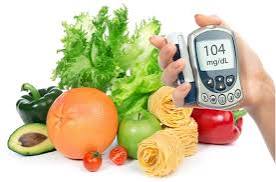
A practical grocery shopping guide for diabetes is one of the most actionable tools for blood glucose management — because the foods available in the home determine what is actually eaten, and what is in the cart determines what is in the home. No amount of good dietary intentions matters if the pantry and refrigerator are stocked with high-glycemic processed foods and the low-glycemic, blood-sugar-supporting staples are absent. The classic nutrition advice to “shop the perimeter” of the grocery store captures a key insight: the produce section, meat and seafood counter, dairy section, and egg section — all located around the store’s perimeter — contain the minimally processed whole foods that form the foundation of a blood-glucose-conscious diet. The center aisles contain predominantly packaged, processed foods high in refined starch, added sugar, sodium, and industrial oils — the category of foods most consistently associated with worsened blood glucose control, insulin resistance progression, and diabetes complications. This grocery shopping guide for diabetes provides a systematic, section-by-section approach to filling a cart with the specific foods that support stable blood sugar throughout the day, week, and year — alongside the label-reading skills needed to navigate the inevitable processed food purchases that even the most health-conscious adults make.
Research on dietary behavior in adults with Type 2 diabetes consistently shows that home food environment is a stronger predictor of dietary adherence than nutrition knowledge — adults who fill their homes with blood-glucose-supportive foods maintain better dietary patterns than those who rely on willpower to resist temptation from available processed foods. The grocery shopping decision is the highest-leverage single point of dietary intervention: choosing not to buy a high-glycemic food is far easier than resisting it once it is already in the home.
Produce Section: Non-Starchy Vegetables First
The produce section is the most important stop in any grocery shopping guide for diabetes — non-starchy vegetables should fill the largest portion of every blood-glucose-conscious cart:
- Leafy greens (buy in large quantities, every shopping trip): Spinach, kale, arugula, romaine, Swiss chard, collard greens, and mixed salad greens are the foundation of blood-sugar-friendly eating — they provide maximum volume, fiber, magnesium, and vitamins at the lowest possible carbohydrate and calorie cost. Buying pre-washed, ready-to-use bags of salad greens and a few large bunches of cooking greens (kale, spinach for sautéeing) ensures that the most blood-glucose-neutral vegetables are the most convenient ones available for every meal. Adults with diabetes who keep an abundant supply of ready-to-use greens at home consistently consume more vegetables than those who need to wash and prep greens before each use — the 5-minute barrier of preparation determines what gets eaten at rushed meal times.
- Cruciferous vegetables (broccoli, cauliflower, Brussels sprouts, cabbage): These high-fiber, low-carbohydrate vegetables are among the most versatile and blood-glucose-stable produce options. Fresh broccoli and cauliflower heads stay fresh for 5–7 days refrigerated; frozen versions are equally nutritious and last months, providing reliable blood-glucose-friendly vegetable options when fresh produce runs out mid-week. Cauliflower specifically deserves emphasis as a rice and potato substitute — riced cauliflower (available fresh or frozen pre-riced) is one of the most impactful single ingredient swaps available for reducing dinner carbohydrate load.
- Other non-starchy vegetables (stock broadly): Bell peppers (all colors), zucchini, asparagus, green beans, cucumber, celery, mushrooms, cherry tomatoes, onions, garlic, and radishes all provide near-zero glycemic impact and broad culinary versatility. Buying a variety of non-starchy vegetables each week ensures that meals can be assembled without repetition while maintaining excellent blood glucose profiles.
- Low-GI fruits (targeted selection): Berries (blueberries, strawberries, raspberries, blackberries) are the most blood-sugar-favorable fruits — high in fiber and antioxidants, low in sugar relative to their volume and sweetness. Buying 1–2 pounds of fresh or frozen berries weekly provides the fruit component of breakfasts (yogurt toppings, oatmeal additions) and snacks without the higher sugar impact of tropical fruits, bananas, grapes, and dried fruit. A single medium apple, pear, or orange per serving is acceptable for most adults with diabetes; buying these in smaller quantities prevents the larger purchases that lead to consuming more fruit than intended. Avoid: buying large quantities of bananas, grapes, mangos, pineapple, or dried fruit, as the higher sugar content of these fruits makes them less suitable as freely consumed daily staples.

Proteins, Dairy, and Healthy Fats: What to Buy
The protein and healthy fat sections of the grocery store offer the most blood-glucose-neutral options in any grocery shopping guide for diabetes:
- Lean proteins (meat counter and seafood): Chicken breasts and thighs (skin removed), ground turkey (93% lean or leaner), salmon fillets, tilapia, cod, shrimp, and canned tuna or salmon are the highest-value protein purchases for blood glucose management — they provide protein with zero carbohydrate. Buying a variety of proteins and planning their use across the week prevents the monotony that leads to abandoning protein-centered meals. Buying larger quantities than needed and freezing the excess reduces per-unit cost and ensures protein availability when shopping is delayed. Avoid: processed meats (deli meat, sausages, bacon) high in sodium and nitrates, and breaded or marinated proteins with high-sugar sauces that add significant carbohydrate to a carbohydrate-free ingredient.
- Eggs: Eggs are one of the best value items in a diabetes-friendly grocery cart — providing 6g of protein per egg, zero carbohydrate, and essential vitamins including choline and vitamin D at approximately $0.25–0.35 per egg. A dozen to two dozen eggs per week provides multiple breakfast options, hard-boiled snacks, and quick weeknight dinner possibilities. The concern about dietary cholesterol from eggs is largely outdated in current clinical guidance — the American Diabetes Association no longer restricts egg consumption for adults with diabetes, and multiple randomized trials have found that moderate egg consumption (up to 2 eggs daily) does not adversely affect cardiovascular risk markers in this population.
- Plain Greek yogurt and cottage cheese: Full-fat or 2% plain Greek yogurt and cottage cheese provide high protein (15–20g per serving), probiotic benefit (Greek yogurt), and minimal carbohydrate from natural milk sugars — making them ideal breakfast, snack, and cooking-ingredient purchases. Buy plain only (flavored varieties contain 20–30g of added sugar per serving); flavor at home with fresh berries, a drop of vanilla extract, and cinnamon. A large 32oz container of Fage 2% or Chobani plain Greek yogurt provides 4–6 servings at significantly lower per-serving cost than individual cups.
- Nuts and seeds: Almonds, walnuts, pecans, cashews (in moderation — slightly higher carbohydrate), sunflower seeds, pumpkin seeds, chia seeds, and ground flaxseed all provide healthy fat, protein, fiber, and blood-glucose-supportive magnesium and omega-3 fatty acids. Buying nuts in bulk from warehouse stores or bulk bins is significantly more economical than individual snack packs — portion into 1-ounce servings at home using a kitchen scale or measuring tablespoons. Nut butters (almond, peanut, cashew) in natural, no-added-sugar formulations are economical, shelf-stable, and highly versatile. Avoid: nut butters with added sugar (check that the only ingredients are nuts and salt); honey-roasted, sugar-glazed, or flavored nut products that add significant carbohydrate to an otherwise blood-glucose-neutral ingredient. The American Diabetes Association’s grocery and meal planning guidance and the NIDDK’s diabetes dietary resources both support a whole-foods-first grocery approach centered on produce, lean proteins, legumes, and healthy fats. The complete meal planning framework that these grocery purchases support is covered in our diabetes meal planning guide. The specific foods with the strongest evidence for blood glucose benefit — which should be prioritized in every shopping trip — are covered in our best foods for blood sugar control guide. How to turn these grocery staples into efficient weekly meal prep is covered in our meal prep for blood sugar control guide. The CDC’s diabetes prevention nutrition guidance provides additional population-level context for the dietary pattern these grocery choices support.
Pantry and Grain Aisle: What to Stock and What to Skip
The pantry staples section of any grocery shopping guide for diabetes requires the most label-reading discernment — the packaged goods aisles contain a wide range of quality from genuinely blood-glucose-supportive whole-food ingredients to highly processed products marketed with health claims that obscure their actual glycemic impact:
- Legumes (canned and dried — essential pantry staples): Canned black beans, chickpeas (garbanzo beans), lentils, kidney beans, cannellini beans, and split peas are among the most important shelf-stable foods in any diabetes-friendly pantry. They provide complete plant protein (7–9g per 1/2 cup), very high fiber (7–9g per 1/2 cup), resistant starch that feeds beneficial gut bacteria, and a low glycemic index (29–45 for lentils and beans) that produces gradual, blunted glucose rises. A pantry stocked with 6–8 varieties of canned legumes provides the base for soups, stews, salads, and grain bowls assembled in minutes without pre-planning. Dried lentils (red and green) cook in 20–25 minutes without soaking and provide significantly more servings per dollar than canned — buying a 1-pound bag of dried lentils provides 10–12 servings at a fraction of the cost of equivalent canned portions. The robust evidence for legumes in diabetes management is covered in our best foods for blood sugar control guide.
- Whole grains (buy selectively, in smaller quantities): Steel-cut or rolled oats, quinoa, barley (one of the highest beta-glucan grains, with exceptional blood glucose benefit), bulgur wheat, and farro are the whole grain staples with the most favorable glycemic profiles for diabetes management. These grains are significantly lower GI than white rice and commercial breakfast cereals, and provide meaningful fiber with their carbohydrate content. Key purchasing guidance: buy in smaller quantities than you think you’ll use (whole grains can go stale within a few weeks), keep in airtight containers, and portion carefully — even whole grains produce blood glucose elevation at the serving sizes most adults consume without measuring. Avoid: buying large quantities of white rice, instant oatmeal packets (high GI, often with added sugar), cornmeal-based products as a regular grain rotation item, and most commercial breakfast cereals. Bread: if buying bread, look for 100% whole grain with visible grain pieces, minimum 3g fiber per slice, and no added sugar in the top three ingredients.
- Healthy oils and vinegars: Extra-virgin olive oil (the most evidence-backed cooking oil for metabolic health), avocado oil (high smoke point, good for higher-heat cooking), and a variety of vinegars (red wine vinegar, apple cider vinegar, balsamic vinegar, rice wine vinegar) are essential pantry staples for diabetes-friendly cooking. Vinegars deserve particular emphasis — acetic acid in vinegar independently reduces postprandial glucose by slowing gastric emptying and inhibiting starch digestion, making a splash of vinegar in salad dressings, marinades, and sauces a simple no-calorie blood glucose tool. A bottle of olive oil and 2–3 vinegar varieties used consistently across all cooking significantly reduces the need for high-sugar commercial sauces and dressings.
- Canned fish (economical protein staples): Canned tuna (in water), canned salmon (with or without bones — the bones in canned salmon are soft and edible, providing significant calcium), canned sardines or mackerel (the richest omega-3 sources available in shelf-stable form), and canned anchovies for flavoring are economical, shelf-stable protein sources that require zero cooking and provide 20–25g of protein per can. Stocking a supply of canned fish provides reliable no-cooking protein for quick lunches (tuna salad, salmon salad), pasta sauce additions, and emergency protein when the refrigerator protein supply runs low.
- Herbs, spices, and low-sodium condiments: Building flavor through herbs and spices rather than sugar-based sauces is one of the most important cooking habits for blood glucose management. Stocking cumin, turmeric, coriander, paprika, garlic powder, oregano, basil, thyme, rosemary, cinnamon, ginger, chili flakes, and nutritional yeast provides unlimited flavor variation for blood-glucose-friendly cooking without added sugar, sodium, or refined carbohydrate. Cinnamon deserves special mention — containing cinnamaldehyde and procyanidins with documented insulin-mimicking activity, regular cinnamon use in cooking (stirred into oatmeal, added to coffee, sprinkled on Greek yogurt) provides a modest ongoing blood glucose benefit alongside its culinary contribution.
Label Reading Skills for the Diabetes Grocery Shop
No grocery shopping guide for diabetes is complete without the label-reading skills to navigate packaged food claims accurately — “whole grain,” “natural,” “low-fat,” “no sugar added,” and “diabetic-friendly” marketing claims frequently appear on products that are not actually blood-glucose-supportive when the nutrition label is examined:
- Start with serving size: All nutrition label data applies to the listed serving size — which is often much smaller than what people actually eat. A serving of crackers listed as 5 crackers for 20g carbohydrate provides 60g of carbohydrate if 15 crackers are eaten, which is typical. A 20oz soda listed as 2.5 servings of 8oz provides 65g of sugar if the full bottle is consumed. Always multiply the per-serving data by the number of servings you will actually consume before comparing products or evaluating blood glucose impact.
- Check Total Carbohydrates, Dietary Fiber, and Added Sugars: Net carbohydrate (Total Carbohydrate minus Dietary Fiber) is the most relevant number for blood glucose management — fiber slows glucose absorption and does not raise blood glucose directly. A food with 25g of total carbohydrate and 10g of fiber has 15g of net carbohydrate — far less glycemic impact than a food with 25g of carbohydrate and 1g of fiber. Added Sugars (separately listed since 2020 on US nutrition labels) identifies sugar added during manufacturing, distinct from naturally occurring sugars in fruit and dairy — this number should ideally be zero or very small for any packaged food purchased as a blood-glucose-management staple.
- Beware of “no sugar added” and “diabetic-friendly” claims: “No sugar added” means no sugar was added during manufacturing — but the product may still contain significant natural sugar from fruit concentrate, fruit juice, or other sugar sources not classified as “added.” “Diabetic-friendly” has no legal definition and is not regulated by the FDA — any product can use this label regardless of its actual carbohydrate content. “Whole grain” on the front of a package does not guarantee a meaningfully lower glycemic index — many “whole grain” products are 80–90% refined flour with small amounts of whole grain added. The only reliable way to evaluate a packaged food for blood glucose management is reading the full nutrition facts panel and ingredient list rather than trusting front-of-package marketing claims. The complete framework for applying these label-reading skills within the context of a blood-glucose-conscious weekly grocery shop — connecting food purchases to meal planning, meal prep, and daily eating patterns — is covered in our diabetes meal planning guide and our meal prep for blood sugar control guide. The ADA’s comprehensive nutrition guidance, the NIDDK’s diabetes dietary resources, and the CDC’s diabetes prevention eating guidance all support the whole-foods-first, produce-and-protein-centered grocery approach described in this guide as the dietary foundation for sustained blood glucose management.
Frozen Foods Section: Underutilized Blood Sugar Allies
The frozen foods section is one of the most underutilized areas in a grocery shopping guide for diabetes — frozen vegetables and proteins offer nutritional quality equivalent to fresh, with dramatically longer shelf life that reduces food waste and allows less frequent shopping trips:
- Frozen vegetables (nutritionally equivalent to fresh): Frozen broccoli, cauliflower, green beans, spinach, Brussels sprouts, edamame, peas (in moderation — higher carbohydrate than other options), and mixed vegetable blends are frozen at peak ripeness within hours of harvest — capturing full nutritional value including vitamins and fiber at the moment of optimal freshness. Research consistently shows that frozen vegetables retain equivalent or superior micronutrient content compared to fresh vegetables that have been refrigerated and transported for several days before purchase. Stocking the freezer with a variety of frozen non-starchy vegetables provides reliable blood-glucose-neutral meal components available when fresh produce runs out, making healthy eating possible on the busiest and least-planned days of the week when takeout or processed food would otherwise become the default. Cauliflower rice sold frozen (pre-riced, ready to sauté) is one of the most convenient single-ingredient purchases for blood glucose management — providing a low-carbohydrate grain substitute that is available in 5 minutes without any prep.
- Frozen proteins: Individually frozen chicken breasts or thighs, frozen salmon fillets, frozen shrimp (peel-and-eat or already peeled), and frozen ground turkey portions allow buying in bulk at lower per-unit cost and thawing only what is needed for each meal. A well-stocked protein freezer provides the protein component of any meal without requiring frequent grocery trips and eliminates the common weeknight problem of having vegetables available but no protein to complete the plate.
- Frozen berries (year-round access to low-GI fruit): Frozen blueberries, strawberries, mixed berries, and raspberries are available year-round at consistent price and quality regardless of seasonal availability — allowing blood-glucose-favorable berry consumption as a breakfast and snack staple throughout the year. Frozen berries are equally nutritious to fresh and typically significantly less expensive, particularly for blueberries which can be expensive fresh but very affordable frozen. Thawing berries overnight in the refrigerator or microwaving for 30 seconds provides ready-to-use fresh-equivalent berries for yogurt, oatmeal, and smoothies. The complete weekly meal prep approach that maximizes these frozen food resources — alongside fresh produce and proteins — to create a week of blood-glucose-friendly meals efficiently is covered in our meal prep for blood sugar control guide. The meal-planning framework that structures these grocery purchases into daily breakfast, lunch, dinner, and snack decisions is covered in our diabetes meal planning guide. Specific meal ideas by occasion — including breakfast, lunch, dinner, and snacking — are covered in our companion guides on breakfast ideas for blood sugar control, lunch ideas for diabetes-friendly eating, dinner ideas for blood sugar balance, and healthy snacks for blood sugar support. The ADA’s complete nutrition resources provide the authoritative dietary framework within which these grocery decisions should be made for comprehensive blood glucose management.
Applying this grocery shopping guide for diabetes consistently — prioritizing produce and lean proteins, stocking the pantry with legumes and whole grain staples, mastering nutrition label reading, and leveraging the freezer for cost-effective reliable ingredients — creates a home food environment where blood-glucose-supportive eating is the path of least resistance. When healthy ingredients are always available and high-glycemic processed foods are simply not purchased, every meal and snack becomes an opportunity for the stable blood glucose that produces lower HbA1c, more consistent energy, and reduced long-term diabetes complication risk through the compounding benefit of hundreds of individually good dietary decisions made week after week.
Sources reviewed and verified for accuracy by the Horizon Health Guide editorial team. American Diabetes Association — grocery shopping and diabetes meal planning guidance; NIDDK — dietary guidance for diabetes management; research on home food environment and dietary adherence in Type 2 diabetes; glycemic index data for common produce items; egg consumption and cardiovascular risk in Type 2 diabetes meta-analysis; nut consumption and HbA1c in Type 2 diabetes research; CDC diabetes prevention nutrition guidance; USDA nutrition data for common grocery items.
Finally a resource that explains grocery shopping guide for diabetes in plain language. This is the kind of evidence-based writing that actually changes how people approach their health. Keep up this kind of thorough health journalism — it genuinely helps patients like me.
Thank you for covering grocery shopping guide for diabetes so thoroughly without being overly technical. The specific numbers and thresholds mentioned are exactly what I needed to understand my results. Keep up this kind of thorough health journalism — it genuinely helps patients like me.
My doctor recommended I look into grocery shopping guide for diabetes and this article covered it perfectly. The practical tips made this immediately actionable, not just theoretical. Exactly the kind of evidence-based information that is hard to find in one place.