
Sleep apnea and diabetes share a powerful and underrecognized bidirectional relationship. Adults with Type 2 diabetes have a 50–70% prevalence of obstructive sleep apnea — far higher than the 10–30% prevalence in the general adult population. And adults with untreated sleep apnea face significantly increased risk of developing Type 2 diabetes. This guide explains the mechanisms linking these two conditions, how to recognize sleep apnea, what diagnosis involves, and how CPAP treatment improves both sleep and blood sugar.
What Is Sleep Apnea?
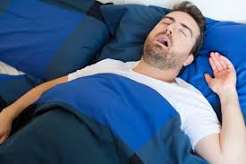
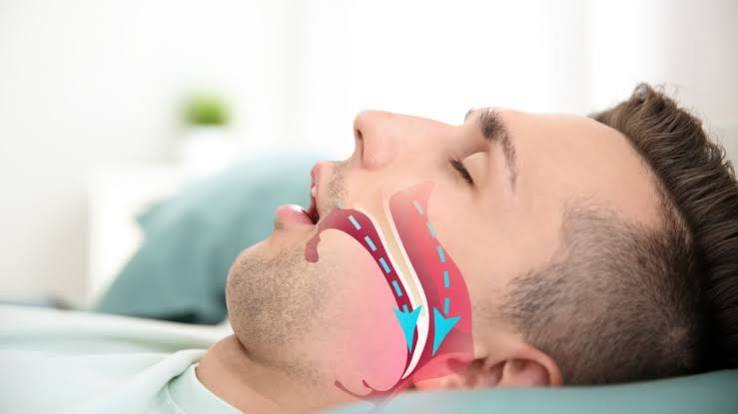
Obstructive sleep apnea (OSA) is the most common form of sleep apnea. It occurs when the muscles of the throat and soft palate relax during sleep, allowing the airway to collapse partially or completely. This blocks airflow and stops breathing — for 10 seconds to over a minute per episode. The brain detects oxygen falling and triggers a brief arousal that reopens the airway. The person resumes breathing — often with a gasp or snort — and drifts back to sleep without fully waking. This cycle repeats dozens to hundreds of times per night.
Severity Classification
Sleep apnea severity is measured by the apnea-hypopnea index (AHI) — the number of breathing pauses per hour of sleep.
- Mild OSA: 5–14 events per hour
- Moderate OSA: 15–29 events per hour
- Severe OSA: 30 or more events per hour
Adults with severe OSA may stop breathing 30–100 times per hour throughout the night. Each episode triggers a stress hormone response that directly worsens blood sugar control. In an 8-hour night, an adult with severe OSA and diabetes may experience 240–800 micro-stress events — each adding to cumulative glucose elevation and insulin resistance.
How Sleep Apnea Worsens Blood Sugar
The mechanisms by which sleep apnea worsens blood glucose control are well-established and clinically significant.
Cortisol Surge From Each Apnea Episode
Every apnea episode triggers an emergency stress response. The brain detects falling oxygen and activates the sympathetic nervous system — the “fight or flight” system. This releases cortisol and adrenaline. Both hormones raise blood glucose by stimulating liver glucose release and suppressing insulin action. An adult with severe OSA experiences this cortisol spike 30 or more times per hour. The result: blood glucose rises steadily throughout the night — producing elevated fasting morning glucose that does not reflect the prior day’s diet or medication adherence. It reflects overnight apnea activity instead.
Intermittent Hypoxia and Insulin Resistance
Each breathing pause drops blood oxygen saturation. This intermittent hypoxia — cycles of low oxygen and recovery — produces oxidative stress in cells. Oxidative stress damages insulin receptor signaling pathways in muscle and fat tissue. The result is structural insulin resistance — independent of cortisol effects — that persists even when apnea episodes are not actively occurring. Adults with untreated moderate-to-severe sleep apnea show insulin resistance comparable to adults with 20+ years of Type 2 diabetes progression — driven not by years of high blood sugar but by months of intermittent oxygen deprivation.
Fragmented Sleep and Glucose Metabolism
The repeated micro-arousals from apnea events prevent the body from reaching and sustaining deep slow-wave sleep. Slow-wave sleep is the primary sleep stage responsible for insulin sensitivity recovery and growth hormone regulation. An adult with severe OSA may spend less than 5% of the night in slow-wave sleep — compared to 15–20% in an adult without apnea. This deep sleep deprivation produces the same glucose metabolism impairment as voluntary sleep restriction to 4–5 hours per night — but without the subjective feeling of sleep loss that would prompt most people to sleep more. Many adults with sleep apnea feel moderately fatigued but not dramatically sleep-deprived, masking the severe metabolic disruption occurring overnight. Our poor sleep and blood sugar spikes guide covers the specific glucose effects of sleep fragmentation and how they compare to sleep deprivation.
Symptoms of Sleep Apnea in Adults With Diabetes
Sleep apnea symptoms overlap significantly with diabetes-related fatigue and other diabetes complications — making recognition more challenging. Adults with diabetes should be evaluated for sleep apnea when the following symptoms are present.
Nighttime Symptoms
- Loud, chronic snoring (reported by a bed partner)
- Observed breathing pauses during sleep (reported by a bed partner)
- Gasping or choking sounds at night
- Waking with a dry mouth or sore throat
- Nocturia (waking to urinate) — common in both OSA and diabetes
- Night sweats without hypoglycemia
- Waking with a headache (from overnight CO2 elevation)
Daytime Symptoms
- Excessive daytime sleepiness — falling asleep in quiet situations
- Difficulty concentrating or memory problems
- Morning headaches
- Irritability and mood changes
- High blood pressure that is difficult to control with medication
- Unexplained persistently high fasting blood glucose despite good medication adherence
The final symptom is particularly important. Adults with diabetes whose fasting glucose remains elevated despite dietary compliance and correct medication use should specifically ask their care team about sleep apnea screening. Sleep apnea can entirely explain treatment-resistant morning glucose elevation. Our doctor visit checklist for diabetes guide covers how to bring sleep apnea symptoms to a physician’s attention and request appropriate screening.
Diagnosing Sleep Apnea
Sleep apnea is diagnosed through sleep testing — either an in-laboratory polysomnography or a home sleep apnea test (HSAT). Both measure breathing, oxygen levels, and airflow during sleep.
The STOP-BANG Screening Tool
Physicians commonly use the STOP-BANG questionnaire to screen for sleep apnea risk before ordering formal testing. It scores 8 yes/no questions:
- Snoring: Do you snore loudly?
- Tired: Do you often feel tired during the day?
- Observed: Has anyone observed you stop breathing during sleep?
- Pressure: Do you have or are you being treated for high blood pressure?
- BMI: Is your BMI over 35?
- Age: Are you over 50?
- Neck: Is your neck circumference over 16 inches (women) or 17 inches (men)?
- Gender: Are you male?
A score of 3 or more indicates high risk — formal sleep testing is warranted. Adults with diabetes score positively on BMI, blood pressure, and often age — making them structurally high-risk before any sleep symptoms are considered. A score of 5 or more indicates very high risk and should prompt prioritized sleep evaluation.
Home Sleep Apnea Testing
Home sleep apnea tests are now the first-line diagnostic for most adults with suspected uncomplicated OSA. The test uses a portable device worn overnight at home that measures breathing effort, airflow, oxygen saturation, and heart rate. The data are analyzed by a sleep physician to calculate the AHI and determine diagnosis and severity. Home tests are covered by most insurance plans when ordered by a physician with appropriate documentation. Results typically return within 1–2 weeks of testing.
CPAP Treatment — Blood Sugar Benefits
Continuous positive airway pressure (CPAP) is the first-line treatment for moderate-to-severe obstructive sleep apnea. It delivers a gentle stream of pressurized air through a mask worn during sleep, keeping the airway open and preventing apnea events.
CPAP Reduces A1C — Clinical Evidence
Multiple clinical trials have measured the blood sugar benefit of CPAP treatment in adults with both sleep apnea and diabetes. A 2022 meta-analysis of 12 randomized controlled trials found that consistent CPAP use (defined as 4+ hours per night) reduced A1C by an average of 0.4% compared to control groups. This is a clinically meaningful reduction — comparable to the glucose-lowering effect of a modest dose of metformin. Adults who used CPAP for 6+ hours per night (high adherence) showed greater A1C reduction than those using it for 4–5 hours, suggesting a dose-response relationship between CPAP duration and glucose benefit.
CPAP Reduces Blood Pressure — Dual Cardiovascular Benefit
Adults with both sleep apnea and diabetes face high cardiovascular risk from both conditions. CPAP treatment reduces systolic blood pressure by an average of 3–5 mmHg in adults with OSA — a reduction that contributes to cardiovascular risk reduction alongside the glucose improvement. For adults with both conditions, CPAP provides simultaneous blood pressure and blood sugar benefits that no single diabetes medication delivers. Our diabetes and heart attack risk guide covers the cardiovascular risk profile that makes sleep apnea treatment particularly important in adults with diabetes.
Starting CPAP — Common Challenges and Solutions
CPAP adherence is the primary challenge. Many new CPAP users find the mask uncomfortable, the air pressure claustrophobic, or the noise disruptive. Modern CPAP machines offer features that address each of these barriers:
- Pressure ramp: CPAP starts at low pressure and gradually increases over 20–30 minutes as the user falls asleep — eliminating the uncomfortable sensation of high pressure during wakefulness
- Expiratory pressure relief (EPR or C-Flex): reduces pressure slightly during exhalation — making breathing feel more natural
- Auto-titrating CPAP (APAP): automatically adjusts pressure throughout the night based on airway resistance — avoiding unnecessarily high pressure during low-apnea periods
- Mask fitting: multiple mask styles (full face, nasal pillow, nasal mask) accommodate different face shapes and breathing patterns — finding the right fit dramatically improves comfort and adherence
Adults who try CPAP and discontinue due to discomfort should return to their sleep physician for mask adjustment and pressure titration before concluding that CPAP is not tolerable. The most common CPAP discomfort issues resolve with fitting adjustments rather than treatment abandonment. Our diabetes and sleep practical guide covers the broader sleep management strategies that complement CPAP for adults with both sleep apnea and diabetes. The annual care review that includes sleep apnea status and CPAP adherence alongside A1C and medication targets is in our annual diabetes care checklist. The blood sugar log that supports tracking fasting glucose before and after CPAP initiation to measure the treatment benefit is in our blood sugar log and tracking guide. The NIDDK’s diabetes management overview integrates sleep apnea screening and treatment within the comprehensive diabetes care framework. The ADA’s resources on sleep and diabetes cover the clinical evidence for sleep apnea screening and CPAP treatment in adults with diabetes. The CDC’s sleep health resources cover obstructive sleep apnea prevalence, diagnosis, and treatment across the US adult population.
Sleep Apnea, Weight, and the Diabetes Risk Cycle
Sleep apnea, excess weight, and Type 2 diabetes form a reinforcing cycle. Each condition worsens the others — creating a compounding risk loop that is difficult to break without addressing all three components simultaneously.
Excess Weight as the Common Driver
Excess body weight — particularly abdominal and neck fat — is the primary driver of obstructive sleep apnea in adults. Fat deposits around the neck narrow the airway. Fat in the abdomen reduces lung capacity when lying down. Both mechanisms increase apnea severity. Weight loss is the most effective non-CPAP intervention for sleep apnea: a 10% reduction in body weight produces approximately 26% reduction in AHI (apnea events per hour). This is a meaningful treatment effect — equivalent to upgrading from severe OSA to moderate OSA with weight loss alone, without any CPAP use.
Excess weight is also the primary modifiable risk factor for Type 2 diabetes. And sleep apnea itself contributes to weight gain through cortisol-driven appetite increase, fatigue that reduces physical activity, and disrupted leptin and ghrelin signaling. Adults with sleep apnea and diabetes who lose weight improve all three conditions simultaneously — blood sugar, sleep apnea severity, and insulin resistance. Our weight management and diabetes prevention guide covers the evidence-based approach to weight loss that simultaneously benefits sleep apnea and diabetes risk.
Central Sleep Apnea and Diabetes — A Less Common Pattern
Obstructive sleep apnea — caused by airway collapse — is the most common type in adults with diabetes. But central sleep apnea (CSA) — caused by failure of the brain’s breathing signal rather than airway obstruction — is also more prevalent in adults with diabetes than in the general population. Central sleep apnea is associated with diabetic autonomic neuropathy — nerve damage that disrupts the automatic regulation of breathing during sleep. CPAP is less effective for central sleep apnea. Specialized devices (adaptive servo-ventilation or bi-level PAP) are typically used. Adults with central sleep apnea require evaluation at a sleep center rather than home sleep testing — which cannot distinguish between obstructive and central events. Our diabetic neuropathy guide covers autonomic neuropathy — the nerve damage pattern most closely linked to central sleep apnea in diabetes.
Sleep Apnea Screening in Diabetes Care — Current Recommendations
Despite the high prevalence of sleep apnea in adults with diabetes — and its significant impact on blood sugar control — routine sleep apnea screening is not yet standard in most primary care diabetes visits. Most adults with diabetes who have undiagnosed sleep apnea are not offered screening unless they specifically report snoring or daytime sleepiness.
Who Should Request Sleep Apnea Screening
Adults with diabetes should proactively ask their care team about sleep apnea evaluation if they meet any of the following criteria:
- BMI above 30
- Neck circumference above 16 inches (women) or 17 inches (men)
- STOP-BANG score of 3 or higher
- Poorly controlled blood pressure despite medication
- Fasting glucose consistently higher than diet and medication would predict
- Significant daytime fatigue without other explanation
- Bed partner reports snoring, gasping, or breathing pauses
Requesting a sleep evaluation does not require pre-authorization from a specialist. A primary care physician can order a home sleep apnea test directly. Most insurance plans cover sleep apnea testing when ordered with appropriate clinical justification — and type 2 diabetes combined with obesity or hypertension typically meets coverage criteria. Our doctor visit checklist for diabetes guide covers how to prepare sleep apnea screening questions for a physician appointment. The broader diabetes sleep connection — including sleep hygiene, sleep duration, and overnight glucose management — is in our diabetes and sleep practical guide. The poor sleep and blood sugar spike pattern that undiagnosed sleep apnea produces night after night is covered in our poor sleep and blood sugar spikes guide. The emotional health burden — including depression and anxiety that overlap with sleep apnea symptoms — is in our emotional health and diabetes management guide. The heart attack and cardiovascular risk that sleep apnea amplifies in adults with diabetes is in our diabetes and heart attack risk guide. The sedentary lifestyle and blood sugar connection — including how reduced activity from sleep apnea fatigue worsens glucose control — is in our sedentary breaks and blood sugar control guide. The A1C monitoring schedule that tracks the glucose improvement from CPAP treatment over 3-month intervals is in our A1C testing schedule guide. The annual diabetes care review that includes sleep apnea status alongside A1C, medication, and complication screening is in our annual diabetes care checklist. The CDC’s sleep health resources cover OSA prevalence, risk factors, and treatment options for adults across the US population.
Sleep Apnea and Type 1 Diabetes
Most research on sleep apnea and diabetes focuses on Type 2 diabetes — because obesity, the primary OSA risk factor, is more prevalent in Type 2. But sleep apnea is also significantly more common in adults with Type 1 diabetes than in the general population without diabetes.
Why Type 1 Diabetes Increases Sleep Apnea Risk
Adults with Type 1 diabetes develop several risk factors for sleep apnea that are independent of weight. Autonomic neuropathy disrupts the breathing control mechanism during sleep. Fluid retention from kidney disease (more common in long-standing Type 1) increases upper airway swelling. Chronic inflammation from poorly controlled glucose damages airway tissue over time. The combination produces OSA risk in Type 1 adults who would not otherwise be considered high-risk based on BMI or neck circumference alone.
Nocturnal hypoglycemia adds a distinct sleep disruption pattern in Type 1 diabetes. Low blood glucose during sleep triggers a stress hormone response that produces sweating, restlessness, and partial arousals — mimicking some sleep apnea symptoms. Adults with Type 1 who report poor sleep quality, morning fatigue, and night sweats require evaluation for both nocturnal hypoglycemia and sleep apnea — as both may be present simultaneously and require separate treatment approaches.
CPAP and Hypoglycemia Management in Type 1
Adults with Type 1 diabetes who begin CPAP treatment may experience changes in overnight glucose patterns as sleep quality improves. Reduced nocturnal cortisol from eliminated apnea events lowers the hormonal drive for overnight liver glucose production. This can cause overnight glucose to fall lower than previously — particularly if basal insulin doses were adjusted upward to counteract sleep-apnea-driven glucose elevation. Adults with Type 1 who start CPAP should increase overnight glucose monitoring frequency for the first 2–4 weeks of CPAP use and discuss potential basal insulin dose reduction with their care team if overnight lows increase. Our exercise and hypoglycemia prevention guide covers the nocturnal hypoglycemia monitoring approach that applies alongside CPAP initiation.
Living With Both Sleep Apnea and Diabetes — Daily Management
Adults managing both sleep apnea and diabetes face a higher daily management burden than those managing either condition alone. Practical strategies reduce this burden without compromising control of either condition.
Integrating CPAP Into a Diabetes Routine
CPAP adherence is the most important factor determining the blood sugar benefit of sleep apnea treatment. Adults who use CPAP fewer than 4 hours per night show significantly less A1C improvement than those using it 6+ hours. Treating CPAP like a diabetes medication — not optional, not skippable on bad nights — produces the consistent adherence that generates consistent glucose benefit. CPAP machines track nightly usage data that physicians can review. Adults should share this data at diabetes appointments alongside glucose logs — it provides direct evidence of sleep apnea management quality analogous to A1C data for glucose management quality.
Sleep Hygiene That Supports CPAP Adherence
Good sleep hygiene makes CPAP use easier and more effective. Consistent bed and wake times stabilize the sleep drive — making it easier to fall asleep with the CPAP mask on. A cool bedroom temperature reduces the discomfort of wearing a mask. Treating nasal congestion with saline rinse or nasal spray prevents mouth breathing that bypasses CPAP pressure and reduces treatment effectiveness. Addressing claustrophobia or mask discomfort with a sleep physician early — rather than enduring it until abandoning CPAP — preserves the glucose benefit of treatment. Our diabetes and sleep practical guide covers the full sleep hygiene framework that supports CPAP adherence alongside broader diabetes sleep management. The stress and anxiety management that helps adults tolerate the discomfort of new CPAP use is in our stress eating and blood sugar guide. The emotional health support for adults managing multiple chronic conditions simultaneously is in our emotional health and diabetes management guide.
Sources: American Diabetes Association Standards of Care in Diabetes 2024; Muraki I et al. Sleep Apnea and Type 2 Diabetes. Journal of Diabetes Investigation 2018; Prasad B et al. Impact of CPAP on Metabolic Outcomes in Patients With OSA and Type 2 Diabetes. Diabetes Care 2022; NIDDK Diabetes Management Overview 2024.
Came across this while researching sleep apnea and diabetes for a family member. What I liked most was that the article didn’t just say what to avoid — it also gave alternatives. This is going into my health folder that I bring to every doctor’s visit.
Thank you for covering sleep apnea and diabetes so thoroughly without being overly technical. I appreciate that the article is careful about distinguishing between what is known and what is still being researched. This gave me real confidence going into my next specialist appointment.
My doctor recommended I look into sleep apnea and diabetes and this article covered it perfectly. The article answered questions I didn’t even know I had until I started reading. Exactly the kind of evidence-based information that is hard to find in one place.