
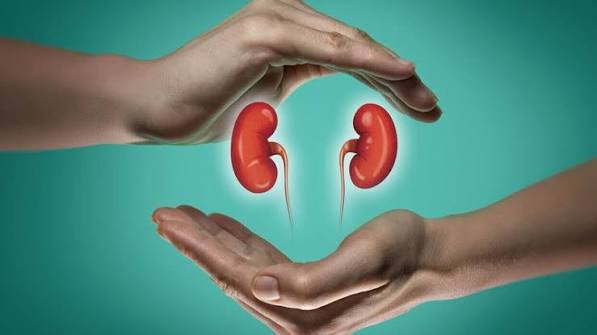
Signs of healthy kidney function are not things most adults think about until something goes wrong — and that’s precisely the problem. The kidneys work silently, filter 200 liters of blood per day, and leave almost no physical evidence of their functioning until failure is advanced. But healthy kidney function is measurable, and understanding what normal looks like in lab values, urine characteristics, blood pressure, and energy levels gives you a meaningful baseline. When results shift from that baseline — even subtly — the change becomes visible before symptoms develop. This guide explains what signs of healthy kidney function look like, how to read the numbers, and what trends to watch over time.
What Healthy Kidney Function Actually Means
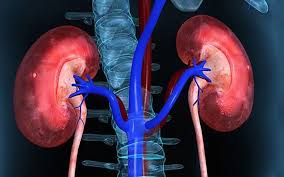
The kidneys perform several distinct jobs simultaneously, and healthy function means all of them are working at adequate capacity. Blood filtration: The glomeruli filter waste products, excess electrolytes, and fluid from the blood. Healthy kidneys filter the entire blood volume about 60 times per day, producing roughly 1 to 2 liters of urine — a capacity expressed as the glomerular filtration rate (GFR), estimated from blood creatinine (eGFR). Electrolyte regulation: Healthy kidneys precisely regulate blood levels of sodium, potassium, calcium, magnesium, and phosphorus by adjusting excretion in urine. Acid-base balance: The kidneys excrete hydrogen ions and regenerate bicarbonate to maintain blood pH between 7.35 and 7.45, reflected in a serum bicarbonate of 22–29 mEq/L. Hormone production: The kidneys produce erythropoietin (EPO) for red cell production, activate vitamin D for calcium absorption, and release renin for blood pressure regulation. A hemoglobin in the normal range, adequate bone density, and stable blood pressure without medication are indirect signs that these hormonal functions are intact. For a full explanation of kidney anatomy and the mechanics of filtration, see our guide on how the kidneys work.
Your Lab Numbers and What They Tell You
eGFR (estimated glomerular filtration rate) is the most important single number for tracking kidney filtration. An eGFR of 60 or above is the threshold that separates normal from potentially abnormal. More specifically: eGFR ≥90 mL/min/1.73m² indicates normal to high filtration (Stage G1 — healthy unless combined with other damage markers); eGFR 60–89 is mildly decreased (Stage G2 — normal for many adults over 60 due to physiological aging, not classified as CKD unless combined with albuminuria or structural damage); eGFR below 60 is below the normal threshold and indicates CKD if persistent for more than 3 months.
UACR (urine albumin-to-creatinine ratio) measures how much albumin is leaking into the urine. A UACR below 30 mg/g indicates normal albumin excretion and is one of the clearest positive signs of healthy glomerular barrier integrity. Values of 30–300 mg/g (microalbuminuria) and above 300 mg/g (macroalbuminuria) indicate progressively more significant glomerular damage — even when eGFR remains normal.
Serum creatinine normal ranges are approximately 0.6–1.2 mg/dL in women and 0.7–1.3 mg/dL in men. However, eGFR — which incorporates age and sex — is more clinically useful than creatinine alone, because the same creatinine value can mean very different GFR levels in a young muscular man versus a small-framed older woman. BUN (blood urea nitrogen) should be 7–20 mg/dL. The BUN-to-creatinine ratio (normally 10–20:1) helps distinguish kidney causes from non-kidney causes of elevated values. Serum electrolytes in normal ranges — potassium 3.5–5.0 mEq/L, sodium 135–145 mEq/L, bicarbonate 22–29 mEq/L, phosphorus 2.5–4.5 mg/dL — indicate that renal tubular function is intact and that waste products and electrolytes are being handled appropriately.
Urine Characteristics That Indicate Healthy Kidneys
Urine itself carries observable information about kidney health. Color: Healthy kidneys produce pale to medium yellow urine under normal hydration. Colorless urine suggests excess fluid intake or impaired concentrating ability; dark amber suggests dehydration; persistently tea-colored urine warrants evaluation. Clarity: Normal urine is clear. Cloudy or turbid urine may indicate white cells from infection, crystals, or phosphate precipitation. Foam: A small amount of transient foam that rapidly dissipates is normal. Persistent foam that remains after the stream stops suggests protein in the urine (proteinuria) — confirm with UACR. Volume: Healthy kidneys produce approximately 1 to 2 liters of urine per day. Consistently low output (oliguria) or very high output above 3 liters per day without obvious cause merits evaluation. Specific gravity between 1.010 and 1.025 on urinalysis indicates that the kidneys are appropriately concentrating urine — a fixed specific gravity near 1.010 regardless of hydration status (isosthenuria) suggests tubular damage and lost concentrating ability. A healthy urinalysis shows: no blood (0–2 RBCs per high-power field), no protein (trace or negative), negative nitrites and leukocyte esterase, pH 5.0–7.5, and specific gravity 1.010–1.025.
Blood Pressure as a Kidney Health Signal
One of the most visible indirect signs of healthy kidney function is a normal blood pressure maintained without medication. The kidneys regulate blood volume and systemic vascular resistance through the renin-angiotensin-aldosterone system (RAAS). In healthy kidneys, this system is finely calibrated and returns blood pressure to normal once conditions normalize. A resting blood pressure consistently below 120/80 mmHg in an adult not taking antihypertensive medications is one of the most reassuring indirect signs of healthy renal vascular and hormonal function.
The relationship between blood pressure and kidney health is bidirectional: damaged kidneys contribute to hypertension through RAAS overactivation and impaired sodium excretion, and sustained high blood pressure damages glomerular capillaries, accelerating kidney decline. Blood pressure at or above 130/80 mmHg (Stage 1 hypertension per ACC/AHA 2017 guidelines) that is not explained by essential hypertension, obesity, or secondary causes deserves consideration of kidney involvement — both as a cause and a consequence.
Energy, Sleep, and Indirect Functional Signs
Healthy kidney function expresses itself in several indirect ways. Stable hemoglobin: EPO stimulates red blood cell production, and healthy kidneys maintain hemoglobin within normal range (12–16 g/dL in women; 13.5–17.5 g/dL in men). Normocytic anemia without iron deficiency or another obvious cause is a classic CKD finding — its absence suggests adequate EPO production. Normal energy levels: Uremic toxins that accumulate when kidney filtration is insufficient cause characteristic fatigue and cognitive dullness. Adults with healthy kidney function do not experience uremia-related fatigue. Adequate sleep: Healthy kidney function is associated with ≤1 nighttime void in adults under 65. Consistently good sleep without urinary interruption is a reassuring indirect marker. Absence of uremic symptoms: Persistent itching, metallic taste, muscle cramping, or restless legs without other explanation are later-stage signs of kidney dysfunction — their absence indicates waste products are being adequately cleared.
Normal Kidney Aging vs. Kidney Disease
Physiological age-related eGFR decline proceeds at approximately 1 mL/min/1.73m² per year after age 40 — a predictable reduction in filtration capacity from gradual nephron loss that occurs in all aging kidneys. An eGFR of 75 at age 40 might naturally reach 65 by age 50 and 55 by age 60. If this decline occurs without albuminuria (UACR below 30 mg/g), without structural abnormalities, and without other kidney damage markers, it is not classified as CKD and does not require treatment beyond monitoring.
Pathological eGFR decline is faster than the physiological rate (3–5 mL/min/year or more), is accompanied by rising UACR, or is associated with structural changes. In practical terms: an adult at 70 with an eGFR of 62 and a UACR of 15 mg/g, stable labs over 5 years and no diabetes or hypertension, has signs of healthy kidney function for their age. An adult at 45 with an eGFR of 68 but a UACR of 45 mg/g has early kidney damage despite a “normal” eGFR — the UACR is the signal that something is wrong, even when the filtration rate hasn’t fallen yet.
What a Kidney Ultrasound Shows When Kidneys Are Healthy
Healthy kidneys on ultrasound show: size 9 to 12 cm in length; a smooth cortical surface without irregular scarring; normal echogenicity (kidney cortex is slightly less bright than adjacent liver — increased brightness suggests interstitial fibrosis); no cysts, masses, or hydronephrosis (dilation from obstruction); and preserved corticomedullary differentiation (visible boundary between cortex and medullary pyramids). Significantly smaller kidneys suggest chronic scarring and nephron loss; enlarged kidneys suggest infiltration, hydronephrosis, or PKD.
How Often to Check Kidney Function
Monitoring frequency should match your level of risk. Adults with no known risk factors (no diabetes, no hypertension, no family history of CKD, age under 60) need only a comprehensive metabolic panel (CMP) at their annual physical — which includes creatinine and estimated eGFR. Review the specific numbers rather than assuming normal if the report is simply “within range.” Adults with one or more risk factors (diabetes, hypertension, age over 60, family history of CKD, cardiovascular disease, obesity) should have annual eGFR and UACR testing — both tests are necessary, because eGFR alone can miss early kidney damage that UACR detects when filtration rate is still normal. Adults with established CKD are monitored every 3 to 6 months depending on stage, with additional monitoring for complications (anemia, bone disease, electrolyte imbalance) added progressively as eGFR declines.
Habits That Support and Sustain Healthy Kidney Function
Several lifestyle practices protect the glomerular filtration barrier, maintain blood pressure, and avoid nephrotoxic exposures that compromise kidney health over time. Adequate hydration (1.5 to 2.5 liters daily, targeting pale yellow urine) keeps urine dilute enough to prevent stone crystallization and ensures adequate renal perfusion. NSAID avoidance matters particularly in adults over 60, people with even mild CKD, or anyone who is dehydrated — NSAIDs reduce renal prostaglandins that normally maintain GFR, and regular use in these groups risks acute kidney injury. Blood pressure control below 130/80 mmHg protects glomerular capillaries from hemodynamic stress; dietary sodium restriction below 2,300 mg/day and regular physical activity both support renal vascular health without medication. Blood glucose management (HbA1c below 7% for most adults with diabetes) is the most effective intervention for preserving UACR below 30 mg/g and slowing eGFR decline over the long term. Smoking cessation benefits kidney health at any age — smoking accelerates CKD progression through endothelial damage to glomerular capillaries and is an independent risk factor for kidney cancer. For more on habits and risks specifically as you age, see our article on why kidney health matters after age 40.
When to Reassess — Tracking Your Kidney Health Trend
A single kidney function measurement is less informative than a trend. Healthy kidney function is not a static value — it is a stable trajectory over time. An eGFR variation of 5–10 mL/min between readings taken months apart is within normal variability. A consistent downward trend of 10 or more points over 2 years warrants investigation even if the absolute value remains above 60. For UACR, a value that doubles from one annual reading to the next — even if still below 30 mg/g — is an early signal worth noting. UACR can vary by up to 50 percent between spot measurements, so two or three elevated readings should be used for clinical decisions rather than a single elevated value. A creatinine that has increased by 0.3 mg/dL or more since the prior measurement, a new urinalysis finding of blood or protein, or a new electrolyte abnormality all warrant prompt follow-up.
Our overview of what is kidney health provides the broader context for understanding kidney function monitoring, while our guide on common kidney problems in adults covers what happens when these signs shift from healthy to concerning.
Reading Your Kidney Function Lab Report
Most adults receive kidney function data as part of a comprehensive metabolic panel (CMP) or basic metabolic panel (BMP) ordered at an annual visit — but the numbers are often reported without context. Understanding how to read your own lab report is a practical skill that makes kidney monitoring far more useful than simply hearing “everything looks normal.”
A typical kidney function lab report includes serum creatinine, an estimated eGFR, BUN, and the major electrolytes. Here is how to read the key values in the context of what healthy kidney function looks like:
- Creatinine: Look at the actual number, not just whether it falls within the lab’s reference range. A creatinine of 1.2 mg/dL is at the upper end of “normal” for a woman — but if she is small-framed and 68 years old, an eGFR calculated from that creatinine may be 45–50 mL/min, which is Stage 3a CKD. This is why creatinine alone is insufficient.
- eGFR: Should be ≥60 for most adults. If you are over 60 and your eGFR is 62–68 and has been stable for several years, that likely reflects age-related decline rather than disease — but pair it with UACR before concluding that kidney function is healthy.
- UACR: This is the test most often missing from routine labs. If your report does not include UACR or urine microalbumin, ask for it specifically. A UACR below 30 mg/g is the positive sign you are looking for. If it is 30–300, that is microalbuminuria — an early kidney damage marker that warrants follow-up and possibly preventive treatment, even if eGFR is normal.
- Potassium: Should be 3.5–5.0 mEq/L. Persistently elevated potassium (hyperkalemia, above 5.5) in someone not taking potassium-sparing diuretics or ACE/ARB medications can indicate impaired renal potassium excretion and reduced tubular function.
- Bicarbonate: Should be 22–29 mEq/L. Persistently low bicarbonate (below 22) is a sign of metabolic acidosis, which in the context of CKD reflects the kidney’s reduced ability to excrete acid. It is also independently associated with faster CKD progression and is treated with sodium bicarbonate supplementation in established CKD.
- Phosphorus: Should be 2.5–4.5 mg/dL. Rising phosphorus (above 4.5) is an early metabolic sign of declining kidney function — the kidneys are the primary route of phosphorus excretion, and phosphorus retention begins before eGFR falls below 60 in some individuals.
If any of these values are outside the normal ranges — or if they are trending in the wrong direction compared to your prior results — bring it to your provider’s attention rather than waiting for the next annual visit. A single abnormal value may not be clinically significant, but a value that has moved 20 to 30 percent from its baseline over one to two years warrants investigation regardless of whether it has crossed a formal threshold.
The Signs of Declining Kidney Health Versus Healthy Function
One reason it is valuable to understand the signs of healthy kidney function is that it makes the early signs of declining kidney health easier to recognize — not because they are dramatic, but because they are subtle departures from what normal looks like. Early kidney disease does not announce itself with pain, swelling, or urinary changes; it announces itself in lab values that shift slightly but consistently in the wrong direction.
The earliest signal in most forms of kidney disease — particularly diabetic nephropathy and early hypertensive nephropathy — is rising UACR, often while eGFR remains normal or even elevated. An adult with a UACR that was 12 mg/g two years ago and is now 28 mg/g has not crossed the 30 mg/g threshold for microalbuminuria, but the doubling of that value is clinically meaningful and should trigger intensified management of blood pressure and glucose, evaluation for other causes of protein leakage, and more frequent monitoring. This is the kind of signal that routine labs capture if you know to look for it — and that is missed entirely if UACR is never ordered.
The next signal is typically a consistent downward trend in eGFR. As described above, a decline of 1 mL/min/year is physiological after age 40. When the decline accelerates — 3 to 5 mL/min/year or faster — it suggests active nephron loss beyond aging. Catching this trend requires comparing your current eGFR to results from one, two, and three years earlier — which requires that those older results are accessible, either through a patient portal or by requesting records. This is one argument for keeping your own log of kidney values rather than relying entirely on your provider to notice a trend across years of electronic health records that may not be systematically reviewed between visits.
Later markers of declining function — rising serum creatinine by more than 0.3 mg/dL from baseline, falling bicarbonate below 22 mEq/L, rising phosphorus above 4.5 mg/dL, and the appearance of normocytic anemia — appear after nephron loss is substantial. At this point, kidney function is declining from what was healthy into the territory of clinically significant CKD that requires management of complications, not just monitoring.
Kidney Function in Special Populations
The signs of healthy kidney function look somewhat different depending on life stage, sex, and underlying conditions — and these differences are clinically important.
Older adults: As noted above, an eGFR that has declined with age to 60–70 mL/min/1.73m² in an adult over 65, without albuminuria and with stable trends, may represent healthy aging rather than CKD. The CKD-EPI creatinine equation used to calculate eGFR was updated in 2021 to remove race as a variable, but it still incorporates age and sex. Some researchers advocate for using cystatin C alongside creatinine in older adults, since muscle mass (which affects creatinine production) often declines with aging in ways that make creatinine-based eGFR overestimate true filtration capacity. Cystatin C-based eGFR can reveal reduced kidney function in sarcopenic older adults that creatinine-based calculation misses.
Adults with diabetes: The signs of healthy kidney function in people with diabetes include not only normal eGFR and UACR but also evidence that protective interventions are in place. A person with type 2 diabetes whose UACR is 18 mg/g, eGFR is 72, HbA1c is 6.8%, and blood pressure is 126/78 mmHg on an ACE inhibitor plus an SGLT-2 inhibitor has active protective management in place alongside healthy labs — a meaningful distinction from someone with the same lab values but no protective treatment. For adults with diabetes, the trajectory is shaped by management, not just by the current lab snapshot.
Athletes and very muscular adults: Creatinine is a breakdown product of creatine phosphate in muscle, which means highly muscular adults produce more creatinine per day and will have a higher serum creatinine and a lower calculated eGFR than a person with the same true filtration capacity but less muscle mass. In this population, creatinine-based eGFR may underestimate true kidney function. Cystatin C, which is produced at a constant rate independent of muscle mass, provides a more accurate GFR estimate. Very intense endurance exercise can also cause transient proteinuria and hematuria (exercise-induced) — findings that resolve within 24 to 72 hours and should not be confused with kidney disease.
Pregnant women: Kidney function changes significantly during pregnancy. GFR increases by 40 to 60 percent above baseline due to increased blood volume and cardiac output, which means a creatinine of 0.8 mg/dL and an eGFR of 95 in a pregnant woman at 20 weeks may indicate reduced kidney function relative to the expected hyperfiltration of pregnancy. Proteinuria above 300 mg/day (or UACR above approximately 300 mg/g) in the second half of pregnancy — combined with hypertension — meets criteria for preeclampsia, which is a distinct kidney-related condition of pregnancy rather than chronic kidney disease.
Sources: National Institute of Diabetes and Digestive and Kidney Diseases (NIDDK), niddk.nih.gov; National Kidney Foundation, kidney.org; American Kidney Fund, kidneyfund.org. KDIGO CKD Guidelines 2012/2024; ADA Standards of Medical Care 2024; ACC/AHA Hypertension Guidelines 2017.
Pingback: Early Signs of Kidney Problems
Pingback: What Is Acute Kidney Injury?
Pingback: Kidney Disease Risk Factors Every Adult Should Know
Pingback: What Is Chronic Kidney Disease?
This breakdown of signs of healthy kidney function is exactly what patients need before a specialist appointment. What I liked most was that the article didn’t just say what to avoid — it also gave alternatives. Keep up this kind of thorough health journalism — it genuinely helps patients like me.
As someone dealing with this personally, the signs of healthy kidney function section was very helpful. I have tried following advice from several sources but this is most consistent with what my specialist told me. I wish I had found this article earlier — would have saved a lot of confusion.
My doctor recommended I look into signs of healthy kidney function and this article covered it perfectly. The section on managing this condition day-to-day was especially useful for planning. Keep up this kind of thorough health journalism — it genuinely helps patients like me.