
The connection between blood sugar and kidney damage is not abstract. High glucose injures the kidney through four distinct molecular pathways, and those pathways have been studied in enough detail that researchers can point to the specific proteins, enzymes, and inflammatory signals driving the destruction. This level of understanding has also produced something valuable: a clear picture of what it takes to interrupt those pathways before they produce irreversible damage.
Blood sugar control is not simply about avoiding symptoms or maintaining energy. For the roughly 37 million Americans with diabetes, it is the most powerful tool available for preventing the kidney complications that lead to dialysis and transplant — and the evidence base for this is among the strongest in all of nephrology. This article covers the mechanisms of glucose-related kidney injury, the specific targets that protect kidney function, which medications offer the most kidney benefit, and the daily habits that translate directly into preserved kidney function over time.
How High Blood Sugar Destroys the Kidneys
Chronic hyperglycemia doesn’t damage the kidney through a single mechanism — it activates multiple pathways simultaneously, which is part of why diabetic kidney disease is so difficult to reverse once it is established.
Advanced glycation end-products (AGEs) are formed when glucose reacts chemically with proteins — including the collagen in the glomerular basement membrane. AGEs cross-link collagen strands, stiffening the filtration membrane and altering its permeability. They also activate a receptor called RAGE that triggers inflammatory signals and oxidative stress throughout the kidney. Because AGEs accumulate proportionally to the cumulative glucose exposure over time, a person who has had poorly controlled diabetes for ten years carries significantly more AGE burden than someone who has had the same condition for two years — which is why the duration of poor control matters as much as the degree.
Glomerular hyperfiltration is the earliest kidney change in diabetes, and it is largely silent. High glucose causes osmotic pressure in the glomerulus to increase, forcing the kidneys to filter more blood per minute than normal. This elevated filtration rate feels like “working better” — eGFR may be above 90 — but the increased pressure inside the glomerular capillaries is doing structural damage. This early phase is one of the few stages at which intervention can actually reverse the process: intensive glucose lowering in the first years of diabetes can normalize hyperfiltration and reduce the pressure on glomeruli.
Protein kinase C (PKC) activation by hyperglycemia upregulates two key signals: VEGF (vascular endothelial growth factor), which increases glomerular permeability and accelerates protein leakage, and TGF-β1 (transforming growth factor beta-1), which drives the fibrosis program that scars glomeruli and tubules. TGF-β1 is sometimes called the “master switch” of glomerulosclerosis; it is the primary protein turning glucose-related injury into permanent structural damage.
Oxidative stress is the final common pathway. Excess glucose overwhelms mitochondrial processing, producing superoxide radicals that damage endothelial cells, tubular cells, and the filtration membrane directly. Superoxide also activates the other three pathways above, creating a reinforcing loop in which oxidative damage perpetuates the molecular injury that generated it. This is one reason antioxidant supplementation alone cannot resolve diabetic kidney disease: the problem is not merely free radicals, but the glucose-driven signaling that continuously generates them.
The HbA1c Target That Protects Kidney Function
The landmark evidence for blood sugar control and kidney protection comes from two trials that reshaped diabetes management. The DCCT/EDIC trial in Type 1 diabetes randomized patients to intensive glucose control (HbA1c ~7%) versus conventional treatment (HbA1c ~9%). After 6.5 years, intensive control reduced the risk of microalbuminuria by 39% and macroalbuminuria by 54%. More remarkably, when the trial ended and all patients shifted to intensive control, the benefits persisted for over a decade — a phenomenon called metabolic memory. Early tight control created a lasting protection against kidney damage that survived years of conventional care after the trial.
The UKPDS showed similar benefits in Type 2 diabetes: intensive glucose control reduced microvascular complications including nephropathy by approximately 25%. The ADVANCE trial, targeting HbA1c ~6.5%, showed additional nephropathy benefit at a lower HbA1c target.
The standard target for most adults with diabetes is HbA1c below 7%. This reflects an average blood glucose of approximately 154 mg/dL. For patients who can achieve it safely, lower targets (6.5%) may provide additional kidney protection — but the word “safely” is critical. Severe hypoglycemia carries its own kidney risks (discussed below), and the balance between glucose lowering and hypoglycemia prevention must be individualized.
Less stringent targets — 7.5% to 8% — are appropriate for elderly patients, those with frequent hypoglycemia or hypoglycemia unawareness, those with advanced cardiovascular disease, and patients with CKD Stage 4–5. In advanced CKD, HbA1c becomes technically unreliable: erythropoietin therapy for anemia of CKD increases red cell turnover, producing younger red cells that accumulate less glycation and causing HbA1c to underestimate the true average glucose. In these patients, continuous glucose monitoring or fructosamine testing provides a more accurate picture of glycemic control.
Medications That Both Control Glucose and Protect Kidneys
Not all glucose-lowering medications are equal in their kidney effects. Several newer classes have demonstrated kidney-protective benefits that operate independently of glucose lowering — an important distinction that has reshaped treatment guidelines.
SGLT2 inhibitors (canagliflozin, dapagliflozin, empagliflozin) are now co-first-line with ACE inhibitors or ARBs for diabetic kidney disease. Their kidney-protective mechanism — reducing glomerular hyperfiltration through afferent arteriolar constriction — works whether blood glucose is controlled or not. The CREDENCE trial with canagliflozin showed 30% reduction in kidney failure; DAPA-CKD with dapagliflozin showed 44% reduction in the composite kidney endpoint; and EMPA-KIDNEY with empagliflozin, published in 2023, showed 28% reduction in progression to kidney failure or cardiovascular death across a wide range of CKD patients — including a substantial non-diabetic subgroup. Both the American Diabetes Association and the KDIGO 2022 guidelines on Diabetes in CKD now recommend SGLT2 inhibitors for DKD at eGFR ≥20 regardless of HbA1c level.
GLP-1 receptor agonists (semaglutide, liraglutide, dulaglutide) have secondary kidney-protective effects driven by weight loss, blood pressure reduction, and direct anti-inflammatory effects. The LEADER trial with liraglutide and SUSTAIN-6 with semaglutide both showed significant reductions in new macroalbuminuria. The dedicated kidney trial — FLOW — tested semaglutide specifically in people with CKD and diabetes and showed significant reduction in kidney failure, cardiovascular death, and decline in eGFR, as reported in NEJM 2024. The EMPA-KIDNEY trial results confirm that the class effect of kidney protection extends across multiple agents and populations.
Metformin remains the first-line oral agent for Type 2 diabetes and is safe in CKD Stage 1–3a (eGFR above 45). At eGFR 30–45, it should be used with caution and dose reduction. Below eGFR 30, it is contraindicated due to lactic acidosis risk. Metformin does not directly protect the kidney, but it improves insulin sensitivity and reduces cardiovascular risk without harming kidney function at appropriate doses.
Insulin is safe at all stages of CKD and becomes increasingly important as eGFR declines and oral medications become restricted. As eGFR falls below 30, insulin clearance by the kidney decreases, so doses often need reduction to avoid hypoglycemia. Insulin has no direct kidney-protective or nephrotoxic effects; its role is pure glucose management.
Two medications deserve specific caution in CKD: glyburide (also called glibenclamide) has an active metabolite that accumulates in kidney disease and causes prolonged, severe hypoglycemia — it should be avoided in CKD; glipizide is the preferred sulfonylurea as it is hepatically metabolized. Saxagliptin (a DPP-4 inhibitor) increased hospitalizations for heart failure in the SAVOR-TIMI trial and should be avoided in patients with heart failure, which is common in advanced CKD.
Continuous Glucose Monitoring in Kidney Disease
HbA1c has been the primary tool for tracking long-term glucose control since the 1980s, but it has significant limitations in kidney disease — and a newer technology provides a better picture for many CKD patients.
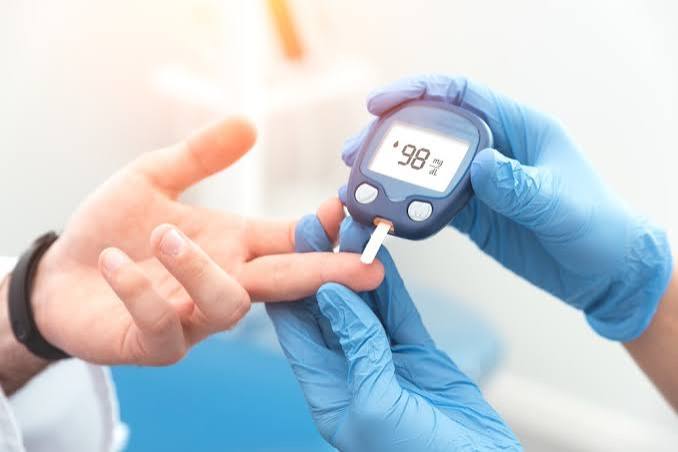
Continuous glucose monitoring (CGM) tracks glucose levels every 5 minutes using a small sensor worn on the arm or abdomen. Instead of a single number reflecting a three-month average, CGM provides glucose curves, peak values, overnight trends, and a metric called time-in-range (TIR) — the percentage of time glucose stays within the target range of 70–180 mg/dL. Research has established that TIR above 70% correlates with lower rates of microvascular complications, including kidney disease. Conversely, time spent above 250 mg/dL correlates directly with kidney damage even when the HbA1c appears acceptable.
For patients with advanced CKD where HbA1c is unreliable due to anemia and erythropoietin therapy, CGM provides glucose data that does not depend on red cell lifespan. The American Diabetes Association endorses CGM for people with diabetes on insulin or at elevated risk of hypoglycemia — both common scenarios in CKD. CGM also alerts patients to hypoglycemic episodes overnight, when kidney patients are at highest risk due to CKD-related impairment of gluconeogenesis.
Glucose variability — large swings between high and low values even when the average is acceptable — is an emerging risk factor for kidney damage that CGM captures and HbA1c misses. High variability produces oxidative stress independent of the average glucose level, suggesting that the pattern of glucose control matters, not just the target.
Hypoglycemia — The Overlooked Kidney Risk
The risk of tight glucose control is hypoglycemia — and in kidney disease, hypoglycemia carries specific dangers that are often underappreciated.
CKD impairs two of the body’s defenses against low blood sugar. First, the kidney normally generates glucose through gluconeogenesis, contributing about 20–25% of fasting glucose production. As eGFR falls, this contribution decreases, leaving patients more vulnerable to hypoglycemic episodes. Second, CKD delays the clearance of many glucose-lowering medications — including insulin and sulfonylureas — extending their action and making hypoglycemia more likely after their peak effect.
Each hypoglycemic episode activates the sympathetic nervous system: adrenaline and cortisol surge, heart rate rises, and blood pressure increases acutely. These stress responses are damaging to both cardiovascular and kidney function. Multiple studies have found associations between severe hypoglycemia and acute kidney injury events, and between frequent mild hypoglycemia and accelerated CKD progression.
The practical implication: a HbA1c of 7.0% achieved without hypoglycemia is preferable to 6.5% achieved with frequent low blood sugar episodes. This is why individualized targets exist — the number alone does not capture whether control is being achieved safely. For patients at high hypoglycemia risk, CGM with low-glucose alerts, dose adjustments with nephrologist input, and regular medication review are essential safeguards.
Practical Daily Strategies for Better Glucose Control
Medication adherence and monitoring are essential, but the daily habits that shape blood glucose between medication doses are equally important for kidney protection.
Meal timing and composition: Eating meals of consistent size at consistent times reduces glucose variability significantly. Large meals after long fasting periods produce glucose spikes that damage the kidney’s filtration apparatus repeatedly. Low-glycemic-index foods — legumes, whole grains, non-starchy vegetables, nuts — produce slower, lower glucose rises than refined carbohydrates. Limiting sugar-sweetened beverages is one of the highest-impact single changes for most people.
Post-meal physical activity: A 30-minute walk within an hour of a meal reduces postprandial glucose by 30–50 mg/dL in people with Type 2 diabetes. This is not simply about burning calories — muscle contraction activates glucose uptake through pathways independent of insulin, providing glucose control even in people with significant insulin resistance. Light-to-moderate activity after meals is one of the most evidence-supported daily habits for glucose management.
Sleep: Less than 6 hours of sleep per night impairs insulin sensitivity by 20–30% in controlled studies. Poor sleep raises cortisol, which directly raises blood glucose. Patients with CKD often have sleep disorders — including restless legs syndrome and sleep apnea — that worsen glycemic control and should be identified and treated.
Stress management: Psychological stress activates the sympathetic nervous system and hypothalamic-pituitary axis, releasing cortisol and adrenaline that raise blood glucose. Chronic stress is independently associated with worse glycemic control in multiple studies. Mindfulness practices, structured relaxation, and social support all have documented glucose benefits — not as alternative therapies, but as biologically active interventions.
Metabolic Memory — Why Early Control Has Lasting Effects
One of the most important and underappreciated findings in diabetes and kidney research is the concept of metabolic memory. The DCCT/EDIC trial demonstrated that the kidney protection achieved during six years of intensive glucose control in the 1980s persisted for more than a decade after the trial ended — even as HbA1c levels converged between the former intensive and conventional control groups.
The mechanism involves epigenetic changes — modifications to gene expression patterns that are set during periods of high glucose exposure and are not easily reversed by later glucose normalization. High glucose activates inflammatory and fibrotic gene programs that continue running even after glucose is controlled. Conversely, early intensive control prevents these programs from being activated in the first place, creating a legacy of protection that extends well beyond the period of active treatment.
The clinical implication is clear: starting intensive glucose control at or near the time of diagnosis has dramatically more kidney-protective impact than starting it years later when kidney damage is already established. This is the scientific case for urgency — for treating HbA1c of 8% as a medical problem requiring immediate action, not a manageable inconvenience to address gradually.
Combining Blood Sugar and Blood Pressure Control
Hyperglycemia and hypertension are independently damaging to the kidney, but together they are synergistic: the combined risk of DKD from both conditions exceeds the sum of either alone. A patient with HbA1c of 8.5% and blood pressure of 145/90 has far more kidney risk than the sum of those two numbers suggests.
The same SGLT2 inhibitors that protect the kidney through glucose-independent mechanisms also reduce blood pressure modestly — typically 3–5 mmHg systolic — and reduce volume overload by promoting sodium excretion. This means a single medication class addresses multiple risk pathways simultaneously. Similarly, weight loss achieved through GLP-1 agonist therapy reduces both insulin resistance and blood pressure, compounding kidney protection from two directions.
For patients managing both conditions, coordinating care between an endocrinologist and nephrologist ensures that medication choices optimize both glucose and blood pressure targets without creating conflicts. A comprehensive approach to diabetic kidney disease management is detailed in How to Protect Your Kidneys With Diabetes. For foundational kidney protection strategies applicable before significant DKD develops, Kidney Disease Prevention: A Practical Guide covers the full prevention landscape.
Frequently Asked Questions
What HbA1c level causes kidney damage?
Kidney damage accumulates across the entire range of elevated HbA1c values above 7%, with the rate of damage increasing substantially above 8–9%. There is no sharp threshold below which no damage occurs — the relationship is continuous. Even values in the “borderline” range (6.5–7%) carry some risk if sustained over decades. The goal is not just to cross under a number, but to sustain control as close to normal as safely achievable over time.
Is Type 1 or Type 2 diabetes harder on the kidneys?
Both cause similar types of kidney damage through the same molecular mechanisms. Type 1 DKD tends to develop more predictably after a latency of 5–10 years and is often more aggressive in early stages. Type 2 DKD is numerically more common (because Type 2 is more prevalent), and often coexists with other kidney risk factors like hypertension, obesity, and cardiovascular disease. Neither type is definitively “harder” on the kidneys — duration of exposure and quality of control matter more than type.
Can kidney damage from high blood sugar be reversed?
Early changes — particularly microalbuminuria and glomerular hyperfiltration — can be reversed with intensive glucose control, especially in Type 1 diabetes and in younger patients with shorter disease duration. Once significant structural damage has occurred (reduced eGFR, macroalbuminuria, established glomerulosclerosis), full reversal is not possible. The goal at that stage shifts to stabilization and slowing further loss. Earlier intervention offers greater potential for meaningful reversal.
How often should I check blood sugar to protect my kidneys?
The frequency depends on treatment type and glycemic stability. People on insulin or who have had recent medication changes should check more frequently — CGM effectively provides continuous data. People on stable oral medications with well-controlled HbA1c may check less frequently. HbA1c should be tested every 3 months until at target, then every 6 months when stable. For advanced CKD, discuss with your physician whether CGM or fructosamine offers better monitoring than HbA1c alone.
Does insulin harm the kidneys?
No. Insulin does not damage the kidneys. It is safe at all stages of CKD and is often the medication of choice in late-stage kidney disease because it can be dose-adjusted as kidney function changes without the safety concerns that affect oral medications. Insulin doses may need to be reduced as eGFR declines because the kidney clears insulin, and decreased clearance prolongs insulin action. This is a dosing adjustment, not a toxicity concern.
The evidence connecting blood sugar control to kidney protection is among the strongest in diabetes medicine, and the tools available to act on it are the most effective they have ever been. Early, sustained glucose control — combined with the right medications, consistent monitoring, and the daily habits that reduce glucose variability — translates directly into years of preserved kidney function. The window for meaningful protection is longest when it is opened earliest.
Building a Glucose Control Routine for Kidney Protection
Knowledge of the right targets and medications only translates to kidney protection when it is applied consistently. The gap between knowing what to do and doing it every day is where kidney damage continues to accumulate — which is why building a reliable routine matters as much as knowing the right HbA1c target.
A practical glucose control routine for someone with diabetes and CKD should address four daily time points where glucose management is most impactful:
- Morning: Check fasting glucose before eating; this baseline reading reveals overnight glucose trends and whether medication doses are appropriate. Take morning medications consistently with or without food as directed. A fasting glucose consistently above 130 mg/dL (or CGM readings above 150 overnight) suggests the current regimen needs adjustment.
- Meal time: Eat consistent-sized meals at consistent times. Variable meal timing is a primary driver of glucose variability — which independently damages the kidney beyond what the average glucose level suggests. A 30-minute walk after the largest meal of the day is one of the most evidence-supported single interventions for postprandial glucose control.
- Evening: Review the day’s glucose data if using CGM, or check a pre-bed glucose if on insulin. A pre-bed reading below 110 mg/dL may require a small snack to reduce overnight hypoglycemia risk, particularly in CKD where gluconeogenesis is impaired. Above 180 mg/dL consistently before bed suggests a need for medication review.
- Weekly review: Look at glucose trends over the past 7 days — averages, highs, and lows. Identify patterns: does glucose always spike on Tuesdays (higher-stress workday)? Does it drop dangerously on weekends (skipping lunch)? Pattern recognition enables targeted adjustment rather than reactive dosing.
Glucose management and kidney protection are inseparable because the same systems that drive glucose damage drive kidney damage. Every week of better glucose control is a week of slower kidney disease — the accumulation of these weeks over years is where kidney protection is actually built. For patients who are also managing blood pressure alongside blood sugar, the combined approach to kidney risk is covered in detail at Kidney Disease Prevention: A Practical Guide, which addresses the full spectrum of modifiable risk factors for CKD.
Sources: ADA Standards of Medical Care in Diabetes 2024 · KDIGO Diabetes in CKD 2022 · EMPA-KIDNEY Trial, NEJM 2023
Pingback: Healthy Weight and Kidney Health - Horizon Health Guide
Pingback: Exercise and Kidney Health - Horizon Health Guide
Pingback: Walking and Kidney Health - Horizon Health Guide
Pingback: Sugar and Kidney Health - Horizon Health Guide
My doctor recommended I look into blood sugar control and kidney protection and this article covered it perfectly. The specific numbers and thresholds mentioned are exactly what I needed to understand my results. Forwarding this to others in my support group who are dealing with similar issues.
I have been reading about blood sugar control and kidney protection for weeks and this is the most thorough guide I found. The specific numbers and thresholds mentioned are exactly what I needed to understand my results. Appreciate the effort that went into researching and writing this — it shows.
I have been reading about blood sugar control and kidney protection for weeks and this is the most thorough guide I found. This is the kind of evidence-based writing that actually changes how people approach their health. Exactly the kind of evidence-based information that is hard to find in one place.