
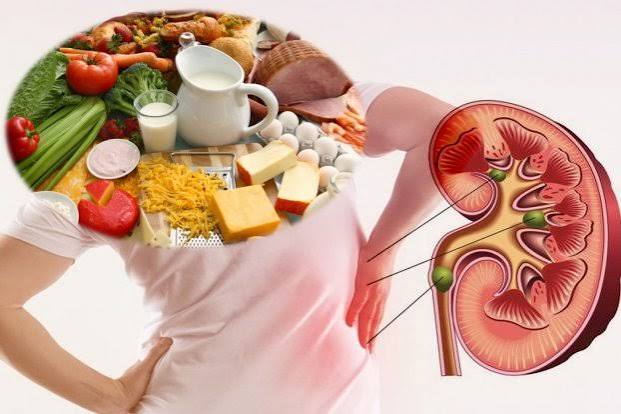
Foods to Limit for Kidney Health
Every dietary restriction recommended for CKD has a specific biochemical reason. The recommendation to limit potassium is not vague wellness advice — it is a response to the fact that kidneys losing function can no longer excrete potassium at the rate it accumulates, and that hyperkalemia causes fatal cardiac arrhythmias. The recommendation to limit phosphorus responds to the fact that phosphate accumulation triggers a hormonal cascade leading to vascular calcification and bone disease. The recommendation to limit sodium responds to the fact that excess sodium drives hypertension and fluid retention that accelerates GFR decline. Every food limitation in CKD management is traceable to a mechanism. Understanding those mechanisms — not just following a list — is what allows CKD patients to make informed decisions when the “right” choice is not obvious.
This guide explains the major food categories that CKD patients should limit and why, with stage-specific guidance on when restrictions apply. An important caveat applies throughout: dietary restrictions in CKD are not one-size-fits-all. A patient in CKD stage 2 with normal serum potassium has no reason to avoid bananas; a patient in stage 4 with elevated serum potassium has a genuine medical reason to avoid them. The appropriate level of restriction always depends on current lab values and should be established with guidance from a nephrologist or renal dietitian.
High-Potassium Foods — Who Needs to Restrict and Which Foods Are Highest
Potassium is an electrolyte regulated almost exclusively by the kidneys. As GFR declines, the kidney’s ability to excrete potassium decreases, and dietary potassium that healthy kidneys would clear efficiently begins to accumulate. Hyperkalemia — serum potassium above 5.0–5.5 mEq/L — alters the cardiac action potential in ways that can cause bradycardia, heart block, and ventricular fibrillation. Because the symptoms of mild hyperkalemia (weakness, fatigue) are nonspecific and easy to attribute to CKD itself, patients may not realize their potassium is dangerously elevated until a cardiac event occurs. Monitoring serum potassium through regular labs is essential, and the dietary restriction threshold is triggered by those lab values rather than by CKD stage alone.
The foods highest in potassium that CKD patients most commonly need to moderate or avoid include: bananas (approximately 422 mg per medium banana), oranges and orange juice (approximately 237 mg per orange; juice concentrates potassium significantly), potatoes (approximately 610 mg per medium baked potato, substantially reducible through leaching), sweet potatoes (approximately 542 mg per medium), avocados (approximately 487 mg per half), cooked spinach (approximately 840 mg per cup, or about 420 mg per half cup — among the highest of any common vegetable), dried fruits such as prunes and raisins (approximately 290–350 mg per quarter cup — significant even at small portions because dried fruit is easy to consume in large quantities), canned tomatoes and tomato sauce, and winter squash varieties such as acorn and butternut. Cantaloupes and honeydew melons are frequently underestimated as high-potassium foods — both contain approximately 390–400 mg per cup. Beans and legumes, though beneficial in the general population for protein and fiber, contain 350–600 mg of potassium per half cup and may need to be limited in advanced stages.
The leaching technique — peeling, cutting small, soaking in water for two or more hours, then boiling in a large amount of fresh water and discarding the cooking water — can reduce potassium in root vegetables such as potatoes by 30 to 60 percent, making otherwise-restricted foods more manageable. The kidney-friendly diet beginner’s guide covers practical application of leaching and other preparation techniques. Potassium restriction is not necessary for every CKD patient — those in stages 1 to 3A with normal serum potassium can generally continue consuming these foods. Restriction becomes necessary when the lab value rises, not at a predetermined stage number.
Phosphorus and Phosphate Additives — The Silent CKD Threat
Phosphorus management is arguably the most complex dietary challenge in CKD and the one most likely to be mismanaged by patients relying on general healthy eating guidance. As GFR declines below approximately 30 mL/min/1.73m², the kidneys can no longer excrete phosphorus efficiently. The resulting phosphorus accumulation stimulates parathyroid hormone (PTH) release which, in an attempt to normalize phosphorus by pulling calcium from bone, causes secondary hyperparathyroidism, renal osteodystrophy, and the arterial calcification that is directly responsible for much of the elevated cardiovascular mortality in CKD. Phosphorus control is a life-or-death dietary priority in stages 3B and beyond. The blood pressure and kidney protection guide discusses how vascular calcification from phosphate overload compounds cardiovascular risk.
The critical distinction in phosphorus management is between organic phosphorus (found naturally in whole foods) and inorganic phosphate additives (added to processed foods). Organic phosphorus in dairy, meat, legumes, and whole grains is absorbed at 40 to 60 percent efficiency because it is bound to organic molecules that require digestion before absorption. Inorganic phosphate additives — the phosphates added to processed foods as preservatives, emulsifiers, and moisture-retention agents — are absorbed at 90 to 100 percent efficiency because they require no digestion. A can of enhanced chicken breast injected with sodium phosphate solution, a package of processed deli meat, a bottle of dark cola containing phosphoric acid, and a packet of flavored instant oatmeal may each deliver as much effective phosphorus as a serving of dairy, while appearing unremarkable on a nutritional facts panel. The nutritional facts panel significantly underreports effective phosphate load from additive-containing processed foods.
The most reliable way to identify phosphate additives is to read the ingredient list and look for any word containing “phosph-“: phosphate, phosphoric acid, dicalcium phosphate, sodium tripolyphosphate, disodium phosphate. If any “phosph-” ingredient appears, the product delivers inorganic phosphate at near-complete absorption efficiency and should be avoided by CKD patients with phosphorus restriction needs. The natural high-phosphorus foods that require moderation include dairy products (milk approximately 230 mg per cup; yogurt approximately 300 mg; hard cheese 130–200 mg per ounce), whole grains, legumes, and nuts — all of which contain organic phosphorus and can be consumed in moderated portions. Dark cola beverages — both regular and diet — contain phosphoric acid and should be avoided. The NIDDK’s CKD nutrition resources specifically identify dark colas as beverages CKD patients should avoid for this reason.
Sodium — The Driver of Hypertension and Fluid Retention
Excess sodium intake is the most universally applicable dietary restriction in CKD — relevant even in stages 1 and 2 when potassium and phosphorus restrictions may not yet be necessary. Excess dietary sodium causes the kidneys to retain water to maintain osmolarity, increasing blood volume and blood pressure. Hypertension is both a leading cause and a principal accelerant of CKD, operating through glomerular hypertension and hyperfiltration that damages the filtration membrane over time. For CKD patients using RAAS-blocking medications (ACE inhibitors or ARBs) to reduce glomerular pressure, high sodium intake blunts the effectiveness of those medications — a pharmacological reason beyond the direct hemodynamic reason to restrict sodium. Target sodium intake in CKD is typically less than 2,000 mg per day; patients with poorly controlled hypertension or marked proteinuria may need to target 1,500 mg.
The main challenge with sodium restriction is that the foods with the highest sodium content are largely processed and restaurant items consumed without awareness of their sodium content. Canned soups typically contain 800–1,500 mg of sodium per serving. Processed and cured meats (deli meat, hot dogs, sausage, bacon) contain 600–1,500 mg per serving. Frozen meals contain 600–1,500 mg. A typical sit-down restaurant meal — not fast food — contains 1,000–2,000 mg. Fast food routinely exceeds 2,000–3,000 mg. Condiments including soy sauce (approximately 900 mg per tablespoon) and fish sauce are sodium-dense and easy to overuse. Bread typically contributes 100–200 mg per slice — adding significantly over a day’s meals. Effectively restricting sodium requires cooking from whole ingredients at home, selecting canned goods marked “no salt added,” and using herbs, spices, citrus, and vinegar as flavor substitutes. The low-sodium eating for kidney health guide covers specific strategies for achieving the 2,000 mg/day target without dietary deprivation.
Red Meat and Processed Meat — Protein Quality Matters in CKD
Not all protein sources are equivalent in CKD. Animal protein — and red meat in particular — generates more uremic toxins per gram of protein than plant protein, because the sulfur-containing amino acids (methionine, cysteine) and aromatic amino acids (tryptophan, tyrosine) abundant in animal protein are precursors to the uremic toxins indoxyl sulfate and p-cresyl sulfate that accumulate in kidney disease. Epidemiological data consistently show that higher red meat consumption is associated with faster GFR decline and greater risk of incident CKD compared to equivalent protein from plant sources or fish. Mediterranean diet studies, including PREDIMED, demonstrate that replacing red meat with plant protein and fish is associated with slower kidney disease progression and lower cardiovascular event rates.
Processed meats — deli meats, hot dogs, sausage, bacon — add two concerns beyond the protein quality issue: very high sodium content (often 600–1,200 mg per serving) and phosphate preservatives added to virtually all processed meat products. Sodium and phosphate additives from a single serving of processed meat can substantially exceed the daily budget of a CKD patient trying to control both nutrients simultaneously. The practical shift is toward fish (omega-3 fatty acids, organic phosphorus, favorable protein profile), egg whites (complete amino acid profile, very low phosphorus), and plant protein sources (tofu, tempeh, legumes in lab-appropriate portions) as primary protein sources. The protein intake and kidney health guide covers the full protein framework for CKD across stages, including how to meet targets without exceeding restriction thresholds.
Salt Substitutes and Dark Colas — Two Hidden Kidney Risks
Two products that CKD patients sometimes use while believing they are making a kidney-friendly choice can actually cause significant harm. The first is commercial salt substitutes. Most salt substitute products replace sodium chloride with potassium chloride — providing a salty taste without sodium but delivering a substantial potassium load. The most commonly sold product contains approximately 650 mg of potassium per quarter teaspoon. For a patient with stage 4 CKD and elevated serum potassium using a salt substitute liberally on every meal, this represents a clinically significant potassium source that compounds restriction failure. CKD patients should never use salt substitutes without specific guidance from their nephrologist or renal dietitian confirming it is safe at their current stage and potassium level. The kidney-safe sodium-free alternatives are herbs (parsley, basil, dill, thyme, rosemary), spices (cumin, turmeric, paprika, black pepper), citrus juice, and vinegar.
Dark cola beverages — cola, dark-colored sodas, and similar products — contain phosphoric acid, an inorganic phosphate absorbed with essentially 100 percent efficiency. Unlike the organic phosphorus in dairy or whole grains, phosphoric acid requires no digestion and passes directly into absorption. A 12-ounce can of cola contains approximately 40 mg of phosphorus as phosphoric acid — modest in absolute terms but absorbed entirely, compared to a glass of milk where only 40 to 60 percent of 230 mg is absorbed. Regular cola drinkers who consume two or three cans daily add meaningful inorganic phosphorus to their daily intake with every beverage. The designation “diet” or “zero sugar” does not eliminate the phosphoric acid — it is used to provide the characteristic tartness of cola and remains in sugar-free formulations. The National Kidney Foundation’s kidney-friendly eating guidelines specifically identify dark colas as a beverage to avoid.
Applying Food Restrictions by CKD Stage
Understanding which restrictions apply at which stages helps CKD patients avoid two equally harmful errors: under-restricting (ignoring nutrients that are accumulating to dangerous levels) and over-restricting (eliminating foods unnecessarily, causing malnutrition and poor quality of life). Sodium restriction is universally applicable: reducing sodium intake below 2,000 mg per day is appropriate from CKD stage 1 onward and in pre-CKD patients with hypertension, because hypertension control is a primary goal at every stage. Phosphate additive avoidance is similarly broadly applicable from stage 3 onward — many nephrologists recommend it from diagnosis because of the high cardiovascular risk associated with inorganic phosphate.
Potassium restriction is stage- and lab-dependent. In stages 1 to 3A, serum potassium is often normal and dietary potassium restriction is unnecessary; restricting it prematurely leads to avoidance of beneficial high-fiber plant foods. When serum potassium rises above 5.0–5.5 mEq/L — which typically begins in stage 3B–4 — dietary potassium restriction becomes medically necessary. Natural phosphorus restriction (moderating dairy, whole grains, and nuts) becomes appropriate in stages 3B through 5 as phosphate excretion declines, but the threshold varies by individual lab values for PTH and serum phosphorus. Dialysis patients require a different framework: protein restriction is lifted (dialysis removes the uremic toxins that protein restriction was limiting), protein intake increases to 1.2–1.4 g/kg/day, but potassium, phosphorus, sodium, and fluid are restricted even more strictly than in pre-dialysis stages. The best foods for kidney health guide details the positive counterpart to this guide — which foods to actively include for kidney protection.
Conclusion
The foods CKD patients most need to limit are high-potassium fruits and vegetables (when serum potassium is elevated), foods containing inorganic phosphate additives (virtually always, from stage 3 onward), excess sodium in processed and restaurant foods (universally), red and processed meats (in favor of fish, egg whites, and plant protein), commercial salt substitutes (unless specifically cleared by a nephrologist), dark cola beverages (phosphoric acid at 100 percent bioavailability), and protein portions that exceed what current stage and lab values support. Each restriction maps directly to a physiological mechanism: potassium to cardiac arrhythmia risk, phosphorus to vascular calcification and bone disease, sodium to hypertension and GFR decline, and animal protein excess to uremic toxin generation and glomerular hyperfiltration. Understanding the mechanism behind each restriction makes it possible to apply restrictions intelligently — limiting what genuinely needs to be limited for your current stage and labs, without the blanket over-restriction that causes malnutrition and poor quality of life.
Sources: National Kidney Foundation (kidney.org); NIDDK — CKD Nutrition (niddk.nih.gov); KDIGO CKD Clinical Practice Guidelines; NKF KDOQI Nutrition Guidelines; Moe SM et al., phosphorus management in CKD; Kalantar-Zadeh K et al., nutritional management in CKD (JASN/CJASN).
One of the most practically important aspects of CKD dietary management is understanding that general healthy eating guidance frequently contradicts renal dietary recommendations. Many foods widely promoted as nutritious in the general population are genuinely problematic for CKD patients at certain stages — not because they are unhealthy, but because their specific nutrient profile clashes with the restrictions that CKD imposes. Recognizing this disconnect prevents patients from inadvertently worsening kidney-related metabolic problems while trying to improve their health.
Avocados. Avocados are extremely high in potassium — approximately 487 mg per half avocado — and are often among the first foods that CKD patients with hyperkalemia need to eliminate. Avocados are nutritionally excellent for healthy adults, rich in monounsaturated fat and fiber, but they are not appropriate for patients with CKD stage 3B or beyond who have elevated serum potassium. Guacamole and dishes prepared with generous amounts of avocado are particularly problematic because portion control is difficult and potassium intake can far exceed expectations.
Bananas. Bananas are a standard recommendation for general health (potassium for heart health, fiber for digestion, natural energy), but their potassium content of approximately 422 mg per medium banana is too high for CKD patients with hyperkalemia. Lower-potassium fruit alternatives — apples, berries, pineapple, grapes — can replace bananas in the diet of CKD patients who need to restrict potassium without eliminating fruit intake entirely.
Brown rice, whole wheat bread, and whole grain products. Whole grains are recommended universally for their fiber content and slower glycemic response, but they are consistently higher in both potassium and phosphorus than their refined equivalents. White rice, white bread, and white pasta have significantly lower potassium and phosphorus than whole grain versions. For CKD patients managing both potassium and phosphorus restrictions, refined grain products are often the more appropriate choice — which directly contradicts standard nutritional guidance. This does not mean refined grains are superior overall; it means that CKD creates a specific context in which the general hierarchy of whole grains over refined grains does not apply uniformly.
Nuts and nut butters. Nuts — almonds, cashews, peanuts, walnuts — are widely recommended in general nutrition guidelines as heart-healthy snack choices. In CKD, they present two problems: substantial potassium content (150–350 mg per ounce depending on variety) and moderate phosphorus content. For stages 3B–5 with phosphorus restriction needs, nut portions should be modest, and patients who have been told to limit potassium cannot use nuts as a free snack regardless of their apparent healthiness in other contexts.
Spinach and other dark leafy greens. Spinach is one of the most nutrient-dense vegetables available — rich in iron, folate, vitamins A and K, and antioxidants. It is also one of the highest-potassium vegetables: cooked spinach contains approximately 420 mg per half cup. For CKD patients with hyperkalemia, cooked spinach must be limited or avoided despite its general reputation as a nutritional powerhouse. Arugula, green cabbage, and red leaf lettuce are lower-potassium alternatives that provide similar culinary functions with more manageable potassium loads.
Label Reading: The Most Practical CKD Dietary Skill
For CKD patients managing phosphorus, sodium, and potassium from packaged foods, effective label reading is the single most impactful practical skill to develop. The nutritional facts panel provides sodium numbers that are reasonably accurate for natural foods but systematically underrepresents phosphorus from additives because the FDA does not require inorganic phosphate additives to be counted in the phosphorus line of the nutrition facts panel. A processed food that shows “100 mg phosphorus” on the nutrition facts may contain phosphate additives that effectively deliver an additional 100–200 mg of highly bioavailable inorganic phosphate that does not appear in the listed total.
The practical approach is a two-step label check. First, look at the sodium number per serving and evaluate against the daily budget (typically 2,000 mg, divided across meals and snacks). Second, look at the ingredient list — not the nutrition facts — and search for any word beginning with “phosph-.” If a phosphate additive appears in the ingredients, the product should be avoided regardless of what the nutrition facts state. This two-step check — sodium number, then ingredient list for “phosph-” — covers the two most important label-based risk factors in CKD dietary management. For potassium, the nutrition facts panel is more reliable, as potassium content in natural foods is generally accurately reflected in the listed values and food databases like USDA FoodData Central provide accurate figures for common whole foods. The kidney-friendly diet beginner’s guide and the low-sodium eating for kidney health guide both cover label reading strategies in more detail.
>
The phosphate additive section was eye-opening. I had no idea that processed meats and fast food contain phosphate preservatives that are absorbed much more readily than natural phosphorus in whole foods. I’ve been watching my phosphorus numbers but still eating cold cuts regularly. That stops now.
Really appreciate the nuance here about dark colas specifically. I knew soda was bad in general, but didn’t realize the phosphoric acid in dark colas is a different and more bioavailable form of phosphorus than what’s in milk or nuts. My dietitian mentioned this and this article explains the chemistry so well.
The label reading tips at the end are practical gold. I now look for any ingredient ending in -phosphate before buying anything packaged. It’s amazing how many ‘healthy’ foods — protein bars, flavored waters, deli items — are loaded with phosphate additives. This article genuinely changed how I shop.
Came across this while researching foods to limit for kidney health for a family member. The section on managing this condition day-to-day was especially useful for planning. This is going into my health folder that I bring to every doctor’s visit.
This is one of the clearest explanations of foods to limit for kidney health I have found. I appreciated how the article addressed both the clinical side and the practical adjustments. This is exactly why I prefer this website over generic health platforms.
Bookmarked this article on foods to limit for kidney health immediately — going to reference it regularly. This is the kind of evidence-based writing that actually changes how people approach their health. Forwarding this to others in my support group who are dealing with similar issues.