
Coronary Calcium Score: What Adults Should Know
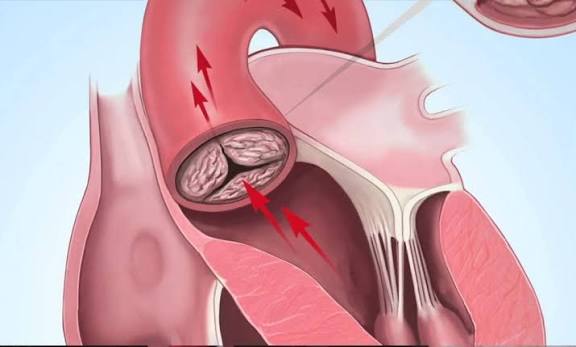
The coronary calcium score — also called the CAC score, coronary artery calcium score, or calcium scoring CT — is a cardiac imaging test that has quietly become one of the most clinically useful tools in preventive cardiology, helping cardiologists and their patients make better-informed decisions about who needs statin therapy, how aggressively to manage cardiovascular risk factors, and how to plan long-term heart health monitoring. Unlike most cardiac tests that evaluate symptoms or diagnose established disease, the coronary calcium score is a primary prevention tool — designed to reveal the presence and amount of coronary atherosclerosis in people who feel perfectly well and have no cardiac symptoms, before a heart attack or cardiovascular event occurs.
The test is simple, fast, inexpensive relative to other cardiac imaging tests, and requires no needles, no contrast dye, no preparation, and no medication changes. Yet it provides information that no blood test, risk calculator, or clinical assessment can directly provide: the actual amount of calcified atherosclerotic plaque sitting in the walls of the coronary arteries — the arteries whose health ultimately determines heart attack risk over the next 5 to 10 years.
What the Coronary Calcium Score Measures — and Why Calcium in Arteries Matters
Atherosclerosis — the progressive accumulation of cholesterol-rich plaque within arterial walls — is the underlying process responsible for the vast majority of heart attacks and a major contributor to strokes. Atherosclerotic plaque develops silently over decades, beginning in early adulthood (fatty streak lesions are detectable in the aortas of young adults killed in accidents), progressing through intermediate lesions with lipid cores, and eventually developing into advanced plaques with calcified components.
Coronary artery calcification — the deposition of calcium phosphate crystals (hydroxyapatite) within atherosclerotic plaques — is specific to atherosclerosis: no coronary calcium exists in normal, non-diseased coronary arteries. This specificity is the key property that makes the calcium score so powerful: a CAC score of zero definitively establishes the absence of significant coronary atherosclerosis, while a high CAC score directly quantifies the burden of calcified plaque across all four major coronary arteries (left main, left anterior descending, left circumflex, and right coronary artery).
The Agatston algorithm — used universally for calcium scoring — assigns each calcium deposit a score based on its cross-sectional area (in mm²) multiplied by a density factor (1 for 130–199 Hounsfield units, 2 for 200–299 HU, 3 for 300–399 HU, 4 for ≥400 HU). Scores from all vessels are summed to produce the total CAC score. This algorithm, developed by Arthur Agatston and Warren Janowitz in 1990, was validated in the MESA (Multi-Ethnic Study of Atherosclerosis) — the definitive longitudinal cohort study of coronary calcium scoring — and has been the clinical standard for over 30 years.
Who Should Get a Coronary Calcium Score Test?
The coronary calcium score is most valuable for adults in an intermediate risk “gray zone” — where traditional risk factor assessment leaves the statin therapy or prevention strategy decision uncertain. The major cardiology guidelines identify the most appropriate candidates:
The 2018 AHA/ACC blood cholesterol guidelines recommend CAC scoring as a decision aid for adults aged 40 to 75 with LDL-C between 70 and 189 mg/dL and a 10-year ASCVD risk of 7.5 to 20 percent (intermediate risk) — when the benefit of initiating statin therapy is uncertain after discussing risk-benefit with the patient. In this “treatment decision uncertain” scenario, a CAC score of zero supports deferring statin therapy, while a score ≥100 or above the 75th age/sex percentile supports initiating statin therapy regardless of other factors.
Additional appropriate candidates include adults who decline statin therapy after initial risk discussion and would reconsider if shown objective evidence of coronary atherosclerosis (a CAC score ≥100 often changes patient attitudes about medication); adults with premature family history of cardiovascular disease in first-degree relatives (CAC scoring may reveal subclinical atherosclerosis not captured by conventional risk calculators that do not adequately weight family history); and adults over 75 where CAC scoring can identify those with very high calcium burden who may benefit from continued statin therapy vs. those with CAC=0 in whom the risk-benefit of continued statin therapy in frail older adults may be unfavorable.
The test is generally NOT recommended for: Adults with established ASCVD (known coronary artery disease, prior MI, stroke — statin therapy is already clearly indicated regardless of calcium score); adults under 40 (insufficient data, coronary calcium typically absent even in those with high risk factors in this age group); adults with very low 10-year risk below 5 percent (statin therapy would be deferred regardless of CAC score); and adults with very high 10-year risk above 20 percent (statin therapy is already clearly indicated regardless of CAC score).
Interpreting Your Coronary Calcium Score — The Numbers Explained
Understanding what your CAC score number actually means — and how to contextualize it using the age and sex percentile ranking — is essential to making the most of this information:
CAC = 0 (no detectable coronary calcium): The most reassuring possible result. MESA data shows a 10-year ASCVD event rate of approximately 1 to 2 percent in CAC=0 individuals — regardless of their traditional risk factor burden. A 55-year-old with diabetes, hypertension, and a family history of MI who has a CAC=0 has a lower actual cardiovascular event risk than their pooled cohort equation score would suggest. Current guidelines support deferring statin therapy in intermediate-risk patients with CAC=0, with a 5-year reassessment planned. Note: CAC=0 does not guarantee freedom from non-calcified (soft) plaque — the most dangerous, rupture-prone plaques in young adults and recent-onset atherosclerosis are often non-calcified, meaning very rare young individuals with acute MI can have CAC=0. This limitation is more relevant in patients under 45.
CAC 1–99 (mild coronary calcium): Low to moderate risk elevation. Some atherosclerosis is present but the burden is limited. Management typically involves lifestyle optimization (Mediterranean or DASH diet, regular exercise, smoking cessation, blood pressure control) and individualized discussion about statin initiation — particularly if there are additional risk-enhancing factors (family history, elevated hsCRP, or ankle-brachial index below 0.9 indicating peripheral artery disease).
CAC 100–299 (moderate coronary calcium): Significantly elevated risk. MESA data shows 10-year event rates of approximately 7 to 10 percent in this range. Statin therapy is recommended (typically moderate-intensity statin, with intensification to high-intensity based on LDL-C level and additional risk factors). Blood pressure treatment target tightened to below 130/80 mmHg. Lifestyle modification intensified.
CAC ≥300 or above the 75th percentile for age/sex: High risk. Ten-year event rates in MESA exceeding 15 to 20 percent. High-intensity statin therapy recommended regardless of baseline LDL-C. Blood pressure and diabetes management maximized. Aspirin may be considered after individual bleeding risk assessment (though primary prevention aspirin is no longer routinely recommended for all adults given bleeding risks that offset cardiovascular benefit). Some experts recommend CAC imaging follow-up in 3 to 5 years to track progression.
The Age and Sex Percentile — Why the Raw Score Is Not the Full Picture
The absolute CAC score number must always be interpreted in the context of the patient’s age and sex — because coronary calcium accumulates throughout adult life, making the same absolute score carry very different prognostic implications depending on how it compares to peers of the same age and sex.
The MESA Coronary Artery Calcium Percentile Calculator (available at mesa-nhlbi.org) allows any CAC score to be converted to a percentile rank for the patient’s specific age, sex, and self-reported ethnicity (the MESA cohort enrolled White, Black, Hispanic, and Chinese participants, allowing ethnicity-specific reference ranges). This percentile rank contextualizes the absolute score meaningfully: a 45-year-old woman with CAC=50 is at the 95th percentile for her demographic — indicating substantially higher atherosclerotic burden than age and sex peers — while a 70-year-old man with CAC=50 is at approximately the 10th percentile — indicating relatively low atherosclerotic burden for his demographic, favorable prognosis, and supporting conservative management.
The 2019 ACC/AHA primary prevention guidelines specifically reference the 75th percentile threshold: a CAC score above the 75th percentile for age, sex, and ethnicity is considered a “risk-enhancing factor” that supports initiating statin therapy in patients where the decision was previously uncertain — even if the absolute score appears moderate by itself. This percentile approach is particularly useful in the 45 to 55 age range where absolute CAC scores are typically low (often under 100) even in individuals with substantial relative atherosclerotic burden for their age.
Coronary Calcium Score vs. Standard Risk Calculators — When They Disagree
The most clinically valuable application of coronary calcium scoring occurs when the CAC score and the traditional risk calculator (pooled cohort equations — PCE) give discordant results — indicating that the risk calculator is either overestimating or underestimating actual cardiovascular risk:
High PCE risk, CAC=0: The risk calculator assigns intermediate or high risk based on age, blood pressure, cholesterol, smoking status, and diabetes — but the calcium score is zero. This combination — common in adults whose risk factors are borderline or who have multiple modestly elevated risk factors — identifies a patient with lower actual coronary atherosclerosis burden than their risk factor profile suggests. The calcium score “reclassifies” them downward, supporting deferral of statin therapy and reassurance that near-term event risk is genuinely low despite the seemingly concerning risk factor constellation. The absolute risk reduction from statin therapy in CAC=0 individuals in MESA was negligible — supporting the guideline recommendation to defer.
Low-moderate PCE risk, CAC ≥100: The risk calculator assigns low or borderline risk — perhaps the patient is relatively young with modestly elevated cholesterol but no other major risk factors — yet the calcium score reveals significant established coronary atherosclerosis. This “upward reclassification” identifies patients who appeared low-risk by traditional assessment but actually have significant subclinical disease warranting statin initiation and intensified risk factor management. This scenario frequently occurs in patients with strong family history of premature ASCVD, where the conventional risk calculators systematically underweight the genetic contribution to atherosclerosis risk.
Coronary Calcium Scoring in Shared Decision-Making — The Conversation Tool
Beyond its purely quantitative risk stratification function, the CAC score has a documented effect on patient behavior and medication adherence that makes it uniquely valuable as a shared decision-making tool. Multiple studies have demonstrated that patients shown a visual representation of their coronary calcium burden — seeing the actual calcium deposits in their own coronary arteries on a CT image — respond very differently to cardiovascular prevention recommendations than patients given only an abstract statistical risk estimate:
In the EISNER trial (Early Identification of Subclinical Atherosclerosis by Non-Invasive Imaging Research), patients randomized to CAC scanning had significantly greater improvements in cardiovascular risk factor control at 4-year follow-up compared to those randomized to standard care — including greater reductions in blood pressure, LDL-C, and cardiovascular risk scores. The effect was most pronounced among the high-CAC group, where seeing tangible evidence of coronary disease in their own arteries motivated adherence to lifestyle changes and medications that abstract statistical risk estimates did not.
This “teachable moment” effect of the CAC score is recognized in the clinical guidelines’ framing of calcium scoring as a decision-making aid rather than simply a test — the conversation with the patient about what the score means, what it reveals about the state of their arteries, and what can be done to slow further progression is as clinically important as the numeric result itself.
See our related articles on cardiac CT scan: what it shows, common heart tests explained, cholesterol and heart attack risk, major risk factors for heart disease, and LDL vs HDL cholesterol. The American Heart Association coronary calcium scan guide, NHLBI cardiac CT overview, and ACC coronary artery calcium recommendations provide authoritative clinical guidance on appropriate use and interpretation.
- Blaha MJ, et al. Coronary Artery Calcium Score of Zero and All-Cause Mortality. J Am Coll Cardiol. 2017;70(23):2937-2948.
- Grundy SM, et al. 2018 AHA/ACC Guideline on Management of Blood Cholesterol. J Am Coll Cardiol. 2019;73(24):e285-e350.
- Bild DE, et al. Multi-Ethnic Study of Atherosclerosis: Objectives and Design. Am J Epidemiol. 2002;156(9):871-881.
- Arnett DK, et al. 2019 ACC/AHA Guideline on the Primary Prevention of Cardiovascular Disease. J Am Coll Cardiol. 2019;74(10):e177-e232.
- Rozanski A, et al. Long-Term Psychological Benefits of Coronary Calcium Scanning. J Am Coll Cardiol. 2019;73(25):3154-3163.
How the CAC Score Changes Over Time — Progression and Follow-Up
The coronary calcium score is not a static snapshot but a measure of a dynamic process — atherosclerosis progresses throughout adult life, and coronary calcium accumulates over time even in patients on optimal medical therapy. Understanding how CAC score progression is tracked, and what rate of change is concerning, helps patients and providers use serial calcium scoring effectively as part of long-term cardiovascular surveillance:
The average annual rate of CAC score progression in adults without established cardiovascular disease is approximately 15 to 25 percent per year — meaning a patient with a CAC score of 100 today would be expected to have a score of approximately 115 to 125 in one year without treatment. Statin therapy slows this progression: in multiple observational studies and randomized controlled trials, statin-treated patients show approximately 20 to 40 percent slower annual calcium score progression than matched controls — though statins do not eliminate progression, and high-calcium patients continue to accumulate calcium even on maximally tolerated lipid-lowering therapy.
The practical follow-up approach for serial CAC scoring depends on the baseline result. For patients with CAC=0, a repeat scan in 5 years is typically recommended — if CAC remains zero at the 5-year rescan, the next follow-up is extended to 7 to 10 years. For patients with CAC 1 to 99, a repeat scan at 3 to 5 years provides useful information about progression rate and may trigger reassessment of medical therapy. For patients with CAC ≥100, repeat scanning provides limited additional management guidance beyond what is already indicated by the high baseline score — medical therapy should already be maximized, and the absolute progression (calcium building on an already substantial base) does not change the clinical management approach. Serial scanning in established high-calcium patients is generally not recommended as routine practice by most guidelines, though some centers use annual or biennial scanning to monitor progression in very high-risk patients.
Paradoxically, statins — while slowing overall plaque progression — may actually increase measured coronary calcium in some patients, likely by causing calcification of previously non-calcified (soft) plaque. This “calcium paradox” of statins means that a patient whose CAC score increases on statin therapy should not be assumed to have worse disease — the increase may reflect beneficial plaque stabilization (dangerous soft plaque converting to less-dangerous calcified plaque) rather than net new atherosclerosis. This nuance in CAC interpretation is one reason serial calcium scanning in treated patients requires specialist interpretation rather than simple score comparison.
Coronary Calcium Score and the Annual Physical Examination — When to Ask Your Doctor
Many patients who would benefit from coronary calcium scoring are not offered the test during routine medical care — partly because the test is not universally known by primary care providers, partly because it requires a proactive conversation about cardiovascular risk, and partly because insurance coverage for primary prevention calcium scoring remains inconsistent.
Adults who should consider asking their primary care provider or cardiologist about coronary calcium scoring include:
- Adults aged 45 to 75 with a traditional 10-year cardiovascular risk of 7.5 to 20 percent (intermediate risk) who are uncertain about whether to start a statin
- Adults with a family history of early heart attack (father or brother before age 55; mother or sister before age 65) — family history substantially increases actual cardiovascular risk beyond what the PCE risk calculator captures
- Adults who are reluctant to start statin therapy without objective evidence of coronary atherosclerosis — a high CAC score consistently improves statin adherence by making the risk tangible and personal
- Adults with borderline risk factors (borderline LDL, borderline blood pressure, borderline blood glucose) where multiple modest abnormalities may combine to produce significant actual atherosclerosis despite individually mild risk factors
- Adults with non-traditional risk factors that conventional risk calculators underweight — autoimmune conditions (rheumatoid arthritis, lupus, psoriasis — associated with accelerated atherosclerosis), chronic kidney disease, HIV-positive adults on antiretroviral therapy, or adults with a history of preterm birth or preeclampsia (both associated with higher lifetime cardiovascular risk in women)
Common Questions About the Coronary Calcium Score
Does a high CAC score mean I will have a heart attack? No. A high CAC score indicates a greater amount of coronary atherosclerosis compared to the general population — meaning your 10-year and lifetime risk of a cardiovascular event is elevated. However, the majority of people with high CAC scores do not have a heart attack within 10 years, and the purpose of identifying a high score is to intensify preventive treatment (statin, blood pressure control, lifestyle) that reduces the risk of that event occurring. The CAC score quantifies risk; it does not predict an inevitable outcome.
Can I lower my CAC score with lifestyle changes or statins? No — once calcium deposits form in the coronary arteries, they do not dissolve with statin therapy, diet changes, or exercise. The goal of treatment is to slow the rate of new calcium accumulation (atherosclerosis progression), stabilize existing plaque (reducing rupture risk), and reduce the risk of thrombosis on top of existing plaque (lowering the risk of acute MI). The CAC score may actually increase modestly after starting statins due to plaque stabilization, as soft plaque converts to calcified plaque — this does not indicate worsening disease.
Does insurance cover the coronary calcium score? Coverage varies significantly. Medicare does not currently cover calcium scoring for asymptomatic primary prevention screening (it is covered for patients with symptoms who meet diagnostic criteria). Many private insurers cover it, particularly after the ACC/AHA guideline endorsement, but the coverage decision varies by plan and state. The out-of-pocket cost for a CAC score CT is typically $75 to $300 — relatively affordable as a preventive investment given the clinical information provided, and significantly less expensive than many other cardiac tests.
Is the radiation from the scan harmful? The effective dose from a modern CAC score CT is approximately 1 to 2 mSv — equivalent to 6 to 12 months of natural background radiation. The theoretical lifetime cancer risk from this dose is approximately 1 in 10,000 to 1 in 20,000 — very small compared to the cardiovascular risk the test is designed to evaluate. For most middle-aged adults with intermediate cardiovascular risk, the clinical benefit of an accurate risk assessment substantially outweighs the theoretical radiation risk from the scan.
Is the CAC score the same as a CT coronary angiogram? No — these are two different tests. The CAC score CT is a non-contrast scan that quantifies calcified plaque; it does not inject contrast dye and cannot image the coronary artery lumen or non-calcified plaque. The CT coronary angiogram (CTCA) uses intravenous contrast to image the coronary artery lumen, identifying both calcified and non-calcified plaque and quantifying stenosis severity. The CAC score is ordered for risk stratification and statin therapy decisions; the CTCA is ordered to evaluate chest pain and assess coronary anatomy. They are complementary, not interchangeable. See our detailed guide on cardiac CT scan: what it shows for a full comparison.
As someone dealing with this personally, the coronary calcium score: what adults should section was very helpful. I especially valued the explanation of why these recommendations exist, not just what they are. Looking forward to reading more articles from this website.
I have been reading about coronary calcium score: what adults should for weeks and this is the most thorough guide I have found. What I liked most was that the article didn’t just say what to avoid — it also gave alternatives. Will definitely be coming back to this site for more health information.
I have been reading about coronary calcium score: what adults should for weeks and this is the most thorough guide I have found. The article answered questions I didn’t even know I had until I started reading. I wish I had found this article when I was first diagnosed — would have saved a lot of confusion.
As someone dealing with this personally, the coronary calcium score: what adults should section was very helpful. What I liked most was that the article didn’t just say what to avoid — it also gave alternatives. Keep up this kind of thorough health journalism — it genuinely helps patients like me.
As someone dealing with this personally, the coronary calcium score: what adults should section was very helpful. The specific numbers and thresholds mentioned are exactly what I needed to understand my results. Looking forward to reading more articles from this website.
I have been reading about coronary calcium score: what adults should for weeks and this is the most thorough guide I found. It is refreshing to see an article that acknowledges individual variation rather than one-size-fits-all advice. Looking forward to reading more articles from this website.