

If you’re over 50 and making more trips to the bathroom than you used to, your first thought might be prostate cancer. It’s a reasonable concern — the prostate is the most discussed men’s health topic in this age group, and urinary changes are among the most common reasons men mention “prostate” at a doctor’s visit. But frequent urination prostate cancer is a relationship that is widely misunderstood in both directions.
Frequent urination is rarely the presenting symptom of early prostate cancer — the stage at which it is most curable. The far more common explanation is benign prostatic hyperplasia (BPH), a non-cancerous enlargement of the prostate that affects the majority of men past middle age. That is reassuring. But the reassurance carries an important counterpoint: early prostate cancer typically causes no urinary symptoms at all. Waiting for symptoms before seeking evaluation means waiting too long. PSA screening exists precisely because the earliest, most treatable prostate cancers are clinically silent.
How the Prostate Affects Urination
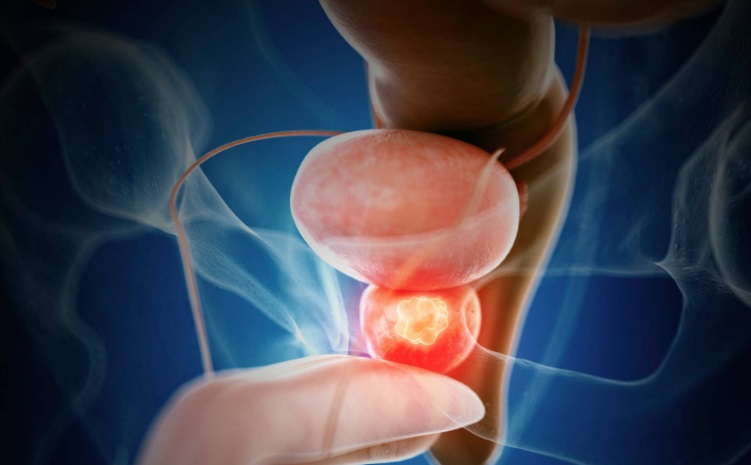
The prostate is a walnut-sized gland located directly below the bladder. It wraps around the proximal urethra — the tube through which urine travels from the bladder out of the body. This anatomical arrangement means that any condition causing the prostate to enlarge can squeeze the urethral channel like a clamp around a garden hose.
When that compression occurs, two categories of urinary symptoms can result:
- Obstructive (voiding) symptoms: A weak or slow urine stream, hesitancy before urine begins, needing to strain to initiate urination, a stop-and-start pattern, a sense of incomplete emptying, and post-void dribbling.
- Irritative (storage) symptoms: Frequency — needing to urinate more often than usual — along with urgency, nocturia (waking from sleep to urinate), and in some cases urge incontinence.
Both categories are grouped under the clinical term lower urinary tract symptoms (LUTS). They are among the most common complaints in men over 50. But understanding which condition is causing them requires understanding where in the prostate the problem originates.
Transition Zone vs. Peripheral Zone: The Key Anatomical Distinction
The prostate is divided into distinct anatomical zones with very different clinical significance.
The transition zone is the inner ring of prostate tissue that directly surrounds the urethra. This is where benign prostatic hyperplasia (BPH) arises. As the transition zone grows with age, it narrows the urethral channel, producing the obstructive and storage symptoms described above. BPH is essentially a mechanical obstruction problem located at precisely the point where it most affects urinary flow.
The peripheral zone makes up the outer portion of the prostate — the part palpable during a digital rectal exam (DRE). Approximately 70–80% of prostate cancers arise here. This location is the anatomically critical fact: peripheral zone cancer sits away from the urethra. A small to moderate-sized tumor in the peripheral zone can be present — clinically significant, detectable by PSA testing, visible on MRI — without compressing the urethra or producing any urinary symptoms.
This is why waiting for urinary symptoms as a cancer signal means waiting for locally advanced disease. A man who first notices urinary changes caused by prostate cancer has typically progressed well beyond early-stage disease. The peripheral zone origin of most prostate cancers is the foundational rationale for PSA-based screening in asymptomatic men.
BPH: The Leading Cause of Urinary Symptoms in Men
Benign prostatic hyperplasia is so prevalent in aging men that it is considered a near-universal aspect of male aging. Histological evidence of BPH is found in approximately 8% of men in their 40s, rising to roughly 50% in their 50s, about 70% in their 60s, and over 90% of men in their 80s. Symptomatic BPH affecting quality of life is less prevalent but still impacts tens of millions of American men.
Prostate cancer affects approximately 1 in 8 American men over a lifetime. Both conditions increase in prevalence with age, and both can coexist in the same prostate simultaneously. The clinical implication: a man with confirmed BPH and urinary symptoms still requires PSA screening. BPH does not protect against prostate cancer. It does not prevent PSA from rising when cancer is present. Having a benign explanation for symptoms does not exclude a concurrent malignancy.
The urinary symptom pattern of BPH is distinctive in its typical course: gradual onset, slow progression over months to years, a mixture of obstructive and storage symptoms that wax and wane. BPH does not typically present with sudden onset, visible blood in urine, pelvic pain, or constitutional symptoms like weight loss and fatigue. When those features accompany urinary symptoms, more urgent evaluation is warranted. For a complete overview of what prostate cancer can and cannot produce as symptoms, our guide to prostate cancer symptoms covers each category in detail.
Defining Frequent Urination Clinically
Urinary frequency is formally defined as voiding more than 8 times in a 24-hour period, or needing to urinate again within 2 hours of the previous void.
Nocturia — a specific subtype of frequency — is defined as waking from sleep two or more times per night specifically to urinate. Nocturia has its own distinct set of causes beyond the prostate, including nocturnal polyuria (excess urine production at night), reduced bladder capacity, and sleep disorders including obstructive sleep apnea.
Both frequency and nocturia become more common in older men independent of prostate disease, partly reflecting age-related changes in bladder capacity and detrusor muscle function. They are nuisance symptoms rather than medical emergencies in most presentations, but they warrant clinical evaluation because they may reflect a treatable underlying condition, and in a minority of men, they accompany findings that lead to a prostate cancer diagnosis.
The International Prostate Symptom Score (IPSS)
When a man presents with urinary symptoms, the standard clinical tool is the International Prostate Symptom Score (IPSS) — a validated 7-question questionnaire developed by the American Urological Association and adopted globally.
The IPSS evaluates seven symptoms, each rated 0–5 based on frequency over the past month:
- Incomplete emptying
- Frequency
- Intermittency (stopping and starting)
- Urgency
- Weak stream
- Straining
- Nocturia
Total scores: 0–7 = mild; 8–19 = moderate; 20–35 = severe. A separate quality-of-life question captures how bothersome current symptoms feel, which is often the primary driver of management decisions. The IPSS guides evaluation intensity and treatment direction but does not identify the cause of symptoms. A man with a score of 18 needs the same PSA and DRE assessment as a man with a score of 4.
Other Common Causes of Frequent Urination in Men
Prostate-related conditions are not the only explanations for urinary frequency. A thorough evaluation considers the full differential diagnosis.
Overactive Bladder (OAB)
OAB is a bladder-centered condition in which the detrusor muscle contracts involuntarily before the bladder is adequately full, producing urgency, frequency, and nocturia. OAB can occur alongside BPH — the two often compound each other — and is treated differently, primarily with anticholinergic or beta-3 agonist medications.
Urinary Tract Infection
UTIs are less common in men than women due to anatomical differences, but occur — particularly in men with incomplete bladder emptying from BPH. Infection produces frequency, urgency, and dysuria (painful urination), often with fever or suprapubic discomfort. Urinalysis identifies infection; treatment is antibiotic therapy.
Prostatitis
Bacterial prostatitis or chronic pelvic pain syndrome (CPPS) causes frequency, urgency, pelvic or perineal pain, and dysuria. Chronic prostatitis is a common cause of voiding symptoms in younger and middle-aged men and may persist for months.
Diabetes Mellitus
Uncontrolled hyperglycemia causes osmotic diuresis — the kidneys excrete excess glucose, carrying large water volumes. Men with undiagnosed or poorly controlled diabetes often present with polyuria and nocturia before the metabolic diagnosis is made.
Sleep Apnea and Nocturnal Polyuria
Obstructive sleep apnea causes surges in atrial natriuretic peptide (ANP) during hypoxic episodes, promoting nocturnal diuresis. Men with untreated sleep apnea frequently report significant nocturia that resolves with CPAP therapy — independent of any prostate pathology.
Bladder Cancer
Bladder cancer produces irritative voiding symptoms — urgency, frequency, dysuria — often alongside hematuria. In a current or former smoker presenting with urinary frequency and blood in urine, bladder cancer must be excluded before attributing symptoms to the prostate. Cystoscopy is the definitive evaluation.
When Urinary Symptoms Are More Likely Cancer-Related
While urinary frequency in isolation is not a reliable indicator of prostate cancer, certain symptom combinations and contexts substantially raise clinical concern.
Blood in the urine (hematuria): Visible or microscopic blood is not a typical BPH feature. In the presence of urinary frequency, hematuria warrants urological evaluation for both bladder cancer and prostate pathology. Blood in semen (hematospermia) in men over 50 is specifically associated with prostate pathology.
Rapidly changing symptoms: BPH symptoms evolve slowly over years. A significant worsening of urinary function over weeks to months — especially with constitutional symptoms (unexplained weight loss, fatigue, diffuse bone pain) — warrants urgent evaluation. Understanding prostate cancer risk factors including age, race, and family history helps contextualize the urgency.
Known prostate cancer with new urinary symptoms: A man diagnosed with prostate cancer who develops new urinary obstruction, pelvic pain, or lower extremity neurological symptoms should contact his urologist promptly. New symptoms in this context may indicate local disease progression.
Elevated PSA with urinary symptoms: A man presenting with LUTS who is also found to have a significantly elevated PSA has a clinically different picture than a man with normal PSA and the same symptom burden. The elevated PSA changes the pre-test probability for prostate cancer requiring further investigation.
PSA Testing and the Clinical Evaluation Pathway
For a man over 50 presenting with urinary frequency and LUTS, the standard evaluation follows a structured sequence:
- Medical history and IPSS: Symptom duration, severity, bother level, medication review (many common medications cause or worsen LUTS), fluid intake patterns
- Digital rectal exam (DRE): Assess prostate size, symmetry, consistency; identify any nodules that warrant biopsy consideration regardless of PSA level
- Urinalysis: Rule out infection, identify hematuria, screen for glucosuria indicating diabetes
- PSA testing: Standard for men over 50 with LUTS; provides cancer screening and helps estimate prostate volume by proxy
- Post-void residual (PVR): Bladder ultrasound to assess completeness of bladder emptying; significant residual increases UTI risk and indicates more severe obstruction
- Urology referral: If PSA is elevated, DRE is abnormal, symptoms are severe, retention occurs, or hematuria is found
PSA in this context is not a diagnostic test for the cause of urinary symptoms. It cannot tell you whether BPH or prostate cancer is responsible. What it does is screen for prostate cancer that may coexist with whatever is causing the urinary changes. A man with classic BPH symptoms and a PSA of 12 ng/mL needs prostate cancer to be excluded — not assumed absent. If results come back elevated, our guide to what happens when PSA is high explains each step of the evaluation that follows.
- Urinary retention (unable to void at all): Emergency room same day — requires catheter drainage
- Visible blood in urine: Urology evaluation within days — evaluate bladder and prostate
- Fever plus urinary symptoms: Emergency evaluation — rule out urosepsis
- Leg weakness, numbness, or loss of bowel/bladder control in a man with prostate cancer: Emergency — suspected spinal cord compression
- Sudden severe pelvic pain with urinary symptoms: May indicate acute bacterial prostatitis or prostatic abscess
Lifestyle Factors That Worsen Urinary Frequency
Independently of underlying pathology, several modifiable behaviors significantly amplify urinary symptoms:
- Fluid timing: Drinking large volumes in the 3–4 hours before bedtime reliably worsens nocturia. Shifting most fluid intake to morning and early afternoon reduces nighttime voiding frequency measurably.
- Caffeine: A diuretic and direct bladder irritant. Reducing coffee and caffeinated tea intake produces meaningful LUTS improvement within 1–2 weeks for many men.
- Alcohol: Suppresses antidiuretic hormone (ADH), producing diuresis. Evening alcohol consumption is a consistent contributor to nocturia and is one of the most effective lifestyle targets.
- Body weight: Obesity is associated with higher LUTS severity through increased intra-abdominal pressure and hormonal effects. Weight loss of 5–10% of body weight produces measurable urinary symptom improvement in observational studies.
- Physical activity: Sedentary lifestyle is independently associated with greater LUTS severity. Regular moderate walking is associated with lower IPSS scores across large observational cohorts.
These factors do not cause or cure prostate cancer, but they interact with urinary symptoms regardless of the underlying condition — and addressing them can improve quality of life substantially while the diagnostic workup proceeds.
Frequently Asked Questions
Can frequent urination be the first sign of prostate cancer?
Rarely, and only when cancer is locally advanced. Most prostate cancers arise in the peripheral zone, away from the urethra, producing no urinary symptoms in early stages. When urinary changes are the first presentation of prostate cancer, it typically signals disease that has grown to compress the urethra or invade the bladder base. This is the core argument for PSA-based prostate cancer screening rather than waiting for symptoms.
If my urinary symptoms are from BPH, does that mean I don’t have prostate cancer?
No. BPH and prostate cancer are independent conditions that both increase with age. Many men have both simultaneously. A BPH diagnosis does not exclude prostate cancer and does not change the recommendation for age-appropriate PSA screening.
My urinary symptoms have been stable for years — does that mean they’re not from cancer?
Long-standing stable symptoms that fit a typical BPH pattern are more likely to be BPH than cancer. But stability does not exclude prostate cancer — particularly peripheral zone cancer, which grows slowly without affecting urinary function. A man with longstanding LUTS and an elevated PSA found on routine screening still requires evaluation.
How does a doctor distinguish whether frequent urination is from BPH or prostate cancer?
Symptoms alone cannot reliably distinguish the two. The evaluation — PSA level, DRE findings, post-void residual, prostate volume, and sometimes MRI or biopsy — is what differentiates them. This is why urinary symptoms in men over 50 warrant a clinical assessment rather than self-reassurance.
Sources
- American Urological Association. BPH Surgical Management Guideline (2018, Reviewed 2023).
- American Cancer Society. Prostate Cancer Signs and Symptoms.
- National Comprehensive Cancer Network. NCCN Guidelines: Prostate Cancer v1.2024.
- Barry MJ et al. The AUA Symptom Index for Benign Prostatic Hyperplasia. J Urol. 1992;148(5):1549–1557.
- Abrams P et al. The Standardisation of Terminology of Lower Urinary Tract Function. Neurourol Urodyn. 2002;21(2):167–178.
Medical Treatment Options for BPH-Related Urinary Symptoms
When the evaluation confirms that urinary frequency is caused by BPH rather than prostate cancer, several evidence-based treatment options exist. Management is guided by the severity of symptoms, the degree of bother to the patient, and the presence of complications such as significant post-void residual or recurrent UTIs.
Watchful waiting: For men with mild symptoms (IPSS 0–7) who are not significantly bothered, active monitoring without medication is appropriate. Lifestyle modifications — fluid timing, caffeine reduction, evening alcohol avoidance — are implemented during this period and often produce meaningful improvement.
Alpha-1 blockers: Medications such as tamsulosin, alfuzosin, and silodosin relax smooth muscle in the prostate and bladder neck, reducing urethral resistance and improving urinary flow. They typically produce symptom improvement within 2–4 weeks and are the most commonly prescribed first-line pharmacological treatment for moderate LUTS.
5-alpha reductase inhibitors (5-ARIs): Finasteride and dutasteride block the conversion of testosterone to dihydrotestosterone (DHT), the primary driver of prostate growth. They reduce prostate volume by 20–30% over 6–12 months and are most effective in men with larger prostates (>40 grams). An important consideration: 5-ARIs lower PSA by approximately 50% after 6 months of use. In a man taking finasteride or dutasteride, the measured PSA must be doubled to estimate the true PSA level for cancer screening purposes — a fact that requires clear communication with the treating physician.
Combination therapy: Alpha blockers combined with 5-ARIs provide greater symptom relief and better prevention of disease progression than either drug alone in men with moderate to large prostates. The MTOPS and CombAT trials established this as the preferred medical approach for men with symptomatic BPH who have a prostate volume above 30–40 grams.
Surgical options: When medical therapy is insufficient or complications occur (urinary retention, bladder stones, recurrent infection, significant post-void residual), surgical intervention is considered. Transurethral resection of the prostate (TURP) remains the benchmark surgical procedure; newer minimally invasive options including UroLift (prostatic urethral lift) and Rezum (water vapor therapy) are appropriate for selected patients.
How Prostate Cancer Treatment Affects Urinary Function
For men who are diagnosed with prostate cancer — whether as a result of evaluation prompted by urinary symptoms or through screening — it is important to understand that cancer treatment itself can significantly affect urinary function, sometimes more than the cancer did before treatment.
Radical prostatectomy (surgical removal of the prostate) eliminates the gland entirely, which resolves obstructive urinary symptoms from BPH if present. However, it introduces a temporary — and sometimes permanent — risk of urinary incontinence, particularly stress incontinence (leaking with physical activity, coughing, or sneezing). Continence recovery after prostatectomy is gradual, typically occurring over 6–18 months, and is better preserved with nerve-sparing surgical technique in appropriately selected patients.
Radiation therapy can cause acute radiation cystitis — frequency, urgency, and dysuria — during the treatment course, which typically resolves within weeks to months after treatment completion. Long-term radiation effects on the bladder and urethra can include chronic irritative LUTS and, in a small percentage of men, urethral stricture.
Active surveillance for low-grade prostate cancer (Grade Group 1) does not produce any direct urinary effects from the cancer management itself, since treatment is deferred. Men on surveillance continue to require BPH management and PSA monitoring according to their surveillance protocol. For those who want to understand what the ongoing monitoring involves, our guide to prostate cancer screening explains PSA testing in the broader cancer detection context.
Understanding the distinction between urinary symptoms caused by the prostate condition itself and those produced by its treatment helps men set realistic expectations before committing to a particular management approach — and prepares them for the recovery process when treatment is pursued.
As someone dealing with this personally, the frequent urination and prostate cancer explained section was very helpful. I have tried following advice from several sources but this is the most consistent with what my specialist told me. This gave me real confidence going into my next specialist appointment.
Came across this while researching frequent urination and prostate cancer explained for a family member. The practical tips at the end made this immediately actionable, not just theoretical. I wish I had found this article when I was first diagnosed — would have saved a lot of confusion.
Really well-written article on frequent urination and prostate cancer explained. The connection between diet, lifestyle, and long-term outcomes is explained clearly here. Will definitely be coming back to this site for more health information.
My doctor recommended I look into frequent urination and prostate cancer explained and this article covered it perfectly. I especially valued the explanation of why these recommendations exist, not just what they are. This gave me real confidence going into my next specialist appointment.
This is one of the clearest explanations of frequent urination and prostate cancer explained I have found. I especially valued the explanation of why these recommendations exist, not just what they are. This is going into my health folder that I bring to every doctor’s visit.
I never fully understood frequent urination and prostate cancer explained until I read this. This is the kind of evidence-based writing that actually changes how people approach their health. This is going into my health folder that I bring to every doctor’s visit.