
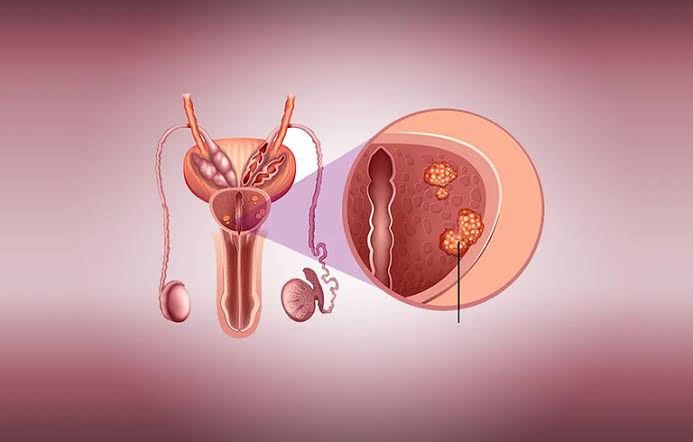
About 1 in 8 American men will receive a prostate cancer diagnosis at some point in their lives. That figure is both alarming and misleading — alarming because it is high, misleading because it implies the risk is evenly distributed and that a diagnosis is equivalent to dying from the disease. Neither is true. Understanding when prostate cancer screening is recommended starts with understanding who is actually at risk.
Prostate cancer risk is profoundly unequal. A man’s age, ancestry, family history, genetic profile, and lifestyle choices can together shift his absolute risk from near zero to genuinely elevated. Understanding where you fall on that spectrum — and what you might actually be able to change — is far more useful than a population-level statistic.
Who Gets Prostate Cancer — The Big Picture
Prostate cancer is the most common non-skin cancer in American men. The American Cancer Society estimates approximately 299,000 new diagnoses in 2024 and roughly 35,000 deaths. Yet the lifetime risk of dying from prostate cancer — about 1 in 41 — is much lower than the lifetime risk of being diagnosed, because a substantial proportion of prostate cancers are low-grade, slow-growing, and either treated successfully or managed on active surveillance without progression.
The distribution of this risk is shaped primarily by three non-modifiable factors: age, race and ethnicity, and family history. Modifiable factors — diet, weight, physical activity — affect the risk of developing aggressive disease more than overall incidence.
Age — The Strongest Risk Factor
Prostate cancer before age 40 is extremely uncommon. Before 50, risk remains relatively low. After 50 it rises sharply, and continues to rise through the sixth and seventh decades. The median age at diagnosis in the United States is approximately 67, and the majority of diagnoses occur in men 65 and older.
This age trajectory has direct implications for screening. Men at average risk who are considering PSA testing begin that conversation at age 50. Men at elevated risk — Black men and men with first-degree relatives diagnosed with prostate cancer — have that conversation at 40. If you’re unsure whether your age and history warrant screening, our guide to prostate cancer screening guidelines covers what the major organizations recommend and for whom.
Race and Ethnicity
African American men face a prostate cancer incidence approximately 70 percent higher than that of white men, and a mortality risk that is roughly twice as high. They are more likely to be diagnosed at a younger age, at a later stage, and with higher-grade disease at presentation.
This disparity is not fully explained by differences in access to care, screening rates, or socioeconomic factors, though all of those contribute. There appear to be genuine biological differences in disease biology that make early detection particularly important for Black men.
The AUA and NCCN both recommend that African American men begin discussing PSA screening at age 40 — a full decade earlier than average-risk men. Given the higher burden of disease and the disproportionate mortality, this recommendation reflects the higher probability that early detection will be life-saving in this population.
Hispanic men have somewhat lower incidence than non-Hispanic white men. Asian American men historically have had the lowest incidence among major US racial and ethnic groups, though this gap may narrow as dietary and lifestyle patterns become more Westernized — pointing toward a meaningful environmental and dietary component even within the genetic risk story.
Family History and Hereditary Genetics
A family history of prostate cancer is one of the clearest and most consistent risk factors in the epidemiological literature.
Men with one first-degree relative — father or brother — diagnosed with prostate cancer have approximately two to three times the risk of the general population. If that relative was diagnosed before age 65, or if two or more first-degree relatives are affected, risk increases further.
Beyond family history of prostate cancer specifically, hereditary cancer syndromes involving DNA repair gene mutations carry significant prostate cancer risk:
- BRCA2 mutations confer a 5 to 8 times higher lifetime risk compared to non-carriers, and are associated with earlier onset and more aggressive disease. NCCN now recommends germline genetic testing in all men newly diagnosed with prostate cancer — partly because identifying BRCA2 status influences treatment selection (BRCA2-mutant tumors respond to PARP inhibitors) and has implications for family members. Men known to carry BRCA2 are advised to consider PSA screening beginning at age 40.
- BRCA1 mutations carry a more modest increase — approximately twofold — compared to BRCA2.
- Lynch syndrome (mutations in MMR genes: MLH1, MSH2, MSH6, PMS2) is associated with a 2 to 5 times increased risk of prostate cancer, typically with earlier onset and more aggressive histology.
- HOXB13 G84E is a mutation found in hereditary prostate cancer families, particularly those with early-onset disease affecting multiple generations.
- ATM, CDK12, PALB2 mutations are also associated with prostate cancer risk, particularly for aggressive disease.
Genetic counseling and germline testing are worth considering in men with: early-onset prostate cancer (diagnosed before 55), two or more close relatives with prostate cancer, a family history that includes BRCA-associated cancers (breast, ovarian, pancreatic), Ashkenazi Jewish ancestry, or a personally confirmed BRCA1/2 or Lynch syndrome mutation.

Diet and Prostate Cancer Risk
The striking difference in prostate cancer incidence between East Asian populations and Western populations — and the observation that Asian men who migrate to Western countries adopt higher incidence rates over time — points toward a meaningful dietary and lifestyle contribution to risk. This migration pattern has been documented in multiple cohort studies and strongly suggests that environmental and dietary factors modulate underlying genetic susceptibility.
What the evidence supports:
- Lycopene (the compound that gives tomatoes their red color): multiple large cohort studies find an inverse association between lycopene intake and prostate cancer risk, particularly for advanced disease. Cooked tomato products — tomato sauce, tomato paste — deliver more bioavailable lycopene than raw tomatoes. This is one of the most consistent dietary associations in the prostate cancer literature.
- Cruciferous vegetables (broccoli, cauliflower, Brussels sprouts, cabbage): some prospective studies find reduced risk, particularly for aggressive prostate cancer, with higher intake. The mechanism may involve sulforaphane and isothiocyanate compounds.
- Green tea catechins: epidemiologic data from Japanese cohorts shows lower prostate cancer rates with higher green tea consumption. Small intervention studies suggest possible PSA modulation in men with high-grade PIN.
- Fish and omega-3 fatty acids: some evidence of protection against advanced prostate cancer, though high-dose omega-3 supplements have inconsistent data and should not be conflated with dietary fish consumption.
What may increase risk:
- High animal fat intake and a diet heavy in red and processed meat are associated with elevated risk of aggressive prostate cancer in several large prospective studies.
- Very high calcium and dairy intake may modestly elevate risk through possible suppression of vitamin D activation and downstream effects on IGF-1 pathways.
Vitamin E supplementation was found to increase prostate cancer risk by approximately 17% in the SELECT trial (35,000 men over 7 years). Selenium showed no benefit. Do not take high-dose vitamin E or selenium supplements for prostate cancer prevention — the evidence argues against it. Dietary associations with lycopene or green tea do not translate to supplement benefit in RCTs.
Weight, Exercise, and Metabolic Health
The relationship between obesity and prostate cancer is more nuanced than for most cancers. Obese men actually have a lower reported rate of low-grade prostate cancer — largely because larger blood volume dilutes PSA, making detection less likely. But obese men have a clearly higher risk of aggressive, high-grade prostate cancer, worse prognosis after diagnosis, and higher overall prostate cancer mortality.
The mechanism is likely multifactorial. Insulin resistance and elevated IGF-1 (which promotes cell proliferation), chronic low-grade inflammation from adipose tissue, and altered sex hormone levels in obese men all create a biological environment that may promote more aggressive cancer behavior. The PSA dilution effect also means that obese men presenting for PSA testing may have artificially lower PSA values for their level of disease, which can delay detection of significant cancers.
Regular physical activity is consistently associated with reduced risk of fatal prostate cancer across large cohort studies. The protective effect appears strongest for vigorous exercise and for protection against advanced disease. The mechanisms likely include anti-inflammatory effects, improved insulin sensitivity, and reduced adiposity.
Smoking, while not strongly associated with prostate cancer incidence, is associated with higher prostate cancer mortality. Men who smoke and develop prostate cancer appear to have more aggressive disease behavior and worse treatment outcomes.
Other Risk Factors Under Investigation
Several other factors have been studied in relation to prostate cancer risk, with more equivocal results:
- Vasectomy: Early studies suggested an association; large contemporary cohort studies do not support a causal link. The ACS considers vasectomy a non-factor for prostate cancer risk.
- NSAIDs and aspirin: Some epidemiologic evidence suggests that regular aspirin or NSAID use is associated with modestly reduced prostate cancer risk, possibly through anti-inflammatory mechanisms. Evidence is insufficient to recommend these agents for chemoprevention.
- Sexually transmitted infections: Some research has investigated links between trichomonas and other STIs and prostate cancer risk; findings are inconsistent and no firm causal link has been established.
- Cadmium and other heavy metals: Occupational cadmium exposure has been studied; evidence of an association exists but does not translate to general population recommendations.
What Chemoprevention Trials Found
The Prostate Cancer Prevention Trial (PCPT) tested finasteride versus placebo in approximately 18,000 healthy men over seven years. Finasteride reduced the overall rate of prostate cancer detection by about 25 percent. However, the trial found a higher proportion of high-grade cancers in the finasteride arm. Subsequent reanalysis suggested this was likely a detection artifact — a smaller prostate from finasteride-induced volume reduction is sampled more accurately at biopsy, making pre-existing high-grade foci easier to detect — rather than true biological promotion of aggressive cancer. Finasteride is not approved as a chemoprevention agent.
The SELECT trial enrolled approximately 35,000 men to test selenium and/or vitamin E supplementation. Vitamin E supplementation was associated with a 17 percent increase in prostate cancer risk. Selenium showed no benefit. The conclusion is unambiguous: do not use vitamin E or selenium supplements for prostate cancer prevention.
How to Think About Your Personal Risk
A more useful framing than population averages is your personal absolute risk given your specific characteristics:
- An average-risk American man: ~12% lifetime diagnosis risk, ~2.5% lifetime death risk from prostate cancer
- An African American man: ~1 in 6 lifetime risk of diagnosis; substantially higher mortality risk
- A man with one first-degree relative with prostate cancer: approximately double the average risk
- A man with two or more affected first-degree relatives, or a relative diagnosed before 55: significantly higher risk
- A BRCA2 carrier: approximately 25–30% lifetime prostate cancer risk, with higher probability of aggressive disease
This risk stratification directly informs when to begin PSA screening conversations. Average-risk men: age 50. Black men or men with a first-degree relative with prostate cancer: age 40. BRCA2 carriers or Lynch syndrome: age 40 with input from genetics. If a high PSA result comes back at any age, the risk profile should be part of the conversation about what to do next.
Practical Risk Reduction
Prostate cancer cannot be reliably prevented with current knowledge — but the evidence supports lifestyle modifications that appear to meaningfully reduce risk of aggressive disease:
- Maintain a healthy body weight: Being overweight or obese increases the risk of aggressive prostate cancer and worsens prognosis.
- Exercise regularly: Moderate-to-vigorous physical activity — ideally 150 or more minutes per week — is associated with reduced risk of fatal prostate cancer across multiple large cohort studies.
- Eat a plant-rich diet: Emphasize tomatoes and tomato sauce (lycopene), cruciferous vegetables, green tea, and fish. Reduce red meat, processed meat, and high-fat animal foods.
- Don’t smoke: Smoking is associated with more aggressive prostate cancer biology and higher mortality.
- Avoid high-dose vitamin E and selenium supplements: Both are without proven benefit, and vitamin E appears to increase risk.
- Know your family history: If you have a first-degree relative with prostate cancer, or if your family history includes BRCA-associated cancers, tell your physician — this directly affects when PSA screening discussions should begin.
Frequently Asked Questions
Can I prevent prostate cancer?
Probably not completely — age, race, and inherited genetics are not modifiable. However, the evidence supports a meaningful reduction in the risk of aggressive prostate cancer through healthy weight, regular exercise, a plant-rich diet with lycopene and cruciferous vegetables, and avoidance of smoking. The goal of risk reduction is not preventing every prostate cancer diagnosis but reducing the probability of developing the type that causes harm. Most prostate cancers detected through PSA screening are low-grade, and many men diagnosed with low-risk disease live out their lives without needing treatment. The serious disease — aggressive, metastatic prostate cancer — is what lifestyle and risk management aim to prevent.
At what age should I start paying attention to prostate cancer risk?
Active awareness, not anxiety, is the right frame. For most men, the prostate cancer conversation begins at age 50, when discussing whether PSA screening is appropriate for your risk profile. For African American men and men with first-degree relatives with prostate cancer, that conversation begins at 40. BRCA2 carriers or men with Lynch syndrome should discuss prostate cancer screening with a physician starting at age 40, and regular screening is generally recommended given the higher absolute risk. Whatever your risk profile, knowing whether you have early symptoms worth evaluating is a reasonable starting point — though most early prostate cancer produces no symptoms at all.
Sources
- American Cancer Society. Prostate Cancer Statistics 2024.
- American Urological Association. Early Detection of Prostate Cancer Guideline 2023.
- National Comprehensive Cancer Network. Prostate Cancer v1.2024.
- Thompson IM et al. The influence of finasteride on the development of prostate cancer (PCPT). NEJM 2003.
- Klein EA et al. Vitamin E and the risk of prostate cancer (SELECT). JAMA 2011.
Understanding Absolute Risk vs. Relative Risk
One of the most common sources of confusion about prostate cancer risk is the difference between relative risk and absolute risk. A statement like “men with a BRCA2 mutation have 5 to 8 times the risk” uses relative risk — it tells you how much higher your risk is compared to a reference group, not what your probability of cancer actually is.
Absolute risk translates relative risk into meaningful probabilities. For BRCA2 carriers, a 5–8 times relative risk corresponds to a lifetime absolute risk of approximately 25–30 percent — meaning roughly 1 in 4 BRCA2-carrying men will develop prostate cancer in their lifetime. This is meaningfully higher than the 12 percent lifetime risk for average-risk men, but it also means that 70–75 percent of BRCA2 carriers will not develop prostate cancer.
Similarly, the “70% higher incidence” statistic for African American men is a relative risk. It corresponds to a lifetime absolute risk of approximately 1 in 6 — meaningfully higher than 1 in 8 for white men, but still means that the majority of Black men will not develop prostate cancer in their lifetimes.
Understanding absolute risk helps calibrate the appropriate level of concern and the appropriate clinical response. A 2× relative risk from having one affected first-degree relative means your lifetime risk is approximately 24–25 percent rather than 12 percent — still a minority probability, but high enough to justify earlier and more frequent prostate cancer screening.
When to See a Genetic Counselor
Not everyone with a family history of prostate cancer needs formal genetic counseling. But certain patterns in family history or personal history make it worth pursuing:
- Prostate cancer diagnosed before age 55 in yourself or a close relative
- Two or more first-degree relatives (father, brother, son) diagnosed with prostate cancer
- A family history that includes multiple BRCA-associated cancers — breast (especially male breast cancer), ovarian, pancreatic, melanoma — across multiple generations or in close relatives
- Ashkenazi Jewish ancestry, which carries a higher frequency of BRCA1 and BRCA2 founder mutations
- A personal diagnosis of prostate cancer, particularly if high-grade or metastatic — NCCN recommends germline testing for all newly diagnosed prostate cancer patients
- A known BRCA1, BRCA2, Lynch syndrome, or HOXB13 mutation in the family
A genetic counselor can help interpret family history, determine which genetic tests are most appropriate, explain what results mean for the patient and blood relatives, and guide surveillance recommendations. Many cancer centers offer genetic counseling as part of their oncology services. Testing is increasingly covered by insurance when clinical criteria are met.
For men who are found to carry a BRCA2 or other high-risk mutation, the surveillance implications are immediate: annual PSA testing beginning at age 40, active monitoring for any prostate cancer symptoms, and prompt evaluation if PSA becomes elevated.
Putting It All Together — A Personalized Risk Framework
Prostate cancer risk is not a single number — it is the product of multiple interacting factors that together determine how vigilant a man should be and when to start having conversations about screening.
A useful way to frame personal risk is to ask: how many elevated risk factors do I have? A 55-year-old white man with no family history and a healthy lifestyle has one risk factor (age). A 52-year-old African American man whose father had prostate cancer diagnosed at 58 has three elevated risk factors (age in the higher-risk decade, race, and family history) and represents a genuinely high-risk profile warranting immediate PSA baseline testing if not already done.
For any man reading this who has not yet had a baseline PSA and is over 45 — especially if Black or with family history — the single most useful action is scheduling a discussion with a physician about whether and when to start prostate cancer screening. Understanding the full picture of what the PSA test measures beforehand makes that conversation substantially more productive. And if a result ever comes back elevated, knowing the evaluation pathway in advance reduces the anxiety that elevation so reliably produces.
Risk reduction, screening, early detection, and informed treatment decisions are the tools available. Using them well requires understanding — and that understanding starts with knowing your own risk profile.
The most important thing any man can do about prostate cancer risk today is have an informed conversation with a physician about when screening is appropriate for his specific age and risk profile. That single conversation — about PSA timing, family history, and personal risk tolerance — is the practical action that translates risk awareness into clinical benefit. Everything else follows from that starting point.
Prostate cancer risk is dynamic. As new genetic markers are validated, as diet and lifestyle research matures, and as targeted screening approaches improve, the personalized risk picture for any individual man will only become clearer and more actionable over time.
As someone dealing with this personally, the prostate cancer risk factors, genetics, and section was very helpful. The connection between diet, lifestyle, and long-term outcomes is explained clearly here. This is going into my health binder that I bring to every doctor’s visit.
Thank you for covering prostate cancer risk factors, genetics, and so thoroughly without being overly technical. The practical tips at the end made this immediately actionable, not just theoretical. Keep up this kind of thorough health journalism — it genuinely helps patients like me.
Came across this while researching prostate cancer risk factors, genetics, and for a family member. The article answered questions I didn’t even know I had until I started reading. I wish I had found this article when I was first diagnosed — would have saved a lot of confusion.
This breakdown of prostate cancer risk factors, genetics, and is exactly what patients need before a specialist appointment. The connection between lifestyle choices and long-term outcomes is explained clearly here. This is going into my health folder that I bring to every doctor’s visit.
Came across this while researching prostate cancer risk factors, genetics, and for a family member. The section on managing this condition day-to-day was especially useful for planning. This is exactly why I prefer this website over generic health platforms.
This breakdown of prostate cancer risk factors, genetics, and is exactly what patients need before a specialist appointment. I appreciate that the article is careful about distinguishing between what is known and what is still being researched. This gave me real confidence going into my next specialist appointment.