
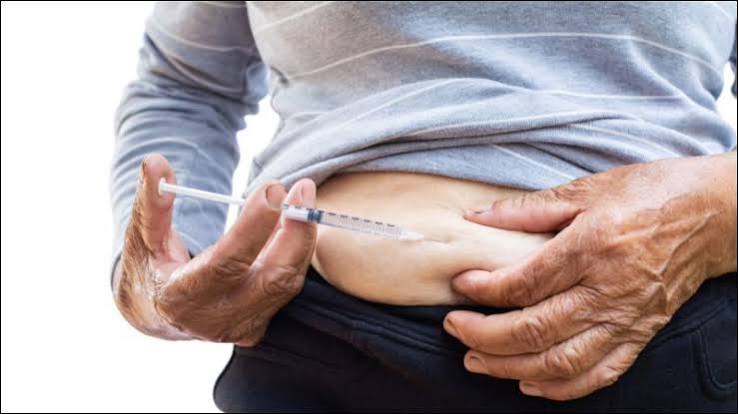
Beginning insulin therapy is a significant moment in the management of Type 2 diabetes — one that many adults approach with significant anxiety, misconceptions, and resistance, despite the fact that insulin is the most potent and flexible blood glucose-lowering treatment available and often produces the most dramatic improvements in blood glucose control of any medication option. The emotional resistance to starting insulin therapy is understandable: it requires injections, which most people prefer to avoid; it carries hypoglycemia risk, which feels dangerous even when the actual risk with basal-only regimens is modest; it has been framed in popular understanding as a marker of disease severity or personal failure, when it is actually simply the natural and expected next step in managing the progressive nature of Type 2 diabetes. Understanding insulin therapy accurately — what insulin types are available, how they work, how they are injected correctly, how doses are adjusted, and what the realistic experience of insulin treatment involves — replaces unfounded anxiety with informed preparation and significantly improves the outcomes of adults transitioning to insulin as part of their diabetes management.
Type 2 diabetes involves progressive decline of pancreatic beta-cell function over time — on average, adults with Type 2 diabetes lose approximately 50% of their beta-cell function in the decade following diagnosis, with continued decline thereafter regardless of medication treatment. This progressive loss means that oral medications that initially controlled blood glucose adequately gradually become insufficient, not because of medication failure or patient failure, but because the underlying disease has advanced. Approximately 30–40% of adults with Type 2 diabetes ultimately require insulin therapy to maintain adequate blood glucose control — and initiating insulin earlier rather than later in this process produces better long-term outcomes than prolonged high blood glucose exposure while alternative oral agents are sequentially tried and fail.
Types of Insulin: Understanding the Landscape
Multiple types of insulin therapy exist, each with different onset times, peak activity periods, and durations — choosing the right type (or combination of types) for a specific patient’s glucose pattern is central to effective insulin management:
- Basal insulin (long-acting) — the most common starting point for Type 2 diabetes: Basal insulins provide a low, steady background level of insulin over 24 hours, replacing the continuous low-level insulin secretion that the healthy pancreas provides between meals and overnight to suppress hepatic glucose production. Examples: glargine (Lantus, Basaglar, Toujeo), detemir (Levemir), degludec (Tresiba). Basal insulins have no pronounced peak — they work gradually and continuously rather than spiking and falling. Most adults with Type 2 diabetes beginning insulin start with a single daily injection of long-acting basal insulin, typically at bedtime, to control fasting blood glucose that is elevated due to excessive overnight hepatic glucose production. The starting dose is typically 10 units per day or 0.1–0.2 units per kilogram of body weight, titrated upward based on fasting glucose readings until the fasting glucose target is reached. Basal insulin alone is the simplest insulin regimen and works well for adults whose postprandial (after-meal) glucose is adequately controlled by their oral medications and the basal insulin simply needs to address fasting hyperglycemia.
- Rapid-acting insulin (mealtime/prandial) — for postprandial glucose control: Rapid-acting insulins are designed to cover the glucose rise from specific meals, injected 5–15 minutes before eating. Examples: lispro (Humalog), aspart (NovoLog), glulisine (Apidra), and ultra-rapid formulations (Lyumjev, Fiasp). They begin working within 10–15 minutes, peak at 1–2 hours, and clear within 3–5 hours — a pharmacokinetic profile designed to match the glucose absorption curve of a meal. Adults who progress beyond basal insulin alone typically add rapid-acting insulin at one or more meals, a regimen called “basal-bolus therapy” that most closely mimics normal physiological insulin secretion and provides the greatest flexibility and glucose control precision at the cost of multiple daily injections.
- Intermediate-acting insulin (NPH) — less commonly used: NPH (Neutral Protamine Hagedorn) insulin has a duration of 12–18 hours and a peak at 4–8 hours — making it an older, less predictable alternative to modern long-acting insulins. NPH’s pronounced peak can cause hypoglycemia at the time of peak activity if food intake is delayed. Modern long-acting insulins (glargine, detemir, degludec) have largely replaced NPH in clinical practice due to their more predictable, peakless profiles and lower hypoglycemia risk. NPH remains in use primarily for cost reasons in settings where modern basal insulins are not affordable or accessible.
- Premixed insulins — fixed-ratio combinations: Premixed insulins combine a fixed proportion of intermediate-acting and rapid-acting insulin in a single vial or pen, providing both basal and mealtime coverage with fewer injections. Examples: 70/30 NPH/regular, 75/25 lispro protamine/lispro, 70/30 aspart protamine/aspart. Premixed insulins are less flexible than separate basal and bolus injections (the fixed ratio means neither component can be adjusted independently) but require fewer injections and are simpler to manage, making them useful for patients with regular, predictable meal timing and carbohydrate intake who prefer simplicity over flexibility.
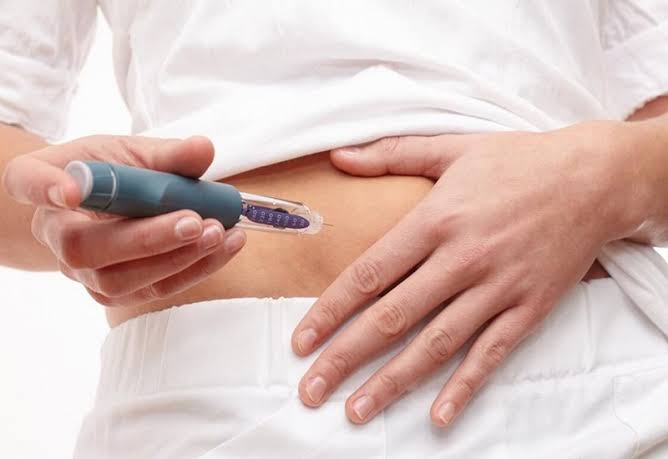
Insulin Injection Technique: Step-by-Step
Correct injection technique is essential to consistent insulin therapy efficacy — incorrect technique can produce variable absorption that makes glucose management unpredictable, causes painful injections, or leads to lipohypertrophy (hardened fatty tissue at repeatedly used sites) that further impairs absorption:
- Approved injection sites and rotation: The four approved sites for subcutaneous insulin injection are: abdomen (most consistent and fastest absorption, anywhere except the 2-inch radius around the navel), outer thigh, buttock, and outer upper arm. The abdomen is recommended as the primary site for most insulin due to its consistent absorption characteristics — absorption from the thigh is slower and more variable, particularly with physical activity. Site rotation within each area (moving systematically around the abdomen in a clockwise pattern, for example) prevents the buildup of lipohypertrophy at favored spots. Injecting consistently into the same small area over months produces visible and palpable subcutaneous nodules where insulin absorption is significantly impaired and unpredictable — correcting lipohypertrophy requires resting the affected site for several months while rotating to other areas.
- The injection procedure: (1) Wash hands thoroughly. (2) Check insulin: confirm the correct insulin type and that it is clear (for long-acting and rapid-acting) or uniformly cloudy after rolling (for NPH and premixed — never shake, which creates bubbles and alters the suspension). (3) For pens: attach a fresh needle for each injection, dial the required dose, and perform an air shot (inject 2 units into the air to confirm the needle is clear). (4) Pinch a fold of skin at the injection site using two fingers. (5) Insert the needle at 90 degrees to the skin (lean adults and children may use a 45-degree angle with shorter needles to avoid intramuscular injection). (6) Depress the plunger fully. (7) Hold for 10 seconds before withdrawing the needle — this critical step prevents insulin leakage from the puncture site that can cause dose variability. (8) Release the skin fold and apply gentle pressure (do not rub, which accelerates absorption unpredictably). (9) Safely dispose of used needle in a sharps container.
- Needle selection: Current guidance supports use of 4mm or 6mm pen needles for most adults regardless of BMI — intramuscular injection risk with very short needles is extremely low in all body types at the correct 90-degree angle, and shorter needles reduce pain and injection-site reactions. The historical practice of using longer needles (8mm, 12mm) in adults with obesity is not supported by modern evidence and significantly increases intramuscular injection risk. 4mm needles are the current recommended standard for adults using insulin pens.
- Storage and handling: Unopened insulin should be refrigerated between 36°F and 46°F; do not freeze. Once opened (in-use pen or vial), most insulin types can be stored at room temperature below 77°F for 28–30 days — the specific in-use storage period varies by product and should be confirmed in the product information. Do not use insulin that has been frozen, exposed to extreme heat or direct sunlight, or is past its expiration date. Insulin that has changed appearance (cloudiness in a normally clear insulin, clumping or particulates) should be discarded regardless of expiration date. The safety practices that apply specifically to insulin and other diabetes medications — including hypoglycemia recognition and management — are covered in our diabetes medication safety guide. The broader context of how insulin therapy fits among all available diabetes medication options is in our diabetes medications overview. The ADA’s insulin and injectables resource, the NIDDK’s insulin treatment guide, and the CDC’s diabetes medication management resources all provide authoritative insulin therapy guidance to complement the individualized instruction provided by each patient’s diabetes care team. The dietary approach that optimizes insulin therapy outcomes — particularly carbohydrate consistency for basal insulin regimens and carbohydrate counting for basal-bolus regimens — is covered in our diabetes meal planning guide.
Adjusting Basal Insulin: The Titration Process
Starting insulin therapy with a basal insulin requires a dose titration process to reach the dose that achieves the fasting glucose target — because no fixed dose works for all patients, and the starting dose is intentionally conservative to minimize early hypoglycemia risk:
- The standard titration protocol for basal insulin: The most widely used self-titration protocol for long-acting basal insulin in Type 2 diabetes is the “2-0-2” or similar “treat-to-target” protocol: check fasting blood glucose every morning before eating; if fasting glucose is consistently above target (typically above 130 mg/dL for most adults, or as specified by the healthcare provider) for 3 consecutive days, increase the basal insulin dose by 2 units. Continue adjusting every 3 days as needed until fasting glucose is within target range. This protocol allows the patient to self-manage the titration process with brief check-ins with the healthcare team rather than requiring multiple clinic visits during the adjustment period. The titration is complete when fasting glucose readings are consistently within the target range across a full week — a process that typically takes 2–8 weeks from initiation depending on how far the starting dose is from the effective dose.
- Recognizing when the basal-only regimen is no longer sufficient: When fasting glucose is well-controlled on basal insulin but postprandial glucose (blood glucose 1–2 hours after meals) remains consistently elevated, the basal insulin is appropriately dosed but prandial (mealtime) coverage is insufficient. This pattern indicates the need to consider adding rapid-acting insulin at the largest meal or transitioning to a basal-bolus regimen. Signs that postprandial coverage needs addressing: HbA1c remaining above target despite good fasting glucose; glucose 2 hours after meals consistently above 180 mg/dL despite appropriate basal dose; specific meals producing consistent large glucose spikes. A clinician will typically confirm postprandial glucose patterns through structured glucose monitoring (checking before and 2 hours after each of the three main meals on several days) before recommending the addition of rapid-acting insulin at specific meals.
- Hypoglycemia recognition and response with insulin therapy: Hypoglycemia — blood glucose below 70 mg/dL — is the primary acute risk of insulin therapy, and every adult initiating insulin therapy should be familiar with its recognition and treatment before the first injection. Symptoms of mild to moderate hypoglycemia: shakiness, sweating, rapid heartbeat, anxiety, pale skin, hunger, difficulty concentrating, tingling lips or tongue, dizziness. Symptoms of severe hypoglycemia: confusion, difficulty speaking, loss of coordination, inability to self-treat. Treatment of mild to moderate hypoglycemia: the “rule of 15” — consume 15 grams of fast-acting carbohydrate (4 glucose tablets, 4 ounces of juice, 4 ounces of regular soda, or 1 tablespoon of sugar), wait 15 minutes, recheck blood glucose, repeat if still below 70 mg/dL, and eat a meal or snack once blood glucose is above 70 mg/dL if the next meal is more than an hour away. Adults initiating insulin should keep fast-acting glucose sources available at all times — by the bedside, in the car, in a work bag — for the first weeks of insulin therapy as the dose is being established.
- Blood glucose monitoring with insulin therapy: More frequent blood glucose monitoring is typically required during insulin therapy than with oral medications alone — to guide dose titration, detect hypoglycemia, and assess postprandial glucose patterns. The minimum monitoring for basal insulin titration is fasting blood glucose daily before breakfast. For basal-bolus therapy, the standard monitoring schedule is before each meal and at bedtime (4 checks daily) with additional checks at 2 hours after meals when needed to assess postprandial coverage. Continuous glucose monitoring (CGM) devices that measure glucose continuously through a sensor worn on the arm or abdomen provide far more complete glucose pattern information than fingerstick monitoring and are increasingly used alongside insulin therapy to guide dose adjustments more precisely than is possible with multiple daily fingerstick checks.
Common Concerns About Starting Insulin Therapy
Adults facing the transition to insulin therapy commonly express specific concerns — most of which reflect understandable but inaccurate beliefs about insulin that, when addressed, significantly reduce resistance to initiating treatment:
- “Insulin injections will be painful”: Modern insulin pen needles (4mm or 6mm, very fine gauge) produce injections that most adults describe as painless or at most a brief, mild pinch — significantly less uncomfortable than fingerstick blood glucose testing for most people. Insulin injections are delivered subcutaneously (into the fat layer beneath the skin) rather than intravenously or intramuscularly, which are the injection types most people’s negative associations with needles are based on. Adults who delay insulin initiation based on needle anxiety routinely report, after their first week of injections, that the reality was dramatically less uncomfortable than they anticipated — the anticipatory anxiety far exceeds the actual physical experience.
- “Needing insulin means I’ve failed”: This belief is one of the most harmful misunderstandings in diabetes management. Type 2 diabetes is a progressive disease involving gradual beta-cell function decline that is independent of how well a patient has managed their lifestyle, diet, and medications. Insulin requirement reflects the natural progression of the disease, not any failure of management. A patient who has maintained excellent dietary habits, regular physical activity, and consistent medication adherence for 15 years may still require insulin because their disease has advanced — which is the expected and natural disease course. Healthcare providers who frame insulin as a “last resort” or “threat” for non-compliance inadvertently create this harmful misconception; in reality, early and appropriate insulin initiation prevents the years of chronic hyperglycemia that drive diabetes complications, and initiating insulin earlier is medically preferable to prolonged suboptimal glucose control.
- “Insulin will cause weight gain I can’t afford”: Insulin does cause weight gain in most patients — averaging 2–4 kg (4–8 pounds) over the first year of basal insulin therapy. This occurs because insulin promotes fat storage and reduces the caloric loss from glucosuria (high blood glucose spilling into urine) that was occurring with uncontrolled diabetes. However, the weight gain from basal insulin alone is modest, and combining insulin therapy with a blood-glucose-supportive dietary approach reduces or prevents much of the expected weight gain while still achieving the blood glucose benefit of insulin. Adding a GLP-1 receptor agonist alongside insulin can counteract insulin-associated weight gain while also improving postprandial glucose — a combination now commonly used to address both blood glucose control and weight management simultaneously. Our diabetes medications overview covers how insulin combines with other drug classes. The dietary framework that supports insulin therapy most effectively — particularly carbohydrate consistency and portion control that reduce required insulin doses — is in our diabetes meal planning guide. The ADA’s comprehensive insulin resources, the NIDDK’s insulin treatment guidance, and the CDC’s diabetes medication management resources all provide evidence-based guidance on insulin therapy that supplements the individualized instruction from each patient’s diabetes care team. The safety principles for managing insulin and other diabetes medications — including hypoglycemia management and what to do about missed doses — are in our diabetes medication safety and managing missed medication doses guides.
Insulin Delivery Devices: Pens, Syringes, and Pumps
The delivery device used for insulin therapy affects convenience, dose accuracy, discretion, and overall treatment experience — understanding the options helps adults choose or advocate for the device that best fits their lifestyle:
- Insulin pens (most common): Pre-filled or refillable pens allow dose dialing in 0.5 or 1-unit increments, require attaching a disposable pen needle for each injection, and are far more portable and discreet than vial-and-syringe administration. Disposable pre-filled pens (e.g., FlexPen, SoloStar, KwikPen) contain a full cartridge of a specific insulin type and are discarded when empty. Reusable pens accept replaceable cartridges. Most patients in the United States now use insulin pens as the primary delivery method — they are easier to use correctly, reduce dosing errors, and eliminate the need to draw up precise volumes from a vial, which is technique-dependent and can introduce dosing inaccuracies. Many pens include memory functions that record the last dose administered, useful for patients who may have difficulty remembering whether they have already injected.
- Vial and syringe (older method, still widely used): Traditional insulin vials used with disposable insulin syringes remain widely available and significantly less expensive than pen devices in many contexts — particularly important for patients with cost constraints or in healthcare settings where pen devices are not covered by insurance. The technique requires drawing insulin from the vial into the syringe to the correct unit marking — a step that requires reasonable visual acuity, fine motor control, and attention to detail to dose accurately. For patients mixing two insulin types (e.g., combining NPH and regular insulin in a single syringe), vial-and-syringe administration allows this in a way that pen devices cannot.
- Insulin pumps (continuous subcutaneous insulin infusion): Insulin pumps deliver rapid-acting insulin continuously through a small catheter inserted under the skin, providing basal insulin continuously at a programmable rate and bolus doses administered at meals via the pump controls. Pumps provide the most precise and flexible insulin delivery available — ability to program different basal rates at different times of day, very fine dose increments, and elimination of multiple daily injections in favor of catheter site changes every 2–3 days. Insulin pumps are more commonly used in Type 1 diabetes than Type 2 but are appropriate for motivated adults with Type 2 diabetes who require multiple daily injections and would benefit from the flexibility and precision of pump delivery. Pump therapy requires significant training, vigilance, and troubleshooting capability — it is a powerful tool for patients prepared to use it correctly, not a simpler alternative to injection-based therapy. The complete guide to all diabetes medication options — including how insulin therapy relates to oral and other injectable medications — is in our diabetes medications overview, and the specific guide to the GLP-1 medications that are frequently combined with insulin therapy is our GLP-1 medications and diabetes article.
Sources: American Diabetes Association — Standards of Medical Care in Diabetes, insulin therapy guidance; NIDDK — insulin treatment overview; FDA — approved insulin products and prescribing information; research on insulin delivery technique and lipohypertrophy prevention; insulin pharmacokinetics by formulation type; ADA/EASD consensus on initiation and intensification of insulin therapy in Type 2 diabetes; studies on needle length and injection depth recommendations; insulin storage and handling guidelines; CDC diabetes medication management resources.
I have been reading about insulin therapy: a beginner’s guide for weeks and this is the most thorough guide I found. The specific numbers and thresholds mentioned are exactly what I needed to understand my results. Appreciate the effort that went into researching and writing this — it shows.
This is one of the clearest explanations of insulin therapy: a beginner’s guide I have found. The section on managing this condition day-to-day was especially useful for planning. Appreciate the effort that went into researching and writing this — it shows.
This breakdown of insulin therapy: a beginner’s guide is exactly what patients need before a specialist appointment. It is refreshing to see an article that acknowledges individual variation rather than one-size-fits-all advice. This is exactly why I prefer this website over generic health platforms.