
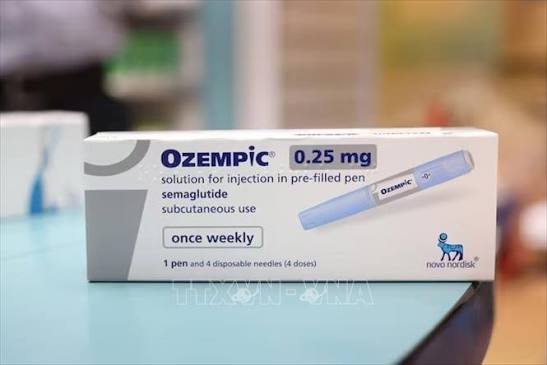
GLP-1 medications — the class of drugs that includes semaglutide (Ozempic, Wegovy), dulaglutide (Trulicity), liraglutide (Victoza, Saxenda), exenatide (Byetta, Bydureon), and several others — represent one of the most significant advances in diabetes pharmacotherapy of the past two decades, combining meaningful blood glucose lowering with significant weight loss, low hypoglycemia risk, and demonstrated cardiovascular protection in a single drug class that has transformed treatment algorithms for Type 2 diabetes and obesity worldwide. The public profile of GLP-1 medications has expanded dramatically since 2021 as high-dose semaglutide formulations (Wegovy, Ozempic at higher doses) attracted widespread attention for producing 10–20% average body weight reduction in people with obesity — exceeding any previously approved medication for weight management. For adults managing Type 2 diabetes, understanding what GLP-1 medications actually do, how they differ from each other, what their realistic benefits and limitations are, and what the injection and side effect experience involves enables informed conversations with prescribers about whether this drug class is appropriate and which specific agent might be best suited to individual circumstances.
GLP-1 receptor agonists reduce HbA1c by 1.0–1.8 percentage points in clinical trials — among the most effective oral or injectable non-insulin options available — while simultaneously producing average body weight reductions of 3–7% at diabetes doses and 10–20% at higher weight-management doses. In the SUSTAIN, LEADER, and REWIND cardiovascular outcome trials, semaglutide, liraglutide, and dulaglutide each demonstrated statistically significant reductions in major adverse cardiovascular events (MACE) — cardiovascular death, non-fatal myocardial infarction, and non-fatal stroke — in adults with Type 2 diabetes and established cardiovascular disease or high cardiovascular risk.
How GLP-1 Medications Work: The Multi-Pathway Mechanism
The broad metabolic effects of GLP-1 medications arise from a multi-site mechanism that affects glucose metabolism, appetite regulation, and cardiovascular function through several coordinated pathways:
- Glucose-dependent insulin stimulation: GLP-1 (glucagon-like peptide-1) is a hormone naturally secreted by the intestinal L cells in response to food intake, which signals to the pancreas to release insulin only when blood glucose is elevated. GLP-1 receptor agonists mimic and amplify this signal — increasing insulin secretion in proportion to the glucose present. This glucose-dependency is the key pharmacological feature that distinguishes GLP-1 medications from sulfonylureas (which stimulate insulin secretion regardless of blood glucose level): when blood glucose is in the normal range, GLP-1 medications do not amplify insulin secretion further, which is why they do not cause hypoglycemia when used alone. The insulin release they stimulate is calibrated to glucose load — more release when blood glucose is high, no additional release when blood glucose is normal.
- Glucagon suppression: Glucagon is a hormone secreted by pancreatic alpha cells that stimulates hepatic glucose production between meals and in the fasting state — a process that is dysregulated and excessive in Type 2 diabetes, contributing to elevated fasting glucose. GLP-1 receptor activation suppresses glucagon secretion in a glucose-dependent manner, reducing the hepatic glucose output that drives fasting hyperglycemia. This anti-glucagon effect complements the insulin-stimulating effect, addressing both sides of the glucose balance equation: reducing the glucose input from the liver while simultaneously increasing glucose disposal through insulin-mediated uptake.
- Gastric emptying delay: GLP-1 receptors in the stomach and gut slow the rate at which food moves from the stomach into the small intestine — a direct mechanical brake on the postprandial glucose rise. By spreading the absorption of dietary carbohydrate over a longer time period, the peak glucose elevation after meals is reduced and flattened even before the insulin effects are fully engaged. This gastric emptying delay is also the primary mechanism behind the nausea that is the most common side effect of GLP-1 medications — the stomach is fuller for longer, which produces nausea in a proportion of patients particularly in the early weeks of treatment. The magnitude of gastric emptying delay and associated nausea varies between different GLP-1 medications and decreases with continued use as the gut adapts.
- Appetite suppression and weight loss: GLP-1 receptors are expressed in the hypothalamus and brainstem reward centers that regulate appetite and food intake — GLP-1 receptor agonist medications activate these central receptors and reduce appetite, increase satiety, and reduce the hedonic drive to eat beyond caloric need. The weight loss produced by GLP-1 medications (particularly higher-dose semaglutide formulations) is substantially greater than what can be explained by the metabolic effects of better blood glucose control alone — it reflects genuine reduction in food intake driven by central appetite suppression. At diabetes treatment doses (semaglutide 0.5–1.0mg weekly, dulaglutide 0.75–1.5mg weekly), average weight loss is 3–7% of body weight. At higher weight-management doses (semaglutide 2.4mg weekly as Wegovy), average weight loss in clinical trials was 15–17% of body weight over 68 weeks — results that had not previously been achievable with non-surgical weight management interventions.
- Cardiovascular protection: Multiple large randomized controlled cardiovascular outcome trials (LEADER for liraglutide, SUSTAIN-6 for semaglutide, REWIND for dulaglutide, AMPLITUDE-O for efpeglenatide) have demonstrated statistically significant reductions in major adverse cardiovascular events with GLP-1 receptor agonists compared to placebo in adults with Type 2 diabetes and established cardiovascular disease or multiple cardiovascular risk factors. The cardiovascular benefit appears to be partially independent of blood glucose lowering and weight loss, with anti-inflammatory, anti-atherosclerotic, and possibly direct cardiac effects contributing. This cardiovascular protection data has established GLP-1 receptor agonists as preferred second-line agents for adults with Type 2 diabetes and established atherosclerotic cardiovascular disease or high cardiovascular risk in the ADA/EASD guidelines.
The Major GLP-1 Medications: What Sets Them Apart
Several GLP-1 medications are approved and available, differing in dosing frequency, delivery format, specific efficacy profile, and approved indications:
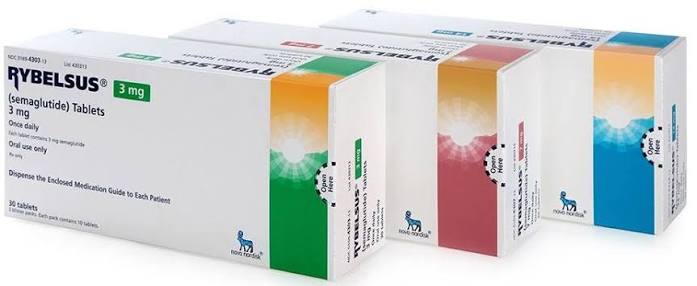
- Semaglutide (Ozempic, Wegovy, Rybelsus): The highest-efficacy GLP-1 receptor agonist currently available, with the most potent HbA1c reduction and weight loss among approved agents. Ozempic (0.5mg and 1.0mg weekly injection) is approved for Type 2 diabetes; Wegovy (2.4mg weekly injection) is approved for chronic weight management. Rybelsus (oral semaglutide, 3–14mg daily) is the first oral GLP-1 receptor agonist, taken on an empty stomach with a small amount of water 30 minutes before any food or other medications. Semaglutide’s superior efficacy reflects its longer half-life (approximately 1 week) and higher receptor affinity compared to earlier GLP-1 agents. The SUSTAIN and SELECT cardiovascular outcome trials showed significant cardiovascular risk reduction, and the FLOW trial showed significant renal protective effects — establishing semaglutide’s role in cardiovascular and kidney protection alongside blood glucose management.
- Dulaglutide (Trulicity): Weekly subcutaneous injection using a single-use auto-injector pen with an enclosed needle — the most user-friendly injection device in the GLP-1 class, as the needle is never visible during administration. Available in 0.75mg and 1.5mg doses for diabetes and 3.0mg and 4.5mg doses for additional weight management effect. The REWIND cardiovascular outcome trial demonstrated significant MACE reduction. Slightly lower efficacy than high-dose semaglutide but similar cardiovascular outcome data, preferred by some patients due to the auto-injector design.
- Liraglutide (Victoza, Saxenda): Daily subcutaneous injection; Victoza (1.2–1.8mg daily) for Type 2 diabetes, Saxenda (3.0mg daily) for weight management. The LEADER cardiovascular outcome trial established liraglutide’s cardiovascular protective profile. The daily injection requirement is less convenient than once-weekly options, but liraglutide has the longest track record among available GLP-1 agents and the most mature safety database from years of post-approval surveillance.
- Exenatide (Byetta, Bydureon): The first GLP-1 receptor agonist approved (2005); Byetta requires twice-daily injection within 60 minutes before the two main meals of the day. Bydureon (weekly extended-release microsphere formulation) was the first once-weekly GLP-1 agent. Both have been largely superseded clinically by the newer weekly agents with superior efficacy profiles, but remain available and appropriate in specific clinical and cost-access contexts. Exenatide’s cardiovascular outcome trial (EXSCEL) showed a non-significant trend toward MACE reduction, not the statistically significant reduction shown by the newer agents. The broader context of how GLP-1 medications fit within the full landscape of diabetes drug classes — and how they are selected and combined with metformin, SGLT2 inhibitors, and insulin — is covered in our diabetes medications overview. The SGLT2 inhibitor class that is frequently combined with GLP-1 medications for complementary cardiovascular and renal protection is covered in our SGLT2 inhibitors explained guide. The ADA’s medication management resources, the NIDDK’s diabetes treatment guidance, and the FDA’s GLP-1 drug trial information provide authoritative clinical information on GLP-1 receptor agonists to supplement the individualized guidance of each patient’s healthcare team. The dietary approach that maximizes GLP-1 medication outcomes — leveraging the appetite suppression to establish improved eating patterns rather than simply eating less of the same foods — is covered in our diabetes meal planning guide.
GLP-1 Medication Side Effects: What to Expect and How to Manage
The side effect profile of GLP-1 medications is well-characterized and, for most patients, manageable — but understanding what to expect and how to respond prevents premature discontinuation during the adjustment period when temporary side effects are most prominent:
- Nausea (most common, most important to manage): Nausea is the most frequently reported side effect of GLP-1 medications, occurring in 15–40% of patients depending on the specific medication and dose. It is caused primarily by the gastric emptying delay mechanism — the stomach remains full for longer, which the brain interprets as nausea. Key characteristics: nausea is most intense in the first 4–8 weeks of treatment and at each dose increase step; it typically improves significantly over time as the gut adapts; it is usually mild to moderate rather than severe; and it is significantly dose-dependent, meaning that slower dose escalation produces markedly less nausea than rapid titration to full dose. Practical management strategies: take the injection on a day and time when nausea will be least disruptive (many patients prefer a weekend injection for the once-weekly formulations, allowing rest during peak nausea); eat smaller meals more frequently rather than large meals; avoid high-fat, high-calorie meals that delay gastric emptying further; avoid eating until genuinely hungry rather than by clock or social habit; avoid lying down immediately after eating; ginger tea or ginger supplements have modest evidence for nausea reduction and are safe alongside GLP-1 medications. Patients who discontinue GLP-1 medications due to nausea during the first 4–6 weeks often would have achieved full tolerability had they continued — the nausea of the adjustment period is a temporary feature, not a signal of ongoing intolerance.
- Vomiting and diarrhea: Vomiting occurs less frequently than nausea but more commonly at higher doses or with rapid dose escalation. If vomiting occurs more than once or twice in the first weeks of treatment, contact the prescribing clinician — dose reduction or slower escalation may be appropriate. Diarrhea is less common with GLP-1 medications than with metformin, occurring in approximately 10–15% of patients, and typically resolves within the first 4–8 weeks of treatment. Constipation also occurs in a subset of patients, particularly with once-weekly formulations that have more profound gastric emptying delay — adequate hydration and dietary fiber intake reduce constipation risk.
- Hypoglycemia risk with GLP-1 medications: GLP-1 medications used alone (without insulin or sulfonylureas) have very low hypoglycemia risk because their insulin-stimulating effect is glucose-dependent — they do not stimulate insulin when blood glucose is normal. However, when GLP-1 medications are combined with insulin or sulfonylureas, the risk of hypoglycemia from the insulin or sulfonylurea increases because the improved blood glucose control narrows the glucose range above which the sulfonylurea or insulin dose was calibrated. When a GLP-1 medication is added to a sulfonylurea regimen, the sulfonylurea dose is typically reduced by 25–50% to prevent hypoglycemia. When added to insulin, insulin dose reduction is typically needed as the GLP-1 medication takes effect. These dose adjustments should be guided by the prescribing clinician — self-adjusting insulin or sulfonylurea doses without guidance risks both hypoglycemia and inadequate blood glucose control.
- Pancreatitis (rare but serious): Acute pancreatitis has been reported in association with GLP-1 receptor agonist use in post-marketing surveillance, though whether the association is causal versus confounded by the higher baseline pancreatitis risk in adults with obesity and Type 2 diabetes has been debated. Current FDA prescribing information includes pancreatitis as a potential risk, and GLP-1 medications should be discontinued if acute pancreatitis is suspected (sudden, severe abdominal pain radiating to the back, nausea, vomiting) and not restarted if pancreatitis is confirmed. GLP-1 medications are contraindicated in patients with a personal or family history of medullary thyroid cancer or Multiple Endocrine Neoplasia syndrome type 2 (MEN 2) due to thyroid C-cell tumor findings in rodent studies — though this association has not been confirmed in human epidemiological studies, the contraindication remains due to the inability to rule out risk based on current data.
- Injection site reactions: Injection site reactions (redness, mild bruising, itching) are uncommon with GLP-1 medications but can occur. Rotating injection sites across the abdomen, thigh, and upper arm, and avoiding re-using the same site in the same week, minimizes injection site reaction risk. Severe local reactions are rare and should be reported to the prescribing clinician. Unlike insulin, GLP-1 medications do not produce lipohypertrophy with repeated use because they are given much less frequently (weekly or daily rather than multiple times daily) and at much lower injection volumes.
Who Benefits Most From GLP-1 Medications
The clinical profile of GLP-1 medications makes them particularly well-suited for specific patient populations — understanding these indications helps adults and prescribers identify when GLP-1 medications are especially appropriate versus when other drug classes might be preferable:
- Adults with Type 2 diabetes and established cardiovascular disease: The cardiovascular outcome trial data for GLP-1 receptor agonists (particularly semaglutide, liraglutide, and dulaglutide) establishing significant MACE reduction makes this class the preferred add-on medication for adults with Type 2 diabetes who have had a heart attack, stroke, or have established atherosclerotic cardiovascular disease, independent of their current HbA1c or weight. The cardiovascular benefit occurs in addition to blood glucose and weight benefits and represents a level of evidence-based cardiovascular risk reduction that no other non-insulin antidiabetic medication class has demonstrated to the same degree (along with SGLT2 inhibitors, which show complementary and somewhat different cardiovascular and renal protection profiles).
- Adults with Type 2 diabetes and obesity: The combination of meaningful HbA1c reduction with significant weight loss — particularly with higher-dose semaglutide formulations — makes GLP-1 medications uniquely effective for adults whose Type 2 diabetes is tightly linked to obesity and insulin resistance. Weight loss from GLP-1 medications reduces insulin resistance, which improves the efficacy of all other diabetes medications taken simultaneously and may allow dose reductions in insulin or sulfonylureas as weight is lost and insulin sensitivity improves. The 15–17% weight loss achievable with high-dose semaglutide (Wegovy, 2.4mg weekly) approaches the weight loss magnitude previously achievable only with bariatric surgery, and early data suggest corresponding improvements in metabolic outcomes at that level of weight loss.
- Adults where hypoglycemia risk is a priority concern: Because GLP-1 medications are glucose-dependent in their insulin stimulation, they have very low hypoglycemia risk when used alone — making them preferred over sulfonylureas for patients with high hypoglycemia risk (elderly adults living alone, patients with hypoglycemia unawareness, patients who drive commercially or operate heavy machinery).
- Adults seeking once-weekly injection convenience: For adults who are willing to inject but prefer the fewest possible injection occasions, once-weekly semaglutide (Ozempic) or dulaglutide (Trulicity) provide robust blood glucose and weight benefit with a single weekly injection — a lower injection burden than daily insulin, daily liraglutide, or twice-daily exenatide. The combination of once-weekly dosing, robust efficacy, and cardiovascular benefit has made weekly semaglutide and dulaglutide the dominant choices in the GLP-1 class for most newly initiated patients. The complete guide to diabetes medications — including how GLP-1 medications combine with metformin, SGLT2 inhibitors, and insulin across the treatment intensification pathway — is in our diabetes medications overview. The metformin guide covers the first-line medication most commonly prescribed alongside GLP-1 agents: Metformin: What Adults Should Know. The SGLT2 inhibitor class with complementary cardiovascular and renal protection is explained in SGLT2 Inhibitors Explained. The ADA’s GLP-1 medication guidance and the NIDDK’s diabetes treatment resources provide clinical guidance to complement the individualized advice of each patient’s healthcare team. The dietary approach that works alongside GLP-1 medication therapy to consolidate metabolic benefits is covered in our diabetes meal planning guide and meal prep for blood sugar control guide.
Cost, Access, and the Future of GLP-1 Medications
The most significant practical barrier to GLP-1 medications for many adults is cost — brand-name GLP-1 receptor agonists are among the most expensive medications in the diabetes drug class, with list prices of $800–1,200 per month for many formulations before insurance or discount programs. Understanding access pathways helps patients and providers navigate this barrier:
- Insurance coverage: Most commercial insurance plans and Medicare Part D cover GLP-1 medications for Type 2 diabetes (with prior authorization requirements in some plans); coverage for the higher-dose weight-management formulations (Wegovy, Saxenda) is more variable and often requires separate prior authorization with documentation of obesity-related conditions. Patients whose insurance requires prior authorization for GLP-1 medications should work with their prescribing clinician to complete the required documentation — specifying the HbA1c level, prior medication history, and relevant cardiovascular or metabolic comorbidities that establish medical necessity. Prior authorization for cardiovascular-outcome-trial-proven indications (established CVD plus Type 2 diabetes) has a high approval rate when properly documented.
- Manufacturer savings programs: Novo Nordisk (semaglutide, liraglutide) and Eli Lilly (dulaglutide, tirzepatide) both offer patient assistance programs and savings cards that significantly reduce out-of-pocket costs for commercially insured patients — Ozempic, for example, is available for as little as $25/month through the Novo Nordisk patient savings card for eligible commercially insured patients. Income-based patient assistance programs provide free medication for uninsured or underinsured patients who meet income eligibility criteria. These programs change over time and are best accessed through the manufacturers’ websites or through patient advocacy organizations.
- Tirzepatide (Mounjaro, Zepbound) — the dual GIP/GLP-1 agonist: Tirzepatide, approved in 2022 for Type 2 diabetes (Mounjaro) and 2023 for obesity (Zepbound), acts on both GLP-1 and GIP (glucose-dependent insulinotropic polypeptide) receptors simultaneously — a dual mechanism that produces greater average weight loss (20–22% of body weight at the highest dose in the SURMOUNT trials) and HbA1c reduction than any single GLP-1 receptor agonist alone. Tirzepatide represents the next generation of incretin-based therapy and has rapidly become a preferred option for adults with Type 2 diabetes and obesity where coverage is available. The rapidly evolving landscape of GLP-1 medications — with new formulations, new combination products (semaglutide plus cagrilintide), and oral formulations in development — makes this one of the most dynamic areas of pharmacotherapy in current medicine, with continued improvements in efficacy, tolerability, and delivery expected in coming years.
Sources: American Diabetes Association — Standards of Medical Care in Diabetes, GLP-1 receptor agonist guidance; NIDDK — diabetes treatment overview; FDA — approved prescribing information for GLP-1 receptor agonists; SUSTAIN, LEADER, REWIND, AMPLITUDE-O cardiovascular outcome trial results; FLOW renal outcome trial data for semaglutide; GLP-1 mechanism of action pharmacology review; GLP-1 weight loss clinical trial data including STEP trials for semaglutide; ADA/EASD consensus on GLP-1 receptor agonists as preferred agents in cardiovascular risk populations.
I never fully understood glp-1 medications and diabetes until I read this. I have tried following advice from several sources but this is most consistent with what my specialist told me. Thank you for making complex medical information accessible without dumbing it down.
My doctor recommended I look into glp-1 medications and diabetes and this article covered it perfectly. It is refreshing to see an article that acknowledges individual variation rather than one-size-fits-all advice. Exactly the kind of evidence-based information that is hard to find in one place.
This is one of the clearest explanations of glp-1 medications and diabetes I have found. It is refreshing to see an article that acknowledges individual variation rather than one-size-fits-all advice. Thank you for making complex medical information accessible without dumbing it down.