
Preparing for dialysis is one of the most important steps a person with advanced chronic kidney disease (CKD) can take to protect their health and quality of life when kidney failure arrives. Research consistently shows that patients who prepare for dialysis in advance — by creating vascular access or placing a peritoneal catheter months before it’s needed, choosing their treatment modality thoughtfully, attending pre-dialysis education, and building a care team — have significantly better outcomes than those who begin dialysis as an emergency, often through a temporary neck or chest catheter following an acute hospital admission. Yet many people with CKD do not receive timely referral to dialysis preparation services, and arrive at kidney failure poorly prepared and without the choices available to patients who planned ahead. This guide covers everything involved in preparing for dialysis: when to start, what decisions need to be made, how vascular and peritoneal access is created and why timing matters, what pre-dialysis education covers, how to prepare your home and daily life, and what to expect in the first weeks of treatment. For an overview of the dialysis decision itself, see the dialysis overview guide; for details on hemodialysis and peritoneal dialysis specifically, see the hemodialysis guide and the peritoneal dialysis guide.
When to Start Preparing for Dialysis: The Right Time to Act
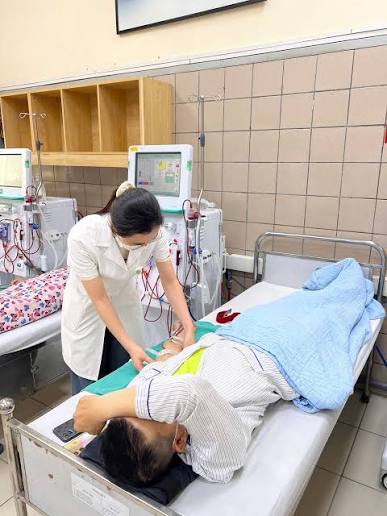
The process of preparing for dialysis should begin well before dialysis is actually needed — ideally when the estimated glomerular filtration rate (eGFR) falls to around 20–25 mL/min/1.73m², which typically corresponds to CKD stage 4 to early stage 5. At this eGFR level, the patient and their nephrologist can begin a deliberate, planned conversation about dialysis modality (hemodialysis vs peritoneal dialysis vs kidney transplant), access creation timing, pre-dialysis education, and preparation — all without the urgency and limited choices of a crisis presentation. Why timing matters so much: the single most important piece of dialysis preparation is creating the right type of access before it is needed, and the most effective access type — the arteriovenous fistula (AVF) for hemodialysis — requires 6–12 weeks after surgical creation to mature before it can be used for dialysis. If a patient’s kidneys fail before the fistula is ready, they must begin dialysis through a temporary central venous catheter (CVC), typically placed in the neck or chest, which carries substantially higher risks of bloodstream infection, thrombosis, and heart valve damage than a mature fistula. Multiple studies have found that patients who begin hemodialysis through a catheter (rather than a mature AVF or AVG) have significantly higher mortality in the first year. A similar principle applies to peritoneal dialysis: the PD catheter requires a 2–6 week break-in period after placement before PD can be started safely with full-volume exchanges. Starting preparation early ensures the access is ready and functional before eGFR reaches the dialysis threshold (~10–15 mL/min, or lower if the patient is managing well without uremic symptoms). The ideal timeline for preparing for dialysis begins at the latest when eGFR reaches 20 mL/min: the patient attends a structured pre-dialysis education program, selects a modality, is referred to an access surgeon (for AVF creation or PD catheter placement), and waits for access to mature while the nephrology team continues to optimize CKD management (blood pressure, anemia, phosphorus, bicarbonate, medications). This timeline gives the patient 6–18 months to get access working correctly, troubleshoot any problems (a fistula that fails to mature may need a second procedure), and start dialysis when it is medically indicated rather than in a crisis. Many patients with slowly progressing CKD are prepared 12–24 months before they actually need dialysis; the access can be placed and matured without any rush. The NIDDK provides a detailed overview of preparing for kidney failure at the NIDDK kidney failure treatment choice page.
Choosing a Dialysis Modality: Making an Informed Decision
Choosing between hemodialysis (HD) and peritoneal dialysis (PD) — and deciding whether to pursue in-center HD, home HD, or home PD — is one of the most consequential decisions in dialysis preparation, yet many patients make it with little information or feel they have no real choice. In reality, the majority of patients with kidney failure are medically suitable for either modality, and the choice is primarily driven by patient preference, lifestyle, home situation, and values — not by clinical necessity. Both modalities provide adequate dialysis and are associated with similar long-term survival when compared in observational studies, so the choice should be based on what fits the patient’s life best. Key considerations when choosing: How important is home therapy vs a structured clinical environment? Home dialysis — both peritoneal dialysis and home hemodialysis — gives patients the most independence, the most schedule flexibility, and the ability to dialyze in their own space rather than traveling to a center three times per week. Home PD and home HD also have clinical advantages including better preservation of residual kidney function, more gentle and continuous fluid removal, and for home HD, higher dialysis doses with shorter or overnight sessions. However, home therapy requires motivation, a suitable home environment (clean space, adequate water and electrical supply), the ability to learn and perform sterile or technical procedures, and typically a care partner for home HD. In-center hemodialysis is performed at a dialysis clinic three times per week, with trained staff handling all technical aspects — appropriate for patients who prefer not to manage their own care, who live alone without a care partner, who have the cognitive or physical limitations that make home dialysis difficult, or who simply prefer a structured clinical environment. The major drawback is the fixed schedule: typical in-center HD sessions are 3.5–4 hours, three times per week, at times set by the clinic (often early morning or afternoon shifts), which may conflict with work or family commitments. Transplant consideration: for eligible patients — particularly younger patients without significant cardiovascular disease or malignancy who have a living donor — kidney transplant is the best treatment option for kidney failure, offering better survival and quality of life than any form of dialysis; dialysis serves as a bridge while waiting for transplant. Patients who are transplant candidates should be referred to a transplant center early (at eGFR 15–20 mL/min) to complete evaluation, because the pre-transplant workup can take months and waitlist time begins from the date of listing, not the date of starting dialysis. For patients who need dialysis before a transplant is available, PD is generally preferred over HD as a bridge because it better preserves residual kidney function and makes post-transplant recovery slightly smoother. Understanding all these options is why structured pre-dialysis education is so important before making this decision.
Creating Dialysis Access: Fistulas, Grafts, Catheters, and PD Catheter Placement
Dialysis access creation is the most time-sensitive part of preparing for dialysis, and the key principle is simple: create the best access early enough that it is ready and functional before dialysis is actually needed. For hemodialysis patients, the access hierarchy — ordered from best to worst outcomes — is: arteriovenous fistula (AVF) first, arteriovenous graft (AVG) second, and central venous catheter (CVC) last resort. An AVF (surgically connecting an artery to a nearby vein, most commonly the radial artery to the cephalic vein at the wrist, or the brachial artery to the cephalic vein at the elbow) is the gold standard access: it uses the patient’s own vessels, has the longest lifespan (many fistulas function for decades), the lowest infection rate, and the lowest thrombosis rate of any access type. The critical planning step is AVF mapping — a vascular ultrasound performed by a vascular surgeon to assess vein diameter, depth, and patency along potential fistula sites, identifying which vessels are suitable for a fistula and where the best surgical site is. Many patients with CKD have suitable veins for AVF creation; preservation is critical: patients should avoid blood draws and IV placements in the non-dominant forearm (which would damage veins needed for access) from the time of CKD stage 3 onward. An AVF is created surgically (outpatient procedure, typically under local anesthesia) and requires 6–12 weeks to mature — the vein wall thickens and the vein dilates in response to arterial blood flow, eventually becoming large enough and robust enough to accept two large-bore dialysis needles three times per week. A fistula that is not maturing well (insufficient dilation, inadequate flow) may require a corrective procedure (balloon angioplasty of an outflow stenosis, superficialization of a deep vein, or ligation of collateral vessels) to stimulate maturation; this is why early creation — before there is any urgency — is so important. An AVG uses a synthetic tube (typically polytetrafluoroethylene, PTFE) surgically placed between an artery and a vein where the patient’s own veins are too small or damaged for a fistula; grafts can be used within 2–4 weeks of creation (or immediately with specific rapid-deployment graft types), but have higher thrombosis rates, more frequent interventions, and shorter lifespans than fistulas. A CVC (tunneled catheter placed in the internal jugular vein, tunneled under the skin to an exit site on the chest) can be used immediately but carries risks of bacteremia, septicemia, and central vein stenosis; it is appropriate as a bridge to mature access or for patients in whom permanent access creation is not feasible. For peritoneal dialysis patients, the PD catheter (Tenckhoff catheter) is placed surgically or laparoscopically into the peritoneal cavity, with a 2–6 week break-in period before full-volume use; the planning and creation timeline for PD access is shorter and simpler than for HD access. Timing PD catheter placement 4–6 weeks before anticipated dialysis start is usually sufficient. The complete guidance on dialysis access planning is in the KDIGO CKD guidelines available at the KDIGO guidelines page.
Pre-Dialysis Education: What to Learn Before Starting Treatment
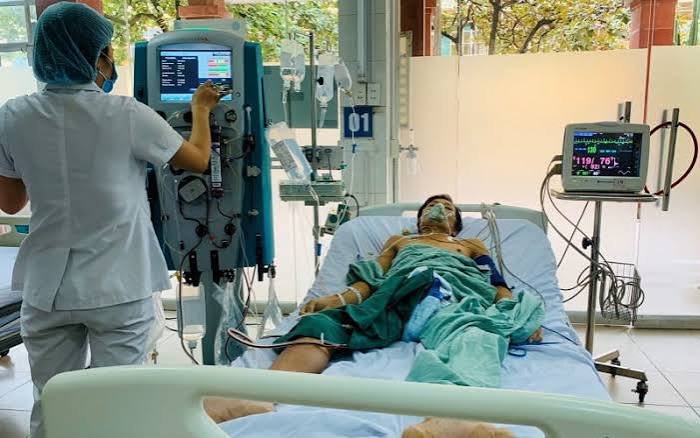
Structured pre-dialysis education — formal learning about kidney failure, treatment options, access, diet, medications, and what to expect — is one of the most evidence-backed interventions in CKD care, associated with higher rates of home therapy selection, better access outcomes, reduced emergency starts, and lower healthcare costs. Yet many patients with CKD do not receive it, either because they are referred to nephrology too late (when eGFR is already below 15 mL/min and there is no time for unhurried education) or because their nephrologist’s practice does not have a structured education program. What a comprehensive pre-dialysis education program covers: The first and most important topic is treatment options — an unbiased, detailed explanation of all modalities (in-center hemodialysis, home hemodialysis, peritoneal dialysis, kidney transplant, and conservative kidney management without dialysis), including what each involves in daily practice, the evidence on outcomes, and the practical advantages and trade-offs of each. Patients who receive this education are significantly more likely to choose home dialysis and to have a functioning permanent access at dialysis initiation, both of which are associated with better outcomes. The second topic is dialysis access: what a fistula, graft, PD catheter is; why the fistula is preferred for HD; how it is created and how to care for it; what the maturation process looks like; and what to watch for (swelling, redness, loss of thrill/bruit in the fistula). The third topic is diet and fluid management on dialysis — the specific restrictions for hemodialysis vs peritoneal dialysis, how to read food labels for potassium, phosphorus, and sodium, the importance of protein intake, and fluid management strategies. The fourth topic is medications — which current CKD medications continue on dialysis, which are dose-adjusted, which are stopped; what new medications dialysis patients typically take (phosphate binders, ESAs for anemia, vitamin D analogs, antihypertensives); the importance of medication adherence. The fifth topic is laboratory monitoring — which labs are checked at every dialysis session vs monthly, what the targets are, and why they matter. The sixth topic is life on dialysis — what a typical dialysis day or week looks like for each modality, how to maintain employment and travel, what activities to avoid or modify, psychological adjustment to dialysis, and social support resources. Many programs include a visit to the dialysis unit to see in-center HD equipment and meet staff, and some offer peer support from current dialysis patients. The NKF patient education resources are available at the NKF kidney health page.
Preparing Your Home, Diet, and Daily Life Before Starting Dialysis
The practical preparations that patients make in the weeks and months before starting dialysis can significantly reduce the stress and disruption of the transition and set the foundation for a sustainable dialysis life. Home preparation for dialysis varies significantly by modality: home HD patients need the most extensive modifications — a dedicated space for the dialysis machine and supplies, a reinforced electrical outlet, adequate water supply and drainage, and storage space for boxes of consumable supplies delivered monthly; some programs also require a water treatment system (water softener and reverse osmosis unit) plumbed into the home. Home PD patients need a clean, dust-free space (a spare bedroom or a corner of a room shielded from foot traffic) with adequate shelf or closet space for boxes of dialysate bags (typically one pallet-equivalent of boxes delivered every 2–4 weeks) and an appropriate space for the APD cycler machine beside the bed. In-center HD patients need reliable transportation to and from the dialysis center three times per week — a logistical challenge for patients who live far from a dialysis unit, don’t drive, or have limited public transportation options; arranging transportation before starting dialysis prevents missed sessions later. Diet preparation: patients starting dialysis — particularly hemodialysis — benefit from learning and beginning to practice dietary restrictions in the weeks before their first session. A pre-dialysis visit with a renal dietitian is standard of care: the dietitian reviews the patient’s typical diet, identifies the main sources of potassium, phosphorus, sodium, and fluid, and develops specific substitutions and strategies. Learning to read food labels for potassium and phosphorus content, identifying hidden high-sodium foods, and understanding the difference between naturally occurring phosphorus (in whole foods) and phosphate additives (in processed foods, with much higher absorption) takes time and practice — starting before dialysis begins allows patients to develop these skills without the pressure of managing treatment simultaneously. Medication preparation: several CKD medications need to be adjusted at the start of dialysis. ACE inhibitors and ARBs (angiotensin-blocking blood pressure medications) are typically continued and often reduced in dose once dialysis begins, as blood pressure may improve. Potassium-sparing diuretics are usually stopped. Phosphate binders, vitamin D analogs, and erythropoiesis-stimulating agents (ESAs) are typically started. Pain medications (NSAIDs, which are nephrotoxic, should already be avoided; opioids need dose adjustment on dialysis). A medication review with the nephrology team and pharmacist in the weeks before starting dialysis prevents dangerous oversights. Emotional and psychological preparation is equally important: starting dialysis is a major life change that many patients experience as grief, loss of freedom, or fear. Pre-dialysis psychological support, peer patient mentoring programs, and honest conversations with the nephrology team about fears and expectations all improve the adjustment process. The life on dialysis guide provides a detailed picture of what the day-to-day experience of each modality looks like, which can help set realistic expectations before the first session. The StatPearls pre-dialysis care overview is at the StatPearls kidney failure resource.
What to Expect at Dialysis Initiation: The First Sessions and Adjustment Period
The first weeks of dialysis — whether hemodialysis or peritoneal dialysis — involve a physiologic and practical adjustment that is easier to navigate when patients know what to expect in advance. Initiating hemodialysis: the first several hemodialysis sessions are deliberately shorter and gentler than maintenance sessions — typically 2–2.5 hours at a lower blood flow rate and dialysate clearance target. This gradual approach is used to prevent dialysis disequilibrium syndrome (DDS), a rare but serious neurological complication of rapid urea removal in patients with very high pre-dialysis BUN who are beginning dialysis for the first time; DDS presents with nausea, headache, confusion, and seizures caused by osmotic shifts creating cerebral edema, and is avoided by controlled, gradual clearance over the first 2–4 sessions. Blood pressure often fluctuates significantly during early HD sessions as the cardiovascular system adjusts to the new pattern of fluid removal; antihypertensive medications may need to be adjusted. Fatigue after sessions is common initially, typically improving over weeks to months as residual uremia clears. Many patients report a significant improvement in energy, appetite, and mental clarity over the first 4–8 weeks of hemodialysis as uremic toxin burden decreases. Initiating peritoneal dialysis: PD training takes 5–10 days at the dialysis center or in the home, where the PD nurse teaches the patient or care partner the complete exchange procedure with emphasis on sterile technique, catheter and exit-site care, recognition of peritonitis warning signs, how to troubleshoot drainage problems, when to call the clinic, and how to handle emergency situations. Initial PD exchanges use smaller volumes (1 to 1.5 liters rather than the maintenance 2 liters) while the catheter is maturing and the patient’s technique is developing; volumes increase to full maintenance over 2–4 weeks. Dialysate leak around the catheter exit site, outflow obstruction (catheter tip migration or constipation blocking outflow), and shoulder-tip pain during filling (dialysate irritating the diaphragm, referring pain to the shoulder via the phrenic nerve) are common early experiences that the PD team will help troubleshoot. Access maturation checkpoints: for hemodialysis patients with an AVF, the first few weeks are when the maturation is assessed — typically by the dialysis nurses who cannulate the fistula or by ultrasound — and if maturation is inadequate, an intervention may be scheduled. Patients can support AVF maturation by performing fistula exercises (repeatedly squeezing a soft ball to increase blood flow through the fistula arm) and by keeping the fistula arm free of tight clothing, watches, or blood pressure cuffs. The first weeks of dialysis are also when the long-term dialysis care team (nephrologist, dialysis nurses, renal dietitian, social worker) completes their initial assessment, sets individualized targets for hemoglobin, phosphorus, potassium, blood pressure, and dialysis adequacy, and establishes the medication regimen. Most patients find that the first 2–3 months of dialysis involve more clinic visits, blood tests, and medication adjustments than maintenance dialysis, after which the regimen stabilizes into a predictable routine.
Sources: NIDDK Choosing a Treatment for Kidney Failure · KDIGO CKD Guidelines · National Kidney Foundation · StatPearls: Peritoneal Dialysis
My nephrologist told me last week that my eGFR is at 18 and we need to start planning for dialysis. I had no idea there was so much preparation involved — I assumed you just show up when your kidneys fail. The explanation about why the fistula needs to be created months in advance and why starting dialysis through a catheter is so much riskier is something I never would have known otherwise. I’m going to ask for a vascular surgery referral at my next appointment.
This is exactly the article I needed before my pre-dialysis education appointment next week. The section on choosing between HD and PD was very helpful — I’ve been leaning toward peritoneal dialysis because of the schedule flexibility, but I was worried it would be too complicated to manage at home. Understanding that CAPD doesn’t require a machine and that the training program teaches everything step-by-step made me feel more confident about that choice. The tip about protecting the non-dominant arm from blood draws for fistula preservation is also something I’ll bring up with my care team since no one mentioned it.
Robert, getting a vascular surgery referral now — while your eGFR is still at 18 — is exactly the right move. A mapping ultrasound will show whether your forearm or upper arm veins are suitable for a fistula, and creating it with 12+ months before you need it means there’s time to troubleshoot any maturation issues without pressure. Karen, your instinct about peritoneal dialysis is worth exploring fully — the pre-dialysis education appointment is a great opportunity to ask about a home visit assessment, which most PD programs offer to determine whether your home space is suitable. And yes, fistula preservation (protecting the non-dominant arm from needle sticks) is one of those practical points that often slips through in general CKD care — bringing it up with your team is exactly the right call. Best of luck to you both.