
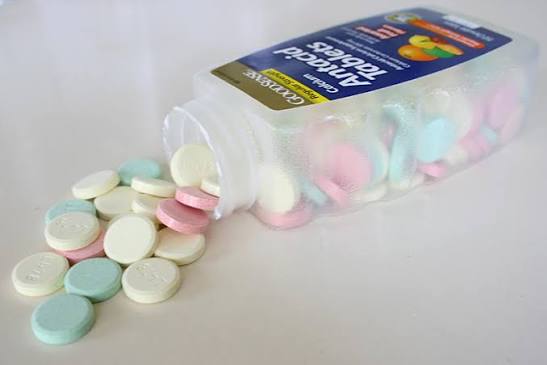
Antacids are the most commonly used digestive medications worldwide — found in nearly every medicine cabinet, offered at pharmacy counters without a prescription, and consumed casually at meals or bedtime without much thought about how they work or whether they are the right choice. Despite their accessibility, antacids have real pharmacological effects, meaningful drug interactions, and clear limitations that are worth understanding before you reach for them routinely. This article covers everything adults need to know to use antacids safely, effectively, and with awareness of when a different approach is more appropriate.
If you are trying to understand how antacids compare to other acid-management options, the broader overview in the article on digestive medications maps all eight classes side by side. For a deeper look at the next step up from antacids, the articles on H2 blockers for acid reflux and proton pump inhibitors explain when each class becomes the more appropriate choice.
How Antacids Work
Antacids work through direct chemical neutralisation — they contain alkaline compounds that react with hydrochloric acid in the stomach, converting it to water, carbon dioxide (which causes the burping), and a salt. This is not a drug-receptor interaction, a hormonal effect, or a physiological suppression of acid secretion. It is chemistry happening in the stomach contents within minutes of the antacid dissolving.
The neutralising reaction raises gastric pH — the stomach’s acidity measurement. At the fasting state, gastric pH sits between 1 and 2 (highly acidic). Antacids can transiently raise this to pH 4 or above, which is above the threshold at which pepsin — the stomach’s digestive enzyme — loses most of its activity and at which acid irritation of the esophageal lining reduces substantially. This is why antacids relieve heartburn: they are not stopping acid production, they are reducing the acid burden temporarily.
Because antacids only neutralise acid already present rather than preventing new secretion, their effect duration is limited by how fast the stomach continues to produce acid. In a fasting state, an antacid dose may last 20 to 40 minutes. Taken after a meal, when gastric emptying is slowed and stomach contents buffer acid naturally, the effect can last up to two hours. This is why instructions on most antacid packaging recommend taking them one to three hours after eating — the food provides a natural buffering environment that extends the antacid’s effective window.
The Main Types of Antacids and Their Differences
Not all antacids are equivalent. The four main active ingredient classes each have a distinct onset speed, duration, side-effect profile, and relevant precautions:
Calcium carbonate (Tums, Rennie) is fast-acting and provides a reliable neutralising effect. It is also a dietary calcium source, which gives it a secondary use as a calcium supplement in people at risk of osteoporosis. The limitation of calcium carbonate is acid rebound — once the calcium carbonate is consumed in the neutralising reaction, a temporary surge in gastrin secretion stimulates additional acid production, which can worsen symptoms 1 to 2 hours after the dose. People who take calcium carbonate antacids repeatedly and find their symptoms returning quickly are experiencing this phenomenon. Calcium carbonate is also constipating in higher doses, and in people who take large amounts habitually — a pattern sometimes called the milk-alkali syndrome — it can cause hypercalcaemia and metabolic alkalosis, a rare but serious complication that is most relevant to people taking high-dose calcium supplements simultaneously.
Magnesium hydroxide (Milk of Magnesia, present in many combination products) neutralises acid effectively and adds an osmotic laxative effect — useful in constipation-prone patients but potentially problematic as a primary antacid for someone who already has loose stools. Magnesium is absorbed to a small degree, and in patients with impaired kidney function — who cannot efficiently excrete excess magnesium — repeated magnesium antacid use can cause hypermagnesaemia, producing symptoms from muscle weakness to cardiac arrhythmia. Magnesium antacids are generally safe for people with normal kidney function.
Aluminium hydroxide neutralises acid more slowly than calcium or magnesium compounds but has a longer-lasting effect. Aluminium is strongly constipating, and aluminium hydroxide also binds phosphate in the gut — reducing dietary phosphate absorption. In most adults this is not clinically significant, but in people with chronic kidney disease or low dietary phosphate intake, aluminium antacids can cause hypophosphataemia over time. Aluminium is rarely used as a standalone antacid ingredient in modern commercial products; it is typically combined with magnesium to balance the constipating and laxative effects.
Sodium bicarbonate (baking soda, Eno) acts very quickly and powerfully — it is strongly alkaline and neutralises acid within seconds. It is the most rapid antacid available but also the shortest-acting, and it contributes significant sodium to the body with each dose. A standard dose of sodium bicarbonate antacid may deliver 500 mg to 1,000 mg of sodium — a meaningful amount for people managing high blood pressure, heart failure, or chronic kidney disease. Sodium bicarbonate is the antacid with the most potential for systemic harm with frequent use and is best suited to rare, occasional use rather than habitual consumption.
Combination products (such as Gaviscon, Maalox, Mylanta) typically combine calcium carbonate or sodium bicarbonate with either magnesium or aluminium hydroxide to balance the constipating and laxative effects while broadening the duration of action. Some combination products also contain alginates (sodium alginate, potassium bicarbonate) — ingredients that form a viscous raft on top of the stomach contents, physically blocking reflux into the esophagus. Alginate-containing products like Gaviscon are specifically suited to postprandial reflux where the primary problem is regurgitation of stomach contents rather than excess acid production.

Drug Interactions: The Critical Antacid Consideration
Antacids have a surprisingly broad interaction profile that many patients and even some clinicians underestimate. The mechanism behind most antacid drug interactions is simple: antacids raise gastric pH and can bind directly to other medications in the stomach, reducing their absorption. This matters because some drugs require an acid environment to dissolve properly, and others bind to polyvalent cations (calcium, magnesium, aluminium) that are released when antacids react.
The most clinically significant antacid interactions include:
- Levothyroxine (thyroid replacement therapy) — calcium-containing antacids reduce levothyroxine absorption by up to 40%. People on thyroid medication should take levothyroxine at least 4 hours before or after any calcium-containing antacid. This interaction is frequently missed because thyroid medications are often taken at breakfast and heartburn follows meals.
- Fluoroquinolone antibiotics (ciprofloxacin, levofloxacin) — chelation with aluminium, magnesium, and calcium reduces absorption by 50–90%. Fluoroquinolones should be taken at least 2 hours before or 6 hours after an antacid dose when both are needed.
- Bisphosphonates (alendronate, risedronate for osteoporosis) — any polyvalent cation significantly reduces bisphosphonate absorption. Most bisphosphonate prescribing instructions require a 30-minute to 2-hour gap from antacids, and this is specifically relevant because bisphosphonate-induced esophageal irritation can be mistaken for heartburn, prompting patients to take an antacid at the same time.
- Iron supplements — absorption of non-haem iron is pH-dependent and drops significantly in the alkaline environment antacids create. People taking iron supplements for anaemia should take them on an empty stomach with water, well away from any antacid dose.
- Some antifungals (ketoconazole, itraconazole capsules) — require an acid environment for dissolution. Antacids can render these medications essentially non-functional if taken within two hours.
- Certain HIV medications (atazanavir, rilpivirine) — require gastric acid for adequate absorption. Antacid co-administration can reduce plasma drug levels enough to risk treatment failure or resistance development.
The practical rule for antacid interactions is to maintain a minimum 2-hour gap between an antacid and any other oral medication, and a 4-hour gap for thyroid medications and fluoroquinolones specifically. The NHS antacid guidance provides an accessible summary of the most common interactions for patients.
Correct Timing and Dosing for Antacids
The timing of antacid use matters as much as the choice of product. The key principles are:
After meals, not before: Taking an antacid immediately before a meal reduces its effectiveness because the food itself dilutes and rapidly consumes the antacid. Taking it 1 to 3 hours after eating — when the food has had time to buffer stomach contents but the meal-stimulated acid surge has begun — maximises the antacid’s useful window.
At bedtime for nocturnal symptoms: Lying down after meals allows gastric contents to reach the lower esophageal sphincter more easily. A dose of antacid, particularly an alginate-containing product, taken shortly before lying down can reduce overnight reflux events. However, if nocturnal reflux is occurring regularly, it warrants assessment rather than nightly antacid use — elevating the head of the bed by 15–20 cm (using risers under the bed frame, not extra pillows) is a more durable intervention for most people.
Do not exceed the stated dose or duration: Most OTC antacids are labelled for use up to four times daily for no more than two weeks without medical review. Continuous antacid use beyond two weeks, or use exceeding the recommended daily dose, warrants discussion with a pharmacist or GP. Exceeding doses causes the side effects discussed above — constipation, diarrhoea, alkalosis, or sodium loading — to accumulate in clinically meaningful ways.
The lifestyle modifications that reduce the underlying need for antacids — particularly meal size, eating pace, body position after eating, and stress management — are often neglected in favour of medication. The relationship between posture and acid reflux and the role of stress management for gut health each address contributing factors that no medication fully compensates for.
Antacids in Pregnancy
Heartburn and acid reflux are extremely common in pregnancy — affecting up to 80% of pregnant women, particularly in the third trimester as the growing uterus displaces the stomach upward and increases intra-abdominal pressure. Antacids are generally considered the safest pharmacological option for gestational heartburn, but formulation choice matters.
Calcium carbonate antacids are widely used and considered safe in pregnancy, with the added benefit of contributing to calcium intake. Magnesium-containing antacids are generally safe in the second trimester but are used with caution near term because high magnesium levels in the newborn can cause hypotonia and respiratory depression. Aluminium-containing antacids are used cautiously in pregnancy due to theoretical aluminium absorption concerns, though evidence of harm at typical antacid doses is limited. Sodium bicarbonate antacids are specifically avoided in pregnancy because their sodium load contributes to fluid retention and oedema, which are already common complications.
Alginate-containing antacids such as Gaviscon are frequently used in pregnancy and are not significantly absorbed systemically, making them a low-risk choice. Regardless of formulation, any antacid use in pregnancy should be discussed with the prescribing midwife or obstetrician, particularly if concurrent iron supplementation is prescribed — the interaction between antacids and iron absorption is relevant throughout pregnancy.
Antacids in Older Adults and People With Kidney Disease
Older adults use antacids frequently and are disproportionately affected by their interactions and cumulative effects. Several considerations are specifically relevant:
Reduced renal clearance in older adults means that magnesium absorbed from magnesium-containing antacids accumulates more readily. Even at standard OTC doses, people with estimated GFR below 30 mL/min/1.73m² (moderate to severe chronic kidney disease) should avoid magnesium and aluminium antacids entirely, and use calcium carbonate only with medical guidance. The FDA drug safety communications include antacid safety advisories for this population.
Polypharmacy — the concurrent use of multiple medications — is significantly more common in older adults, and the antacid drug interaction risk rises proportionally. An older adult taking thyroid medication, a fluoroquinolone antibiotic, an iron supplement, and a bisphosphonate simultaneously while also using an antacid has a high likelihood of meaningful absorption reduction for at least one drug. A pharmacist medication review is warranted in this scenario.
Aluminium-containing antacids bind phosphate in the gut and are historically used therapeutically in dialysis patients to reduce phosphate absorption — this dual use underlines that aluminium antacids should be treated as pharmaceutically active agents with relevant systemic effects, not benign alkaline neutralisers. For people on dialysis or with advanced CKD, antacid selection should always involve the nephrologist.
When Antacids Are Not the Right Choice
Antacids are the right tool for occasional, mild acid symptoms without a complicating history. They are not the right tool — or not the primary tool — in several common clinical scenarios:
GERD occurring more than twice per week: Frequent heartburn reflects ongoing acid damage to the lower esophageal sphincter and esophageal lining. Antacids address the symptoms transiently but allow the damage to continue. H2 blockers or PPIs, used under medical guidance, are the appropriate pharmacological intervention. Using antacids as a substitute for an appropriate GERD assessment delays the management of a condition that can, over years, cause erosive esophagitis, Barrett’s esophagus, and in rare cases, esophageal adenocarcinoma.
Suspected peptic ulcer: Burning epigastric pain that improves with food or antacids but returns persistently, nausea, unexplained anaemia, or dark stools suggest a peptic ulcer rather than functional heartburn. Antacids may temporarily relieve ulcer pain but will not heal the ulcer. H. pylori testing and eradication therapy, or NSAID withdrawal if relevant, are the treatments that address the underlying cause. The Mayo Clinic guidance on peptic ulcers details the distinction between functional dyspepsia and true ulcer disease.
Alarm symptoms alongside heartburn: Dysphagia (difficulty swallowing), unintentional weight loss, persistent vomiting, blood in the stool, or new-onset symptoms in someone over 55 with no prior history of acid reflux should not be managed with antacids. These presentations require endoscopic investigation. Taking antacids in this context risks masking symptoms that would otherwise prompt timely referral.
If your heartburn is occurring several times per week, refer to the article on H2 blockers for acid reflux for guidance on the next step up in acid management — a class that provides sustained relief rather than brief neutralisation. The broader context of GI tract function, hydration, and movement as contributors to reflux is covered in the digestive medications overview. For overall digestive health management beyond medication, the article on healthy habits for liver and digestive health addresses the lifestyle foundations that reduce reliance on all digestive medications over time.
- Take antacids 1–3 hours after meals, not immediately before or during
- Maintain a 2-hour gap from other oral medications (4 hours for thyroid meds)
- Avoid magnesium and aluminium antacids if you have reduced kidney function
- Avoid sodium bicarbonate antacids if you manage hypertension or heart failure
- Do not use antacids for longer than 2 weeks without a pharmacist or GP review
- Seek medical assessment if symptoms occur more than twice per week
- Do not use antacids to manage alarm symptoms — see a doctor promptly
Frequently Asked Questions
Daily antacid use for more than two weeks is not recommended without medical review. Occasional as-needed use is safe for most healthy adults, but daily use suggests a level of acid-related symptoms that warrants proper assessment rather than ongoing neutralisation. If you are taking antacids daily, discuss with your GP whether an H2 blocker, PPI, or lifestyle modification programme would be more appropriate.
Yes — antacids interact with a significant number of drugs by raising gastric pH and binding to medication molecules. The most critical interactions are with thyroid medication (levothyroxine), antibiotics (fluoroquinolones), iron supplements, bisphosphonates, and some antifungals. A minimum 2-hour gap between an antacid and other medications is the general safe rule; 4 hours for thyroid medications and fluoroquinolones specifically. Tell your pharmacist what you are taking before choosing an antacid.
This is likely acid rebound — a temporary increase in acid production after a calcium carbonate antacid wears off. When the stomach detects rising pH from the antacid, it triggers gastrin release to increase acid production. When the antacid effect wears off, this extra acid production causes a return of symptoms that can feel worse than before the dose. Alginate-containing antacids (like Gaviscon) and magnesium-based products produce less acid rebound than calcium carbonate formulations.
Liquid antacids have a faster onset because they disperse more rapidly in the stomach. They also coat the gastric and lower esophageal mucosa more evenly, which can be useful when irritation of the lining rather than simply excess acid is contributing to symptoms. Chewable tablets are slightly slower but more convenient for travel and on-the-go use. Effervescent antacids (dissolved in water) have rapid onset similar to liquids. For most adults, the choice is primarily one of convenience; the active ingredient is more important than the delivery form.
Age-appropriate antacid formulations exist for children, but dosing and product selection differ from adult formulations and should follow the package instructions or a pharmacist’s guidance carefully. Calcium carbonate antacids are used in paediatric populations with appropriate weight-based dosing. Sodium bicarbonate antacids are not recommended for children. More importantly, persistent digestive symptoms in children warrant medical assessment — self-medicating a child’s recurrent heartburn or abdominal pain with antacids delays diagnosis of conditions including cow’s milk protein allergy, H. pylori infection, or inflammatory bowel disease.
Antacids act within 5 minutes and last 20 to 60 minutes — best for immediate relief of symptoms already present. H2 blockers (famotidine, cimetidine) take 30 to 60 minutes to begin working but provide 6 to 12 hours of acid suppression — best for preventing anticipated symptoms before a meal or bedtime. If your heartburn is predictable and situational, an H2 blocker taken before the trigger situation provides better coverage than an antacid taken after symptoms begin. For detailed guidance on H2 blockers, see the dedicated article on H2 blockers for acid reflux.
Yes, and this is one of the main clinical concerns with habitual antacid use. Gastric cancer, peptic ulcers, esophageal stricture, and Barrett’s esophagus can all produce symptoms that antacids temporarily relieve. Ongoing symptom suppression without investigation reduces the likelihood of these conditions being diagnosed early, when treatment outcomes are substantially better. The NHS guidance on when to seek investigation for acid reflux symptoms recommends that anyone over 55 with new onset heartburn, or anyone with alarm features regardless of age, should have an endoscopy rather than empirical acid-suppression treatment.
You notice blood or dark material in your vomit or stool, you have unintentional weight loss, you have difficulty or pain when swallowing, or your heartburn symptoms have changed character and are not responding to antacids as they previously did. These presentations require clinical assessment. Antacids should not be used as a substitute for investigation of alarm symptoms.
- NHS. (2023). Antacids. National Health Service (UK). Available at: nhs.uk/medicines/antacids
- FDA. (2022). Drug safety and availability: OTC antacid products. U.S. Food and Drug Administration. Available at: fda.gov/drugs
- Mayo Clinic. (2024). Peptic ulcer: symptoms and causes. Mayo Foundation for Medical Education and Research. Available at: mayoclinic.org
- MedlinePlus. (2024). Antacids. U.S. National Library of Medicine. Available at: medlineplus.gov
- Maton PN, Burton ME. (1999). Antacids revisited: a review of their clinical pharmacology and recommended therapeutic use. Drugs, 57(6), 855–870.
- Strand DS, Kim D, Peura DA. (2017). 25 years of proton pump inhibitors: a comprehensive review. Gut and Liver, 11(1), 27–37. (Context for antacids as first-line vs. PPIs.)
- Heidelbaugh JJ, Kim AH, Chang R, Walker PC. (2012). Overutilization of proton-pump inhibitors: what the clinician needs to know. Therapeutic Advances in Gastroenterology, 5(4), 219–232.
The interaction between antacids and levothyroxine is something I genuinely did not know until reading this, and it explains a persistent issue I’ve had for the last two years. I take levothyroxine in the morning and have been taking a calcium carbonate antacid whenever I have heartburn — sometimes within an hour of my thyroid dose because that’s when the acid symptoms typically appear. My TSH has been drifting upward over the last 18 months and my endocrinologist has increased my dose twice. I never thought to mention the antacid use because it seemed so minor compared to my thyroid medication. The four-hour gap rule is going to change my morning routine significantly. I’ll need to either take the levothyroxine as soon as I wake up (well before breakfast) and save the antacid for after lunch if needed, or switch to an alginate-based product that doesn’t contain calcium and has a lower interaction risk. Either way, I’m going to discuss with my endocrinologist at the next appointment whether the recent dose increases might be partially explained by the absorption interference I’ve been inadvertently creating.
The levothyroxine-antacid interaction is one of the most frequently missed drug interactions in primary care because patients rarely think of antacids as ‘medications’ — they sit in the kitchen cupboard rather than the medicine cabinet and feel more like food than drugs. The mechanism is specific: calcium ions released during acid neutralisation chelate levothyroxine molecules in the gut lumen, forming insoluble calcium-levothyroxine complexes that pass through the intestine without being absorbed. The same chelation mechanism affects dietary calcium too, which is why levothyroxine instructions specify taking it away from calcium-rich foods as well as calcium supplements and antacids. The four-hour gap is the safest minimum, though many prescribers recommend taking levothyroxine first thing in the morning on an empty stomach and waiting at least 30 to 60 minutes before breakfast — and then not taking any calcium-containing antacid until the afternoon. An alginate-containing antacid without calcium (such as Gaviscon Advance, which uses potassium bicarbonate as its alkaline component) would be a reasonable switch to discuss with your pharmacist, as it would provide reflux relief without the calcium chelation concern. The TSH drift over 18 months is suggestive — TSH is a sensitive marker of levothyroxine bioavailability, and chronic sub-optimal absorption from repeated interaction is a plausible contributing factor worth raising with your endocrinologist alongside the dose review.
The section on acid rebound from calcium carbonate antacids matches exactly what I experience. I take Tums after dinner and the heartburn often comes back about 90 minutes later, sometimes worse than the original episode. I had assumed this was the food still being digested rather than a medication effect. Now I understand it’s the gastrin surge in response to the rising pH — the antacid ‘tells’ the stomach that acid is low and the stomach compensates by secreting more. The practical implication is that I’ve been in a cycle: take Tums, get temporary relief, experience rebound, take more Tums, and so on through the evening. Switching to a magnesium-based product or an alginate-containing one for the evening meal should break this cycle. The instruction to take antacids 1–3 hours after eating rather than immediately after is also new to me — I’d been taking them immediately after finishing dinner because that’s when the sensation began, which is apparently the least effective timing.