
Healthy Fats vs Unhealthy Fats Explained
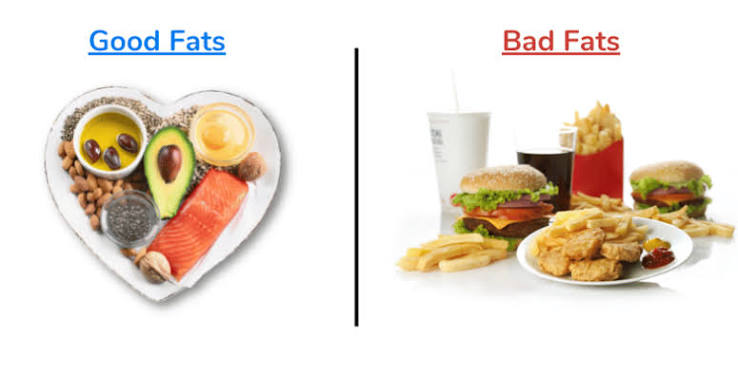
For three decades, “fat is bad” dominated dietary advice — leading millions of people to replace dietary fat with refined carbohydrates, which produced no cardiovascular benefit and, in many cases, worsened triglycerides and blood glucose. The scientific consensus that emerged from the Mediterranean diet evidence, PREDIMED trial, and subsequent nutritional epidemiology is clear: the type of fat consumed matters enormously for cardiovascular health, while total fat content is a far weaker predictor of cardiac outcomes than previously assumed.
The critical distinction is between fats that raise LDL cholesterol — the primary atherogenic lipoprotein — and fats that lower LDL, raise HDL, reduce inflammation, or have other cardioprotective effects. Saturated fats and industrially produced trans fats fall in the first category. Monounsaturated fats and polyunsaturated fats (including omega-3 and omega-6 fatty acids from whole food sources) fall in the second. Understanding this distinction — and the specific foods that provide each type — is the foundation of evidence-based dietary fat management for heart health.
The Four Types of Dietary Fat
Dietary fats are classified by their molecular structure — specifically the number and configuration of carbon-carbon double bonds in their fatty acid chains:
- Saturated fat (SFA): No double bonds; carbon chain fully saturated with hydrogen atoms; solid at room temperature; raises LDL; found in butter, coconut oil, red meat fat, full-fat dairy, palm oil
- Trans fat (TFA): One or more double bonds in trans (rather than natural cis) configuration; produced industrially by partial hydrogenation of vegetable oils; raises LDL AND lowers HDL; the most cardiovascularly harmful fat; largely eliminated from US food supply as of 2020
- Monounsaturated fat (MUFA): One cis double bond; liquid at room temperature; neutral-to-favorable on LDL; raises HDL; found in olive oil, avocado, almonds, canola oil
- Polyunsaturated fat (PUFA): Two or more cis double bonds; liquid at room temperature; subdivided into omega-6 (linoleic acid — vegetable oils) and omega-3 (ALA from plants; EPA/DHA from fish); lowers LDL when replacing SFA; omega-3s additionally lower triglycerides and have anti-inflammatory effects
Total dietary fat content (as a percentage of calories) is not a reliable cardiovascular risk predictor — high-fat Mediterranean diets outperform low-fat diets in clinical trials. What matters is the distribution across these four types, with the goal of minimizing SFA and trans fat while maximizing MUFA and omega-3 PUFA from whole food sources.
Saturated Fat — The LDL Driver
Saturated fatty acids raise LDL cholesterol through a well-characterized biochemical mechanism: they suppress the expression of LDL receptors on hepatocyte (liver cell) surfaces. With fewer LDL receptors, the liver’s capacity to clear LDL particles from the bloodstream is reduced, and plasma LDL rises. The dose-response is approximately linear: each 1% increase in daily calories from saturated fat raises LDL cholesterol by approximately 1 to 1.5 mg/dL on average. The American Heart Association recommends limiting saturated fat to less than 6% of daily calories — approximately 13 grams on a 2,000-calorie diet. The current US average is approximately 22 grams per day, meaning most Americans consume saturated fat at roughly twice the recommended level.
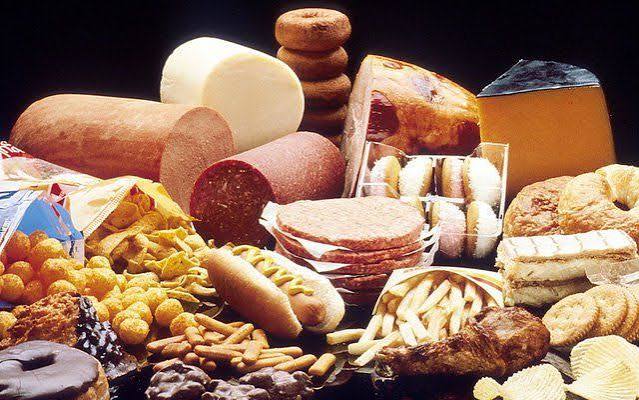
The most common sources of saturated fat in the US diet, in order of typical contribution to total SFA intake: cheese (the single largest source at approximately 9% of total SFA intake), pizza (6%), grain-based desserts (5%), dairy desserts (4%), chicken and chicken dishes (4%), sausage, franks, bacon, and ribs (4%), burgers (4%), and beef dishes (4%). Butter, despite being perceived as the primary saturated fat source, is not in the top contributors for most Americans because consumption volume is lower than cheese or meat.
Coconut oil deserves specific attention because it is widely promoted as a heart-healthy fat in wellness media — a claim that is directly contradicted by its fat composition and clinical evidence. Coconut oil contains 82% saturated fat — the highest of any commonly used culinary fat, substantially higher than butter (63% SFA), palm oil (50% SFA), and lard (39% SFA). In every controlled clinical trial that has measured LDL response to coconut oil, it has raised LDL cholesterol. The AHA has issued a specific advisory recommending against using coconut oil as a heart-healthy fat. The “medium-chain triglyceride” argument often used to defend coconut oil refers to a small fraction of its fatty acid content — the majority is long-chain saturated fat with standard LDL-raising effects.
Trans Fat — The Most Harmful Fat
Industrially produced trans fatty acids — created by partially hydrogenating vegetable oils to make them solid at room temperature — are uniquely harmful because they simultaneously raise LDL and lower HDL cholesterol, the most atherogenic fat combination possible. In the Nurses’ Health Study (Willett et al., Lancet 1993), consuming 2% of daily calories from trans fat was associated with a 23% increase in coronary artery disease risk — a larger cardiovascular effect per gram than saturated fat. There is no known safe level of industrially produced trans fat consumption.
The FDA determined in 2015 that partially hydrogenated oils (PHOs — the primary source of industrially produced trans fat) are not generally recognized as safe and required their removal from the US food supply by 2020. As a result, most domestic US packaged foods no longer contain industrially produced trans fat. However, two important caveats apply: First, nutrition labels can legally display “0g trans fat” if the product contains less than 0.5 grams per serving — allowing small quantities to accumulate if multiple servings are consumed. Check ingredient lists for “partially hydrogenated oil” regardless of the label claim; if listed, the product contains trans fat. Second, imported foods may still contain PHOs in markets where equivalent regulation has not been implemented.
Naturally occurring trans fats — found in small quantities in meat and dairy from ruminant animals (conjugated linoleic acid, or CLA) — appear to have neutral or even slightly beneficial cardiovascular effects and are not a concern at typical dietary exposure levels. The cardiovascular harm of trans fat applies specifically to industrially produced trans fats from partial hydrogenation.
Monounsaturated Fat — The Olive Oil Standard
Monounsaturated fatty acids (MUFAs), principally oleic acid from olive oil and avocado, have a favorable cardiovascular profile: they maintain or modestly lower LDL when replacing saturated fat, raise HDL cholesterol (improving the LDL:HDL ratio), and may improve endothelial function. The cardiovascular benefit of high-MUFA diets is most comprehensively demonstrated through the Mediterranean diet evidence base — particularly the PREDIMED trial, which found that a Mediterranean diet supplemented with extra-virgin olive oil (≥4 tablespoons per day) reduced major cardiovascular events by 30% compared to a low-fat control diet over 4.8 years.
Extra-virgin olive oil provides MUFA-specific cardiovascular benefit plus additional protection from its phenolic content — compounds that are present at 50 to 500 mg/kg in EVOO but below 10 mg/kg in refined olive oil. EVOO phenolics (hydroxytyrosol, oleocanthal, oleuropein) protect LDL particles from oxidative modification — oxidized LDL is taken up preferentially by arterial macrophages, initiating atherosclerotic plaque formation. Oleocanthal inhibits COX-1 and COX-2 prostaglandin enzymes in a mechanism similar to low-dose ibuprofen, reducing vascular inflammation. The characteristic “throat sting” of a high-quality, fresh EVOO is caused by oleocanthal — the stronger the sting, the higher the oleocanthal content and anti-inflammatory potency.
Avocado is the other major whole-food MUFA source with direct cardiovascular evidence: an RCT published in the Journal of the American Heart Association (Wang et al. 2022) found that one avocado per day reduced LDL cholesterol by 8 to 13% — a larger effect than would be predicted from its MUFA content alone, reflecting synergism between oleic acid, dietary fiber (5 grams per half avocado), and beta-sitosterol (a plant sterol that inhibits cholesterol absorption). Almonds, another MUFA-rich whole food, are also associated with LDL reduction of 5 to 9% in clinical trials (Jenkins et al., JAMA 2003).
Omega-3 Fatty Acids — Anti-Inflammatory Fats
Omega-3 polyunsaturated fatty acids are the dietary fat with the strongest evidence for reducing triglycerides and the most established anti-inflammatory cardiovascular effects. There are three biologically relevant omega-3s: alpha-linolenic acid (ALA) — the plant-based omega-3 found in walnuts, flaxseed, chia seeds, and canola oil; eicosapentaenoic acid (EPA) and docosahexaenoic acid (DHA) — the long-chain marine omega-3s found in fatty fish (salmon, sardines, mackerel, herring, anchovies) and algae-based supplements.
EPA and DHA are the metabolically active forms — ALA from plant sources is converted to EPA and DHA at low efficiency (approximately 5 to 15%), meaning plant-source omega-3s alone are insufficient to achieve the same cardiovascular effects as direct EPA/DHA from fatty fish or supplements. The AHA recommends eating fatty fish (particularly those high in EPA+DHA) at least twice per week for the general population, and higher-dose omega-3 supplements for patients with elevated triglycerides.
The cardiovascular effects of EPA and DHA are multimechanistic: they lower triglycerides in a dose-dependent fashion (approximately 10% reduction per 1g EPA+DHA per day; up to 30% at 3 to 4g per day — the most effective non-pharmaceutical TG-lowering intervention available); they reduce platelet aggregation by competing with arachidonic acid in thromboxane synthesis, reducing the prothrombotic platelet activation that contributes to arterial clot formation; they have anti-arrhythmic effects on cardiac myocytes by increasing membrane fluidity and modifying ion channel behavior; and they reduce inflammatory cytokines (CRP, IL-6, TNF-alpha) through reduced production of pro-inflammatory eicosanoids.
The REDUCE-IT trial (Bhatt et al., NEJM 2019) demonstrated that icosapentaenoic acid (pure EPA, as prescription Vascepa) at 4 grams per day in statin-treated patients with elevated triglycerides reduced major adverse cardiovascular events by 25% — one of the largest cardiovascular risk reductions ever seen in a secondary prevention trial involving a lipid-lowering agent. The trial’s use of mineral oil as a placebo (which may have raised LDL and CRP in the control group) has generated debate about the exact magnitude of benefit, but the directional finding is robust: high-dose EPA has cardiovascular benefits that extend beyond TG lowering alone.
Omega-6 Fats — Protective When Replacing Saturated Fat
Omega-6 polyunsaturated fats — primarily linoleic acid from vegetable oils (sunflower, safflower, soybean, corn oil) and some whole foods (nuts, seeds) — have a sometimes confusing relationship with cardiovascular health. Popular nutrition media often characterizes omega-6 fats as “inflammatory” due to their role as precursors to arachidonic acid — a pro-inflammatory eicosanoid precursor. The clinical evidence, however, does not support avoiding omega-6 fats in a heart-healthy diet.
Multiple meta-analyses consistently show that replacing saturated fat with omega-6 PUFA reduces LDL cholesterol and lowers cardiovascular event rates. Jakobsen et al. (American Journal of Clinical Nutrition 2009) found that replacing 5% of energy from saturated fat with polyunsaturated fat (predominantly omega-6 linoleic acid) reduced CHD risk by 13%. Mozaffarian et al. (PLOS Medicine 2010) confirmed that each 5% energy substitution of SFA with PUFA was associated with a 10% lower CHD risk. The cardiovascular concern about omega-6 fats is their ratio relative to omega-3 fats in the overall diet — Western diets have omega-6:omega-3 ratios of 15 to 20:1 compared to the estimated evolutionary ratio of 4:1 — but this concern is addressed by increasing omega-3 intake (from fatty fish and walnuts), not by reducing omega-6 intake from whole food sources.
Practical Swaps — From Unhealthy to Healthy Fats
The most effective approach to improving dietary fat quality is substitution — replacing the highest-SFA foods in the current diet with MUFA- and PUFA-rich alternatives, one food category at a time:
- Cooking fat: Replace butter and coconut oil with EVOO for sautéing and roasting; use avocado oil for high-heat cooking. Each tablespoon of butter replaced with EVOO saves 5 grams of saturated fat — potentially the difference between exceeding and meeting the AHA’s 13g/day limit.
- Protein: Replace fatty red meat (ribeye, brisket, ground beef >15% fat) with fatty fish (salmon, sardines) two to three times per week, and with legumes (beans, lentils) at other meals. Saves 5 to 12 grams of saturated fat per meal while adding omega-3s or fiber.
- Snacks: Replace cheese and processed meat snacks with a handful of almonds or walnuts (1 ounce); saves 3 to 6 grams of SFA while adding MUFA and omega-3 PUFA.
- Spreads: Replace butter on bread with avocado (spreads similarly, provides MUFA + fiber + phytosterols) or nut butter (almond or walnut butter — MUFA + PUFA + fiber).
- Dairy: Replace full-fat cheese (6 to 9g SFA per ounce) with reduced-fat versions (3 to 4g SFA) or part-skim mozzarella; replace cream in coffee with low-fat milk or unsweetened soy milk.
These substitutions target the highest-volume saturated fat sources in the diet and can meaningfully reduce daily SFA intake from the US average of 22 grams to the AHA target of 13 grams or below — potentially producing LDL reductions of 3 to 9 mg/dL from dietary fat modification alone, before any other dietary changes are implemented.
Further reading: heart-healthy diet: a practical guide, foods to limit for heart health, best foods for heart health, fiber-rich foods for heart and cholesterol, and saturated fat and cholesterol. External references: AHA dietary fats overview, REDUCE-IT trial (Bhatt et al., NEJM 2019), and FDA trans fat ruling (PHO elimination).
- Jakobsen MU, et al. Major types of dietary fat and risk of coronary heart disease. Am J Clin Nutr. 2009;89(5):1425-1432.
- Mozaffarian D, et al. Effects on coronary heart disease of increasing polyunsaturated fat in place of saturated fat. PLOS Med. 2010;7(3):e1000252.
- Willett WC, et al. Intake of trans fatty acids and risk of coronary heart disease among women. Lancet. 1993;341(8845):581-585.
- Bhatt DL, et al. Cardiovascular risk reduction with icosapentaenoic acid for hypertriglyceridemia (REDUCE-IT). N Engl J Med. 2019;380(1):11-22.
- Estruch R, et al. Primary prevention of cardiovascular disease with a Mediterranean diet. N Engl J Med. 2018;378(25):e34.
- Lichtenstein AH, et al. 2021 Dietary guidance to improve cardiovascular health (AHA). Circulation. 2021;144(23):e472-e487.
Dietary Fat and the Lipoprotein System — What Really Happens
To understand why different fats have such different cardiovascular effects, it helps to understand how dietary fat actually moves through the body — a process mediated by lipoproteins that is far more nuanced than simply “fat raises cholesterol.” Different dietary fat types alter not just total LDL concentration but LDL particle size, LDL particle number, HDL function, and triglyceride-rich lipoprotein metabolism in distinct ways:
When you consume dietary fat, it is packaged into chylomicrons in the intestine and transported through the lymphatic system into the bloodstream. Chylomicrons deliver fat to peripheral tissues and the liver. In the liver, fat is repackaged into VLDL (very-low-density lipoprotein), which is secreted into the bloodstream. VLDL is progressively stripped of its triglyceride content by lipoprotein lipase in peripheral tissues, eventually becoming LDL. LDL is cleared from the bloodstream by LDL receptors on hepatocytes — and this is where saturated fat exerts its primary effect: SFAs suppress LDL receptor expression, slowing LDL clearance and raising plasma LDL concentration.
But total LDL concentration is not the complete picture. LDL particles exist in a spectrum of sizes — small, dense LDL particles are more atherogenic than large, buoyant LDL because they penetrate the arterial wall more easily, are more susceptible to oxidation, and are cleared less efficiently by LDL receptors. Diets high in saturated fat tend to shift LDL toward smaller, denser particles. Diets high in refined carbohydrates and added sugars raise VLDL and triglycerides, which promotes the formation of small dense LDL through a lipid transfer mechanism involving cholesteryl ester transfer protein (CETP). Diets high in MUFA (olive oil) and PUFA tend to maintain larger LDL particles and higher HDL. This is why total LDL and particle size/number both matter — and why replacing saturated fat with MUFA or PUFA improves the overall lipoprotein profile beyond simply changing one number.
HDL cholesterol is equally important: HDL particles participate in reverse cholesterol transport — carrying cholesterol from peripheral tissues back to the liver for excretion. Trans fat specifically and uniquely lowers HDL, reducing reverse cholesterol transport capacity while simultaneously raising LDL — which is why trans fat’s cardiovascular harm per gram exceeds that of saturated fat. MUFA consumption from olive oil raises HDL modestly. High-carbohydrate (particularly refined carbohydrate) diets lower HDL — another reason why replacing saturated fat with refined carbohydrates produces no cardiovascular benefit, while replacing SFA with MUFA or PUFA does.
Fat Labels and Reading Nutrition Facts
Nutrition Facts labels in the United States list four fat categories: total fat, saturated fat, trans fat, and polyunsaturated fat and monounsaturated fat (the latter two voluntarily or mandatorily in some contexts). Understanding how to use these label values to assess a food’s cardiovascular fat profile:
Total fat: Not a useful cardiovascular metric on its own — the distribution across subtypes matters, not the total. A food can be high in total fat (olive oil, avocado, walnuts) and highly cardioprotective.
Saturated fat: The primary label value to monitor for cardiovascular health. The AHA daily limit is 13 grams (on a 2,000-calorie diet). A product contributing more than 5 grams of SFA per serving is a high-SFA food that should be consumed cautiously within the daily budget. Common high-SFA packaged foods: full-fat cheese (6 to 9g per ounce), coconut-oil-based products (variable but high), processed meats (2 to 5g per serving), commercially baked goods (3 to 8g per serving).
Trans fat: Officially regulated to zero on the label for most US products. However, as noted, products can legally list “0g” if the product contains up to 0.49g per serving. The only reliable check is the ingredient list: “partially hydrogenated oil” of any type indicates industrial trans fat is present, regardless of the 0g label claim. The ingredient list is authoritative; the nutrition panel is not, for trans fat specifically.
Calculating fat quality: Add the saturated fat and trans fat values — this is the “cardiovascular risk” fat content of the product. Compare to the MUFA + PUFA content (sometimes listed as a combined or separated value). A heart-healthy fat profile has saturated + trans fat significantly lower than MUFA + PUFA. Olive oil: 2g SFA + 0g TFA = 2g risk fat; 10g MUFA + 1.5g PUFA = 11.5g beneficial fat — an excellent ratio. Butter: 7.2g SFA + 0.3g TFA = 7.5g risk fat; 2.9g MUFA + 0.4g PUFA = 3.3g beneficial fat — a poor ratio for daily use.
Special Fat Considerations for Specific Cardiovascular Conditions
Different cardiovascular conditions shift the priority of which dietary fat type to focus on most urgently:
Elevated LDL cholesterol (primary target: SFA reduction): For patients whose primary lipid abnormality is elevated LDL, the most impactful dietary fat change is reducing saturated fat below 6% of calories and replacing it with MUFA and PUFA. This addresses the primary mechanism of dietary LDL elevation. Each gram of SFA removed from the diet and replaced with MUFA or PUFA lowers LDL by approximately 1 to 1.5 mg/dL — modest per gram but substantial when total SFA is reduced from 22g to 13g per day (potential LDL reduction of 9 to 14 mg/dL from fat changes alone, before accounting for fiber or other dietary effects).
Elevated triglycerides (primary target: omega-3 and carbohydrate quality): For patients with elevated triglycerides (≥150 mg/dL), the primary dietary fat intervention is increasing omega-3 intake — fatty fish 2 to 3 times per week, plus potentially omega-3 supplements (prescription-strength EPA at 4g/day for TG ≥500 mg/dL or 200 to 499 mg/dL in statin-treated patients). Simultaneously reducing refined carbohydrates and added sugars (which drive hepatic TG synthesis via insulin-stimulated lipogenesis) often has a larger TG effect than fat changes alone.
Low HDL (primary target: trans fat elimination, MUFA increase): For patients with low HDL (below 40 mg/dL in men, below 50 mg/dL in women), eliminating any remaining trans fat exposure and increasing MUFA consumption (olive oil, avocado, almonds) are the primary dietary interventions. Regular moderate exercise is the most effective non-pharmaceutical HDL-raising intervention; dietary changes for HDL are secondary but supportive. Reducing refined carbohydrates and excess calories also raises HDL in overweight patients.
Heart failure or cardiomyopathy: Standard cardiovascular dietary fat guidelines apply, but sodium restriction often takes priority over fat type modification in symptomatic heart failure. High-fat foods that are high in sodium (processed meats, full-fat cheese) deserve particular limitation because they contribute to both the SFA and sodium targets simultaneously.
The Bottom Line on Dietary Fat for Heart Health
The evidence converges on several actionable conclusions about dietary fat and cardiovascular health:
First, saturated fat and industrially produced trans fat are the two fat types most strongly linked to cardiovascular harm — primarily through LDL elevation (SFA) and simultaneous LDL elevation and HDL reduction (trans fat). Limiting SFA to below 6% of daily calories and eliminating trans fat through label reading and imported food awareness are the highest-priority fat-related dietary actions for cardiovascular protection.
Second, the cardiovascular benefit of fat reduction comes specifically from what replaces saturated fat. Replacing SFA with MUFA (olive oil, avocado, almonds) or PUFA (omega-3s from fish and walnuts, omega-6s from nuts and seeds) consistently lowers CHD risk in both clinical trials and cohort studies. Replacing SFA with refined carbohydrates — the default pattern of the low-fat dietary era — does not lower cardiovascular risk and may worsen triglycerides and insulin resistance.
Third, total fat content is not a meaningful cardiovascular risk marker when fat quality is appropriate. A diet rich in EVOO, avocado, nuts, seeds, and fatty fish can be 35 to 40% fat by calories and remain highly cardioprotective — as demonstrated by the Mediterranean diet trial evidence. Obsessing over total fat grams while ignoring fat type is the wrong priority.
Fourth, food-level thinking is more practical than nutrient-level thinking for most patients: using EVOO instead of butter, eating sardines instead of processed meat, snacking on walnuts instead of cheese crackers, and choosing avocado as a spread instead of butter are four changes that collectively produce a substantial shift in dietary fat quality without requiring gram counting or detailed nutritional analysis.
As someone dealing with this personally, the healthy fats vs unhealthy fats explained section was very helpful. The connection between diet, lifestyle, and long-term outcomes is explained clearly here. Appreciate the effort that went into researching and writing this — it shows.
Came across this while researching healthy fats vs unhealthy fats explained for a family member. It is refreshing to see an article that acknowledges individual variation rather than giving one-size-fits-all advice. Thank you for making complex medical information accessible without dumbing it down.
Finally a resource that explains healthy fats vs unhealthy fats explained in plain language. I have tried following advice from several sources but this is the most consistent with what my specialist told me. Keep up this kind of thorough health journalism — it genuinely helps patients like me.
I never fully understood healthy fats vs unhealthy fats explained until I read this. I appreciated how the article addressed both the clinical side and the practical adjustments. This is exactly why I prefer this website over generic health platforms.
Finally a resource that explains healthy fats vs unhealthy fats explained in plain language. I appreciated how the article addressed both the clinical side and the practical adjustments. Exactly the kind of evidence-based information that is hard to find in one place.
Thank you for covering healthy fats vs unhealthy fats explained so thoroughly without being overly technical. The practical tips made this immediately actionable, not just theoretical. Shared this with three friends who are dealing with related issues. Very useful resource.