
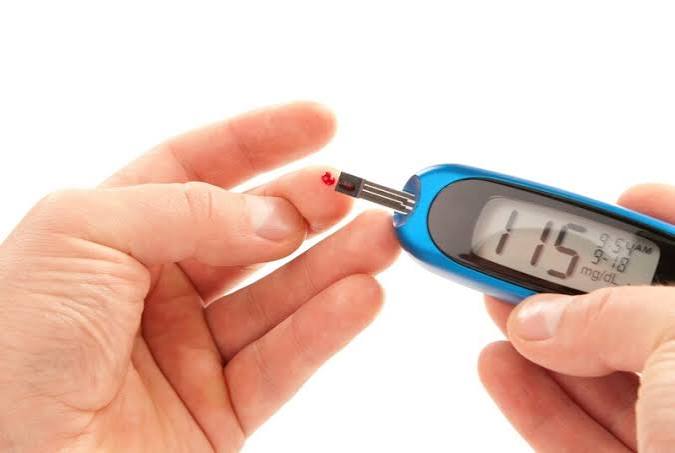
Diabetes checkups are not a single type of appointment — they are a coordinated system of regular assessments, blood tests, physical examinations, and specialist visits that collectively provide the monitoring necessary to manage Type 2 diabetes safely and prevent or detect its complications early. Many adults with diabetes attend their primary care appointments without a clear understanding of what tests and examinations should happen at each visit, which assessments are due annually versus quarterly, and which specialist referrals are part of standard diabetes care rather than something to seek only when symptoms appear. This gap between what should happen during diabetes checkups and what patients expect creates missed opportunities — tests that are skipped because neither patient nor provider initiates them, complications that are found later than they should be, and treatment adjustments that are delayed because monitoring data is not collected on schedule. Understanding the complete structure of diabetes monitoring — what each component measures, how frequently it should occur, and what the results mean — empowers patients to actively participate in their own care and ensure that their monitoring is current and complete.
Adults with Type 2 diabetes who attend regular structured checkups and complete recommended monitoring have significantly better long-term outcomes than those who receive episodic care only when symptoms develop. The UKPDS (UK Prospective Diabetes Study) established that intensive monitoring and treatment adjustment — only possible through regular checkups — reduces the rate of diabetic complications substantially over 10 years. Studies of diabetes care gaps consistently show that large proportions of adults with diabetes are missing one or more components of recommended annual monitoring — including HbA1c testing (skipped in 20–30% of adults in some populations), dilated eye exams (missed in 40–50% of diabetes patients), foot examinations (skipped in 30–40%), and urine albumin testing (not performed in 25–35%). Each missed monitoring component represents a window during which a developing complication could be detected and treated before it progresses to a stage that is harder or impossible to reverse.
Quarterly Diabetes Checkup: What Happens Every 3 Months
Adults with Type 2 diabetes on medication typically see their primary care provider every 3 months, though patients with well-controlled, stable diabetes may be seen every 6 months after achieving targets. Here is what standard quarterly diabetes checkups include:
- HbA1c test: The glycated hemoglobin (HbA1c) test is the cornerstone of quarterly diabetes monitoring, measuring the average blood glucose over the preceding 2–3 months by assessing how much glucose has attached to hemoglobin molecules in red blood cells. Unlike a single fasting glucose reading, HbA1c reflects blood glucose patterns across a full 2–3 month period and is not affected by what was eaten before the test — making it a far more reliable measure of overall blood glucose control than point-in-time glucose readings. The ADA target for most adults with Type 2 diabetes is HbA1c below 7.0% (corresponding to an estimated average glucose of approximately 154 mg/dL); targets are individualized based on age, life expectancy, hypoglycemia risk, and presence of complications. Adults with newly diagnosed or poorly controlled diabetes typically have HbA1c measured every 3 months until the target is achieved; stable, well-controlled patients may extend to 6-month intervals. Understanding what HbA1c means and how to interpret your result is covered in our A1C testing schedule guide.
- Blood pressure measurement: High blood pressure (hypertension) is present in approximately 70% of adults with Type 2 diabetes and is one of the most significant risk factors for both cardiovascular events and diabetic kidney disease. The ADA blood pressure target for most adults with diabetes is below 130/80 mmHg. Blood pressure should be measured at every diabetes clinic visit — not just at dedicated cardiovascular follow-ups — because it provides ongoing data about cardiovascular and renal risk management and can detect early deterioration before it becomes problematic. Home blood pressure monitoring between visits is valuable supplementary data that the prescribing clinician can use to distinguish true blood pressure from white-coat hypertension (elevated readings that occur only in the clinical setting). Blood pressure monitoring in diabetes is covered in our blood pressure monitoring in diabetes guide.
- Weight and BMI: Body weight is measured at every diabetes visit because weight change directly affects blood glucose control, medication requirements, and cardiovascular risk. Weight loss improves insulin sensitivity and often reduces medication requirements substantially; weight gain can require medication escalation and signals increased metabolic risk. The trend over multiple visits is more informative than any single measurement — gradual weight gain over six months may indicate dietary drift or medication effects requiring attention, while intentional weight loss through lifestyle intervention or GLP-1 medication may support discussion of medication reduction.
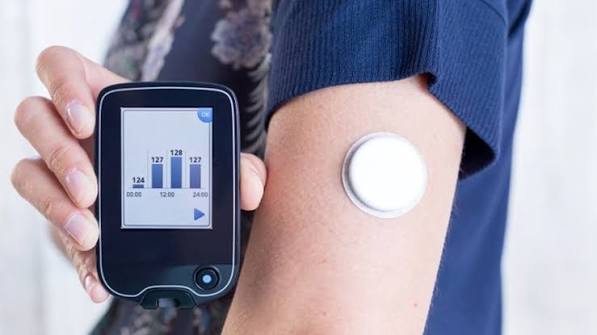
- Medication review and blood glucose diary review: Every quarterly visit should include a review of the current medication list, any changes in other medications (including over-the-counter medications and supplements that can affect blood glucose), any side effects experienced since the last visit, and the home blood glucose monitoring data from the period between visits. Patients who monitor at home should bring their glucose meter (or the app data from a continuous glucose monitor) to each visit so the data can be reviewed and interpreted in the context of the HbA1c result and any symptoms reported.
- Foot inspection — brief visual check at each visit: A brief visual foot inspection should occur at every diabetes visit — not just the detailed annual foot examination described below. The quarterly check looks for new wounds, blisters, calluses, or skin changes that have developed since the last visit and may require prompt attention. Foot problems in diabetes can escalate rapidly; a wound noticed at a routine visit can be treated before it progresses to a deeper infection.
Annual Diabetes Checkup: What Happens Once a Year
Several components of diabetes monitoring are recommended annually rather than at every visit — either because they assess conditions that change slowly (kidney function, cholesterol) or because they require specialist equipment (dilated eye examination). The complete annual diabetes checkups agenda includes:
- Comprehensive metabolic panel and lipid panel: Annual blood testing for kidney function (creatinine, eGFR), liver function, electrolytes, and a complete lipid panel (LDL cholesterol, HDL cholesterol, triglycerides, total cholesterol) provides the baseline data needed to monitor for diabetic kidney disease, detect medication-related metabolic effects, and assess cardiovascular risk. LDL cholesterol is a primary cardiovascular risk factor that is actively managed in adults with diabetes — the ADA recommends statin therapy for most adults with diabetes aged 40–75, with LDL targets below 100 mg/dL (or below 70 mg/dL for those with established cardiovascular disease). The annual lipid panel confirms whether the current statin dose is achieving the target and whether the dose requires adjustment. Cholesterol monitoring in diabetes is covered in our cholesterol monitoring in diabetes guide.
- Urine albumin-to-creatinine ratio (uACR): The urine albumin test detects the presence of albumin (a blood protein) in the urine — a sign that the kidney filtration barrier has been damaged by diabetic nephropathy. A uACR above 30 mg/g indicates early kidney damage (microalbuminuria) and warrants more intensive blood pressure control and SGLT2 inhibitor or ACE inhibitor therapy to slow progression. Early detection through annual urine albumin testing identifies kidney disease at a stage where progression can be substantially slowed — once kidney function has declined significantly, few interventions can restore what has been lost. The urine albumin test is covered in detail in our urine albumin test and diabetes guide.
- eGFR (estimated glomerular filtration rate): The eGFR, calculated from the serum creatinine level, age, sex, and body size, estimates how well the kidneys are filtering the blood. Annual eGFR monitoring in adults with diabetes tracks kidney function over time and determines whether diabetes medications that require dose adjustment or discontinuation in kidney disease (metformin, glyburide, SGLT2 inhibitors) need to be changed. A declining eGFR trend — even within the normal range — can be an early signal of progressive diabetic nephropathy requiring more intensive management. The complete guide to eGFR and kidney function monitoring is in our eGFR and kidney function in diabetes guide.
- Dilated eye examination: Annual dilated eye exams by an ophthalmologist or optometrist are standard care for all adults with Type 2 diabetes. The dilated examination allows inspection of the retina — the light-sensitive tissue at the back of the eye that is affected by diabetic retinopathy, the most common cause of new blindness in working-age adults in developed countries. Diabetic retinopathy is asymptomatic in its early and even moderate stages; by the time vision changes are noticeable, significant and potentially irreversible damage has often already occurred. Annual screening catches retinopathy at stages where laser treatment, anti-VEGF injections, or other interventions can preserve vision. The complete guide to eye exams for diabetes is in our eye exams for people with diabetes guide.
- Comprehensive foot examination: Once a year, the diabetes provider or a podiatrist should perform a comprehensive foot examination that goes beyond the brief visual check at quarterly visits. The annual exam includes monofilament testing (to assess protective sensation in the feet), assessment of foot pulses (to evaluate peripheral circulation), inspection for structural deformities (bunions, hammertoes, Charcot foot changes), and evaluation of skin integrity and nail health. This comprehensive assessment identifies patients at high risk of diabetic foot ulcers — the leading cause of non-traumatic lower limb amputations. The full guide to foot exams is in our foot exams for people with diabetes guide. The complete annual monitoring checklist — all tests and when each is due — is in our annual diabetes care checklist. The comprehensive kidney monitoring context is in our kidney tests for diabetes monitoring guide. The ADA Standards of Medical Care in Diabetes, the NIDDK’s diabetes management resources, and the CDC’s diabetes management guidance provide the authoritative clinical framework for diabetes checkup frequency and content recommendations.
Specialist Referrals That Are Part of Standard Diabetes Checkups
Several specialist visits are formally part of the recommended diabetes monitoring schedule — not optional extras, but components of standard care that primary care providers are expected to coordinate for all adults with Type 2 diabetes:
- Ophthalmologist or optometrist (annual dilated eye exam): As noted above, annual dilated retinal examination is standard care for all adults with Type 2 diabetes. The dilated examination should be performed by an eye care specialist — not assessed by fundoscopy at a primary care visit, which does not provide adequate visualization of the peripheral retina. Some healthcare systems now use retinal imaging cameras (diabetic retinopathy screening programs) operated by trained technicians as an alternative to in-person dilated exams — these programs have been validated as effective screening tools and can dramatically improve screening rates in populations with limited ophthalmology access. Regardless of the method, the important principle is that retinal assessment must happen every year, and the results must be communicated back to the primary care team for documentation in the diabetes care record.
- Podiatrist (foot care specialist — annually or more frequently for high-risk patients): Adults at high risk of diabetic foot complications — those with peripheral neuropathy, peripheral arterial disease, previous foot ulcers, structural foot deformities, or visual impairment that limits self-inspection — should be referred to a podiatrist for foot care. Podiatrists provide nail care, callus management, custom orthotics, and wound management that primary care providers are typically not positioned to deliver comprehensively. For patients with peripheral neuropathy who have previously had a foot ulcer, podiatry visits every 1–3 months may be recommended. For lower-risk patients, the comprehensive annual foot exam may be performed by the primary care provider, with podiatry referral only if abnormalities are found.
- Endocrinologist (diabetes specialist — for complex cases): Not all adults with Type 2 diabetes require endocrinologist involvement; many are well-managed by primary care providers with diabetes expertise. Referral to an endocrinologist is appropriate when blood glucose remains above target despite multiple medication adjustments, when insulin management is complex or producing frequent hypoglycemia, when a diagnosis of LADA (latent autoimmune diabetes in adults) or MODY (maturity-onset diabetes of the young) is being considered, when pregnancy with diabetes requires specialist management, or when a patient’s complication burden has become complex enough to warrant specialist coordination.
- Diabetes educator or registered dietitian: Diabetes self-management education (DSME) with a certified diabetes educator or registered dietitian is a recommended component of diabetes care at diagnosis, at any significant transition in care, and when management is not meeting targets. Diabetes education covers meal planning, blood glucose monitoring, medication management, sick day rules, foot care, and problem-solving — skills that significantly improve diabetes self-management outcomes but are not typically taught in sufficient depth during clinic appointments. The dietary approach to blood glucose management and meal planning that diabetes educators teach is summarized in our diabetes meal planning guide.
- Dentist (twice-yearly dental care): Diabetes is associated with increased rates of periodontal (gum) disease, and periodontal infection and inflammation can worsen blood glucose control — creating a bidirectional relationship where each condition worsens the other. Twice-yearly dental checkups and prompt treatment of gum disease are recommended for adults with diabetes. Informing the dentist about the diabetes diagnosis ensures they understand the oral health implications and can provide appropriate monitoring and treatment.
What to Bring to Your Diabetes Checkup and Questions to Ask
Preparation before diabetes checkups — and asking the right questions during the visit — significantly increases the value of each appointment:
- What to bring: Home blood glucose monitoring data (meter or CGM app data from the full period since the last visit), a complete and current medication list including doses, a list of any symptoms or changes since the last visit, any new medications prescribed by specialists or dentists, and a written list of questions. Blood glucose monitoring data is particularly valuable because the HbA1c tells the prescriber the average, but the home monitoring data reveals the pattern — whether lows are occurring overnight, whether post-meal spikes are the primary problem, or whether the issue is primarily elevated fasting glucose. Continuous glucose monitor (CGM) reports can now be downloaded and printed in standardized “ambulatory glucose profile” (AGP) format that communicates glucose pattern information far more efficiently than a list of individual readings.
- Questions to ask at each quarterly visit: “Is my HbA1c on track and what is my target?” / “Are there any medication changes needed based on today’s results?” / “Is my blood pressure at target, and if not, what changes are we making?” / “Is there anything in my blood tests from today that needs follow-up?” / “Are any of my annual monitoring tests due?” This last question is particularly important — many adults do not know which of their annual tests are current and which are overdue, and asking directly at each quarterly visit ensures the monitoring schedule stays on track.
- Tracking your own monitoring schedule: Keeping a personal record of when each diabetes monitoring component was last completed — the date of the last HbA1c, last eye exam, last urine albumin test, last comprehensive foot exam, last lipid panel — helps ensure that no component is overlooked. The complete annual monitoring schedule that lists every test and its recommended frequency is in our annual diabetes care checklist. For the complete medication management context that informs what your prescriber is doing at each visit, see our diabetes medications overview. The blood pressure monitoring guide that explains targets and home monitoring is in our blood pressure monitoring in diabetes article. The ADA Standards of Care, the NIDDK diabetes management resources, and the CDC diabetes management guidance provide the authoritative checkup frequency and content recommendations that underpin the monitoring system described here.
When Diabetes Checkups Need to Be More Frequent
The standard quarterly and annual diabetes checkup schedule is designed for adults whose diabetes is relatively stable and being actively managed toward targets. Several clinical situations require more frequent monitoring:
- Newly diagnosed diabetes: In the first 6–12 months after diagnosis, HbA1c is typically measured every 3 months regardless of the level of control, medication is being adjusted more frequently, and diabetes education appointments add additional contact with the care team. This initial intensive monitoring period establishes baseline values for all monitoring parameters, identifies early complications that may have been present before diagnosis, and calibrates the treatment regimen to the individual’s glucose response.
- Insulin initiation or significant regimen change: When insulin is started, when a GLP-1 medication is added, or when multiple medications are adjusted simultaneously, more frequent follow-up — sometimes every 4–6 weeks rather than quarterly — helps assess the response, detect hypoglycemia, and fine-tune doses before the next HbA1c assessment. Telephone or telehealth check-ins between visits can substitute for in-person appointments for straightforward medication adjustments.
- Developing or worsening complications: A patient who develops microalbuminuria (early kidney damage), who has worsening retinopathy, or who has a new cardiovascular event will have more frequent specialist visits, more frequent kidney function monitoring, and potentially more frequent primary care appointments to coordinate the increased complexity of their management. The monitoring schedule always responds to the clinical picture — the standard schedule is the baseline, not a ceiling. The overall diabetes management approach that determines what interventions are triggered by checkup findings is covered in our diabetes medications overview. The dietary approach that supports blood glucose control between checkups and is typically reviewed at each visit is in our diabetes meal planning guide. Blood glucose self-monitoring between checkups — which generates the data reviewed at each visit — is discussed in context throughout our annual diabetes care checklist.
The most important thing to understand about diabetes checkups is that they are a partnership — the monitoring system works best when the patient arrives prepared with their glucose data, their questions, and an accurate picture of their day-to-day diabetes management since the last visit, and when the provider systematically works through the full monitoring agenda rather than focusing only on the presenting concern. Both halves of this partnership require active participation. Patients who engage actively in their checkups — asking about overdue tests, reporting symptoms promptly, and following through on specialist referrals — consistently achieve better outcomes than those who attend appointments passively. Diabetes monitoring is not just a system for detecting problems after they develop; it is a proactive surveillance system designed to catch metabolic drift early, adjust treatment before complications progress, and keep long-term outcomes as favorable as possible across what is often a decades-long management journey.
Sources: American Diabetes Association — Standards of Medical Care in Diabetes, monitoring and checkup frequency recommendations; NIDDK — diabetes management and monitoring resources; CDC — diabetes checkup and monitoring guidance; UKPDS (UK Prospective Diabetes Study) — long-term outcomes of intensive diabetes monitoring; ADA HbA1c target recommendations and monitoring frequency guidelines; blood pressure and lipid management targets for adults with Type 2 diabetes; dilated eye exam and diabetic retinopathy screening recommendations; urine albumin and eGFR screening frequency guidelines from ADA and KDIGO; comprehensive foot examination components from ADA and American Podiatric Medical Association; diabetes care gap data from population-based monitoring studies.
My doctor recommended I look into diabetes checkups: what to expect and this article covered it perfectly. What I liked most was that the article didn’t just say what to avoid — it also gave alternatives. Forwarding this to others in my support group who are dealing with similar issues.
This breakdown of diabetes checkups: what to expect is exactly what patients need before a specialist appointment. This is the kind of evidence-based writing that actually changes how people approach their health. This is exactly why I prefer this website over generic health platforms.
Finally a resource that explains diabetes checkups: what to expect in plain language. I have tried following advice from several sources but this is most consistent with what my specialist told me. Appreciate the effort that went into researching and writing this — it shows.