
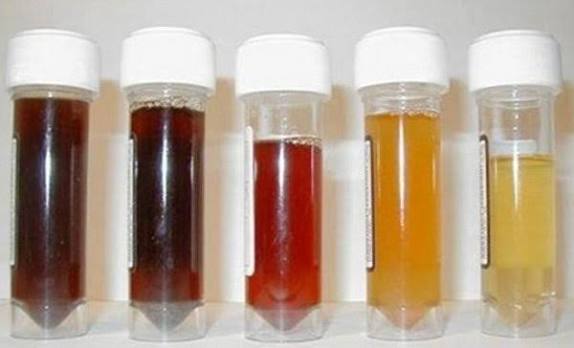
Urine color is one of the most readily observable health signals available every day. Most adults pay little attention to it — but the color can range from colorless to black, and each shade along that spectrum has a meaning. Most color changes are benign (dehydration, diet, medications) but some are the first visible sign of liver disease, kidney injury, or internal bleeding that requires prompt attention. This article is a complete urine color reference for adults — what each color means, which require evaluation, and how to tell the benign from the serious.
What Determines Urine Color?
Normal urine gets its characteristic yellow color from urochrome — also called urobilin — a pigment produced when the liver breaks down hemoglobin from aging red blood cells. The amount of urochrome per unit volume determines the shade:
- Dilute urine (high fluid intake): pale yellow or nearly colorless — urochrome spread across a large water volume
- Concentrated urine (dehydration or low intake): dark amber — the same urochrome in far less water
When urine shifts beyond the yellow spectrum — orange, red, brown, green, or black — additional substances are present. These include blood or its breakdown products, bile pigments (bilirubin, biliverdin), muscle proteins (myoglobin), medications and their metabolites, food pigments, and abnormal metabolites from genetic or metabolic conditions.
Complete Urine Color Chart
Colorless (Clear)
Colorless urine means highly dilute urine — the kidneys are excreting as much water as they take in. Most common causes: high fluid intake, recent alcohol (suppresses ADH, prompting more water excretion), and diuretic medications. Occasionally clear urine is harmless. Consistently colorless urine despite normal fluid intake, accompanied by excessive thirst and high urine volumes, may indicate diabetes insipidus (ADH deficiency or renal resistance) and warrants evaluation.
Pale Yellow / Straw — Normal
Pale to medium yellow is the target for healthy hydration — adequate fluid intake with normal kidney concentration. No action required.
Dark Yellow / Amber
Dark yellow to amber means concentrated urine from inadequate fluid intake. Universal, benign, and reversible within hours of drinking adequate water. The first morning void is almost always darker; this is normal. If dark amber persists after drinking water, evaluate to rule out bilirubinuria (liver disease).
Orange
Medications are the most common cause. Phenazopyridine (AZO, Uristat) produces bright orange-red urine — an OTC UTI pain reliever that frequently alarms patients who are not warned. Rifampin produces orange-red urine and also stains tears, sweat, and contact lenses. Sulfasalazine and high-dose riboflavin (B2) cause orange or orange-yellow urine. All are harmless.
Bilirubinuria from liver or biliary disease produces an amber to orange-tea color. The clinical test: orange or tea-colored urine with yellow foam when shaken suggests bilirubinuria. Bilirubin should not be present in normal urine — its presence is always pathological, appearing before jaundice becomes visible. See the article on dark urine and liver disease for the full evaluation. (AASLD, 2024)
Pink / Red
Pink to red urine is the most clinically important color change. The primary cause — blood in the urine (hematuria) — can indicate kidney stones, urinary tract cancers, or glomerulonephritis. In adults over 50, gross hematuria is associated with cancer in approximately 25 percent of cases (AUA 2020). (NIDDK, 2024) The article on blood in urine covers the full evaluation.
Non-blood causes: beets (beeturia in ~10-14% of people; betacyanin; passes within hours; benign but confirm with microscopy), blackberries, rhubarb, rifampin, doxorubicin, hemoglobinuria (hemolysis), and myoglobinuria (rhabdomyolysis — muscle pain + dark pink/cola urine = emergency evaluation).
Brown / Tea-Colored / Cola-Colored
Bilirubinuria: tea or cola color with yellow foam when shaken. Always pathological. See the article on dark urine for the full discussion.
Myoglobinuria (rhabdomyolysis): Coca-Cola brown color following severe muscle injury. AKI occurs in 10–40% of significant cases.
Hemoglobinuria: from PNH (dark brown on first morning void), G6PD crisis, or autoimmune hemolysis.
Medications: metronidazole, levodopa (brown-black after standing), nitrofurantoin, senna — all harmless.
Alkaptonuria: urine appears normal when fresh but turns dark brown-black on standing — pathognomonic.
Old or upper-tract hematuria: blood that degrades in transit turns from red to brown-black (hematin).
Green / Blue-Green
Green urine is rare and almost always medication-related. Propofol (IV anesthetic) is metabolized to green compounds — green urine in an ICU/OR patient receiving propofol is expected and benign. Amitriptyline, indomethacin, and methylene blue (diagnostic dye; also used for methemoglobinemia) produce blue-green or green urine. Outside a medication context, Pseudomonas aeruginosa UTI produces pyocyanin (blue-green pigment) — culture for Pseudomonas if urinary symptoms are present. Biliverdin in severe obstructive jaundice can produce a green tinge — warrants hepatobiliary evaluation.
Cloudy / Milky / Turbid
UTI: white blood cells and bacteria make urine turbid, usually with foul odor. Dipstick positive for nitrites and leukocyte esterase. The article on cloudy urine covers evaluation and how to distinguish UTI from phosphaturia.
Phosphaturia: harmless phosphate crystal precipitation in alkaline urine after meals — milky white cloudiness that clears spontaneously.
Chyluria: lymphatic fluid entering the urinary tract; very rare in the U.S.
Dark Brown / Black
Alkaptonuria: urine turns black on standing — pathognomonic. Blackwater fever: Plasmodium falciparum malaria causing massive hemolysis; very dark or black urine with high fever after travel to endemic regions. Melanogenuria: rare; in advanced metastatic melanoma. Severe intravascular hemolysis from any cause. All require evaluation.
Quick-Reference Urine Color Chart
| Color | Most Likely Cause | Recommended Action |
|---|---|---|
| Colorless | Overhydration, alcohol, diuretics | Usually fine; evaluate if persistent + large volumes |
| Pale yellow | Normal hydration | Normal |
| Dark yellow/amber | Dehydration | Drink water; reassess in 2–4 hours |
| Orange | Medication or bilirubinuria | Check medications; jaundice → same-day evaluation |
| Pink/red | Hematuria or food | Evaluate unless food confirmed by microscopy |
| Brown/tea/cola | Liver disease, rhabdomyolysis, hemolysis | Same day or ER depending on context |
| Green | Propofol, amitriptyline, Pseudomonas | Check medications; no improvement → evaluate |
| Cloudy/milky | UTI or phosphaturia | Dipstick; same day if UTI symptoms present |
| Black/very dark | Alkaptonuria, malaria, severe hemolysis | Same day or ER |
When to See a Doctor — Triage by Color
Go to the emergency department immediately:
- Red/pink urine + flank pain, fever, or severe pain — kidney stone or pyelonephritis
- Brown/cola-colored urine + muscle pain after exertion — rhabdomyolysis
- Any dark urine + markedly reduced urine output — acute kidney injury
- Very dark or black urine + fever after travel to malaria-endemic region
See a doctor the same day:
- New red or pink urine in anyone over 50, even without other symptoms
- Orange urine + jaundice (yellowing of skin or eyes)
- Brown or tea-colored urine without a clear medication explanation
- Cloudy urine + burning, frequency, or urgency
Schedule within 1–2 weeks:
- Persistent colorless urine with large volumes and excessive thirst
- Intermittent pale pink without other symptoms
Urine Color and Hydration — Practical Guidance
Urine color provides a real-time, cost-free daily hydration assessment:
- Pale yellow: optimal — maintain current intake
- Dark yellow/amber: drink water; aim for lighter color by mid-morning
- Colorless: reduce fluid intake slightly; if not drinking large amounts, evaluate for diabetes insipidus
- Dark amber persisting after hydration: not simple dehydration; evaluate
Athletes and workers in heat may produce amber to dark urine during activity — expected and resolves with rehydration. (CDC, 2024) Tracking urine color alongside kidney health numbers — eGFR and creatinine — provides the most complete picture of kidney function and hydration for adults with risk factors for kidney disease.
Medications That Change Urine Color
Several commonly prescribed and over-the-counter medications change urine color as an expected effect:
- Rifampin: orange-red (also stains tears, sweat, contact lenses)
- Phenazopyridine (AZO, Uristat): bright orange-red (OTC UTI pain relief)
- Levodopa: brown to black after standing
- Metronidazole (Flagyl): dark brown or reddish-brown
- Nitrofurantoin: dark yellow to brown
- B vitamins (high dose, especially B2/riboflavin): bright yellow with pungent odor
- Propofol: green (ICU/OR only)
- Amitriptyline: blue-green
- Methylene blue: blue-green
- Doxorubicin (Adriamycin): red to orange (chemotherapy; expected)
- Senna/cascara laxatives: brown
- Sulfasalazine: orange-yellow
When urine color changes after starting a new medication with no other symptoms, the medication is almost certainly the cause. Confirm with the prescribing physician if uncertain and no workup is needed.
Frequently Asked Questions
What color is healthy urine?
Pale to medium yellow — the color of light straw or diluted lemonade. This indicates good hydration and normal kidney function. The first morning void is often darker (amber) from overnight concentration; this is normal and lightens with the first glass of water.
What does dark yellow urine mean?
Dark yellow means concentrated urine — fluid intake is lower than output. Dehydration, exercise, hot weather, or a busy day without enough water are the usual explanations. Drink water and the color should lighten within 2 to 4 hours. If it does not, or if other symptoms are present, seek evaluation.
When is red urine an emergency?
Red or pink urine with flank pain, fever, or severe abdominal pain requires immediate emergency evaluation — kidney stone, pyelonephritis, or AKI. Red urine after a crush injury or intense exercise with muscle pain is rhabdomyolysis until proven otherwise. Painless red urine in adults over 50 requires same-day evaluation because cancer is found in approximately 25 percent of those cases.
What causes green urine?
Almost always a medication — propofol most commonly, then amitriptyline, methylene blue, or indomethacin. Outside an obvious medication context, Pseudomonas aeruginosa UTI and biliverdin from severe obstructive jaundice are the causes to investigate. Green urine after propofol anesthesia is expected and harmless.
Should I be worried about colorless urine?
Occasional clear urine is harmless — it just means you are very well hydrated or recently had alcohol. Consistently colorless urine with large volumes and excessive thirst may indicate diabetes insipidus and warrants evaluation. Tracking changes in urine odor alongside color provides the most complete daily picture of urinary health.
Urine color provides a daily, cost-free window into hydration status, kidney function, and early signs of liver or systemic disease. Most changes are benign — dehydration, food, vitamins, or medications. The colors that consistently warrant attention are red or pink (hematuria), orange with jaundice (bilirubinuria), and brown or cola-colored without an obvious medication cause. Knowing how to read the color chart is a practical skill every adult can use.
Urine Color Changes in Special Populations
Older Adults
Adults over 65 face two specific challenges when interpreting urine color. First, the thirst mechanism weakens with age, meaning chronic dehydration — and the associated dark amber urine — is common even in adults who believe they are drinking adequately. In nursing homes and long-term care settings, dark or concentrated urine is one of the most frequently observed and under-addressed clinical findings.
Second, and more critically: in adults over 50, gross hematuria (red or pink visible urine) carries a substantially higher risk of underlying malignancy than in younger adults. The AUA 2020 microhematuria guideline identifies older age as a major risk factor for urological cancer — approximately 25 percent of adults over 50 with gross hematuria are found to have bladder or kidney cancer on evaluation. Painless red or pink urine in this age group, even if it appears only once and resolves, requires same-day urological evaluation — not observation or attribution to dehydration.
Older adults are also more likely to be on polypharmacy, making medication-related color changes more common. Nitrofurantoin (frequent in older women with recurrent UTIs), rifampin (TB prophylaxis or treatment), and B vitamins all affect urine color. When a color change begins after a medication change, that is the most parsimonious explanation — but if the change is red or pink, microscopy should still confirm the absence of blood before attributing the color to a drug.
Pregnant Women
Pregnancy alters several aspects of urinary function that affect color. Increased renal blood flow and glomerular filtration rate dilute urine during early and mid-pregnancy, making pale or even colorless urine relatively common — this is normal. The expanded blood volume also increases demand for fluid intake to maintain adequate dilution; pregnant women who do not increase fluid intake may produce darker, more concentrated urine than their pre-pregnancy baseline despite drinking the same amount.
Red or pink urine during pregnancy requires prompt evaluation. While UTI — with accompanying hematuria — is the most common cause, hematuria also occurs with kidney stones (more common in the second and third trimester due to urinary stasis) and, rarely, with pre-eclampsia-related renal involvement. Evaluation without delay is the standard recommendation for any visible blood in urine during pregnancy.
Dark amber or concentrated urine alongside nausea-induced vomiting in early pregnancy (hyperemesis gravidarum) signals dehydration that may require IV fluid replacement — the concentrated urine provides an observable indicator of severity that aids clinical decision-making.
Children and Infants
In children, concentrated amber urine is most commonly a dehydration signal — children playing, exercising, or attending school often resist stopping to drink water. Increasing fluid intake resolves the concentration and the darker color within a few hours.
However, pediatric hematuria warrants specific attention. Red or pink urine in a child, particularly when accompanied by periorbital edema, hypertension, or reduced urine output, raises the possibility of glomerulonephritis — particularly post-streptococcal glomerulonephritis (PSGN), which classically produces tea-colored or brown-red urine approximately 1 to 3 weeks after a streptococcal throat or skin infection. PSGN is the most common cause of acute nephritic syndrome in children and requires pediatric nephrology evaluation.
Unusual urine colors in infants — particularly green or very dark urine — may reflect metabolic disorders or neonatal liver disease (bilirubinuria from neonatal hepatitis or biliary atresia) and require immediate pediatric evaluation.
Using the Urine Color Chart as a Daily Health Tool
The most practical way to use urine color information is to develop the habit of briefly noting urine color once or twice a day — not as an obsessive routine, but as an effortless health check that costs nothing and requires no equipment.
In the morning: The first void is typically the most concentrated and darkest. Dark amber on first void followed by pale yellow by mid-morning is entirely normal and indicates good overnight hydration during sleep. If the first void is still dark amber after two glasses of morning water and another hour, dehydration is mild and will resolve throughout the day. If the first void is red, brown, or orange with any accompanying symptom, that is the moment to seek evaluation — not to wait and see.
During illness: Fever, vomiting, diarrhea, and decreased appetite all reduce fluid intake and increase losses. Dark urine during illness is one of the most sensitive early indicators of dehydration — it appears before clinical signs like dry mucous membranes or poor skin turgor, making it a useful early warning. When urine darkens significantly during illness, aggressive oral rehydration is appropriate; if it fails to lighten or is accompanied by reduced output, intravenous fluids may be needed.
After exercise: Dark amber to brown urine immediately after intense exercise is common and can be benign (concentrated from sweat losses) or concerning (myoglobin from muscle breakdown — rhabdomyolysis). The distinguishing factor: muscle pain or weakness alongside cola-colored urine after exercise is rhabdomyolysis until proven otherwise. Dark amber without muscle symptoms resolves with hydration and needs no evaluation. When evaluating broad urinary health, understanding the connection between urine color, urine odor as described in the article on strong-smelling urine, and other urinary changes provides the most complete clinical picture.
When starting new medications: If you start a new medication and notice a color change within 24 to 48 hours, check the medication’s known side effects (listed in the package insert under “adverse effects” or “drug interactions”) before seeking evaluation. Rifampin, phenazopyridine, nitrofurantoin, and B vitamins are particularly common culprits. If the new color is red or pink and not explained by a known medication side effect, do not wait — seek evaluation the same day.
Urine Color and Kidney Health — The Connection
The kidneys are the organs most directly responsible for producing urine and controlling its concentration and composition. Urine color changes, when they reflect disease rather than diet or medication, often point back to the kidney — or to the systems that feed into it: the liver, the bloodstream, and the muscles.
Dark amber (concentrated): The most common kidney-related color change is concentrated amber from dehydration. The kidneys are doing exactly what they should — conserving water in the face of inadequate intake. This is not kidney dysfunction; it is normal kidney function under fluid restriction. The appropriate response is increased fluid intake, not kidney evaluation.
Cola-colored or dark brown: This combination warrants kidney concern. Myoglobinuria — which produces the Coca-Cola color of rhabdomyolysis — can cause acute tubular necrosis and kidney failure. Bilirubinuria from liver failure can produce a similar brown color while simultaneously impairing kidney perfusion (hepatorenal syndrome). Hemoglobinuria from massive hemolysis clogs renal tubules. All three pathways from brown urine to kidney injury are well-established and all require urgent evaluation.
Pink or red: The kidney is a common source of upper-tract hematuria — from kidney stones, renal cell carcinoma, IgA nephropathy, and polycystic kidney disease. Upper-tract bleeding often produces darker (brown-red) rather than bright red urine by the time it reaches the bladder. Any pink or red urine with flank pain should raise renal stone or renal mass suspicion until proven otherwise.
Colorless or very pale: When the kidneys lose the ability to concentrate urine — as in advanced CKD or diabetes insipidus — persistently colorless urine despite normal intake can indicate impaired tubular function. Monitoring kidney health numbers (eGFR, creatinine, BUN, and urine protein) alongside daily color observations provides the most complete picture of how the kidneys are functioning over time. For adults already diagnosed with or at risk for chronic kidney disease, integrating the urine color chart into daily self-monitoring — alongside checking for cloudiness and darkness — is a practical, no-cost complement to periodic laboratory testing.
Purple Urine Bag Syndrome — A Special Case
Purple urine bag syndrome (PUBS) is an unusual but well-documented phenomenon seen almost exclusively in catheterized patients — typically elderly, constipated, and in long-term care settings. The urine bag and catheter tubing turn purple or violet, alarming caregivers who are unfamiliar with the condition.
The mechanism is specific: tryptophan (from dietary protein) is converted by gut bacteria to indole, which is absorbed and metabolized by the liver to indoxyl sulfate. This is then excreted in the urine. Alkaline urine — common in urease-positive UTIs — combined with gram-negative bacteria (Klebsiella, Providencia, E. coli, Enterococcus) in the catheter bag produces enzymes that convert indoxyl sulfate to indigo (blue) and indirubin (red), which mix to produce the characteristic purple color. The purple appears in the bag and tubing — not always visibly in the toilet.
PUBS is alarming but not inherently dangerous. Management involves treating the underlying UTI, changing the catheter and collection bag, and addressing constipation. It resolves with appropriate treatment. Recognizing PUBS prevents unnecessary alarm and inappropriate interventions in elderly catheterized patients — and is a practical addition to any adult urine color reference.
Sources: NIDDK (niddk.nih.gov), Mayo Clinic (mayoclinic.org), AASLD Liver Guidelines (aasld.org), CDC (cdc.gov)
I have been reading about urine color chart: what adults should for weeks and this is the most thorough guide I found. I appreciated how the article addressed both the clinical side and the practical adjustments. This is going into my health folder that I bring to every doctor’s visit.
Really well-written article on urine color chart: what adults should. The article answered questions I didn’t even know I had until I started reading. Looking forward to reading more articles from this website.
As someone dealing with this personally, the urine color chart: what adults should section was very helpful. The connection between lifestyle choices and long-term outcomes is explained clearly here. Exactly the kind of evidence-based information that is hard to find in one place.