
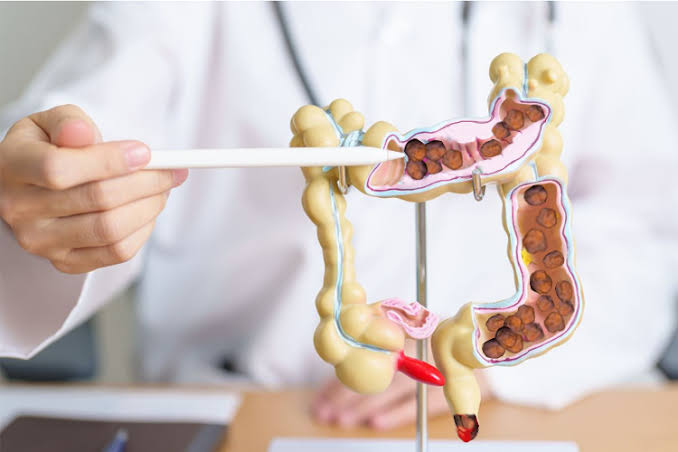
Constipation is one of the most common digestive complaints among adults, yet it is also one of the most misunderstood. Many people assume constipation simply means not having a bowel movement every day — but the condition is more precisely defined by stool consistency, ease of passage, and the sensation of complete evacuation, not just frequency alone. Understanding constipation symptoms and causes helps clarify when lifestyle adjustments are sufficient and when medical evaluation is warranted.
Approximately 16 percent of adults worldwide experience chronic constipation, with rates climbing above 33 percent in adults over 60. Women are affected more often than men across most age groups. Despite its prevalence, constipation is frequently undertreated — either because patients feel it is not worth mentioning to their doctor, or because they rely on short-term remedies without addressing the underlying cause.

What Is Constipation — Defining the Condition
The Rome IV diagnostic criteria — the international standard used by gastroenterologists — define functional constipation as the presence of at least two of the following symptoms in at least 25 percent of defecations, occurring for the past three months with symptom onset at least six months prior:
- Straining during defecation
- Lumpy or hard stools (Bristol Stool Chart types 1 or 2)
- Sensation of incomplete evacuation
- Sensation of anorectal obstruction or blockage
- Manual maneuvers needed to facilitate defecation (such as digital evacuation or manual support of the pelvic floor)
- Fewer than three spontaneous complete bowel movements per week
Loose stools are rarely present without the use of laxatives, and there are insufficient criteria for irritable bowel syndrome. This last point is clinically important: IBS with constipation (IBS-C) involves abdominal pain as a central feature alongside constipation, whereas functional constipation by Rome IV criteria does not require abdominal pain. The distinction affects treatment selection.
Clinicians also categorize constipation by its physiological subtype. Normal transit constipation is the most common form — stool moves through the colon at a normal rate but feels difficult to pass, often because stool consistency is suboptimal. Slow transit constipation involves genuinely delayed colonic movement, particularly in the proximal colon, and responds more to prescription secretagogues than to fiber alone. Defecatory dysfunction (also called pelvic floor dyssynergia or outlet obstruction) results from the inability to relax the puborectalis muscle and external anal sphincter during defecation — these patients often report prolonged straining, dependence on manual maneuvers, and a sense of rectal blockage, and they respond best to biofeedback therapy rather than laxatives.
Symptoms of Constipation Beyond Infrequent Stools
Stool frequency is only one dimension of constipation. Adults who have a bowel movement every two or three days but pass well-formed, soft stool without straining are not experiencing constipation. Conversely, adults who defecate daily but consistently produce hard, pellet-like stools with significant straining do meet diagnostic criteria.
The Bristol Stool Chart provides a standardized visual scale for stool consistency: types 1 (separate hard lumps, like nuts) and 2 (sausage-shaped but lumpy) are characteristic of constipation. Types 3 and 4 are considered ideal. Types 5, 6, and 7 indicate loose or watery stool. Asking patients to describe their stool by Bristol type is often more useful than asking about frequency.
Associated symptoms commonly reported alongside constipation include:
- Abdominal bloating and distension — retained stool and gas produce a sensation of fullness and visible abdominal enlargement, particularly in the lower abdomen
- Cramping and lower abdominal discomfort — colonic spasm around impacted stool can cause waves of dull to moderate pain, often relieved temporarily by passing gas or having a bowel movement
- Excessive time spent on the toilet — a practical indicator of straining difficulty that patients may not volunteer unless asked
- Rectal discomfort or pressure — particularly in pelvic floor dysfunction or when hard stool is lodged in the rectum
- Nausea and reduced appetite — secondary to abdominal distension and slowed gastric emptying associated with colonic retention
- Hemorrhoidal symptoms — repeated straining inflates hemorrhoidal cushions and can cause bleeding, prolapse, and perianal discomfort, creating a cycle where fear of pain further delays defecation
Any change in your normal bowel habit pattern — even without meeting full Rome IV criteria — is worth noting, particularly if accompanied by other symptoms. Our article on changes in bowel habits in adults provides a broader framework for interpreting what shifts in your pattern may indicate.
Dietary and Lifestyle Causes of Constipation
Diet and lifestyle remain the most modifiable contributors to constipation and the foundation of initial management. The average adult in the United States consumes only about 15 grams of dietary fiber per day — well below the recommended 25 grams for women and 38 grams for men. Soluble fiber absorbs water and forms a gel that softens stool; insoluble fiber adds bulk and speeds colonic transit. Most high-fiber foods contain a mixture of both types.
Specific dietary patterns associated with constipation include high consumption of ultra-processed foods, red meat, refined grains, and dairy products, combined with low intake of fruits, vegetables, legumes, and whole grains. A diet heavy in these processed categories is low in both fiber and water content, producing small, dry stools that are difficult to pass.
Hydration is frequently underappreciated as a contributor. The colon actively reabsorbs water from the stool — in a dehydrated state, this reabsorption is maximized, producing harder, drier stool. Adequate fluid intake (typically six to eight cups per day for most adults, more in hot climates or with exercise) supports stool hydration. Caffeinated beverages have a mild laxative effect in some individuals but do not substitute for water, and excessive caffeine can worsen dehydration.
Physical inactivity slows colonic transit. The mechanism likely involves reduced abdominal muscle tone and dampened enteric nervous system activity. Multiple observational studies show that active adults have lower rates of constipation than sedentary adults. Even moderate walking — 20 to 30 minutes per day — can meaningfully improve transit time in sedentary individuals with constipation.
Behavioral factors also contribute. Repeatedly suppressing the urge to defecate — a common pattern in adults with busy schedules, limited bathroom access at work, or social anxiety about public restrooms — leads to progressive dulling of the rectal sensation threshold. Over time, more stool must accumulate in the rectum before the urge is perceived, producing delayed and difficult evacuation. Travel and disrupted routines compound this, particularly in adults who depend on a reliable morning bowel habit.
Medications That Cause Constipation
Drug-induced constipation is among the most common and frequently overlooked causes, particularly in adults managing multiple chronic conditions. Any medication review for constipation should include both prescription and over-the-counter agents.
Opioid analgesics represent the single most significant medication class for constipation. Opioid-induced constipation (OIC) affects an estimated 40 to 80 percent of patients taking opioids for chronic pain. Opioids bind to mu-receptors in the enteric nervous system, inhibiting propulsive peristalsis, increasing non-propulsive contractions that create segmentation, and increasing sphincter tone. Unlike opioid-induced nausea — which typically resolves as tolerance develops — tolerance to opioid effects on the colon rarely develops, meaning OIC persists for the duration of opioid use. Patients on long-term opioids should be managed prophylactically with osmotic laxatives and, when needed, peripherally-acting mu-opioid receptor antagonists (PAMORAs) such as methylnaltrexone or naloxegol.
Other commonly prescribed medications that cause constipation include:
- Antacids containing aluminum or calcium carbonate — particularly with regular or high-dose use; magnesium-based antacids have the opposite effect
- Iron supplements — ferrous sulfate produces constipation through unclear mechanisms; ferrous gluconate or ferric formulations are sometimes better tolerated; taking with food or reducing dose frequency may help
- Calcium channel blockers — particularly verapamil and diltiazem, which relax smooth muscle throughout the body including the GI tract
- Anticholinergic agents — a broad category including bladder medications (oxybutynin, solifenacin), older antihistamines (diphenhydramine), some antidepressants, and many medications used in Parkinson’s disease; anticholinergics inhibit acetylcholine signaling in the enteric nervous system, reducing peristaltic coordination
- Tricyclic antidepressants (amitriptyline, nortriptyline, doxepin) — have significant anticholinergic and antihistaminergic effects on GI motility; SSRIs and SNRIs are less constipating in general
- Diuretics — can cause constipation through systemic dehydration, particularly thiazide diuretics in older adults
- Some antipsychotics — particularly clozapine (which carries a black box warning for severe constipation and bowel obstruction) and olanzapine
If a medication is identified as the likely cause of constipation, a clinician can often suggest dose adjustment, timing modification, or alternative agents — never stop or change a prescribed medication without consulting your prescriber first.
Medical Conditions Associated With Constipation
When constipation develops without an obvious dietary, lifestyle, or medication explanation — particularly new-onset constipation in an adult who previously had regular bowel habits — an underlying medical condition should be considered.
Hypothyroidism is one of the most commonly tested causes. Thyroid hormone plays a key role in regulating GI motility; when thyroid hormone levels are low, the entire digestive tract slows. Constipation in hypothyroidism is often accompanied by fatigue, cold intolerance, weight gain, dry skin, and hair thinning. A simple TSH blood test screens for thyroid dysfunction and is typically included in the initial evaluation of unexplained constipation.
Diabetes mellitus — particularly long-standing type 1 or poorly controlled type 2 — causes autonomic neuropathy affecting the enteric nervous system. Diabetic gastrointestinal autonomic neuropathy can produce either constipation or diarrhea (sometimes alternating), as well as gastroparesis. The condition reflects generalized autonomic nerve damage that accumulates with years of glucose exposure.
Parkinson’s disease is strongly associated with constipation through two mechanisms: autonomic dysfunction (Lewy body pathology in the enteric nervous system, which can precede motor symptoms by years) and motor impairment of the pelvic floor and external sphincter. Many patients with Parkinson’s describe constipation as one of the earliest non-motor symptoms, predating the diagnosis by a decade or more in some cases.
Colon cancer is among the most important diagnoses to exclude in adults who develop new constipation after age 50, particularly when accompanied by narrowing of stool caliber, rectal bleeding, unexplained weight loss, or iron deficiency anemia. A tumor obstructing the lumen of the left colon or rectum can produce progressive constipation with or without alternating diarrhea. This is one of the primary reasons that unexplained new-onset constipation in an older adult warrants colonoscopy. Our article on blood in stool: causes and warning signs discusses the significance of rectal bleeding in this context.
Other medical conditions that can impair colonic motility or defecation include multiple sclerosis, spinal cord injury, pelvic floor disorders (including rectocele and rectal prolapse in women), hypokalemia, hypercalcemia, pregnancy (progesterone relaxes smooth muscle and slows transit), and depression or anxiety disorders through gut-brain axis dysregulation.
Red Flags That Require Medical Evaluation
Most constipation in otherwise healthy adults can be managed with dietary and lifestyle changes or over-the-counter remedies. However, certain features indicate that evaluation by a clinician — and often colonoscopy — should not be delayed.
Blood in or on the stool requires prompt evaluation. Bright red blood on the toilet paper or on the surface of the stool most commonly indicates hemorrhoids or an anal fissure from straining, but it can also indicate colorectal polyps, cancer, or colitis. Dark, tarry, or maroon-colored stool suggests bleeding higher in the GI tract and warrants urgent evaluation. See our full guide on blood in stool and its possible causes for a detailed breakdown by symptom pattern.
Unexplained weight loss alongside constipation raises concern for colorectal cancer or another malignancy. Weight loss of five percent or more of body weight over six to twelve months without intentional dieting warrants investigation.
New constipation in adults aged 50 or older who have not previously had chronic constipation should be evaluated, particularly if the change is progressive or accompanied by other symptoms. This represents the age at which colorectal cancer incidence rises substantially and at which guidelines recommend colonoscopy screening (or earlier for those with family history or other risk factors).
Narrow, ribbon-like stools that represent a change from a person’s normal stool caliber can indicate external compression or partial obstruction of the rectosigmoid colon.
Additional red flags include iron deficiency anemia, a palpable abdominal or rectal mass, and family history of colorectal cancer or inflammatory bowel disease. Any of these features should prompt evaluation rather than continued self-management.
How Constipation Is Evaluated and Diagnosed
The initial evaluation of constipation includes a focused history — stool frequency, consistency, straining, completeness of evacuation, duration, and associated symptoms — along with a medication review and abdominal and rectal examination. A rectal examination provides information about sphincter tone, the presence of stool in the vault, rectal masses, and anorectal tenderness.
Basic laboratory testing typically includes a complete blood count (to detect anemia), a comprehensive metabolic panel (electrolytes including calcium and potassium, kidney function, glucose), and thyroid-stimulating hormone (TSH). These screen for common secondary causes without requiring invasive testing.
Colonoscopy is indicated when red flag symptoms are present, when the patient is due for colorectal cancer screening, or when constipation is refractory to initial treatment and secondary causes need to be excluded. Colonoscopy allows direct visualization of the mucosa, identification of polyps or masses, and biopsy when needed.
When defecatory dysfunction is suspected based on symptoms (severe straining, manual facilitation, incomplete evacuation despite normal or near-normal stool frequency), anorectal manometry measures sphincter pressures and the ability to relax the puborectalis during simulated defecation. Defecography (fluoroscopic or MRI-based) visualizes the mechanics of defecation and can identify structural abnormalities such as rectocele, rectal intussusception, or excessive perineal descent. A colon transit study — using ingested radiopaque markers or wireless motility capsule — quantifies how long stool takes to travel through the colon and identifies whether slow transit is contributing.
Treatment — From Lifestyle to Prescription Options
Treatment for constipation follows a stepwise approach, beginning with dietary and lifestyle interventions and progressing to over-the-counter and then prescription therapies as needed.
Dietary fiber is the cornerstone of initial management. Soluble fiber — psyllium (found in Metamucil), methylcellulose (Citrucel), and wheat dextrin (Benefiber) — is generally preferred for constipation because it forms a gel in the colon that softens stool and eases passage. Fiber should be increased gradually over two to four weeks to minimize gas and bloating. Adequate hydration is essential when increasing fiber intake — fiber absorbs water, and increasing fiber without fluids can worsen constipation.
Osmotic laxatives draw water into the colon, softening stool and stimulating contractions. Polyethylene glycol (PEG, sold as MiraLAX) is widely used, well-tolerated, and considered safe for regular use. Lactulose is a non-digestible sugar with a similar osmotic mechanism. Magnesium hydroxide (milk of magnesia) is an effective osmotic agent that can produce bowel movements within hours. These agents are generally preferred over stimulant laxatives for ongoing use.
Stimulant laxatives (senna, bisacodyl) stimulate enteric nerves and smooth muscle to produce propulsive contractions. They are effective for acute constipation but are not recommended for daily long-term use in most patients. Concerns about stimulant laxative dependency are debated in the literature — older data suggesting permanent nerve damage have been challenged — but short-term use is the standard recommendation.
Prescription secretagogues are available for patients with chronic idiopathic constipation or IBS-C who do not respond adequately to lifestyle modification and over-the-counter agents. Lubiprostone activates chloride channels in intestinal epithelial cells, increasing fluid secretion into the lumen. Linaclotide and plecanatide activate guanylate cyclase-C receptors, increasing intraluminal fluid and accelerating transit while also reducing visceral hypersensitivity (making them particularly useful in IBS-C). These agents require a prescription and regular follow-up.
Biofeedback therapy is the first-line treatment for defecatory dysfunction (pelvic floor dyssynergia). Using sensors to provide visual or auditory feedback about pelvic floor muscle activity, patients learn to coordinate relaxation of the puborectalis and external sphincter with defecatory effort. Success rates are high — multiple trials show improvement in 70 to 80 percent of patients with confirmed dyssynergia.
Preventing Constipation Long-Term
Sustainable prevention of constipation is built on consistent lifestyle habits rather than intermittent laxative use. Adults who maintain adequate fiber intake, stay well-hydrated, exercise regularly, and respond promptly to defecatory urges generally avoid chronic constipation regardless of individual variation in transit time.
Practical fiber targets: Aim for 25 grams per day (women) or 38 grams per day (men). High-fiber foods include legumes (one cup of lentils provides about 15 grams), split peas, avocado, raspberries, pears, whole grains, broccoli, and artichokes. Most adults reach their fiber target most easily through food rather than supplements, though psyllium supplementation is a reliable and evidence-based adjunct.
Fluid intake: Most adults benefit from six to eight cups (48 to 64 ounces) of total fluid per day. Coffee and tea count toward fluid intake, though their net effect on stool hydration is smaller than plain water. Warm fluids — particularly warm water or decaffeinated herbal tea — in the morning can stimulate the gastrocolic reflex and facilitate morning defecation.
Exercise and movement: Aim for at least 150 minutes of moderate aerobic activity per week — brisk walking, cycling, swimming — as part of broader health maintenance. For adults with constipation, even shorter walks of 10 to 20 minutes after meals can accelerate transit. Avoid prolonged uninterrupted sitting.
Behavioral habits: Establish a consistent time for toileting, ideally in the morning after breakfast when the gastrocolic reflex is strongest. Do not suppress the urge to defecate when it arises. Use a footstool to elevate the feet while on the toilet — this positions the puborectalis in a more relaxed angle and simulates a squatting posture, which many patients find eases defecation. Avoid straining; if stool does not pass within a few minutes, leave the toilet and try again later.
For adults with recurrent constipation despite these measures, discussing a structured bowel management plan — including a scheduled mild osmotic agent and clear escalation criteria — with a primary care provider or gastroenterologist leads to better outcomes than reactive laxative use. Our broader guide to common digestive problems in adults provides additional context for managing chronic GI symptoms.
Frequently Asked Questions About Constipation
Is it dangerous to go several days without a bowel movement?
Occasional constipation lasting a few days is common and rarely dangerous in otherwise healthy adults. However, constipation lasting more than three weeks, or accompanied by pain, bloating, nausea, or inability to pass gas, warrants evaluation. Fecal impaction — when a hard mass of stool becomes lodged in the rectum — can cause paradoxical liquid diarrhea around the blockage and requires medical management. Severe constipation with bowel obstruction is a medical emergency.
Can constipation cause hemorrhoids?
Yes. Repeated straining during defecation increases pressure in the rectal veins, contributing to the formation and worsening of internal and external hemorrhoids. Hemorrhoids, in turn, can cause pain that leads patients to avoid defecating, worsening constipation — a cycle that is best interrupted by addressing constipation at its root. Softening the stool through fiber and osmotic laxatives reduces straining and allows inflamed hemorrhoidal tissue to recover. Our article on diarrhea and digestive health also touches on how stool changes of all kinds affect anorectal tissue.
How much fiber do I need, and can I get too much?
Most adults need 25 to 38 grams of dietary fiber per day. Exceeding this significantly — particularly with rapid increases in fiber intake — can cause gas, bloating, and abdominal cramps as gut bacteria ferment the additional fiber. Increase fiber gradually over two to four weeks and drink plenty of fluids. Very high fiber intakes (above 70 grams per day) can theoretically reduce absorption of certain minerals, but this is not a practical concern for most adults eating a balanced diet.
Are laxatives safe to use regularly?
Osmotic laxatives such as PEG (MiraLAX) are considered safe for regular use in adults and are not associated with dependency or tolerance. Stimulant laxatives (senna, bisacodyl) are generally recommended for short-term or intermittent use; older concerns about permanent nerve damage (“melanosis coli”) from senna have not been substantiated in modern research, but frequent daily use is still not recommended as a first-line long-term strategy. Prescription secretagogues prescribed for chronic constipation are intended for ongoing use under medical supervision.
When should I see a doctor for constipation?
Seek evaluation if constipation is new or worsening without a clear cause, if it is accompanied by blood in the stool, unexplained weight loss, or significant pain, if you are 50 or older with a new change in bowel habits, if over-the-counter remedies provide no relief after two to three weeks, or if you notice narrowing of stool caliber. These situations go beyond dietary management and warrant clinical assessment to exclude structural or systemic causes.
Sources: National Institute of Diabetes and Digestive and Kidney Diseases — Constipation | American College of Gastroenterology — Constipation | Mayo Clinic — Constipation: Symptoms and Causes